📅 Last Updated On: 05 Aug 2026
⏱ 10 Min Read
20 Best Places to Visit in Uttarakhand: Hill Stations, Temples & Wildlife Parks
T
Top Indian Holidays
Ministry of Tourism Approved Tour Operator
Uttarakhand Travel Guide: Himalayan Landscapes, Sacred Pilgrimage Sites and Nature Escapes
Nestled in the northern Himalayas, Uttarakhand is one of India's most captivating travel destinations. Known for its snow-covered peaks, sacred rivers, ancient temples, wildlife reserves and charming hill stations, the state attracts millions of visitors seeking everything from spiritual journeys to luxury mountain retreats. Often referred to as the "Land of the Gods," Uttarakhand offers a remarkable blend of culture, adventure and natural beauty that appeals to travelers from around the world.
The state's geography is incredibly diverse. Travelers can spend one day exploring river valleys and sacred temples before heading into alpine landscapes filled with forests, waterfalls and mountain villages. The region is also home to some of India's most important pilgrimage destinations, including the famous Char Dham circuit, making it a spiritual center for countless visitors.
Beyond its religious significance, Uttarakhand tourism has expanded rapidly due to its wildlife reserves, trekking opportunities and luxury mountain resorts. Destinations such as Nainital, Mussoorie and Auli have become favorites among travelers seeking cooler climates and spectacular scenery. Meanwhile, national parks like Jim Corbett provide exceptional opportunities for wildlife enthusiasts.
One of Uttarakhand's greatest strengths is its accessibility. Major destinations can be reached from Delhi, making the state an ideal addition to broader India itineraries. International visitors often appreciate the balance between cultural experiences and outdoor adventures that Uttarakhand provides.
Whether travelers are looking for peaceful lakes, Himalayan viewpoints, tiger safaris, ancient temples or luxury wellness retreats, Uttarakhand offers unforgettable experiences across every season.
The following destinations represent some of the finest places to visit throughout this extraordinary Himalayan state.
Explore Uttarakhand by Travel Style
Uttarakhand can feel like several different destinations within one state. Choosing a travel style first makes it easier to build a practical route instead of collecting places that sit many hours apart.
Hill Stations & Relaxed Escapes: Nainital, Mussoorie, Ranikhet, Kausani, Mukteshwar and Lansdowne suit travelers looking for mountain views, heritage stays, easy walks and a slower holiday rhythm.
Spiritual & Pilgrimage Journeys: Haridwar, Rishikesh, Kedarnath, Badrinath, Gangotri and Yamunotri combine sacred rivers, temples, ceremonies and high-Himalayan pilgrimage routes.
Wildlife & Forest Experiences: Jim Corbett National Park and Rajaji National Park are the principal wildlife choices, with jeep safaris, birdlife, river landscapes and important elephant and tiger habitats.
Adventure & Trekking: Auli, Chopta, Valley of Flowers and Munsiyari are strong choices for skiing, meadow walks, summit trails, alpine scenery and longer mountain adventures.
Culture & Local Life: Almora, Dehradun and the villages around Munsiyari and Mukteshwar offer markets, museums, monasteries, traditional architecture and a closer look at Kumaoni and Garhwali life.
20 Places at a Glance
|
Destination
|
Best For
|
Best Time
|
Suggested Stay
|
| Nainital |
Lakes & hill station |
Mar–Jun, Oct–Nov |
2–3 nights |
| Mussoorie |
Hill station & heritage |
Mar–Jun, Oct–Nov |
2 nights |
| Rishikesh |
Wellness, spirituality & rafting |
Feb–Apr, Sep–Nov |
2–3 nights |
| Haridwar |
Pilgrimage & culture |
Oct–Mar |
1–2 nights |
| Jim Corbett |
Wildlife safari |
Nov–Jun |
2–3 nights |
| Auli |
Snow, skiing & views |
Dec–Feb; Apr–Jun |
2–3 nights |
| Kedarnath |
Pilgrimage & trekking |
Official temple season |
2–3 nights |
| Badrinath |
Pilgrimage & mountain culture |
Official temple season |
1–2 nights |
| Valley of Flowers |
Alpine trek & nature |
Jul–early Sep |
3–4 nights |
| Chopta |
Meadows & trekking |
Mar–Jun, Sep–Nov |
2–3 nights |
| Munsiyari |
Offbeat Himalayas & trekking |
Mar–Jun, Sep–Nov |
3 nights |
| Kausani |
Views & relaxation |
Mar–Jun, Oct–Nov |
2 nights |
| Rajaji National Park |
Wildlife & birding |
Nov–Jun |
1–2 nights |
| Dehradun |
Gateway, heritage & nature |
Oct–Jun |
1–2 nights |
| Ranikhet |
Quiet hill retreat |
Mar–Jun, Sep–Nov |
2 nights |
| Almora |
Kumaoni culture & temples |
Mar–Jun, Sep–Nov |
2 nights |
| Mukteshwar |
Orchards & boutique stays |
Mar–Jun, Sep–Feb |
2 nights |
| Lansdowne |
Forest retreat & heritage |
Mar–Jun, Sep–Nov |
2 nights |
| Gangotri |
Pilgrimage & river landscape |
Official temple season |
1–2 nights |
| Yamunotri |
Pilgrimage & mountain trek |
Official temple season |
1–2 nights |
Plan Your Uttarakhand Holiday with a Private Car & Driver
From the peaceful lakes of Nainital and the hills of Mussoorie to the sacred temples of Kedarnath and Badrinath, explore Uttarakhand comfortably with a private car, experienced driver and customized itinerary.
1. Nainital – The Lake District of Uttarakhand
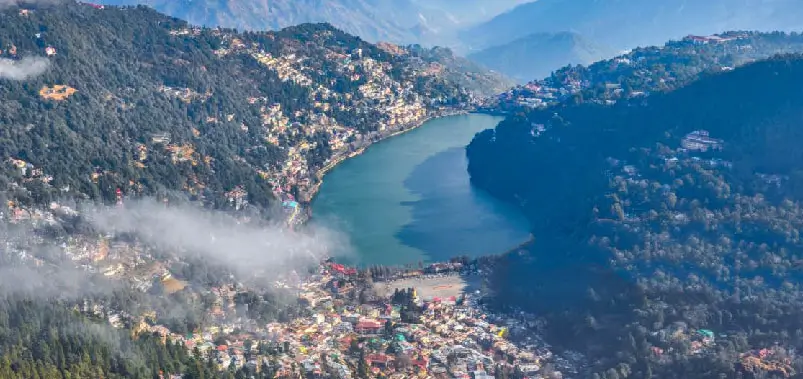
Among the most famous hill stations in Uttarakhand, Nainital continues to attract travelers with its scenic lake, colonial architecture and pleasant mountain climate. Situated around the beautiful Naini Lake, the town has served as a popular retreat for generations and remains one of the most visited destinations in the region.
The heart of Nainital revolves around the lake itself. Visitors can enjoy boating while surrounded by forested hills that reflect beautifully on the water. Early mornings are particularly peaceful, while evenings bring a lively atmosphere as travelers stroll along Mall Road and explore local markets.
Beyond the lake, several viewpoints offer panoramic views of the surrounding mountains. Snow View Point, Tiffin Top and Naina Peak provide spectacular perspectives that showcase the natural beauty of the Kumaon region. Cable car rides also offer excellent opportunities for photography and sightseeing.
- Luxury hotels overlooking the lake have contributed significantly to Nainital's popularity among international travelers. The combination of scenic beauty, comfortable accommodations and easy accessibility makes Nainital an essential destination within Uttarakhand travel itineraries.
- Why It's Worth Visiting: Nainital combines a classic hill-station atmosphere with an easy-to-enjoy lakefront, mountain viewpoints and family-friendly experiences. It works equally well for first-time Uttarakhand visitors, couples and travelers planning a relaxed Himalayan break.
- Best Time to Visit: March to June for pleasant sightseeing and October to November for clearer mountain views. December to February suits travelers who enjoy cold weather, although winter fog and road conditions should be checked before travel.
- Top Attractions: Naini Lake, Mall Road, Naina Devi Temple, Snow View Point, Tiffin Top, Naina Peak, Eco Cave Gardens and the Governor’s House.
- Solo Travel Tips: Stay close to Mall Road or Tallital for easier access to transport and restaurants. Avoid isolated shortcuts after dark, pre-book boating through authorized counters and keep a buffer for traffic during weekends and peak summer months.
2. Mussoorie – The Queen of the Hills
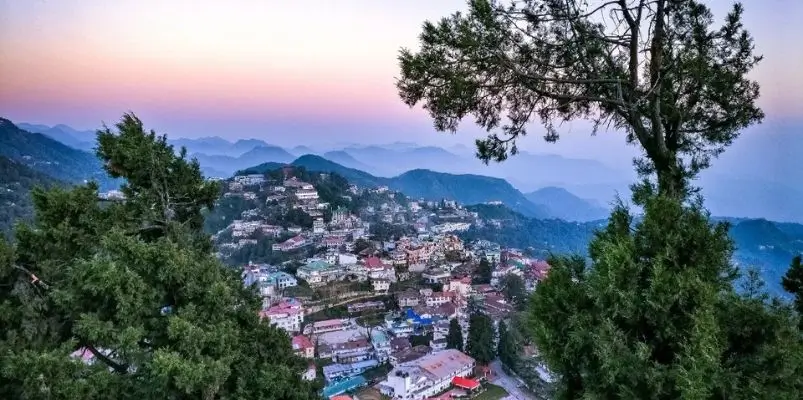
Mussoorie remains one of India's most iconic mountain destinations. Perched at an elevation of over 2,000 meters, this charming hill station has long attracted travelers seeking cool weather, Himalayan views and colonial-era elegance. Its location above the Doon Valley creates dramatic panoramas that have captivated visitors for generations.
Walking along Camel's Back Road or the famous Mall Road allows travelers to experience the town's unique atmosphere. Historic buildings, cafes and viewpoints combine to create an environment that feels both vibrant and relaxed. During clear weather, distant Himalayan peaks become visible, adding to the destination's appeal.
Nearby attractions such as Kempty Falls, George Everest House and Lal Tibba provide additional opportunities for exploration. Lal Tibba, the highest point in Mussoorie, offers some of the most spectacular mountain views in the region. Many visitors spend hours simply enjoying the scenery and peaceful surroundings.
Mussoorie is particularly popular among luxury travelers because of its collection of heritage hotels and boutique mountain resorts. The destination successfully combines natural beauty with comfortable hospitality, making it one of the highlights of Uttarakhand tourism.
- Why It's Worth Visiting: Mussoorie offers colonial charm, lively promenades, waterfalls and broad views over the Doon Valley. Its good hotel range and road connectivity make it one of the simplest hill destinations to include in a short Uttarakhand itinerary.
- Best Time to Visit: March to June for mild weather and October to November for crisp views. July and August are lush but can bring heavy rain, slippery trails and occasional road disruption.
- Top Attractions: Mall Road, Camel’s Back Road, Lal Tibba, Gun Hill, Kempty Falls, George Everest House, Company Garden and Cloud’s End.
- Solo Travel Tips: Choose a centrally located hotel if you do not want to depend on taxis. Use registered cabs for distant attractions, avoid poorly lit trails after sunset and start early for Kempty Falls or George Everest to miss crowds.
3. Rishikesh – Yoga Capital of the World
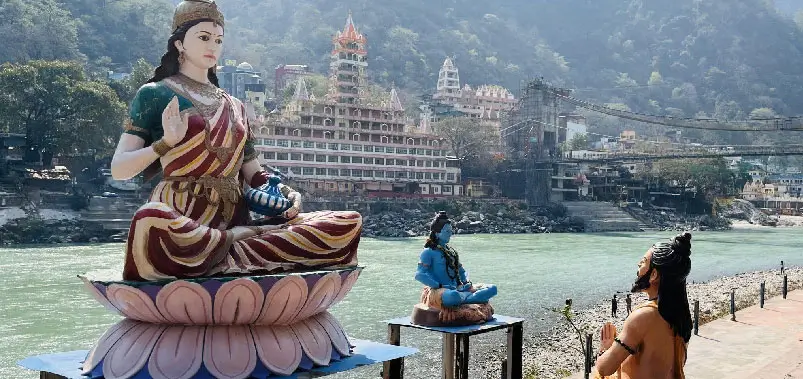
Situated along the banks of the Ganges River, Rishikesh is internationally recognized as the Yoga Capital of the World. While its spiritual reputation attracts countless visitors, the town also offers adventure activities, riverside cafes, Himalayan scenery and cultural experiences that appeal to a broad range of travelers.
The city's famous suspension bridges, Ram Jhula and Laxman Jhula, provide iconic views of the river and surrounding hills. Visitors can attend evening Ganga Aarti ceremonies, participate in yoga sessions, explore hidden waterfalls and enjoy white water rafting adventures. Few destinations in India offer such a diverse combination of activities.
Rishikesh has become particularly popular among international visitors interested in wellness tourism. Numerous yoga schools, meditation centers and luxury retreats provide opportunities for personal growth and relaxation. The town's global reputation continues to grow as travelers seek meaningful experiences beyond traditional sightseeing.
Its location near other major attractions such as Haridwar and Rajaji National Park makes Rishikesh an important gateway to the broader Himalayan region. For many travelers, it represents one of the most memorable destinations in North India travel.
- Why It's Worth Visiting: Rishikesh brings spirituality, wellness and adventure into one compact riverside destination. Visitors can attend the Ganga Aarti, study yoga, explore cafes and experience rafting without needing separate bases.
- Best Time to Visit: February to April and September to November offer comfortable weather. Rafting depends on river and safety conditions, while the monsoon season can lead to activity suspensions.
- Top Attractions: Triveni Ghat, Parmarth Niketan, Ram Jhula, the Tapovan area, Beatles Ashram, Neer Garh Waterfall and approved rafting stretches on the Ganges.
- Solo Travel Tips: Stay in Tapovan or near a well-connected main road, especially if arriving late. Book rafting only with licensed operators, dress respectfully at ashrams and avoid walking alone on quiet riverbanks after dark.
4. Haridwar – One of India's Holiest Cities
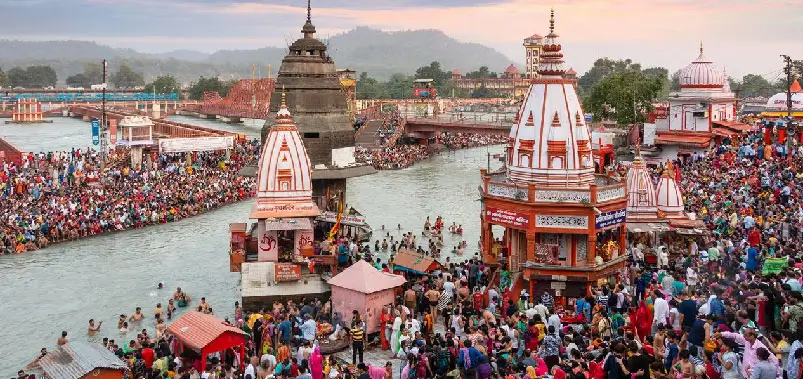
Haridwar occupies a special place within India's spiritual landscape. Located where the Ganges River emerges from the Himalayas and enters the plains, the city serves as one of the country's most important pilgrimage destinations. Millions of visitors arrive annually to participate in religious ceremonies and experience its sacred atmosphere.
The most famous attraction is Har Ki Pauri, a riverside ghat where pilgrims gather for ritual bathing and evening prayers. The daily Ganga Aarti transforms the riverfront into a spectacular display of light, music and devotion. Hundreds of lamps illuminate the water while chants echo throughout the city, creating an unforgettable cultural experience.
Beyond its religious significance, Haridwar offers insight into centuries-old traditions that continue to shape modern India. Markets, temples and riverside pathways provide opportunities to explore local culture and observe daily life. Visitors interested in photography often find the city's colorful rituals particularly rewarding.
Haridwar's proximity to Rishikesh allows travelers to combine both destinations within a single itinerary. Together, they provide a comprehensive introduction to the spiritual heritage of Uttarakhand.
- Why It's Worth Visiting: Haridwar provides an intense and authentic introduction to North India’s pilgrimage culture. The evening ceremony at Har Ki Pauri, temple visits and old markets make it especially valuable for travelers interested in faith and living traditions.
- Best Time to Visit: October to March is generally comfortable for sightseeing. Festival and pilgrimage dates create powerful cultural experiences but also bring very large crowds, higher prices and traffic restrictions.
- Top Attractions: Har Ki Pauri, Mansa Devi Temple, Chandi Devi Temple, Maya Devi Temple, Bharat Mata Mandir and the old markets around the ghats.
- Solo Travel Tips: Book accommodation near your preferred ghat but confirm vehicle access in advance. Keep valuables secure in crowds, use official ropeway counters and avoid entering fast-flowing river sections without local safety arrangements.
5. Jim Corbett National Park – India's Legendary Wildlife Destination
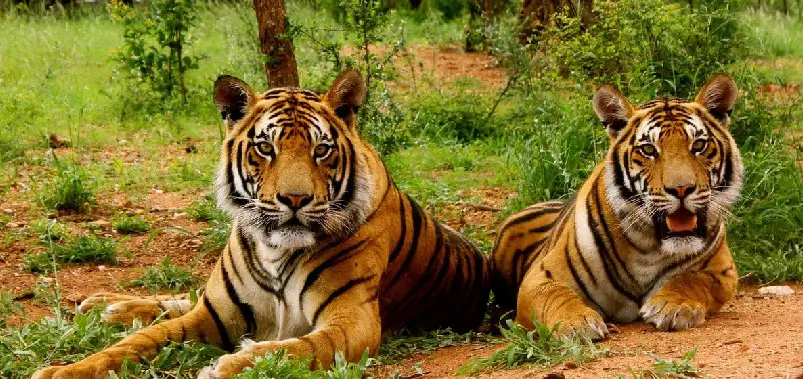
No list of best places to visit in Uttarakhand would be complete without Jim Corbett National Park. Established as India's first national park, the reserve remains one of the country's premier wildlife destinations and an important center for tiger conservation.
The park's diverse landscapes include forests, grasslands, rivers and wetlands that support an impressive variety of wildlife. Tigers are the most famous residents, but visitors may also encounter elephants, leopards, deer, crocodiles and hundreds of bird species. The abundance of wildlife makes every safari a unique experience.
Safari excursions are conducted by trained naturalists who help visitors understand the park's ecosystems and conservation efforts. Early morning drives often provide the best opportunities for wildlife sightings while also allowing travelers to appreciate the beauty of the Himalayan foothills.
Luxury jungle lodges surrounding the park have elevated the visitor experience considerably. Many properties offer premium accommodations while maintaining close connections with nature. For wildlife enthusiasts, Jim Corbett remains one of the finest safari destinations in India.
- Why It's Worth Visiting: Jim Corbett offers one of India’s most accessible combinations of wildlife, forest landscapes and quality jungle stays. Even without a tiger sighting, elephant, deer, bird and riverine habitats make the safari rewarding.
- Best Time to Visit: November to February for cooler weather and birdlife; March to June for warmer conditions and stronger chances of animals gathering near water. Safari zones and gates operate according to seasonal conditions.
- Top Attractions: Dhikala, Bijrani, Jhirna and Dhela safari zones, the Ramganga landscape, Corbett Museum and Garjiya Devi Temple in the wider region.
- Solo Travel Tips: Reserve permits through official channels well ahead of time and match your lodge to the allotted safari gate. Do not accept unauthorized rides, follow naturalist instructions and carry neutral clothing, sun protection and binoculars.
6. Auli – Snow-Covered Slopes and Himalayan Views
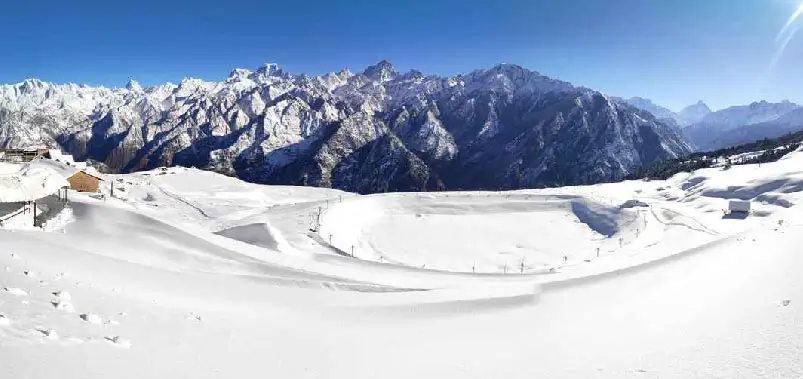
Auli has emerged as one of India's leading mountain destinations for travelers seeking spectacular Himalayan scenery. Situated at a high elevation in the Garhwal region, the destination is famous for its panoramic views of snow-capped peaks and well-developed winter sports infrastructure.
The landscape around Auli is dominated by majestic mountains that create breathtaking vistas throughout the year. During winter, snowfall transforms the area into one of India's most important skiing destinations. Visitors can enjoy ski slopes while surrounded by some of the highest peaks in the Himalayas.
Even outside the winter season, Auli remains incredibly attractive. Cable car rides, hiking opportunities and scenic viewpoints provide ample reasons to visit. The region's alpine meadows and mountain forests create beautiful settings for photography and outdoor exploration.
Luxury accommodations have gradually expanded within the area, allowing travelers to enjoy high levels of comfort while experiencing remote Himalayan landscapes. For visitors seeking dramatic mountain scenery, Auli remains one of the most rewarding destinations in Uttarakhand.
- Why It's Worth Visiting: Auli is one of Uttarakhand’s strongest choices for snow scenery, skiing and close Himalayan panoramas. It also works outside winter for meadow walks, cable-car views and a quieter mountain escape.
- Best Time to Visit: December to February for snow and skiing, subject to snowfall and operations. April to June and September to October are better for hiking, green landscapes and clearer road travel.
- Top Attractions: Auli ski slopes, the ropeway, Gorson Bugyal, Auli Artificial Lake, Joshimath and viewpoints toward Nanda Devi and surrounding peaks.
- Solo Travel Tips: Base yourself in Joshimath if you want more transport and dining options. Check ropeway, snowfall and road status before departure, avoid unmarked snow trails and carry proper footwear because ice can make short walks hazardous.
Looking for Wildlife and Nature Adventures?
Discover Jim Corbett National Park, Valley of Flowers, Chopta, Auli and other breathtaking destinations with tailor-made Uttarakhand tour packages designed for nature lovers and wildlife enthusiasts.
7. Kedarnath – One of the Most Sacred Pilgrimage Destinations in the Himalayas
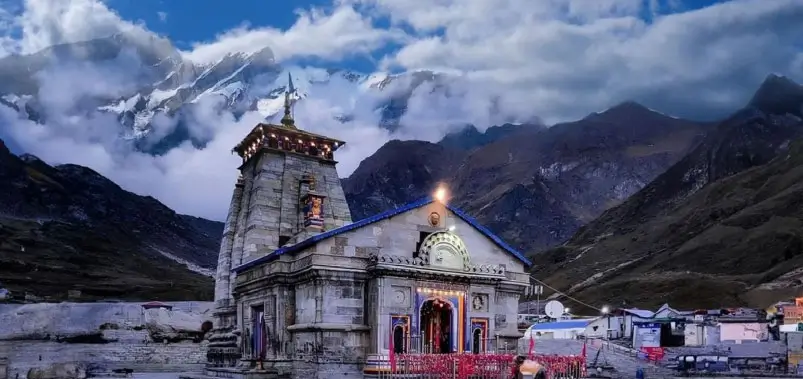
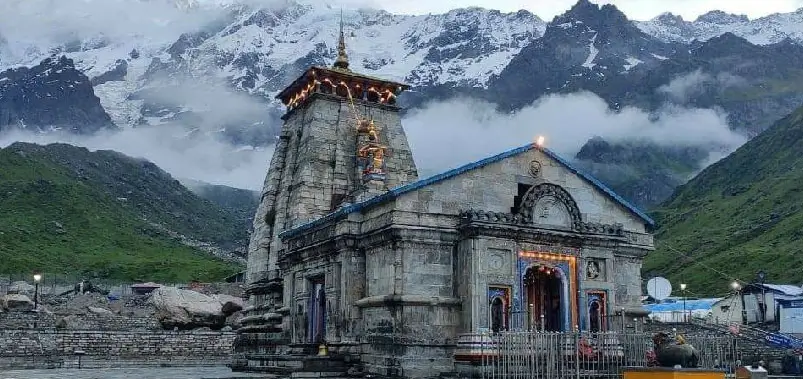
Set against a dramatic backdrop of towering Himalayan peaks, Kedarnath is among the most revered spiritual destinations in India. Located at an altitude of approximately 3,583 meters, the town is home to the famous Kedarnath Temple, one of the most important shrines dedicated to Lord Shiva. The journey to Kedarnath is as memorable as the destination itself, attracting pilgrims, trekkers and international travelers who wish to witness one of the most spectacular religious sites in the world.
The surrounding landscape is truly extraordinary. Snow-covered mountains dominate the horizon while glacial rivers flow through the valley below. The setting creates an atmosphere of serenity and grandeur that leaves a lasting impression on visitors. Even travelers who are not religious often find the experience deeply moving due to the beauty of the location.
Reaching Kedarnath requires a trek through mountain terrain, although helicopter services are also available during the pilgrimage season. The route offers breathtaking views of forests, waterfalls and alpine landscapes that showcase the raw beauty of Uttarakhand's higher elevations.
The combination of spiritual significance and natural splendor makes Kedarnath one of the most iconic destinations within Uttarakhand tourism. For many visitors, the journey represents a once-in-a-lifetime experience.
- Why It's Worth Visiting: Kedarnath combines exceptional religious importance with one of the most dramatic high-altitude temple settings in India. The journey itself creates a powerful sense of pilgrimage and Himalayan scale.
- Best Time to Visit: The temple is generally visited during the official pilgrimage season, commonly from late spring to autumn. Exact opening dates, weather alerts and route conditions must be checked before travel.
- Top Attractions: Kedarnath Temple, Bhairavnath Temple, the Mandakini Valley, Gaurikund and the mountain views along the authorized trekking route.
- Solo Travel Tips: This is a demanding high-altitude journey, so avoid rushing the ascent. Register as required, use authorized transport and porters, carry rain and cold protection, and consult a doctor beforehand if you have heart, breathing or mobility concerns.
8. Badrinath – Spiritual Heritage Surrounded by Himalayan Peaks
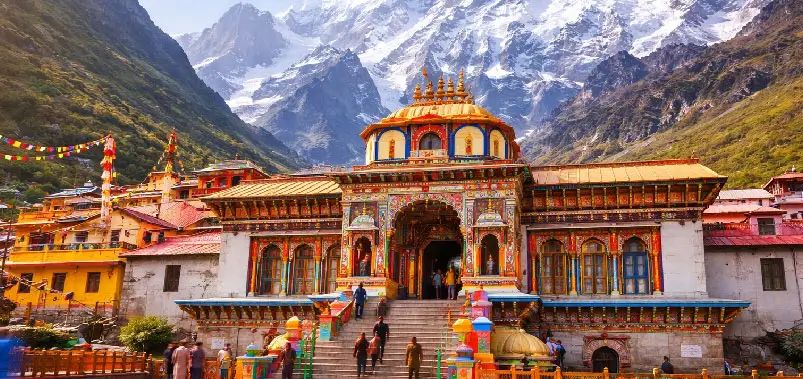
Badrinath is another cornerstone of Uttarakhand's spiritual identity and forms an important part of the famous Char Dham pilgrimage circuit. Situated along the banks of the Alaknanda River, the town is surrounded by snow-capped mountains that create one of the most dramatic settings for any temple in India.
The Badrinath Temple attracts pilgrims from across the globe, but its appeal extends beyond religious devotion. The architecture, river valley and surrounding scenery combine to create an unforgettable destination for travelers interested in culture and landscapes. The colorful facade of the temple contrasts beautifully with the rugged mountains that rise behind it.
Nearby attractions such as Mana Village, often referred to as India's last village before the Tibetan border, provide additional opportunities for exploration. Travelers can learn about local traditions, enjoy mountain views and gain insight into life in one of the country's most remote regions.
Badrinath remains one of the most important destinations in the Himalayas and deserves a place on any comprehensive Uttarakhand travel itinerary focused on culture and nature.
- Why It's Worth Visiting: Badrinath offers a major Char Dham shrine in a road-accessible Himalayan valley, making it spiritually important and visually striking. Nearby villages and natural landmarks add cultural depth to the temple visit.
- Best Time to Visit: Visit during the official temple season, usually between late spring and autumn. May to June and September to October are popular, while monsoon travel requires extra caution due to landslide risk.
- Top Attractions: Badrinath Temple, Tapt Kund, Mana Village, Vyas Gufa, Ganesh Gufa, Bhim Pul and Vasudhara Falls for prepared hikers.
- Solo Travel Tips: Acclimatize gradually, keep warm layers ready and avoid packing the itinerary too tightly. Confirm temple timings, road advisories and local transport, and do not attempt remote walks alone in poor weather.
9. Valley of Flowers – A UNESCO World Heritage Wonder
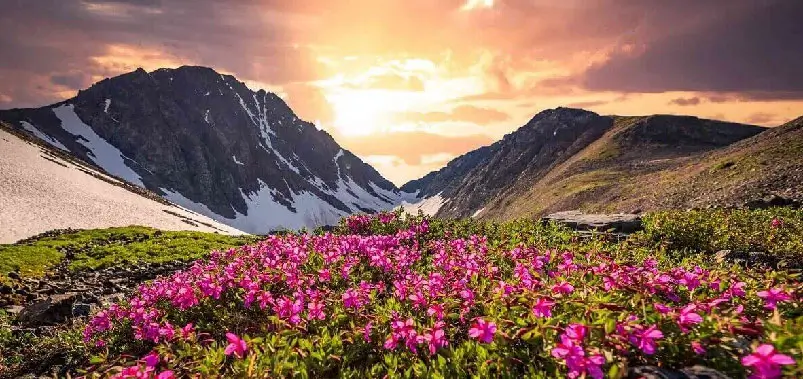
Among the most beautiful natural attractions in India, the Valley of Flowers offers a landscape unlike any other destination in Uttarakhand. Recognized as a UNESCO World Heritage Site, the valley is famous for its extraordinary display of alpine flowers that bloom during the monsoon season.
The journey to the valley involves a scenic trek through forests, rivers and mountain terrain. As visitors approach the destination, colorful meadows gradually appear, creating one of the most spectacular natural displays in the Himalayas. Hundreds of flower species transform the landscape into a vibrant mosaic of colors.
The valley is also home to diverse wildlife, including rare Himalayan species that thrive within the protected ecosystem. Nature lovers and photographers often consider it one of the finest destinations in India for observing alpine biodiversity.
Unlike many heavily visited tourist attractions, the Valley of Flowers retains a sense of wilderness and tranquility. The experience of walking through such an extraordinary natural environment leaves a lasting impression on travelers seeking unique landscapes within Uttarakhand tourism.
- Why It's Worth Visiting: The Valley of Flowers is a rare seasonal landscape where alpine biodiversity, waterfalls and Himalayan trekking come together. It is especially compelling for botanists, photographers and travelers who prefer nature-led experiences.
- Best Time to Visit: July to early September is the principal flowering period, with bloom patterns changing through the season. Rain is part of the experience, so trail and weather conditions should be checked daily.
- Top Attractions: The Valley of Flowers trail, Ghangaria, Pushpawati River views and nearby Hemkund Sahib for travelers prepared for a steeper high-altitude excursion.
- Solo Travel Tips: Stay at Ghangaria and begin early so you can return before closing time and afternoon weather changes. Carry waterproof gear, food and water, use sturdy shoes and consider a local guide if you have limited trekking experience.
10. Chopta – The Mini Switzerland of India
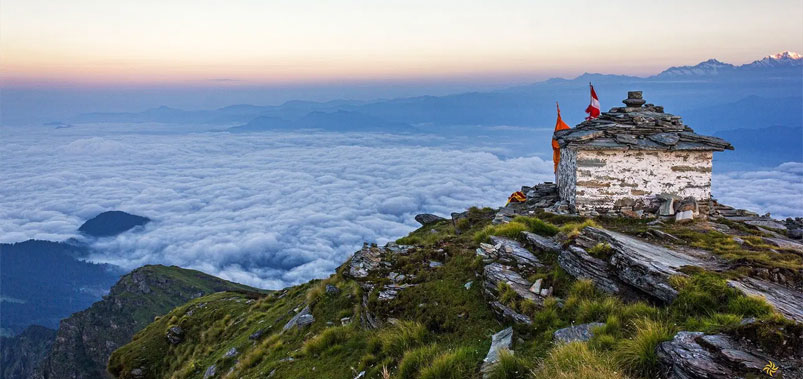
Chopta has gained increasing popularity among travelers seeking peaceful mountain landscapes away from major tourist crowds. Often referred to as the "Mini Switzerland of India," the destination is known for its meadows, forests and panoramic Himalayan views.
The region serves as the starting point for the trek to Tungnath, one of the highest Shiva temples in the world. The trail passes through beautiful alpine scenery where visitors can enjoy fresh mountain air and spectacular views of snow-covered peaks. During clear weather, some of the highest mountains in the Indian Himalayas are visible from the surrounding viewpoints.
Unlike larger hill stations, Chopta retains a relatively untouched character. The absence of heavy commercial development contributes significantly to its appeal. Travelers often visit to experience nature, photography and peaceful surroundings rather than crowded tourist attractions.
Luxury camping experiences and boutique mountain stays have begun attracting visitors looking for premium accommodations within remote landscapes. For those seeking serenity and natural beauty, Chopta is one of the hidden treasures of Uttarakhand.
- Why It's Worth Visiting: Chopta is a compact base for meadow scenery, forest walks and the celebrated Tungnath-Chandrashila trek. It delivers high visual impact without requiring a long expedition.
- Best Time to Visit: March to June for comfortable trekking, September to November for clear views and December to February for snow, depending on road access. The monsoon brings greenery but also slippery trails.
- Top Attractions: Tungnath Temple, Chandrashila summit, Chopta meadows, Deoria Tal and views of Chaukhamba, Kedarnath and other Himalayan peaks.
- Solo Travel Tips: Accommodation and connectivity can be basic, so download maps and carry cash. Start treks at daylight, rent appropriate snow equipment when needed and avoid attempting Chandrashila alone in poor visibility.
11. Munsiyari – A Remote Himalayan Paradise
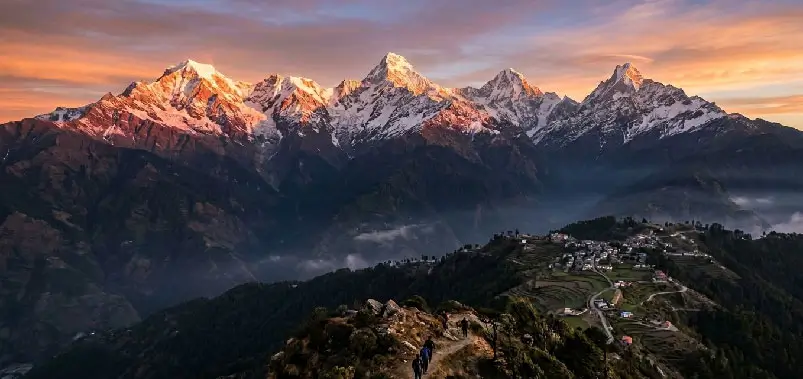
Located in the Kumaon region near the borders of Tibet and Nepal, Munsiyari remains one of Uttarakhand's most rewarding yet relatively lesser-known destinations. Surrounded by some of the most impressive peaks in the Himalayas, the town offers extraordinary mountain scenery and a sense of remoteness that is increasingly difficult to find.
The Panchachuli mountain range dominates the skyline, creating spectacular views that attract photographers and outdoor enthusiasts. Sunrise and sunset are particularly memorable as changing light conditions transform the appearance of the peaks throughout the day.
Munsiyari serves as a gateway for several trekking routes and adventure activities. Visitors can explore forests, alpine meadows and traditional mountain villages while experiencing a side of Uttarakhand that remains largely untouched by mass tourism.
For international travelers seeking offbeat Himalayan destinations, Munsiyari provides an exceptional alternative to more crowded mountain resorts. Its combination of natural beauty and cultural authenticity makes it one of the most fascinating places in the state.
- Why It's Worth Visiting: Munsiyari rewards the longer journey with expansive Panchachuli views, mountain culture and access to serious trekking country. It is ideal for repeat Uttarakhand visitors seeking fewer crowds and a slower pace.
- Best Time to Visit: March to June and September to November provide the most comfortable mix of road access and mountain visibility. Winter is beautiful but cold, with snow potentially affecting routes.
- Top Attractions: Panchachuli viewpoints, Khaliya Top, Birthi Falls, Nanda Devi Temple, Darkot village and the Tribal Heritage Museum.
- Solo Travel Tips: Plan at least two nights because the road journey is long and tiring. Share your route with your hotel, carry cash and offline maps, and hire a local guide for Khaliya Top or less-frequented village and forest trails.
Experience the Spiritual Side of Uttarakhand
Visit Haridwar, Rishikesh, Kedarnath, Badrinath, Gangotri and Yamunotri with expertly planned private tours. Enjoy comfortable transportation, trusted local assistance and flexible itineraries.
12. Kausani – Panoramic Views of the Himalayas
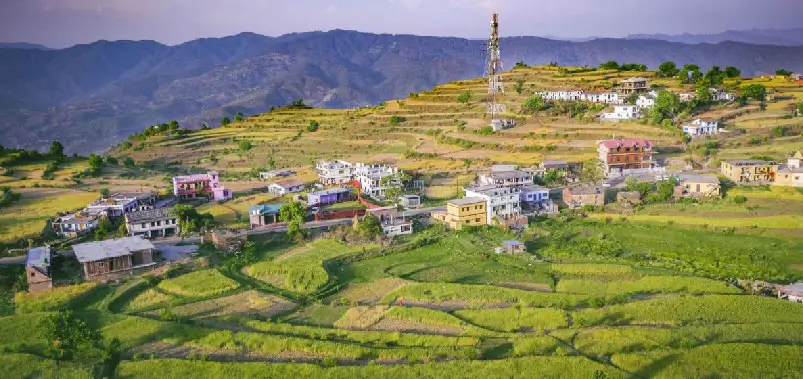
Kausani is often celebrated for offering some of the finest mountain views in Uttarakhand. Situated at an elevation of approximately 1,890 meters, the hill station overlooks a vast section of the Himalayan range, creating breathtaking panoramas that stretch across the horizon.
The peaceful atmosphere of Kausani appeals particularly to travelers seeking relaxation and scenic beauty. Tea gardens, forested hills and quiet walking trails contribute to the destination's charm. Unlike busier hill stations, Kausani allows visitors to slow down and appreciate the surrounding landscapes without constant crowds.
Many luxury retreats and boutique properties take advantage of the spectacular views, providing guests with opportunities to enjoy mountain scenery directly from their accommodations. Sunrise remains one of the highlights of any stay, as the first rays of sunlight illuminate distant peaks in shades of gold and pink.
For travelers interested in photography, wellness and nature, Kausani remains one of the most rewarding destinations within Uttarakhand travel.
- Why It's Worth Visiting: Kausani is designed for unhurried travel: sunrise views, tea gardens, quiet walks and restorative stays. It suits couples, photographers and wellness travelers more than visitors seeking a packed attraction list.
- Best Time to Visit: March to June for pleasant days and October to November for sharper Himalayan visibility. Winter is cold but peaceful, while the monsoon highlights greenery and cloud-filled views.
- Top Attractions: Anasakti Ashram, Kausani Tea Estate, Rudradhari Falls and Caves, Baijnath Temple and panoramic viewpoints toward Trishul and Nanda Devi.
- Solo Travel Tips: Choose accommodation within walking distance of the main viewpoints if you do not have a car. Arrange longer excursions in advance, carry a torch after sunset and avoid isolated forest paths without local guidance.
13. Rajaji National Park – Wildlife at the Gateway to the Himalayas
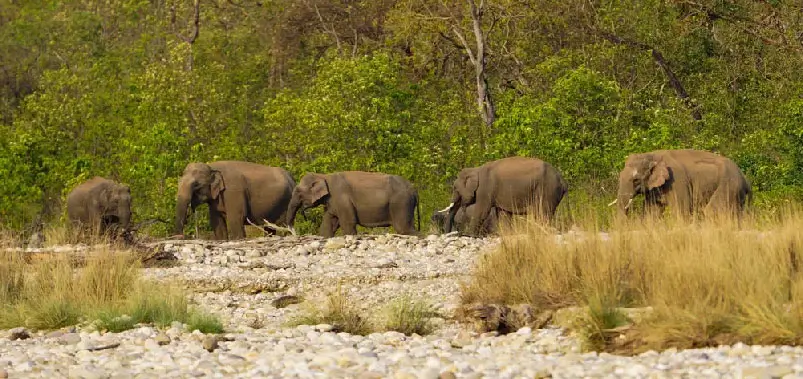
While Jim Corbett often receives the majority of attention, Rajaji National Park offers another exceptional wildlife experience in Uttarakhand. Located near Haridwar and Rishikesh, the reserve protects forests, river valleys and grasslands that support diverse wildlife populations.
The park is particularly famous for its elephant population, with sightings occurring regularly during safari excursions. Leopards, deer, wild boars and numerous bird species also inhabit the reserve, making it a rewarding destination for wildlife enthusiasts and photographers.
Its convenient location near major tourist centers allows travelers to combine wildlife experiences with spiritual and cultural attractions. The park's landscapes are equally impressive, featuring forests and river systems framed by the foothills of the Himalayas.
For visitors seeking a more accessible wildlife destination within Uttarakhand tourism, Rajaji National Park represents an excellent option.
- Why It's Worth Visiting: Rajaji is a convenient wildlife addition to a Haridwar or Rishikesh trip and is particularly known for elephants, birdlife and Shivalik forest scenery. It requires less itinerary disruption than more remote reserves.
- Best Time to Visit: November to June is the usual visitor season, with cooler months offering comfortable drives and late spring improving visibility near water. Gates and safari access can change with weather and management decisions.
- Top Attractions: Chilla and other operational safari ranges, forest and river landscapes, elephant habitat and birdwatching areas near the Ganges corridor.
- Solo Travel Tips: Confirm the correct gate before booking accommodation or transport because entry points are spread out. Use authorized vehicles, never approach wildlife on foot and avoid late solo transfers on forest-edge roads.
14. Dehradun – Gateway to the Garhwal Himalayas
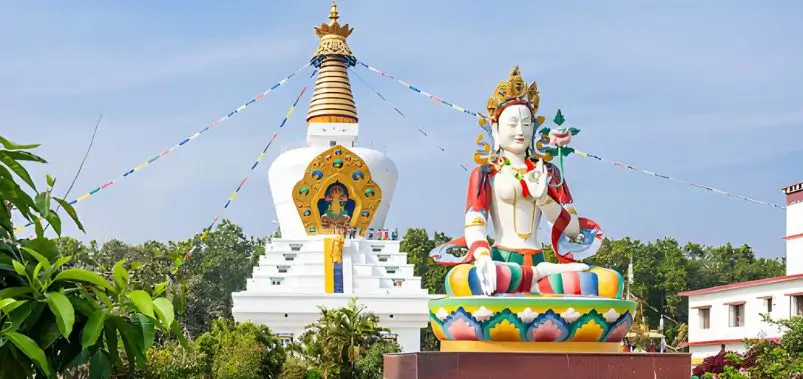
Dehradun, Uttarakhand’s capital, sits in the broad Doon Valley between the Himalayan foothills and the Shivalik range. Many travelers pass through on the way to Mussoorie or Rishikesh, but the city deserves time of its own for its caves, monasteries, museums, forests and easygoing local food scene.
The destination is especially useful at the beginning or end of a Uttarakhand journey because it has the state’s principal airport and major rail connections. It offers a softer arrival than heading directly into high mountain roads and gives travelers time to adjust their itinerary around weather conditions.
- Why It's Worth Visiting: Dehradun works as a practical base with a mix of nature, heritage and city comforts. It is a smart choice for families, older travelers and anyone who wants a relaxed gateway before moving into the mountains.
- Best Time to Visit: October to March for cooler sightseeing weather and March to June for combining the city with nearby hill stations. July and August are green but can be wet.
- Top Attractions: Robber’s Cave, Sahastradhara, Mindrolling Monastery, Forest Research Institute, Tapkeshwar Temple, Malsi Deer Park and Paltan Bazaar.
- Solo Travel Tips: Stay near Rajpur Road or another central area with reliable transport. Use app-based or hotel-arranged taxis, avoid entering cave and river areas during heavy rain, and keep your onward mountain journey during daylight.
15. Ranikhet – Cantonment Calm and Himalayan Vistas
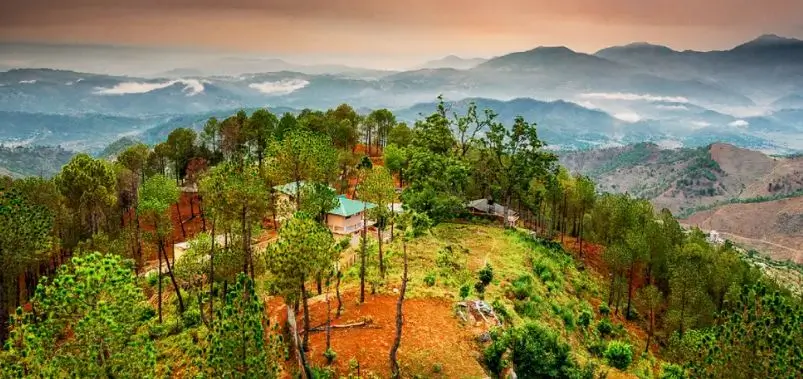
Ranikhet is a peaceful cantonment hill station known for pine forests, open ridges and views of the Kumaon Himalayas. Its restrained development and quiet roads create a noticeably slower atmosphere than busier destinations such as Nainital.
The town is well suited to gentle sightseeing, heritage walks and short family holidays. Temples, orchards and golf-course landscapes give visitors several low-effort outings while leaving enough time to enjoy the mountain air.
- Why It's Worth Visiting: Ranikhet offers the classic hill experience without constant traffic and commercial crowds. It is especially appealing for couples, families and mature travelers who prefer scenery and stillness over nightlife.
- Best Time to Visit: March to June and September to November. Winter offers cold, quiet days and occasional snowfall in the wider region, while monsoon months can reduce visibility.
- Top Attractions: Chaubatia Gardens, Jhula Devi Temple, Haidakhan Babaji Temple, Upat Golf Course, Kumaon Regimental Centre Museum and Majhkhali viewpoints.
- Solo Travel Tips: Select a centrally located stay because attractions are spread across forested roads. Arrange a trusted driver for half-day loops, avoid walking alone on empty stretches after dark and carry cash for small local stops.
16. Almora – Cultural Heart of Kumaon
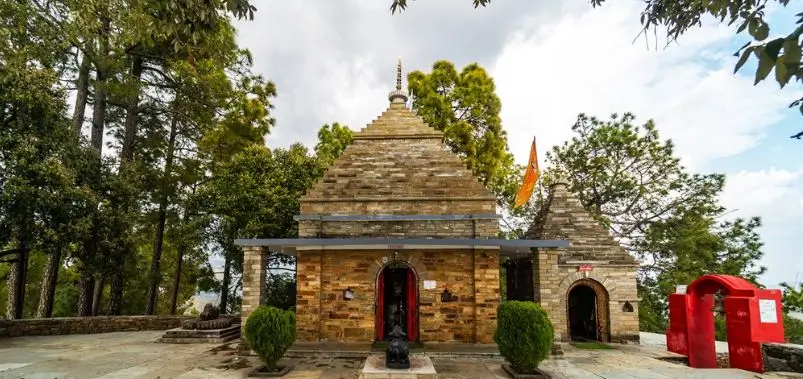
Spread along a horseshoe-shaped ridge, Almora is one of the best places to understand Kumaoni history, food, temple traditions and everyday mountain life. Its old bazaars and carved wooden facades give the town a cultural texture that resort-style hill stations often lack.
Almora also serves as a useful base for nearby temples, villages and nature retreats. Travelers can combine heritage exploration with excursions to Kasar Devi, Binsar and Jageshwar, creating a richer Kumaon itinerary.
- Why It's Worth Visiting: Almora feels lived-in rather than staged for tourism. It is worth visiting for regional culture, traditional markets, local sweets and access to some of Kumaon’s most atmospheric spiritual and forest sites.
- Best Time to Visit: March to June and September to November for pleasant conditions. October and November often provide clearer Himalayan views.
- Top Attractions: Kasar Devi Temple, Bright End Corner, Chitai Golu Devta Temple, Govind Ballabh Pant Museum, Lala Bazaar and day trips to Binsar or Jageshwar.
- Solo Travel Tips: Stay close to the main market if you want to explore on foot, but expect steep lanes and steps. Use a registered taxi for distant temples, return before dark and ask before photographing people or religious rituals.
17. Mukteshwar – Orchards, Cliffs and Quiet Mountain Stays
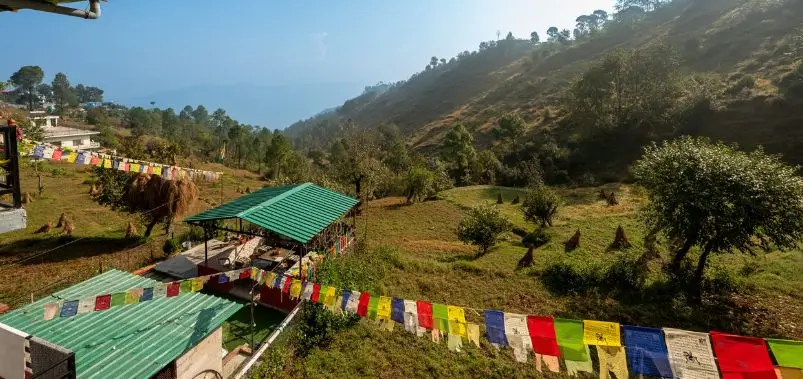
Mukteshwar sits high in the Kumaon hills and is known for fruit orchards, cedar forests, Himalayan views and boutique mountain retreats. Compared with Nainital, it offers a quieter, more spacious experience with fewer commercial distractions.
The destination has become popular for short nature breaks, birdwatching, village walks and adventure activities around the rocky cliffs. Its combination of comfort and countryside makes it attractive to couples, families and slow travelers.
- Why It's Worth Visiting: Mukteshwar delivers mountain views and polished stays while retaining a rural character. It is a strong alternative for travelers who find the larger hill stations too busy.
- Best Time to Visit: March to June for mild weather, September to November for clear views and December to February for winter atmosphere and possible snow.
- Top Attractions: Mukteshwar Temple, Chauli Ki Jali, Bhalu Gaad Waterfall, Sitla, orchards, forest trails and viewpoints across the Kumaon Himalayas.
- Solo Travel Tips: Choose accommodation that provides meals and transport help because properties can be isolated. Avoid cliff edges in fog or rain, use a guide for waterfall trails and keep a torch and offline map for evening movement.
18. Lansdowne – A Peaceful Colonial-Era Hill Retreat
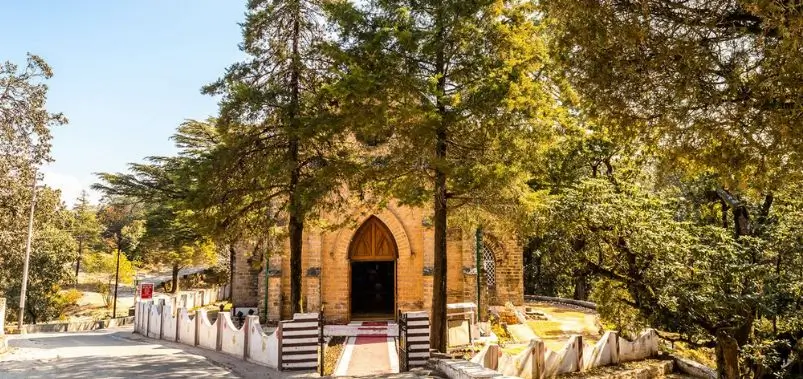
Lansdowne is a compact hill station surrounded by oak and pine forests in the Pauri Garhwal region. Developed as a cantonment during the colonial period, it remains quieter and less built-up than many famous Himalayan resorts.
Short walks, viewpoints and military heritage attractions define the experience. Its manageable scale and relative proximity to the plains make it suitable for a calm weekend or a pause between more active destinations.
- Why It's Worth Visiting: Lansdowne is worth visiting for silence, forest air and an uncluttered hill-station rhythm. It works particularly well for couples, families and travelers who want to read, walk and reset.
- Best Time to Visit: March to June and September to November. Winter is peaceful and cold, while the monsoon creates lush scenery but can bring road and trail difficulties.
- Top Attractions: Tip-in-Top viewpoint, Bhulla Tal, St. Mary’s Church, Garhwali Museum, War Memorial, Tarkeshwar Mahadev Temple and forest walks.
- Solo Travel Tips: Book accommodation near the main cantonment area if traveling without a car. Respect photography restrictions around military property, avoid isolated forest walks after dusk and confirm the return taxi before visiting distant temples.
Plan Your Perfect Uttarakhand Holiday with Local Experts
From the peaceful lakes of Nainital and the scenic beauty of Mussoorie to the spiritual charm of Kedarnath and the wildlife adventures of Jim Corbett, let our travel experts create a personalized Uttarakhand itinerary just for you. Enjoy private transportation, handpicked hotels, experienced guides, and a hassle-free journey.
19. Gangotri – Source Landscape of the Sacred Ganges
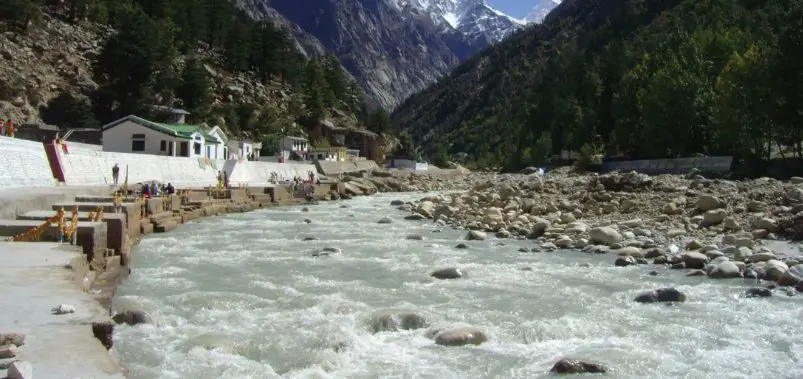
Gangotri is one of the Char Dham pilgrimage sites and stands beside the Bhagirathi River in a dramatic high-altitude valley. The temple, granite mountains, pine forests and rushing river give the town a powerful spiritual and natural presence.
For experienced and properly prepared travelers, the region also provides access toward Gaumukh, the glacier associated with the river’s source. That journey requires permits, fitness and close attention to current route conditions.
- Why It's Worth Visiting: Gangotri connects sacred geography with raw Himalayan scenery. It is valuable not only for pilgrims but also for travelers interested in rivers, mountain ecology and the cultural meaning of the Ganges.
- Best Time to Visit: During the official temple season, generally from late spring to autumn. May to June and September to October are commonly preferred; exact opening dates and road status must be verified.
- Top Attractions: Gangotri Temple, Bhagirath Shila, Surya Kund, Pandava Gufa, Harsil and the permitted route toward Gaumukh for qualified trekkers.
- Solo Travel Tips: Acclimatize before arrival, carry warm and waterproof layers and keep the schedule flexible. Register and obtain permits where required, never begin the Gaumukh route casually or alone, and follow all local disaster-management advisories.
20. Yamunotri – Sacred Beginnings in a Himalayan Valley
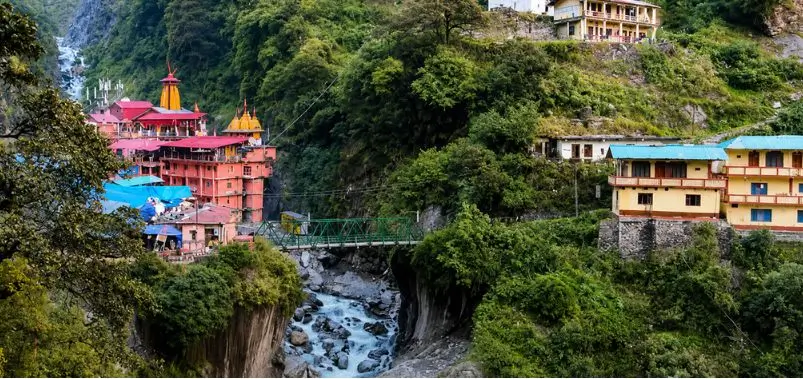
Yamunotri, the westernmost shrine of the Char Dham circuit, is dedicated to the River Yamuna. The pilgrimage approaches through a narrow Himalayan valley and finishes with a mountain trek from Janki Chatti, creating a more intimate experience than a road-accessible temple visit.
Hot springs, river scenery and surrounding peaks shape the destination. The route can be physically demanding, but the combination of faith, landscape and shared pilgrimage gives the journey a distinctive emotional character.
- Why It's Worth Visiting: Yamunotri offers a meaningful pilgrimage and a close encounter with Garhwal’s high valleys. The final trek makes the destination feel earned, while the hot springs and temple rituals add a memorable sense of place.
- Best Time to Visit: During the official pilgrimage season, usually from late spring to autumn. May to June and September to October are popular; heavy monsoon weather can affect road and trail safety.
- Top Attractions: Yamunotri Temple, Surya Kund, Divya Shila, Janki Chatti, Hanuman Chatti and views along the authorized trekking route.
- Solo Travel Tips: Start the trek early, wear supportive footwear and use only authorized pony, palki or porter services. Carry rain protection and water, avoid overexertion, and allow extra time for crowds, weather or road delays.
Suggested Uttarakhand Itineraries
These sample routes are starting points rather than rigid schedules. Add buffer time for mountain roads, weather changes, safari timings and pilgrimage registration requirements.
5 Days: First-Time Uttarakhand Highlights
- Day 1: Arrive in Dehradun and continue to Mussoorie.
- Day 2: Explore Mussoorie, including Lal Tibba, Camel’s Back Road and George Everest House.
- Day 3: Drive to Rishikesh; visit the riverside area and attend the evening Ganga Aarti.
- Day 4: Yoga, Beatles Ashram or an approved rafting experience; continue to Haridwar.
- Day 5: Visit Har Ki Pauri and key temples, then depart from Haridwar or Dehradun.
7 Days: Kumaon Lakes, Culture and Himalayan Views
- Day 1: Kathgodam or Pantnagar to Nainital.
- Day 2: Nainital lakefront, viewpoints and nearby attractions.
- Day 3: Nainital to Mukteshwar with orchard and forest stops.
- Day 4: Mukteshwar to Almora; explore the old market and Kasar Devi area.
- Day 5: Almora to Kausani via regional temples or villages.
- Day 6: Kausani sunrise, tea estate and a relaxed local excursion.
- Day 7: Return to Kathgodam or continue toward Ranikhet if extending the trip.
8 Days: Wildlife, Hill Stations and Riverside Experiences
- Day 1: Delhi or Kathgodam to Jim Corbett National Park.
- Day 2: Morning and/or afternoon authorized safari.
- Day 3: Corbett to Nainital.
- Day 4: Explore Nainital and nearby viewpoints.
- Day 5: Nainital to Ranikhet.
- Day 6: Ranikhet to Haridwar or Rishikesh with a long road transfer.
- Day 7: Explore Rishikesh and attend the evening Aarti.
- Day 8: Depart via Dehradun, with Haridwar sightseeing if time permits.
10 Days: Garhwal Spiritual and Mountain Circuit
- Day 1: Arrive in Haridwar and attend the evening Ganga Aarti.
- Day 2: Haridwar to Rishikesh; explore ashrams and the riverside.
- Day 3: Rishikesh to Chopta.
- Day 4: Tungnath and Chandrashila trek, subject to weather and fitness.
- Day 5: Chopta to Joshimath or Auli.
- Day 6: Explore Auli and nearby viewpoints.
- Day 7: Travel to Badrinath; visit the temple according to official timings.
- Day 8: Explore Mana Village and return toward Joshimath.
- Day 9: Begin the return journey toward Srinagar or Rishikesh.
- Day 10: Depart from Dehradun or Haridwar.
Best Time to Visit Uttarakhand
The best time depends on the experience you want. Uttarakhand changes sharply by elevation, so weather in Haridwar or Jim Corbett can be very different from conditions in Auli, Kedarnath or Munsiyari on the same day.
March to June - Hill Stations and Outdoor Holidays
Spring and early summer are popular for Nainital, Mussoorie, Ranikhet, Kausani, Mukteshwar and Lansdowne. Days are generally comfortable, but weekends and school holidays bring heavier traffic and higher hotel rates.
July to September - Monsoon Landscapes and Flowers
The Valley of Flowers reaches its seasonal highlight during the monsoon. Elsewhere, rain creates green landscapes but can also cause landslides, swollen rivers, slippery trails and road delays. Flexible plans are essential.
October to November - Clear Views and Comfortable Travel
Post-monsoon months often provide crisp Himalayan visibility and pleasant conditions across Kumaon and Garhwal. This is one of the strongest periods for scenic road trips, photography and light trekking.
December to February - Snow and Winter Retreats
Auli is the leading winter sports destination, while Chopta, Munsiyari and higher parts of Mukteshwar may also experience snow. Road access and snowfall are never guaranteed, so live updates matter more than old travel calendars.
Char Dham and High-Altitude Season
Kedarnath, Badrinath, Gangotri and Yamunotri operate according to officially announced seasonal dates. Travelers should verify temple opening, registration, weather and route advisories before finalizing any pilgrimage.
How to Reach Uttarakhand
Most Uttarakhand itineraries begin from Delhi, Dehradun, Haridwar, Rishikesh, Kathgodam or Haldwani. The right gateway depends on whether the route focuses on Garhwal or Kumaon.
By Air: Jolly Grant Airport near Dehradun is the main air gateway for Dehradun, Mussoorie, Rishikesh, Haridwar and many Garhwal routes. Pantnagar Airport can serve Kumaon, including the Nainital region, although flight frequency and onward transport should be checked.
By Train: Dehradun, Haridwar, Rishikesh, Kathgodam, Haldwani, Ramnagar and Kotdwar are useful railheads. Kathgodam and Haldwani serve Kumaon, Ramnagar is convenient for Jim Corbett, and Haridwar or Dehradun work well for Garhwal itineraries.
By Road: Delhi is connected to major Uttarakhand gateways by highways and regular bus services. Private cars offer greater flexibility, but mountain travel should be planned in daylight with realistic time buffers for traffic, weather and roadwork.
Getting Around Uttarakhand
Distances can look short on a map but take much longer on winding mountain roads. A good itinerary groups nearby destinations and avoids moving hotels every day.
Private Car with Driver: The most comfortable option for multi-stop routes, families and international visitors. A local driver is familiar with mountain roads, parking restrictions and suitable rest stops.
Buses and Shared Jeeps: State buses and shared vehicles connect many towns at lower cost, but departure times, comfort and luggage space can vary. They suit flexible travelers more than tightly timed itineraries.
Local Taxis: Useful for sightseeing loops, airport transfers and point-to-point travel. Confirm the fare, inclusions, waiting charges and return arrangement before departure.
Ropeways, Safaris and Pilgrimage Transport: Auli ropeway services, wildlife safaris, helicopters, ponies, palkis and porters operate under separate rules and seasonal conditions. Use official booking channels and authorized operators only.
Walking and Trekking: Short walks are part of many hill destinations, while high-altitude routes require preparation, suitable equipment and sometimes permits or guides. Do not treat a pilgrimage trek like an ordinary city walk.
Responsible Travel in Uttarakhand
Uttarakhand’s mountain ecosystems and pilgrimage corridors are beautiful but fragile. Responsible choices protect local communities, wildlife and the landscapes visitors have come to experience.
Carry waste back: Avoid single-use plastic where possible and never leave bottles, food packets, tissues or religious offerings on trails, riverbanks or roadsides.
Respect rivers and sacred places: Follow local rules for clothing, photography and rituals. Do not use soap, shampoo or chemical products in natural water sources.
Choose registered local services: Use authorized guides, safari vehicles, transport providers, porters and adventure operators. This improves safety and supports the local economy.
Keep wildlife wild: Maintain distance, stay inside permitted safari areas, avoid loud behavior and never feed animals. Wildlife sightings are not worth disturbing an animal or damaging habitat.
Use water and energy carefully: Mountain towns can face seasonal pressure on water, waste systems and electricity. Short showers, towel reuse and sensible heating use make a real difference.
Do not overload fragile routes: Travel outside peak weekends where possible, follow official capacity limits and avoid entering closed trails or disaster-affected zones for photographs.
Support local communities: Buy regional products, eat at locally run establishments and ask permission before photographing residents, homes, ceremonies or traditional work.
Prepare for changing conditions: Carry appropriate clothing, essential medicines, water and offline contact details. Following official weather and disaster-management guidance is part of responsible travel.
Why Uttarakhand Remains One of India's Most Complete Travel Destinations
Few states in India offer the extraordinary diversity found in Uttarakhand. Travelers can witness tiger safaris in the morning, explore ancient temples in the afternoon and wake up the following day surrounded by snow-covered Himalayan peaks. The combination of spiritual heritage, wildlife reserves, mountain landscapes and charming hill stations creates experiences that appeal to every type of traveler.
The state successfully balances adventure and tranquility. Visitors can participate in river rafting, trekking and wildlife safaris while also enjoying meditation retreats, wellness programs and cultural exploration. Luxury travelers increasingly appreciate the growing collection of boutique mountain resorts and wellness properties that provide comfort within spectacular natural settings.
Whether the focus is spirituality, photography, wildlife, luxury travel or outdoor adventure, Uttarakhand consistently delivers memorable experiences. Its ability to combine so many different attractions within a single region explains why it remains one of the most popular destinations in India for both domestic and international travelers.
Related Guides



 info@topindianholidays.net
 +91-8955000999