📅 Last Updated On: 06 Jun 2026
⏱ 10 Min Read
Cost of Traveling India: What to Budget per Day by City
T
Top Indian Holidays
Ministry of Tourism Approved Tour Operator
Cost of Traveling in India 2026 – Complete Daily Budget Guide by City & Travel Style
For most foreign travelers, India has always been a dream destination - celebrated not just for its extraordinary cultural heritage, temples, and royal palaces, but also for the remarkable value it offers compared to any other global travel destination. The cost of traveling in India consistently surprises first-time international visitors: it is genuinely possible to experience luxury heritage hotels, private guided tours, fine dining, and chauffeur-driven vehicles at a fraction of what similar experiences cost in Europe, the United States, or Australia.
That said, travel costs in India are not one-size-fits-all. A backpacker exploring the ghats of Varanasi spends very differently from a luxury couple staying at Udaipur's palace hotels. A family hiring a private car and driver in Rajasthan budgets differently from a solo traveler relying on trains and shared transport. The gap between budget and luxury travel in India is enormous - and understanding where you fall on that spectrum is the first step to planning your trip realistically.
This 2026 guide gives you a complete, city-wise cost breakdown for traveling in India - covering accommodation, food, transport, activities, and entry fees across India's most visited destinations. Whether you are a first-time visitor, a returning traveler, or planning a luxury private India tour, this guide will help you build a budget that matches your expectations.
How Much Money Should You Carry in India?
One of the most common questions foreign travelers ask before visiting India is how much cash they should carry. While India has rapidly adopted digital payments, cash is still useful in local markets, rural areas, small shops, and for tipping drivers, guides, and hotel staff.
For most travelers, carrying the equivalent of $100–200 in Indian Rupees is sufficient for daily expenses, while larger purchases can be made using credit or debit cards. ATMs are widely available in cities and tourist destinations, making it easy to withdraw additional cash when needed.
It is also advisable to keep some small denomination notes for auto-rickshaws, street food vendors, and local markets where digital payment options may not always be available.
Factors That Affect the Cost of Traveling in India
Understanding what drives costs up or down helps you make smarter decisions before and during your trip.:
Season of Travel
The time of year has a significant impact on India travel costs. October through March is peak tourist season - weather is pleasant across most of the country, and demand for hotels and services is at its highest. Prices at luxury and heritage properties can be 30–50% higher during peak season, especially around major festivals like Diwali, Holi, Christmas, and New Year. The off-season (April through September) offers meaningfully lower hotel rates, though summer heat in North India and monsoon rains in certain regions affect accessibility.
Style of Travel
Travelers visiting India broadly fall into three budget categories in 2026::
- Budget / Backpacker travelers spend approximately $25–40 per day, staying in hostels or guesthouses and using public transport, trains, and shared rides.
- Mid-range travelers spend $70–120 per day, staying in 3–4 star hotels, hiring occasional private drivers, and enjoying a mix of local and restaurant dining.
- Luxury travelers spend $200–500+ per day, staying in 5-star heritage hotels and palace properties, traveling exclusively by private chauffeur-driven vehicles, and booking specialist guides and curated cultural experiences.
Type of Transport
Transport is one of the biggest variables in any India travel budget. Hiring a private car and driver in India costs more than public transport but provides safety, comfort, and complete flexibility - making it the preferred choice for most international visitors. Trains are highly affordable but can be confusing for first-timers. Domestic flights are cost-effective when booked in advance, but last-minute fares spike considerably.
Cities and Regions
Metro cities like Mumbai and Delhi tend to be the most expensive, while spiritual destinations like Varanasi and Rishikesh remain affordable even for mid-range travelers. Heritage cities in Rajasthan - Udaipur, Jodhpur, Jaisalmer - vary widely: budget options exist, but the most iconic palace hotel experiences are premium-priced.
Activities and Experiences
What you do each day has a major impact on your total spend. Monument entry fees for foreign nationals are significantly higher than for Indian citizens - the Taj Mahal, for example, charges approximately $15–20 for foreigners. Add specialist guides, tiger safaris, luxury train journeys, cooking classes, and cultural performances, and activity costs can rival accommodation in your daily budget.
Tour Packages vs. Independent Travel
For solo travelers on a flexible schedule, independent travel is often the most economical option. For families, couples, and groups, a private India tour package - bundling accommodation, private transport, guides, and logistics - frequently delivers better value than piecing each element together independently, especially when traveling with quality in mind.
Plan Your India Trip Budget with Experts
Not sure how much to budget for your India trip? Get a custom city-wise travel cost estimate based on your style, hotels, transport, and activities.
Chat On WhatsApp Contact Us
Delhi – Cost of Travel in India's Capital City
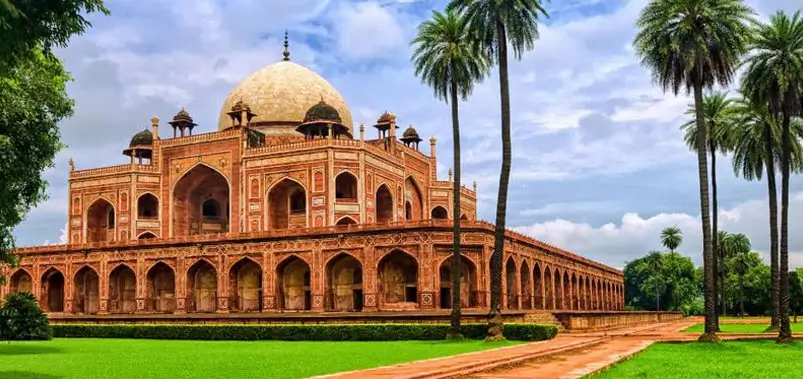
Delhi is the most common entry point for international travelers and offers one of India's most dramatic contrasts - ancient Mughal monuments stand alongside modern metro stations, street food stalls, and five-star hotels.
Accommodation Costs in Delhi
Accommodation options in Delhi span every budget category. Backpackers can find clean dorm beds in hostels for $10–15 per night. Mid-range hotels in central areas like Connaught Place or South Delhi charge $40–80 per night, usually including breakfast. At the luxury end, iconic properties like the Oberoi New Delhi, The Leela Palace, and Taj Palace Hotel cost $200–350+ per night, delivering world-class amenities, exceptional dining, and concierge services tailored for international guests.
Food Costs in Delhi
Delhi is one of India's great food cities. Street food - chaat, parathas, kebabs from Old Delhi's famous lanes - costs $2–4 per meal and is genuinely excellent. Mid-range restaurants and cafes in South Delhi and Khan Market charge $12–20 per person. Fine dining at five-star restaurants ranges from $40–70 per person, with some of India's best contemporary cuisine experiences available in the capital.
Transport Costs in Delhi
Delhi's metro system is modern, clean, and affordable - rides cost under $1. Auto-rickshaws and cycle-rickshaws are available for $2–5 per short trip. For visiting spread-out monuments and neighborhoods, hiring a private driver in Delhi for a full day costs $40–65 - the most efficient option for international visitors managing luggage and navigating traffic. Private car and driver services also include airport transfers, making arrival and departure seamless.
Activities and Entry Fees in Delhi
Entry fees for foreign nationals are considerably higher than for Indian citizens at most monuments. The Red Fort charges approximately $7–8, Qutub Minar around $7, and Humayun's Tomb around $7. The Lotus Temple and India Gate are free. Budget an additional $20–30 for guided tours, museum entry, and cultural shows during a full day of Delhi sightseeing.
Daily Budget Summary - Delhi
- Backpackers: $30–45
- Mid-range travelers: $80–120
- Luxury travelers: $220 - 400+
Agra – Cost of Visiting the Taj Mahal City
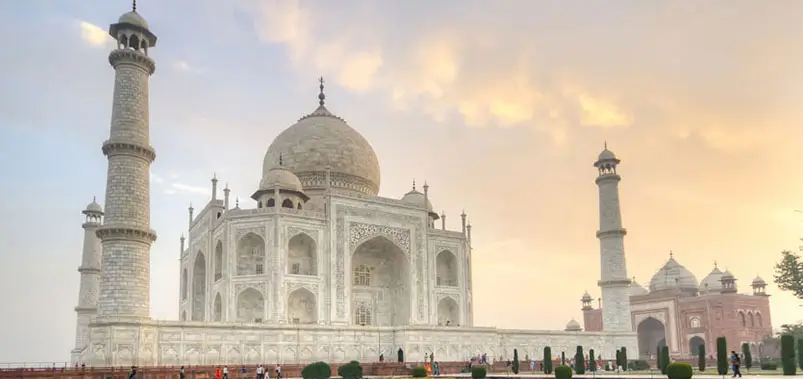
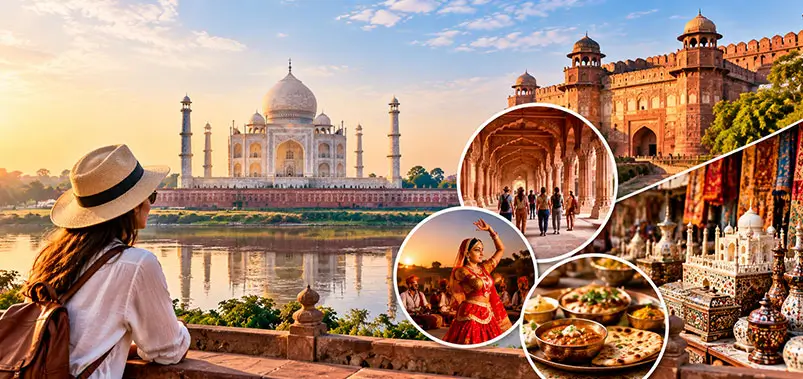
Agra is home to the Taj Mahal - arguably the world's most visited monument - and most travelers combine it with Delhi and Jaipur as part of the classic Golden Triangle Tour. Despite its global fame, Agra itself is relatively affordable outside of the flagship luxury properties.
Accommodation Costs in Agra
Budget guesthouses near the Taj Mahal area cost $15–25 per night. Mid-range hotels in central Agra charge $45–75, most offering rooftop views of the Taj or Agra Fort. At the luxury level, the Oberoi Amarvilas - with its unobstructed Taj Mahal view from every room - costs $350–500+ per night and is widely considered one of the most special hotel experiences in India. The ITC Mughal and Taj Hotel & Convention Centre offer strong five-star alternatives at $150–250 per night.
Food Costs in Agra
Agra is known for its petha (a local sweet) and Mughlai cuisine. Street food and local eateries cost $2–5 per meal. Mid-range restaurants charge $10–20 per person. Fine dining at luxury hotel restaurants averages $35–50 per person.
Transport Costs in Agra
The most popular transport between Delhi and Agra is the Gatimaan Express or Shatabdi Express (from $10–20 per seat) or a private car with driver, which costs $90–140 for a one-way transfer depending on vehicle type. Within Agra, tuk-tuks charge $1–3 per ride. A private car for full-day Agra sightseeing costs $30–50 - strongly recommended for comfort and efficiency given the distances between monuments.
Activities and Entry Fees in Agra
The Taj Mahal entry fee for foreign nationals is approximately $15–18 (prices updated periodically - verify at time of booking). Agra Fort costs around $7 for foreigners. Fatehpur Sikri (40 km from Agra) charges $5–7. Budget approximately $40–60 for a knowledgeable local guide in Agra - essential context for understanding the Taj Mahal's history, architecture, and symbolism.
Daily Budget Summary - Agra
- Backpackers: $25–40
- Mid-range travelers: $65–90
- Luxury travelers: $200–550
Jaipur – Cost of Travel in the Pink City of Rajasthan
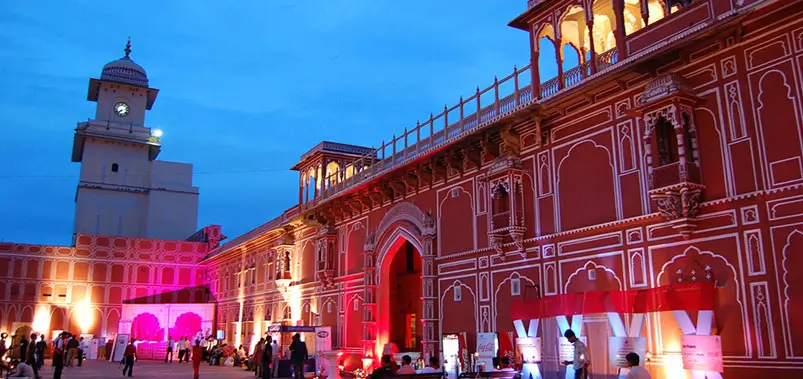
Jaipur is the anchor of the Golden Triangle Tour and the gateway to Rajasthan's extraordinary heritage circuit. It is also one of the best cities in India to experience the intersection of royal history and luxury travel - with fort palaces, heritage havelis, and vibrant bazaars packed into a single city.
Accommodation Costs in Jaipur
Budget hostels and guesthouses in Jaipur start at $10–18 per night. Mid-range boutique hotels - often converted heritage havelis - charge $50–90, providing far more character than standard business hotels at the same price. At the luxury end, Rambagh Palace (a former royal residence now managed by Taj Hotels) costs $300–500+ per night. Other exceptional properties include RAAS Jorawar, Samode Haveli, and The Oberoi Rajvilas, each offering a distinct luxury experience at $200–400+ per night.
Food Costs in Jaipur
A traditional Rajasthani thali at a local restaurant costs $6–9 - extraordinary value for one of India's most elaborate and delicious meal formats. Mid-range restaurants charge $15–25 per person. Cultural dining experiences - dinner at a haveli with live folk music and dance performances - cost $35–60 per person and are well worth the investment for international visitors.
Transport Costs in Jaipur
Auto-rickshaws are available for $2–4 per short trip. For covering Jaipur's main attractions - Amber Fort, City Palace, Jantar Mantar, Hawa Mahal, Nahargarh Fort - hiring a private driver in Jaipur for a full day costs $45–65. This is the most efficient and comfortable option, especially in summer heat. Jaipur car rental with driver services include pick-up from your hotel and flexible timing throughout the day.
Activities and Entry Fees in Jaipur
Amber Fort charges approximately $7–9 for foreign nationals. City Palace costs $10–12, Jantar Mantar $5–7, and Hawa Mahal $3–5. A composite ticket covering multiple Jaipur attractions is available and typically saves money. Budget an additional $30–50 for a knowledgeable Jaipur tour guide who can transform Rajasthan's royal history from information into genuine understanding.
Daily Budget for Jaipur
- Backpackers: $25–38
- Mid-range travelers: $75–100
- Luxury travelers: $200-500
Varanasi – The Spiritual Capital of India
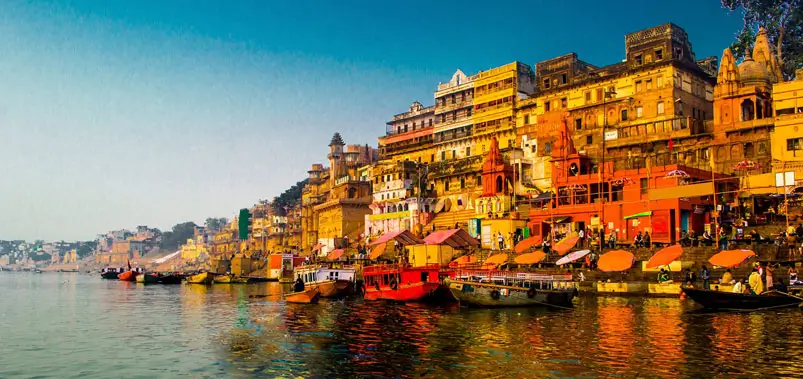
Varanasi is one of the most ancient cities in the world and a highlight for travelers seeking spirituality. Despite its global reputation, Varanasi is surprisingly affordable compared to larger Indian metros.
Accommodation in Varanasi
Backpackers can stay in budget hostels or ashrams for $8–15 per night. Mid-range hotels with clean rooms and Ganga views charge $40–60, while luxury hotels like the Brijrama Palace cost $150–200+ per night, offering royal-style comfort on the ghats.
Food in Varanasi
Varanasi is famous for its street food. A plate of kachori sabzi or jalebi costs as little as $2–3, while sit-down meals in cafes are $8–12. Fine dining or Ganga-view restaurants average $20–25 per person.
Transport in Varanasi
Auto-rickshaws are available for $1–2 per ride, but traffic is chaotic. Many travelers prefer walking through the lanes. Hiring a private driver in Varanasi for day trips to Sarnath or nearby villages costs $30–40 per day.
Activities in Varanasi
A sunrise boat ride on the Ganges costs $10–15 per person, while an evening Ganga Aarti experience is usually free. Day trips to Sarnath cost around $15–20 including transport.
For travelers arriving from Delhi or Agra, private driver services to Varanasi are available for multi-day outstation trips. Most visitors prefer overnight trains (Shatabdi or Vande Bharat) for the Delhi–Varanasi route, which are affordable and reasonably comfortable in AC class.
Daily Budget for Varanasi
- Backpackers: $20–30
- Mid-range travelers: $50–70
- Luxury travelers: $150+
Looking for the Best India Tour Package in Your Budget?
Whether you want a luxury India vacation or a budget-friendly city tour, our experts create personalized packages for couples, families, and NRIs.
Chat On WhatsApp Contact Us
Mumbai – India’s Most Expensive Metro
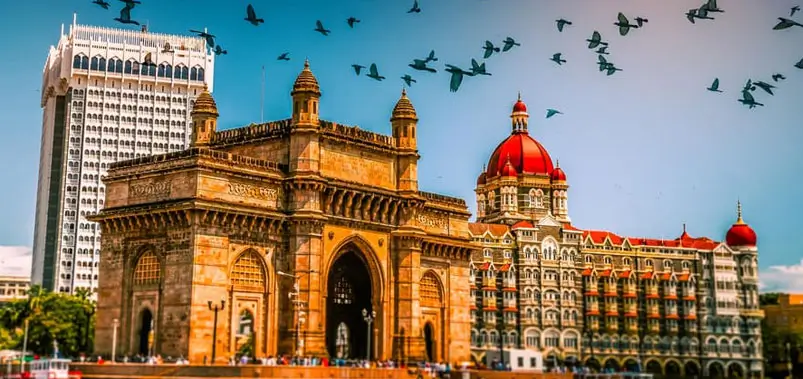
Mumbai is India’s financial hub and tends to be costlier than other cities. Travelers come here for Bollywood, nightlife, and seaside attractions.
Accommodation in Mumbai
Budget hostels start from $12–20 per night. Mid-range hotels charge $60–90, while luxury hotels like the Taj Mahal Palace Hotel cost $250–400+ per night, making it one of India’s most expensive stays.
Food in Mumbai
Street food is iconic here - a vada pav or pav bhaji costs $2–3. Mid-range dining averages $20–30 per meal, while high-end fine dining costs $50–80 per person, especially at rooftop restaurants.
Transport in Mumbai
Mumbai has many options: local trains ($0.50 per ride), metro ($1–2), Uber/Ola ($3–6 per trip). Hiring a private driver in Mumbai for the day costs around $40–70, ideal for covering scattered attractions.
Activities in Mumbai
Most attractions are affordable: Gateway of India is free, Elephanta Caves $5–10, and Bollywood studio tours $20–40. Nightlife can be more expensive depending on the club or lounge.
Daily Budget for Mumbai
- Backpackers: $35–45
- Mid-range travelers: $80–100
- Luxury travelers: $250+
Kerala – The Land of Backwaters and Ayurveda
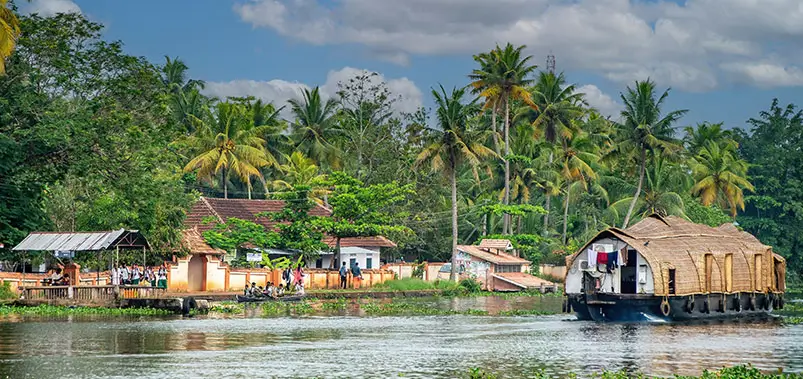
Kerala is often called God’s Own Country and offers a mix of beaches, hill stations, and backwaters. It is more affordable than Mumbai but can become expensive if you choose luxury houseboats or Ayurvedic treatments.
Accommodation in Kerala
Homestays cost $15–20 per night. Mid-range hotels charge $50–80, while luxury houseboats and resorts range from $150–250+ per night, especially in Alleppey and Kumarakom.
Food in Kerala
Meals are affordable. A Kerala thali costs $6–8, seafood dishes cost $10–15, and fine dining averages $30–40 per person.
Transport in Kerala
Tuk-tuks and taxis are cheap, but long-distance travel requires a car or driver. Hiring a private driver in Kerala costs $35–55 per day. Houseboats are an additional expense at $80–150 per night.
Activities in Kerala
- Backwater cruises: $20–30 for short rides, $100+ for overnight stays.
- Kathakali dance shows: $5–10.
- Ayurveda massage: $20–50 depending on duration.
Daily Budget for Kerala
- Backpackers: $25–35
- Mid-range travelers: $60–90
- Luxury travelers: $180+
Goa – Beaches, Parties, and Portuguese Charm
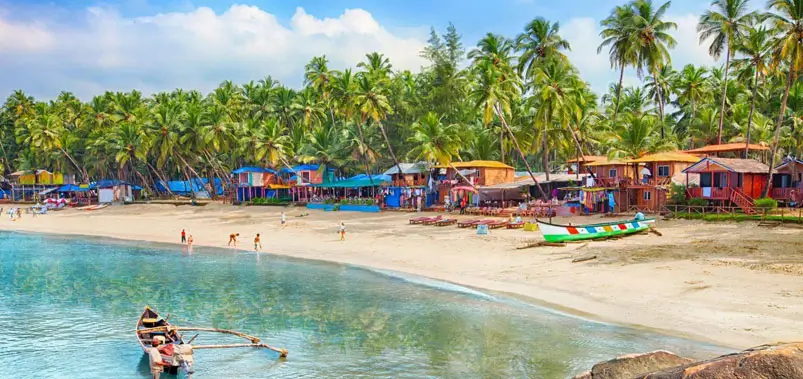
Goa is one of India’s most visited states for both budget backpackers and luxury seekers.
Accommodation in Goa
Beach huts cost $15–20 per night. Mid-range boutique hotels charge $50–80, while luxury resorts cost $200–300+ per night, especially in South Goa.
Food in Goa
Beach shacks offer seafood meals for $5–7, while restaurants cost $15–20. Fine dining and international cuisine cost around $40–50 per person.
Transport in Goa
Scooter rentals are very popular and cost around $5–8 per day. Taxis are relatively expensive, averaging $10–20 per ride, while hiring a private driver in Goa costs $40–60 daily.
Activities in Goa
Water sports such as parasailing or jet skiing cost $20–30. Spice plantation tours cost around $10–15. Nightclubs and parties vary from free beach gatherings to $30–50 entry charges.
Daily Budget for Goa
- Backpackers: $30–40
- Mid-range travelers: $70–100
- Luxury travelers: $200–300
Need a Personalized India Travel Budget Plan?
Every city in India has a different travel cost. Let our experts help you plan the perfect budget for hotels, transport, sightseeing, and local experiences based on your travel style.
Chat On WhatsApp Contact Us
Rajasthan Beyond Jaipur – Cost in Udaipur, Jodhpur & Jaisalmer
Rajasthan's most beloved destinations extend far beyond Jaipur. Udaipur, Jodhpur, and Jaisalmer each offer a completely distinct character - from Udaipur's lakeside palaces to Jodhpur's blue city lanes to Jaisalmer's golden desert. Because distances between these cities are significant (typically 200–350 km between each), transport planning is critical to managing both budget and time.
Accommodation Costs in Rajasthan
Budget guesthouses across Udaipur, Jodhpur, and Jaisalmer cost $15–28 per night. Mid-range heritage havelis and boutique hotels - genuinely the best value accommodation in India - charge $50–90 per night, offering rooftop views, home-cooked Rajasthani meals, and personal hospitality that five-star hotels rarely match. At the luxury level, Taj Lake Palace in Udaipur ($400–600+/night), Umaid Bhawan Palace in Jodhpur ($350–500+/night), and Suryagarh in Jaisalmer ($200–350/night) are among India's most iconic hotel experiences.
Food Costs in Rajasthan
A vegetarian Rajasthani thali costs $5–8 at local restaurants - one of India's best culinary values. Mid-range restaurants charge $15–22 per person. Fine dining with cultural performance - a Rajasthani dinner accompanied by folk music, puppet shows, and dance at a heritage property - costs $40–60 per person and is a memorable addition to any Rajasthan itinerary.
Transport Costs in Rajasthan
Because distances are large and train connections between smaller Rajasthani cities are limited, hiring a private driver for a Rajasthan road trip is the most practical and comfortable solution for most international travelers. A private car and driver for multi-day Rajasthan travel costs $45–70 per day depending on vehicle type, covering all intercity driving plus local sightseeing within each destination. This cost is often shared across traveling companions, making it highly cost-effective for couples and small groups.
Activities in Rajasthan
- Mehrangarh Fort, Jodhpur: $9–11 for foreigners (one of India's finest forts - worth every cent)
- City Palace, Udaipur: $8–10
- Jaisalmer Fort: Free entry, interior attractions $2–5 each
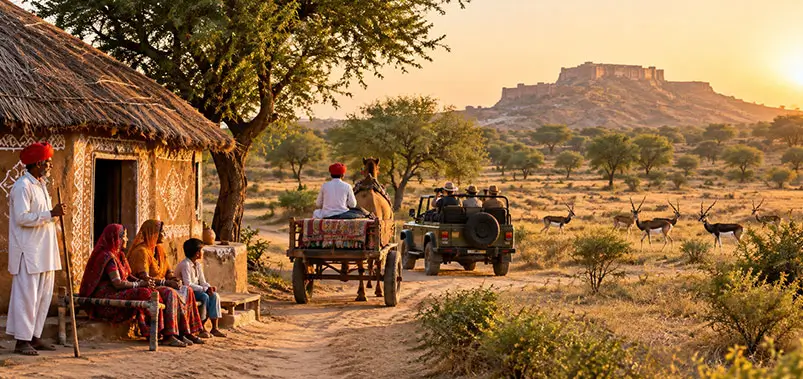
- Desert safari in Jaisalmer: $40–70 for a half-day camel or jeep safari with sunset experience
- Ranakpur Temples (between Udaipur and Jodhpur): $5–8 for foreigners
Daily Budget Summary - Rajasthan (Udaipur/Jodhpur/Jaisalmer)
- Budget / Backpacker: $28–40
- Mid-range travelers: $75–100
- Luxury travelers: $250-600+
How Much Does a Complete India Trip Cost? (7, 10 & 14 Days)
Beyond daily budgets, most travelers want to know the total cost of an India trip before they start planning. Here is a realistic breakdown by trip duration and travel style for 2026.
7-Day India Trip Cost (Golden Triangle - Delhi, Agra, Jaipur)
|
Style
|
Total Estimated Cost Per Person
|
| Budget |
$600–900 |
| Mid-Range |
$1,200–1,800 |
| Luxury |
$3,500–6,000+ |
10-Day India Trip Cost (Golden Triangle + Varanasi or Udaipur)
|
Style
|
Total Estimated Cost Per Person
|
| Budget |
$900–1,300 |
| Mid-Range |
$1,800–2,600 |
| Luxury |
$5,000–9,000+ |
14-Day India Trip Cost (Full Rajasthan Circuit or North + South India)
|
Style
|
Total Estimated Cost Per Person
|
| Budget |
$1,200–1,800 |
| Mid-Range |
$2,500–3,800 |
| Luxury |
$7,000–14,000+ |
These estimates include accommodation, daily transport, meals, guide fees, and major entry fees. International flights to India are not included - these typically add $700–1,400 per person from the US or Europe depending on season and routing.
For a detailed India tour package cost breakdown covering exactly what is included at each budget level, see our complete guide: India Tour Package Cost – 7, 10 & 14 Day Breakdown
Cost of Hiring a Private Car and Driver in India (2026)
For most international visitors, transport is the second-largest travel expense after accommodation - and the most consequential for overall comfort and experience quality. Here is a quick reference for private car and driver costs in India across major routes and cities.
Daily Private Driver Rates by Vehicle Type
|
Vehicle
|
Best For
|
Daily Rate (USD)
|
| Toyota Etios / Sedan |
1–2 travelers, short trips |
$35–50 |
| Toyota Innova Crysta |
2–4 travelers, most popular |
$50–70 |
| Toyota Fortuner / SUV |
4–6 travelers, comfort priority |
$65–85 |
| Tempo Traveller |
Groups of 6–12 |
$80–120 |
| Luxury Car (Mercedes, BMW) |
Ultra-luxury travelers |
$120–200+ |
Popular Route Rates (One Way, Private Car)
| Route |
Approx. Distance |
Estimated Cost |
| Delhi to Agra |
220 km |
$70–100 |
| Delhi to Jaipur |
280 km |
$80–110 |
| Agra to Jaipur |
240 km |
$75–100 |
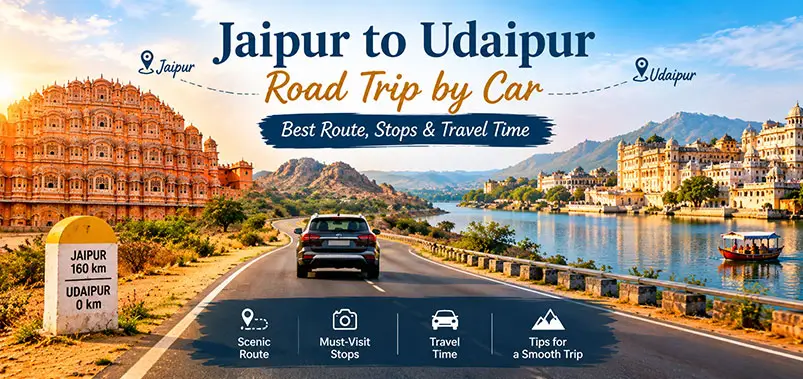
| Jaipur to Udaipur |
395 km |
$100–130 |
| Udaipur to Jodhpur |
250 km |
$75–100 |
| Jodhpur to Jaisalmer |
285 km |
$80–110 |
All rates above typically include fuel, driver allowance, and tolls. What's included varies by agency - always confirm before booking.
For a complete guide to private car and driver costs in India including city-wise rates, what is and is not included, and how to choose a reliable provider, read our detailed guide: Cost of Hiring a Private Car and Driver in India
Practical Money-Saving Tips for Foreign Travelers in India
Traveling smartly in India does not mean sacrificing quality - it means knowing where spending matters and where you can save without noticing the difference.
Book Transport and Heritage Hotels in Advance
Peak season (October–March) sees the best Rajasthan palace hotels and iconic properties sell out months ahead. Early booking locks in better rates and ensures availability. Train tickets on popular routes (Delhi–Agra Gatimaan Express, Delhi–Jaipur Shatabdi) also sell out fast.
Consider Shoulder Season for Better Value
April and early October offer meaningfully lower hotel rates with still-reasonable weather in many parts of India. Rajasthan in October can be 20–30% cheaper than December and is equally beautiful.
Hire a Private Driver for Groups - It's Actually Cheaper For families and small groups of 3–5, hiring a private car and driver in India often costs less per person than buying multiple train or flight tickets - while delivering infinitely more comfort and flexibility.
Mix Hotel Categories Strategically You do not need to stay at the most expensive property in every city. Splurge on the iconic experiences - Taj Lake Palace in Udaipur, Oberoi Amarvilas in Agra - and balance with strong mid-range options in cities where the hotel matters less.
Use Ride Apps in Metro Cities In Delhi and Mumbai, Uber and Ola offer reliable, metered rides at fair prices - significantly cheaper than tourist taxis for short city trips. Reserve your private driver for sightseeing days and longer routes.
Buy Composite Entry Tickets Many heritage cities sell composite tickets covering multiple attractions - Jaipur's composite ticket, for example, covers Amber Fort, Nahargarh Fort, Jantar Mantar, and more at a lower combined rate than buying individually.
Eat Where Locals Eat India's best food is often its most affordable. A thali meal at a busy local restaurant - complete with dal, sabzi, roti, rice, and curd - costs $5–8 and is often more satisfying than a $30 hotel restaurant meal. Street food at busy, popular stalls is generally safe and outstanding.
Book Through a Reputable India Tour Operator For complex multi-city itineraries, working with an experienced India tour operator often delivers better net value than booking each component independently - through negotiated hotel rates, optimized routing, and the prevention of costly mistakes.
Packing and Practical Advice for Budget Control
Currency and Payments
Always carry a mix of cash and cards. Digital payments like UPI (PhonePe, Google Pay, Paytm) are becoming common, but cash is still necessary in rural areas.
SIM Card and Internet
Buying a local SIM card with data (Airtel or Jio) costs $10–15 for a month. This avoids costly roaming charges and helps you book rides or check maps on the go.
Health and Hygiene
Carry a reusable water bottle with a filter or always buy sealed bottled water. Pack medicines for upset stomach, as foreigners often take time adjusting to Indian spices.
Respect Local Customs
Knowing a little about local etiquette saves embarrassment and builds goodwill. For example, removing shoes before entering temples or using the right hand for eating avoids unnecessary issues.
Hidden and Unexpected Costs in India Foreign Travelers Miss
Even well-researched travelers are often surprised by costs they did not anticipate. Here is what to budget for beyond the basics:
Foreigner vs. Indian Entry Fee Gap At most major monuments, foreign nationals pay significantly more than Indian citizens. This is standard and officially mandated - budget $7–20 per monument for foreigners vs. $0.50–2 for Indian visitors. For a 10-day itinerary covering 8–10 major monuments, this adds $80–150 to your trip cost.
Tipping Culture in India Tipping is customary and expected - not optional. Budget approximately:
- Private driver: $5–8 per day
- Local guide: $8–15 per day
- Hotel porter: $1–2 per bag
- Hotel housekeeping: $2–3 per day
- Restaurant service: 10% of bill if not already included
For a 10-day trip, tipping typically adds $100–200 to total expenses.
GST on Hotels and Tours India's Goods and Services Tax (GST) applies to hotel stays and tour packages at rates of 12–18% depending on room rate. This is almost always quoted separately from the room rate - make sure your quoted price is "including taxes" before comparing.
Camera and Video Fees Several major monuments - including some Rajasthan forts - charge a separate photography or videography fee for professional cameras or tripods. Typically $2–7 per site.
Bottled Water Foreign visitors should drink only sealed bottled water throughout their trip. Daily bottled water consumption typically costs $2–4 - a small cost that adds up over 10–14 days.
For a complete guide to all unexpected India travel costs, read: Hidden Costs of Traveling in India
Related Guides



 info@topindianholidays.net
 +91-8955000999