📅 Last Updated On: 05 Aug 2026
⏱ 10 Min Read
25 Best Places to Visit in Rishikesh: Temples, Adventure Activities, Cafes & Hidden Gems
T
Top Indian Holidays
Ministry of Tourism Approved Tour Operator
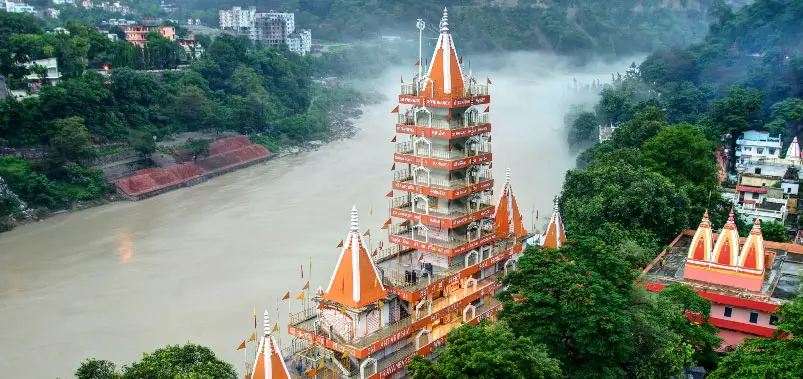
Rishikesh Travel Guide: Where Spiritual Heritage Meets Adventure and Nature
Few destinations in India offer such a unique combination of spirituality, natural beauty, adventure sports, wellness retreats and mountain landscapes as Rishikesh. Located along the banks of the sacred Ganges River and surrounded by the foothills of the Himalayas, this vibrant town attracts pilgrims, yoga enthusiasts, backpackers, luxury travelers and adventure seekers from around the world.
Known as the Yoga Capital of the World, Rishikesh has evolved far beyond its spiritual identity. Today, visitors can spend their mornings attending meditation sessions overlooking the river, enjoy thrilling white water rafting during the afternoon, relax at riverside cafes in the evening and watch the mesmerizing Ganga Aarti after sunset. The town presents a fascinating balance between ancient traditions and modern travel experiences.
International travelers often arrive expecting a quiet spiritual retreat and leave with memories of mountain hikes, hidden waterfalls, suspension bridges, wildlife encounters and authentic cultural experiences. Whether someone is planning a short getaway from Delhi or a longer exploration of Northern India, Rishikesh tourism offers countless attractions that suit every travel style.
The region is divided into several popular areas including Tapovan, Laxman Jhula, Ram Jhula, Muni Ki Reti and the quieter villages on the outskirts. Each area has its own character, ranging from bustling markets and yoga centers to peaceful forest trails and secluded riverside viewpoints.
What makes Rishikesh travel particularly appealing is its accessibility. The town can be reached easily from Delhi while still providing a genuine Himalayan atmosphere. Visitors can combine spiritual experiences with outdoor adventures, making it one of the most versatile destinations in India.
The following places represent the finest attractions, experiences and hidden gems that deserve a place on every Rishikesh itinerary.
Explore Rishikesh by Travel Style
Planning becomes easier when attractions are grouped by interest. Use the categories below to jump directly to the experiences that match your travel style.
Temples & Spiritual Places: Triveni Ghat, Parmarth Niketan, Vashishta Cave, Kunjapuri Temple, Gita Bhawan, Swarg Ashram, Neelkanth Mahadev Temple, Tera Manzil Temple and Bharat Mandir.
Adventure Activities: Shivpuri, white water rafting, Mohan Chatti bungee jumping and Rishikesh zipline.
Waterfalls & Nature: Neer Garh Waterfall, Patna Waterfall, Garud Chatti Waterfall, hidden trails, Rajaji National Park and Jhilmil Gufa.
Landmarks & Local Experiences: Laxman Jhula, Ram Jhula, Beatles Ashram, riverside cafes and Goa Beach.
25 Places at a Glance
|
Place
|
Location
|
Ideal Time
|
Best For
|
| Laxman Jhula area |
Central |
1–2 hours |
Landmarks, photography |
| Ram Jhula |
Central |
1–2 hours |
Walking, river views |
| Triveni Ghat |
Central |
1–2 hours |
Culture, Ganga Aarti |
| Beatles Ashram |
Near Swarg Ashram |
2–3 hours |
History, art |
| Neer Garh Waterfall |
Near Tapovan |
2–3 hours |
Nature, short trek |
| Parmarth Niketan |
Ram Jhula area |
1–2 hours |
Spirituality, Aarti |
| Vashishta Cave |
Approx. 25 km |
2–3 hours |
Meditation, solitude |
| Shivpuri |
Approx. 16 km |
Half day |
Rafting, camping |
| Rajaji National Park |
Near Rishikesh |
Half day |
Wildlife, birding |
| Kunjapuri Temple |
Approx. 25 km |
Half day |
Sunrise, views |
| Hidden Trails |
Varies |
2–4 hours |
Hiking, nature |
| Riverside Cafes |
Tapovan/Ram Jhula |
1–2 hours |
Food, relaxation |
| White Water Rafting |
Multiple stretches |
2–4 hours |
Adventure |
| Yoga & Meditation Centres |
Across Rishikesh |
1 hour to several weeks |
Wellness |
| Gita Bhawan |
Ram Jhula area |
1 hour |
Culture, spirituality |
| Swarg Ashram |
Eastern riverbank |
1–2 hours |
Slow travel |
| Neelkanth Mahadev Temple |
Approx. 30 km |
Half day |
Pilgrimage, scenery |
| Tera Manzil Temple |
Laxman Jhula area |
1 hour |
Temple, views |
| Bharat Mandir |
Old Rishikesh |
1 hour |
History, local culture |
| Patna Waterfall |
Neelkanth road |
2–3 hours |
Trekking, nature |
| Garud Chatti Waterfall |
Neelkanth road |
2–3 hours |
Waterfall, hiking |
| Mohan Chatti |
Outside Rishikesh |
Half day |
Bungee jumping |
| Rishikesh Zipline |
Operator location |
1–2 hours |
Aerial adventure |
| Goa Beach |
Riverside |
1–2 hours |
Relaxation, views |
| Jhilmil Gufa |
Near Neelkanth route |
Half day |
Cave, offbeat travel |
1. Laxman Jhula – The Iconic Landmark of Rishikesh
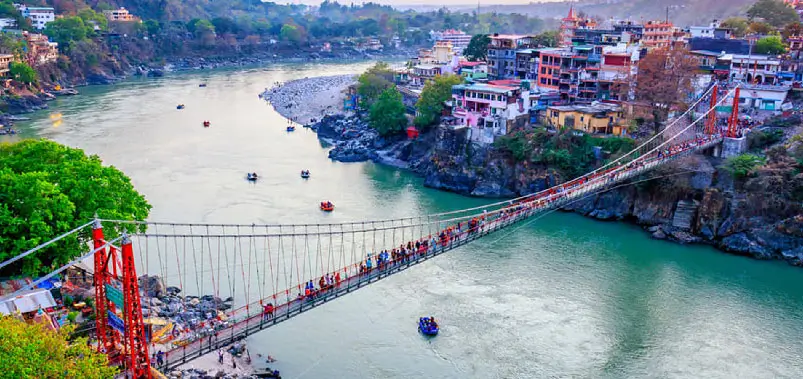
One of the most recognized symbols of Rishikesh sightseeing, Laxman Jhula is a suspension bridge that stretches across the Ganges River and connects important sections of the town. The bridge has long been associated with local legends and remains one of the most photographed locations in the region. Standing above the flowing river while looking toward the Himalayan foothills creates a memorable first impression for visitors arriving in Rishikesh.
The area surrounding the bridge is equally attractive. Narrow streets are lined with spiritual centers, handicraft stores, yoga schools, rooftop restaurants and traditional temples. Travelers can spend hours simply walking through the neighborhood, observing daily life and enjoying panoramic river views. The atmosphere changes throughout the day, offering peaceful mornings and lively evenings filled with visitors from across the world.
For photographers, sunrise and sunset are particularly rewarding times to visit. Soft golden light reflects on the river while temple bells and chants echo from nearby shrines. The bridge serves not only as a transportation route but also as an excellent observation point where travelers can appreciate the beauty of the entire valley.
Visitors staying in Tapovan often use this area as a starting point for exploring many nearby attractions. Because of its central location and cultural significance, Laxman Jhula remains one of the most important places included in every Rishikesh tour package and travel itinerary.
- Why It's Worth Visiting: The landmark combines river views, local mythology, temples and the lively lanes of the Laxman Jhula area in one walkable stop.
- Best Time to Visit: October to April; arrive early in the morning or near sunset for comfortable weather and softer light.
- Top Attractions: Ganges views, nearby temples, local markets, rooftop cafes and photography points.
- Solo Travel Tips: Explore in daylight, keep valuables secure in busy lanes and confirm current bridge access before visiting.
Explore Rishikesh with a Private Tour
Discover the best temples, adventure activities, riverfront cafes, and hidden gems of Rishikesh with a customized private tour. Enjoy a hassle-free journey with comfortable transport and local sightseeing assistance.
2. Ram Jhula – A Scenic Walk Across the Ganges
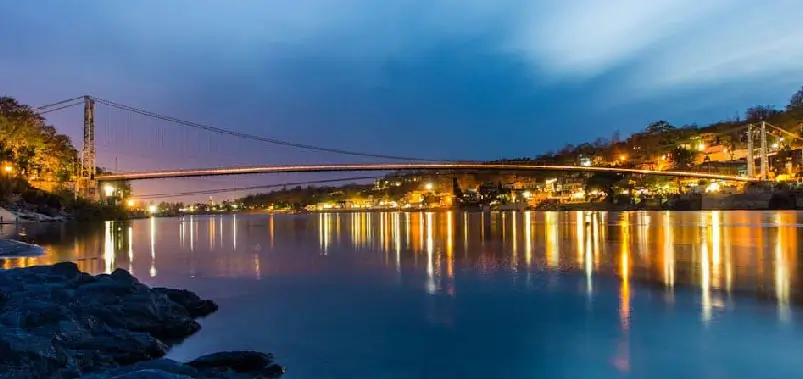
Another famous suspension bridge, Ram Jhula connects several important spiritual and cultural landmarks within the city. Slightly larger than Laxman Jhula, it offers equally impressive views of the Ganges and surrounding hills. The bridge remains busy throughout the day with pilgrims, tourists, local residents and monks crossing between different parts of town.
Walking across Ram Jhula provides a unique perspective of life in Rishikesh. Ashrams, temples, riverfront ghats and colorful buildings create a picturesque landscape that attracts photographers and travel enthusiasts. Visitors often stop midway to observe rafting boats navigating the river below while mountain peaks frame the horizon.
The bridge also provides easy access to several important spiritual institutions including renowned yoga centers and meditation retreats. Many travelers choose to explore both Ram Jhula and Laxman Jhula on foot, allowing them to experience the contrasting atmospheres of different neighborhoods.
The area becomes especially vibrant during festivals when devotional music, cultural activities and religious gatherings attract large crowds. Despite its popularity, the bridge continues to retain its spiritual charm and remains an essential part of the overall Rishikesh experience.
- Why It's Worth Visiting: Ram Jhula links several major ashrams, ghats and spiritual landmarks while offering an excellent view of everyday life along the Ganges.
- Best Time to Visit: October to April; early morning is calmer, while evening is ideal for combining the visit with Ganga Aarti.
- Top Attractions: River panorama, nearby ashrams, ghats, temples and pedestrian lanes.
- Solo Travel Tips: Walk during daylight or early evening, avoid blocking the busy crossing for photographs and plan nearby sights together.
3. Triveni Ghat – Witness the Spiritual Heart of Rishikesh
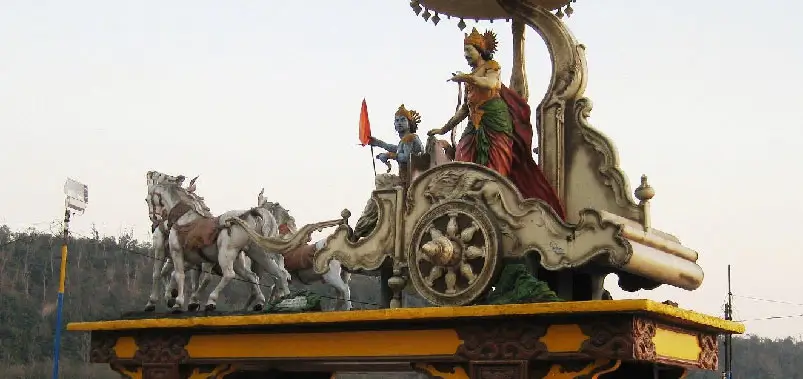
Among all sacred locations in the city, Triveni Ghat occupies a special place in the spiritual landscape of Rishikesh. Situated along the banks of the Ganges, the ghat serves as a gathering place for pilgrims and visitors seeking a deeper understanding of Indian spiritual traditions. The atmosphere here reflects centuries of faith and devotion.
During the day, travelers can observe religious rituals, pilgrims taking holy baths and local families offering prayers by the riverside. The wide steps leading down to the river create an inviting environment where visitors can sit quietly and appreciate the peaceful surroundings.
The highlight of any visit is the evening Ganga Aarti, one of the most captivating ceremonies in Northern India. Priests perform synchronized rituals using large lamps while devotional songs fill the air. Hundreds of floating lamps illuminate the river, creating a spectacular visual experience that remains unforgettable for many visitors.
Unlike some heavily commercialized attractions, Triveni Ghat maintains a strong sense of authenticity. Travelers interested in spirituality, photography and local culture often consider it one of the most meaningful locations in Rishikesh tourism. Spending time here offers valuable insight into the religious traditions that continue to shape daily life throughout the region.
- Why It's Worth Visiting: The evening Ganga Aarti offers one of the most memorable cultural and spiritual experiences in Rishikesh.
- Best Time to Visit: Visit shortly before sunset throughout the year; October to April offers the most comfortable weather.
- Top Attractions: Ganga Aarti, riverside rituals, holy bathing area and evening lamp ceremony.
- Solo Travel Tips: Reach 30 to 45 minutes early, choose a visible public seating area and keep footwear and belongings together.
4. Beatles Ashram – Where Music History Meets Spiritual Discovery
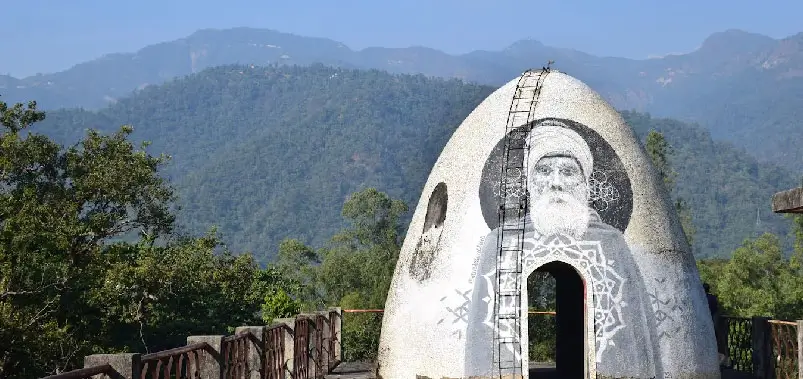
Nestled within a peaceful forest setting, Beatles Ashram has become one of the most intriguing attractions in Rishikesh. Officially known as Chaurasi Kutia, the site gained worldwide recognition when members of the Beatles stayed here during the late 1960s to study meditation. Their visit transformed Rishikesh into an internationally known spiritual destination.
Today, visitors encounter a fascinating combination of abandoned meditation structures, colorful murals and artistic graffiti. Nature has gradually reclaimed many sections of the property, creating a unique atmosphere that blends history, art and wilderness. Walking through the complex feels like stepping into a forgotten chapter of cultural history.
The expansive grounds provide excellent opportunities for photography. Artistic expressions created by visitors from around the world cover many walls, giving the site a creative energy rarely found elsewhere. Travelers interested in music history often spend several hours exploring the property and learning about its global significance.
Beyond its connection to the Beatles, the ashram represents an important period in the development of modern wellness tourism. The site remains a symbol of how meditation and yoga gained international recognition, making it one of the most interesting places to visit during a Rishikesh holiday.
- Why It's Worth Visiting: It brings together music history, meditation heritage, forest scenery, street art and unusual architecture.
- Best Time to Visit: October to March; morning hours are best for walking and photography.
- Top Attractions: Meditation domes, murals, abandoned halls, forest trails and Beatles history.
- Solo Travel Tips: Allow at least two hours, carry water and check the latest entry fee and opening time before leaving.
5. Neer Garh Waterfall – A Refreshing Escape into Nature
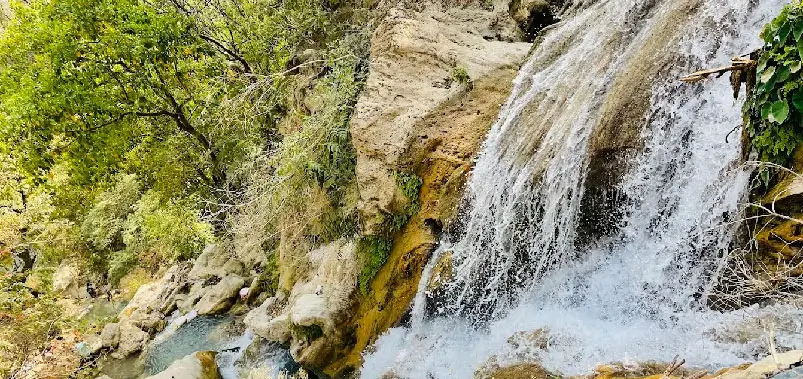
While many visitors associate Rishikesh with spirituality and yoga, the surrounding landscape also offers exceptional natural attractions. Neer Garh Waterfall is one of the most beautiful examples. Located a short distance from the town center, the waterfall attracts travelers seeking fresh mountain air, scenic hiking trails and natural swimming pools.
The journey to the waterfall is part of the experience. Visitors follow forest paths that pass through rocky terrain, small streams and lush vegetation. The moderate hike makes the destination accessible for most travelers while still providing a sense of adventure.
Upon arrival, cascading water flows into clear pools surrounded by greenery. During warmer months, many visitors enjoy relaxing near the water and escaping the busy streets of town. The sound of rushing water combined with mountain scenery creates an environment that feels far removed from urban life.
Nature lovers, photographers and families particularly appreciate the location because it showcases a different side of Rishikesh travel. The waterfall demonstrates that the region offers much more than temples and yoga retreats. It serves as an excellent reminder of the natural beauty that surrounds the Himalayan foothills.
- Why It's Worth Visiting: A short uphill trek leads to natural pools, cool cascades and a greener, quieter side of Rishikesh.
- Best Time to Visit: September to November and February to May; avoid the trail during heavy rain.
- Top Attractions: Waterfall pools, forest trail, mountain views and small refreshment stops.
- Solo Travel Tips: Wear shoes with good grip, carry water, avoid isolated upper sections late in the day and never enter fast-moving water alone.
6. Parmarth Niketan – One of the Most Respected Ashrams in Rishikesh
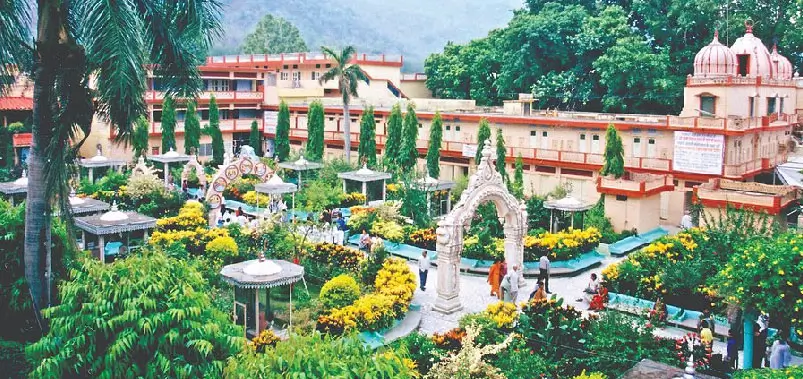
Among the many spiritual centers that define the character of Rishikesh, Parmarth Niketan stands out as one of the largest and most respected ashrams in the region. Located near Ram Jhula on the banks of the Ganges, the ashram attracts visitors from dozens of countries who come seeking yoga, meditation, spiritual learning and personal reflection. Even travelers who are not particularly religious often find themselves drawn to the peaceful atmosphere and riverside setting.
The campus is beautifully maintained with gardens, meditation spaces, prayer halls and accommodation facilities. Unlike many smaller centers, Parmarth Niketan welcomes people from different cultural and religious backgrounds. Daily yoga classes, spiritual discussions and wellness programs provide opportunities for visitors to gain a deeper understanding of traditional Indian practices. The environment remains calm despite the large number of guests who visit throughout the year.
One of the major highlights is the evening Ganga Aarti organized by the ashram. Many travelers consider it more organized and visually impressive than other ceremonies in the city. As the sun sets behind the mountains, devotional music fills the air while priests perform rituals along the riverbank. The combination of chants, lamps and flowing water creates a deeply memorable experience.
Visitors interested in yoga retreats in Rishikesh, meditation programs and spiritual wellness often include Parmarth Niketan at the top of their itinerary. Even a short visit provides valuable insight into the spiritual traditions that have made Rishikesh famous across the world.
- Why It's Worth Visiting: The ashram offers an accessible introduction to yoga, meditation and riverside spiritual life.
- Best Time to Visit: October to April; late afternoon works well for exploring the campus before the evening Aarti.
- Top Attractions: Ganga Aarti, gardens, prayer halls, yoga sessions and the riverside Shiva statue.
- Solo Travel Tips: Dress modestly, respect photography restrictions and review the ashram's current visitor and program schedule.
Add Rishikesh to Your India Itinerary
Combine the spiritual charm of Rishikesh with Delhi, Agra, and Jaipur. Our tailor-made India tours let you experience yoga, Ganga Aarti, adventure sports, and iconic heritage sites in one unforgettable journey.
7. Vashishta Cave – A Hidden Sanctuary of Silence
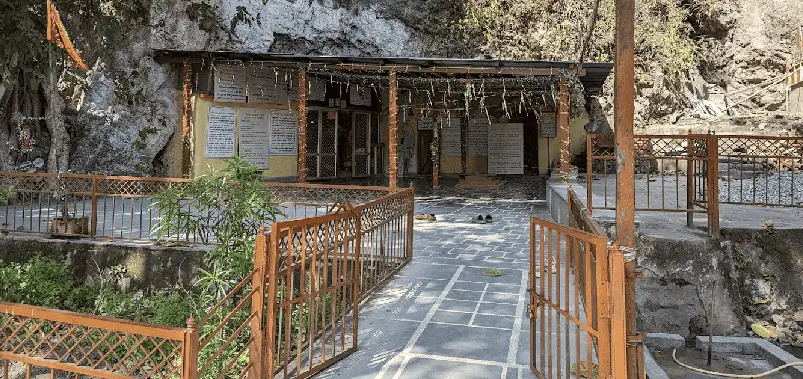
Around 25 kilometers from central Rishikesh lies one of the most peaceful spiritual sites in the Himalayan foothills. Known as Vashishta Cave, this ancient meditation cave offers an entirely different atmosphere compared to the busy streets and popular attractions of the city. Surrounded by forests and overlooking the Ganges, the location attracts travelers seeking solitude and reflection.
The cave is believed to be associated with Sage Vashishta, one of the revered figures in Hindu tradition. Whether visitors arrive for spiritual reasons or simply out of curiosity, the experience of sitting inside the dimly lit cave often leaves a lasting impression. Silence dominates the environment, encouraging visitors to slow down and disconnect from the distractions of everyday life.
Outside the cave, a small riverside area provides spectacular views of the Ganges flowing through a relatively untouched section of the valley. The surrounding landscape remains remarkably peaceful, making it one of the most rewarding places for travelers interested in nature and mindfulness.
Unlike the more crowded attractions within the city, Vashishta Cave remains relatively quiet. Many international visitors describe it as one of the most authentic experiences available in Rishikesh tourism, particularly for those interested in meditation, spirituality and Himalayan landscapes.
- Why It's Worth Visiting: The cave and quiet riverbank create a rare setting for silence, meditation and reflection away from central Rishikesh.
- Best Time to Visit: October to April; visit in the morning and confirm current opening hours.
- Top Attractions: Meditation cave, riverside beach, forest surroundings and peaceful Ganges views.
- Solo Travel Tips: Arrange reliable transport for the return journey, keep noise low and avoid staying near the isolated riverbank after dark.
8. Shivpuri – The Adventure Capital Near Rishikesh
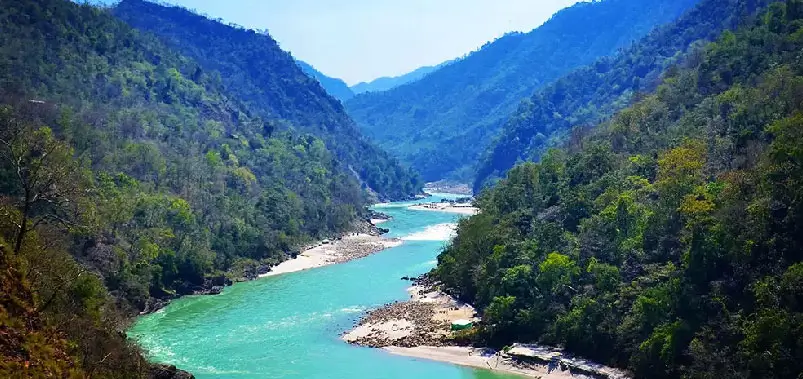
For travelers looking beyond temples and meditation centers, Shivpuri delivers an entirely different side of the region. Located approximately 16 kilometers upstream from Rishikesh, this area has become one of the leading destinations for river rafting in India and outdoor adventure activities.
The stretch of the Ganges around Shivpuri features exciting rapids that attract adventure enthusiasts from across the world. Rafting experiences range from beginner-friendly routes to more challenging sections suitable for experienced participants. Professional operators provide equipment and trained guides, making the activity accessible even for first-time rafters.
The natural setting adds significantly to the appeal. Forested hills surround the river while sandy beaches create ideal locations for riverside camping. Many travelers choose overnight camps that combine adventure sports with bonfires, stargazing and outdoor dining experiences. Waking up beside the Ganges with mountain views remains one of the most memorable experiences available near Rishikesh.
In addition to rafting, visitors can enjoy cliff jumping, kayaking, ziplining and hiking. The combination of thrilling activities and scenic landscapes makes Shivpuri a must-visit destination for anyone interested in the adventurous side of Rishikesh travel.
- Why It's Worth Visiting: Shivpuri is the main base for travelers who want rafting, camping and outdoor activities close to Rishikesh.
- Best Time to Visit: October to June, subject to river conditions and official rafting permissions.
- Top Attractions: Rafting stretches, riverside camps, kayaking, hiking and mountain scenery.
- Solo Travel Tips: Book only with an established operator, verify safety equipment and never join unapproved river activities during unsafe conditions.
9. Rajaji National Park – Wildlife Encounters in the Himalayan Foothills

Many travelers are surprised to learn that Rishikesh also serves as a gateway to one of Northern India's most important wildlife reserves. Rajaji National Park covers a vast area of forests, grasslands and river valleys, providing habitat for elephants, leopards, deer and hundreds of bird species.
The park offers a refreshing contrast to the spiritual atmosphere of the city. Early morning safaris provide opportunities to observe wildlife in their natural habitat while enjoying the beauty of untouched Himalayan landscapes. Elephant sightings are particularly common in certain sections of the reserve, making it one of the highlights for wildlife enthusiasts.
Birdwatchers also find the park rewarding due to the remarkable diversity of resident and migratory species. The combination of forests, rivers and open grasslands creates ideal conditions for birdlife throughout the year. Photography enthusiasts often spend entire days exploring different sections of the reserve.
For international travelers seeking a balanced itinerary that combines spirituality, adventure and wildlife, Rajaji National Park adds another dimension to the best places to visit in Rishikesh. It demonstrates the extraordinary diversity that makes the region such a compelling destination.
- Why It's Worth Visiting: The park adds forest landscapes, birdwatching and the possibility of elephant sightings to a Rishikesh itinerary.
- Best Time to Visit: The usual tourism season runs from mid-November to mid-June, but visitors should confirm current gate openings and safari availability.
- Top Attractions: Jeep safari, elephants, deer, birdlife, forest scenery and riverine habitats.
- Solo Travel Tips: Reserve through an authorized channel, follow the naturalist's instructions and do not leave the safari vehicle in restricted areas.
10. Kunjapuri Temple – Sunrise Views Above the Himalayas
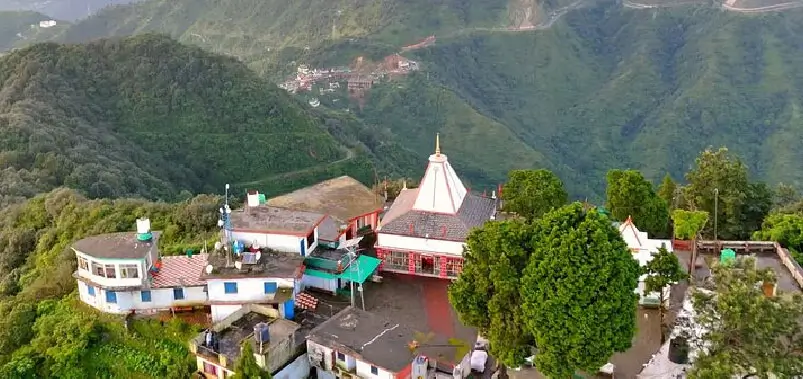
Perched at an elevation of approximately 1,650 meters, Kunjapuri Temple offers some of the most spectacular panoramic views in the region. Located around 25 kilometers from Rishikesh, the temple attracts travelers who want to witness sunrise over the Himalayan ranges.
The journey itself is scenic, passing through winding mountain roads and charming villages. Upon reaching the temple, visitors are rewarded with sweeping views that stretch across valleys, forests and distant snow-capped peaks. On clear mornings, sections of the greater Himalayan range become visible, creating unforgettable photographic opportunities.
The spiritual significance of the temple adds depth to the experience. Pilgrims frequently visit the site while travelers appreciate the combination of cultural heritage and natural beauty. Many tour operators organize early morning excursions specifically designed around the sunrise experience.
Watching the first rays of sunlight illuminate the mountains while the valley below slowly awakens creates a magical atmosphere. For travelers seeking viewpoints beyond the main city attractions, Kunjapuri Temple ranks among the most rewarding destinations in the area.
- Why It's Worth Visiting: It combines a revered hilltop temple with one of the best sunrise panoramas near Rishikesh.
- Best Time to Visit: October to April on a clear morning; leave Rishikesh before dawn for sunrise.
- Top Attractions: Himalayan views, sunrise, temple complex, village scenery and downhill trekking options.
- Solo Travel Tips: Pre-arrange a trusted driver, carry a light jacket and avoid attempting an unfamiliar trail alone before daylight.
11. Secret Waterfalls and Hidden Trails Around Rishikesh
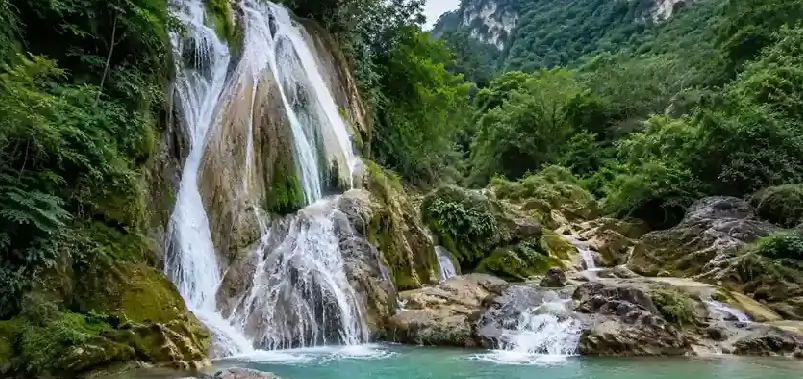
Beyond the famous attractions lies another side of Rishikesh that many visitors never experience. Hidden throughout the surrounding hills are lesser-known waterfalls, forest paths and scenic viewpoints that offer tranquility away from tourist crowds.
Several local guides lead visitors to secluded locations where natural pools, small cascades and dense forests create an atmosphere of complete isolation. These areas are particularly appealing for travelers who enjoy hiking and nature exploration. Unlike heavily visited attractions, the hidden trails often provide a stronger connection with the landscape.
The beauty of these locations lies in their simplicity. There are no large crowds, commercial activities or extensive infrastructure. Instead, visitors encounter peaceful environments where birdsong, flowing water and mountain scenery dominate the experience. Such locations reveal the untouched character of the Himalayan foothills.
Exploring these hidden gems allows travelers to see a side of Rishikesh sightseeing that remains overlooked by many visitors. For photographers and outdoor enthusiasts, these quiet corners often become the most memorable parts of their journey.
- Why It's Worth Visiting: Lesser-known trails offer solitude, local scenery and a break from the busiest sightseeing areas.
- Best Time to Visit: October to April; choose a dry day and begin early.
- Top Attractions: Forest paths, small cascades, natural pools, village views and quiet photography spots.
- Solo Travel Tips: Use a local guide for unmarked routes, share your plan with someone and avoid isolated trails during rain or near sunset.
12. Riverside Cafes – The Relaxed Side of Rishikesh
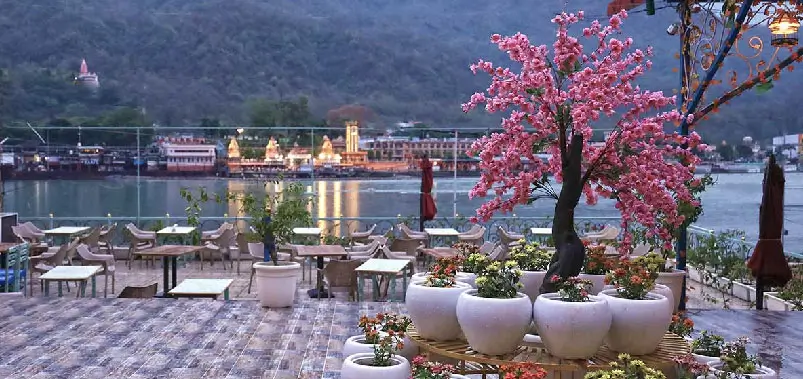
One of the reasons Rishikesh appeals to international travelers is its thriving cafe culture. The town features numerous riverside cafes where visitors can relax, enjoy healthy cuisine and admire views of the Ganges. These establishments have become an integral part of the modern travel experience in Rishikesh.
Many cafes offer open-air seating overlooking the river, creating ideal spaces for reading, working remotely or simply enjoying the scenery. Menus often include international dishes alongside local specialties, catering to the diverse community of travelers who visit the town.
The atmosphere varies from lively social hubs to quiet retreats designed for relaxation. Some cafes host live music performances, yoga gatherings and cultural events, while others focus on providing peaceful environments for reflection and conversation.
Spending an afternoon at a riverside cafe has become a popular ritual among visitors. It offers an opportunity to slow down, absorb the surroundings and appreciate the unique blend of spirituality and contemporary travel culture that defines modern Rishikesh tourism.
- Why It's Worth Visiting: The cafe scene gives travelers an easy pause between sightseeing, yoga and adventure activities.
- Best Time to Visit: Late morning or early evening; choose daylight hours for the clearest river views.
- Top Attractions: Vegetarian cuisine, Ganges views, relaxed seating, live music and traveler-friendly menus.
- Solo Travel Tips: Check recent opening information, choose a well-reviewed public venue and avoid walking alone on poorly lit riverside paths late at night.
Looking for the Best Rishikesh Experiences?
From river rafting and bungee jumping to yoga retreats and sacred temples, we help travelers create the perfect Rishikesh itinerary based on their interests and travel style.
13. White Water Rafting – The Signature Adventure Experience in Rishikesh
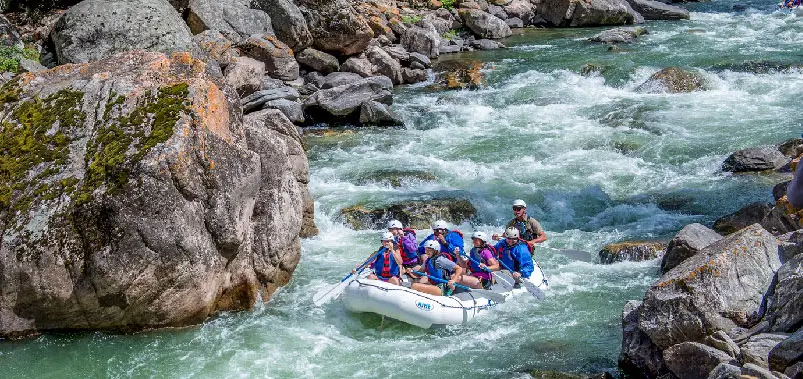
When people think about adventure tourism in Northern India, white water rafting in Rishikesh is usually one of the first activities that comes to mind. The Ganges River, flowing down from the Himalayas, creates ideal conditions for rafting enthusiasts ranging from beginners to experienced adventurers. The combination of exciting rapids, dramatic scenery and professional rafting operators has transformed Rishikesh into one of Asia's leading river rafting destinations.
Different rafting stretches cater to varying levels of experience. Shorter routes are suitable for families and first-time participants, while longer sections offer more challenging rapids for thrill seekers. The most popular rafting routes begin near Shivpuri and continue downstream toward Rishikesh, passing through scenic valleys and forested landscapes. Along the journey, rafters encounter famous rapids that provide excitement without requiring advanced technical skills.
The activity offers much more than adrenaline. Participants spend several hours surrounded by pristine natural scenery while experiencing a completely different perspective of the region. The sight of Himalayan foothills rising above the river adds a spectacular backdrop to the adventure. Many rafting packages also include opportunities for cliff jumping and swimming in calmer sections of the river.
For international visitors looking to combine spirituality with outdoor adventure, rafting represents one of the defining experiences of Rishikesh travel. Few destinations allow travelers to attend morning yoga sessions and tackle river rapids later the same day, making Rishikesh uniquely diverse among Indian tourist destinations.
- Why It's Worth Visiting: Rafting delivers Rishikesh's signature mix of Himalayan scenery, teamwork and controlled adventure.
- Best Time to Visit: October to June when permitted; operations may stop during the monsoon or unsafe river conditions.
- Top Attractions: Popular rafting stretches, named rapids, body surfing, cliff-jump stops and valley views.
- Solo Travel Tips: Join a licensed group trip, disclose medical conditions, wear the supplied safety gear and follow the guide without improvising.
14. Yoga and Meditation Centers – The Global Identity of Rishikesh
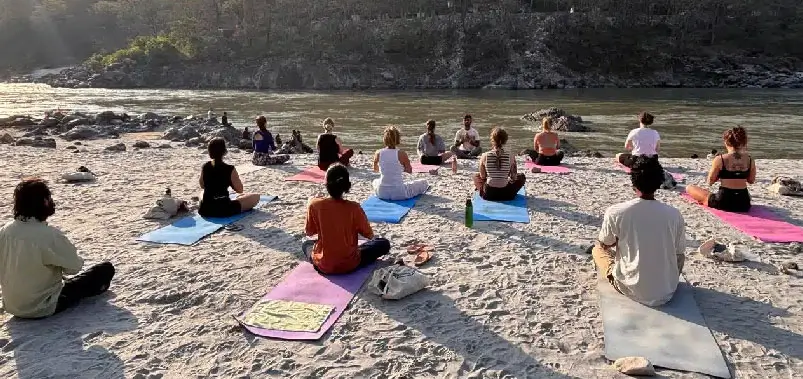
Rishikesh has earned worldwide recognition as the Yoga Capital of the World, attracting wellness seekers from nearly every continent. While many travelers initially arrive for sightseeing or adventure activities, they often discover that yoga and meditation become some of the most meaningful parts of their journey.
The city hosts hundreds of yoga schools, meditation centers and wellness retreats. Programs range from introductory classes lasting a few hours to intensive teacher training courses spanning several weeks. Many centers combine yoga practice with philosophy, breathing techniques, Ayurveda and meditation, creating a holistic approach to personal well-being.
One of the most appealing aspects of practicing yoga in Rishikesh is the environment itself. Sessions frequently take place overlooking the Ganges or within peaceful gardens surrounded by mountain scenery. The natural surroundings contribute significantly to the overall experience and help visitors disconnect from the pressures of everyday life.
For travelers seeking personal growth, stress reduction or deeper cultural understanding, the city's yoga community provides valuable opportunities. Even visitors with no prior experience often participate in beginner sessions simply to understand why Rishikesh has become such an influential destination in the global wellness movement. The combination of spiritual heritage and modern wellness practices continues to attract thousands of international travelers every year.
- Why It's Worth Visiting: Classes and retreats allow beginners and experienced practitioners to engage with Rishikesh's best-known living tradition.
- Best Time to Visit: October to April; February and March are especially active around the International Yoga Festival period.
- Top Attractions: Drop-in classes, meditation, pranayama, teacher training and Ayurveda programs.
- Solo Travel Tips: Research the school and teacher, read independent reviews and clarify schedules, inclusions and accommodation before paying.
15. Gita Bhawan – A Spiritual and Cultural Landmark
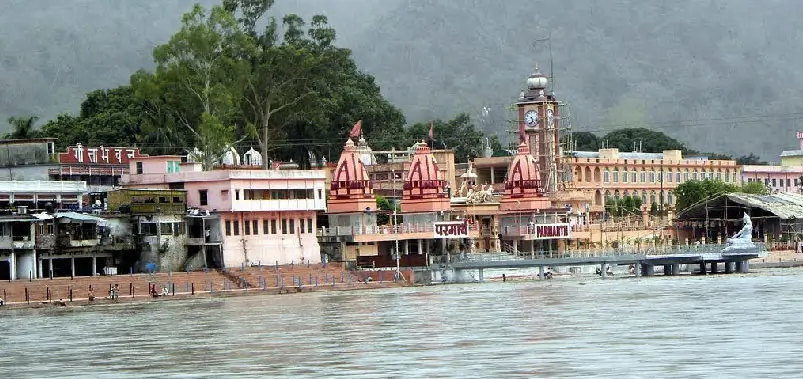
Situated near Ram Jhula, Gita Bhawan remains one of the most significant religious institutions in Rishikesh. The complex serves as both a spiritual center and an important cultural landmark, attracting pilgrims and visitors interested in learning about Hindu traditions.
The walls of the building feature detailed depictions of scenes from sacred texts, allowing visitors to gain insight into India's rich spiritual heritage. Prayer halls, meditation spaces and accommodation facilities contribute to the institution's importance within the local community. The atmosphere remains peaceful despite the large number of people who pass through the complex each day.
Many visitors appreciate the opportunity to observe daily religious activities and gain a better understanding of local traditions. Unlike museums or historical monuments, Gita Bhawan functions as a living spiritual center where faith continues to play an active role in everyday life. The experience offers a meaningful cultural perspective that many international travelers find particularly valuable.
Its location near several major attractions makes it easy to include within a broader sightseeing itinerary. Visitors exploring Ram Jhula and nearby ghats often spend additional time at Gita Bhawan to appreciate its architecture, artwork and spiritual significance.
- Why It's Worth Visiting: Gita Bhawan provides a calm look at Hindu stories, devotional practice and the living culture of the Ram Jhula area.
- Best Time to Visit: October to April; mornings are generally peaceful and suitable for unhurried exploration.
- Top Attractions: Religious murals, prayer halls, discourse spaces, book stalls and nearby riverfront walks.
- Solo Travel Tips: Wear respectful clothing, speak quietly and ask before photographing worshippers or ceremonies.
16. Swarg Ashram – The Peaceful Riverside Retreat
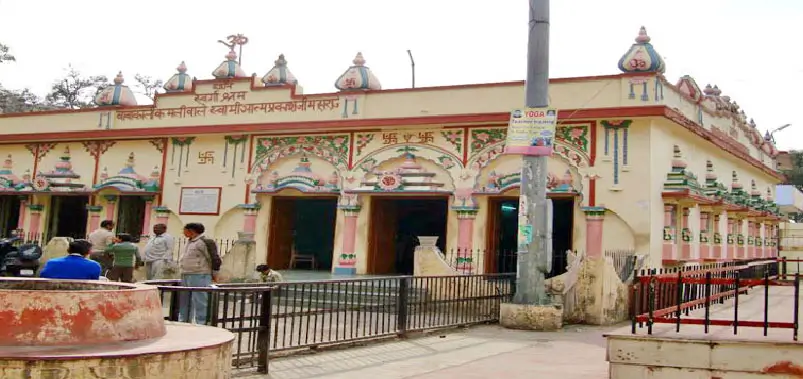
Among the quieter neighborhoods in Rishikesh, Swarg Ashram offers a more relaxed atmosphere compared to the busier commercial districts. Located on the eastern bank of the Ganges, the area is known for its spiritual institutions, pedestrian-friendly streets and scenic riverside environment.
Walking through Swarg Ashram feels noticeably different from navigating crowded tourist zones. The pace of life slows down, creating opportunities for reflection and leisurely exploration. Temples, meditation centers and small shops line the pathways while the river remains a constant presence nearby.
Many long-term visitors choose to stay in this area because it combines convenience with tranquility. The neighborhood provides easy access to major attractions while maintaining a peaceful character that appeals to wellness travelers. Morning walks along the riverbank are particularly enjoyable, offering beautiful views and a calm start to the day.
For travelers seeking a more authentic and less commercial side of Rishikesh tourism, Swarg Ashram remains one of the most rewarding areas to explore. Its relaxed atmosphere captures many of the qualities that originally made Rishikesh famous as a destination for spiritual seekers.
- Why It's Worth Visiting: This pedestrian-friendly district is ideal for slow walks, temple visits and peaceful time beside the Ganges.
- Best Time to Visit: October to April; early morning and late afternoon are especially pleasant.
- Top Attractions: Riverside paths, ashrams, temples, ghats, small shops and nearby Gita Bhawan.
- Solo Travel Tips: Wear comfortable footwear, keep a simple offline map and use established crossings and transport points after sunset.
Plan Your Perfect Rishikesh Getaway
From the sacred banks of the Ganges and ancient temples to thrilling river rafting, scenic cafes, and hidden gems, Rishikesh offers something for every traveler. Let our experts create a personalized itinerary that matches your travel style and interests.
17. Neelkanth Mahadev Temple – A Sacred Journey into the Hills
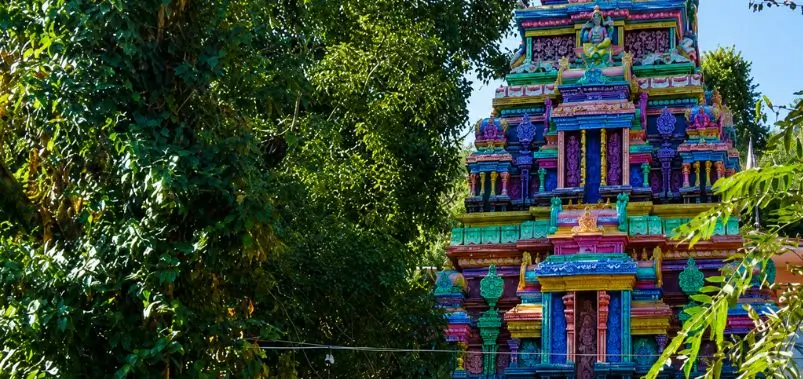
Located in the forested hills beyond Rishikesh, Neelkanth Mahadev Temple is one of the region's most revered Shiva temples. The winding journey from the city passes through mountain roads and green valleys, making the trip scenic as well as spiritual. According to Hindu tradition, the site is connected with the story of Lord Shiva consuming poison during the churning of the cosmic ocean.
Pilgrims visit throughout the year, with larger crowds during the monsoon pilgrimage season and major Shiva festivals. The temple's colorful entrance, sacred spring and devotional atmosphere offer international travelers a vivid introduction to living Hindu traditions. A visit can be combined with viewpoints and village scenery along the route.
- Why It's Worth Visiting: It offers an important pilgrimage experience and a scenic drive through the hills surrounding Rishikesh.
- Best Time to Visit: October to April for easier sightseeing; expect heavy crowds during Shravan and festival dates.
- Top Attractions: Shiva shrine, sacred spring, mountain road views and devotional atmosphere.
- Solo Travel Tips: Use a reliable taxi or shared transport, start early, dress modestly and keep valuables secure in festival crowds.
18. Tera Manzil Temple – Thirteen Floors of River Views and Shrines
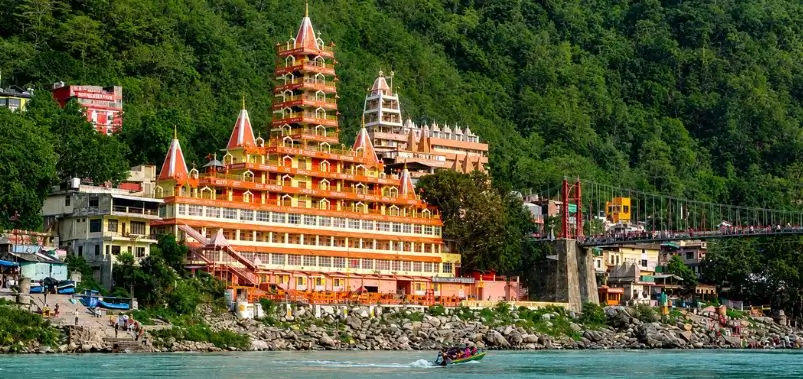
Also known as Trimbakeshwar Temple, Tera Manzil is a distinctive multi-storey temple complex near the Laxman Jhula area. Each level contains shrines dedicated to different Hindu deities, while the upper floors provide broad views across the Ganges, surrounding neighborhoods and Himalayan foothills.
The vertical layout makes the visit different from a conventional temple stop. Travelers climb through a sequence of compact worship spaces before reaching higher viewpoints. Its convenient location means it can be included in a walking itinerary covering nearby markets, cafes and riverfront landmarks.
- Why It's Worth Visiting: The temple combines religious variety, unusual architecture and elevated views in one centrally located attraction.
- Best Time to Visit: October to April; morning hours are cooler and less crowded.
- Top Attractions: Thirteen levels, multiple shrines, river views and nearby Laxman Jhula lanes.
- Solo Travel Tips: Wear footwear that is easy to remove, watch your step on the stairs and keep small cash for voluntary offerings.
19. Bharat Mandir – The Historic Temple in Old Rishikesh
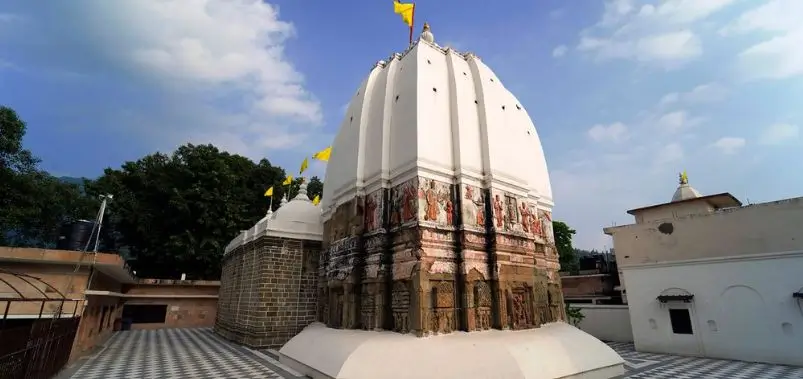
Bharat Mandir is among the oldest and most culturally significant temples in Rishikesh. Situated in the older part of the city, it is traditionally associated with Adi Shankaracharya and gives visitors a reason to explore beyond the more familiar riverfront tourist districts.
The temple's quieter surroundings and longstanding religious importance make it a valuable stop for travelers interested in local history. Exploring the nearby lanes also reveals markets, neighborhood life and a more everyday side of Rishikesh that is easy to miss on a short trip.
- Why It's Worth Visiting: It adds historical depth and introduces visitors to the less-touristy heart of old Rishikesh.
- Best Time to Visit: October to April; visit in the morning and check current worship timings.
- Top Attractions: Historic shrine, traditional architecture, old-city lanes and nearby local markets.
- Solo Travel Tips: Dress respectfully, ask before taking photographs inside and combine the visit with daytime exploration of the old town.
20. Patna Waterfall – A Forest Trek to a Seasonal Cascade
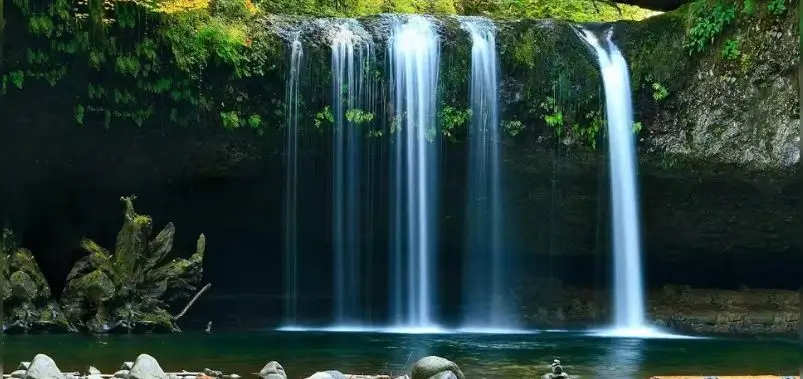
Patna Waterfall lies along a forest trail near the Rishikesh–Neelkanth road. The walk passes through greenery and rocky terrain before reaching a seasonal cascade. Compared with the best-known city attractions, the setting feels more natural and works well for travelers who want a short hike without committing to a full-day trek.
Water flow changes with the season, so the experience may range from a lively cascade after rainfall to a quieter cliffside setting in drier months. The trail itself remains the main attraction, with fresh air, forest sounds and occasional views across the surrounding landscape.
- Why It's Worth Visiting: It offers a manageable nature walk and a quieter alternative to the more popular waterfall stops.
- Best Time to Visit: September to November for stronger flow or February to April for pleasant trekking weather; avoid heavy rain.
- Top Attractions: Forest trail, seasonal waterfall, limestone formations and valley scenery.
- Solo Travel Tips: Wear proper shoes, carry water, return before dark and avoid the trail alone when it is wet or deserted.
21. Garud Chatti Waterfall – A Peaceful Cascade Beyond the Main Town
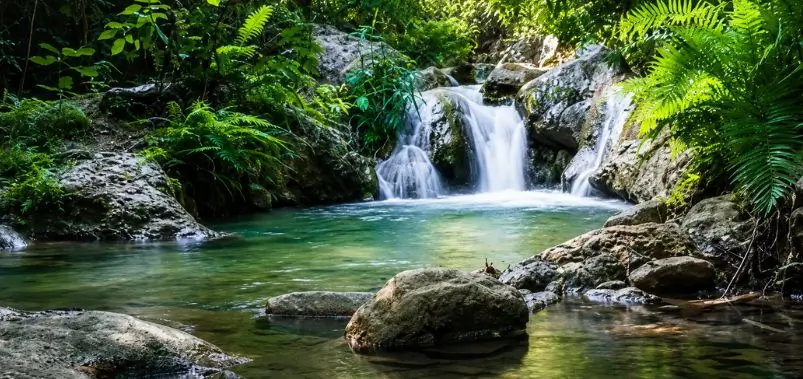
Garud Chatti Waterfall is another scenic nature stop on the route toward Neelkanth Mahadev Temple. Reaching it involves a short trek through a wooded landscape, and the smaller cascade and natural surroundings often feel calmer than the city's busiest attractions.
The destination is suited to walkers, photographers and travelers building a half-day waterfall itinerary. Conditions can change after rain, and the rocky sections may become slippery, so sensible footwear matters more here than an ambitious photo pose.
- Why It's Worth Visiting: The short woodland hike and quieter natural setting make it a rewarding break from temples and traffic.
- Best Time to Visit: September to November and February to May; avoid periods of heavy rainfall.
- Top Attractions: Waterfall, forest walk, rocky pools and nearby Neelkanth route scenery.
- Solo Travel Tips: Visit during daylight, stay on the visible trail, avoid slippery pool edges and arrange return transport in advance.
22. Mohan Chatti – Bungee Jumping and High-Adrenaline Adventure
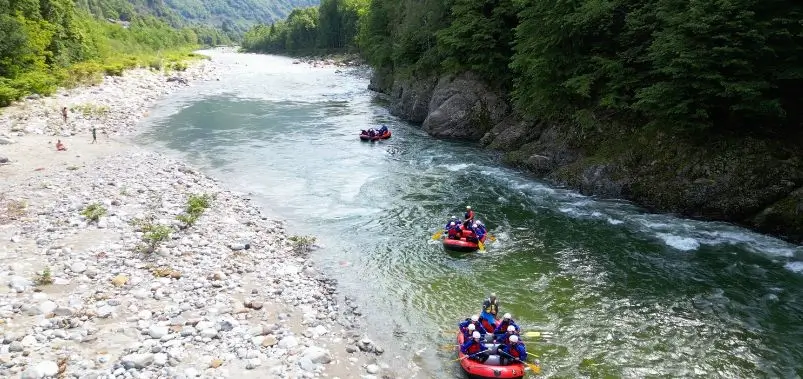
Mohan Chatti, located outside central Rishikesh, is known for organized adventure experiences in a dramatic valley setting. Bungee jumping is the headline activity, while giant swings and other operated experiences may also be available depending on the venue and season.
The site appeals to travelers who want a challenge beyond river rafting. Because adventure providers, eligibility rules and operations can change, visitors should verify the current operator, safety standards, age and weight limits, medical restrictions and transport arrangements before booking.
- Why It's Worth Visiting: It provides one of the most intense adventure experiences available near Rishikesh.
- Best Time to Visit: October to June, subject to weather and the operator's current schedule.
- Top Attractions: Bungee jumping, giant swing, valley views and organized adventure packages.
- Solo Travel Tips: Book through the official operator, disclose health conditions honestly and arrange round-trip transport before departure.
23. Rishikesh Zipline – Fly Above the Ganges Landscape
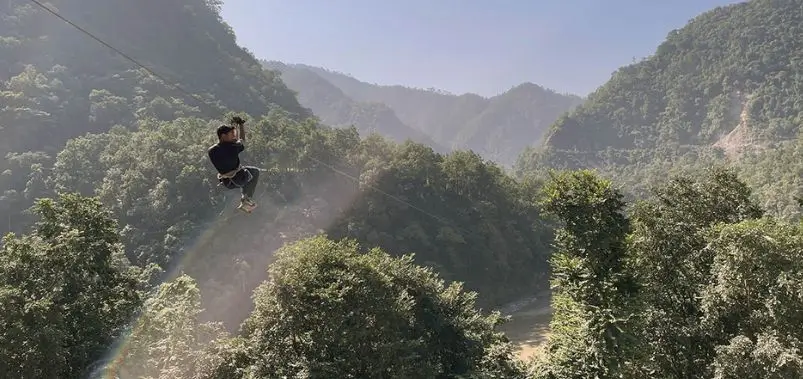
Ziplining near Rishikesh offers a fast, scenic adventure for visitors who want aerial views without committing to a long expedition. Participants are fitted with safety equipment and guided across a suspended cable above a river or valley section, depending on the operating location.
The activity is often paired with rafting or other adventure packages, making it convenient for a tightly planned itinerary. The experience is brief, but the combination of height, speed and Himalayan scenery makes it memorable. Always confirm the current location and provider because operating sites and packages may change.
- Why It's Worth Visiting: It delivers a quick burst of adventure together with an unusual perspective of the river valley.
- Best Time to Visit: October to June, depending on weather, visibility and operator permissions.
- Top Attractions: Aerial river views, tandem or individual ride options and combined adventure packages.
- Solo Travel Tips: Choose a reputable operator, follow weight and health rules and secure phones, cameras and loose items before the ride.
Explore the Spiritual & Adventure Capital of India
Ready to discover the best of Rishikesh? Whether you're seeking yoga retreats, Himalayan adventures, spiritual experiences, or a relaxing riverside escape, we'll help you experience the destination like a local.
24. Goa Beach – A Sandy Riverside Escape in Rishikesh
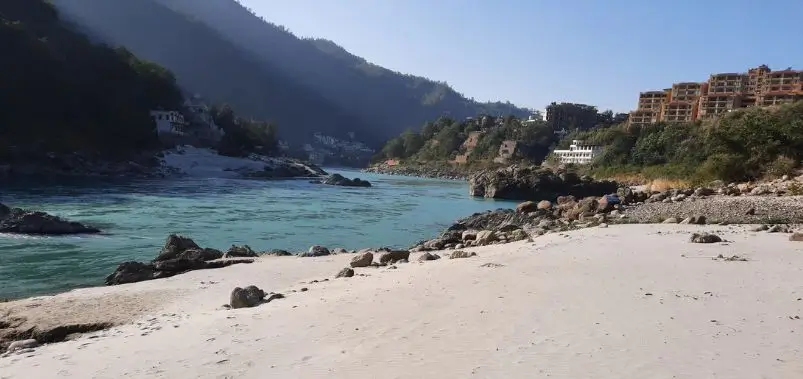
Despite its playful name, Goa Beach is not a coastal beach. It is a sandy stretch beside the Ganges that has become popular for sitting by the river, enjoying the scenery and taking a slower break between sightseeing stops. The surrounding hills and flowing water create an easygoing setting close to the town's traveler districts.
River levels and access conditions vary, especially during the monsoon. Visitors should admire the landscape from a safe distance and avoid entering strong currents. The beach is best treated as a quiet viewpoint rather than an unsupervised swimming spot.
- Why It's Worth Visiting: It is an accessible place to relax beside the Ganges and enjoy the softer, unhurried side of Rishikesh.
- Best Time to Visit: October to April; go during daylight and avoid high-water conditions.
- Top Attractions: Sandy riverbank, mountain views, sunrise light and peaceful sitting areas.
- Solo Travel Tips: Stay away from fast water, leave before dark, carry your rubbish back and avoid isolated sections when few people are present.
25. Jhilmil Gufa – An Offbeat Cave Experience Near Neelkanth
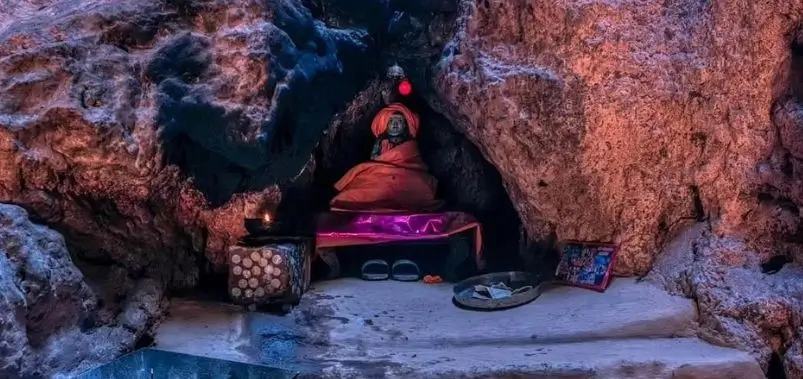
Jhilmil Gufa is a lesser-known cave and meditation site in the hills near the Neelkanth route. Reaching it generally involves road travel followed by a walk through forested terrain. The quiet surroundings and simple cave environment appeal to visitors seeking an experience that feels removed from central Rishikesh.
This is better suited to travelers comfortable with basic trails and limited facilities. Route conditions, access and local guidance can vary, so confirming the latest information before departure is essential. The journey is as important as the destination, passing through a peaceful rural landscape.
- Why It's Worth Visiting: The cave offers solitude, an offbeat walking route and a spiritual atmosphere away from mainstream sightseeing.
- Best Time to Visit: October to April on a dry day; start early enough to return before evening.
- Top Attractions: Natural cave, meditation setting, forest walk and rural hill scenery.
- Solo Travel Tips: Hire a local guide, carry water and offline directions, tell someone your route and avoid attempting the trail alone in poor weather.
How Many Days Are Enough for Rishikesh?
The ideal duration depends on whether the trip focuses on sightseeing, spirituality or adventure. The sample plans below can help visitors organize the 25 attractions without turning the holiday into a race.
One-Day Rishikesh Itinerary
- Morning: Laxman Jhula area and Tera Manzil Temple
- Afternoon: Beatles Ashram and Swarg Ashram
- Evening: Parmarth Niketan or Triveni Ghat Ganga Aarti
Two-Day Rishikesh Itinerary
- Day 1: Laxman Jhula, Ram Jhula, Beatles Ashram, Gita Bhawan and evening Aarti
- Day 2: White water rafting or Neer Garh Waterfall, followed by riverside cafes and Goa Beach
Three-Day Rishikesh Itinerary
- Day 1: Major bridges, ashrams, temples and Ganga Aarti
- Day 2: Shivpuri rafting, waterfall trek and cafe time
- Day 3: Kunjapuri sunrise with Neelkanth Mahadev Temple or Rajaji National Park
Best Time to Visit Rishikesh
October to April is generally the most comfortable period for sightseeing, yoga, temple visits and outdoor exploration. March to June is popular for rafting and adventure activities, subject to river conditions. Heavy monsoon rain can affect trekking, waterfall access, rafting operations and road travel.
How to Reach Rishikesh
Jolly Grant Airport near Dehradun is the closest airport. Rishikesh also has rail connectivity, while Haridwar is a major nearby railway junction. Road journeys from Delhi, Haridwar and Dehradun are common, with buses, taxis and private cars available.
Getting Around
Auto-rickshaws, shared vehicles, taxis and walking are the main options. Several riverfront areas are best explored on foot. For Kunjapuri, Neelkanth, Vashishta Cave and other outlying attractions, arranging return transport in advance is sensible.
Responsible Travel
Dress respectfully at temples and ashrams, ask permission before photographing worshippers, avoid single-use plastic and never leave waste on trails or riverbanks. The Ganges can have strong currents, so swimming in unsupervised areas should be avoided.
Why Rishikesh Remains One of India's Most Diverse Destinations
Few places in India offer the extraordinary variety found in Rishikesh. Travelers can witness sacred ceremonies at Triveni Ghat, cross iconic suspension bridges, meditate inside ancient caves, trek to hidden waterfalls, enjoy international cuisine at riverside cafes and navigate thrilling river rapids - all within a relatively compact area.
The destination appeals equally to adventure enthusiasts, spiritual seekers, photographers, wellness travelers, families and luxury holidaymakers. Its location at the gateway to the Himalayas creates a unique blend of mountain landscapes and cultural heritage. Unlike destinations that focus exclusively on a single theme, Rishikesh successfully combines spirituality, nature, adventure and relaxation.
Accessibility also contributes to its popularity. Visitors can reach the town easily from Delhi while still experiencing a dramatic change in scenery and atmosphere. The proximity to other destinations such as Haridwar, Mussoorie and Rajaji National Park further enhances its appeal for travelers planning longer journeys through Northern India.
Whether someone arrives seeking yoga instruction, spiritual insight, outdoor adventure or simply a peaceful escape, Rishikesh consistently delivers experiences that exceed expectations. Its ability to cater to diverse interests explains why it remains one of the most visited destinations in the Himalayan foothills.
Related Guides



 info@topindianholidays.net
 +91-8955000999