📅 Last Updated On: 23 Jul 2026
⏱ 10 Min Read
15 Best National Parks in India for Wildlife Safaris & Luxury Jungle Lodges
T
Top Indian Holidays
Ministry of Tourism Approved Tour Operator
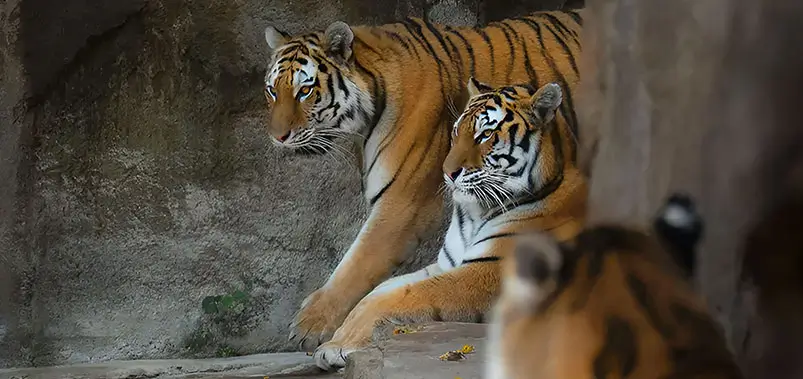
India's Wildlife Safaris: Where Luxury Travel Meets Extraordinary Nature
India is often celebrated for its palaces, temples and cultural heritage, but the country is also one of the world's greatest wildlife destinations. Home to the largest population of wild tigers on Earth, India offers safari experiences that rival some of the most famous wildlife regions in Africa. Dense forests, grasslands, wetlands, river systems and mountain ecosystems support an incredible variety of species including Bengal tigers, Asiatic lions, leopards, elephants, rhinoceroses, sloth bears and hundreds of bird species.
What makes wildlife safaris in India particularly special is the combination of biodiversity and cultural depth. Travelers can spend the morning tracking tigers through ancient forests and the afternoon relaxing at luxury lodges inspired by local traditions. Many of India's best safari destinations are located near historic cities, allowing visitors to combine wildlife experiences with cultural exploration.
Luxury safari tourism has evolved significantly in recent years. World-class jungle lodges, private guides, gourmet dining and conservation-focused experiences now attract international travelers seeking high-end adventures. Properties located near major national parks provide exceptional comfort while maintaining strong connections with the natural environment.
The parks featured in this guide represent the finest safari destinations in India. Together they offer opportunities to encounter iconic wildlife, enjoy spectacular landscapes and experience some of the best luxury wildlife holidays in India.
1. Ranthambore National Park – India's Most Famous Tiger Safari Destination
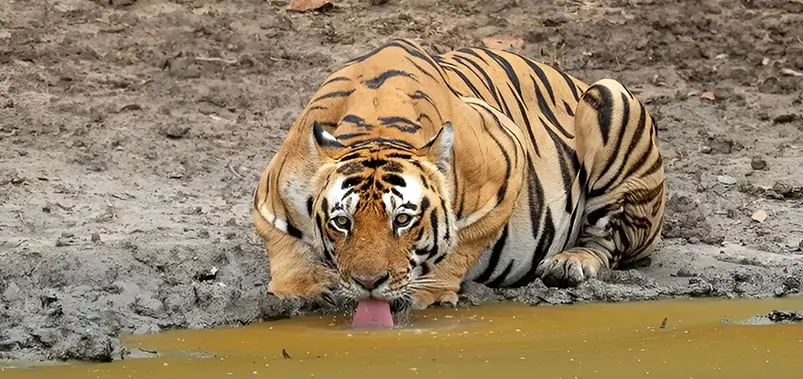
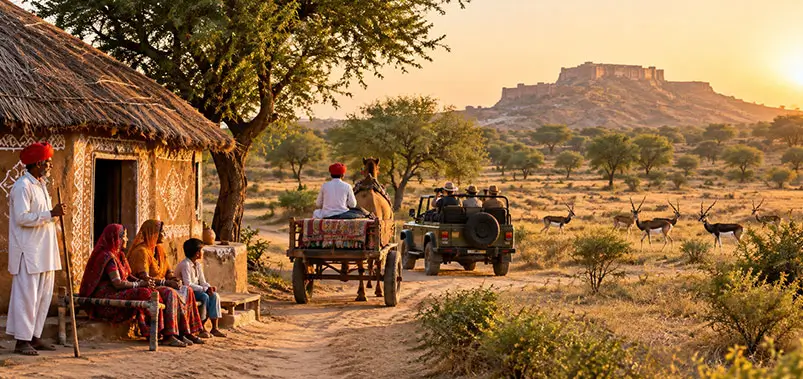
Among all wildlife destinations in India, Ranthambore National Park is arguably the most famous. Located in Rajasthan, the park combines dramatic landscapes, historic ruins and a healthy tiger population that attracts wildlife enthusiasts from around the world.
One of Ranthambore's defining characteristics is the visibility of its wildlife. Unlike dense forests where sightings can be challenging, the park's open terrain often provides excellent opportunities to observe animals. Tigers frequently move through grasslands, lakes and ancient ruins, creating some of the most iconic wildlife photographs in India.
The historic Ranthambore Fort overlooking the park adds a unique dimension to the safari experience. Few wildlife destinations in the world combine medieval architecture and tiger conservation so effectively. The contrast between cultural heritage and natural wilderness contributes significantly to the park's appeal.
Luxury accommodations around Ranthambore rank among the finest in India. Many lodges offer expert naturalists, private safari arrangements and premium hospitality designed specifically for international travelers. For visitors seeking tiger safaris in India, Ranthambore remains one of the best starting points.
Wildlife Highlights
Ranthambore is best known for its healthy Bengal Tiger population, but the park supports an impressive variety of wildlife. Visitors frequently spot leopards, sloth bears, striped hyenas, marsh crocodiles, nilgai, sambars, chitals, wild boars and langurs. The park is also home to more than 300 bird species, making it a paradise for birdwatchers.
Lakes such as Padam Talao, Rajbagh Talao and Malik Talao attract numerous animals throughout the day, especially during the summer months when wildlife gathers near water sources.
Safari Experience
Ranthambore offers both jeep safaris (6-seater) and canter safaris (20-seater), with morning and afternoon safari sessions available every day during the open season. The park is divided into multiple safari zones, each offering different landscapes and wildlife viewing opportunities.
Experienced naturalists and forest guides help visitors track animal movements by observing footprints, alarm calls and fresh pugmarks, making every safari exciting and unpredictable.
Best Time to Visit
The park remains open from October to June.
- October to February: Pleasant weather and lush landscapes.
- March to May: Excellent tiger sightings as animals gather near waterholes.
- June: Hot but highly rewarding for wildlife photography.
Luxury Jungle Lodges Near Ranthambore
Ranthambore offers some of India's finest luxury safari accommodations. Many premium lodges feature private villas, spa facilities, gourmet dining, guided nature walks and exclusive safari arrangements. Staying for at least two nights allows visitors to enjoy multiple game drives and significantly improves wildlife sighting opportunities.
Nearby Attractions
- Ranthambore Fort (UNESCO World Heritage Site)
- Trinetra Ganesh Temple
- Surwal Lake
- Kachida Valley
- Chambal River Safari
Travel Tips
- Reserve safari permits several weeks in advance.
- Morning safaris generally provide the best wildlife activity.
- Carry binoculars and a telephoto lens for photography.
- Wear neutral-colored clothing to avoid disturbing wildlife.
- Book multiple safaris to increase your chances of tiger sightings.
Experience India's Incredible Wildlife with a Private Tour
Discover India's most spectacular national parks with a personalized private journey. From exciting tiger safaris and birdwatching to lush forests, scenic landscapes, and rare wildlife encounters, enjoy a well-planned itinerary, comfortable transportation, and unforgettable nature experiences across the country's top wildlife destinations.
2. Bandhavgarh National Park – India's Tiger Capital
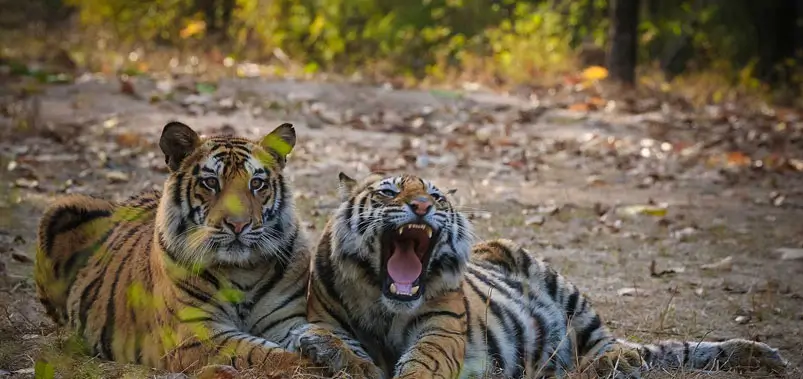
When it comes to tiger sightings, few destinations can compete with Bandhavgarh National Park. The reserve is widely recognized for having one of the highest tiger densities in the country, making it a dream destination for wildlife photographers and safari enthusiasts.
The landscape consists of forests, grasslands and rocky hills dominated by the ancient Bandhavgarh Fort. This combination of habitats supports a wide range of wildlife while creating scenic environments for exploration. Tigers remain the primary attraction, but visitors frequently encounter leopards, deer, wild boar, jackals and numerous bird species.
Safari drives in Bandhavgarh are often highly productive. Experienced guides track animal movements using signs such as footprints, alarm calls and territorial markings. The excitement of searching for wildlife contributes significantly to the overall experience and often creates unforgettable memories.
Luxury safari lodges surrounding the park provide exceptional accommodations that blend comfort with wilderness immersion. Many travelers consider Bandhavgarh essential within any India wildlife tour itinerary due to its outstanding reputation for tiger encounters.
Wildlife Highlights
The Bengal Tiger is undoubtedly the park's biggest attraction. In addition, visitors regularly encounter leopards, sloth bears, jackals, Indian wolves, gaurs, sambars, barking deer, spotted deer and wild boars.
Bandhavgarh is also home to over 250 species of birds, making it equally attractive for birdwatchers and nature lovers.
Safari Experience
The reserve is divided into several safari zones including Tala, Magadhi and Khitauli, each known for different wildlife experiences. Tala Zone is particularly famous for frequent tiger sightings and scenic landscapes.
Jeep safaris accompanied by experienced forest guides provide opportunities to explore dense forests, open meadows and ancient ruins while tracking wildlife.
Best Time to Visit
Bandhavgarh National Park is open from October to June.
- October–February: Comfortable weather and green landscapes.
- March–June: Higher chances of tiger sightings.
- Monsoon: Closed for tourism.
Luxury Jungle Lodges Near Bandhavgarh
The area around Bandhavgarh features several luxury safari lodges offering elegant cottages, wildlife lectures, guided nature walks and customized safari experiences. Many properties also promote sustainable tourism and local conservation initiatives.
Nearby Attractions
- Bandhavgarh Fort
- Shesh Shaiya
- Climber's Point
- Baghel Museum
- Khajuraho (within driving distance)
Travel Tips
- Spend at least three safaris for better wildlife sightings.
- Carry a good zoom camera lens.
- Listen carefully to your guide during wildlife tracking.
- Early morning safaris usually provide the most active wildlife encounters.
- Book accommodations close to Tala Gate for convenience.
3. Kanha National Park – The Inspiration Behind The Jungle Book
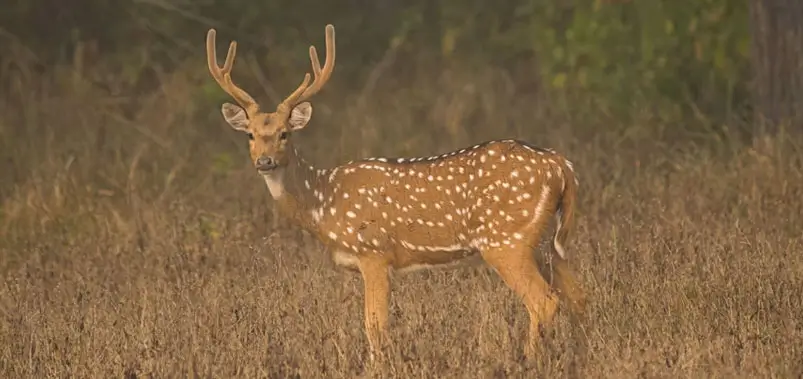
Few wildlife destinations possess landscapes as beautiful as Kanha National Park. Often associated with the inspiration for Rudyard Kipling's The Jungle Book, the park combines extensive grasslands, dense forests and rich biodiversity within one of India's most successful conservation areas.
The scenery itself is extraordinary. Open meadows surrounded by forests create ideal habitats for numerous species while providing excellent visibility during safaris. The park is particularly famous for its population of barasingha, or swamp deer, which were brought back from near extinction through conservation efforts.
Tiger sightings are common, but Kanha's appeal extends beyond a single species. Visitors frequently encounter gaur, wild dogs, leopards, deer and an impressive variety of birds. The diversity of wildlife ensures that every safari offers new experiences and opportunities for observation.
Luxury lodges positioned around the park emphasize sustainability and conservation while providing exceptional comfort. For travelers interested in luxury jungle lodges in India, Kanha remains one of the country's most rewarding destinations.
Wildlife Highlights
Besides Bengal Tigers, Kanha is home to Barasingha, Indian Leopards, Wild Dogs (Dholes), Sloth Bears, Indian Gaurs, Sambars, Chitals, Barking Deer and Langurs.
Bird enthusiasts can spot over 300 species including Indian Rollers, Crested Serpent Eagles, Paradise Flycatchers and Hornbills.
Safari Experience
Kanha is divided into several safari zones such as Kisli, Mukki, Kanha and Sarhi. Each zone provides unique landscapes and excellent wildlife viewing opportunities.
Professional naturalists accompany jeep safaris, helping visitors identify animal behavior, bird species and forest ecology. The park's extensive road network allows visitors to explore diverse habitats during each safari.
Best Time to Visit
The best safari season is from October to June.
- Winter (November–February): Pleasant temperatures and scenic landscapes.
- Summer (March–May): Outstanding tiger sightings near water sources.
- June: Excellent for wildlife photography before monsoon closure.
Luxury Jungle Lodges Near Kanha
Kanha offers a wide selection of luxury safari resorts featuring private cottages, spa treatments, gourmet cuisine, cultural performances and expert-led nature activities. Many lodges are built using sustainable practices and blend beautifully into the surrounding forests.
Nearby Attractions
- Kanha Museum
- Bamni Dadar (Sunset Point)
- Kawardha Palace
- Phen Wildlife Sanctuary
- Mandla Town
Travel Tips
- Stay for at least three days to explore multiple safari zones.
- Book both morning and evening safaris for varied wildlife experiences.
- Bring binoculars for birdwatching.
- Wear comfortable earth-toned clothing.
- Avoid making noise during safaris to improve wildlife viewing opportunities.
Explore India's Wild Side with Expertly Planned Safaris
Embark on an unforgettable wildlife adventure through India's famous national parks and nature reserves. Spot majestic tigers, leopards, elephants, and exotic birdlife while enjoying private transportation, experienced local guides, and a customized itinerary designed for an exceptional safari experience.
4. Jim Corbett National Park – India's Oldest National Park
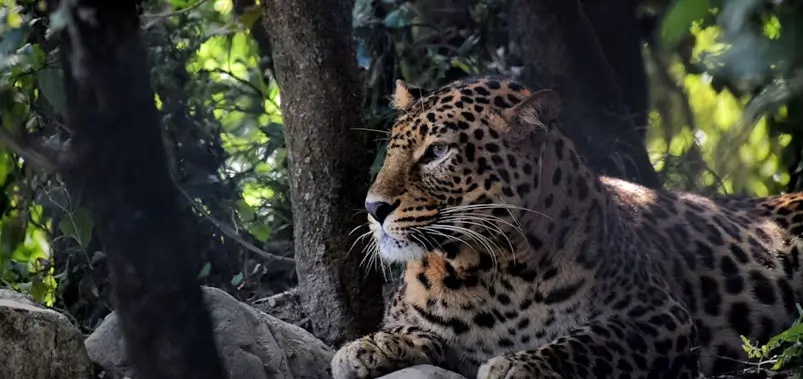
Established in 1936, Jim Corbett National Park holds the distinction of being India's oldest national park. Located in the Himalayan foothills of Uttarakhand, it remains one of the most important wildlife reserves in the country.
The park's landscapes differ significantly from central India's tiger reserves. Rivers, grasslands and forests combine to create a diverse environment supporting a wide range of species. Tigers remain an important attraction, but elephants, crocodiles, deer and hundreds of bird species contribute equally to the safari experience.
Corbett's accessibility from Delhi has made it particularly popular among international visitors. Travelers can combine wildlife safaris with cultural tours of North India while minimizing travel time. The park's various safari zones offer different habitats and wildlife viewing opportunities, encouraging repeat visits.
Luxury riverside lodges and forest retreats provide excellent accommodations while maintaining close connections to nature. For travelers seeking a balance between accessibility and wildlife, Corbett remains one of the leading options for safari holidays in India.
Wildlife Highlights
Jim Corbett is home to a wide variety of wildlife species. Bengal Tigers remain the park's biggest attraction, but visitors also frequently spot Asian Elephants, Leopards, Sloth Bears, Gharials, Mugger Crocodiles, Otters and several species of deer.
The park is equally famous among birdwatchers, with more than 600 recorded bird species, including Great Hornbills, Crested Serpent Eagles, Kingfishers, Woodpeckers and Himalayan birds.
Safari Experience
Jim Corbett offers jeep safaris in several tourism zones including Dhikala, Bijrani, Jhirna, Dhela, Durga Devi and Garjia. Each zone has its own landscape and wildlife characteristics.
Dhikala is considered the most rewarding zone because of its vast grasslands and high chances of spotting elephants, tigers and other large mammals. Morning and evening jeep safaris are available, while overnight stays inside the Dhikala Forest Rest House provide an unforgettable wilderness experience.
Best Time to Visit
Jim Corbett National Park remains open in different zones throughout the year.
- November to February: Pleasant weather and excellent birdwatching.
- March to June: Best time for tiger and elephant sightings.
- Monsoon Season: Some safari zones remain closed due to heavy rainfall.
Luxury Jungle Lodges Near Jim Corbett
The park is surrounded by a wide range of luxury wildlife resorts offering riverside cottages, spa facilities, gourmet dining and guided nature experiences. Many properties organize birdwatching tours, village walks and private jeep safaris for a more personalized wildlife holiday.
Nearby Attractions
- Corbett Museum
- Garjia Devi Temple
- Kosi River
- Corbett Waterfall
- Sitabani Forest Reserve
- Nainital (within driving distance)
Travel Tips
- Book Dhikala safari permits well in advance, especially during peak season.
- Carry warm clothing during winter morning safaris.
- Bring binoculars for birdwatching.
- Stay at least two nights to explore different safari zones.
- Maintain silence during safaris for better wildlife sightings.
5. Kaziranga National Park – Home of the One-Horned Rhinoceros
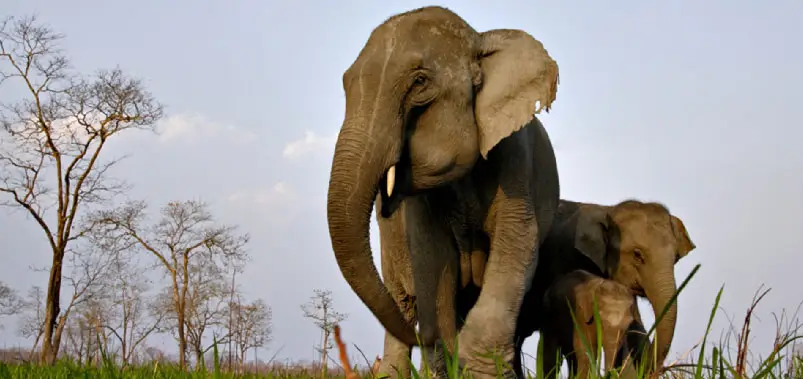
Located in Assam, Kaziranga National Park is one of Asia's greatest wildlife success stories. The park protects the world's largest population of one-horned rhinoceroses and represents one of the most important conservation achievements of modern times.
The landscape consists of grasslands, wetlands and forests that support extraordinary biodiversity. Rhino sightings are extremely common, allowing visitors to observe these remarkable animals in their natural environment. The experience often exceeds expectations due to the number of animals visible during safari excursions.
Kaziranga is also home to elephants, wild buffalo, swamp deer, tigers and a remarkable variety of birdlife. The diversity of species contributes significantly to its international reputation and makes it one of the most rewarding wildlife destinations in India.
The park offers both jeep safaris and elephant rides in designated areas, providing different perspectives on the landscape. For travelers interested in wildlife photography in India, Kaziranga remains one of the country's most important destinations.
Wildlife Highlights
Kaziranga is world-famous for its One-Horned Rhinoceros, but visitors can also encounter Bengal Tigers, Asian Elephants, Wild Water Buffaloes, Swamp Deer, Hoolock Gibbons, Leopards and Smooth-coated Otters.
The park is also recognized as an Important Bird Area and attracts hundreds of migratory and resident bird species including Pelicans, Storks, Eagles, Hornbills and Kingfishers.
Safari Experience
Kaziranga offers both Jeep Safaris and Elephant Safaris. Jeep safaris cover different tourism ranges including Central, Western, Eastern and Burapahar, each offering unique landscapes and wildlife opportunities.
Elephant safaris provide a closer view of rhinos grazing peacefully in the grasslands and are considered one of the park's signature experiences.
Best Time to Visit
The best time to visit Kaziranga National Park is from November to April.
- November to February: Pleasant weather with excellent wildlife viewing.
- March to April: Better chances of observing rhinos and elephants near wetlands.
- May to October: Park generally remains closed due to monsoon flooding.
Luxury Jungle Lodges Near Kaziranga
Luxury eco-lodges and boutique wildlife resorts near Kaziranga offer comfortable accommodations inspired by Assamese culture. Guests can enjoy local cuisine, cultural performances, birdwatching tours and customized safari experiences.
Nearby Attractions
- Kaziranga Orchid Park
- Kakochang Waterfall
- Tea Gardens of Assam
- Brahmaputra River Cruises
- Hollongapar Gibbon Wildlife Sanctuary
Travel Tips
- Early morning safaris provide the best opportunities for rhino photography.
- Carry waterproof gear during shoulder seasons.
- Respect wildlife and maintain a safe distance.
- Hire experienced naturalist guides for better wildlife interpretation.
- Spend at least two days exploring multiple safari ranges.
6. Gir National Park – The Last Home of the Asiatic Lion
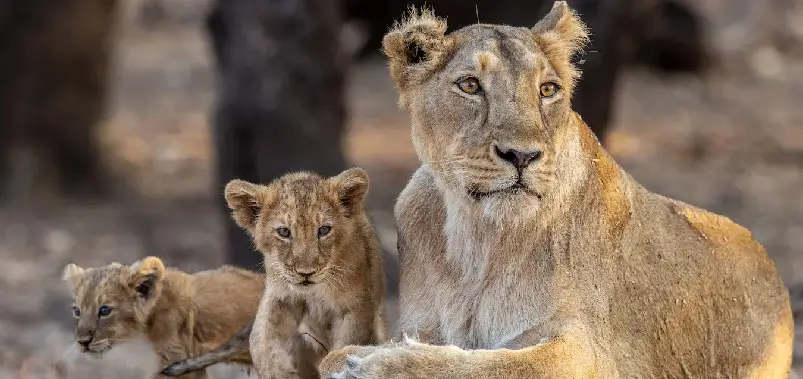
Among all wildlife reserves in India, Gir National Park occupies a unique position. It is the only place on Earth where Asiatic lions can be observed in their natural habitat, making it one of the most significant wildlife destinations in the world.
The recovery of the Asiatic lion population stands among the greatest conservation achievements of the modern era. Once facing the threat of extinction, the species now thrives within the protected landscapes of Gir and surrounding areas. Visitors often encounter lions during safari drives, creating unforgettable wildlife experiences.
The reserve also supports leopards, deer, antelope, crocodiles and numerous bird species. The dry forests and grasslands differ considerably from the habitats found in central India, providing variety for travelers exploring multiple wildlife regions.
Luxury safari lodges around Gir have elevated the destination's appeal among international visitors. For travelers interested in rare wildlife and conservation, Gir remains an essential component of India wildlife tourism.
Wildlife Highlights
The Asiatic Lion is the undisputed star of Gir National Park. Visitors also have excellent chances of spotting Leopards, Striped Hyenas, Golden Jackals, Nilgai, Chinkara, Sambar Deer, Wild Boars, Marsh Crocodiles and more than 300 bird species.
Gir also has one of India's highest leopard populations, making it an excellent destination for big-cat enthusiasts.
Safari Experience
Gir offers guided jeep safaris through designated tourism zones under the supervision of trained forest guides. The park's open woodland habitat provides relatively clear visibility, increasing the chances of wildlife sightings.
The nearby Devalia Interpretation Zone (Gir Interpretation Zone) is also popular for visitors with limited time, as it offers a shorter safari experience with good wildlife viewing opportunities.
Best Time to Visit
The ideal safari season is from December to April.
- Winter: Pleasant weather and active wildlife.
- Summer (March–May): Better lion sightings near water sources.
- Monsoon: Park remains closed for conservation purposes.
Luxury Jungle Lodges Near Gir
Several luxury wildlife resorts near Gir provide elegant accommodations with modern comforts while maintaining close connections to nature. Guests can enjoy guided birdwatching, village experiences, local Gujarati cuisine and private safari arrangements.
Nearby Attractions
- Devalia Safari Park
- Somnath Temple
- Junagadh Fort
- Girnar Hills
- Kamleshwar Dam
Travel Tips
- Reserve safari permits online before arrival.
- Choose morning safaris for comfortable weather.
- Carry binoculars for birdwatching.
- Wear light-colored clothing suitable for warm temperatures.
- Combine Gir with Somnath and Diu for a memorable Gujarat wildlife and heritage tour.
Discover India's Untamed Wilderness in Style
Venture into India's breathtaking forests and protected wildlife reserves with a tailor-made holiday. Experience thrilling jeep safaris, stunning natural landscapes, peaceful jungle lodges, and unforgettable encounters with diverse wildlife—all while traveling comfortably with a private driver and a personalized itinerary.
7. Pench National Park – Leopard Country and Forest Adventures
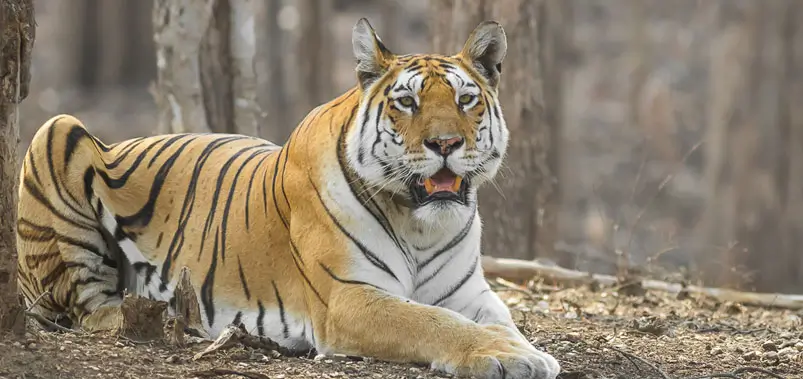
Situated between Madhya Pradesh and Maharashtra, Pench National Park is often associated with The Jungle Book and has become increasingly popular among wildlife enthusiasts seeking excellent safari experiences without the crowds found in some larger parks.
The reserve's forests and grasslands support healthy populations of tigers, leopards, wild dogs, deer and numerous birds. Leopard sightings are particularly notable and contribute significantly to the destination's reputation. The varied terrain creates visually appealing safari routes while supporting diverse ecosystems.
Pench has developed a strong network of luxury lodges that cater to travelers seeking personalized wildlife experiences. Expert guides and naturalists help visitors understand animal behavior while maximizing opportunities for sightings.
For those interested in immersive wilderness experiences, Pench remains one of the finest destinations for luxury safari travel in India.
Wildlife Highlights
Pench National Park supports a healthy population of Bengal Tigers and Leopards. Other commonly seen animals include Indian Wild Dogs (Dholes), Sloth Bears, Indian Gaurs, Nilgai, Sambar Deer, Chital, Barking Deer, Wild Boars and Langurs.
The park is also home to more than 300 species of birds, including Crested Hawk Eagles, Indian Pittas, Paradise Flycatchers, Hornbills and Kingfishers, making it a fantastic destination for birdwatching.
Safari Experience
Pench offers jeep safaris across multiple tourism zones such as Turia, Karmajhiri, Jamtara and Rukhad. Each zone has its own unique terrain and wildlife diversity, allowing visitors to enjoy different safari experiences during their stay.
Morning safaris are particularly rewarding as predators are often active during the cooler hours, while evening safaris provide beautiful golden light for wildlife photography.
Best Time to Visit
The ideal time to visit Pench National Park is from October to June.
- October to February: Pleasant weather with lush green forests.
- March to May: Excellent chances of spotting tigers and leopards near waterholes.
- June: Great wildlife viewing before the monsoon season begins.
Luxury Jungle Lodges Near Pench
Pench offers a growing collection of luxury safari lodges and eco-resorts surrounded by forests. Guests can enjoy elegant cottages, gourmet dining, private jeep safaris, birdwatching tours and guided nature walks while experiencing the tranquility of the jungle.
Nearby Attractions
- Pench River
- Totladoh Dam
- Kohka Lake
- Ramtek Temple
- Nagpur City (within driving distance)
Travel Tips
- Book safaris in different tourism zones for varied experiences.
- Carry binoculars and a telephoto camera lens.
- Wear comfortable neutral-colored clothing.
- Stay at least two nights to maximize wildlife sightings.
- Early morning game drives often provide the best opportunities to observe predators.
8. Tadoba National Park – The Rising Star of Indian Tiger Safaris
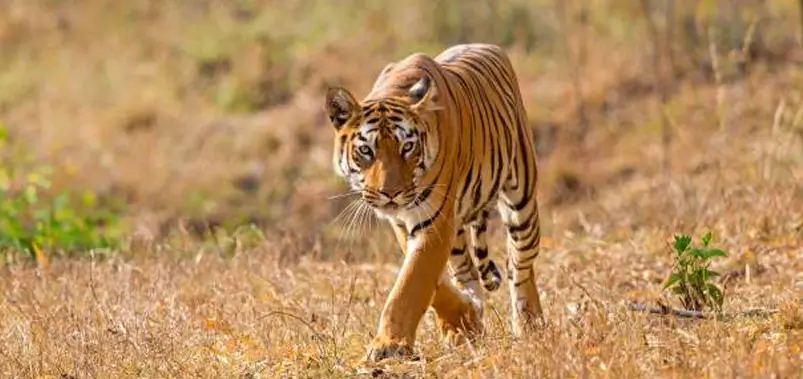
Over the past decade, Tadoba National Park has become one of the most sought-after safari destinations in India. Wildlife photographers and serious safari enthusiasts increasingly choose Tadoba because of its excellent tiger sighting record and relatively less crowded environment compared to some of the country's older reserves.
The landscape is characterized by bamboo forests, open meadows, lakes and dry deciduous woodland. These varied habitats support a rich ecosystem where tigers thrive alongside leopards, sloth bears, wild dogs, gaurs and numerous bird species. The visibility within certain safari zones often allows visitors to observe wildlife for extended periods, creating exceptional photographic opportunities.
One of Tadoba's strengths is the consistency of wildlife encounters. Many visitors report multiple tiger sightings during a single stay, making it particularly attractive for photographers hoping to capture memorable images. Early morning safaris are especially rewarding as predators are often active during cooler hours.
Luxury safari lodges surrounding the reserve have developed rapidly, offering premium accommodations, expert guides and personalized safari planning. For travelers seeking a serious tiger safari in India, Tadoba has firmly established itself among the country's leading wildlife destinations.
Wildlife Highlights
Tadoba is famous for its Bengal Tigers, but the reserve also supports Leopards, Sloth Bears, Indian Wild Dogs, Gaurs, Sambar Deer, Chital, Nilgai, Marsh Crocodiles and over 250 species of birds.
The park's large lakes attract wildlife throughout the year, making them excellent locations for observing animals and photographing natural behavior.
Safari Experience
The reserve is divided into several safari gates including Moharli, Kolara, Navegaon, Pangdi, Zari and Agarzari. Each gate offers access to different forest landscapes and wildlife habitats.
Jeep safaris are the most popular way to explore Tadoba, while experienced naturalists help visitors understand animal movements and forest ecology.
Best Time to Visit
Tadoba National Park remains open from October to June.
- November to February: Comfortable weather with beautiful forest scenery.
- March to May: Peak season for tiger sightings.
- June: Excellent photography opportunities before the monsoon.
Luxury Jungle Lodges Near Tadoba
Luxury safari resorts near Tadoba provide spacious cottages, private plunge pools, gourmet cuisine and personalized wildlife experiences. Many lodges also organize photography workshops, village visits and conservation talks for guests.
Nearby Attractions
- Tadoba Lake
- Irai Dam
- Erai Reservoir
- Moharli Village
- Chandrapur Fort
Travel Tips
- Reserve safari permits early, especially for Moharli Gate.
- Stay for at least three safaris.
- Carry sufficient camera batteries and memory cards.
- Follow all park rules to protect wildlife.
- Visit during summer for the highest probability of tiger sightings.
9. Satpura National Park – India's Most Exclusive Safari Experience
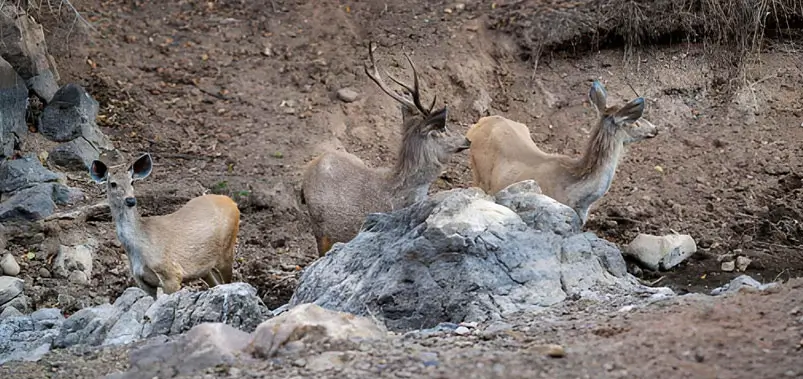
Unlike many safari destinations where exploration occurs primarily by vehicle, Satpura National Park offers a more immersive wilderness experience. Located in central India, the park is known for its rugged terrain, rich biodiversity and unique safari activities.
Satpura's landscapes include forests, rivers, hills and grasslands that create one of the most scenic environments among India's national parks. Wildlife includes tigers, leopards, sloth bears, gaurs, crocodiles and a remarkable variety of bird species. The diversity of habitats contributes significantly to the park's ecological importance.
What truly distinguishes Satpura is the opportunity for guided walking safaris, canoe safaris and boat excursions in designated areas. These activities provide closer connections with nature while allowing visitors to appreciate details often missed during traditional game drives. The experience feels more intimate and adventurous than many conventional safari destinations.
Luxury lodges near Satpura focus heavily on sustainability and conservation while providing world-class hospitality. For travelers seeking exclusive wildlife experiences in India, Satpura offers one of the country's most sophisticated safari products.
Wildlife Highlights
Satpura is home to Bengal Tigers, Leopards, Sloth Bears, Indian Gaurs, Wild Dogs, Giant Squirrels, Crocodiles, Sambars, Chitals and more than 350 bird species.
Although tiger sightings are less predictable than in Bandhavgarh or Tadoba, the park offers exceptional opportunities to observe wildlife behaving naturally in an undisturbed environment.
Safari Experience
Satpura is famous for offering multiple safari activities, including:
- Jeep Safaris
- Walking Safaris
- Canoe Safaris
- Boat Safaris
- Birdwatching Tours
These unique experiences allow visitors to explore forests from different perspectives while learning about the region's rich biodiversity from experienced naturalists.
Best Time to Visit
The best time to visit Satpura National Park is from October to April.
- Winter: Comfortable temperatures and excellent birdwatching.
- Summer: Better predator sightings around rivers and waterholes.
- Monsoon: Park remains closed for tourism.
Luxury Jungle Lodges Near Satpura
Satpura is home to some of India's finest eco-luxury safari lodges. Many offer luxury tents, riverside cottages, wellness treatments, gourmet dining and highly personalized wildlife experiences focused on conservation and sustainability.
Nearby Attractions
- Denwa River
- Pachmarhi Hill Station
- Bee Falls
- Dhoopgarh
- Bori Wildlife Sanctuary
Travel Tips
- Experience at least one walking safari with a certified naturalist.
- Carry binoculars for birdwatching.
- Wear sturdy walking shoes for nature trails.
- Stay three nights to experience different safari activities.
- Respect park regulations and maintain silence while observing wildlife.
10. Nagarhole National Park – Southern India's Wildlife Paradise
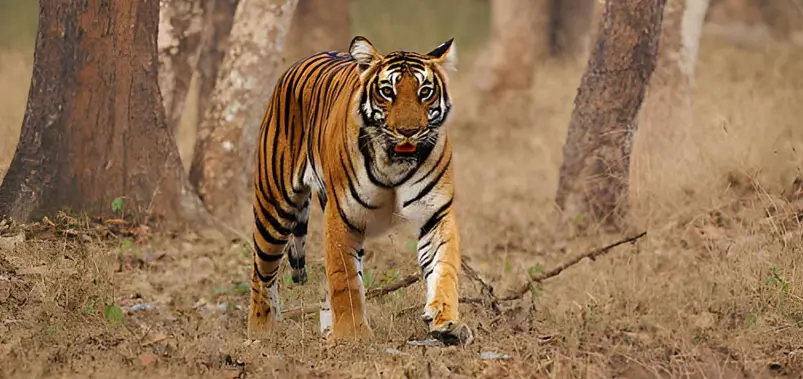
Located in Karnataka, Nagarhole National Park forms part of the larger Nilgiri Biosphere Reserve and ranks among South India's most important wildlife destinations. Dense forests, rivers and grasslands support exceptional biodiversity while creating beautiful safari landscapes.
The reserve is particularly famous for its elephant population. Herds can often be observed moving through forests and grasslands, creating memorable wildlife encounters. Tigers, leopards, gaurs and numerous bird species further enrich the safari experience.
The scenery contributes significantly to Nagarhole's appeal. Forest roads pass through landscapes that remain remarkably untouched, while river systems attract wildlife throughout the year. The park's location within the Western Ghats adds another layer of ecological significance.
Luxury jungle lodges positioned along the park's boundaries provide outstanding accommodations and often combine wildlife experiences with wellness programs and nature-based activities. For travelers exploring South India wildlife tours, Nagarhole remains one of the most rewarding destinations.
Wildlife Highlights
Nagarhole supports an impressive variety of wildlife. Visitors regularly encounter herds of Asian Elephants, Bengal Tigers, Leopards, Indian Gaurs, Sloth Bears, Wild Dogs (Dholes), Sambar Deer, Chital, Barking Deer and Wild Boars.
The park is also a paradise for birdwatchers with over 300 species of birds, including Malabar Pied Hornbills, Crested Serpent Eagles, Grey-headed Fish Eagles, Kingfishers, Woodpeckers and Indian Peafowl.
Safari Experience
The park offers well-organized jeep safaris and boat safaris along the Kabini River. Jeep safaris take visitors deep into the forest where expert guides track wildlife, while boat safaris provide unique opportunities to observe elephants, crocodiles and numerous bird species along the riverbanks.
Kabini, which lies on the northern edge of Nagarhole, is considered one of India's finest destinations for wildlife photography due to its frequent sightings of elephants, leopards and occasionally the elusive black panther.
Best Time to Visit
The ideal time to visit Nagarhole National Park is from October to May.
- October to February: Pleasant weather and lush green landscapes.
- March to May: Excellent opportunities to observe elephants and predators near water sources.
- June to September: Beautiful monsoon scenery, although safari conditions may vary.
Luxury Jungle Lodges Near Nagarhole
Nagarhole is home to some of South India's finest luxury safari lodges overlooking the Kabini backwaters. Many resorts offer spacious villas, spa treatments, gourmet dining, private wildlife drives, birdwatching excursions and guided nature walks, making them ideal for luxury wildlife holidays.
Nearby Attractions
- Kabini River
- Kabini Backwaters
- Bandipur National Park
- Wayanad Wildlife Sanctuary
- Mysore Palace
- Ranganathittu Bird Sanctuary
Travel Tips
- Book Kabini boat safaris in advance during peak season.
- Stay for at least two or three nights to enjoy multiple safari experiences.
- Carry binoculars for birdwatching.
- Wear comfortable neutral-colored clothing.
- Morning safaris usually provide the best wildlife activity.
11. Periyar National Park – Wildlife and Scenic Backwaters
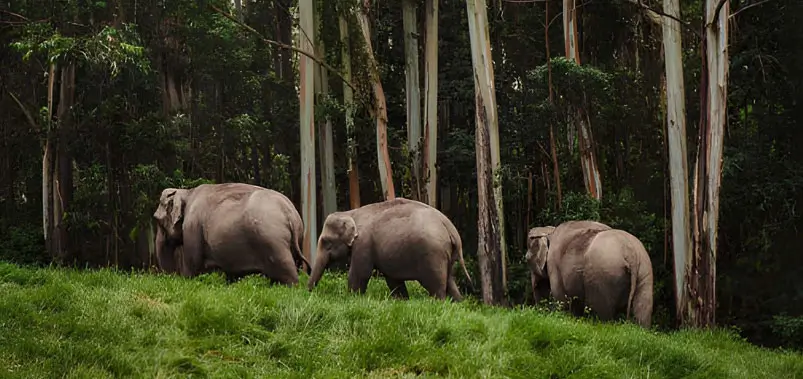
Situated in Kerala's Western Ghats, Periyar National Park offers one of the most distinctive safari experiences in India. The reserve combines forests, hills and a large lake that serves as the centerpiece of the landscape.
Boat safaris on Periyar Lake provide opportunities to observe elephants, deer and birdlife along the shoreline. This water-based perspective differs significantly from traditional jeep safaris and creates unique photographic opportunities. The surrounding forests support numerous species while maintaining an atmosphere of tranquility and natural beauty.
The destination is also closely associated with Kerala's spice-growing traditions. Visitors often combine wildlife excursions with plantation tours, cultural experiences and wellness retreats. This combination makes Periyar particularly appealing to travelers seeking more than just safari activities.
Luxury resorts and eco-lodges surrounding the reserve have helped establish Periyar as one of the leading destinations for luxury wildlife holidays in South India.
Wildlife Highlights
Periyar is famous for its large herds of Asian Elephants that frequently visit the lake to drink and bathe. The park also supports Bengal Tigers, Indian Gaurs, Sambar Deer, Barking Deer, Nilgiri Langurs, Wild Boars, Smooth-coated Otters and Leopards.
The reserve is home to more than 260 bird species, including Great Hornbills, Cormorants, Darters, Kingfishers and various migratory birds.
Safari Experience
The highlight of visiting Periyar is the scenic boat safari on Periyar Lake, which provides a completely different perspective compared to traditional jeep safaris. Visitors can quietly observe elephants, deer and birds along the shoreline while enjoying breathtaking views of the surrounding forests.
The park also offers bamboo rafting, guided trekking, border hiking, jungle patrol programs and nature walks led by trained naturalists, making it one of India's most adventure-filled wildlife destinations.
Best Time to Visit
The best time to visit Periyar National Park is from October to March.
- October to February: Cool weather and ideal sightseeing conditions.
- March to May: Excellent wildlife sightings near the lake.
- Monsoon Season: Beautiful green landscapes for nature lovers and photographers.
Luxury Jungle Lodges Near Periyar
Luxury resorts around Thekkady provide elegant accommodations with beautiful views of forests and spice plantations. Many properties offer Ayurvedic spa treatments, cultural performances, plantation tours and customized wildlife experiences, creating a perfect balance between relaxation and adventure.
Nearby Attractions
- Periyar Lake
- Thekkady Spice Plantations
- Mangala Devi Temple
- Gavi Eco Tourism
- Chellarkovil Waterfalls
- Kumily Town
Travel Tips
- Book morning boat safaris for calmer weather and better wildlife viewing.
- Combine your safari with a spice plantation tour.
- Carry rain protection during the monsoon season.
- Stay at least two nights to enjoy multiple eco-tourism activities.
- Wear comfortable walking shoes for trekking experiences.
12. Sundarbans National Park – Tiger Country in the Mangroves
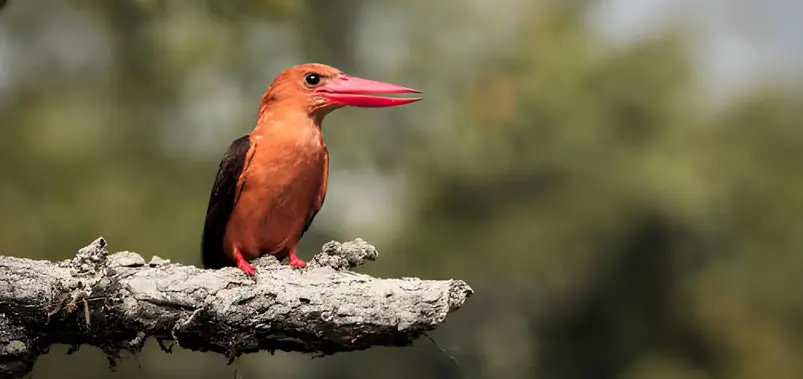
Few ecosystems are as unique as the Sundarbans National Park. Located within the world's largest mangrove forest, this UNESCO World Heritage Site protects one of the most extraordinary wildlife habitats on Earth.
The landscape consists of tidal waterways, islands and dense mangrove forests shaped by the meeting of rivers and the Bay of Bengal. Exploring the Sundarbans involves boat-based safaris that navigate channels and waterways while searching for wildlife.
The reserve is famous for its population of Bengal tigers adapted to life within mangrove ecosystems. While sightings are less frequent than in some terrestrial reserves, the challenge and uniqueness of the environment create a highly rewarding experience. Crocodiles, spotted deer, monitor lizards and numerous bird species further contribute to the region's biodiversity.
For travelers interested in unusual ecosystems and conservation, the Sundarbans offers one of the most distinctive wildlife experiences in India.
Wildlife Highlights
The Sundarbans is famous for its elusive Royal Bengal Tigers, but the region also supports Estuarine Crocodiles, Fishing Cats, Water Monitor Lizards, Spotted Deer, Wild Boars, Otters and Gangetic Dolphins.
The mangrove ecosystem attracts over 250 bird species, including White-bellied Sea Eagles, Kingfishers, Herons, Egrets and numerous migratory birds.
Safari Experience
Boat safaris are the primary way to explore Sundarbans National Park. Visitors travel through winding rivers and narrow creeks while expert naturalists explain the area's unique ecosystem and conservation efforts.
Observation towers located throughout the reserve provide opportunities to watch wildlife from a safe distance while enjoying spectacular views of the mangrove forests.
Best Time to Visit
The ideal time to visit Sundarbans National Park is from November to February.
- Winter: Pleasant temperatures and excellent wildlife viewing.
- March to April: Good opportunities for birdwatching.
- Monsoon: Heavy rainfall limits tourism activities.
Luxury Eco Lodges Near Sundarbans
Several eco-friendly resorts near the Sundarbans provide comfortable accommodations while promoting sustainable tourism. Visitors can enjoy local Bengali cuisine, cultural performances, village tours and guided wildlife excursions.
Nearby Attractions
- Sajnekhali Watch Tower
- Sudhanyakhali Watch Tower
- Dobanki Canopy Walk
- Netidhopani Ruins
- Bonnie Camp
- Bhagabatpur Crocodile Project
Travel Tips
- Choose multi-day boat safaris for a better wildlife experience.
- Carry sunscreen, hats and insect repellent.
- Bring binoculars for birdwatching.
- Respect local conservation guidelines.
- Visit during winter for the most comfortable weather and highest tourism accessibility.
13. Hemis National Park – Searching for the Snow Leopard
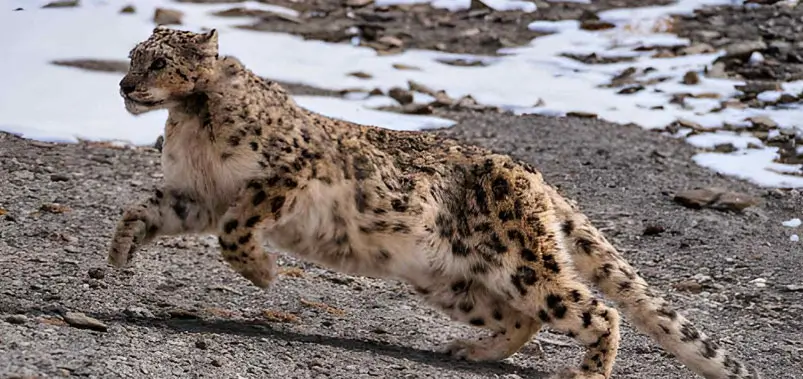
Located in Ladakh, Hemis National Park protects one of the most dramatic high-altitude landscapes in Asia. The reserve is internationally famous as one of the best places in the world to search for the elusive snow leopard.
The terrain consists of rugged mountains, deep valleys and remote wilderness that supports species uniquely adapted to extreme conditions. In addition to snow leopards, the park is home to Himalayan wolves, blue sheep, ibex and numerous high-altitude birds.
Wildlife tracking in Hemis differs greatly from traditional safaris. Visitors often spend days observing mountain slopes through spotting scopes while guides search for signs of elusive predators. The experience requires patience but can be incredibly rewarding.
Luxury expedition-style accommodations and specialized wildlife tours have increased the destination's popularity among serious nature enthusiasts. For travelers seeking extraordinary adventures, Hemis remains one of the most remarkable destinations for snow leopard expeditions in India.
Wildlife Highlights
The Snow Leopard is the undisputed star attraction of Hemis National Park. Besides this magnificent predator, the park is home to Himalayan Wolves, Eurasian Lynx, Tibetan Wolves, Blue Sheep (Bharal), Asiatic Ibex, Himalayan Marmots, Red Foxes and Pallas's Cats.
Bird enthusiasts can also spot Golden Eagles, Lammergeiers, Himalayan Griffons, Snow Partridges and Tibetan Snowcocks soaring above the rugged mountain landscape.
Safari Experience
Unlike jeep safaris found in other national parks, Hemis offers guided wildlife expeditions and trekking experiences. Local naturalists and wildlife experts accompany visitors through remote valleys using spotting scopes and binoculars to search for Snow Leopards and other rare mountain species.
Snow Leopard expeditions usually last between five and ten days, offering travelers an immersive experience in one of the world's most spectacular wilderness areas.
Best Time to Visit
The ideal time to visit Hemis National Park depends on your wildlife interests.
- January to March: Best season for Snow Leopard expeditions.
- May to September: Pleasant weather for trekking, birdwatching and mountain photography.
- Winter: Challenging conditions but excellent chances of spotting Snow Leopards.
Luxury Camps and Lodges Near Hemis
Although Hemis is located in a remote region, several boutique hotels, luxury camps and eco-lodges in Ladakh provide comfortable accommodations with warm hospitality. Many expedition companies also offer luxury camping experiences with experienced naturalists and personalized wildlife itineraries.
Nearby Attractions
- Hemis Monastery
- Thiksey Monastery
- Shey Palace
- Pangong Lake
- Leh Palace
- Stok Kangri
- Indus River
Travel Tips
- Spend two days in Leh before your safari to acclimatize to the high altitude.
- Carry warm layered clothing even during summer.
- Bring high-quality binoculars and telephoto camera lenses.
- Travel with experienced Snow Leopard tracking guides.
- Maintain physical fitness, as some wildlife tracking involves moderate trekking.
14. Blackbuck National Park – Grassland Conservation Success
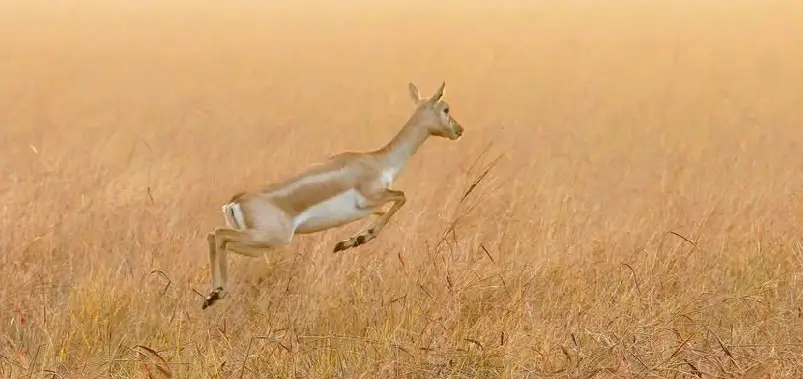
Located in Gujarat, Blackbuck National Park protects one of India's most important grassland ecosystems. Although less famous than tiger reserves, the park offers exceptional opportunities to observe blackbuck antelope and a variety of other wildlife.
The open grasslands create excellent visibility and allow visitors to appreciate animal behavior in ways often difficult within dense forests. Blackbuck herds move gracefully across the landscape while wolves, jackals and numerous birds add diversity to the experience.
The park is particularly important for birdwatchers because of its large populations of raptors and migratory species. During certain seasons, visitors may observe impressive concentrations of birds that attract photographers from around the world.
For travelers interested in lesser-known wildlife destinations, Blackbuck National Park demonstrates the incredible diversity of India's protected areas.
Wildlife Highlights
The park is famous for its large herds of Blackbucks, which can often be seen grazing or running across the grasslands. Other wildlife includes Indian Wolves, Striped Hyenas, Nilgai, Golden Jackals, Jungle Cats, Foxes and Wild Boars.
Blackbuck National Park is also considered one of India's best birdwatching destinations. More than 300 species of birds have been recorded, including Harriers, Eagles, Cranes, Pelicans, Flamingos and various migratory birds during the winter season.
Safari Experience
Safaris are conducted by jeep across the open grasslands, allowing visitors to enjoy uninterrupted views of wildlife. The park is especially famous for observing Blackbucks displaying their speed and graceful movements, while birdwatchers can spend hours photographing raptors and migratory birds.
Sunrise and sunset safaris provide spectacular lighting conditions for wildlife photography.
Best Time to Visit
The best time to visit Blackbuck National Park is from November to March.
- Winter: Pleasant temperatures and peak birdwatching season.
- Summer: Good opportunities to observe Blackbucks and wolves.
- Monsoon: Beautiful green landscapes with fewer visitors.
Luxury Resorts Near Blackbuck National Park
Although the park has limited luxury accommodation immediately outside its boundaries, visitors can stay in premium hotels and heritage properties in Bhavnagar, which offer comfortable stays combined with easy access to the park.
Nearby Attractions
- Bhavnagar City
- Nishkalank Mahadev Temple
- Victoria Park Nature Reserve
- Gulf of Khambhat
- Alang Ship Breaking Yard
- Velavadar Grasslands
Travel Tips
- Visit early in the morning for the best wildlife activity.
- Carry binoculars for birdwatching.
- Use a telephoto lens for photographing fast-moving Blackbucks.
- Wear sun protection, as the grasslands provide little shade.
- Combine the visit with Bhavnagar's cultural attractions for a complete travel experience.
15. Bandipur National Park – South India's Iconic Tiger and Elephant Reserve
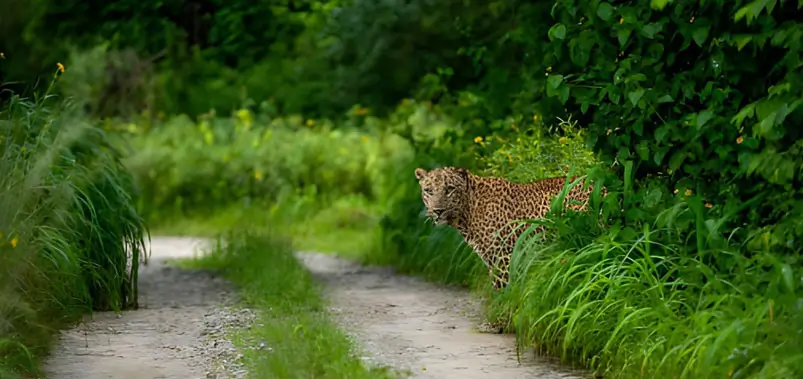
Bandipur National Park is one of India's oldest and most successful tiger reserves, located in Karnataka at the foothills of the Western Ghats. As an integral part of the Nilgiri Biosphere Reserve, Bandipur is connected to Nagarhole National Park, Mudumalai Tiger Reserve and Wayanad Wildlife Sanctuary, forming one of Asia's largest protected wildlife landscapes.
The park is famous for its thriving populations of Bengal Tigers and Asian Elephants, along with its scenic forests, rolling hills and rich biodiversity. Its excellent road connectivity from Mysore, Bengaluru and Ooty makes Bandipur one of the most accessible wildlife destinations in South India.
Wildlife Highlights
Bandipur supports an impressive range of wildlife, including Bengal Tigers, Asian Elephants, Leopards, Sloth Bears, Indian Gaurs, Wild Dogs (Dholes), Sambar Deer, Chital, Barking Deer and Wild Boars.
More than 250 bird species inhabit the park, including Malabar Trogons, Grey Junglefowl, Crested Hawk Eagles, Indian Peafowl and Hornbills.
Safari Experience
Bandipur offers guided jeep safaris and bus safaris through carefully managed tourism zones. Morning safaris are ideal for spotting predators, while evening safaris provide opportunities to observe elephants and deer gathering near water sources.
The park's experienced guides share valuable insights into wildlife behavior, conservation efforts and the ecology of the Western Ghats, making each safari both educational and exciting.
Best Time to Visit
The ideal safari season is from October to May.
- October to February: Pleasant weather with lush greenery.
- March to May: Excellent tiger and elephant sightings.
- Monsoon: Beautiful landscapes, though safari operations may be limited.
Luxury Jungle Lodges Near Bandipur
Bandipur offers a range of luxury jungle resorts featuring elegant cottages, nature-inspired architecture, spa treatments, gourmet dining and personalized safari experiences. Many lodges also organize birdwatching tours, cycling, nature walks and cultural activities to enhance the guest experience.
Nearby Attractions
- Mysore Palace
- Mudumalai Tiger Reserve
- Wayanad Wildlife Sanctuary
- Ooty Hill Station
- Himavad Gopalaswamy Betta
- Kabini Backwaters
Travel Tips
- Book safari tickets in advance during weekends and holidays.
- Stay for at least two nights to enjoy multiple safari drives.
- Carry binoculars and a telephoto camera lens.
- Wear earth-toned clothing to blend into the natural surroundings.
- Combine Bandipur with Nagarhole or Wayanad for a complete South India wildlife circuit.
Best Time for Wildlife Safaris in India
The ideal safari season varies by destination, but October through April generally provides the most comfortable conditions for wildlife travel. Cooler temperatures make safari activities more enjoyable while many parks remain fully accessible.
March through June often produce excellent wildlife sightings because animals gather near water sources. However, temperatures can become quite high in some regions. Winter months offer comfortable weather and excellent birdwatching opportunities, particularly for migratory species.
Travelers planning multiple parks should consider regional variations when designing itineraries. Combining destinations strategically can maximize both comfort and wildlife viewing opportunities.
Luxury Jungle Lodges That Elevate the Safari Experience
India's leading wildlife destinations now feature some of the finest safari accommodations in Asia. Luxury jungle lodges offer spacious suites, gourmet cuisine, expert naturalists and personalized service while maintaining strong commitments to conservation.
Many properties provide private safari vehicles, photography-focused experiences and educational programs that deepen visitors' understanding of local ecosystems. The quality of hospitality available today rivals luxury safari destinations anywhere in the world.
These lodges allow travelers to enjoy wilderness experiences without sacrificing comfort, making luxury safari holidays in India increasingly popular among international visitors.
Why India Is One of the World's Greatest Safari Destinations
India's national parks offer far more than tiger sightings. The country's extraordinary biodiversity, varied ecosystems and conservation successes create wildlife experiences that are both exciting and meaningful. From lions in Gujarat and rhinos in Assam to elephants in Karnataka and snow leopards in Ladakh, few countries provide such a wide range of safari opportunities.
The ability to combine wildlife experiences with cultural exploration further distinguishes India from many other safari destinations. Travelers can move seamlessly between palaces, temples, heritage cities and national parks while experiencing completely different aspects of the country.
For nature lovers, photographers and luxury travelers, India's national parks continue to rank among the finest wildlife destinations anywhere in the world.
Related Guides



 info@topindianholidays.net
 +91-8955000999