📅 Last Updated On: 01 Mar 2026
⏱ 10 Min Read
Best Time to Visit North East India
A
Admin
Founder -India Travel Expert
Best Time to Visit North East India: Complete Month-by-Month Travel Guide for Weather, Landscapes and Travel Experiences
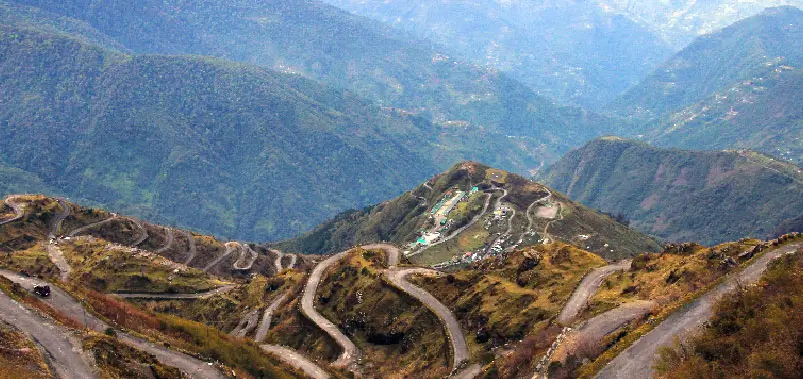
North East India remains one of the most fascinating travel regions in Asia, offering untouched landscapes, deep forests, vibrant cultures and some of the most dramatic scenery in the Eastern Himalayas. Travelers exploring this part of the country often discover that timing plays an important role in shaping their overall experience. The best time to visit North East India depends on what type of journey a traveler is seeking, whether that means lush green landscapes during the monsoon season, clear Himalayan views in winter, or comfortable weather for cultural exploration and nature travel.
Stretching across states such as Assam, Meghalaya, Sikkim, Arunachal Pradesh, Nagaland, Manipur, Tripura, and Mizoram, the region experiences diverse climatic patterns influenced by mountains, valleys and dense forests. Because of this geographical diversity, the North East India weather changes noticeably throughout the year, offering completely different travel experiences depending on the season.
Understanding the seasonal rhythm of this region allows travelers to plan their journey more effectively. Some months reveal waterfalls in their most dramatic form, while others bring clear skies and spectacular views of the Himalayas. Wildlife safaris, cultural festivals, scenic road trips and photography journeys also vary according to the time of year.
Travel experts at Top Indian Holidays often recommend that international travelers plan their North East India travel carefully so they can experience the best landscapes, wildlife sightings and cultural interactions during their journey.
Understanding the Climate of North East India
Before selecting the best season to visit North East India, it is important to understand the overall climate of the region. The Eastern Himalayan belt receives significant rainfall due to monsoon winds coming from the Bay of Bengal. This makes North East India one of the greenest areas of the country.
The climate generally shifts between cool winters, pleasant spring seasons, heavy monsoons and lush post-monsoon landscapes. Each period offers a different perspective of the region's natural beauty.
Mountain destinations such as Sikkim and Arunachal Pradesh experience cooler temperatures because of higher altitudes. Meanwhile, plains and valleys such as Assam remain warmer but still benefit from refreshing rainfall that nourishes forests, tea plantations and wetlands.
Travelers planning a North East India tour should consider whether they prefer clear mountain views, dramatic waterfalls, wildlife experiences or cultural festivals. These factors influence the ideal travel season.
Create Your Perfect North East India Itinerary
Whether you want to see tea gardens, Himalayan monasteries, wildlife safaris or waterfalls, we help you plan the best travel months and routes for an unforgettable North East India experience.
✔ Handcrafted private tours
✔ Best season recommendations
✔ Local guides & comfortable travel
Winter Season in North East India
Winter in North East India brings crisp air, pleasant sunshine and some of the clearest Himalayan views of the year. During this period, the region becomes especially attractive for travelers who enjoy mountain landscapes and comfortable travel conditions.
Destinations such as Gangtok, Tawang, Shillong, and Kaziranga National Park offer beautiful scenery during winter months. Temperatures remain mild in the valleys while higher altitude regions may experience colder conditions and occasional snowfall.
The winter season is widely considered one of the best times for North East India travel, particularly for international visitors who prefer cool but manageable weather. The skies are often clear, allowing breathtaking views of snow-covered peaks in the Eastern Himalayas.
Wildlife enthusiasts also find this period rewarding when visiting Kaziranga National Park, where animals gather around water bodies and grasslands become easier to explore. The dry weather also improves safari conditions.
Travelers exploring the region through private North East India tours often enjoy comfortable road journeys during this season, as visibility remains excellent and landscapes appear particularly photogenic.
Spring Season and Blooming Landscapes
Spring transforms North East India into a colorful paradise. Forests, valleys and hills begin to bloom with fresh greenery and seasonal flowers, making it an ideal time for travelers who appreciate natural beauty.
In the Himalayan state of Sikkim, rhododendrons and alpine flowers begin to appear across mountain slopes. Meanwhile, Meghalaya reveals lush valleys and scenic viewpoints that look spectacular under clear skies.
During spring, the North East India travel experience becomes especially rewarding for those interested in nature walks, cultural exploration and photography. The weather remains comfortable, with pleasant daytime temperatures that allow travelers to explore towns, monasteries and tribal villages without extreme heat or cold.
Many travelers consider this season one of the most balanced periods for visiting the region because the landscapes are vibrant and travel conditions remain comfortable.
For visitors planning custom North East India itineraries, spring offers a perfect combination of scenery, weather and cultural experiences.
Monsoon Season and the Greenest Landscapes
Monsoon season brings dramatic rainfall to North East India, creating one of the most lush and vibrant landscapes anywhere in the country. Destinations such as Cherrapunji and Mawsynram in Meghalaya receive some of the highest rainfall levels in the world, transforming the region into a spectacular landscape of waterfalls and misty valleys.
While heavy rains may affect certain travel routes, the monsoon also reveals the most powerful natural scenery of North East India. Waterfalls cascade down cliffs, forests glow with deep green colors and clouds drift through mountain valleys.
For travelers seeking dramatic natural scenery, the monsoon can provide a truly unique North East India nature travel experience. Photographers often find this period especially rewarding because mist, clouds and rainfall create atmospheric landscapes.
However, travel planning becomes important during this season. Road conditions and weather patterns should be carefully monitored, which is why many travelers prefer to plan their journey with experienced local travel specialists.
Travelers interested in private North East India tours often choose customized itineraries that allow flexibility during monsoon months.
Planning Your North East India Trip?
Not sure which month is best for your trip? Our travel experts can help you choose the perfect season for wildlife, landscapes, festivals, and comfortable weather in North East India.
✔ Best travel months guidance
✔ Custom private tours
✔ Safe travel planning for international visitors
Post-Monsoon Season and Clear Mountain Views
After the heavy rains of the monsoon begin to fade, North East India reveals some of its most spectacular landscapes. Rivers run full, forests appear vibrant and the skies gradually clear to reveal distant mountain ranges.
This period becomes particularly attractive for travelers interested in scenic road journeys and nature exploration. Valleys across Meghalaya, Arunachal Pradesh, and Nagaland appear lush and colorful, while waterfalls remain powerful from recent rainfall.
The post-monsoon period is often recommended as an excellent time for North East India photography travel, as the balance of greenery, water and clear skies creates dramatic landscapes.
Travelers exploring the region through North East India tour packages often enjoy comfortable temperatures and stunning scenery during this season.
Wildlife Experiences Across the Region
Nature lovers traveling to North East India often include wildlife destinations as part of their journey. The region is home to unique ecosystems ranging from wetlands and grasslands to dense forests and mountain reserves.
One of the most famous wildlife destinations is Kaziranga National Park, located in Assam. The park is known for its population of the rare one-horned rhinoceros and offers unforgettable wildlife safaris through tall grasslands and wetlands.
Wildlife sightings often depend on seasonal conditions. Dry seasons improve visibility in grasslands, while cooler temperatures allow animals to remain active for longer periods during the day.
Travelers planning a North East India wildlife tour frequently combine Kaziranga with destinations such as Manas National Park or forest reserves across Arunachal Pradesh.
Cultural Experiences and Festivals
The cultural diversity of North East India adds another dimension to the travel experience. The region is home to numerous tribal communities, each with distinct traditions, festivals and local customs.
Throughout the year, villages and towns across Nagaland, Arunachal Pradesh, Manipur, and Meghalaya celebrate colorful cultural events that reflect their unique heritage. Traditional music, dance performances and handcrafted textiles reveal the deep cultural identity of these communities.
For travelers interested in cultural exploration, timing their journey to coincide with regional festivals can create a memorable experience. Cultural travel in North East India offers a deeper understanding of the traditions and lifestyles of indigenous communities.
Travel specialists at Top Indian Holidays often design itineraries that combine scenic landscapes with meaningful cultural interactions.
Planning a Comfortable Journey Through North East India
Because of the geographical diversity of the region, planning travel routes carefully becomes essential. Mountain roads, forest landscapes and remote villages require thoughtful itinerary design to ensure a smooth travel experience.
Many international travelers prefer private North East India tours that include a dedicated driver and experienced local guides. This approach allows visitors to explore remote destinations comfortably while gaining deeper insights into local culture and landscapes.
A well-planned itinerary may combine destinations such as Assam, Meghalaya, Sikkim, and Arunachal Pradesh, offering a balanced experience of wildlife, nature and cultural discovery.



 info@topindianholidays.net
 +91-8955000999