📅 Last Updated On: 06 Aug 2026
⏱ 10 Min Read
20 Best Places to Visit in Manali and Nearby Areas for Every Type of Traveller
T
Top Indian Holidays
Ministry of Tourism Approved Tour Operator
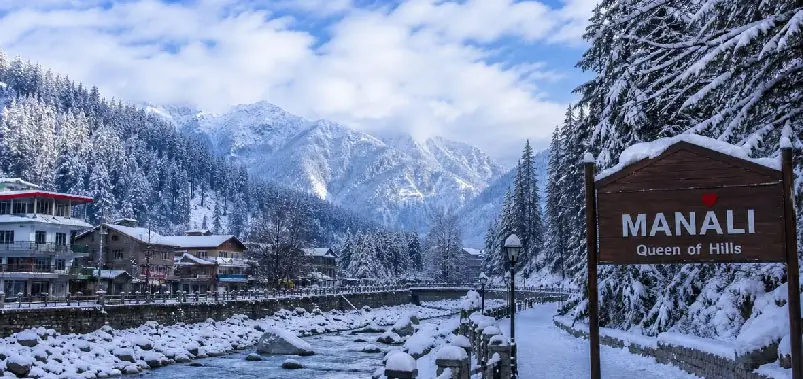
Manali Travel Guide: Mountain Adventures, Hidden Villages and Himalayan Landscapes
Nestled within the breathtaking Kullu Valley of Himachal Pradesh, Manali has long been one of India's most loved mountain destinations. Surrounded by towering Himalayan peaks, pine forests, rivers and alpine meadows, the region attracts travelers seeking everything from adventure sports and luxury mountain retreats to peaceful nature escapes and cultural experiences.
What makes Manali tourism particularly appealing is the variety of experiences available within a relatively compact area. Travelers can spend the morning exploring traditional Himalayan villages, enjoy thrilling outdoor activities during the afternoon and relax beside a riverside resort in the evening. The combination of accessibility and natural beauty has helped establish Manali as one of the most visited destinations in Northern India.
While the town itself offers numerous attractions, many of the most rewarding experiences lie in the surrounding valleys and mountain landscapes. Scenic drives lead to remote villages, high-altitude passes, waterfalls and hidden viewpoints that reveal a more authentic side of the Himalayas. Adventure enthusiasts can enjoy trekking, paragliding, rafting and skiing, while photographers are drawn by the constantly changing mountain scenery.
Luxury travelers increasingly appreciate Manali because of its collection of boutique mountain resorts, riverside retreats and wellness properties. Many accommodations are situated within peaceful natural settings while remaining close to key attractions. The region also serves as an excellent gateway for exploring broader Himalayan destinations.
Whether visitors are traveling as families, couples, solo adventurers or luxury holidaymakers, Manali offers experiences that suit every travel style. The following destinations represent some of the finest places to include within a Manali travel itinerary.
Explore Manali by Travel Style
Manali works best when the itinerary is built around a travel style. This avoids squeezing snow points, treks, distant valleys and cultural attractions into the same rushed day.
Families & First-Time Visitors: Mall Road, Hadimba Devi Temple, Solang Valley, Vashisht Village, Naggar and Kullu offer accessible sightseeing with a mix of scenery, culture and activities.
Couples & Relaxed Mountain Escapes: Old Manali, Sethan, Naggar and Sissu suit travelers looking for cafes, boutique stays, quiet landscapes and slower days.
Adventure & Trekking: Solang Valley, Hampta Valley, Bhrigu Lake, Jogini Waterfall and Great Himalayan National Park serve different fitness levels, from short walks to serious guided treks.
Snow & High-Mountain Scenery: Solang Valley, Gulaba, Rohtang Pass, Atal Tunnel and Sissu offer seasonal snow or dramatic high-altitude landscapes, subject to road and weather conditions.
Culture & Spiritual Travel: Hadimba Devi Temple, Manu Temple, Vashisht Village, Naggar, Kullu and Manikaran Sahib reveal local architecture, temples, art, traditions and pilgrimage culture.
Backpacking & Village Experiences: Old Manali, Kasol, Tosh, Sethan and the wider Parvati Valley appeal to independent travelers seeking village stays, trails and social travel culture.
Quick Comparison Table: 20 Places in and Around Manali
|
Destination
|
Best For
|
Best Time
|
Time Needed
|
| Old Manali |
Culture & cafes |
Mar–Jun, Sep–Nov |
Half/full day |
| Hadimba Temple |
Temple & heritage |
Year-round |
1–2 hours |
| Solang Valley |
Adventure & snow |
Dec–Feb, Apr–Jun |
Half/full day |
| Rohtang Pass |
High-mountain scenery |
Official road season |
Full day |
| Vashisht |
Hot springs & culture |
Mar–Jun, Sep–Nov |
Half day |
| Jogini Waterfall |
Short nature hike |
Mar–Jun, Sep–Nov |
3–4 hours |
| Naggar |
Art & heritage |
Mar–Jun, Sep–Nov |
Half/full day |
| Sissu |
Lahaul scenery |
Apr–Jun, Sep–Oct |
Full day |
| Atal Tunnel |
Scenic drive |
Access permitting |
With Sissu |
| Sethan |
Quiet village & snow |
Mar–Jun; Winter |
1–2 nights |
| Hampta Valley |
Trekking & wilderness |
Jun–Sep |
1–5 days |
| Kullu |
Culture & rafting |
Mar–Jun, Sep–Nov |
Half/full day |
| Kasol |
Riverside & backpacking |
Mar–Jun, Sep–Nov |
1–2 nights |
| Tosh |
Village & views |
Apr–Jun, Sep–Nov |
1–2 nights |
| GHNP |
Wildlife & trekking |
Apr–Jun, Sep–Nov |
2+ days |
| Mall Road |
Shopping & food |
Year-round |
2–3 hours |
| Manu Temple |
Culture & spirituality |
Mar–Jun, Sep–Nov |
1–2 hours |
| Gulaba |
Snow & views |
Seasonal |
Half day |
| Bhrigu Lake |
High-altitude trek |
Late spring–autumn |
2–4 days |
| Manikaran Sahib |
Pilgrimage & springs |
Mar–Jun, Sep–Nov |
Half day |
1. Old Manali – A Blend of Tradition and Modern Travel Culture
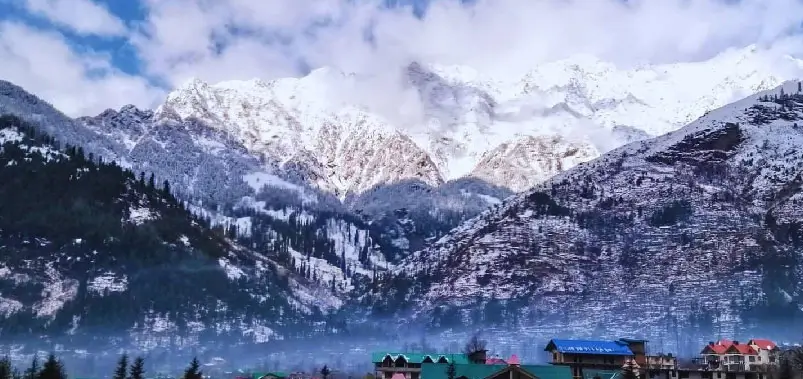
Old Manali offers a completely different atmosphere compared to the main town. Situated across the Manalsu River, the area is known for its charming wooden houses, narrow pathways, apple orchards and relaxed mountain environment. The destination has become particularly popular among international travelers looking for a slower pace of life.
Walking through Old Manali reveals a fascinating blend of traditional Himalayan culture and contemporary travel influences. Ancient homes stand alongside boutique cafes, artisan shops and guesthouses that cater to visitors from around the world. The combination creates a unique atmosphere rarely found elsewhere in the Himalayas.
The surrounding scenery contributes significantly to its appeal. Snow-covered peaks remain visible from many locations while rivers and forests provide opportunities for peaceful walks. Visitors often spend entire afternoons exploring local cafes, enjoying mountain views and observing daily life within the village.
Unlike busier tourist areas, Old Manali encourages travelers to slow down and appreciate the environment. For those seeking authenticity, culture and scenic beauty, it remains one of the most rewarding destinations within Manali tourism.
- Why It's Worth Visiting: Old Manali combines village character, riverside walks, cafes and mountain views within easy reach of central Manali. It suits travelers who prefer a slower atmosphere and want to experience local architecture alongside contemporary travel culture.
- Best Time to Visit: March to June and September to November for comfortable walks and clearer views. Winter offers snow and a quieter mood, although icy lanes and cold evenings require preparation.
- Top Attractions: Manu Temple, Manalsu River, traditional wooden houses, apple orchards, cafes, artisan shops and walking routes toward nearby forest areas.
- Solo Travel Tips: Choose a well-reviewed stay close to a main lane, especially if arriving after dark. Wear shoes with good grip, avoid isolated river paths at night and keep cash because smaller cafes or shops may have inconsistent connectivity.
Explore Manali with a Private Car & Driver
From Solang Valley and Rohtang Pass to Old Manali and nearby Himalayan villages, enjoy a comfortable and hassle-free journey with a private car, experienced driver, and customized sightseeing itinerary.
2. Hadimba Devi Temple – A Sacred Landmark Surrounded by Cedar Forests
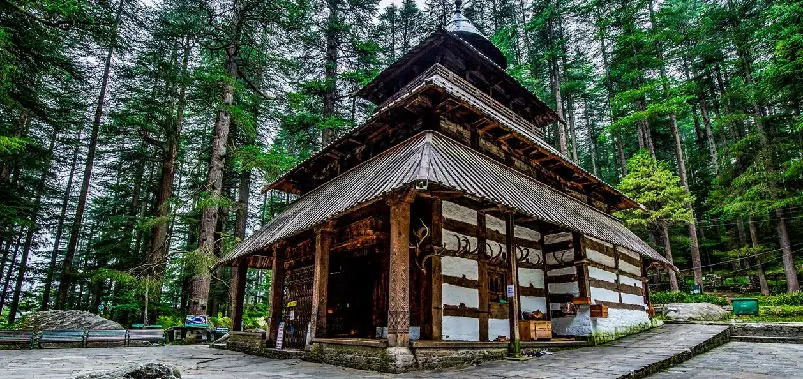
Among the most recognizable attractions in Manali, Hadimba Devi Temple occupies a special place within the region's cultural heritage. Built in the sixteenth century, the temple stands within a dense cedar forest that creates an atmosphere of tranquility and mystery.
The architecture differs significantly from many temples found elsewhere in India. Constructed primarily from wood, the structure reflects traditional Himalayan building styles while showcasing intricate carvings and craftsmanship. The unique design attracts visitors interested in history, architecture and local culture.
The surrounding forest enhances the overall experience. Tall cedar trees create a peaceful environment where visitors can enjoy nature while exploring one of Manali's most important landmarks. The area is particularly beautiful during the early morning when sunlight filters through the trees.
Many travelers consider Hadimba Temple an essential stop because it provides insight into the spiritual traditions of the region while offering opportunities to appreciate the natural beauty of the Himalayan landscape. The destination continues to be one of the most visited attractions in Manali sightseeing.
- Why It's Worth Visiting: The temple brings together sixteenth-century history, distinctive wooden architecture, local faith and a beautiful cedar setting. It is one of the easiest places in Manali to experience culture and nature in the same visit.
- Best Time to Visit: March to June and September to November are comfortable, but the temple can be visited throughout the year when local access is safe. Early morning generally offers a calmer experience.
- Top Attractions: Hadimba Devi Temple, Dhungri forest, traditional carvings, nearby Ghatotkach shrine and short forest walks around the temple complex.
- Solo Travel Tips: Visit during daylight and keep personal belongings secure when the area is crowded. Dress respectfully, ask before photographing worshippers and avoid walking alone deep into the forest after sunset.
3. Solang Valley – Adventure Capital of Manali
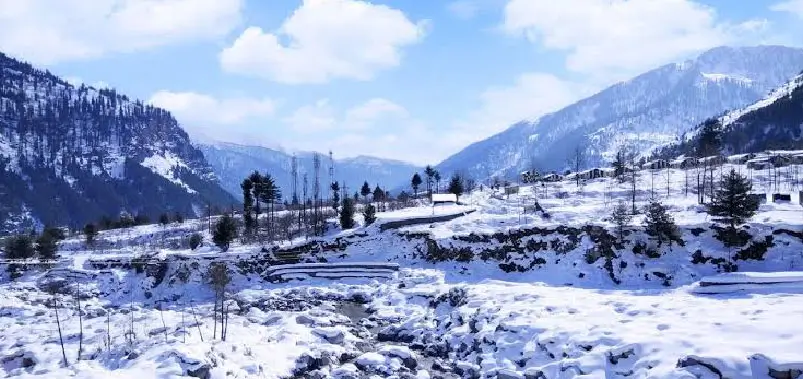
For travelers seeking outdoor excitement, Solang Valley remains one of the most popular destinations near Manali. Located approximately fourteen kilometers from the town center, the valley is famous for adventure sports, dramatic scenery and year-round recreational opportunities.
During warmer months, visitors can enjoy activities such as paragliding, ziplining, mountain biking and off-road excursions. The open valley surrounded by mountains creates ideal conditions for outdoor adventure while also providing stunning views. Even travelers who do not participate in sports often visit simply to enjoy the scenery.
Winter transforms Solang Valley into one of India's leading destinations for snow-based activities. Skiing, snowboarding and snow play attract visitors looking to experience the Himalayan winter season. The snow-covered landscape creates a magical atmosphere that appeals to families and photographers alike.
Luxury travelers frequently include Solang Valley in their itineraries because it combines adventure with accessibility. The destination remains one of the defining highlights of any Manali holiday and continues to attract visitors throughout the year.
- Why It's Worth Visiting: Solang Valley offers one of the region's broadest mixes of snow play, adventure activities and accessible Himalayan scenery. Families, couples and active travelers can all shape the visit around their comfort level.
- Best Time to Visit: December to February for snow activities, subject to snowfall and operations; April to June for paragliding and other warm-season experiences. Conditions can change quickly.
- Top Attractions: Solang Valley viewpoints, seasonal skiing and snow play, paragliding, ziplining, ropeway experiences and the road toward Dhundi.
- Solo Travel Tips: Book activities only with authorized operators, confirm insurance and safety equipment, and do not leave valuables unattended. Solo travelers should arrange a return vehicle in advance during busy or late hours.
4. Rohtang Pass – The Legendary Gateway to High Himalayan Landscapes
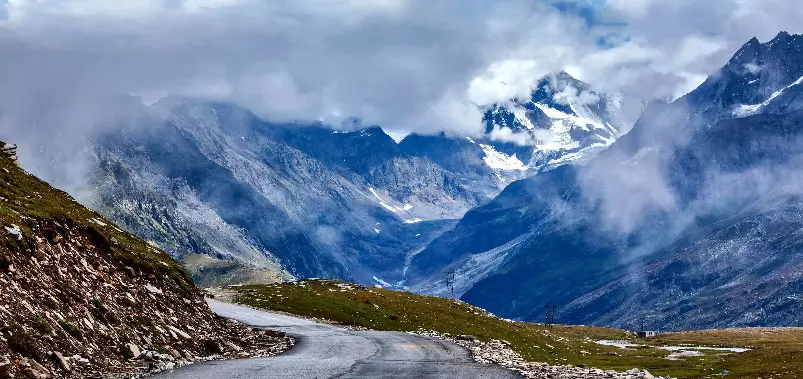
Few destinations near Manali generate as much excitement as Rohtang Pass. Located at an altitude of approximately 3,978 meters, the pass serves as a gateway between the lush Kullu Valley and the more rugged landscapes of Lahaul and Spiti. The journey itself is often considered one of the most scenic drives in India.
The route climbs steadily through forests, waterfalls and mountain valleys before reaching dramatic high-altitude terrain. Along the way, travelers encounter spectacular viewpoints that reveal panoramic vistas of snow-covered peaks and glacial landscapes. The changing scenery provides endless opportunities for photography.
Upon reaching the pass, visitors experience a completely different environment compared to lower elevations. Snowfields, rugged mountains and expansive horizons create an unforgettable sense of scale. For many travelers, the dramatic landscapes of Rohtang represent the essence of the Himalayas.
Because of its popularity, the pass remains one of the most iconic attractions within Himachal Pradesh tourism. Travelers planning a visit to Manali often place Rohtang at the top of their sightseeing priorities.
- Why It's Worth Visiting: Rohtang offers dramatic high-altitude scenery and one of the most memorable road journeys from Manali. The transition from green valleys to rugged snowfields makes the route as rewarding as the destination.
- Best Time to Visit: Generally visited during the officially permitted road season, often from late spring to autumn. Opening, permits and weather depend on current government and road conditions.
- Top Attractions: Rohtang Pass viewpoints, snowfields when present, waterfalls and mountain scenery along the authorized route from Manali.
- Solo Travel Tips: Use an approved vehicle and verify permits through official channels. Carry warm layers, avoid strenuous activity if feeling altitude symptoms and never wander away from designated visitor areas in fog or poor weather.
5. Vashisht Village – Natural Hot Springs and Traditional Charm
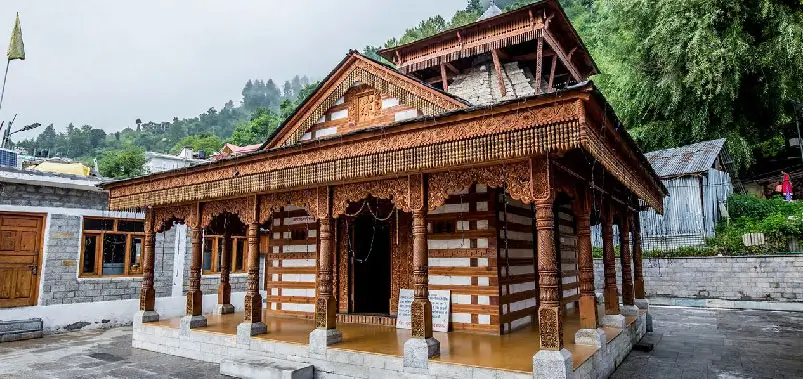
Located just a short distance from Manali, Vashisht Village offers a fascinating combination of cultural heritage and natural attractions. The village is particularly famous for its hot water springs, which have attracted visitors for centuries due to their reputed therapeutic qualities.
Traditional stone houses and narrow pathways create an authentic Himalayan atmosphere that contrasts with the more commercial sections of Manali. Visitors can walk through the village, observe local life and explore historic temples that reflect the region's cultural traditions.
The natural hot springs remain the main attraction. Many travelers enjoy relaxing in the thermal waters after days spent hiking, sightseeing or participating in adventure activities. The experience provides a welcome opportunity to unwind while enjoying the peaceful surroundings.
Vashisht also serves as an excellent base for exploring nearby walking trails and scenic viewpoints. Its blend of wellness, culture and natural beauty makes it one of the most enjoyable places to visit near Manali.
- Why It's Worth Visiting: Vashisht combines historic temples, thermal springs, village lanes and elevated views over the Beas Valley. It provides a cultural and wellness-focused counterpoint to Manali's adventure activities.
- Best Time to Visit: March to June and September to November for walking and sightseeing. Winter is atmospheric but cold, while monsoon rain can make stone lanes slippery.
- Top Attractions: Vashisht Temple, hot-water bathing areas, Rama Temple, traditional village lanes, cafes and the walking route toward Jogini Waterfall.
- Solo Travel Tips: Dress appropriately around temples and shared bathing areas, protect valuables and use footwear with good grip. Return by a main route before dark if walking between Vashisht and nearby attractions.
6. Jogini Waterfall – A Scenic Escape into Nature
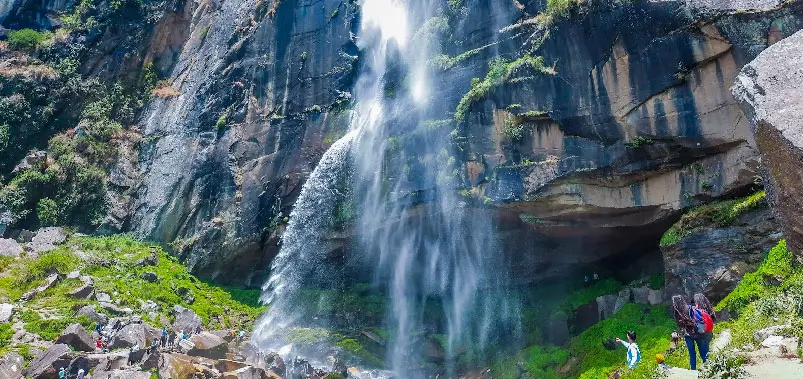
Jogini Waterfall offers one of the most rewarding short hikes in the Manali region. Located near Vashisht Village, the waterfall is reached via a trail that passes through orchards, forests and small settlements. The journey provides visitors with opportunities to appreciate the area's natural beauty while escaping busier tourist zones.
As travelers approach the destination, the sound of cascading water gradually becomes louder until the waterfall finally appears against a backdrop of rocky cliffs and greenery. The setting feels peaceful and refreshing, particularly during warmer months when the surrounding landscape is lush and vibrant.
The area around the waterfall provides ideal locations for photography, relaxation and picnics. Many visitors spend time simply enjoying the mountain atmosphere and observing the natural environment. The destination remains particularly popular among nature lovers and outdoor enthusiasts.
Jogini Waterfall demonstrates that some of the most memorable experiences in Manali travel do not require extensive journeys. Sometimes a short walk through beautiful landscapes is enough to reveal the true charm of the Himalayas.
- Why It's Worth Visiting: Jogini Waterfall is a satisfying short nature excursion with orchard, village and forest scenery along the approach. It suits travelers who want a hike without committing to a multi-day trek.
- Best Time to Visit: March to June and September to November are generally comfortable. Avoid the trail during heavy rain, snow, poor visibility or when local authorities advise against access.
- Top Attractions: Jogini Waterfall, the walking trail from Vashisht, orchards, village views and forested sections overlooking the valley.
- Solo Travel Tips: Start early, wear proper walking shoes and carry water. Avoid slippery rocks and the base of the waterfall during strong flow, and do not continue alone if the trail becomes empty or weather deteriorates.
Want to Visit More Than Just Manali?
Combine Manali with beautiful destinations like Sissu, Kasol, Naggar, Jibhi, and Dharamshala. Our tailor-made Himachal tours are designed for families, couples, and adventure lovers.
7. Naggar – Art, History and Mountain Views
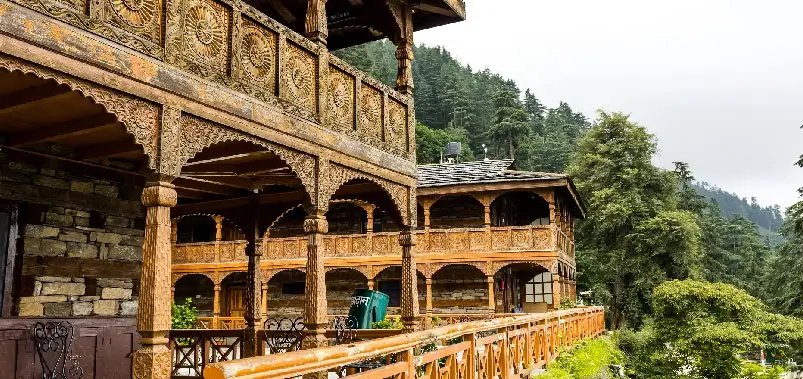
Located approximately twenty kilometers from Manali, Naggar is one of the most charming villages in the Kullu Valley. Once the capital of the former Kullu Kingdom, the village combines historical landmarks, traditional architecture and spectacular mountain scenery.
Naggar Castle remains the centerpiece of the destination. Constructed using traditional Himalayan building techniques, the structure now functions as a heritage property while preserving its historical significance. Visitors can explore the castle and enjoy panoramic views of the surrounding valley.
The village is also associated with the renowned Russian artist Nicholas Roerich, whose former residence now serves as a museum. Art enthusiasts often find the museum particularly fascinating due to its connection with Himalayan landscapes and cultural heritage.
Naggar offers a quieter and more authentic atmosphere compared to Manali itself. Travelers interested in culture, history and photography frequently consider it one of the hidden gems of the region.
- Why It's Worth Visiting: Naggar offers a quieter cultural day trip built around a historic castle, Himalayan art and traditional village architecture. It is especially rewarding for photographers, heritage enthusiasts and slow travelers.
- Best Time to Visit: March to June and September to November. Winter can be beautiful and quiet, while the monsoon brings greenery but may affect road travel.
- Top Attractions: Naggar Castle, Nicholas Roerich Art Gallery and Estate, Tripura Sundari Temple, Gauri Shankar Temple, village lanes and Kullu Valley viewpoints.
- Solo Travel Tips: Arrange transport both ways rather than relying on a late return. Keep museum and temple timings in mind, stay on populated village paths and ask permission before photographing residents or private homes.
8. Sissu – A Beautiful Himalayan Village Beyond Atal Tunnel
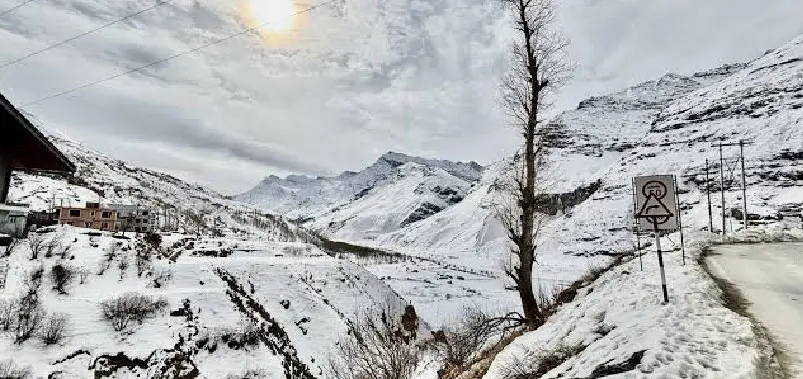
The opening of the Atal Tunnel transformed travel in the Manali region by providing easier access to destinations that were once difficult to reach. Among the places that have gained significant attention is Sissu, a picturesque village located in the Lahaul Valley. Surrounded by towering mountains, glaciers and waterfalls, Sissu offers travelers a completely different landscape from the green valleys around Manali.
The drive through the Atal Tunnel itself is an attraction, but the scenery that emerges on the other side often surprises visitors. The landscape becomes more rugged and dramatic, with vast mountain ranges dominating the horizon. Sissu's most famous attraction is its waterfall, which cascades down steep cliffs and creates one of the most photographed scenes in the region.
Walking through the village provides opportunities to experience local culture and traditional Himalayan life. The peaceful atmosphere contrasts sharply with the busier tourist areas around Manali, making Sissu particularly appealing to travelers seeking quieter experiences. Photographers often spend hours capturing the changing light conditions across the valley.
For visitors looking to venture beyond the standard Manali itinerary, Sissu offers one of the most rewarding day trips in Himachal Pradesh tourism. Its accessibility and spectacular scenery have quickly established it as a must-visit destination.
- Why It's Worth Visiting: Sissu provides an accessible introduction to Lahaul's stark mountain landscapes, waterfalls and village life. The scenery differs sharply from Manali, making it a high-impact day trip.
- Best Time to Visit: April to June and September to October are commonly comfortable, while winter access depends on snow, road status and local restrictions. Always check conditions before departure.
- Top Attractions: Sissu Waterfall viewpoints, Sissu Lake, village landscapes, the Chandra River and mountain panoramas beyond the Atal Tunnel.
- Solo Travel Tips: Travel in daylight with a reliable driver, carry food and warm clothing and avoid approaching frozen water or unstable slopes. Connectivity can be limited, so share your route and return time with your hotel.
9. Atal Tunnel – An Engineering Marvel in the Himalayas
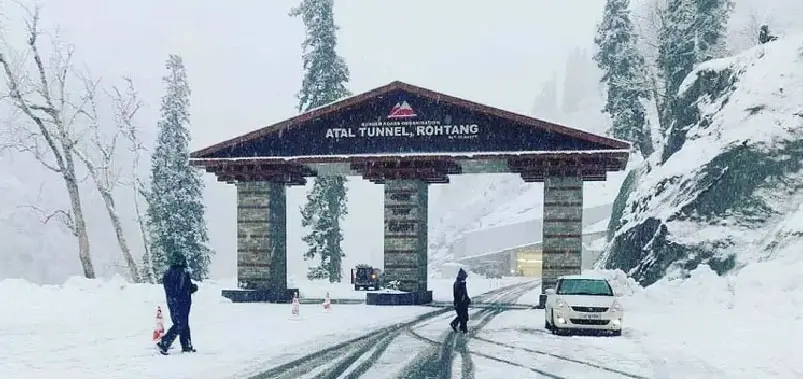
Among the most remarkable infrastructure projects in India, the Atal Tunnel has become an attraction in its own right. Stretching beneath the Pir Panjal range, the tunnel significantly reduces travel time between Manali and the Lahaul Valley while providing year-round connectivity through challenging mountain terrain.
Traveling through the tunnel offers a unique experience. Within minutes, visitors move from the lush landscapes of the Kullu Valley to the stark beauty of the higher Himalayan region. The transformation in scenery is dramatic and serves as a reminder of the geographical diversity found within a relatively short distance.
Beyond its practical importance, the tunnel has opened access to numerous destinations that were previously seasonal. Villages, valleys and viewpoints beyond the tunnel have become increasingly popular among travelers interested in exploring less crowded parts of the Himalayas.
The Atal Tunnel represents a fascinating blend of engineering achievement and tourism development. For many visitors, it serves as the gateway to a completely different side of Manali travel.
- Why It's Worth Visiting: The tunnel is both an engineering landmark and the gateway to the distinct landscapes of Lahaul. Passing through it creates one of the region's quickest and most dramatic changes in terrain.
- Best Time to Visit: It may be approached across much of the year, but snow, traffic controls, maintenance and weather can affect access. Daylight travel is best for enjoying the landscapes on either side.
- Top Attractions: The tunnel journey, North Portal surroundings, views toward the Lahaul Valley and combined excursions to Sissu and nearby authorized viewpoints.
- Solo Travel Tips: Stopping, walking or photographing inside the tunnel is unsafe and may be prohibited. Follow traffic rules, use seat belts and stop only at designated areas outside the tunnel.
10. Sethan – A Hidden Mountain Retreat
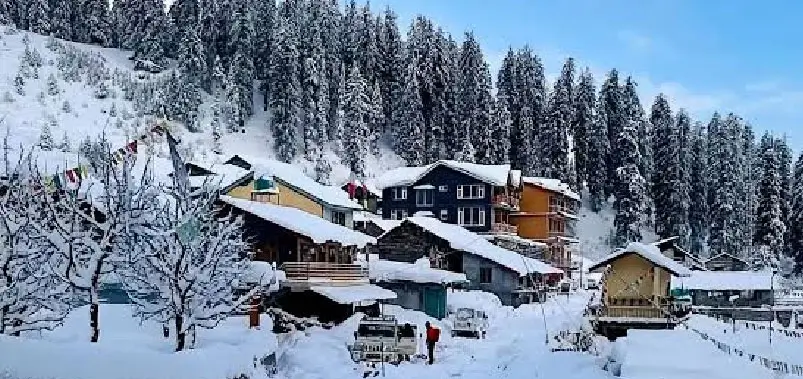
While many visitors focus on the most famous attractions around Manali, Sethan remains one of the region's best-kept secrets. This small Buddhist village sits above the Kullu Valley and offers extraordinary views of snow-covered peaks and surrounding landscapes.
The peaceful environment is one of Sethan's greatest strengths. Unlike crowded tourist destinations, the village retains a sense of tranquility that appeals to travelers seeking authentic mountain experiences. The scenery changes dramatically with the seasons, from lush green meadows during warmer months to snow-covered landscapes in winter.
Adventure enthusiasts often visit Sethan for hiking, camping and winter activities. The nearby Hampta Pass region provides opportunities for trekking while the village itself offers excellent viewpoints for photography. Luxury glamping experiences have also become increasingly popular, allowing visitors to enjoy nature without sacrificing comfort.
For travelers searching for hidden gems near Manali, Sethan delivers exceptional beauty and a refreshing escape from the crowds.
- Why It's Worth Visiting: Sethan offers a peaceful alternative to central Manali with mountain views, a small-village atmosphere and seasonal outdoor experiences. It suits couples, photographers and travelers seeking low-key stays.
- Best Time to Visit: March to June and September to November for walks and scenery; winter for snow experiences when access is safe. Local road conditions should be confirmed before travel.
- Top Attractions: Sethan village, valley viewpoints, seasonal snow activities, short hikes and access routes toward the Hampta region.
- Solo Travel Tips: Pre-book accommodation and transport because options are limited. Download maps, carry cash and warm layers, and use a local guide for unfamiliar trails or winter activities.
11. Hampta Valley – Gateway to One of India's Most Scenic Treks
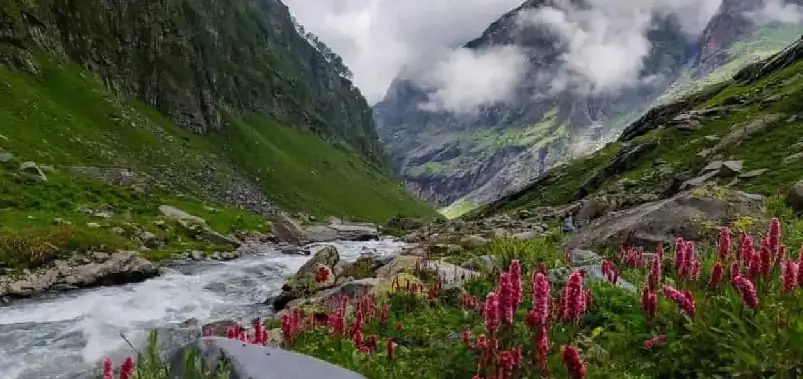
The landscapes surrounding Hampta Valley rank among the most spectacular in the Indian Himalayas. The region serves as the starting point for the famous Hampta Pass Trek, a route celebrated for its dramatic scenery and constantly changing environments.
Visitors encounter forests, rivers, alpine meadows and snow-covered mountains throughout the journey. Even those who do not undertake the full trek can enjoy shorter walks and scenic drives that reveal the beauty of the valley. The area's natural diversity creates endless opportunities for photography and exploration.
The appeal of Hampta Valley lies in its sense of wilderness. Unlike more developed tourist attractions, much of the landscape remains untouched, allowing visitors to experience the raw beauty of the Himalayas. The region is particularly attractive to outdoor enthusiasts seeking adventure and immersion in nature.
For travelers interested in trekking and mountain landscapes, Hampta Valley remains one of the highlights of Manali tourism.
- Why It's Worth Visiting: Hampta Valley reveals forests, rivers, meadows and high mountain terrain within one adventure corridor. Even visitors not completing Hampta Pass can enjoy shorter, guided nature experiences.
- Best Time to Visit: June to September is commonly associated with the full trek, subject to permits and weather. Shorter valley visits depend on road, snow and local access conditions.
- Top Attractions: Jobra, Chika, alpine meadows, river crossings, Hampta Pass route and changing views toward the Lahaul side for prepared trekkers.
- Solo Travel Tips: Do not begin a high-altitude trek alone. Use a reputable operator or qualified guide, carry suitable clothing and equipment, disclose medical conditions and keep extra time for weather-related changes.
Extend Your Trip Beyond the Mountains
After exploring Manali, continue your India journey with Delhi, Agra, Jaipur, Rajasthan, or other iconic destinations. Create a personalized India tour with local experts.
12. Kullu – Culture, Rivers and Valley Landscapes
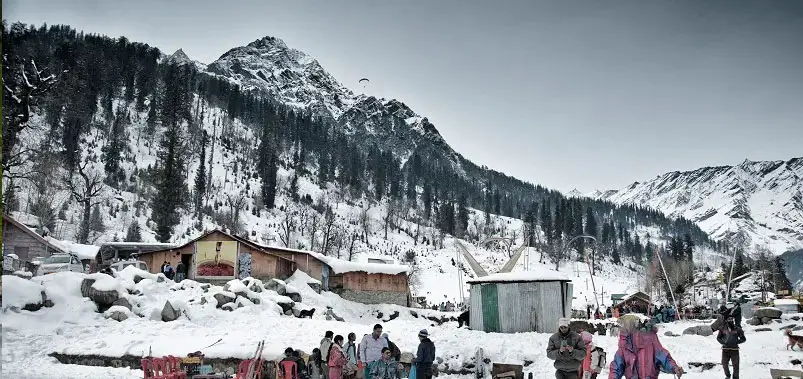
Although many travelers pass through Kullu on their way to Manali, the destination deserves attention in its own right. Situated along the Beas River, Kullu offers scenic beauty, cultural heritage and outdoor activities that complement the experiences available in nearby Manali.
The valley is famous for its apple orchards, traditional handicrafts and colorful festivals. Local markets provide opportunities to purchase handwoven textiles and learn about regional craftsmanship. Visitors interested in cultural experiences often appreciate the chance to explore a destination that feels more closely connected to local traditions.
Adventure activities such as river rafting have become increasingly popular in the area. The Beas River provides exciting opportunities for outdoor recreation while also contributing to the valley's scenic appeal. Forested hills and mountain views create a beautiful backdrop for exploration.
Kullu serves as an important part of any broader Himalayan travel itinerary, offering both cultural and natural attractions within a picturesque setting.
- Why It's Worth Visiting: Kullu adds regional culture, markets, river scenery and handicrafts to a Manali-focused journey. It is useful as both a gateway and a destination for visitors interested in the wider valley.
- Best Time to Visit: March to June and September to November for comfortable sightseeing. Festival periods are culturally rich but bring crowds and traffic; rafting operates only when conditions permit.
- Top Attractions: Raghunath Temple, Kullu markets, shawl and handicraft centres, Beas River landscapes and authorized rafting stretches in the wider valley.
- Solo Travel Tips: Use registered rafting operators, confirm transport before visiting scattered attractions and keep valuables secure in busy markets. Avoid isolated riverbanks and never enter fast water without professional supervision.
13. Kasol – Riverside Beauty in the Parvati Valley
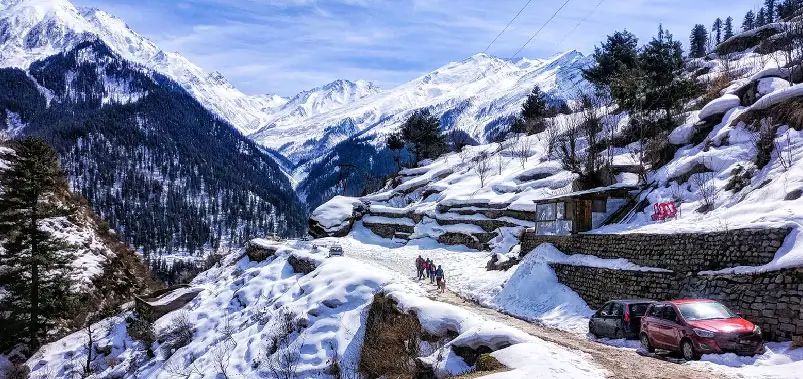
Kasol has gained international recognition as one of the most scenic destinations in Himachal Pradesh. Located within the Parvati Valley, the village attracts travelers with its riverside setting, mountain views and relaxed atmosphere.
The Parvati River flows through the valley, creating a peaceful environment where visitors can enjoy nature and outdoor activities. Walking trails connect Kasol with nearby villages and viewpoints, making it an excellent destination for hikers and photographers.
The village has developed a vibrant travel culture that attracts visitors from around the world. Cafes, guesthouses and local markets contribute to the lively atmosphere while still allowing travelers to appreciate the surrounding natural beauty. The combination of mountains, forests and river landscapes makes Kasol particularly appealing.
For travelers seeking scenic beauty and a laid-back environment, Kasol remains one of the most popular destinations near Manali.
- Why It's Worth Visiting: Kasol combines riverside scenery, forest walks, cafes and access to Parvati Valley villages. It is popular with backpackers but also works for couples and nature-focused travelers who choose quieter stays.
- Best Time to Visit: March to June and September to November. Winter is cold and may affect roads; monsoon conditions can make riverbanks and trails hazardous.
- Top Attractions: Parvati River, Kasol market and cafes, Chalal walk, forest trails and onward excursions toward Manikaran and other Parvati Valley villages.
- Solo Travel Tips: Stay near the main village if arriving alone, avoid isolated riverside areas after dark and do not accept unverified trek or transport offers. Carry identification and keep family or accommodation staff informed of your plans.
14. Tosh – A Mountain Village Above the Clouds
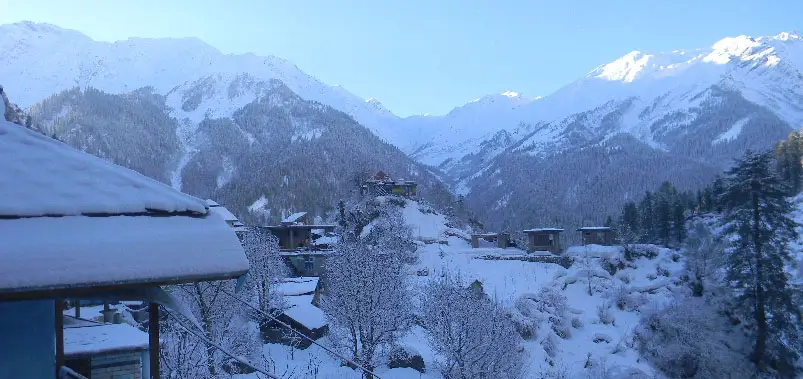
Perched high above the Parvati Valley, Tosh offers some of the most dramatic mountain views in the region. The village's elevated location creates breathtaking panoramas of snow-covered peaks, forests and river valleys that stretch far into the distance.
Reaching Tosh involves a scenic drive followed by a short walk, adding to the sense of adventure. Upon arrival, visitors discover a peaceful mountain community where traditional wooden houses blend harmoniously with the surrounding landscape.
The village is particularly popular among travelers who enjoy hiking, photography and nature. Sunrise and sunset transform the scenery into spectacular displays of color, creating unforgettable moments for visitors. Despite its growing popularity, Tosh retains much of its original charm and authenticity.
For those looking to experience the quieter side of the Himalayas, Tosh remains one of the most rewarding destinations in the broader Manali region.
- Why It's Worth Visiting: Tosh rewards the extra journey with high mountain views, wooden village architecture and a strong sense of remoteness. It suits travelers comfortable with walking and basic mountain infrastructure.
- Best Time to Visit: April to June and September to November are generally preferred. Winter access and services may be affected by snow; monsoon travel requires caution.
- Top Attractions: Tosh village lanes, Parvati Valley panoramas, short local walks, traditional houses and viewpoints toward surrounding peaks and waterfalls.
- Solo Travel Tips: Arrive before dark, pack light for the final walk and book a verified stay in advance. Do not attempt remote trails alone, and carry cash, power backup and warm clothing because services can be limited.
15. Great Himalayan National Park – A UNESCO Natural Treasure
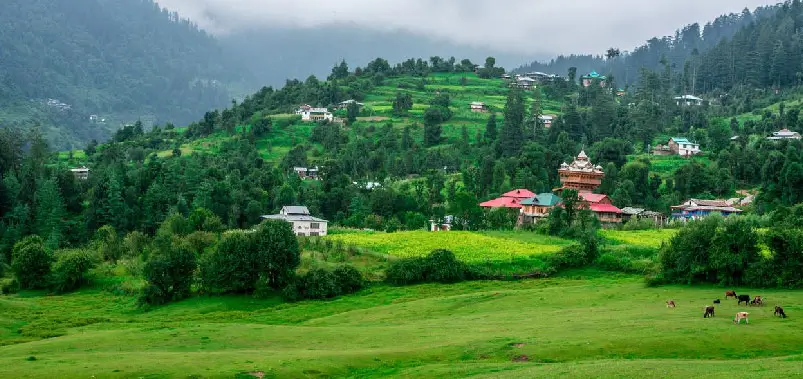
Recognized as a UNESCO World Heritage Site, the Great Himalayan National Park protects one of the most important ecosystems in the Indian Himalayas. The park encompasses forests, alpine meadows, glaciers and mountain peaks that support remarkable biodiversity.
Wildlife enthusiasts may encounter rare species including Himalayan tahr, musk deer and numerous bird species. The park's remote nature contributes significantly to its appeal, providing opportunities to experience wilderness largely untouched by modern development.
Trekking routes within and around the park reveal extraordinary scenery while allowing visitors to learn about conservation efforts and local ecosystems. The region is especially attractive for nature photographers and travelers seeking immersive outdoor experiences.
The Great Himalayan National Park demonstrates the incredible environmental diversity that exists within Himachal Pradesh tourism and remains one of the finest protected areas in India.
- Why It's Worth Visiting: The park offers genuine Himalayan wilderness, biodiversity and conservation-focused trekking away from conventional sightseeing. It is best for prepared nature lovers rather than casual drive-through tourism.
- Best Time to Visit: April to June and September to November are commonly suitable, depending on the chosen ecozone and trek. Permits and local conditions must be verified.
- Top Attractions: Tirthan and Sainj ecozones, forest trails, alpine landscapes, birdwatching areas and guided multi-day routes within permitted sections of the park.
- Solo Travel Tips: Enter only with required permits and qualified local guidance. Never trek alone, pack out all waste, maintain distance from wildlife and carry appropriate medical, navigation and weather equipment.
16. Mall Road – The Social and Shopping Heart of Manali
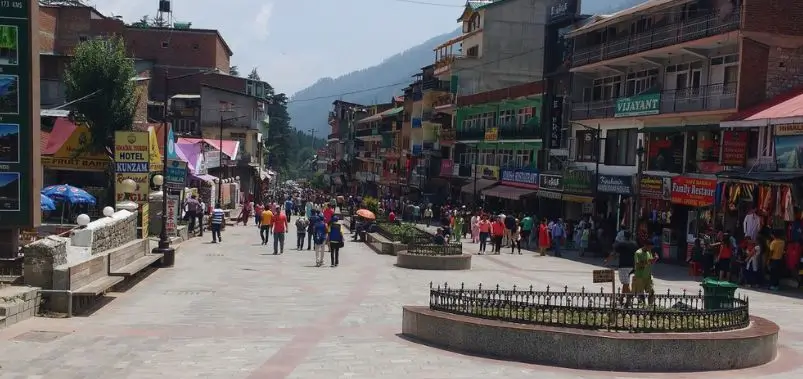
Mall Road forms the lively centre of Manali, bringing together shops, restaurants, local markets and everyday town life. It provides a useful contrast to the surrounding forests and valleys and is often the easiest place for visitors to begin understanding the destination.
Travelers can browse Himachali handicrafts, woollens and souvenirs, try regional food and arrange local transport or sightseeing. The pedestrian-friendly central stretch is particularly convenient for families, older visitors and anyone staying without a private vehicle.
- Why It's Worth Visiting: Mall Road is practical, energetic and easy to explore. It is the best place for shopping, evening walks, local food and basic travel arrangements between day trips.
- Best Time to Visit: March to June and September to December are lively, although the market can be visited year-round when Manali is accessible. Evenings are busiest during peak holiday periods.
- Top Attractions: Mall Road promenade, local handicraft shops, Tibetan Market, restaurants, nearby Van Vihar and central Manali viewpoints.
- Solo Travel Tips: Stay alert in crowds, use well-lit routes after dark and compare prices before shopping. Keep your hotel location saved offline because traffic restrictions may require a short walk with luggage.
17. Manu Temple – Spiritual Heritage in Old Manali
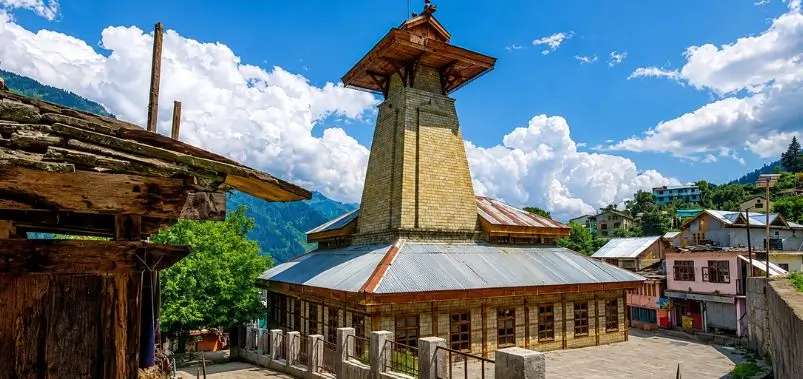
Located above the lanes of Old Manali, Manu Temple is dedicated to the sage Manu and holds an important place in local tradition. The approach passes through village streets and offers visitors a closer look at the older settlement beyond its cafes and guesthouses.
The temple is modest compared with Manali’s larger attractions, but its cultural setting and peaceful atmosphere make it a meaningful addition to an Old Manali walk.
- Why It's Worth Visiting: Manu Temple adds historical and spiritual context to Old Manali. It is ideal for travelers who want to look beyond the cafe scene and understand the beliefs connected with the village.
- Best Time to Visit: March to June and September to November for a comfortable uphill walk. Visit during daylight and check local access in winter or heavy rain.
- Top Attractions: Manu Temple, Old Manali village lanes, traditional houses, orchards and views across the surrounding valley.
- Solo Travel Tips: Wear suitable shoes for the uphill lanes, dress respectfully and ask before photographing rituals. Walk back through populated routes before dark rather than using quiet shortcuts.
Discover the Best of Manali with a Customized Private Tour
From the breathtaking Solang Valley and Rohtang Pass to peaceful villages, ancient temples, and scenic mountain trails, Manali offers something for every traveller. Let Top Indian Holidays create a personalized itinerary with comfortable stays, private transportation, and local sightseeing for a stress-free Himalayan getaway.
18. Gulaba – Snow Views and Scenic Mountain Stops
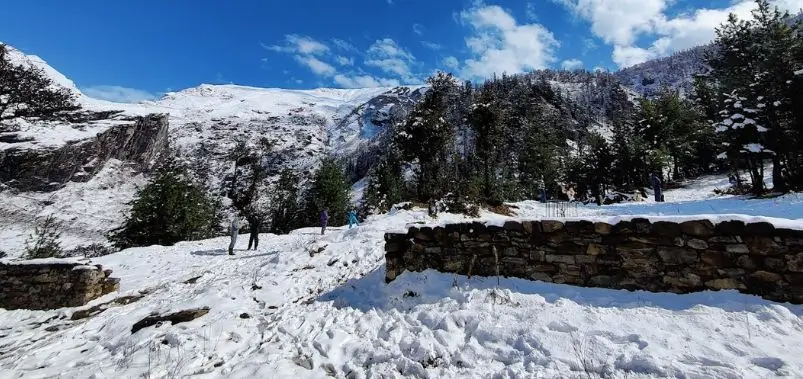
Gulaba lies on the road toward Rohtang Pass and is known for wide mountain views, seasonal snow and open Himalayan landscapes. When access farther toward Rohtang is limited, Gulaba may become an important scenic stopping point, subject to official traffic arrangements.
The area appeals to families, photographers and visitors who want high-mountain atmosphere without planning a long trek. Its experience changes completely with snowfall, visibility and seasonal road rules.
- Why It's Worth Visiting: Gulaba offers striking roadside scenery and possible snow experiences within reach of Manali. It works well for a half-day excursion when approached with realistic weather expectations.
- Best Time to Visit: Late winter to early summer may provide snow, while warmer months offer mountain views. Access, parking and visitor movement depend on current road and administrative conditions.
- Top Attractions: Mountain viewpoints, seasonal snowfields, forested approach roads and authorized stopping areas on the Rohtang route.
- Solo Travel Tips: Use a registered local vehicle, stop only where permitted and avoid steep snowbanks or unmarked slopes. Carry warm clothing and confirm the return plan before leaving Manali.
19. Bhrigu Lake – A High-Altitude Trek with Alpine Views
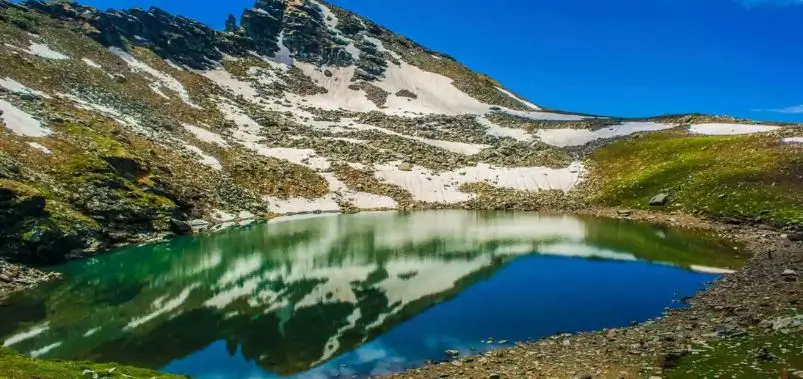
Bhrigu Lake is a celebrated high-altitude trekking destination above the Manali region. The route is known for broad alpine meadows, changing mountain views and the sense of entering a landscape far removed from the busy town below.
The trek is shorter than some Himalayan expeditions but still demands fitness, acclimatization and proper planning. Snow, fog and sudden weather changes can make the terrain serious even for confident walkers.
- Why It's Worth Visiting: Bhrigu Lake is worth visiting for its alpine meadows and high-Himalayan trekking experience. It suits active travelers who want a structured adventure rather than ordinary sightseeing.
- Best Time to Visit: Commonly trekked from late spring to autumn, depending on snow, weather and local guidance. Exact route conditions should be confirmed with qualified operators.
- Top Attractions: Bhrigu Lake, alpine meadows, views toward Pir Panjal and Dhauladhar ranges, and the guided approach from the Gulaba or nearby side.
- Solo Travel Tips: Never undertake the trek alone. Acclimatize, use an experienced guide or reputable operator, carry proper rain and cold protection and turn back if altitude symptoms or dangerous weather appear.
20. Manikaran Sahib – Pilgrimage and Hot Springs in Parvati Valley
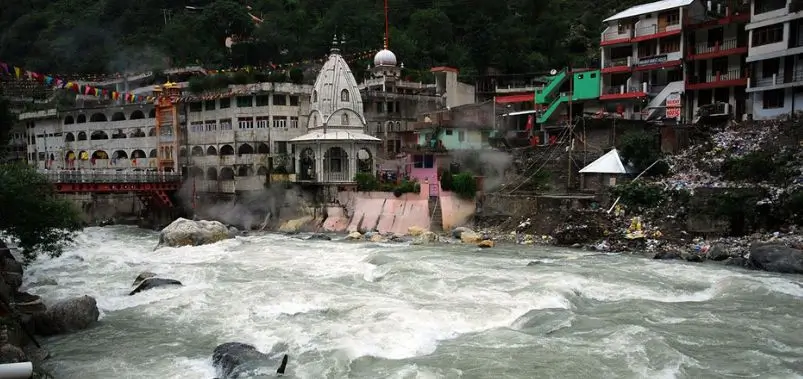
Manikaran is an important pilgrimage destination in the Parvati Valley, respected for its gurdwara, temples and natural hot springs. The riverside settlement draws Sikh and Hindu pilgrims as well as travelers combining Kasol with a deeper cultural experience.
The sound of the Parvati River, rising steam and closely packed religious sites create an atmosphere unlike the mountain resorts around Manali. A visit also provides insight into community service through the gurdwara’s langar tradition.
- Why It's Worth Visiting: Manikaran brings faith, natural hot springs and community hospitality into a single visit. It adds cultural depth to a Kasol or Parvati Valley itinerary.
- Best Time to Visit: March to June and September to November are generally comfortable. Festival periods may be crowded, while monsoon and winter conditions can affect the road.
- Top Attractions: Manikaran Sahib Gurdwara, hot springs, Ram Temple, Shiva Temple, Parvati River views and nearby Kasol.
- Solo Travel Tips: Dress modestly, cover your head and follow gurdwara etiquette. Protect belongings in crowds, avoid unsafe river edges and arrange return transport before evening if staying elsewhere.
Suggested Manali Itineraries
These routes are starting points. Keep buffer time for weather, traffic, permits and seasonal closures.
3 Days: Classic Manali Highlights
- Day 1: Mall Road, Hadimba Devi Temple, Manu Temple and Old Manali.
- Day 2: Solang Valley plus Vashisht Village and hot springs.
- Day 3: Naggar Castle, Roerich estate and Kullu Valley stops.
5 Days: Manali, Snow Scenery and Lahaul
- Day 1: Central Manali, Hadimba Temple and Old Manali.
- Day 2: Solang Valley and nearby permitted snow or adventure areas.
- Day 3: Atal Tunnel and Sissu day trip, subject to road conditions.
- Day 4: Naggar and Kullu cultural circuit.
- Day 5: Vashisht and Jogini Waterfall, followed by departure.
7 Days: Manali and Parvati Valley
- Day 1: Arrive and explore Mall Road.
- Day 2: Hadimba Temple, Manu Temple and Old Manali.
- Day 3: Solang Valley or an authorized Rohtang/Gulaba route.
- Day 4: Manali to Kasol with Kullu stops.
- Day 5: Manikaran Sahib and Chalal/Kasol riverside walks.
- Day 6: Tosh day trip or overnight stay, depending on road and luggage plan.
- Day 7: Return toward Kullu, Bhuntar or Manali.
8 Days: Nature and Adventure Circuit
- Day 1: Arrive in Manali and acclimatize.
- Day 2: Old Manali, Hadimba and Vashisht.
- Day 3: Solang Valley and seasonal adventure activities.
- Day 4: Guided short trek or Sethan stay.
- Day 5: Atal Tunnel and Sissu.
- Day 6: Naggar and Kullu.
- Day 7: Transfer toward Tirthan Valley or a GHNP ecozone.
- Day 8: Guided nature experience and onward departure.
Best Time to Visit Manali
Manali is a year-round destination, but the right season depends on whether the priority is snow, trekking, general sightseeing or quieter mountain stays.
March to June: Pleasant weather for general sightseeing, paragliding, village visits and family holidays. May and June are busy, so book early and expect traffic.
July to September: The landscape is green, but heavy rain can affect roads, river conditions and trails. Avoid risky slopes and keep flexible travel days.
October to November: Clearer views, cooler weather and fewer crowds make this a strong period for sightseeing, photography and some treks.
December to February: Winter brings cold conditions and possible snow around Manali, Solang and Sethan. Snowfall and road access vary, so check live conditions.
High Pass and Trekking Season: Rohtang, Bhrigu Lake, Hampta and other high routes follow separate road, snow, permit and operator conditions. Confirm official access rather than relying on fixed calendar dates.
How to Reach Manali
Manali is reached mainly by road through the Kullu Valley. Delhi and Chandigarh are the most common long-distance gateways.
By Air: Bhuntar Airport near Kullu is the nearest airport, followed by a mountain-road transfer to Manali. Flight schedules can be limited, so Chandigarh or Delhi may offer more options.
By Road: Overnight buses and private vehicles connect Manali with Delhi and Chandigarh. Build in extra time for traffic, weather, roadwork and mountain conditions.
By Train: Manali has no direct broad-gauge railway station. Chandigarh, Kalka and other plains railheads require an onward road journey; Joginder Nagar is closer geographically but has limited narrow-gauge utility for many itineraries.
Getting Around Manali
Mountain distances take longer than they appear. Group nearby attractions and avoid planning several distant valleys on the same day.
Private Car with Driver: The most comfortable choice for families, multi-stop sightseeing and routes toward Naggar, Solang, Sissu or the Parvati Valley.
Local Taxis: Useful for fixed sightseeing circuits. Confirm the approved route, vehicle restrictions, waiting charges and return timing before departure.
Local Buses and Shared Vehicles: Budget-friendly for major towns and valleys, but frequency, comfort and luggage space vary. Keep the schedule flexible.
Walking: Old Manali, Mall Road, Hadimba and parts of Vashisht can be explored on foot, though slopes, traffic and winter ice require suitable footwear.
Authorized Adventure Transport: Snow points, rafting sections, treks and restricted routes may require designated vehicles, permits or operators. Use official channels only.
Responsible Travel in Manali
Manali and its surrounding valleys face pressure from traffic, waste, construction and seasonal crowding. Small choices help protect rivers, villages, wildlife and fragile high-altitude terrain.
Carry waste back: Do not leave plastic, food packets or tissues at snow points, waterfalls, trails or riverbanks.
Respect rivers and slopes: Stay away from fast water, unstable edges and closed areas. Never treat a warning barrier as a photo prop.
Choose authorized operators: Use registered taxis, rafting teams, guides and adventure providers with proper safety equipment.
Protect village privacy: Ask before photographing residents, homes, ceremonies, farms or religious practices.
Reduce traffic pressure: Walk where practical, combine nearby attractions and avoid unnecessary vehicle idling.
Use water carefully: Hotels and villages can face seasonal water pressure. Keep showers short and reuse towels where possible.
Follow permit and road rules: Rohtang, high passes and some trekking areas have access controls for safety and environmental reasons.
Support local businesses: Choose local guides, foods, handicrafts and stays that contribute directly to the regional economy.
Why Manali Continues to Be One of India's Most Loved Mountain Destinations
Few destinations in the Indian Himalayas offer the variety found in Manali and its surrounding regions. Travelers can explore ancient temples, visit hidden villages, drive through high-altitude mountain passes, enjoy adventure sports and relax within luxury mountain resorts—all during the same journey.
The destination appeals equally to families, honeymooners, solo travelers, photographers and outdoor enthusiasts. Its combination of accessibility and natural beauty makes it one of the most versatile mountain destinations in India. Whether the focus is adventure, culture, luxury travel or simply enjoying spectacular scenery, Manali consistently exceeds expectations.
The growing range of experiences available beyond the town itself has further enhanced its appeal. Destinations such as Sissu, Sethan, Naggar and Tosh reveal lesser-known sides of the Himalayas while remaining easily accessible from Manali.
For international travelers seeking a comprehensive mountain experience, Manali remains one of the most rewarding destinations in Northern India.
Related Guides



 info@topindianholidays.net
 +91-8955000999