📅 Last Updated On: 12 Sep 2025
⏱ 10 Min Read
Top Travel Trends in India 2026
A
Admin
Founder -India Travel Expert
India has always been one of the most diverse travel destinations in the world, but the way people travel here is constantly evolving. The year 2026 marks a shift where travelers are no longer satisfied with only monuments and sightseeing. They are now searching for journeys that reflect their personal lifestyle, values, and interests. Modern travelers want experiences that balance comfort with authenticity, luxury with sustainability, and adventure with safety.
This change is being driven by both international tourists arriving in India and domestic travelers exploring their own country in new ways. Technology, global awareness about wellness and climate, and the growing desire for meaningful connections are shaping these new preferences. The result is a fascinating blend of traditional Indian hospitality and modern travel trends.
Solo Journeys and the Spirit of Independence
One of the most visible patterns in recent years is the rise of solo travel. Travelers today see journeys as an opportunity to reconnect with themselves, and India provides the perfect backdrop. The country offers a mix of bustling cities, serene mountains, calm beaches, and spiritual centers where a solo traveler never feels out of place.
Women in particular are showing greater confidence in exploring India alone. Improved transport, better safety initiatives, and curated guided tours are making it possible. In Jaipur or Udaipur, single travelers can comfortably spend days wandering through palaces and bazaars. In Rishikesh, yoga schools welcome seekers from across the globe. Even in metropolises like Delhi or Mumbai, solo tourists are finding communities of like-minded explorers through cultural walks, food tours, and photography clubs.
Solo journeys are not only about independence; they are also about flexibility. A solo traveler decides when to stop, how long to spend at a fort, or whether to join a local cooking class. This personalized approach is exactly what modern tourists crave.
Wellness Tourism and the Search for Balance
Wellbeing has become central to travel planning. The stress of urban life, awareness of mental health, and global demand for detox experiences have made India’s wellness traditions more relevant than ever.
Ayurveda and Yoga, both deeply rooted in Indian culture, are no longer alternative options but mainstream attractions. Kerala continues to attract global visitors with week-long Ayurvedic treatments where diets, massages, and therapies are designed to heal both body and mind. Rishikesh, known as the yoga capital, remains a magnet for international travelers seeking spiritual balance on the banks of the Ganges.
Luxury wellness resorts in Goa, Uttarakhand, and Rajasthan combine spa therapies, organic food, and meditation programs within breathtaking natural surroundings. Even heritage hotels are now adding wellness wings to meet demand. For many travelers, wellness tourism is not an add-on to their holiday but the main reason they come to India.
Sustainable and Eco-Friendly Travel Choices
The conversation around sustainability is influencing every aspect of tourism. Travelers are increasingly aware of their footprint and prefer experiences that contribute positively to the environment and local communities.
Eco-lodges and boutique hotels are taking the lead by using solar energy, harvesting rainwater, and eliminating single-use plastics. National parks like Ranthambore and Kaziranga have introduced stricter rules for safaris to protect fragile ecosystems. In Sikkim, India’s first fully organic state, the government and local communities together promote agriculture that is chemical-free, attracting eco-tourists from across the world.
Village tourism is another growing trend. Tourists are staying in traditional homestays, learning pottery, block printing, or weaving from local artisans, and contributing directly to rural economies. For many international travelers, this offers a deeper and more authentic understanding of India than conventional hotel stays.
Cultural Immersion Beyond Sightseeing
While iconic landmarks like the Taj Mahal or Amber Fort remain must-visits, the 2026 traveler is seeking experiences that go beyond postcard images. The demand is now for participation rather than observation.
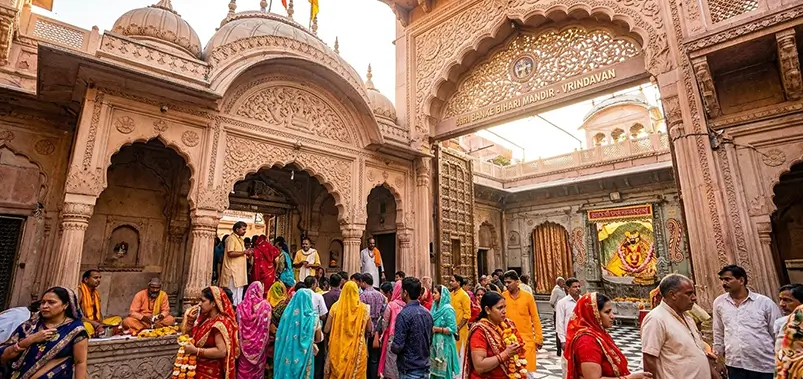
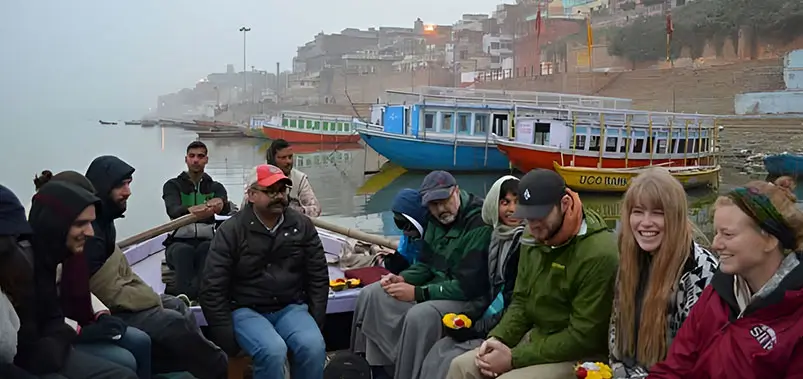
Cooking classes in Jaipur allow guests to buy vegetables in a local market before preparing a Rajasthani thali in a family kitchen. In Varanasi, evening aarti ceremonies on the Ganges provide a spiritual connection that is far more intimate than sightseeing. In Mumbai, Bollywood studio tours, dance workshops, and film screenings allow visitors to feel part of the city’s culture.
Festivals are another huge draw. Travelers are timing their trips around Holi in Jaipur, Diwali in Varanasi, or the Pushkar Camel Fair in Rajasthan. For foreign tourists, these are unforgettable moments of color, tradition, and celebration that make India unlike any other destination.
Work-from-Travel and the Rise of Digital Nomads
Remote work culture has opened an entirely new dimension in tourism. India, with its diversity and affordability, is positioning itself as a hub for digital nomads. Travelers are extending their stays, blending work and leisure, and choosing destinations that offer reliable internet alongside unique experiences.
Beach towns like Goa and Gokarna are dotted with co-working cafés where travelers spend mornings on laptops and evenings watching sunsets. In the Himalayas, towns like Dharamshala, Manali, and Rishikesh are transforming into hubs where long-stay tourists rent homestays with Wi-Fi and mountain views.
This trend benefits both sides: tourists enjoy extended time in India at affordable costs, and local communities benefit from steady income throughout the year. Work-from-travel is no longer temporary—it is becoming a lifestyle.
Luxury with a Purpose
Luxury travel in India is no longer limited to five-star hotels and fine dining. Modern luxury tourists are demanding exclusivity with responsibility. Stays at heritage palaces like Rambagh Palace or Lake Palace are combined with curated cultural walks, private wildlife safaris, and bespoke shopping tours where travelers interact with master craftsmen.
Luxury trains like the Palace on Wheels or Maharajas’ Express continue to attract high-end tourists, but now they are being marketed as slow journeys that emphasize heritage and sustainability. Travelers want stories, not just services, and India’s luxury sector is evolving to deliver exactly that.
Adventure and Outdoor Experiences
Another rising trend is the demand for outdoor activities. Beyond trekking in Himachal or river rafting in Rishikesh, tourists are now showing interest in desert safaris, cycling tours through rural Rajasthan, and horse-riding experiences with Marwari steeds.
Wildlife tours remain a highlight. Leopard safaris in Jawai, tiger spotting in Bandhavgarh, or birding in Bharatpur are attracting a global audience. The demand is for small, guided groups rather than large commercial tours, making the experience both intimate and sustainable.
Technology and Travel Planning
The role of technology cannot be ignored in these trends. Travelers now expect seamless booking, transparent reviews, and real-time updates. Travel companies in India are investing heavily in user-friendly websites, multilingual guides, and 24/7 support. Digital payments have become the norm, and tourists appreciate the security of not having to carry large amounts of cash.
Even on ground, technology shapes the experience. QR-based entry tickets, AR-enabled museum tours, and online maps make journeys smoother. Tourists can plan, book, and manage their entire trip through their phones while still enjoying the richness of Indian culture.
The Future of Travel in India
India in 2026 is not only about destinations—it is about meaningful experiences. The shift is clear: travelers want wellness, independence, sustainability, authenticity, and flexibility. From a solo backpacker exploring Rajasthan’s forts to a wellness seeker meditating in Rishikesh, from a digital nomad in Goa to a luxury traveler staying in a palace—every trend shows how India is adapting to the new age of tourism.
The future belongs to those who can combine India’s timeless charm with modern needs. Travel companies, hotels, and guides who embrace these trends will not only survive but thrive in the coming decade.

 info@topindianholidays.net
 +91-8955000999