India has been a centre of spiritual thought, sacred traditions, and religious practices for thousands of years. From ancient temples and holy rivers to meditation centres and pilgrimage towns, the country offers a deep spiritual framework that continues to guide millions of people. Spiritual India Tours are designed for travellers who wish to visit these sacred spaces with proper planning, cultural respect, and meaningful structure.
These tours are not limited to religious visits alone. They combine history, faith, philosophy, and traditional practices that define India’s spiritual identity. Spiritual tours in India attract international travellers, NRIs, and Indian visitors who want a well-organised journey covering holy destinations without logistical stress.
Spiritual travel in India goes beyond temple visits. It includes pilgrimages, ritual centres, sacred rivers, ancient learning traditions, monasteries, and spiritual towns that have existed for centuries. India spiritual tours are rooted in belief systems such as Hinduism, Buddhism, Jainism, Sikhism, and other spiritual paths that originated in the region.
Travellers choosing Spiritual India Tours often seek calm, reflection, cultural understanding, and connection with traditional practices. These journeys require careful planning because many spiritual destinations are spread across different states and regions. A structured tour helps maintain balance between travel, rest, and spiritual activities.
Unlike general sightseeing trips, spiritual tours in India focus on purpose-driven travel. Destinations are selected based on their spiritual significance rather than tourist popularity alone. Travel schedules are planned to allow time for temple visits, rituals, prayer sessions, river ceremonies, and guided explanations of traditions.
A professionally planned India spiritual tour package ensures that travellers can visit sacred places at appropriate times, follow local customs, and avoid unnecessary rush. This approach is particularly important for international travellers who may be unfamiliar with religious practices and cultural etiquette.
India’s spiritual geography is vast and varied. Spiritual India Tours commonly include destinations that are historically and religiously significant.
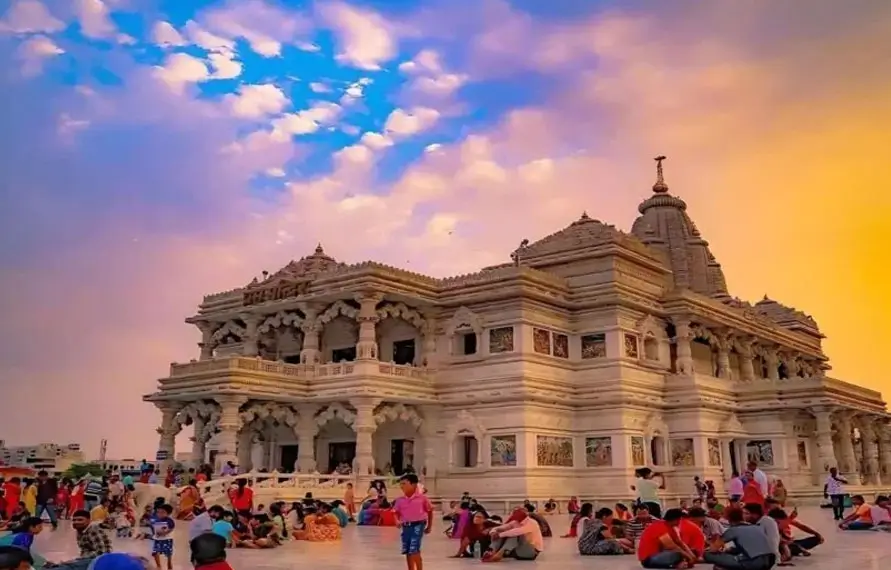
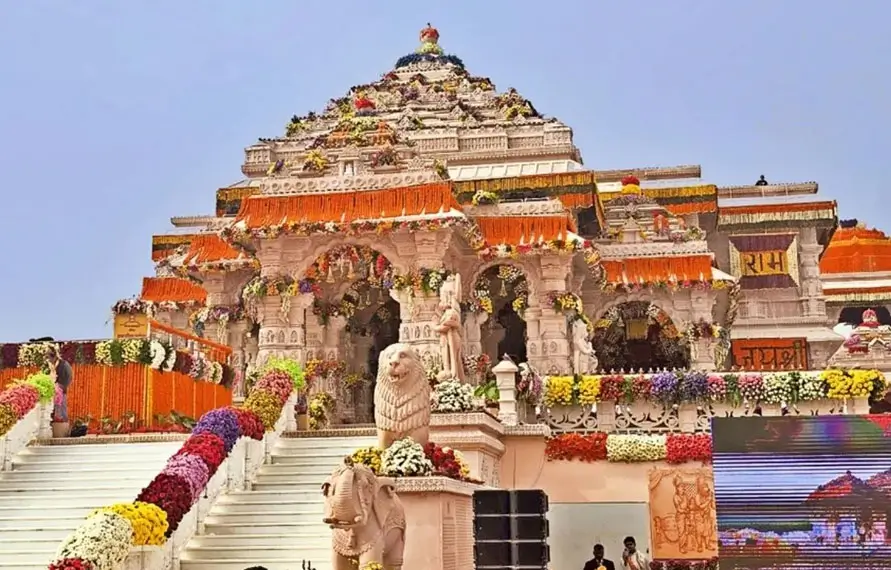
North India is known for sacred cities such as Varanasi, Haridwar, Rishikesh, Mathura, and Vrindavan. These locations are associated with holy rivers, ancient temples, and long-standing rituals. Spiritual tours in North India often focus on river ceremonies, temple, and traditional practices.
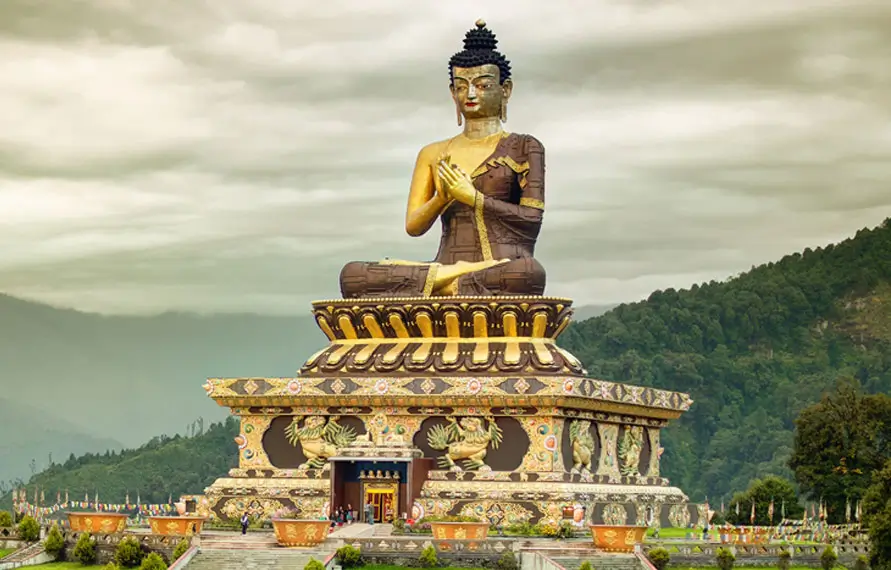
Buddhist spiritual routes include Bodh Gaya, Sarnath, Kushinagar, and Nalanda. These destinations are important for travellers interested in Buddhist philosophy and meditation traditions. Buddhist spiritual tours in India are especially popular among visitors from Southeast Asia, Europe, and Japan.
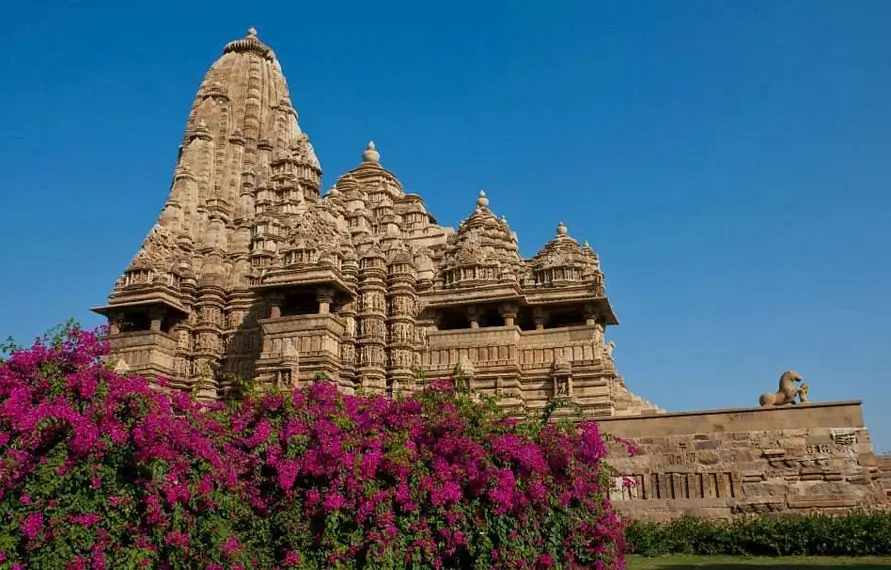
South India offers temple towns such as Madurai, Rameswaram, Tiruvannamalai, and Kanchipuram. These regions are known for structured temple rituals and classical spiritual traditions. Spiritual temple tours in India often combine architecture, history, and faith.
Spiritual India Tours are suitable for a wide range of travellers. International visitors seeking meaningful cultural journeys find these tours well-structured and respectful. Senior travellers benefit from paced itineraries and organised transport. NRIs often choose spiritual tours to reconnect with heritage and traditions.
These tours are also suitable for travellers interested in meditation, yoga philosophy, and spiritual learning without participating in commercialised tourism. A properly designed spiritual travel India itinerary ensures comfort while maintaining the seriousness of the journey.
Spiritual destinations often involve early-morning rituals, fixed prayer timings, and specific visiting rules. Without local knowledge, travellers may miss important ceremonies or face unnecessary confusion. Spiritual India Tours planned with local expertise ensure correct timing, proper guidance, and respectful participation.
Travel distances between spiritual destinations can be long. A structured India spiritual tour includes realistic travel schedules, comfortable transport, and appropriate rest periods. This balance is essential to maintain physical comfort during spiritually focused journeys.
India attracts thousands of international travellers every year for spiritual purposes. Spiritual India Tours for foreign tourists are planned with additional considerations such as language support, cultural explanations, and safety coordination.
International travellers often prefer private spiritual tours in India where itineraries can be adjusted based on personal interests and travel pace. These tours provide clarity and confidence, allowing visitors to focus on spiritual learning rather than logistics.
Spiritual travel requires sensitivity and respect. Spiritual India Tours emphasise responsible travel practices, including proper temple conduct, dress guidelines, and respectful behaviour at sacred sites. This approach helps preserve the sanctity of destinations while allowing travellers to participate meaningfully.
Responsible spiritual tourism also supports local communities and traditional practices. Well-planned India spiritual tours avoid overcrowding and encourage thoughtful engagement rather than rushed visits.
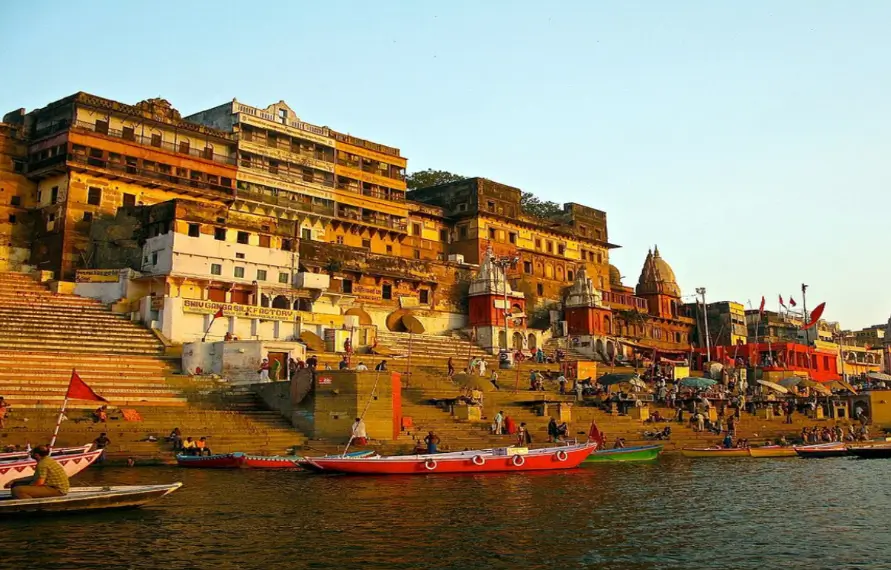
Understanding India’s spiritual landscape becomes clearer through a city-based approach. Varanasi spiritual tours are among the most searched and meaningful journeys for travellers from around the world. Located along the banks of the River Ganges, Varanasi is regarded as the oldest living centre of Hindu spirituality. Daily rituals, sacred temples, and river ceremonies form an essential part of life here. Varanasi spiritual tour packages generally focus on temple visits, river rituals, and gaining cultural insight into ancient spiritual traditions.
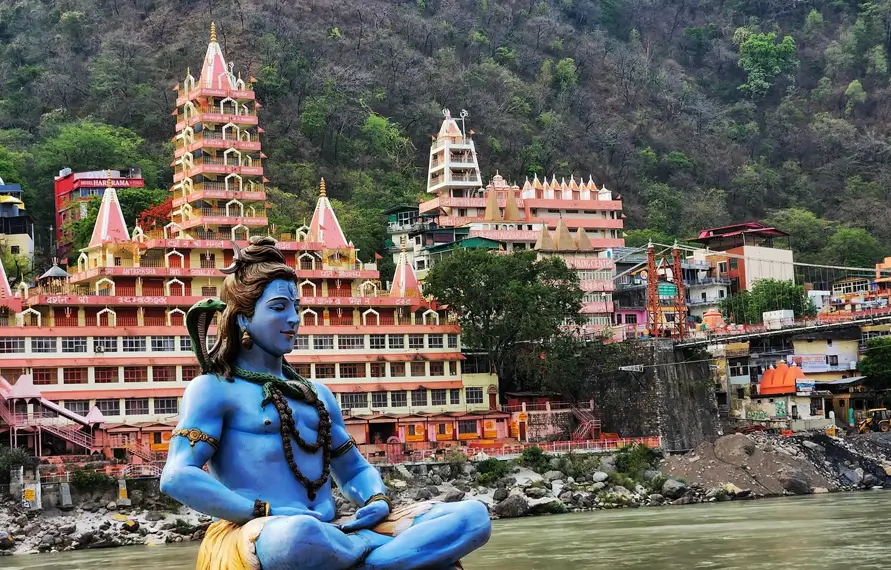
Similarly, Rishikesh spiritual tours and Haridwar spiritual tours form an important part of North India’s spiritual circuit. These cities are known for yoga traditions, river-side rituals, and spiritual learning centres. Spiritual tours in Rishikesh and Haridwar are especially popular among international travellers who seek meditation practices, yoga philosophy, and a structured spiritual journey combined with peaceful surroundings.
South and Central India also play a significant role in Spiritual India Tours. Madurai temple tours, Rameswaram spiritual tours, and Tiruvannamalai spiritual travel represent South India’s deeply rooted temple traditions, where rituals, architecture, and devotion are closely connected.
South India spiritual tours usually combine heritage sites, religious practices, and classical traditions within a balanced itinerary designed for meaningful travel.
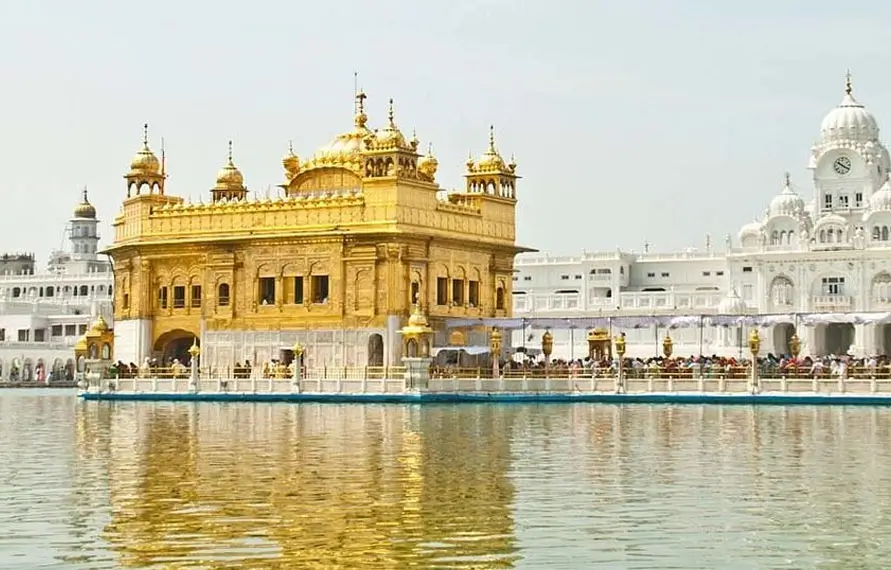
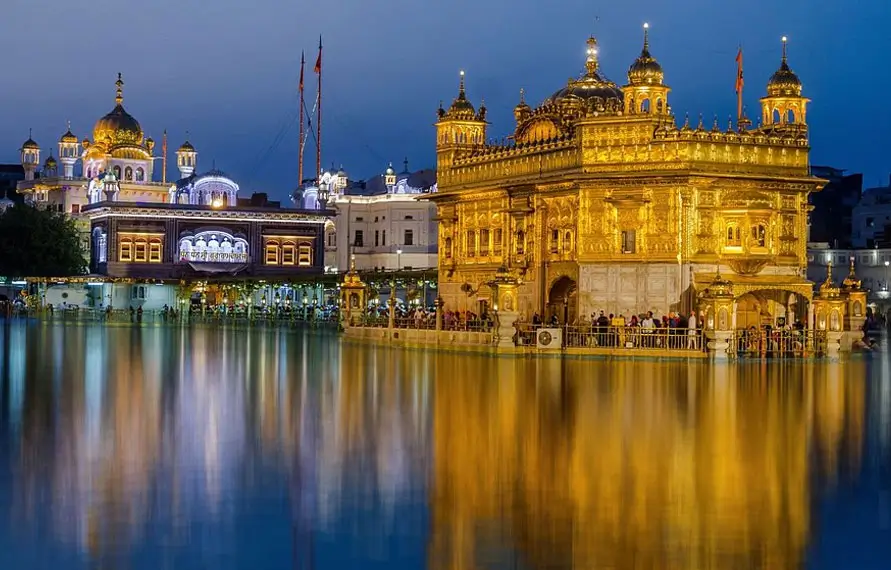
For Buddhist travellers, Bodh Gaya spiritual tours, Sarnath Buddhist tours, and Kushinagar spiritual tours are highly searched and culturally significant. These destinations are directly linked to the life and teachings of Lord Buddha. Buddhist spiritual tours in India are carefully planned for international visitors seeking structured, purpose-driven journeys focused on learning and reflection. In addition, Mathura Vrindavan spiritual tours, Pushkar spiritual tours, and Amritsar spiritual tours also form strong city-based routes within the broader India spiritual tours category.
Interest in spiritual travel has increased globally due to changing lifestyles and the search for balance. India’s spiritual diversity offers structured paths for travellers seeking clarity, tradition, and cultural depth. Spiritual India Tours provide a reliable way to access this heritage without confusion or disorganisation.
By combining sacred destinations, cultural understanding, and careful planning, these tours remain relevant for both first-time visitors and repeat travellers.
 🌙 09 Nights / 10 Days
⭐ Most Popular
🌙 09 Nights / 10 Days
⭐ Most Popular
Mathura - Vrindavan - Agra... Mathura - Vrindavan - Agra - Jaipur - Haridwar - Rishikesh Show More
 🌙 14 Nights / 15 Days
Amritsar - Chandigarh - Rishikesh... Amritsar - Chandigarh - Rishikesh - Haridwar - Delhi - Lucknow - Varanasi - Agra - Jaipur - Delhi Show More
 🌙 09 Nights / 10 Days
Delhi - Lucknow - Sravasti... Delhi - Lucknow - Sravasti - Kushinagar - Patna - Rajgir - Bodhgaya - Varanasi - Delhi Show More
 🌙 09 Nights / 10 Days
⭐ Most Popular
🌙 09 Nights / 10 Days
⭐ Most Popular
Delhi - Chandigarh - Jalandhar... Delhi - Chandigarh - Jalandhar - Amritsar - Manikaran - Delhi Show More
 🌙 15 Nights / 16 Days
⭐ Most Popular
🌙 15 Nights / 16 Days
⭐ Most Popular
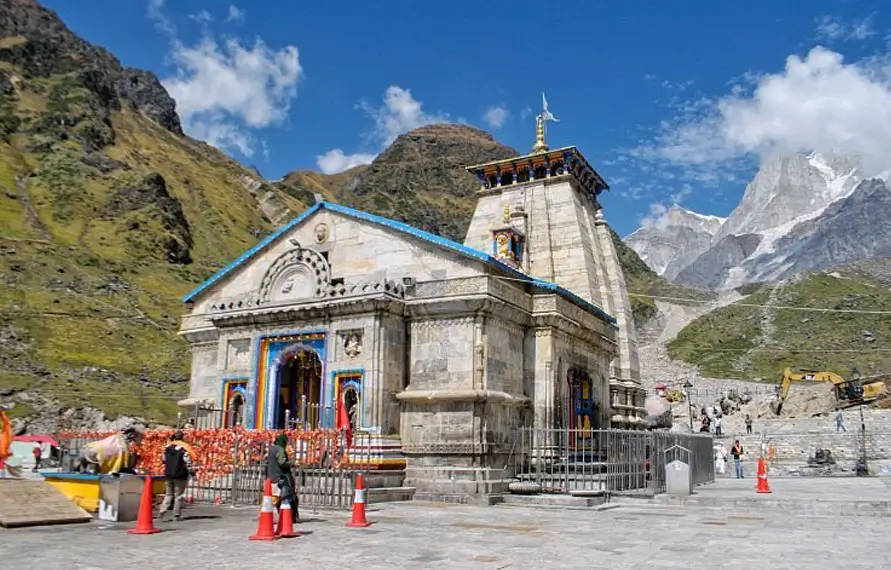
New Delhi - Haridwar -... New Delhi - Haridwar - Rishikesh - Mussoorie - Shyamchatti - Hanumanchatti - Yamunotri - Uttarkashi - Gangotri - Uttarkashi - Triyuginarayan - Gaurikund - Kedarnath - Gaurikund - Rudraprayag - Badrinath - Rudraprayag - Haridwar - New Delhi Show More
 🌙 12 Nights / 13 Days
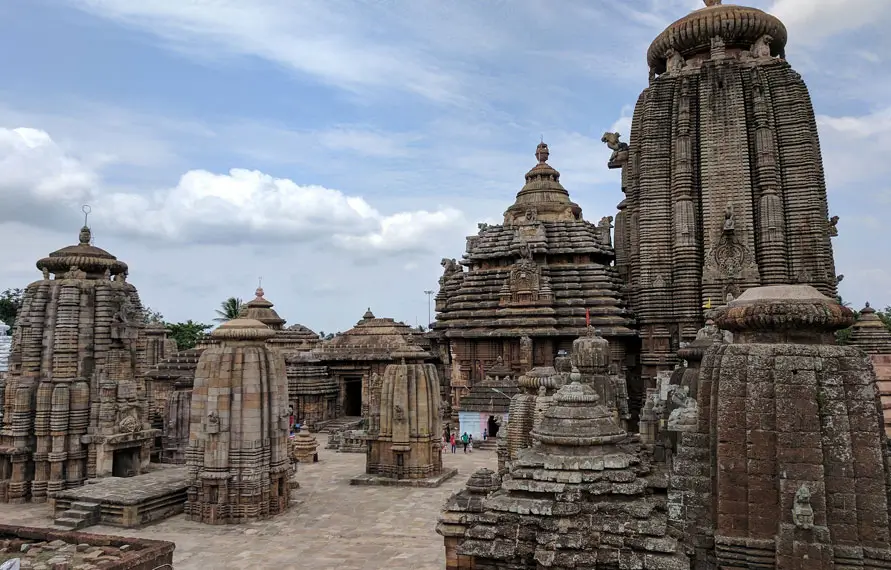
Delhi - Bhubaneswar Konark -... Delhi - Bhubaneswar Konark - Puri - Taptapani - Rayagada - Jeypore - Bhubaneswar - Kolkata - Delhi Show More
 🌙 08 Nights / 09 Days
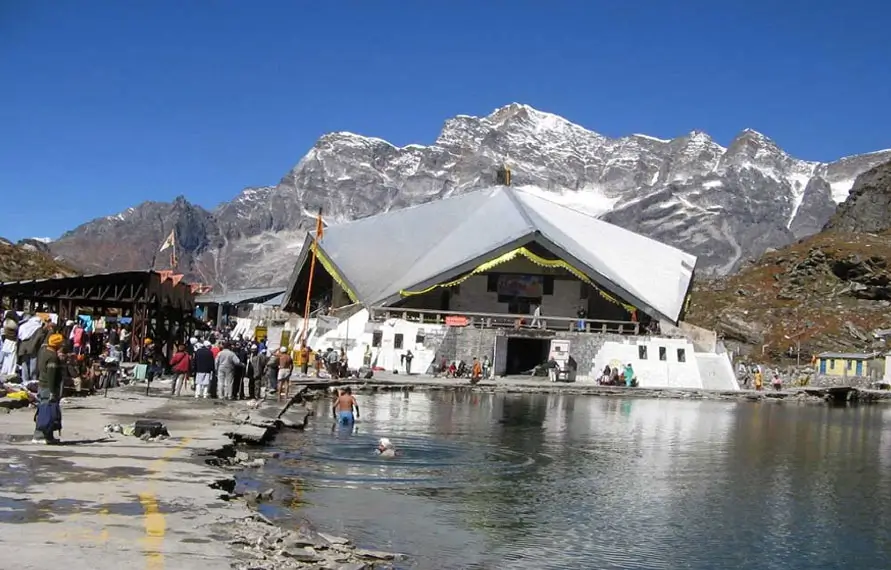
Delhi - Haridwar - Joshimath... Delhi - Haridwar - Joshimath - Ghangaria - Valley of Flowers - Hemkund Sahib - Rishikesh - Delhi Show More
 🌙 12 Nights / 13 Days
⭐ Most Popular
🌙 12 Nights / 13 Days
⭐ Most Popular
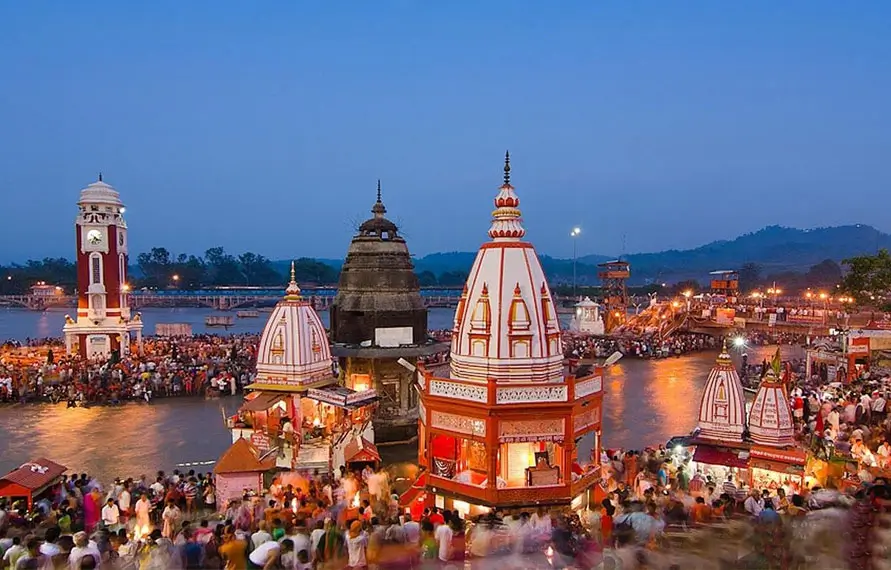
Delhi - Jaipur - Agra... Delhi - Jaipur - Agra - Mathura - Vrindavan - New Delhi - Rishikesh - Haridwar - Varanasi - Delhi Show More
 🌙 06 Nights / 07 Days
Delhi - Ayodhya - Prayagraj... Delhi - Ayodhya - Prayagraj - Varanasi - Delhi Show More
 🌙 12 Nights / 13 Days
Delhi - Agra - Gwalior... Delhi - Agra - Gwalior - Orchha - Khajuraho - Bhopal - Indore - Ujjain - Bhopal - Varanasi -Delhi Show More
 🌙 06 Nights / 07 Days
⭐ Most Popular
🌙 06 Nights / 07 Days
⭐ Most Popular
Lucknow - Ayodhya - Prayagraj... Lucknow - Ayodhya - Prayagraj - Chitrakoot - Prayagraj - Varanasi Show More
 🌙 08 Nights / 09 Days
⭐ Most Popular
🌙 08 Nights / 09 Days
⭐ Most Popular
Delhi - Agra - Jaipur... Delhi - Agra - Jaipur - Haridwar - Rishikesh Show More
Fill out this form with all the required information. Within 12 hours, we will provide you with a tailor-made itinerary at the best price.
Whether you're planning your first India trip or returning to explore deeper — get honest, expert advice from someone who knows every corner of this country. No pressure, no cost.



 info@topindianholidays.net
 +91-8955000999