📅 Last Updated On: 06 Aug 2026
⏱ 10 Min Read
20 Best Places to Visit in Maharashtra from Beaches to Hill Stations
T
Top Indian Holidays
Ministry of Tourism Approved Tour Operator
Maharashtra Travel Guide: A State of Coastlines, Mountains, Heritage and Culture
Located along India's western coastline, Maharashtra is one of the country's most diverse travel destinations. The state is often associated with Mumbai, India's financial capital, but its tourism appeal extends far beyond the city's famous skyline. Maharashtra offers everything from tropical beaches and scenic hill stations to ancient cave complexes, wildlife reserves, vineyards and historic forts.
One of the greatest strengths of Maharashtra tourism is the incredible variety of experiences available within a single state. Travelers can spend one day exploring UNESCO-listed cave monuments, enjoy a luxury beach retreat the next day and later escape to mist-covered mountain landscapes. The region successfully combines natural beauty, cultural heritage and modern hospitality.
International visitors are often surprised by the diversity of landscapes found here. The Arabian Sea coastline stretches for hundreds of kilometers, while the Western Ghats create dramatic mountain scenery filled with waterfalls, forests and charming hill towns. Inland regions offer cultural attractions, religious sites and wildlife destinations that reveal a different side of India.
Luxury travel has also expanded significantly throughout Maharashtra. Premium beach resorts, heritage hotels, vineyard retreats and boutique mountain properties now attract travelers seeking comfort alongside authentic experiences. Whether visitors are interested in history, nature, food, adventure or relaxation, Maharashtra offers something for every type of traveler.
The following destinations represent some of the finest places to include in a Maharashtra travel itinerary.
Explore Maharashtra by Travel Style
Maharashtra covers a vast area, so the best itinerary begins with a travel style and a realistic regional cluster rather than a list of places scattered across the state.
Cities & Culture: Mumbai, Pune and Chhatrapati Sambhajinagar combine museums, food, architecture, markets and major historical landmarks.
Beaches & Coastal Escapes: Alibaug, Tarkarli and Ganpatipule suit different travel times, from quick Mumbai breaks to longer Konkan road trips.
Hill Stations & Monsoon Landscapes: Lonavala, Mahabaleshwar, Panchgani, Matheran, Igatpuri and Bhandardara offer viewpoints, forests, waterfalls and cooler stays.
UNESCO & Heritage Journeys: Ajanta, Ellora, Mumbai’s historic architecture, Pune and Sindhudurg Fort reveal ancient art, Maratha history and colonial-era heritage.
Wildlife & Nature: Tadoba, Great Western Ghats landscapes around Kaas Plateau and the quieter regions around Bhandardara serve safari, biodiversity and photography interests.
Pilgrimage & Spiritual Travel: Nashik, Shirdi, Ganpatipule and temples near Ellora can form focused religious or culture-led circuits.
Adventure & Active Holidays: Kolad is the rafting centre, while forts and trails around Lonavala, Bhandardara, Pune and Igatpuri offer hiking when conditions are safe.
Food, Wine & Luxury: Mumbai, Nashik, Pune, Alibaug and Mahabaleshwar offer the strongest mix of restaurants, vineyards, premium stays and resort experiences.
Quick Comparison Table: 20 Places in Maharashtra
|
Destination
|
Best For
|
Best Time
|
Time Needed
|
| Old Manali |
Culture & cafes |
Mar–Jun, Sep–Nov |
Half/full day |
| Hadimba Temple |
Temple & heritage |
Year-round |
1–2 hours |
| Solang Valley |
Adventure & snow |
Dec–Feb, Apr–Jun |
Half/full day |
| Rohtang Pass |
High-mountain scenery |
Official road season |
Full day |
| Vashisht |
Hot springs & culture |
Mar–Jun, Sep–Nov |
Half day |
| Jogini Waterfall |
Short nature hike |
Mar–Jun, Sep–Nov |
3–4 hours |
| Naggar |
Art & heritage |
Mar–Jun, Sep–Nov |
Half/full day |
| Sissu |
Lahaul scenery |
Apr–Jun, Sep–Oct |
Full day |
| Atal Tunnel |
Scenic drive |
Access permitting |
With Sissu |
| Sethan |
Quiet village & snow |
Mar–Jun; Winter |
1–2 nights |
| Hampta Valley |
Trekking & wilderness |
Jun–Sep |
1–5 days |
| Kullu |
Culture & rafting |
Mar–Jun, Sep–Nov |
Half/full day |
| Kasol |
Riverside & backpacking |
Mar–Jun, Sep–Nov |
1–2 nights |
| Tosh |
Village & views |
Apr–Jun, Sep–Nov |
1–2 nights |
| GHNP |
Wildlife & trekking |
Apr–Jun, Sep–Nov |
2+ days |
| Mall Road |
Shopping & food |
Year-round |
2–3 hours |
| Manu Temple |
Culture & spirituality |
Mar–Jun, Sep–Nov |
1–2 hours |
| Gulaba |
Snow & views |
Seasonal |
Half day |
| Bhrigu Lake |
High-altitude trek |
Late spring–autumn |
2–4 days |
| Manikaran Sahib |
Pilgrimage & springs |
Mar–Jun, Sep–Nov |
Half day |
1. Mumbai – India's Most Dynamic City
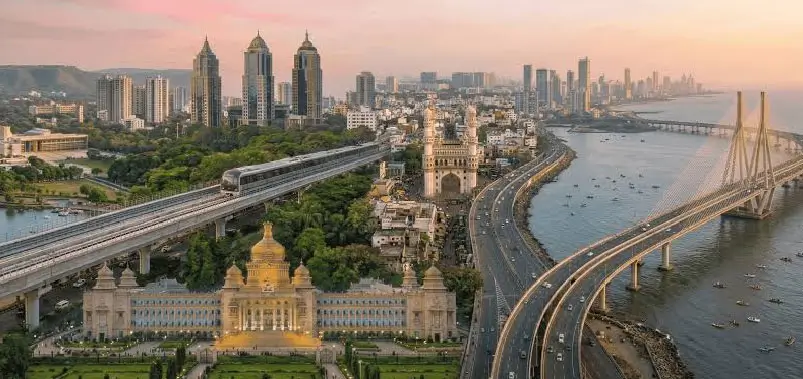
No exploration of Maharashtra can begin anywhere other than Mumbai. Known as the commercial capital of India, the city combines colonial architecture, cultural landmarks, luxury hotels, entertainment districts and vibrant local life. The energy of Mumbai is unlike any other destination in the country.
The city's most famous landmark, the Gateway of India, stands along the waterfront overlooking the Arabian Sea. Nearby, visitors can explore historic districts featuring impressive colonial-era buildings, luxury shopping avenues and cultural institutions. The contrast between heritage architecture and modern skyscrapers reflects Mumbai's constantly evolving identity.
Mumbai is also home to one of the world's most influential film industries, making it an important cultural center. Visitors can enjoy art galleries, museums, culinary experiences and vibrant nightlife. Luxury travelers are particularly drawn to the city's collection of world-class hotels that overlook the sea.
For many international visitors, Mumbai serves as both an introduction to India and a destination worthy of several days of exploration. Its diversity, energy and cultural richness make it one of the most fascinating cities in Asia.
- Why It's Worth Visiting: Mumbai combines landmark architecture, art, food, film culture, coastal views and intense urban energy. It is both Maharashtra's main international gateway and a destination that can fill several days.
- Best Time to Visit: November to February for more comfortable city exploration. June to September brings heavy monsoon rain, dramatic seafront weather and possible transport disruption.
- Top Attractions: Gateway of India, Chhatrapati Shivaji Maharaj Terminus, Marine Drive, Colaba, Elephanta Caves, Kala Ghoda, Chhatrapati Shivaji Maharaj Vastu Sangrahalaya and Bandra.
- Solo Travel Tips: Stay near a suburban railway or metro connection, use registered taxis or app-based transport and avoid empty waterfront stretches late at night. Keep valuables secure in crowded stations and markets.
Explore Maharashtra Comfortably with a Private Car & Driver
Planning to visit Mumbai, Mahabaleshwar, Lonavala, Ajanta & Ellora, Nashik, or the Konkan Coast? Enjoy a hassle-free journey with our private car rental and experienced local drivers for a safe and comfortable travel experience.
2. Lonavala – The Most Famous Hill Station Near Mumbai
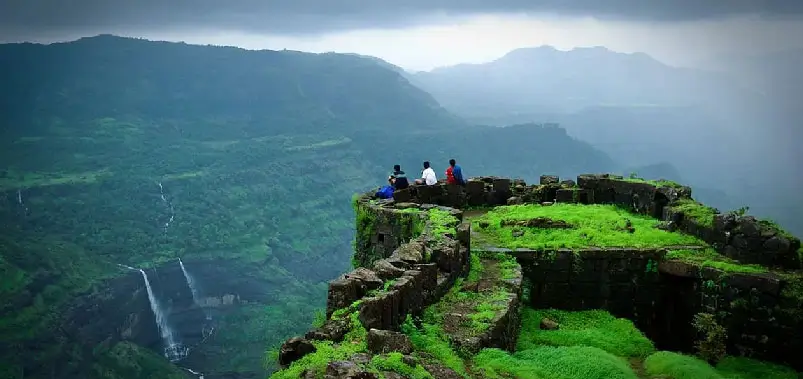
Situated in the Western Ghats between Mumbai and Pune, Lonavala remains one of the most popular hill stations in Maharashtra. Known for its green valleys, waterfalls and pleasant climate, the destination attracts travelers throughout the year.
The monsoon season transforms the region into a spectacular landscape of mist-covered hills and cascading waterfalls. Scenic viewpoints reveal expansive panoramas of valleys and forests while winding mountain roads create memorable driving experiences. Nature lovers often spend entire days exploring the surrounding countryside.
Several historic forts and caves add cultural interest to the destination. The area's combination of natural beauty and heritage attractions makes it suitable for families, couples and adventure enthusiasts alike. Visitors can enjoy hiking, photography and sightseeing while escaping the heat of lower elevations.
Luxury resorts positioned among the hills provide excellent opportunities for relaxation. The accessibility of Lonavala combined with its scenic beauty has helped maintain its status as one of Maharashtra's most beloved mountain destinations.
Why It's Worth Visiting: Lonavala is an accessible Western Ghats escape with viewpoints, caves, forts and seasonal waterfalls. It works well for weekend travelers, families and hikers based in Mumbai or Pune.
Best Time to Visit: June to September for mist, greenery and waterfalls; October to February for cooler sightseeing and trekking. Peak monsoon weekends bring traffic and slippery conditions.
Top Attractions: Karla Caves, Bhaja Caves, Tiger Point, Rajmachi viewpoints, Bhushi Dam area, Lohagad Fort and surrounding valley drives.
Solo Travel Tips: Use reliable transport for scattered attractions, avoid waterfall edges and overflowing dams, and do not attempt fort trails alone in fog or heavy rain. Return before dark on isolated roads.
3. Mahabaleshwar – Strawberry Farms and Mountain Views
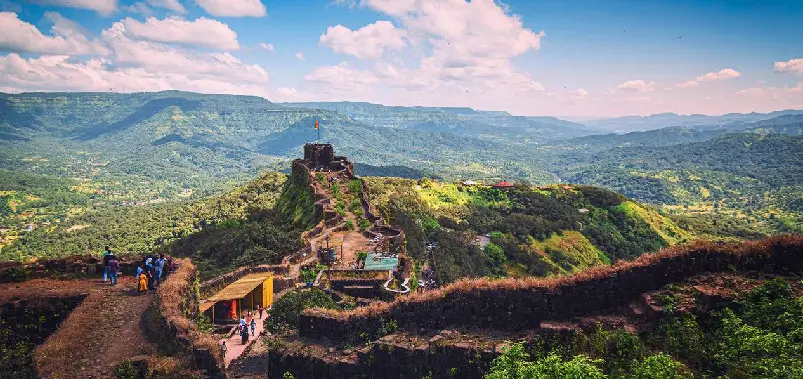
Mahabaleshwar is widely regarded as one of the most beautiful destinations in the Western Ghats. Famous for its cool climate, lush forests and panoramic viewpoints, the hill station has long been a favorite retreat for travelers seeking natural beauty and tranquility.
The region is particularly known for its strawberry cultivation. Visitors can tour farms, sample fresh produce and enjoy products made from locally grown berries. The agricultural landscape adds a distinctive character that differentiates Mahabaleshwar from other hill stations in India.
Numerous viewpoints scattered throughout the area provide breathtaking views of valleys, forests and distant mountain ranges. Locations such as Arthur's Seat and Wilson Point attract photographers and nature enthusiasts looking to capture the beauty of the Western Ghats.
Luxury accommodations and wellness retreats further enhance the destination's appeal. For travelers interested in scenic landscapes, fresh mountain air and relaxed surroundings, Mahabaleshwar remains one of the highlights of Maharashtra tourism.
- Why It's Worth Visiting: Mahabaleshwar offers cool weather, forested drives, valley viewpoints, strawberry farms and a strong range of resorts. It suits couples, families and travelers seeking a comfortable hill-station break.
- Best Time to Visit: October to June for general sightseeing, with strawberry season commonly associated with winter and early spring. Monsoon is lush but viewpoints may be clouded and roads slippery.
- Top Attractions: Arthur's Seat, Wilson Point, Elephant's Head Point, Venna Lake, Mapro Garden, strawberry farms and Pratapgad Fort in the wider area.
- Solo Travel Tips: Choose a central or well-connected hotel, hire a trusted driver for viewpoint circuits and avoid isolated cliff edges. Carry a light jacket and confirm return transport after sunset.
4. Alibaug – Coastal Luxury Near Mumbai
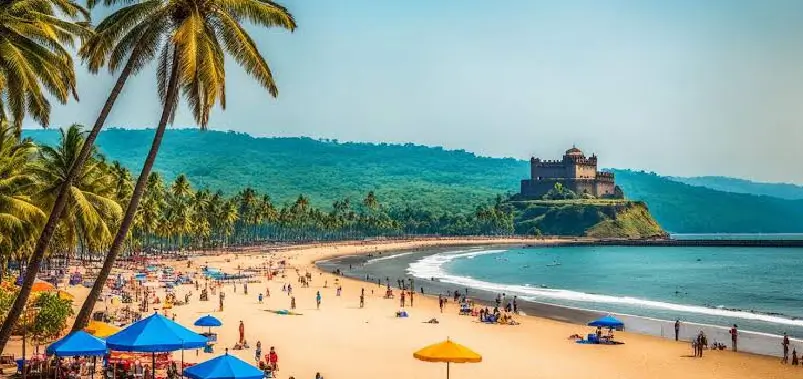
Located along the Konkan Coast, Alibaug has become one of Maharashtra's premier beach destinations. Easily accessible from Mumbai, the town offers sandy beaches, seaside resorts and a more relaxed atmosphere compared to the bustling city.
The coastline features several attractive beaches where visitors can enjoy walks, water activities and beautiful sunsets. The Arabian Sea provides a scenic backdrop while coastal villages contribute to the area's authentic character. Many travelers choose Alibaug as a weekend retreat, but the destination also appeals to international visitors seeking quieter coastal experiences.
Historic forts situated offshore add another dimension to the destination. These structures reflect the maritime history of the region and provide excellent opportunities for sightseeing and photography. The combination of beaches and heritage attractions creates a well-rounded travel experience.
Luxury resorts overlooking the sea have transformed Alibaug into a favored destination for high-end travelers. The area's proximity to Mumbai combined with its coastal charm makes it one of the most attractive beach destinations in Maharashtra.
- Why It's Worth Visiting: Alibaug combines beaches, coastal forts, village landscapes and premium stays within convenient reach of Mumbai. It is ideal for short beach breaks without the travel time required for the southern Konkan.
- Best Time to Visit: November to February for cooler beach weather. October and March can also work, while monsoon rain affects sea conditions and boat services.
- Top Attractions: Alibaug Beach, Kolaba Fort, Nagaon Beach, Kihim Beach, Revdanda Fort, Mandwa and nearby coastal villages.
- Solo Travel Tips: Confirm ferry and road connections in advance, especially during monsoon. Avoid swimming without local safety guidance, keep away from fort routes at high tide and use verified transport after dark.
Create Your Perfect Maharashtra Holiday
Whether you're looking for hill stations, beaches, wildlife safaris, spiritual destinations, or heritage sites, our travel experts can design a personalized Maharashtra itinerary based on your interests and budget.
5. Ajanta Caves – A UNESCO World Heritage Masterpiece
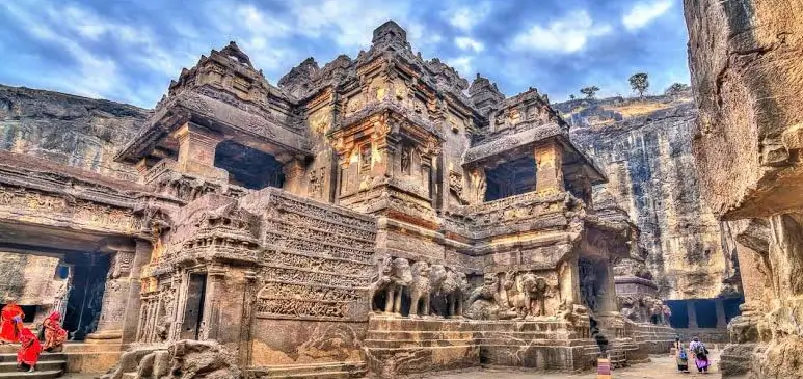
Among India's greatest cultural treasures, the Ajanta Caves represent one of the finest achievements of ancient art and architecture. Carved into a horseshoe-shaped cliff, the caves contain extraordinary murals and sculptures that have survived for centuries.
Visitors exploring the complex encounter intricate artwork depicting religious stories, daily life and historical events. The quality of craftsmanship remains remarkable, providing insight into the artistic sophistication of ancient India. Historians and travelers alike consider the caves among the most significant cultural sites in Asia.
The natural setting contributes to the overall experience. The caves overlook a scenic river valley that enhances the sense of discovery. Walking through the complex allows visitors to appreciate both artistic and architectural achievements on an impressive scale.
For travelers interested in heritage tourism, Ajanta is an essential destination. Its UNESCO status reflects its global importance and ensures that it remains one of the most visited attractions in Maharashtra.
- Why It's Worth Visiting: Ajanta preserves exceptional Buddhist murals, sculptures and rock-cut architecture in a dramatic horseshoe-shaped gorge. It is essential for travelers interested in ancient Indian art and religious history.
- Best Time to Visit: November to February for comfortable walking. October and March are also practical; summer afternoons can be very hot and require an early start.
- Top Attractions: The numbered cave complex, surviving murals, sculptures, prayer halls, monasteries and viewpoints across the Waghora gorge.
- Solo Travel Tips: Use official site transport and guides, carry water and protect yourself from heat. Respect photography restrictions, avoid touching artwork and plan the return journey before the site closes.
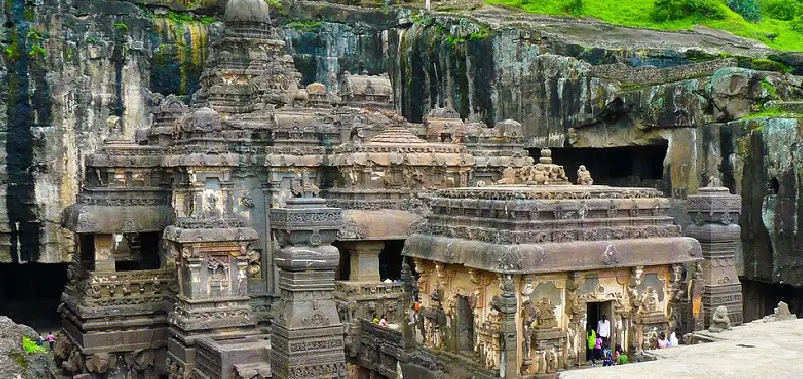
6. Ellora Caves – A Monumental Achievement of Ancient Engineering
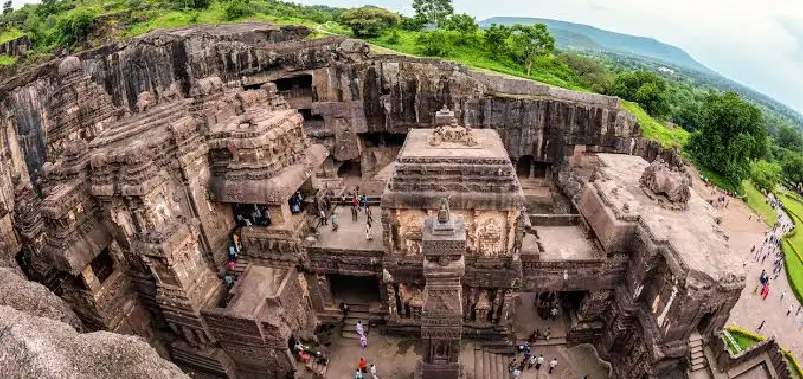
Located near Aurangabad, the Ellora Caves offer another extraordinary example of India's cultural heritage. Unlike many historical sites, Ellora combines monuments associated with multiple religious traditions, reflecting centuries of artistic and spiritual development.
The most famous structure within the complex is the Kailasa Temple, a massive rock-cut monument carved from a single piece of stone. The scale of the achievement continues to astonish visitors and scholars alike. Detailed sculptures cover the surfaces while the overall design demonstrates extraordinary engineering skill.
Exploring Ellora reveals the diversity of India's cultural history. Visitors can admire temples, monasteries and shrines that showcase different artistic styles and traditions. The site provides valuable insight into the region's historical importance.
For international travelers seeking world-class heritage attractions, Ellora ranks among the most impressive destinations in India. Its artistic significance and architectural grandeur make it an essential part of any Maharashtra travel guide.
- Why It's Worth Visiting: Ellora brings Buddhist, Hindu and Jain monuments together in one vast rock-cut complex. The Kailasa Temple alone makes it one of India's most astonishing architectural destinations.
- Best Time to Visit: November to February for comfortable exploration. Start early in warmer months because the complex is extensive and shade is limited in places.
- Top Attractions: Kailasa Temple, Buddhist caves, Hindu caves, Jain caves and nearby Grishneshwar Temple where appropriate to the itinerary.
- Solo Travel Tips: Wear supportive shoes, use an authorized guide if you want historical context and keep valuables secure. Solo travelers should arrange transport back to Chhatrapati Sambhajinagar before evening.
7. Tarkarli – Maharashtra's Tropical Beach Paradise
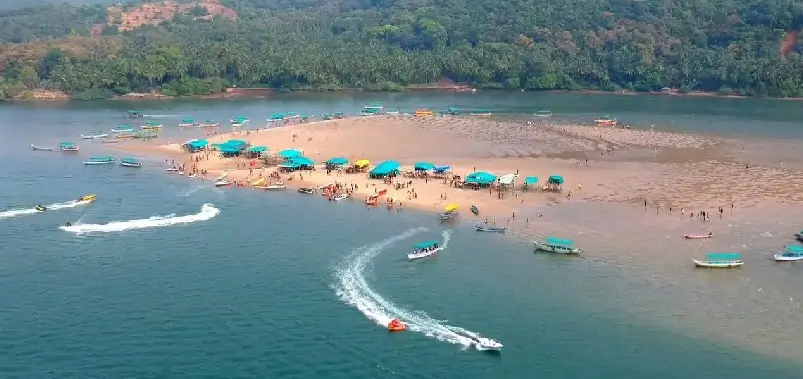
For travelers seeking crystal-clear waters and a more secluded coastal experience, Tarkarli stands out as one of the finest beach destinations in the state. Located in the Konkan region, the destination is known for its pristine coastline, marine activities and relaxed atmosphere.
The beaches here feel markedly different from more crowded coastal destinations. Soft sands, clear waters and relatively low levels of development contribute to the area's appeal. Visitors can enjoy boating, snorkeling and other marine activities while appreciating the natural beauty of the Arabian Sea.
Tarkarli also attracts travelers interested in seafood and local culture. Coastal villages maintain traditional lifestyles while offering visitors opportunities to experience authentic regional cuisine. The peaceful environment makes it particularly attractive for couples and nature lovers.
As awareness of the destination grows, Tarkarli is increasingly recognized as one of Maharashtra's hidden coastal gems and an excellent choice for travelers looking beyond the state's more famous beaches.
- Why It's Worth Visiting: Tarkarli offers clear coastal water, long beaches, marine activities and Malvani food in a less urban setting. It is one of Maharashtra's strongest choices for a relaxed Konkan holiday.
- Best Time to Visit: October to March for beach activities and generally calmer weather. Water sports depend on sea conditions and operator approvals; monsoon travel requires caution.
- Top Attractions: Tarkarli Beach, Devbagh, Karli River backwaters, Tsunami Island area, Sindhudurg Fort excursions and local Malvani villages.
- Solo Travel Tips: Choose licensed water-sport operators, wear life jackets and avoid isolated beach stretches after dark. Confirm local transport because distances between beaches and stays can be inconvenient without a vehicle.
8. Nashik – Vineyards, Spiritual Heritage and Scenic Landscapes
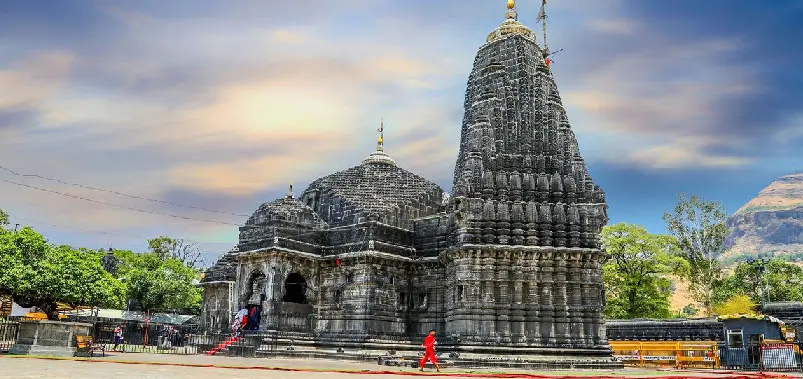
Nashik has emerged as one of the most unique destinations in Maharashtra due to its combination of religious significance, wine tourism and natural beauty. Situated along the banks of the Godavari River, the city attracts pilgrims, food enthusiasts and luxury travelers alike.
The region is internationally recognized as India's wine capital. Expansive vineyards surround the city, offering visitors opportunities to tour wineries, learn about wine production and enjoy tastings in beautiful countryside settings. Several premium vineyard resorts have transformed Nashik into a sophisticated destination that appeals particularly to international travelers.
Beyond wine tourism, Nashik holds immense spiritual importance and features numerous temples and cultural landmarks. The city successfully balances tradition and modernity, creating a destination where visitors can experience both heritage and contemporary hospitality.
For travelers seeking a combination of culture, gastronomy and relaxation, Nashik remains one of the most rewarding destinations within Maharashtra tourism.
- Why It's Worth Visiting: Nashik combines Godavari pilgrimage sites, vineyards, countryside resorts and nearby mountain landscapes. Few Indian destinations blend spiritual heritage and contemporary wine tourism so naturally.
- Best Time to Visit: October to March for comfortable city and vineyard visits. Monsoon makes the surrounding hills green, while major pilgrimage dates bring very large crowds.
- Top Attractions: Ramkund, Panchavati, Kalaram Temple, Trimbakeshwar, vineyards and winery experiences, Pandavleni Caves and nearby Anjaneri landscapes.
- Solo Travel Tips: Pre-book winery transport and tastings, use registered taxis for Trimbakeshwar and avoid isolated ghats after dark. During religious crowds, protect valuables and follow local photography rules.
9. Panchgani – Table Land and Valley Views
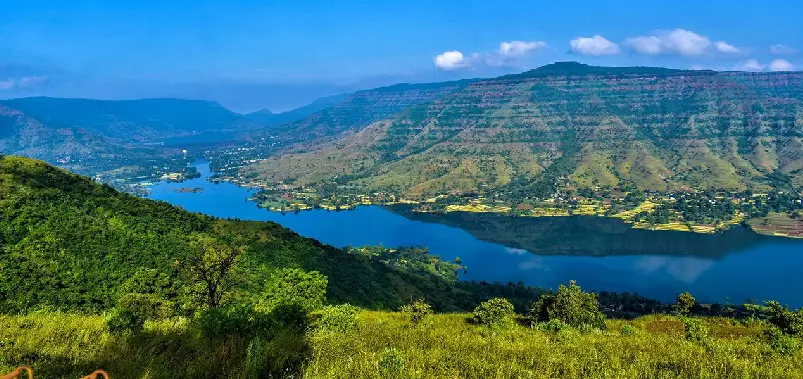
Located near Mahabaleshwar, Panchgani is known for its pleasant climate, colonial charm and spectacular viewpoints. The destination sits at an elevation that provides sweeping views of valleys, forests and distant mountain ranges.
One of its most famous attractions is Table Land, one of Asia's largest volcanic plateaus. The vast open landscape offers incredible panoramic views and serves as a popular location for photography and outdoor activities. Visitors often spend hours exploring the plateau while enjoying the cool mountain air.
The town itself maintains a peaceful atmosphere with tree-lined roads, heritage buildings and scenic surroundings. Compared to larger hill stations, Panchgani feels less crowded while still offering excellent tourism infrastructure.
Its proximity to Mahabaleshwar allows travelers to combine both destinations within a single itinerary, creating a memorable mountain escape in the Western Ghats.
- Why It's Worth Visiting: Panchgani offers a quieter hill-station atmosphere, broad plateau views and easy access to Mahabaleshwar. It is well suited to families, couples and travelers who prefer scenic drives over demanding treks.
- Best Time to Visit: October to May for comfortable weather and clearer viewpoints. Monsoon is green and misty but can obscure views and make plateau paths slippery.
- Top Attractions: Table Land, Sydney Point, Parsi Point, Dhom Dam views, heritage streets and nearby strawberry farms.
- Solo Travel Tips: Visit viewpoints in daylight, stay away from unprotected edges and agree on horse-ride prices beforehand. Use verified transport if your accommodation is outside the town centre.
10. Matheran – India's Unique Vehicle-Free Hill Station
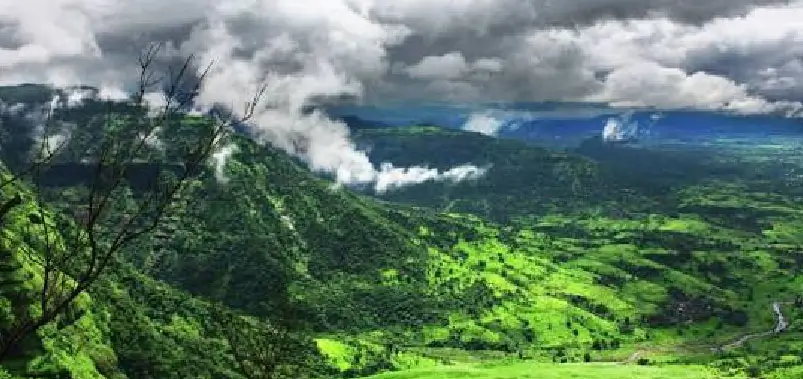
Matheran holds a special distinction as one of the few hill stations in India where motor vehicles are not permitted. This unique characteristic creates an environment that feels remarkably peaceful and refreshing.
Visitors explore the destination on foot, horseback or by using hand-pulled carts, allowing them to experience nature without the noise and traffic common in many tourist destinations. Forested pathways connect numerous viewpoints that overlook dramatic valleys and cliffs.
The absence of vehicles contributes significantly to Matheran's charm. The slower pace encourages visitors to appreciate the surrounding landscapes while enjoying opportunities for walking and photography. During sunrise and sunset, the viewpoints provide spectacular views across the Western Ghats.
For travelers seeking tranquility and a closer connection with nature, Matheran offers an experience unlike any other destination in Maharashtra.
- Why It's Worth Visiting: Matheran's vehicle-free core creates a rare hill-station experience built around forest paths, viewpoints and slower movement. It is particularly attractive for walkers and families seeking a break from traffic.
- Best Time to Visit: October to May for walking and clearer views. Monsoon is lush but trails can be muddy, leeches may be present and heavy rain can affect access.
- Top Attractions: Panorama Point, Echo Point, Charlotte Lake, Louisa Point, Porcupine Point, forest paths and the heritage railway when operational.
- Solo Travel Tips: Arrive before dark, carry only manageable luggage and use official porters or transport services. Wear shoes with grip and avoid secluded viewpoints alone after sunset or during poor visibility.
11. Sindhudurg Fort – A Coastal Stronghold of the Maratha Empire
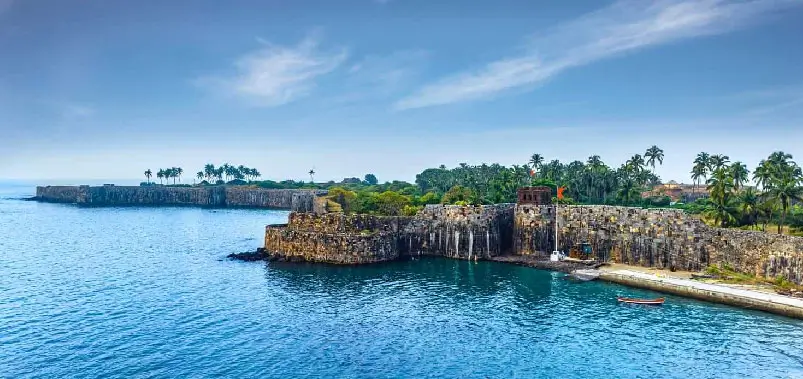
Situated within the Arabian Sea near the Konkan coastline, the Sindhudurg Fort stands as one of the most impressive maritime forts in India. Constructed during the rule of the Maratha Empire, the fort reflects the strategic importance of Maharashtra's coastline throughout history.
Visitors reach the fort by boat, adding a sense of adventure to the experience. Massive stone walls rise directly from the sea while panoramic views of the surrounding coastline create excellent opportunities for photography. Exploring the complex allows travelers to appreciate both its military significance and architectural ingenuity.
The fort's coastal setting enhances its appeal considerably. Nearby beaches and fishing communities provide additional attractions, allowing visitors to combine historical exploration with relaxation and cultural experiences.
For history enthusiasts, Sindhudurg remains one of the most important heritage sites in Maharashtra travel.
- Why It's Worth Visiting: Sindhudurg Fort combines Maratha maritime history with a memorable boat journey and wide Konkan sea views. It fits naturally with Tarkarli and Malvan beach itineraries.
- Best Time to Visit: October to March for more comfortable coastal weather and more reliable boat conditions. Visits depend on tides, sea state and local operations.
- Top Attractions: Fort walls and gateways, historic structures within the complex, sea views, Malvan coast and combined excursions to Tarkarli.
- Solo Travel Tips: Use authorized boats and life jackets, follow tide and weather instructions and wear non-slip footwear. Keep enough time to return before boat services finish.
Continue Your Journey Beyond Maharashtra
Combine Maharashtra with Rajasthan, Goa, Kerala, Gujarat, or the Golden Triangle for an unforgettable India holiday. We offer fully customized private tours with experienced drivers and 24/7 travel assistance.
12. Tadoba National Park – Maharashtra's Premier Tiger Reserve
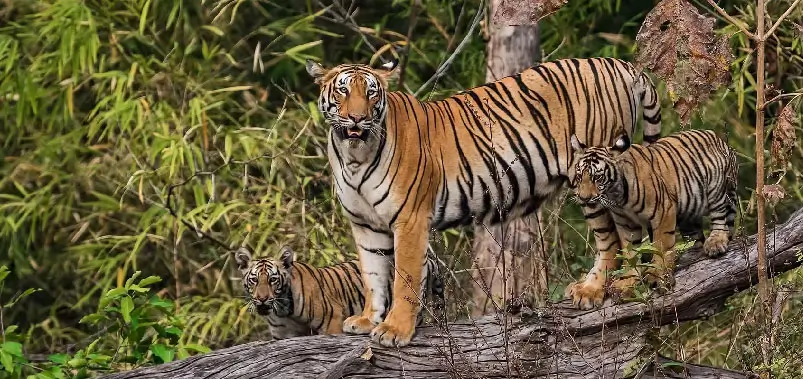
Among wildlife destinations in Maharashtra, Tadoba National Park occupies a position of exceptional importance. The reserve has gained international recognition for its healthy tiger population and excellent safari opportunities.
The park's forests, grasslands and water bodies support a wide range of wildlife species. While tigers remain the main attraction, visitors may also encounter leopards, sloth bears, wild dogs, deer and numerous bird species. The diversity of habitats contributes significantly to the quality of wildlife viewing experiences.
Safari excursions are led by experienced guides who help visitors understand the park's ecosystems and conservation efforts. Early morning drives often provide the best opportunities for sightings while allowing travelers to enjoy the beauty of the landscape.
Luxury safari lodges surrounding the reserve have elevated the overall visitor experience. For wildlife enthusiasts, Tadoba ranks among the finest safari destinations in India.
- Why It's Worth Visiting: Tadoba is Maharashtra's leading tiger landscape and one of India's most rewarding safari destinations. Forests, lakes and grasslands support diverse wildlife beyond the headline tiger sightings.
- Best Time to Visit: November to February for cooler drives and birdlife; March to June for heat but stronger chances of wildlife near water. Zones and gates follow official schedules.
- Top Attractions: Moharli, Kolara and other operational safari gates, Tadoba Lake landscapes, buffer zones and wildlife including tigers, leopards, sloth bears, wild dogs and birds.
- Solo Travel Tips: Book permits through official channels and match accommodation to the assigned gate. Follow naturalist instructions, wear neutral clothing and never leave the safari vehicle except where explicitly allowed.
13. Bhandardara – Lakes, Waterfalls and Mountain Scenery
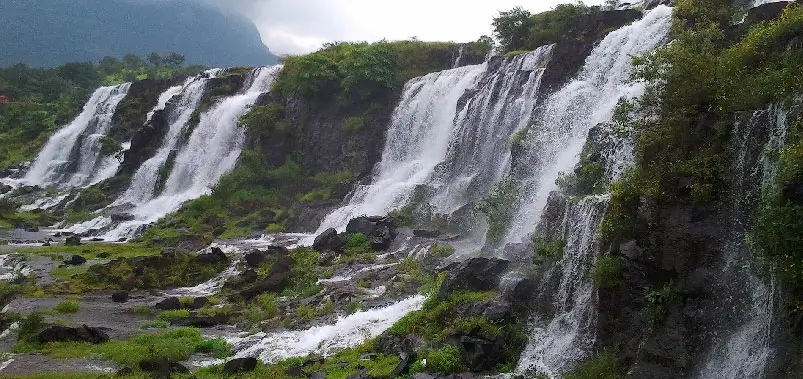
Bhandardara remains one of Maharashtra's most scenic yet relatively underappreciated destinations. Surrounded by mountains, lakes and forests, the region offers a peaceful escape from urban life.
The centerpiece of the area is Arthur Lake, whose calm waters reflect the surrounding hills and create beautiful photographic opportunities. During the monsoon season, waterfalls throughout the region become particularly impressive, transforming the landscape into a lush green paradise.
The destination appeals strongly to nature lovers and outdoor enthusiasts. Visitors can enjoy boating, hiking and scenic drives while exploring one of the most beautiful parts of the Western Ghats. The relatively low level of commercial development contributes to the area's tranquil atmosphere.
For travelers seeking offbeat natural destinations within Maharashtra, Bhandardara provides exceptional beauty and serenity.
- Why It's Worth Visiting: Bhandardara offers lake views, waterfalls, forts and quiet Western Ghats scenery with less commercial development than major hill stations. It suits nature lovers, campers and photographers.
- Best Time to Visit: June to September for waterfalls and green landscapes; October to February for cooler weather, clearer walks and camping. Heavy rain may affect roads and trails.
- Top Attractions: Arthur Lake, Wilson Dam, Randha Falls, Umbrella Falls when flowing, Ratangad Fort, Amruteshwar Temple and Kalsubai region views.
- Solo Travel Tips: Pre-book a verified stay or campsite, carry cash and offline maps and avoid unregulated cliff or waterfall camping. Hire a local guide for forts and do not hike alone in fog or darkness.
14. Kolad – Adventure Tourism on the Kundalika River
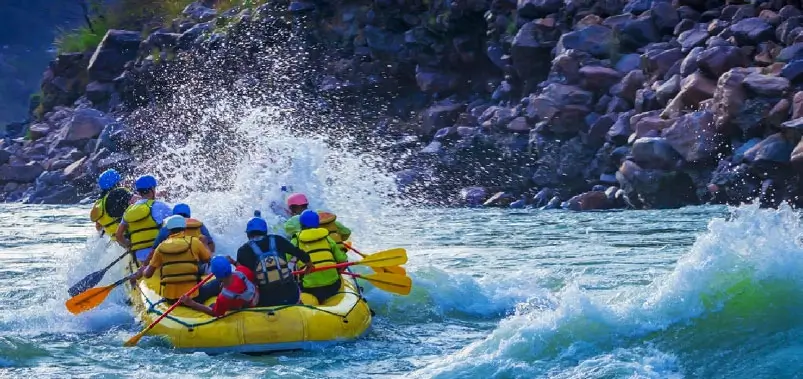
Kolad has become one of Maharashtra's leading adventure tourism destinations due to its excellent rafting opportunities. Located along the Kundalika River, the region attracts travelers looking for outdoor excitement and scenic landscapes.
River rafting remains the primary attraction, with water releases creating favorable conditions for adventure activities throughout much of the year. The surrounding forests and river valleys add to the overall experience while providing opportunities for photography and nature exploration.
Camping has also become increasingly popular in the area. Many travelers choose overnight stays that combine rafting with riverside accommodations and outdoor experiences. The destination appeals to groups, families and solo adventurers alike.
For visitors seeking an active holiday, Kolad demonstrates another side of Maharashtra tourism beyond beaches and cultural landmarks.
- Why It's Worth Visiting: Kolad is Maharashtra's best-known rafting base and a convenient active getaway from Mumbai or Pune. River experiences can be combined with camping and forest scenery.
- Best Time to Visit: Rafting availability depends on controlled water releases, operator schedules and safety conditions rather than season alone. Cooler months are comfortable; monsoon scenery is especially green.
- Top Attractions: Authorized Kundalika rafting stretches, riverside camps, Tala Fort and nearby waterfalls or trails when safely accessible.
- Solo Travel Tips: Book only licensed operators, wear provided safety equipment and disclose medical concerns. Avoid alcohol before activities, keep valuables at camp and arrange transport because local connections can be limited.
15. Aurangabad – Gateway to Maharashtra's Heritage Treasures
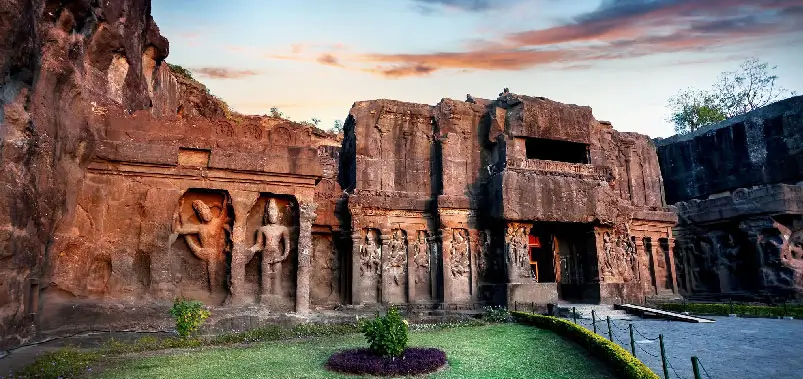
Aurangabad serves as the primary gateway to both Ajanta and Ellora while also offering important attractions of its own. The city reflects centuries of history and remains one of Maharashtra's most significant cultural centers.
Historic monuments, gardens and museums provide insight into the region's past while creating opportunities for educational and cultural exploration. The city's location makes it an ideal base for travelers interested in heritage tourism.
Luxury hotels and improved tourism infrastructure have enhanced Aurangabad's appeal among international visitors. The ability to access multiple UNESCO World Heritage Sites from a single destination makes it particularly convenient for those interested in history and architecture.
For travelers exploring the cultural side of Maharashtra, Aurangabad remains indispensable.
- Why It's Worth Visiting: Chhatrapati Sambhajinagar, historically known as Aurangabad, is the practical base for Ajanta and Ellora and contains major monuments of its own. It allows travelers to explore several heritage periods from one city.
- Best Time to Visit: November to February for comfortable sightseeing. Summer is hot, so early starts and rest breaks are important.
- Top Attractions: Bibi Ka Maqbara, Daulatabad Fort, Panchakki, local museums and excursions to Ajanta, Ellora and Grishneshwar.
- Solo Travel Tips: Use a reliable driver for full-day heritage circuits, avoid isolated fort sections near closing time and carry water. Confirm attraction closure days before assigning Ajanta and Ellora to specific dates.
16. Igatpuri – Misty Mountains and Wellness Retreats
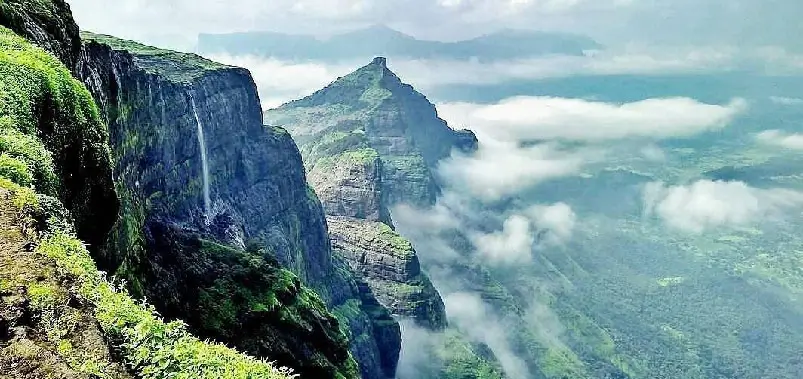
Situated within the Western Ghats, Igatpuri is known for its mountain scenery, waterfalls and wellness centers. The destination has become particularly popular among travelers seeking relaxation and nature-focused experiences.
The landscape features rolling hills, forests and dramatic viewpoints that become especially beautiful during the monsoon season. Mist frequently covers the mountains, creating a peaceful and atmospheric environment.
Luxury wellness retreats and meditation centers have further strengthened the destination's reputation. Visitors often combine nature exploration with wellness programs, making Igatpuri an attractive choice for those looking to recharge and unwind.
Its accessibility from Mumbai and Nashik contributes significantly to its growing popularity.
- Why It's Worth Visiting: Igatpuri combines mountain scenery, monsoon waterfalls, meditation centres and wellness retreats close to Mumbai and Nashik. It is ideal for short restorative breaks.
- Best Time to Visit: June to September for mist and waterfalls; October to February for cooler outdoor sightseeing. Monsoon visitors should expect reduced visibility and slippery terrain.
- Top Attractions: Vipassana International Academy, Bhatsa River Valley viewpoints, Camel Valley, Tringalwadi Fort and seasonal waterfalls around the region.
- Solo Travel Tips: Choose accommodation with transport support, avoid roadside waterfall crowds and use a guide for fort routes. Solo travelers should return from viewpoints before fog, rain or darkness reduces visibility.
17. Pune – Heritage, Culture and a Modern Urban Spirit
Pune brings together Maratha history, university culture, museums, food and a lively contemporary identity. Once the seat of the Peshwas, the city contains historic landmarks that help visitors understand Maharashtra beyond Mumbai and the coastal resorts.
Its location also makes Pune a useful gateway to forts, hill stations and temple towns across western Maharashtra. Travelers can spend a day exploring old neighbourhoods and another visiting the wider Sahyadri region.
- Why It's Worth Visiting: Pune offers a balanced city break with Maratha heritage, cultural institutions, food and easy access to the Western Ghats. It suits history lovers, families and travelers building a longer Maharashtra road trip.
- Best Time to Visit: October to February for comfortable city exploration. Monsoon is pleasant but wet, while March to May can be hot in the afternoons.
- Top Attractions: Shaniwar Wada, Aga Khan Palace, Pataleshwar Cave Temple, Raja Dinkar Kelkar Museum, Sinhagad Fort, old-city markets and Koregaon Park.
- Solo Travel Tips: Use app-based or registered transport, plan fort visits in daylight and keep valuables secure in crowded markets. Choose a central neighbourhood with reliable late-evening transport.
18. Shirdi – One of India’s Most Important Pilgrimage Towns
Shirdi is associated with Sai Baba and receives pilgrims from across India and overseas. The temple complex, devotional atmosphere and community services make it one of Maharashtra’s most significant spiritual destinations.
Many visitors combine Shirdi with Nashik, Trimbakeshwar or other religious sites in northern Maharashtra. Good road and rail connections make it practical to include within a focused pilgrimage itinerary.
- Why It's Worth Visiting: Shirdi offers a deeply devotional experience centred on Sai Baba’s teachings and legacy. It is suitable for pilgrims, families and travelers interested in modern Indian spiritual traditions.
- Best Time to Visit: October to March for more comfortable weather. Thursdays, weekends and major religious dates can be extremely crowded, so bookings and extra time are important.
- Top Attractions: Shri Sai Baba Samadhi Mandir, Dwarkamai, Chavadi, Gurusthan, Lendi Baug and the museum or trust facilities around the temple complex.
- Solo Travel Tips: Book accommodation and official darshan arrangements in advance, keep valuables secure in crowds and use authorized counters. Avoid unofficial agents promising special access.
Plan Your Perfect Maharashtra Getaway with Top Indian Holidays
From the vibrant streets of Mumbai and the pristine beaches of Konkan to the misty hills of Mahabaleshwar and the ancient caves of Ajanta & Ellora, Maharashtra offers unforgettable experiences for every traveller. Our customized tour packages include private transport, comfortable hotels, and flexible itineraries tailored to your preferences.
19. Ganpatipule – A Temple Beach on the Konkan Coast
Ganpatipule combines a long Konkan beach with an important Ganesh temple and a quiet coastal landscape. The destination appeals to pilgrims and beach travelers alike, creating a more reflective atmosphere than many resort-focused seaside towns.
The surrounding Ratnagiri region adds coastal drives, forts, mango orchards and local food. This makes Ganpatipule a strong base for exploring a culturally rich section of the Konkan.
- Why It's Worth Visiting: Ganpatipule is worth visiting for its unusual combination of pilgrimage, beach scenery and relaxed Konkan culture. It suits families, couples and travelers seeking a quieter coast.
- Best Time to Visit: October to March for pleasant beach and temple visits. Monsoon is scenic but brings rough sea conditions and heavy rain.
- Top Attractions: Ganpatipule Temple, Ganpatipule Beach, Prachin Konkan Museum, Aare-Ware viewpoints, Jaigad Fort and Ratnagiri excursions.
- Solo Travel Tips: Swim only in safe, supervised areas and respect temple dress and photography rules. Arrange transport for remote viewpoints and avoid empty beaches after dark.
20. Kaas Plateau – Maharashtra’s Seasonal Valley of Flowers
Kaas Plateau near Satara is a UNESCO-recognized biodiversity landscape known for its seasonal wildflower bloom. During the right weeks, the lateritic plateau becomes a shifting mosaic of small flowers, grasses and endemic plants.
The experience is highly seasonal and carefully managed to protect the fragile habitat. Visitors need realistic expectations because bloom timing changes with rainfall, temperature and ecological conditions.
- Why It's Worth Visiting: Kaas Plateau offers one of Maharashtra’s most distinctive seasonal nature experiences. It is especially rewarding for botanists, photographers and travelers interested in Western Ghats biodiversity.
- Best Time to Visit: The flowering season is generally associated with the late monsoon, often August to October, but exact bloom and visitor arrangements must be checked for the current year.
- Top Attractions: Kaas Plateau flower zones, Kaas Lake, Thoseghar Falls, Sajjangad and Satara’s surrounding plateau landscapes.
- Solo Travel Tips: Use official booking and entry systems, stay on marked paths and never pick or trample flowers. Visit during assigned daylight slots and arrange return transport because local connectivity can be limited.
Suggested Maharashtra Itineraries
These routes are practical starting points. Add buffer time for traffic, monsoon conditions, safari schedules and coastal transport.
5 Days: Mumbai, Lonavala and Pune
- Day 1: Mumbai heritage district, Gateway of India and Marine Drive.
- Day 2: Mumbai museums, markets and neighbourhood experiences.
- Day 3: Drive to Lonavala for caves, viewpoints and hill scenery.
- Day 4: Continue to Pune; visit Shaniwar Wada and city landmarks.
- Day 5: Aga Khan Palace or Sinhagad excursion, then depart.
7 Days: Mumbai, Alibaug and Hill Stations
- Day 1-2: Explore Mumbai.
- Day 3: Transfer to Alibaug; beach and fort experiences subject to tides.
- Day 4: Alibaug to Lonavala.
- Day 5: Lonavala sightseeing and drive toward Panchgani.
- Day 6: Panchgani and Mahabaleshwar viewpoints.
- Day 7: Return to Pune or Mumbai.
6 Days: Ajanta, Ellora, Nashik and Shirdi
- Day 1: Arrive in Chhatrapati Sambhajinagar and explore the city.
- Day 2: Full-day Ajanta Caves visit.
- Day 3: Ellora Caves, Daulatabad and nearby heritage.
- Day 4: Drive to Shirdi for pilgrimage.
- Day 5: Shirdi to Nashik; visit Panchavati or vineyards according to interest.
- Day 6: Trimbakeshwar or Nashik sightseeing, then depart.
8 Days: Konkan Coast Journey
- Day 1: Mumbai to Alibaug.
- Day 2: Alibaug beaches and coastal forts.
- Day 3: Drive south toward Ratnagiri with scenic stops.
- Day 4: Ganpatipule and nearby coast.
- Day 5: Continue toward Malvan or Tarkarli.
- Day 6: Tarkarli beach and approved marine activities.
- Day 7: Sindhudurg Fort and Malvan culture.
- Day 8: Depart via Goa, Sindhudurg region or an onward rail connection.
5 Days: Tadoba Wildlife Extension
- Day 1: Fly or travel to Nagpur and transfer to the selected Tadoba gate.
- Day 2-3: Authorized morning and afternoon safaris.
- Day 4: Buffer-zone experience, birding or lodge-based nature activities.
- Day 5: Return to Nagpur and depart.
Best Time to Visit Maharashtra
The ideal season depends on the region. Coastal humidity, plateau heat, monsoon rainfall and wildlife conditions vary sharply across the state.
November to February: The most comfortable period for Mumbai, heritage sites, beaches, pilgrimage towns, vineyards and general road travel.
March to May: Hot conditions across much of the state, but hill stations remain popular. Start city and cave sightseeing early and plan shaded breaks.
June to September: Monsoon transforms the Western Ghats, waterfalls and hill stations. Heavy rain can disrupt roads, ferries, treks and coastal activities.
Wildlife and Seasonal Nature: Tadoba safari experiences vary from cool winter drives to hotter summer sightings. Kaas Plateau follows a short bloom period that changes each year.
How to Reach Maharashtra
Maharashtra has strong air, rail and road connections, but the right gateway depends on the chosen regional circuit.
By Air: Mumbai is the principal international gateway. Pune and Nagpur are major domestic gateways, while other airports can support regional itineraries depending on schedules.
By Train: Mumbai, Pune, Nashik Road, Nagpur, Chhatrapati Sambhajinagar, Kolhapur, Ratnagiri and other cities are connected by extensive rail networks.
By Road: Expressways and highways connect the principal cities, but Konkan roads, ghats and rural routes take longer than map distances suggest. Use realistic buffers.
Getting Around Maharashtra
Avoid combining distant regions without accounting for long transfers. Cluster destinations around Mumbai-Konkan, Pune-Western Ghats, Nashik, Marathwada or Vidarbha.
Private Car with Driver: Best for multi-city circuits, heritage routes, hill stations and the Konkan where attractions are spread out.
Trains: Useful for long intercity sectors such as Mumbai-Pune, Mumbai-Nashik, Mumbai-Ratnagiri or connections toward Nagpur.
Flights: Can save time between Mumbai and distant regions such as Nagpur when combining western Maharashtra with Tadoba.
Local Transport: Mumbai and Pune have extensive public transport, while smaller towns depend more on taxis, auto-rickshaws or pre-arranged cars.
Ferries and Boats: Mumbai-Alibaug ferries and coastal fort boats operate according to weather, tides and official schedules. Confirm before travel.
Responsible Travel in Maharashtra
From crowded cities and pilgrimage centres to fragile beaches, forests and flower plateaus, Maharashtra needs different kinds of responsible visitor behaviour.
Protect beaches and rivers: Carry waste back, avoid single-use plastic and never leave religious offerings, bottles or food packaging near water.
Respect heritage: Do not touch cave paintings, sculptures or fort structures. Follow photography and footwear rules at protected sites.
Use authorized wildlife services: Book official safari permits, stay inside vehicles and never pressure guides to approach animals.
Follow monsoon safety: Avoid overflowing dams, unstable cliffs, flooded roads and waterfall edges, even when crowds are present.
Support local communities: Choose local guides, homestays, crafts, food and responsible coastal operators.
Respect pilgrimage etiquette: Dress appropriately, follow queue systems and avoid unofficial agents offering privileged access.
Protect seasonal habitats: At Kaas and other biodiversity sites, remain on marked paths and never pick or trample flowers.
Plan low-impact transport: Combine nearby places, use trains where practical and avoid unnecessary vehicle idling in hill towns and wildlife zones.
Why Maharashtra Offers One of India's Most Diverse Travel Experiences
Few states in India provide the extraordinary variety found in Maharashtra. Travelers can explore vibrant metropolitan cities, relax on tropical beaches, hike through mountain landscapes, observe wildlife, visit UNESCO World Heritage Sites and enjoy luxury vineyard retreats - all within the same state.
The diversity of experiences ensures that Maharashtra appeals to nearly every type of traveler. History enthusiasts can admire ancient cave monuments, nature lovers can explore hill stations and wildlife reserves, while luxury travelers can enjoy world-class resorts and boutique properties.
The state's extensive coastline, cultural heritage and natural beauty continue to attract visitors from around the world. Whether the focus is relaxation, adventure, heritage or gastronomy, Maharashtra consistently delivers memorable travel experiences.
Related Guides



 info@topindianholidays.net
 +91-8955000999