📅 Last Updated On: 02 Sep 2026
⏱ 10 Min Read
30 Famous Krishna Temples in India Every Devotee Should Visit
T
Top Indian Holidays
Ministry of Tourism Approved Tour Operator
30 Famous Krishna Temples in India: Complete Travel Guide
Krishna is worshipped across India in many beloved forms: as Bal Gopal, the playful child; Banke Bihari, the charming cowherd; Dwarkadhish, the king of Dwarka; Shrinathji, the lifter of Govardhan; Jagannath, lord of the universe; and Vitthal, the deity at the heart of Maharashtra's Varkari tradition.
This diversity makes a Krishna pilgrimage far richer than a visit to one destination. Mathura and Vrindavan are central to the story of Krishna's birth and early life, while Dwarka is associated with his royal kingdom. Udupi, Guruvayur, Nathdwara, Puri and many regional shrines preserve distinct rituals, architecture, food traditions and festivals.
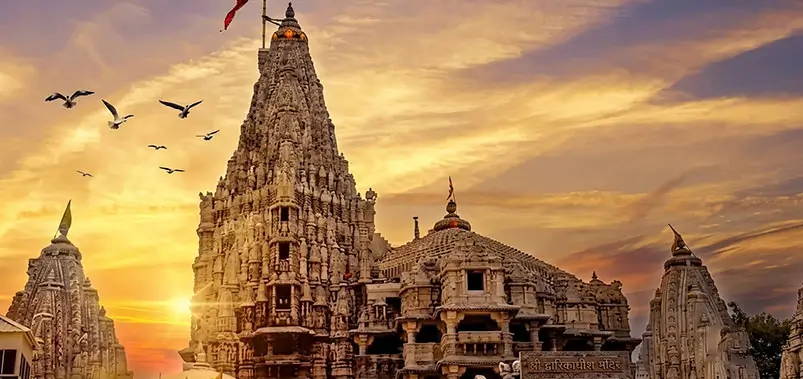
This guide brings together 30 famous Krishna temples in India. The list is arranged by region rather than religious rank because every temple belongs to a different living tradition. It also includes practical route ideas, the best time to travel, temple etiquette and answers to common planning questions.
Important: Temple timings, entry rules, dress codes and darshan arrangements can change during festivals or special rituals. Confirm the latest information with the temple administration or the relevant official tourism authority before travelling.
Where Every Temple Tells a Different Krishna Story
Child Krishna, Banke Bihari, Shrinathji, Dwarkadhish and Jagannath—each temple reveals a different expression of devotion. Let your journey connect these traditions while allowing enough time for meaningful darshan and discovery.
30 Famous Krishna Temples in India at a Glance
| No. |
Temple |
Location |
Best known for |
| 1 |
Shri Krishna Janmabhoomi |
Mathura, Uttar Pradesh |
Traditional birthplace of Lord Krishna |
| 2 |
Dwarkadhish Temple |
Mathura, Uttar Pradesh |
Krishna worshipped in royal form |
| 3 |
Banke Bihari Temple |
Vrindavan, Uttar Pradesh |
Distinctive darshan tradition |
| 4 |
Radha Raman Temple |
Vrindavan, Uttar Pradesh |
Historic Gaudiya Vaishnava shrine |
| 5 |
Radha Damodar Temple |
Vrindavan, Uttar Pradesh |
Sacred associations with Gaudiya saints |
| 6 |
Radha Vallabh Temple |
Vrindavan, Uttar Pradesh |
Radha-centred devotional tradition |
| 7 |
ISKCON Krishna Balaram Mandir |
Vrindavan, Uttar Pradesh |
Kirtan and international devotee community |
| 8 |
Prem Mandir |
Vrindavan, Uttar Pradesh |
White-stone architecture and evening illumination |
| 9 |
Dwarkadhish Temple |
Dwarka, Gujarat |
Krishna as the king of Dwarka |
| 10 |
Bet Dwarka Temple |
Devbhoomi Dwarka, Gujarat |
Island associated with Krishna's residence |
| 11 |
Ranchhodraiji Temple |
Dakor, Gujarat |
Krishna worshipped as Ranchhodrai |
| 12 |
Bhalka Tirth |
Near Somnath, Gujarat |
Site linked with Krishna's final earthly episode |
| 13 |
Shrinathji Temple |
Nathdwara, Rajasthan |
Pushtimarg worship and multiple daily darshans |
| 14 |
Govind Dev Ji Temple |
Jaipur, Rajasthan |
Royal association and large congregational worship |
| 15 |
Sanwaliya Seth Temple |
Chittorgarh district, Rajasthan |
Popular regional form of Krishna |
| 16 |
Jagannath Temple |
Puri, Odisha |
Jagannath tradition and Rath Yatra |
| 17 |
Sakshi Gopal Temple |
Sakhigopal, Odisha |
Krishna worshipped as Gopal |
| 18 |
Udupi Sri Krishna Temple |
Udupi, Karnataka |
Child Krishna and Kanakana Kindi darshan |
| 19 |
Venugopala Swamy Temple |
Mandya district, Karnataka |
Krishna as the divine flute player |
| 20 |
Krishna Temple |
Hampi, Karnataka |
Vijayanagara-period architecture |
| 21 |
Guruvayur Sri Krishna Temple |
Guruvayur, Kerala |
Major South Indian Krishna pilgrimage centre |
| 22 |
Ambalappuzha Sree Krishna Swamy Temple |
Alappuzha district, Kerala |
Famous sweet milk-rice offering |
| 23 |
Trichambaram Krishna Temple |
Kannur district, Kerala |
Northern Kerala temple tradition |
| 24 |
Thiruvarppu Sri Krishna Temple |
Kottayam district, Kerala |
Early-morning worship tradition |
| 25 |
Parthasarathy Temple |
Chennai, Tamil Nadu |
Krishna as Arjuna's charioteer |
| 26 |
Rajagopalaswamy Temple |
Mannargudi, Tamil Nadu |
Large historic temple complex |
| 27 |
ISKCON Sri Sri Radha Rasabihari Temple |
Mumbai, Maharashtra |
Accessible urban Krishna worship |
| 28 |
Vitthal Rukmini Temple |
Pandharpur, Maharashtra |
Varkari pilgrimage tradition |
| 29 |
Shree Govindajee Temple |
Imphal, Manipur |
Krishna devotion and Manipuri Vaishnava culture |
| 30 |
Doul Govinda Temple |
North Guwahati, Assam |
Important Krishna shrine of Assam |
Krishna Temples in Mathura and Vrindavan
The wider Braj region is the natural starting point for a first Krishna pilgrimage. Mathura is traditionally associated with Krishna's birth, while Vrindavan preserves memories of his childhood, youthful pastimes and bond with Radha and the gopis.
1. Shri Krishna Janmabhoomi, Mathura
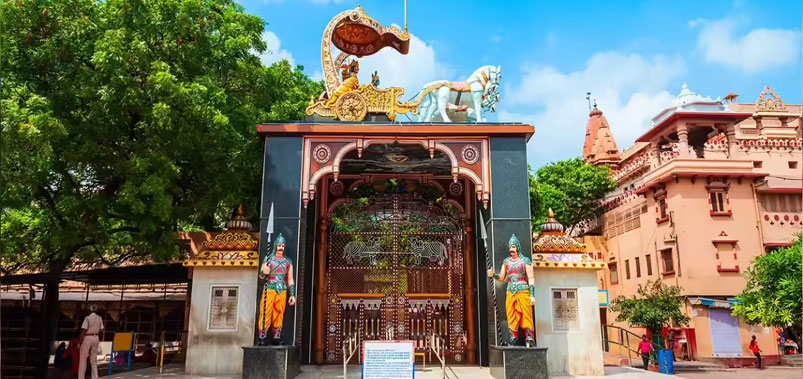
Shri Krishna Janmabhoomi is revered as the traditional birthplace of Lord Krishna and is one of India's most important Krishna pilgrimage sites. The complex becomes especially busy during Janmashtami, when devotees arrive from across the country.
Security screening is usually strict, and restrictions may apply to phones, cameras, bags and other personal items. Keep extra time for entry and combine the visit with Mathura's old lanes and Vishram Ghat rather than treating the city only as a transit point for Vrindavan.
2. Dwarkadhish Temple, Mathura
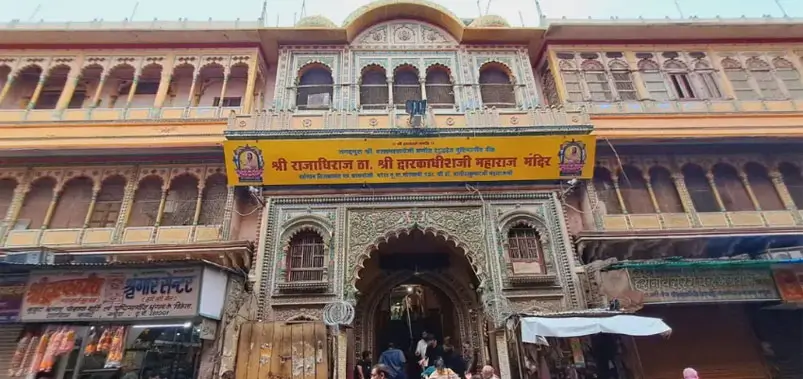
Located in Mathura's old city, this temple presents Krishna as Dwarkadhish, the king of Dwarka. It should not be confused with the larger temple of the same name in Gujarat.
The temple fits naturally into a walking route through the old city and nearby Vishram Ghat. Narrow, crowded lanes make walking, a cycle-rickshaw or local electric transport more practical than a large tourist vehicle.
3. Banke Bihari Temple, Vrindavan
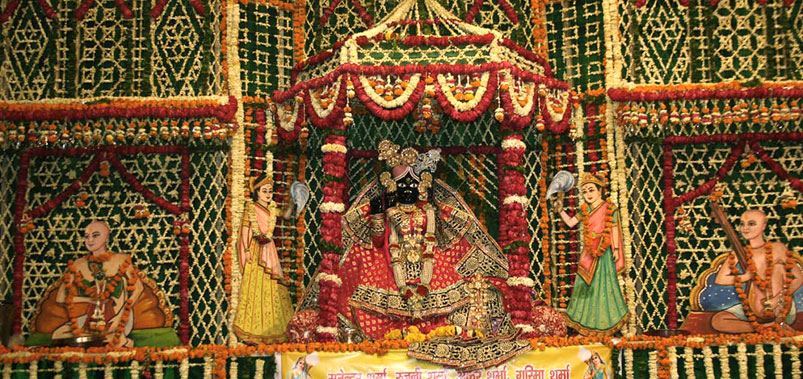
Banke Bihari Temple is one of the most visited Krishna temples in Vrindavan. Its darshan tradition is distinctive because a curtain is opened and closed repeatedly rather than leaving the deity continuously visible.
The temple can become intensely crowded on weekends, Holi, Janmashtami and other important dates. An early visit on a regular weekday generally offers a calmer experience.
4. Radha Raman Temple, Vrindavan
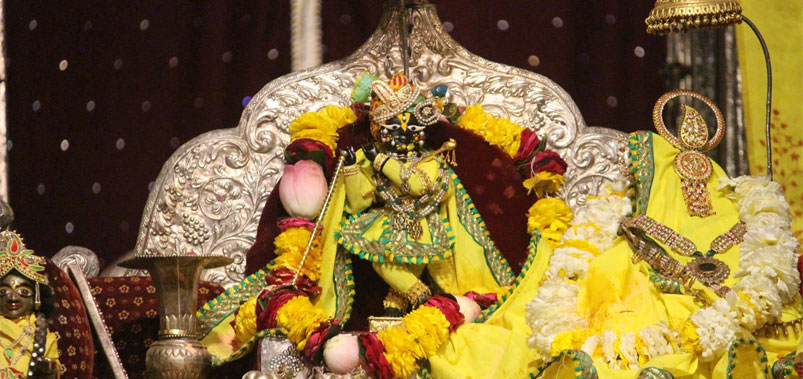
Radha Raman Temple is one of Vrindavan's best-known historic shrines and holds special importance in the Gaudiya Vaishnava tradition. Its compact setting creates a more intimate atmosphere than Vrindavan's large modern complexes.
Include it in an old-Vrindavan walking route with enough time to experience the surrounding sacred neighbourhood rather than rushing between temple entrances.
5. Radha Damodar Temple, Vrindavan
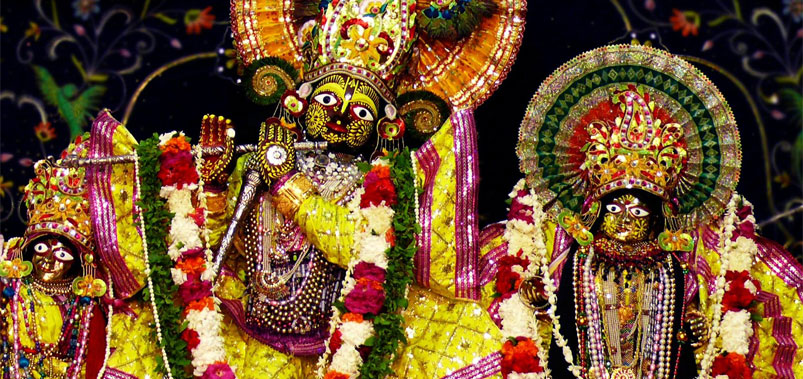
Radha Damodar Temple is closely connected with the history of Gaudiya Vaishnavism in Vrindavan. Its courtyards, sacred associations and quieter scale make it especially meaningful for visitors interested in the development of Krishna bhakti.
This is a place to visit slowly and respectfully. A local guide familiar with Vrindavan's religious traditions can provide useful context without reducing the experience to dates and architecture.
6. Radha Vallabh Temple, Vrindavan
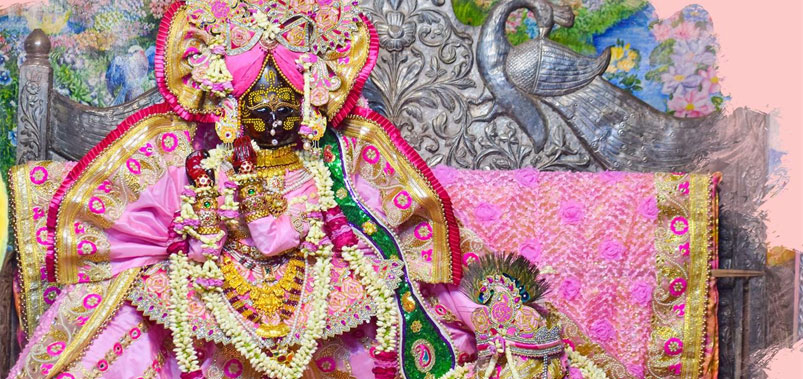
Radha Vallabh Temple represents the Radha Vallabh devotional tradition, in which Radha holds a particularly prominent place. Its style of worship distinguishes it from temples that primarily present Krishna as a child or king.
Morning and evening worship periods are usually the most atmospheric, although visitors should verify the current schedule before arriving.
7. ISKCON Krishna Balaram Mandir, Vrindavan
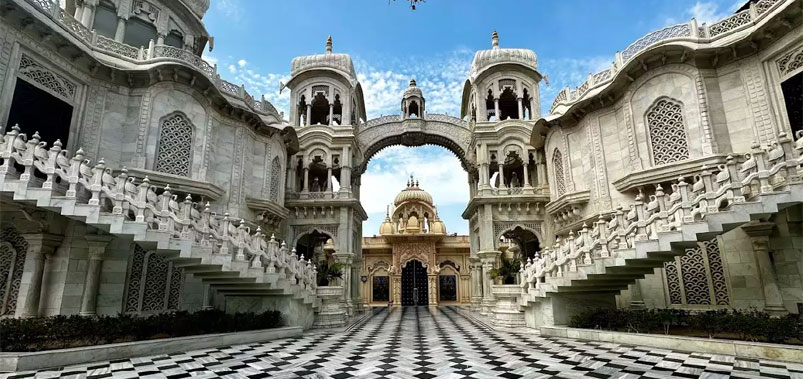
ISKCON Krishna Balaram Mandir is known for energetic kirtan, a welcoming international community and worship centred on Krishna and Balaram, along with Radha-Shyamasundar and Gaura-Nitai. It is one of the easiest major Vrindavan temples for overseas visitors to understand and navigate.
The complex is particularly lively around morning and evening aarti. Modest clothing and respectful behaviour are still essential, even though the atmosphere may feel more accessible to first-time visitors.
8. Prem Mandir, Vrindavan
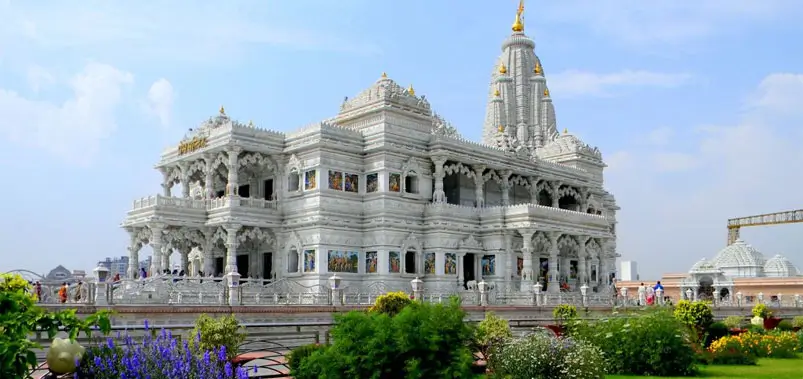
Prem Mandir is a modern temple celebrated for its white-stone architecture, landscaped grounds and illuminated evening appearance. Tableaux around the complex depict episodes from the lives of Radha and Krishna.
The evening lighting attracts large crowds. Arrive before sunset if you want time to see the grounds in daylight and remain for the illuminated view afterward.
Suggested stay for Braj: Allow at least two full days for Mathura and Vrindavan. Add Govardhan, Barsana or Nandgaon only if you have another day or two, especially during busy festival periods.
Krishna Temples in Gujarat
Gujarat's Krishna pilgrimage landscape stretches from coastal Dwarka to Dakor in central Gujarat and Bhalka Tirth near Somnath. These places cannot be covered comfortably as a single short day trip, so route planning matters.
9. Dwarkadhish Temple, Dwarka
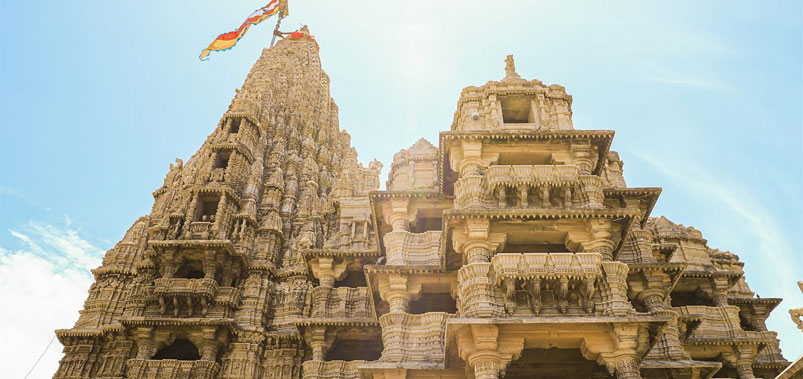
Dwarkadhish Temple, also called Jagat Mandir, is the spiritual centre of Dwarka and one of India's most celebrated Krishna temples. Here Krishna is worshipped as a king, giving the temple a devotional identity very different from the childhood traditions of Braj.
Allow time for the temple, Gomti Ghat and the surrounding old city. Carry minimal belongings because security and storage rules may limit what can be taken inside.
10. Bet Dwarka Temple, Devbhoomi Dwarka
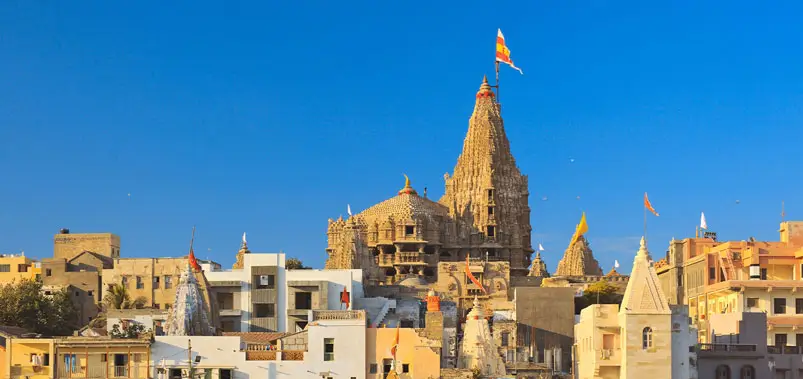
Bet Dwarka is an island pilgrimage destination traditionally associated with Krishna's residence and household. The temple visit is part of a wider coastal experience that feels distinctly different from mainland Dwarka.
Transport arrangements in the area have changed in recent years, so check the current road, bridge and local access process before setting out. Keep enough time for queues and local movement rather than scheduling the visit between tightly timed transfers.
11. Ranchhodraiji Temple, Dakor
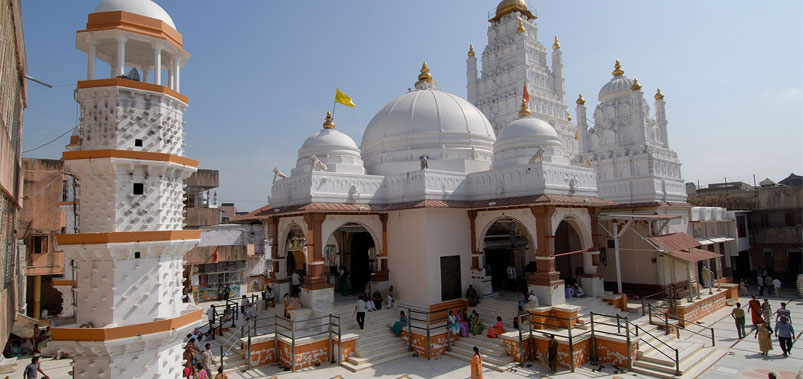
At Dakor, Krishna is worshipped as Ranchhodrai. The temple is an important pilgrimage centre in Gujarat and attracts especially large gatherings on full-moon days and major festivals.
Dakor is more conveniently included with Ahmedabad or Vadodara than with coastal Dwarka. This regional grouping avoids a long and unnecessary return journey across Gujarat.
12. Bhalka Tirth, Near Somnath
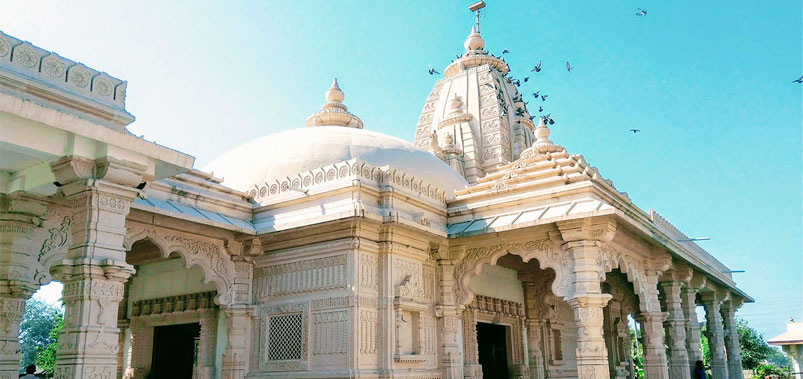
Bhalka Tirth is associated with the tradition that the hunter Jara's arrow struck Krishna here before he left his earthly form. It is a Krishna sacred site rather than a temple experience comparable in scale to Dwarkadhish.
The site works naturally within a Somnath itinerary. Visitors interested in the complete local tradition can also ask about related sacred places in the area, while allowing enough time for Somnath itself.
Suggested Gujarat route: Spend two or three nights around Dwarka for the mainland temples and Bet Dwarka. Treat Somnath and Dakor as separate additions based on your arrival city and onward route.
Krishna Temples in Rajasthan
Rajasthan offers an easy way to combine Krishna pilgrimage with forts, palaces and historic cities. Jaipur, Nathdwara and the Chittorgarh region each represent a different form of Krishna worship.
13. Shrinathji Temple, Nathdwara
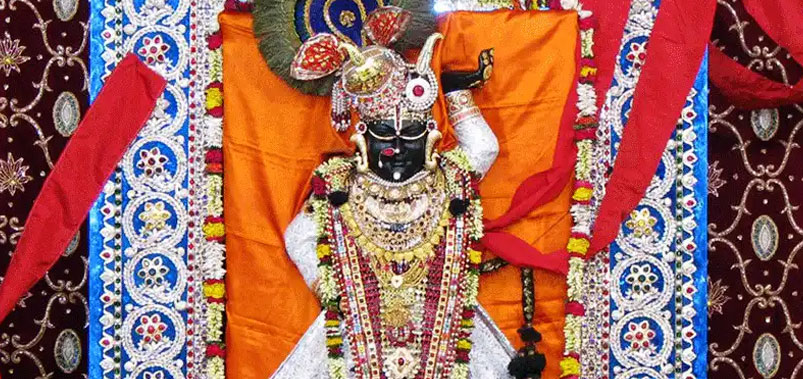
Shrinathji represents Krishna lifting Govardhan Hill and stands at the heart of the Pushtimarg tradition. Darshan is offered at several specific periods during the day, with the deity presented in different attire and moods.
Arriving between two darshan periods may mean waiting for the doors to reopen. Nathdwara can be visited from Udaipur, but an overnight stay is better for devotees who want to attend more than one darshan and explore the town's religious art traditions.
14. Govind Dev Ji Temple, Jaipur
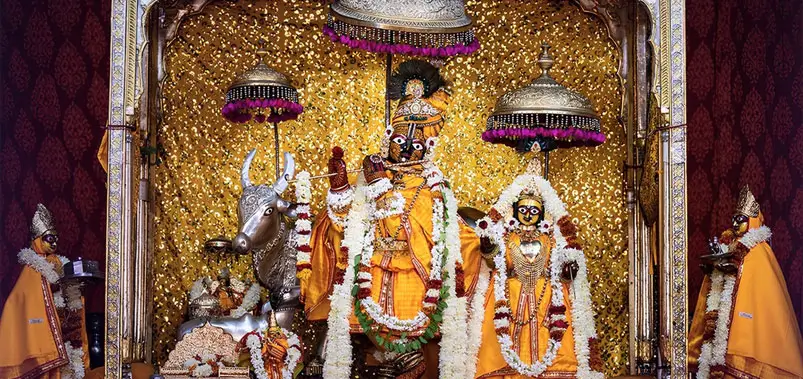
Govind Dev Ji Temple is located in Jaipur's historic palace precinct and has long-standing links with the city's former royal family. Large groups of local devotees gather for aarti, giving the temple a powerful congregational atmosphere.
Its central location makes it easy to combine with City Palace, Jantar Mantar and Jaipur's old city. Check worship timings first so the visit coincides with darshan rather than a closed interval.
15. Sanwaliya Seth Temple, Chittorgarh District
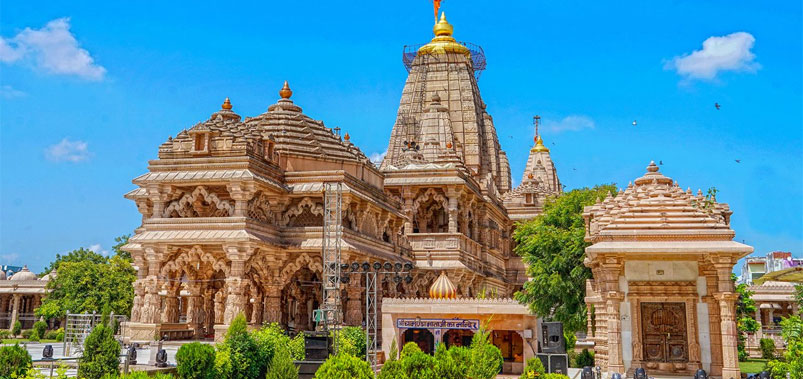
Sanwaliya Seth is a popular regional form of Krishna with a strong devotional following in Rajasthan. The principal temple at Mandaphia can be incorporated into a route linking Udaipur and Chittorgarh.
Festival days and special occasions draw large numbers of devotees. Travellers focused on a relaxed visit should choose a regular weekday when possible.
Krishna Temples in Odisha
Odisha's Jagannath tradition has its own ritual world, sacred food culture and visual language. Puri deserves more than a quick stop because the temple district forms part of a much wider living pilgrimage city.
16. Jagannath Temple, Puri
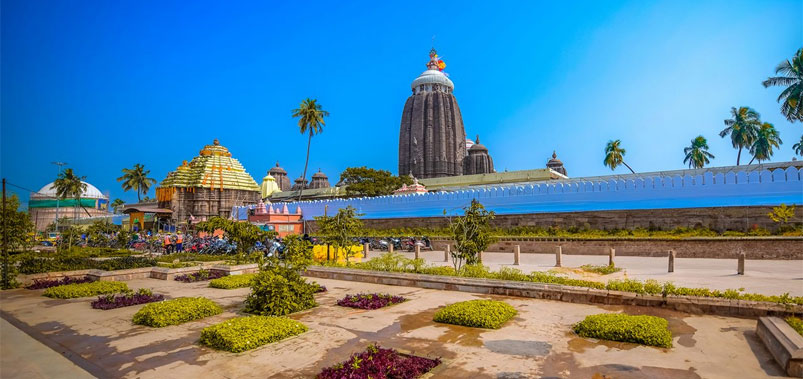
Jagannath Temple is one of India's greatest pilgrimage centres and part of the Char Dham tradition. Jagannath, Balabhadra and Subhadra are worshipped in a distinctive form, and the temple's annual Rath Yatra is known around the world.
Entry to the main temple complex is governed by strict religious rules, and not every visitor is eligible to enter. Check the current official policy in advance and never rely on unofficial intermediaries who claim they can bypass it. Visitors who cannot enter can still experience Puri's temple district and wider sacred culture respectfully.
17. Sakshi Gopal Temple, Sakhigopal
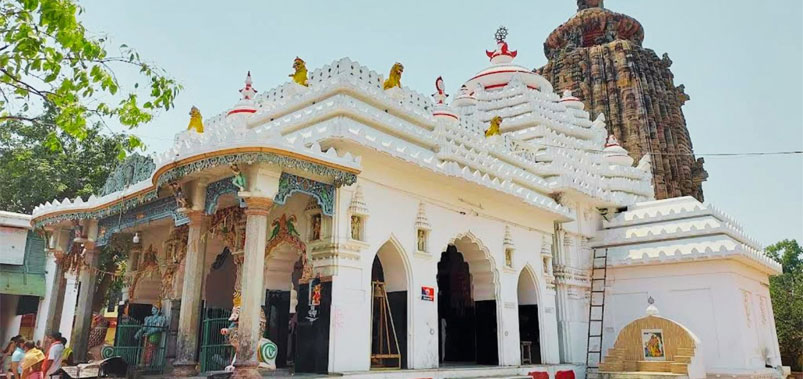
Sakshi Gopal Temple is dedicated to Krishna as Gopal and is associated with a well-known devotional legend in which the deity acts as a witness. It lies on the route between Bhubaneswar and Puri, making it a practical addition to an Odisha pilgrimage.
Do not compress Bhubaneswar, Sakhigopal, Puri and Konark into one rushed day. Two nights in Puri create a much more balanced journey.
Krishna Temples in Karnataka
Karnataka combines a major living pilgrimage centre at Udupi with historic and scenic Krishna temples near Hampi and the Kaveri region.
18. Udupi Sri Krishna Temple, Udupi
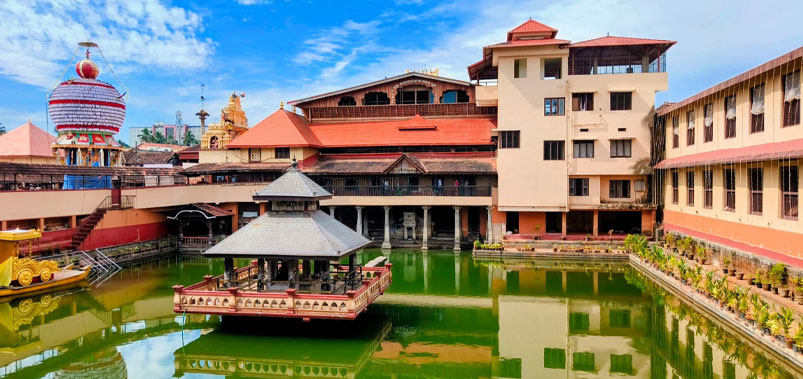
Udupi Sri Krishna Temple is famous for the worship of Krishna in child form. Devotees view the deity through the nine-holed Navagraha Kitiki. The nearby Kanakana Kindi is associated with the tradition of the saint Kanakadasa receiving Krishna's darshan.
The temple is linked with Madhvacharya and the Dvaita school of Vedanta. The surrounding Ashta Mathas, temple streets and Udupi's vegetarian food traditions make the city worthy of at least one overnight stay.
19. Venugopala Swamy Temple, Mandya District
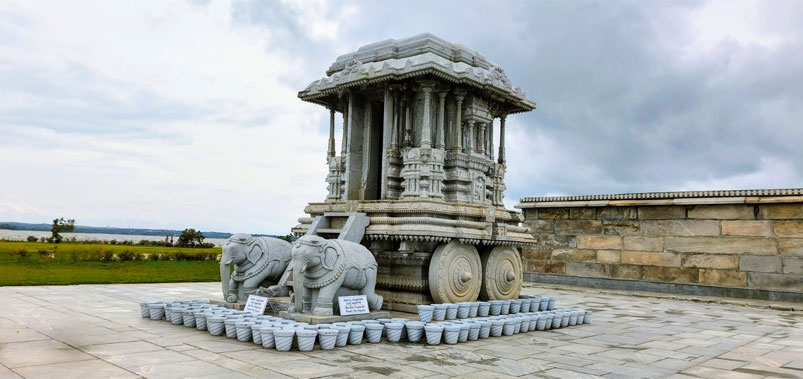
Venugopala Swamy Temple presents Krishna as the divine flute player. The historic temple was reconstructed near Hosa Kannambadi after the creation of the Krishna Raja Sagara reservoir, and its waterside setting gives it an unusually scenic character.
It can be combined with Mysuru and the KRS area, but travellers should check local access conditions before visiting, particularly during periods of changing reservoir levels or site restrictions.
Follow the Many Paths of Krishna Across India
From the sacred lanes of Vrindavan to the royal presence of Dwarkadhish and the devotional traditions of Nathdwara, Krishna is worshipped in many beautiful forms.
20. Krishna Temple, Hampi
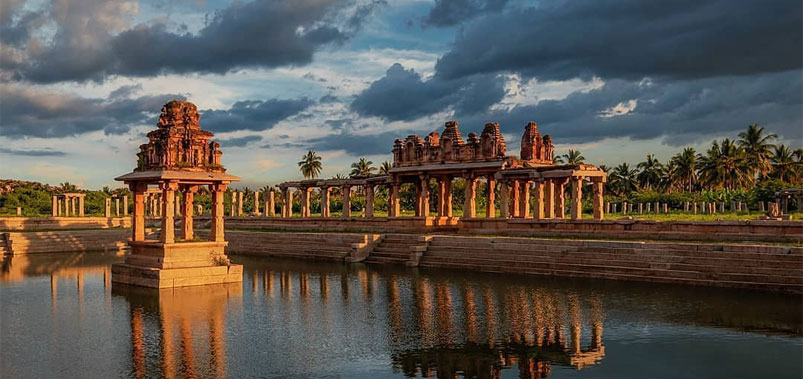
Hampi's Krishna Temple is a major Vijayanagara-period monument and part of the UNESCO-listed heritage landscape. Its temple complex, market street and architectural remains reveal the scale of imperial religious patronage.
This is primarily a heritage experience today rather than a living pilgrimage centre comparable with Udupi. Include it for architecture and history, ideally with a knowledgeable Hampi guide.
Krishna Temples in Kerala
Kerala's Krishna temples follow regionally specific ritual schedules, dress customs and access rules. Afternoon closures are common, so never assume that a temple remains continuously open throughout the day.
21. Guruvayur Sri Krishna Temple, Guruvayur
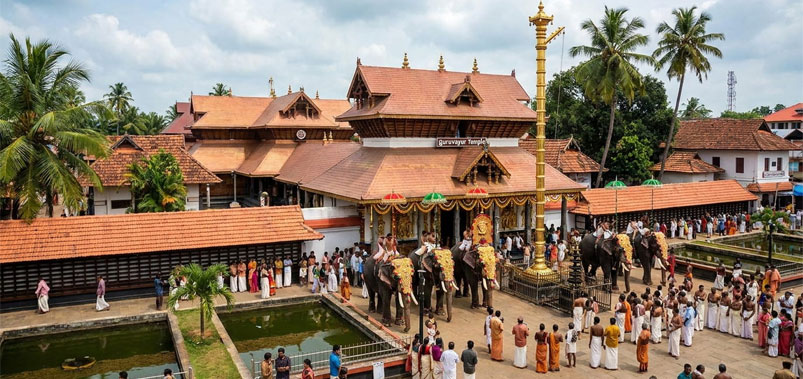
Guruvayur is one of South India's most important Krishna pilgrimage centres. The deity, widely known as Guruvayurappan, draws a constant flow of devotees for darshan, offerings, weddings and other sacred ceremonies.
Traditional entry and clothing rules are strict. Confirm current eligibility, dress requirements, darshan options and opening periods before planning a dedicated visit. Staying within walking distance makes an early-morning darshan much easier.
22. Ambalappuzha Sree Krishna Swamy Temple, Alappuzha District
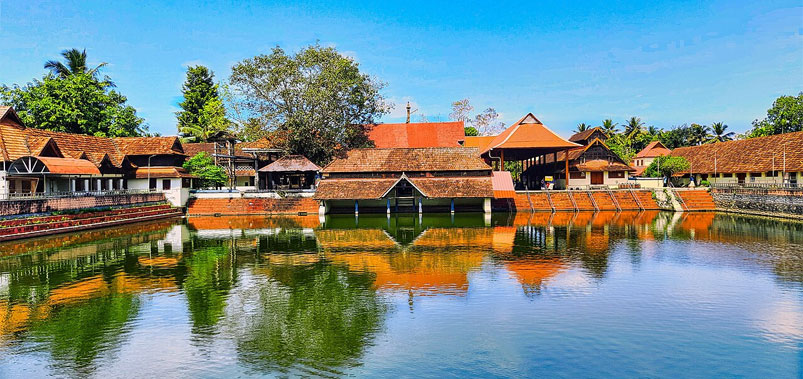
Ambalappuzha is celebrated for its Krishna tradition and the sweet milk-rice offering commonly associated with the temple. It is a natural addition to an Alappuzha or Kerala backwaters itinerary.
Offering availability and distribution times may not match general temple opening hours. Ask locally if receiving the prasadam is an important part of your visit.
23. Trichambaram Krishna Temple, Kannur District
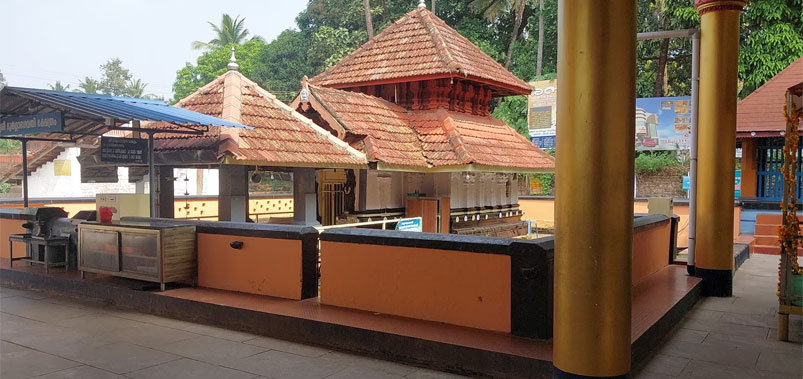
Trichambaram Krishna Temple is an important shrine in northern Kerala, near Taliparamba. It offers travellers a chance to experience a living Krishna tradition away from the more heavily visited Kochi-Alappuzha corridor.
The temple has important annual festivities, while its ordinary daily schedule usually includes a long afternoon closure. Verify timings before travelling from Kannur or another base.
24. Thiruvarppu Sri Krishna Temple, Kottayam District
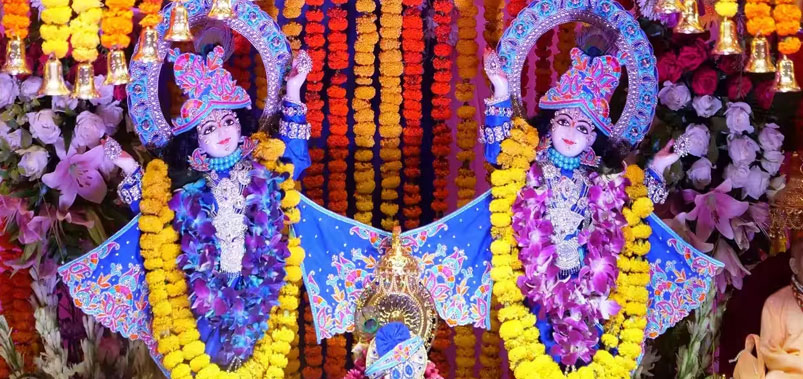
Thiruvarppu Sri Krishna Temple is particularly known for its early-morning worship tradition. Its religious rhythm is different from a conventional tourist attraction, so a successful visit depends on planning around the ritual schedule.
The temple can be included in a Kottayam or Kumarakom-area itinerary. Confirm access rules and the most suitable darshan period locally.
Krishna Temples in Tamil Nadu
Tamil Nadu's Krishna temples are rooted in the wider Sri Vaishnava and regional bhakti traditions. Chennai offers an accessible urban shrine, while Mannargudi suits travellers undertaking a deeper temple circuit.
25. Parthasarathy Temple, Chennai
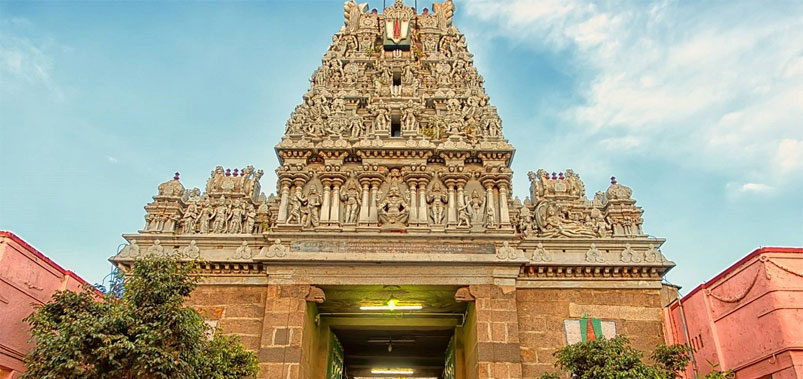
Parthasarathy Temple presents Krishna as the charioteer of Arjuna from the Mahabharata. Located in Triplicane, it is one of Chennai's most important historic Vaishnava temples.
Its urban location makes it relatively easy to include during a Chennai stay. Dress conservatively and plan around the temple's morning and evening worship periods.
26. Rajagopalaswamy Temple, Mannargudi
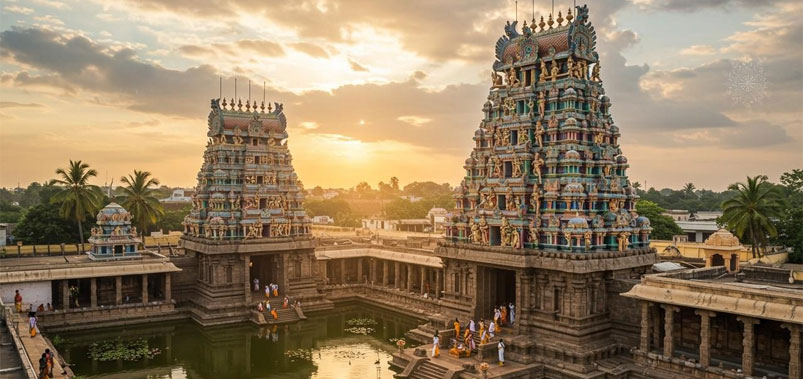
Rajagopalaswamy Temple is a large historic Krishna complex with a strong regional devotional tradition. Its scale and setting reward travellers who are interested in Tamil temple architecture as well as worship.
Mannargudi requires a dedicated regional journey and fits better into a central or southern Tamil Nadu temple route than a short excursion from Chennai.
Krishna Temples in Maharashtra
Maharashtra offers two very different Krishna experiences: an internationally accessible ISKCON complex in Mumbai and the deeply rooted Varkari pilgrimage tradition of Pandharpur.
27. ISKCON Sri Sri Radha Rasabihari Temple, Mumbai
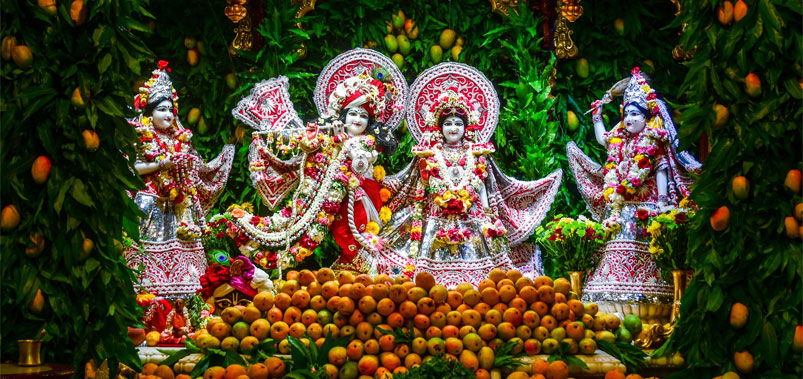
Located in Juhu, ISKCON Sri Sri Radha Rasabihari Temple is one of Mumbai's best-known modern Krishna temples. Regular aarti, kirtan, spiritual programmes and vegetarian food facilities make it more than a brief sightseeing stop.
The temple is convenient for international travellers and first-time visitors. Mumbai traffic is unpredictable, so allow extra travel time when planning to attend a specific aarti.
28. Vitthal Rukmini Temple, Pandharpur
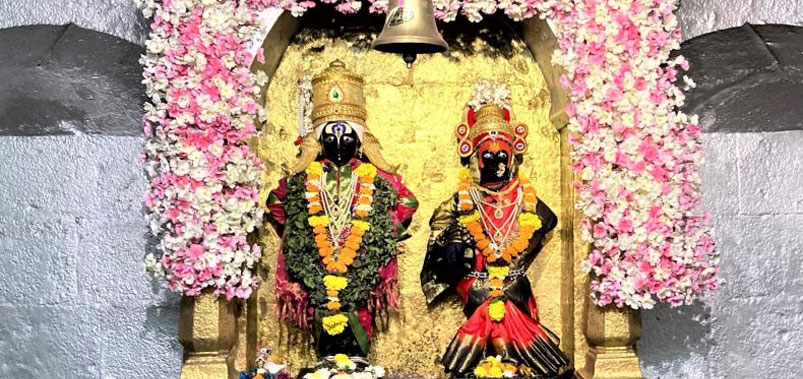
Pandharpur is the centre of the Varkari devotional tradition. Vitthal is understood within Vaishnava practice as a form of Krishna or Vishnu and is worshipped alongside Rukmini.
The great wari pilgrimage periods draw exceptionally large crowds. Choose an ordinary date for easier darshan, or travel during the pilgrimage only if participating in that devotional atmosphere is your main purpose.
Krishna Temples in Northeast India
Krishna devotion in Manipur and Assam shows how deeply Vaishnavism shaped the cultural life of Northeast India. These temples offer an experience distinct from Braj, Gujarat or South India.
29. Shree Govindajee Temple, Imphal
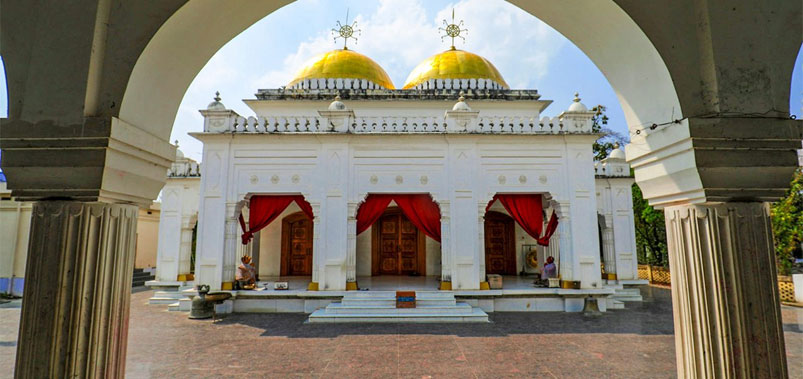
Shree Govindajee Temple is one of Manipur's leading Vaishnava shrines. Its worship is closely connected with the region's Krishna devotion, which is also expressed through Manipuri dance and Ras Lila traditions.
The temple can be combined with Imphal's cultural landmarks. Visitors should dress modestly and observe local customs during worship and ceremonial performances.
30. Doul Govinda Temple, North Guwahati
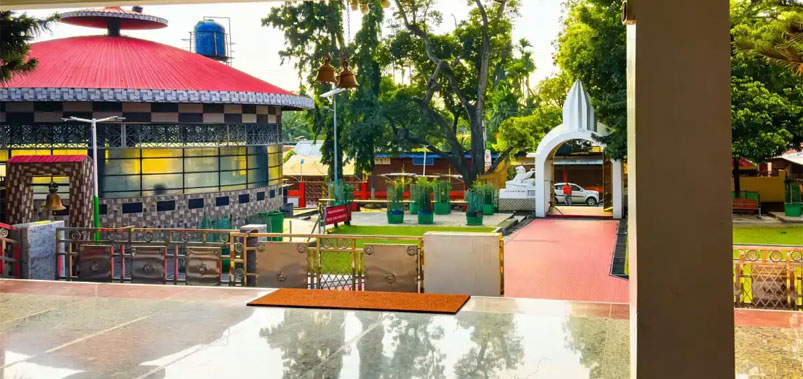
Doul Govinda Temple is an important Krishna shrine in Assam and is especially associated with Holi and other devotional celebrations. Its setting across the Brahmaputra from central Guwahati adds a scenic dimension to the visit.
Allow enough time for local transport and check festival-day arrangements, as crowd and traffic conditions can be very different from ordinary weekdays.
Best Krishna Temple Routes in India
Trying to visit all 30 temples in one journey would require extensive flights, long road transfers and several weeks. A regional circuit is more comfortable and usually creates a more meaningful pilgrimage.
Braj Circuit: 3 to 5 Days
Delhi - Mathura - Vrindavan - Govardhan - Barsana - Delhi or Agra
Use Mathura or Vrindavan as a base. Three days cover the principal temples at a reasonable pace; Govardhan, Barsana and Nandgaon justify extra time.
Gujarat Circuit: 5 to 8 Days
Ahmedabad - Dakor - Dwarka - Bet Dwarka - Somnath - Bhalka Tirth
This route involves substantial driving. An open-jaw journey, arriving through one city and departing through another, may reduce backtracking.
Rajasthan Circuit: 4 to 7 Days
Jaipur - Govind Dev Ji - Udaipur - Nathdwara - Sanwaliya Seth - Chittorgarh
This circuit combines naturally with Rajasthan's palaces, forts and heritage hotels. Nathdwara deserves an overnight stay if multiple Shrinathji darshans are a priority.
Coastal Karnataka and Kerala Circuit: 7 to 10 Days
Mangaluru - Udupi - northern or central Kerala - Guruvayur - Alappuzha - Kottayam
The complete route is long. Select temples that align with your flight gateways rather than attempting every stop in one continuous drive.
Odisha Circuit: 3 to 5 Days
Bhubaneswar - Sakhigopal - Puri - Konark - Bhubaneswar
Stay in Puri for at least two nights. This allows time for the sacred district, the coast and Konark without turning the journey into a sequence of road transfers.
Best Time to Visit Krishna Temples in India
October to March is generally the most comfortable period for Mathura, Vrindavan, Rajasthan and Gujarat because temperatures are usually better suited to walking and road travel. Coastal Karnataka and Kerala remain warm and humid, so early-morning temple visits are often more comfortable.
Major celebrations can be unforgettable, but they also bring heavy crowds, traffic diversions and limited hotel availability:
- Janmashtami: Celebrated widely, with especially intense activity in Mathura, Vrindavan and major Krishna temples.
- Holi: Famous in Braj and also important at temples such as Doul Govinda.
- Rath Yatra: The major annual chariot festival associated with Jagannath Temple in Puri.
- Varkari pilgrimage periods: Exceptionally busy in Pandharpur.
- Temple-specific annual festivals: Dates vary according to regional calendars.
Choose a festival visit for the devotional atmosphere, not for short queues. For easier darshan and simpler transport, travel on ordinary weekdays outside major religious dates.
Practical Tips for Visiting Krishna Temples
- Check the latest schedule: Darshan, aarti and closure periods may change without matching standard sightseeing hours.
- Dress conservatively: Cover shoulders and knees. Some temples have specific traditional clothing requirements.
- Carry minimal belongings: Phones, cameras, leather items and large bags may be prohibited or require storage outside.
- Respect entry rules: Some temples restrict access according to their religious customs. Never try to bypass those rules.
- Use authorised services: Avoid unofficial agents promising guaranteed or prohibited access.
- Plan for barefoot walking: Temple floors and outdoor queues can become hot. Socks may not always be permitted, so visit earlier in the day when possible.
- Protect valuables: Crowded lanes and queues require ordinary travel caution.
- Ask before photographing: Photography is often prohibited near sanctums and may be restricted throughout the complex.
- Build in waiting time: A temple visit can take much longer during aarti, festivals or weekends.
- Keep the itinerary realistic: Two meaningful temple visits are often better than six hurried stops in one day.
How to Budget for a Krishna Temple Tour
General darshan at many temples does not involve a conventional tourist admission ticket. The main trip expenses are usually hotels, intercity transport, local vehicles, flights or trains, guides and any optional authorised worship services.
Your budget will depend on:
- The number of regions included
- Hotel category and proximity to the temple
- Private car, train or flight choices
- Festival-season demand
- Local guide and assistance requirements
- Optional special darshan or worship services officially offered by the temple
Avoid relying on a fixed package price published without a travel date, hotel list or exact inclusions. A regional quotation based on the real route will be more useful than a broad nationwide estimate.
Plan a Krishna Pilgrimage Around Your India Journey
A well-designed Krishna temple tour should balance darshan with realistic travel time, comfortable accommodation and the cultural character of each region. The best route is rarely the one with the largest number of temples; it is the one that gives each sacred place enough time.
Top Indian Holidays can combine Krishna pilgrimage sites with a private India itinerary covering heritage cities, local cuisine, architecture and regional experiences. Share your travel dates, preferred temples, departure city and hotel category to receive a route planned around actual distances and temple schedules.
Related Guides



 info@topindianholidays.net
 +91-8955000999