📅 Last Updated On: 20 Aug 2026
⏱ 10 Min Read
Kainchi Dham Neem Karoli Baba Ashram: Complete Travel & Darshan Guide
A
Admin
Ministry of Tourism Approved Tour Operator
Kainchi Dham Neem Karoli Baba Ashram: Complete Travel Guide
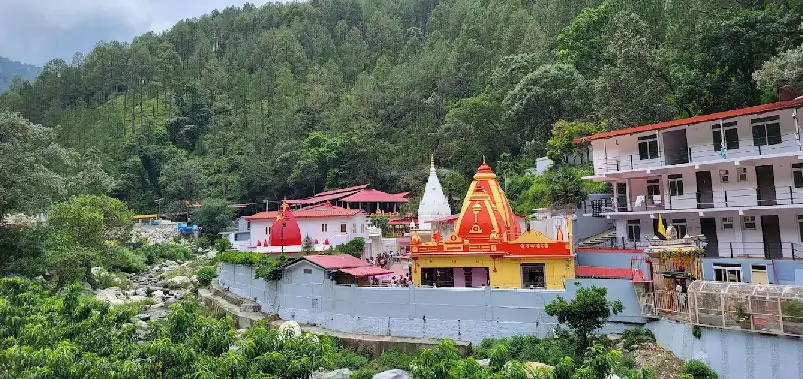
Set beside a mountain road in the Kumaon region of Uttarakhand, Kainchi Dham Neem Karoli Baba Ashram has grown from a quiet spiritual centre into one of northern India's most visited pilgrimage locations. The setting is modest compared with India's monumental temple complexes. Forested hills rise around the valley, a mountain stream passes beside the complex, and the road linking Bhowali with Almora runs close to the entrance. Yet an increasing number of Indian and international visitors make a dedicated journey here because of the association with Neem Karoli Baba, the Hanuman temple and the site's reputation as a place for prayer and personal reflection.
Kainchi Dham is located in the Nainital region of Uttarakhand. The Government of India's Incredible India portal identifies Kathgodam Railway Station as the nearest major rail gateway and lists Pantnagar and Bareilly among the nearest airports. The same government tourism resource currently gives visitor hours of 6:00 AM to 7:00 PM.
The site receives visitors throughout the year, but the experience can change dramatically according to the day and season. A quiet weekday morning may allow a visitor to enter with little difficulty, while summer weekends, religious occasions and the important annual gathering in June can bring extremely heavy traffic and long queues. The narrow Himalayan road system around Bhowali and Kainchi is one of the practical issues that travellers should take seriously.
For travellers interested in spiritual India, Kainchi Dham Ashram near Nainital can fit naturally into a journey that also includes Nainital, Bhimtal, Mukteshwar, Almora or other parts of Kumaon. The visit itself does not require an entire day, but road traffic, parking arrangements and crowd levels can make the difference between a peaceful visit and a tiring one.
Begin Your Kainchi Dham Journey With Meaning
Experience the spiritual serenity of Kainchi Dham with a journey planned around your comfort, timing and interests. From private transportation to peaceful darshan and the beautiful Kumaon hills.
Kainchi Dham History and the Legacy of Neem Karoli Baba
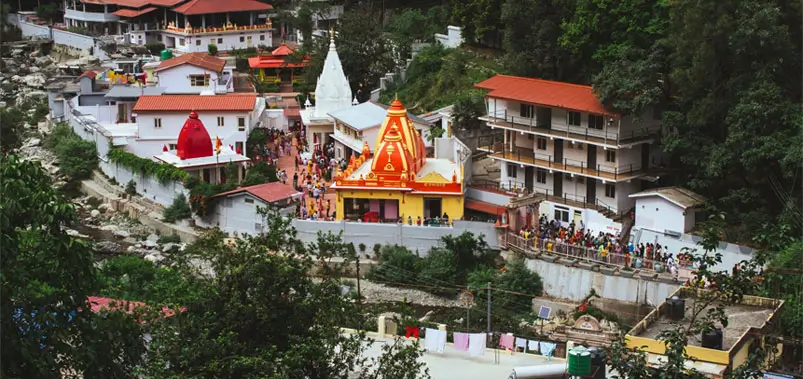
The identity of Kainchi Dham is inseparable from Neem Karoli Baba, a spiritual teacher who became widely known among followers in India and abroad. The site developed during the 1960s, when the valley became associated with his spiritual community and a temple complex was established. The Ministry of Tourism's official events portal identifies Kainchi Dham as a centre founded by Neem Karoli Baba and records the annual Kainchi Dham Fair as a celebration connected with the temple's foundation.
The location itself plays an important part in the identity of the complex. It sits in a narrow mountain valley on the road between Bhowali and the Almora side of Kumaon. Two sharp bends in the road occur close to the site, contributing to the name by which the place became known. Visitors arriving for the first time can easily understand why road management becomes difficult during crowded periods: the temple is not surrounded by the broad parking grounds found at newer pilgrimage centres. It occupies a constrained Himalayan setting where road width, hillsides, water and existing development limit available space.
Neem Karoli Baba's teachings attracted devotees from many backgrounds. His reputation eventually spread far beyond Uttarakhand and India, and this international recognition remains one reason foreign travellers occasionally include the ashram in a longer Indian journey. Popular accounts frequently focus on visits associated with figures from the technology industry, but those stories should not overshadow the spiritual importance of the site for ordinary devotees who have been coming here for decades.
The ashram's character remains relatively restrained. Visitors enter primarily for worship, quiet reflection and to pay respect at the sacred areas within the complex. The Government of India's tourism portal describes the main spiritual spaces as including the area associated with Neem Karoli Baba and the Hanuman temple, while also noting the role of devotional gatherings and meditation in the life of the ashram.
A first-time visitor should therefore approach Kainchi Dham differently from a sightseeing monument. There is no reason to rush from one corner to another collecting photographs. The atmosphere is most meaningful when visitors move quietly, respect worshippers and allow sufficient time inside. Photography may be restricted in particular sections, and instructions from temple staff should be followed without treating the complex as a conventional tourist attraction.
The spiritual connection with Hanuman is especially strong. Neem Karoli Baba was deeply associated with devotion to Hanuman, and temples connected with him across India and abroad commonly reflect that tradition. At Kainchi Dham, the temple forms a central part of the religious visit.
Visitors sometimes arrive expecting dramatic rituals or elaborate architectural grandeur because the site has become internationally famous. The reality is more understated. The strength of Neem Karoli Baba Ashram Kainchi Dham lies in its mountain setting, living devotional culture and the personal meaning attached to the place by followers.
Its fame has created a practical contradiction. Many people come seeking silence, yet popularity can produce large crowds. Choosing the right arrival time is therefore one of the most important decisions a traveller can make.
Kainchi Dham Timings, Entry Fee, Worship Visit and Crowd Conditions
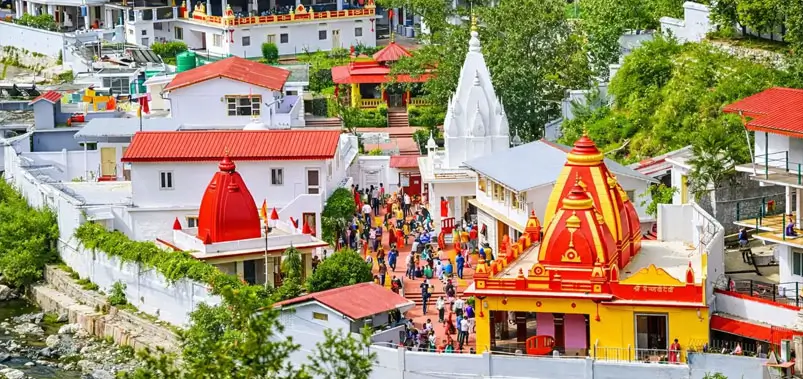
Current visitor information from the Government of India's Incredible India portal lists Kainchi Dham opening time at 6:00 AM and closing time at 7:00 PM. Another recently updated local tourism listing gives 7:00 AM to 7:00 PM and confirms that there is no entry fee. Because opening procedures can change according to temple management, religious events, weather and crowd-control requirements, travellers making a dedicated long-distance journey should confirm the exact morning opening time locally before departure.
There is generally no standard admission ticket for Kainchi Dham. Visitors do not need to buy a monument-style entry ticket before entering the temple complex. A recently updated Nainital tourism listing continues to record the admission charge as free. Donations, where offered, are voluntary and should be made through appropriate authorised channels.
For most visitors, the actual time inside the ashram can range from around 30 minutes to 90 minutes. During quiet periods, a person may be able to enter, visit the principal sacred spaces, sit peacefully for some time and leave without difficulty. During crowded periods, however, the waiting time outside can exceed the time spent inside.
Early morning is generally the strongest choice for travellers who value a calmer atmosphere. Reaching the area close to opening time reduces both road congestion and crowd pressure. Weekdays are preferable to Saturdays and Sundays whenever an itinerary allows flexibility. Visitors staying in Nainital should remember that an apparently short road distance does not guarantee a short journey when traffic builds around Bhowali.
The annual foundation gathering held around June 15 deserves particular attention. The Government of India's Ministry of Tourism events platform recognises the Kainchi Dham Fair and connects it with the foundation of the temple. This occasion attracts very large numbers of devotees, making normal visitor assumptions about parking, travel time and queue duration unreliable.
Anyone whose priority is simply to see the ashram calmly should avoid this peak date unless attending the religious gathering itself is the purpose of the journey. During major events, traffic restrictions, temporary parking areas, pedestrian movement systems and shuttle arrangements can all be introduced.
Crowd management has become increasingly important. Uttarakhand authorities have undertaken capacity and crowd monitoring at Kainchi Dham because the site experiences substantial visitor volumes during peak pilgrimage periods. This is useful context for international visitors who may look at a map and assume they can simply drive to the entrance, park nearby and walk inside.
Clothing should be modest and comfortable. Shoes will need to be removed where required before entering sacred spaces, so footwear that can be taken off and put back on easily is practical. Large luggage should remain at the hotel or securely in the vehicle. Bringing large backpacks into a crowded religious complex creates unnecessary inconvenience.
Visitors should keep mobile phones silent, avoid blocking passages for photographs and refrain from treating worshippers as photographic subjects. Food and waste should not be carried casually through sacred areas, and instructions relating to photography must be respected.
A visit becomes considerably more rewarding when sufficient time is kept for simply sitting quietly after entering. Kainchi Dham Temple is not a place where the value of the visit comes from seeing a long checklist of structures. Its appeal lies largely in atmosphere, devotion and location.
How to Reach Kainchi Dham from Nainital, Kathgodam, Delhi and Pantnagar
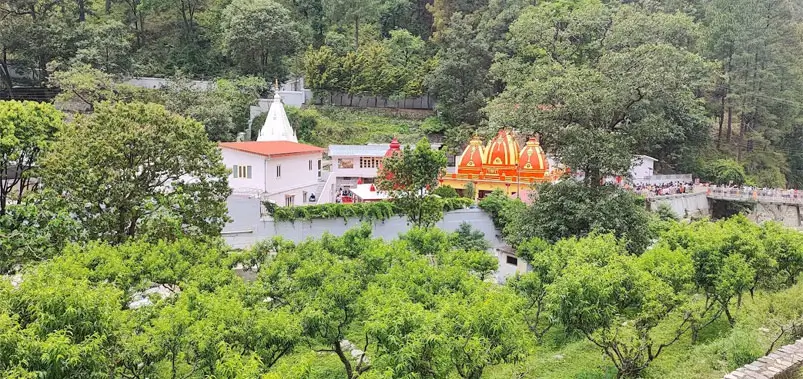
The practical gateway for most visitors is Bhowali, an important road junction in the Nainital district. Kainchi Dham lies on the road continuing towards the Almora side of Kumaon. A local tourism source places the ashram at approximately 18 kilometres from Nainital and about 45 kilometres from Kathgodam Railway Station, while identifying Pantnagar as the nearest practical commercial airport at roughly 76 kilometres by its stated route. Exact road distance can vary according to the starting point and route selected.
Travellers staying in Nainital can use a private taxi for the visit. On a clear road, the drive is relatively straightforward by Himalayan standards, but congestion through Bhowali can substantially increase travel time. During popular weekends, summer holidays or major religious dates, starting early in the morning is far more sensible than leaving after breakfast when traffic has already intensified.
For rail travellers, Kathgodam Railway Station is the most useful gateway. The Government of India's tourism portal also identifies Kathgodam as the nearest railway station. Kathgodam has road connections towards Haldwani, Bhimtal, Bhowali, Nainital and the wider Kumaon hills. A private car from Kathgodam gives greater flexibility than depending on multiple local transfers, particularly for families, elderly travellers or visitors carrying luggage.
Someone arriving at Kathgodam solely for Kainchi Dham can travel towards Bhimtal and Bhowali before continuing to the ashram. A more comfortable journey is to stay overnight in Bhimtal, Bhowali or Nainital, visit the temple early the following morning and then continue towards Almora, Mukteshwar or the next destination.
From Delhi, a road journey requires a long day. The practical driving distance is roughly in the 300-kilometre range depending on the exact route, and travel time can easily reach seven to nine hours or more once traffic and hill roads are considered. Starting before sunrise can help, but visitors should avoid scheduling an important temple visit immediately after a tiring full-day drive.
An overnight train from Delhi to Kathgodam can be a comfortable alternative when suitable tickets are available. The traveller can then continue by private vehicle into the hills.
For air travellers, Pantnagar Airport is the most practical nearby regional airport when flight schedules work with the itinerary. Incredible India lists Pantnagar and Bareilly among nearby airports. Air schedules at smaller regional airports can be less extensive than at Delhi, so international travellers should not construct a tightly timed itinerary around a short connection without checking actual operating schedules.
The journey becomes more rewarding when Kainchi Dham forms part of a Kumaon spiritual and mountain circuit. A traveller can arrive through Kathgodam, stay around Bhimtal or Nainital, visit Kainchi Dham early, continue towards Almora and later include Mukteshwar, Jageshwar or Binsar.
This approach reduces unnecessary backtracking.
Road conditions are another major consideration. The route is motorable, but mountain driving requires greater concentration than driving on plains. Bends, local buses, pedestrians, roadside parking and sudden traffic queues can reduce average speed. During the monsoon, rainfall can add further delays.
For international visitors booking a private Uttarakhand journey, a driver experienced with Himalayan roads is worth prioritising over simply selecting the lowest transport quote. Top Indian Holidays owner Nand Singh Rathore has worked with travellers across India for decades, and hill itineraries are one area where realistic driving times matter much more than the kilometre figure shown on a map.
From Spiritual Serenity to Himalayan Beauty
Why stop at Kainchi Dham? Extend your journey into the heart of Kumaon and experience serene lakes, mountain landscapes and charming hill destinations alongside your spiritual visit.
Parking, Shuttle Transport, Best Months and Practical Travel Costs
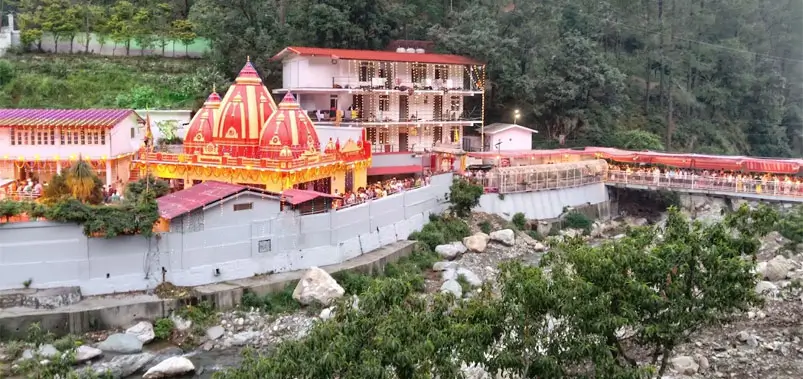
Parking is one of the most misunderstood parts of a Kainchi Dham visit. The temple's location does not allow unlimited private vehicles to gather around the entrance. On quiet days, local arrangements may feel manageable, but during weekends, summer holidays and religious events authorities can restrict vehicles well before the ashram.
Recent crowd-management arrangements have included remote parking and shuttle transport for pilgrims approaching through the Bhimtal and Bhowali sides. Published arrangements have used parking around the Bhimtal industrial area for traffic arriving through that corridor and designated areas around Bhowali for vehicles arriving by another route. Such systems can change, so travellers should follow police instructions on the day rather than insisting on reaching the temple directly by private car.
This becomes especially important during June. Temporary traffic systems can be extensive around the annual gathering because visitor numbers are far beyond normal weekday levels. Travellers staying nearby should obtain local road information from their hotel or driver before departure.
For weather, March through June and September through November are generally attractive periods for visiting the Kumaon hills. Spring brings comfortable mountain conditions, while late autumn often provides clear air and good Himalayan visibility. May and June can be extremely busy because these months overlap with the wider summer holiday season in Nainital.
The monsoon transforms the hills into a lush landscape but introduces practical risks. Heavy rain can affect mountain roads, create landslide delays and make driving slower. A visitor travelling during wet months should keep more flexibility in the schedule and avoid tight same-day transport connections.
Winter can be cold, particularly in the early morning and evening. Visitors staying at higher locations such as Nainital or Mukteshwar should carry proper warm clothing. Daylight is shorter, and fog can occasionally affect driving.
Budgeting for the temple itself is simple because Kainchi Dham entry is free according to current visitor information. The main expense is transport and accommodation.
A private taxi from nearby hill towns can vary substantially according to vehicle category, duration and whether the booking is one-way, round trip or part of a multi-day itinerary. For a comfortable private vehicle, travellers should budget on the higher side rather than relying on the lowest locally advertised fare. A dedicated regional car can commonly cost several thousand rupees per day, with larger premium vehicles costing more. Parking, state taxes, driver allowances and longer-distance transfers may be additional.
Accommodation also ranges widely. Basic guesthouses around Bhowali and nearby settlements may begin at relatively modest prices, while quality hotels around Nainital and Bhimtal can easily cost INR 6,000 to INR 15,000+ per room per night during desirable dates. Premium lake resorts and luxury mountain properties may exceed INR 20,000 to INR 40,000+ per night, especially during high-demand weekends and holidays.
Travellers should not select accommodation solely because a booking site describes it as "near Kainchi Dham." On mountain roads, 15 or 20 kilometres can take far longer than the same distance in a city. The route direction is equally important.
For a temple-focused visit, Bhowali or Bhimtal can be more practical than central Nainital because they reduce some traffic complications. For travellers wanting a fuller leisure stay with lake views, restaurants and established tourism infrastructure, Nainital remains attractive.
Where to Stay and What Else Fits Naturally Around Kainchi Dham
A well-paced visit to Neem Karoli Baba Ashram Uttarakhand rarely needs to remain isolated from the wider region. Kumaon offers lakes, forests, mountain viewpoints, temples and small hill settlements within a relatively compact geographic area, although road travel remains slower than the map suggests.
Bhimtal is one of the strongest overnight bases for travellers arriving from Kathgodam. It is quieter than central Nainital, has a large lake and offers a growing range of boutique hotels and premium resorts. Staying in Bhimtal also provides convenient access towards Bhowali and the Kainchi road.
Nainital suits visitors who want more restaurants, shopping, lakefront activity and a traditional hill-station atmosphere. The disadvantage is traffic. During busy summer dates, driving in and out of Nainital can consume valuable time. A traveller whose primary reason for visiting the region is Kainchi Dham may prefer to sleep outside the busiest part of the town.
Bhowali offers practical proximity. It is a road junction rather than a major resort destination, but for someone who wants to reach the ashram soon after opening, location may be more valuable than extensive hotel facilities.
Mukteshwar can be included for travellers interested in mountain scenery and a quieter stay. Rather than visiting Kainchi Dham and immediately returning towards the plains, travellers can continue through the Kumaon hills for another night or two.
Almora is another logical continuation because the road from Kainchi Dham heads towards the Almora side. Travellers interested in a longer cultural journey can move onward instead of repeatedly travelling back through the same corridor.
Bhimtal Lake, Naukuchiatal and the forests around the region can also make the journey more varied. The Government of India's tourism portal lists Bhimtal, Mukteshwar and Naukuchiatal among nearby attractions connected with the wider Nainital region.
For travellers with only one night available, arriving in Bhimtal or Bhowali in the afternoon, sleeping there, visiting Kainchi Dham early the next morning and continuing afterwards is a practical structure.
With two or three nights, the region becomes much more comfortable. There is time for Kainchi Dham without sacrificing the lakes and mountain scenery that make Kumaon worth the long journey from Delhi.
International travellers should also resist the temptation to place Kainchi Dham between two long driving sectors simply because the temple visit itself may last less than an hour. Himalayan travel works best when daily driving is kept reasonable. A schedule showing Delhi, Kainchi Dham and Almora in one highly compressed day may be technically possible under favourable conditions but can become exhausting when traffic develops.
The experience is stronger when the morning begins nearby, the temple is visited before peak crowds, and the rest of the day remains available for the surrounding mountains.
Visitor Conduct, Safety and Small Details That Improve the Visit
The most useful preparation for Kainchi Dham Temple is not complicated. Arrive early, carry little, dress respectfully and expect crowd conditions to determine the pace.
Visitors should keep enough drinking water in the vehicle, particularly during warm months, but avoid carrying unnecessary food packaging into the sacred complex. Large bags, suitcases and valuables are best left securely at the hotel or with an attended vehicle arrangement.
Elderly visitors can generally visit the main complex more easily than pilgrimage sites requiring long mountain treks, but congestion can create difficulty. Anyone travelling with an elderly family member should prioritise a weekday morning and avoid major religious gatherings. Standing in a long queue can be more physically demanding than the distance walked.
Families with young children should keep them close at all times. During busy periods, crowd density near entrances and road crossings can be high. The highway environment outside the ashram deserves particular attention because vehicles, pedestrians and local transport share limited space.
Mobile connectivity is generally available in the wider Nainital region but should not be treated as guaranteed at every point. Save the hotel contact, driver number and essential booking details offline.
Cash is worth carrying in small denominations. Digital payment is widespread in India, yet mobile network interruptions in mountain areas can occasionally make a cashless traveller unnecessarily dependent on connectivity.
Photographers should be especially respectful. The scenic setting may tempt visitors to photograph everything, but the primary purpose of the ashram is religious. Photography instructions inside must take precedence over personal content creation.
Visitors should also be cautious with exaggerated stories offered online about guaranteed miracles, secret rituals, instant spiritual results or unofficial access. Kainchi Dham does not need such embellishment to be interesting. Its documented association with Neem Karoli Baba, its living religious importance and its Kumaon setting are substantial on their own.
For travellers arriving from outside India, the strongest approach is simple: treat the complex as an active place of worship rather than an attraction created for tourists. Quiet behaviour, modest clothing and patience require no specialised religious knowledge.
The lasting memory of Kainchi Dham Neem Karoli Baba Ashram often comes from small details—the mountain valley, the sound of worship, the stream beside the complex, the movement of devotees and the contrast between a nationally famous pilgrimage destination and its relatively compact physical setting.
Related Guides



 info@topindianholidays.net
 +91-8955000999