


 info@topindianholidays.net
 +91-9828085426

Hot Air Balloon Ride in Jaipur
Lift off as the sky turns orange and drift over villages, mustard fields and the Aravalli hills while Jaipur is still waking up.
View Experience ›Stand at the back of morning assembly, sit in on a class, talk about your own country and join a game at break time, always as the school’s guest and always in the presence of teachers.
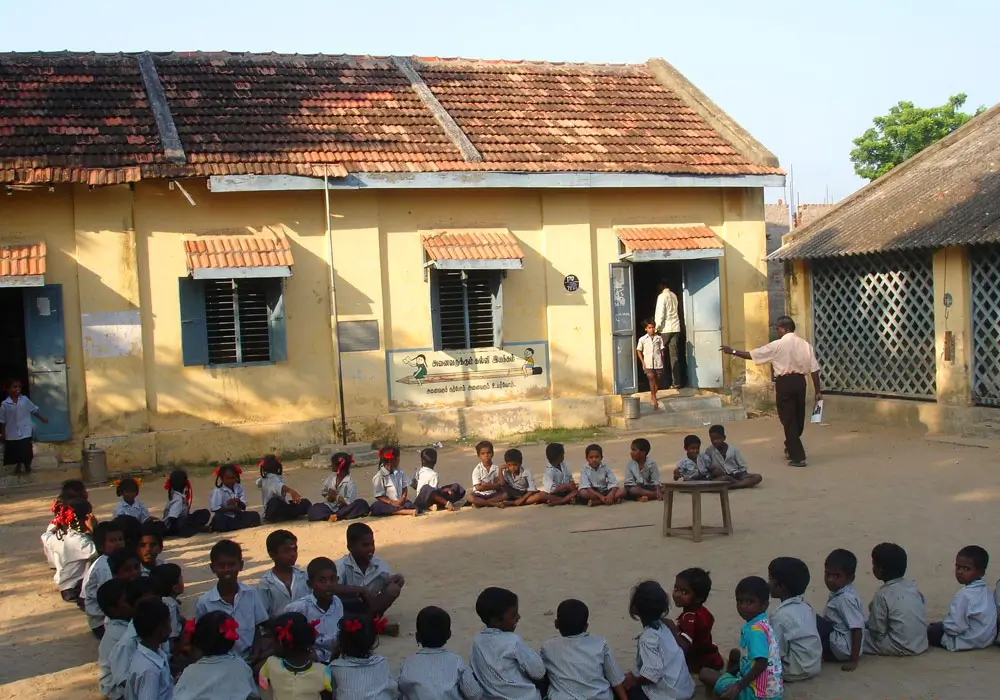
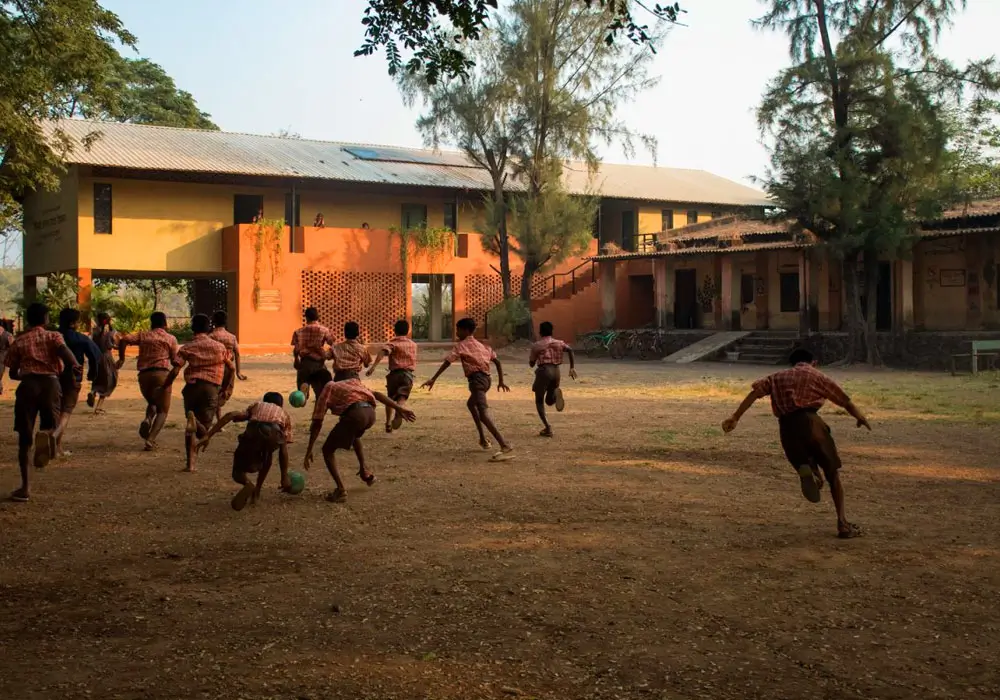
Many travellers who drive through rural Rajasthan notice the same thing: children in blue or khaki uniforms walking along the roadside in twos and threes, satchels on their backs, sometimes miles from any visible building. Somewhere ahead is the village school, often a single-storey government building painted in cream and ochre, with a neem tree in the yard, a hand pump by the gate and a slogan about education stencilled on the wall.
A village school visit in India lets you spend a morning inside that world, on the school’s terms. You arrive in time for the morning assembly, watch the prayer and the national anthem, sit at the back of a class while the teacher works through Hindi, maths or English, and, if the teacher invites it, talk for a few minutes about where you come from. At break time, the yard fills with noise and you may be pulled into a game of tag or a few overs of cricket.
We want to be clear about what this is and what it is not. It is a short, respectful visit to a functioning school, arranged in advance with the head teacher and class teachers, and always supervised by them. It is not “voluntourism”. You will not be teaching, painting walls or running activities. It is not an orphanage visit, and we do not arrange those. It is a chance to see how rural Rajasthan educates its children, and to share something of your own life, while making sure the children’s safety and dignity come before anything else.
The visit takes place on school days only, and we plan around holidays, festivals and exam periods so that it never gets in the way of learning.
Before anything else, these are the rules every visit follows. They are not optional, and we ask every guest to read them before we confirm a booking.
The school agrees, every time. We visit only with the agreement of the head teacher and the class teacher for that particular day. If the school is busy, has an inspection, or simply prefers not to host on a given morning, the answer is no and we respect it.
Teachers are always present. You are never alone with children, never in a classroom without a teacher, and never take children anywhere outside the school grounds.
No photographs of children unless the school permits. The default is no photography of children. If the school allows a few pictures, the teacher will tell you what is acceptable. Photos of the building, the yard or a blackboard are a different matter, and the teacher will guide you.
Never post children’s faces with a location. Even if a photograph is allowed, please never share images of children’s faces online together with the name or location of the school or village.
No direct gifts. Do not hand out sweets, pens, money or toys to children. It creates disorder in class, encourages children to ask other visitors, and puts teachers in a difficult position.
Donations go through the school. If you would like to give books, stationery, sports equipment or other supplies, we help you do this through the head teacher, so the school decides what it actually needs and how it is shared.
No physical contact beyond what the teacher sets. A high five during a game is fine if the teacher is comfortable. Hugs, picking children up or holding hands for photographs are not.
Personal details stay private. Please do not ask children for addresses, phone numbers or social media contacts, and do not give yours.
These rules protect the children, and they also protect the school’s trust. That trust is the only reason a visit can happen at all.
1. Arrangements before you travel
When you ask for a school visit, we first explain the child-protection rules above and check that you are happy with them. We then approach a school that we know, near Jaipur or near Jodhpur depending on your route, and agree a date that suits the school calendar. We confirm again a day or two before.
2. An early drive into the countryside
Your driver and guide collect you from your hotel early, because the school day starts in the morning. The drive takes you out of the city past fields, small towns and roadside tea stalls into the countryside.
3. Meeting the head teacher
On arrival, your guide introduces you to the head teacher. This is a formal courtesy, and it matters. You will usually be offered a seat and possibly a cup of tea, and the head teacher may tell you about the school: how many children attend, which classes it runs, what the village does for a living.
4. Morning assembly
Assembly in rural Rajasthan schools usually takes place in the yard. Children line up by class, there is a prayer, often the national anthem and a pledge, perhaps an announcement or two and a short talk by a teacher. You stand quietly at the side or back. It is one of the most striking parts of the morning: rows of small figures in uniform, voices rising together in the open air.
5. Sitting in on a class
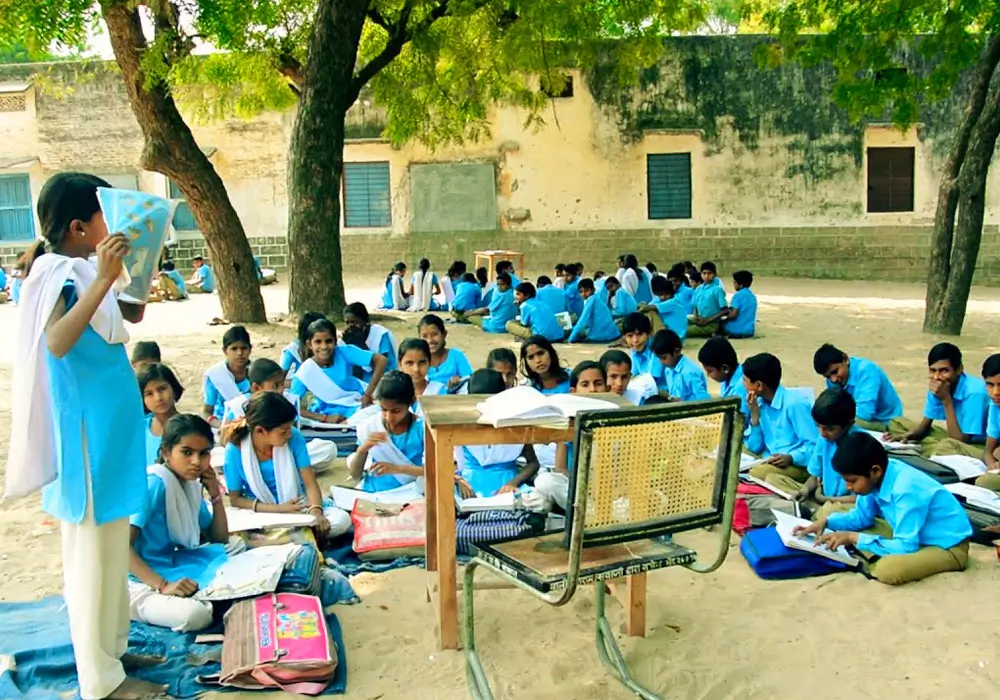
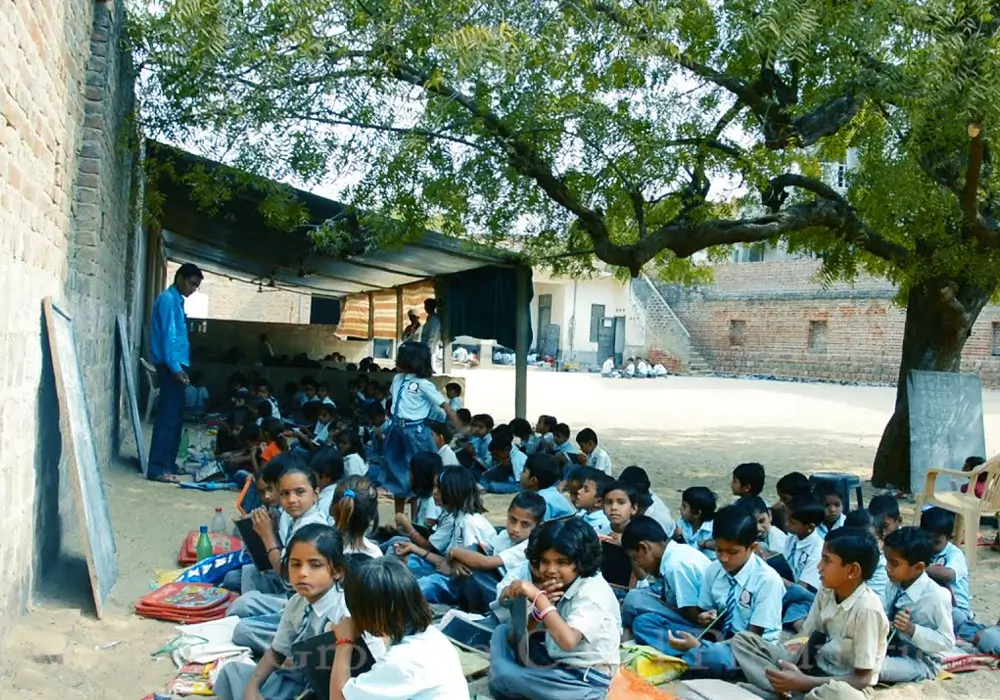
After assembly, the teacher invites you into a classroom. Many rural classrooms are simple: a blackboard, a teacher’s table, children sitting on mats or at benches. You sit at the back and watch. Lessons might be Hindi reading, arithmetic, English words or a science chapter. Watching how a teacher handles a large class with few resources is often a lesson in itself.
6. Sharing about your country
If the teacher invites it, you may be asked to say a few words: where you live, what the weather is like, what children eat for lunch, what sports they play. Your guide translates. Children often ask questions that are funny, sharp or both. Bringing a small map or a few pictures on a tablet helps, as long as they are shown under the teacher’s guidance.
7. A game at break time
When the bell goes for break, the yard comes alive. Children play tag, kho kho, skipping, marbles or cricket. If the teachers are happy, you may be invited to join a game. This is often the moment guests remember most.
8. A word with the teachers and departure
Before leaving, you thank the head teacher. If you would like to make a donation of books or supplies, this is where we discuss it with them. Then you head back to your hotel or on to your next stop, and the school day carries on as normal.
A government school in rural Rajasthan. Most village children in Rajasthan attend government schools, which provide free education and a midday meal. The buildings are usually simple and practical, set around a yard.
Morning routines. Children arriving on foot or by bicycle, sweeping the yard, lining up for assembly, sometimes a teacher taking a roll call.
The midday meal. Government schools across India serve a cooked meal to pupils. Depending on the timing of your visit, you might see the kitchen at work or children queuing with their plates. This is a big part of why many families send their children to school regularly.
Teaching with limited resources. Teachers often manage mixed-age classes and large numbers. You may see children chanting times tables, reading aloud in unison or working in groups with a single shared book.
Children being children. Giggles at your accent, shyness that disappears within ten minutes, tireless energy at break time and enormous curiosity about where you come from.
Village life around the school. On the drive, you will pass fields, wells, cattle and homes. If you would like to see more of the village itself, ask about combining the visit with a farm day in rural Rajasthan or a village jeep safari.
Many well-meaning travellers have heard troubling stories about “voluntourism”: short-term visitors teaching for a day, building walls that are later rebuilt, or orphanages that keep children in poor conditions because visitors bring money. We take those concerns seriously.
You are a guest, not a teacher. The teachers are trained professionals who know their pupils. A visitor who takes over a class for an hour disrupts the lesson plan and adds nothing lasting. You watch, you share a little when invited, and you leave the teaching to them.
The school sets the terms. Every visit is agreed with the head teacher, and the school can say no or change the plan at any time.
We do not visit orphanages. Child welfare groups around the world advise against orphanage tourism, and we agree. We do not arrange orphanage visits of any kind.
Support goes where it is needed. If you want to help, we steer you towards giving through the school, so that supplies match real needs and are shared fairly. The teachers decide.
Visits are kept small and infrequent. We keep groups small and do not send visitors to the same school day after day. A school is a place of learning, not a stop on a sightseeing circuit.
Dress modestly. Shoulders and knees covered for everyone. Teachers and village parents notice, and modest clothing shows respect for the school.
Be on time. Assembly starts when it starts. Arriving late can interrupt it.
Follow the teacher’s lead. If the teacher asks you to sit, sit. If they ask you to speak, keep it short and simple. If they want to carry on with their lesson, let them.
Keep phones away. Unless the teacher has invited a photograph of something specific, keep your phone in your bag.
Shoes off where asked. Some classrooms and spaces may require you to remove shoes. Your guide will tell you.
Do not make promises. Children may ask if you will come back or send something. A warm smile and “it was wonderful to meet you” is kinder than a promise you may not keep.
Respect the teachers. Rural teachers often work with few resources and long commutes. A sincere thank you, and genuine interest in how they teach, means a great deal.
School days only. Visits happen on normal teaching days. Schools close on Sundays and on public and religious holidays.
Avoid holidays and exams. Government schools in Rajasthan have a long summer break, usually in the hottest part of the year, and a shorter winter break around the end of December and early January. There are also Diwali holidays in autumn and exam periods, particularly towards the end of the academic year, when visits are not appropriate. We check the current school calendar for your dates.
October to March. The cooler months are the most comfortable time to visit, and they match the main touring season. Mornings in December and January can be cold and foggy, so assembly may be delayed or held in a sunny spot.
July to September. Schools are in session during much of the monsoon, and the countryside is green. Roads can be muddy, but visits are often possible.
Time of day. Morning is best, as you see assembly and the start of lessons. Visits are kept short so they do not take up the whole school day.
From Jaipur. Village schools near Jaipur are within easy reach of the city. A school morning can be followed by a cooking class with a local family, a visit to Amber Fort or a slower afternoon at your hotel.
From Jodhpur. Around Jodhpur, a school visit sits well alongside a Bishnoi village safari, as both take you into the countryside west of the city.
Combine it with village life. Add a game of cricket with villagers on our village cricket match page, or spend a night with a family on a village homestay.
On a family holiday. For travelling families, a school visit can be one of the most meaningful mornings of the trip. Your own children see how others their age learn and play, and the questions they ask afterwards are often the best part. Tell us their ages and we will brief them gently beforehand.
Plan a little flexibility. Because the school’s agreement comes first, we keep one alternative morning in mind in case the school asks to move the date.
Many guests want to give something after their visit. The right way is quiet, practical and led by the school.
Bring and wear - Modest clothing covering shoulders and knees - Comfortable shoes that slip on and off easily - A small map or a few pictures of your home to share if invited - Water bottle - A warm layer for cold winter mornings - Supplies for the school, if agreed with the head teacher in advance
Leave behind - Sweets, pens, money or toys to hand to children - Expectations of teaching or running activities - Social media plans involving children’s faces or the school’s location - Drones - Large groups: this visit is for small parties only
Tell us your Jaipur or Jodhpur dates and we will check the school calendar and arrange a morning with a school that welcomes visitors.
Call & WhatsApp +91-9828085426 or email info@topindianholidays.net.
See more ideas on our Top Experiences in India page.
Tell us your travel dates and we will check availability and fit this experience into the right day of your itinerary. Reply within 12 hours.
Check Availability› Chat on WhatsApp› Send an Enquiry›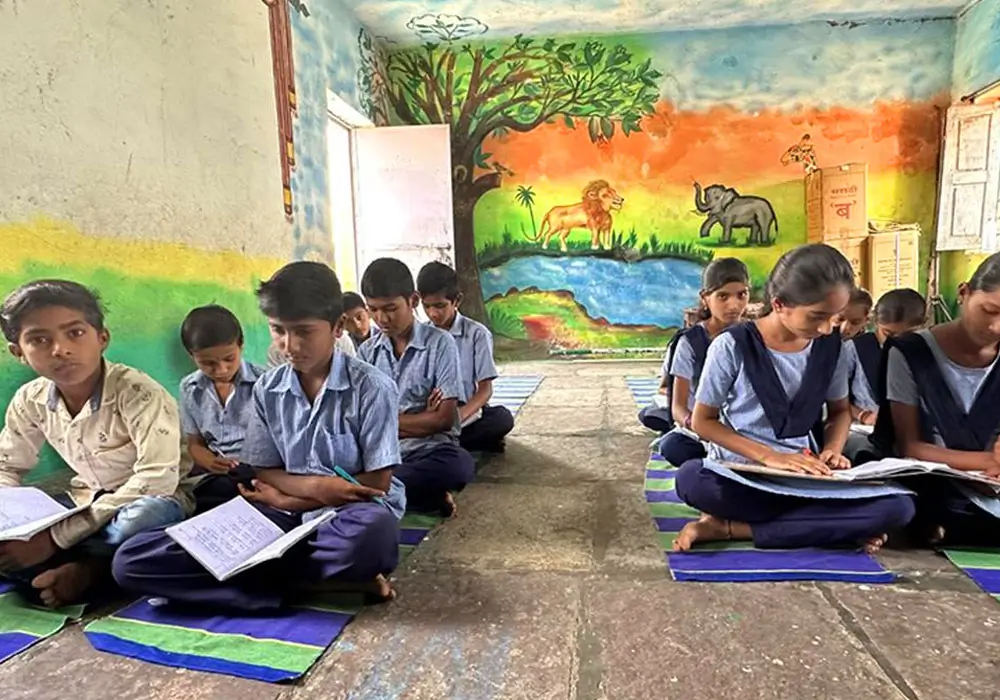



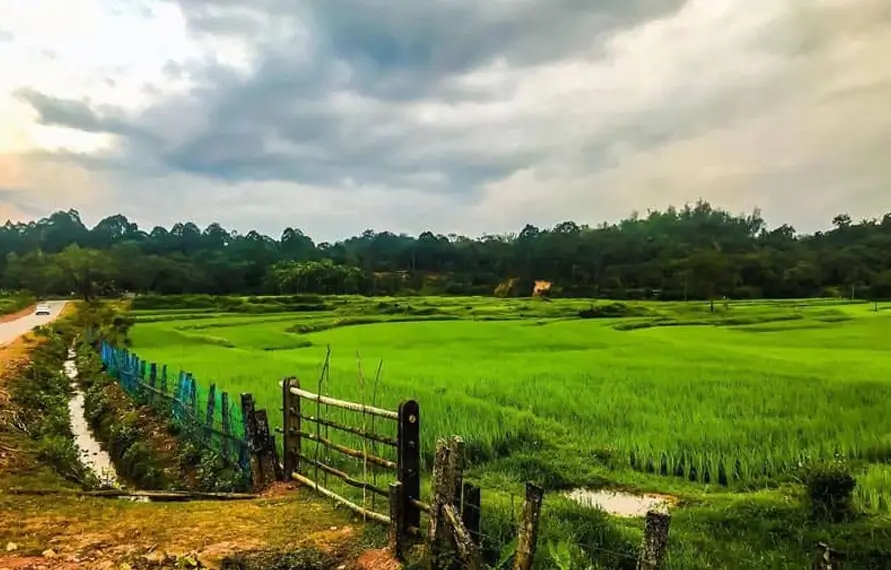 🌙 13 Nights / 14 Days
Bangalore - Coorg - Chikmagalur... Bangalore - Coorg - Chikmagalur - Wayanad - Thekkady - Kumarakom - Madurai Show More
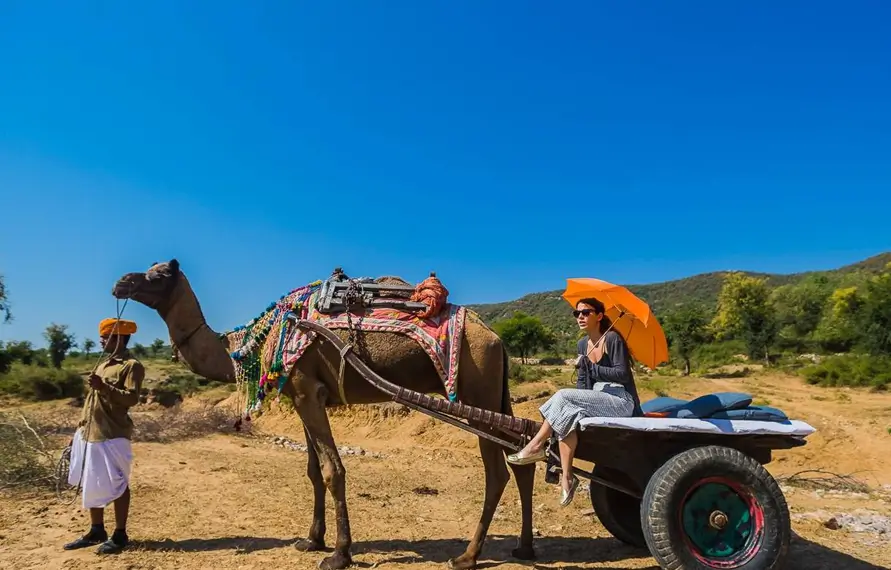 🌙 11 nights / 12 days
Delhi - Jaipur - Nimaj... Delhi - Jaipur - Nimaj - Deogarh - Udaipur Show More
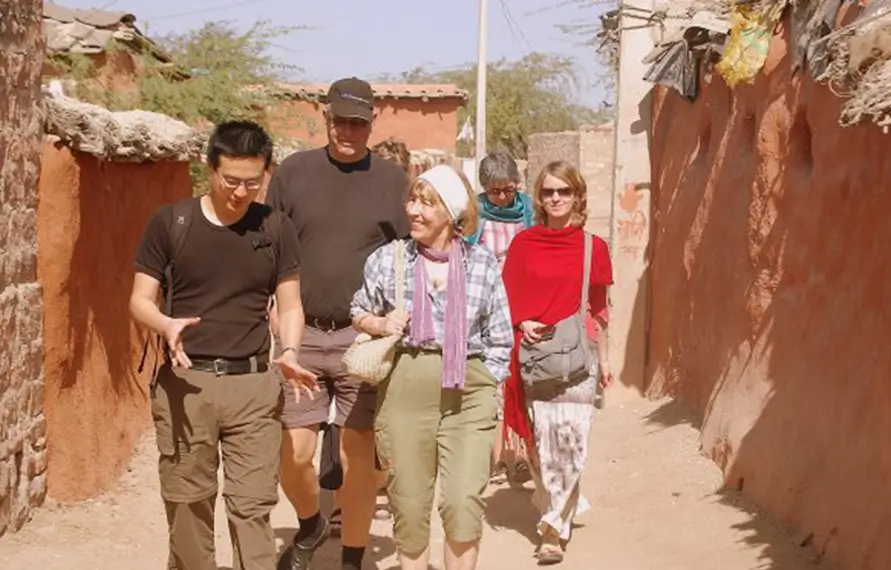 🌙 14 Nights/ 15 Days
Delhi - Agra - Jaipur... Delhi - Agra - Jaipur - Samode - Bikaner - Jaisalmer - Jodhpur - Bishnoi Village - Udaipur Show More
 🌙 06 Nights / 07 Days
Raipur -Jagdalpur - Indravati -... Raipur -Jagdalpur - Indravati - Kanger Valley - Chitrakoot - Nagarnar - Narayanpur - Raipur Show More
Yes. Share your Jaipur or Jodhpur dates and we will check the school calendar, arrange the visit with the head teacher and fit it into your wider itinerary.
The school’s decision always comes first. We keep an alternative morning in mind, and if no visit is possible, we suggest another village experience instead.
Yes. We can arrange a visit near Jodhpur, which pairs well with a Bishnoi village safari. Tell us your route and we will suggest the best base.
Plan for a morning including the drive from your hotel. The time inside the school is kept short so that lessons are not disrupted.
Modest clothing covering shoulders and knees, and shoes that are easy to remove. In December and January, bring a warm layer for cold mornings.
Yes, and many families find it one of the most meaningful parts of their trip. Tell us their ages and we will brief them on how to behave and what to expect.
Only on normal school days, in the morning. Schools close on Sundays, public holidays, the summer and winter breaks and during exams. We check the current calendar for your dates.
No. We do not arrange orphanage visits of any kind, in line with advice from child welfare organisations. Our school visits are to ordinary government schools with families at home in the village.
No. You are a guest, not a teacher. The teachers run their lessons, and you watch and share a little when invited. We do not arrange voluntourism or short-term teaching placements.
Please do not hand out sweets, pens, money or toys directly. If you would like to donate books, stationery or sports equipment, we help you give it through the head teacher so the school decides what it needs.
Only if the school permits it, and the teacher will tell you what is acceptable. Never post children’s faces online with the name or location of the school. Photos of the building or yard are usually fine with permission.
You arrive for morning assembly, sit in on a class, share a little about your own country if the teacher invites it and may join a game at break time. Then you thank the head teacher and leave the school to carry on its day.
It is when child protection comes first. Visits are agreed with the school, supervised by teachers, small and infrequent. There are no direct gifts, no photographs of children without permission and no teaching by visitors.
Yes, when it is arranged properly with the school’s agreement. We approach the head teacher in advance, agree a suitable school day and make sure teachers are present throughout. Unplanned visits are not appropriate.

Whether you're planning your first India trip or returning to explore deeper, get honest, expert advice from someone who knows every corner of this country. No pressure, no cost.