


 info@topindianholidays.net
 +91-8955000999

Hot Air Balloon Ride in Jaipur
Lift off as the sky turns orange and drift over villages, mustard fields and the Aravalli hills while Jaipur is still waking up.
View Experience ›Spend a day in Amritsar between two very different kinds of ritual: the calm devotion of the Golden Temple and the loud, flag-waving pageant at the Attari-Wagah border.

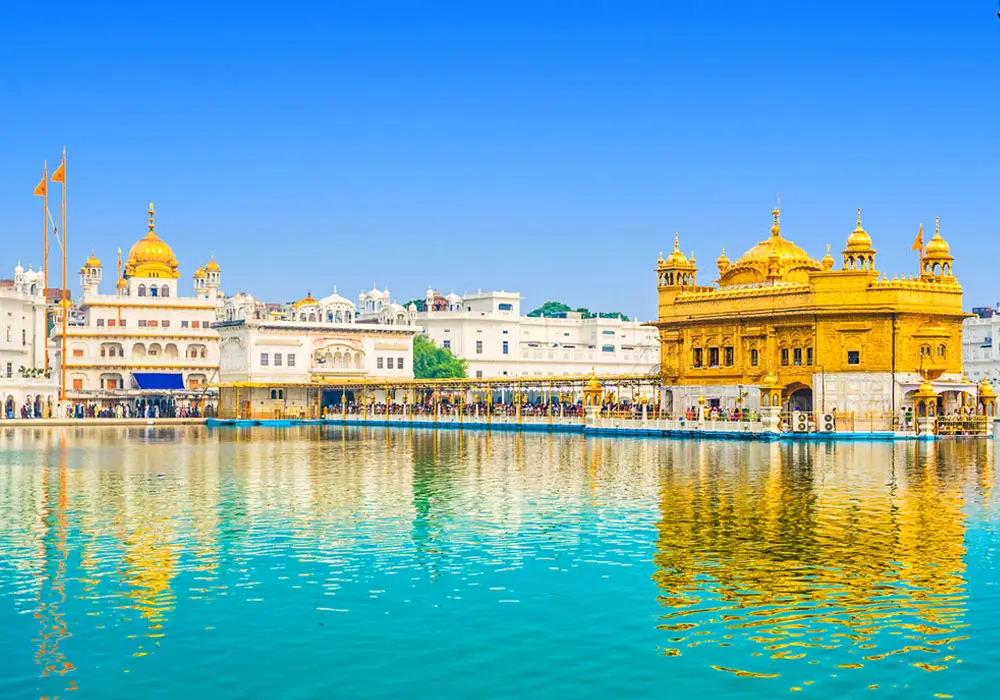
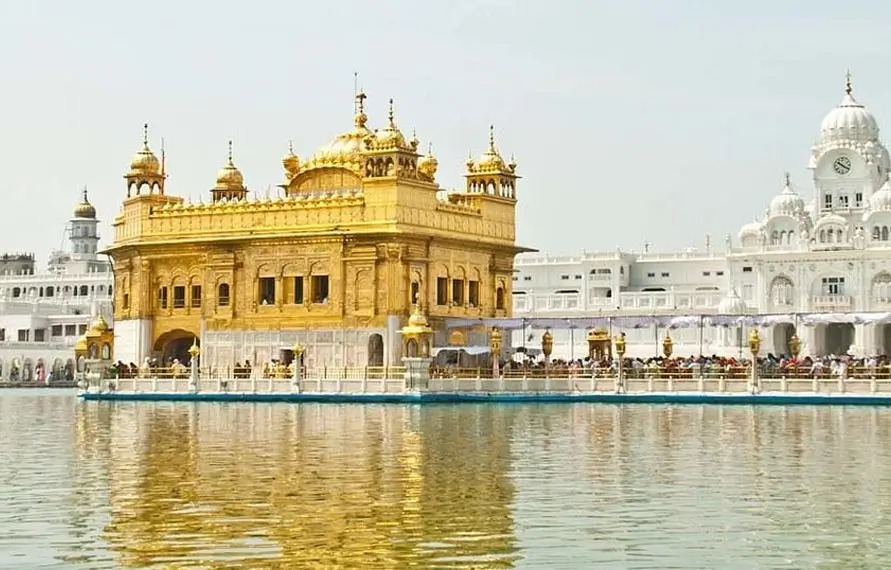
Amritsar is a city most travellers reach late in their planning, often as an add-on to Delhi, and almost all of them leave saying it was the part of India that moved them most. The reason is the Golden Temple. Harmandir Sahib, to give it its proper name, is the holiest shrine of the Sikh faith, a gilded sanctuary standing in the middle of a wide pool of water, with white marble walkways running around all four sides. It is open to everyone, of every faith, at almost every hour, and it feeds tens of thousands of people every day for free. You do not watch the Golden Temple as a tourist so much as join it for a few hours.
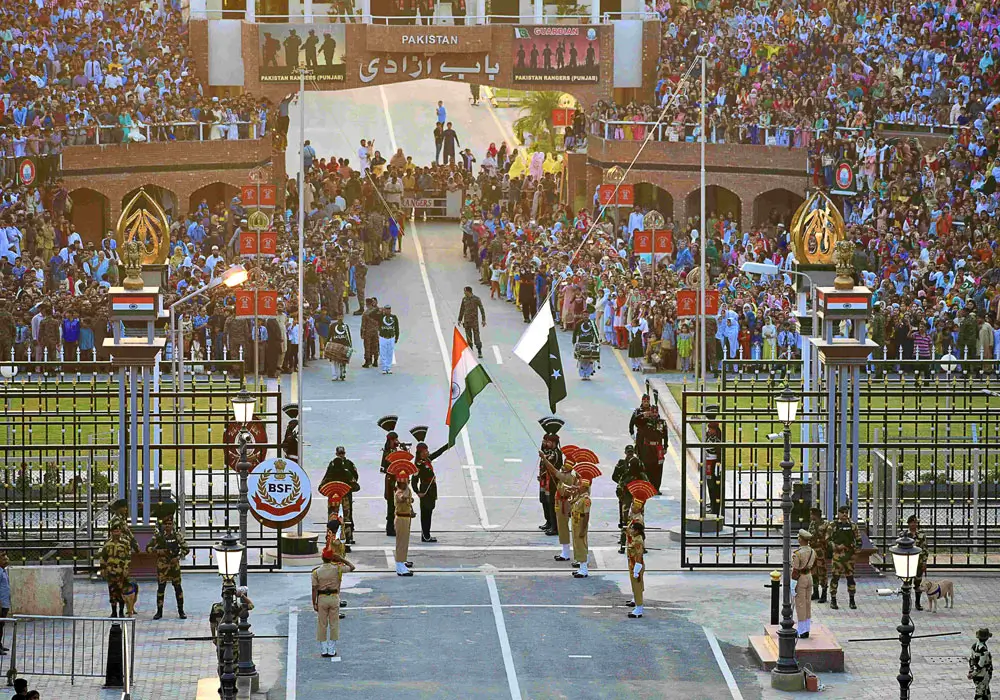
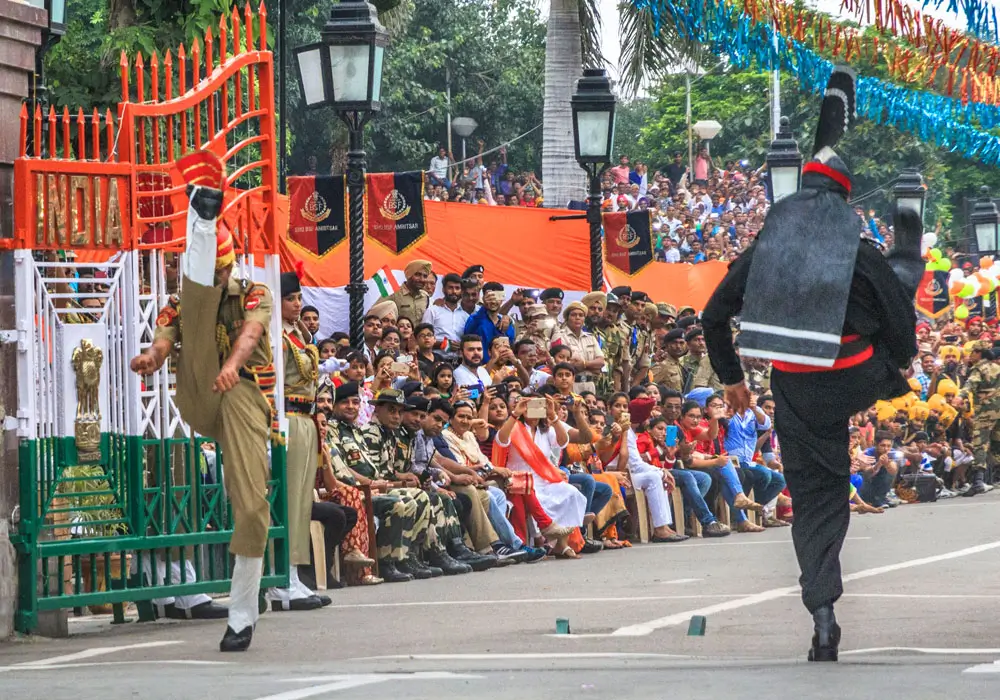
The second half of the day could hardly be more different. Around 30 km west of the city, on the road that once ran all the way to Lahore, India and Pakistan lower their flags every evening at the Attari-Wagah crossing. The Beating Retreat ceremony is part military drill, part theatre and part sports crowd. Soldiers of India’s Border Security Force and Pakistan’s Rangers march, stamp and high-kick towards the gates while thousands of spectators on each side cheer, sing and wave flags. Taking a Wagah border ceremony tour is the easiest way to see it without worrying about the drive, the parking, the queues or the security rules.
Put together, the two halves tell you a great deal about Punjab: its faith, its generosity, the wounds of Partition in 1947 and the fierce pride people feel in their side of the line. This page explains how the day works, how to behave in the temple, what to expect at the border and how to fit Amritsar into a wider India tour.
1. Meet your guide at the hotel
Your private driver and local guide collect you from your Amritsar hotel. Most hotels are within a short drive of the old city, but cars cannot reach the temple door, so the driver drops you at the edge of the pedestrian plaza leading to the main entrance. Before you walk in, your guide runs through the simple temple customs so that nothing catches you by surprise.
2. Shoes off, head covered, feet washed
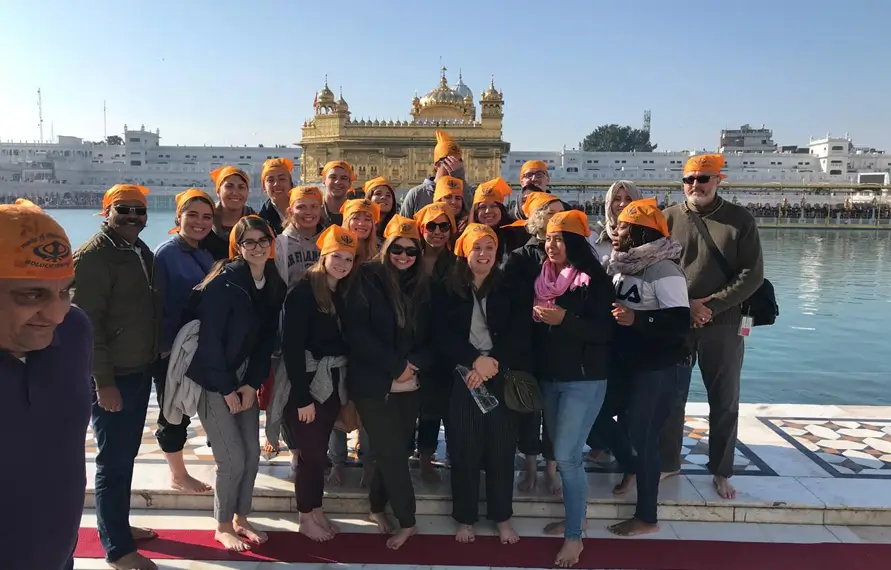
At the entrance you hand your shoes to the free shoe deposit, run by volunteers, and receive a token. Everyone covers their head, men and women alike. If you do not have a scarf, orange head cloths are offered at the entrance at no cost. You then walk through a shallow channel of water that rinses your feet before you step onto the marble.
3. First sight of the shrine
You enter through a gateway and the whole complex opens in front of you: the gilded temple in the centre of the pool, the causeway leading to it, and the long white arcades around the edge. Most people simply stop for a minute here. Your guide will not rush you. When you are ready, you walk clockwise around the parikrama, the marble path that circles the water.
4. Walking the parikrama
The circuit is unhurried. Along the way your guide points out the Akal Takht, the seat of Sikh temporal authority facing the causeway; the old trees within the complex that carry stories of the Gurus; the places where pilgrims bathe in the pool; and the memorials to those who died in the turbulent events of the 20th century. Hymns from the Guru Granth Sahib play continuously across the complex, sung live by musicians inside the shrine.
5. Inside the sanctum, if the queue allows
Joining the queue along the causeway takes you into the shrine itself, where the holy book rests and the musicians sit. The queue can be short early in the morning and very long on weekends and Sikh festival days. Your guide will judge whether it is worth joining on the day. Inside, you move slowly with the flow of pilgrims, do not stop for long, and photography is not allowed.
6. Langar, the community kitchen
Next comes the part many guests remember longest. The Guru Ram Das Langar is a vast free kitchen where anyone can sit on the floor in long rows and be served a simple vegetarian meal of dal, a vegetable dish, rotis and kheer. You eat alongside pilgrims from villages across Punjab, families from other states and travellers from abroad. Afterwards you can visit the kitchens to see the scale of the cooking, and if you wish, sit for a while to help roll rotis or peel garlic with the volunteers.
7. Jallianwala Bagh and the old city lanes
A short walk from the temple, Jallianwala Bagh is the garden where British troops fired on an unarmed crowd in April 1919. It is now a memorial, and bullet marks are still visible in some walls. Your guide explains what happened and why it mattered to India’s independence movement. There is usually time for a short walk through the old bazaars nearby before lunch and a rest at your hotel.
8. Drive to the border in the afternoon
In the afternoon your driver takes you west along the Grand Trunk Road to Attari, around 30 km from the city. Allow time: crowds build in the last hour, and the security checks move slowly. You leave the car in the parking area and walk the final stretch, passing through checks before reaching the seating stands near the gate.
9. The Beating Retreat ceremony
The ceremony itself takes place before sunset. Patriotic songs play, the crowd cheers, and then the soldiers begin the drill: rapid marching, foot stamps and kicks thrown higher than seems possible, mirrored by the Pakistani side a few metres away. It ends with the lowering of both national flags. Afterwards you walk back to the car with the crowd and your driver returns you to Amritsar for dinner.
The Golden Temple welcomes visitors warmly, and the rules are simple. Following them is a way of showing respect to a living place of worship, not a formality.
Cover your head at all times. Inside the complex, from the moment you pass the entrance, your head should be covered. A scarf, bandana or the free head cloths at the gate all work. A baseball cap is not considered suitable.
Remove shoes and socks. Shoes go into the free deposit. Socks come off too. Your guide will tell you which entrance and which shoe deposit to use, so that you come back to the same place afterwards.
Wash your feet. Every entrance has a shallow water channel. Walk through it without hesitation; it is part of entering.
No tobacco, alcohol or meat. Do not bring cigarettes, lighters, alcohol or any meat into the complex. Smoking is forbidden, and it is worth not smoking right before you walk in.
Dress modestly. Cover shoulders and knees. Loose trousers or a long skirt and a top with sleeves are ideal for both men and women.
Do not dip your feet in the pool. Pilgrims bathe in the sacred water, but visitors who are not bathing should not sit with their feet dangling into it.
Sit with your feet tucked. When you sit on the marble or in the langar hall, avoid pointing the soles of your feet towards the shrine or the holy book.
Photography with care. Photographs from the parikrama are generally fine. Inside the sanctum they are not allowed. Never photograph people bathing, and ask before taking close portraits of pilgrims.
Accept prasad with both hands. You may be offered karah prasad, a warm, sweet offering of flour, ghee and sugar. Receive it with cupped hands together.
None of this is difficult, and your guide is there to help. Sikh volunteers, known as sevadars, are also used to gently showing visitors what to do.
Langar is one of the central ideas in Sikhism. Everyone sits at the same level, on the floor, and eats the same food, regardless of religion, caste, wealth or nationality. At the Golden Temple the scale is extraordinary. Huge iron cauldrons of dal simmer on fires, machines and hands turn out rotis by the thousand, and teams of volunteers wash plates in a continuous rhythm.
How the meal works. You collect a steel plate, bowl and spoon at the entrance to the hall, then sit in a row on the long floor mats. Volunteers walk down the rows with buckets and baskets, serving dal, a vegetable curry, rice or kheer, and rotis. Hold out your hands, palms up and together, to receive a roti. Eat what you take, and accept a second helping only if you want it.
Hygiene. The food is cooked in very large quantities and served hot. Many travellers eat the langar without any trouble. If you have a sensitive stomach, take a little and focus on the hot dishes. Your guide can bring bottled water.
Helping in the kitchen. You are welcome to volunteer. Most guests choose to sit with the volunteers who roll rotis or chop vegetables for a while. Nobody keeps time, and nobody minds if your rotis are uneven. This is seva, selfless service, and taking part, even for a short time, is a respectful way to give something back.
Donations. The langar is free. There are donation boxes in the complex, and you may give if you wish. Nobody will ask you to.
If you are willing to set an alarm, one of the most moving things you can see in Amritsar is the Palki Sahib ceremony. Twice a day, the Guru Granth Sahib is carried between the Akal Takht and the inner shrine in a decorated palanquin, accompanied by chanting, drums and devotees taking turns to shoulder the poles.
Early morning. Before dawn, the holy book is carried into Harmandir Sahib to begin the day. The complex is cool and lit by lamps, and the sound of the hymns carries across still water.
Night. Late in the evening, after the final prayers, the book is carried back to its resting room in a ceremony called Sukhasan. The crowds are smaller than in the day, and the gilded shrine glows against the dark.
The exact times move with the seasons, so we confirm them for your dates. The night ceremony is the easier one for most travellers to attend, as it can follow dinner. A night visit also gives you a second, quieter view of the temple after a busy day at the border. If you only have one day in Amritsar, we often suggest the border in the late afternoon and the temple again after dark.
The Attari-Wagah crossing is the main road crossing between India and Pakistan in Punjab. Attari is the Indian village and Wagah is on the Pakistani side, so you will hear both names. The flag-lowering ceremony has taken place here every evening for decades.
Status and timing. The ceremony is run by the Border Security Force, which sets the timings and can change them at short notice. Timings shift with the seasons, moving earlier in winter, and the ceremony has been scaled back or suspended for public viewing during periods of tension between the two countries, most recently in 2025, when it later resumed with the gates kept closed and no handshake between the two sides. Because of this, we check the current status and timing before you travel, and again on the day.
Security and ID. Carry your passport. Foreign visitors are asked for it at the checkpoints, and it is also what gives you access to the seating set aside for foreign nationals, which is usually closer to the gate and less crowded than the general stands. Indian visitors need their own photo ID.
Bags. Bag rules are strict and enforced. Large bags, backpacks and handbags are often not allowed, and there is no reliable cloakroom. Your driver will keep your belongings in the car. Bring only your passport, phone, a small amount of cash, a camera and perhaps a water bottle in your hands or pockets.
The walk. From the parking area it is a walk of several hundred metres to the stands. Wheelchair users and those with mobility needs should tell us in advance so we can plan the approach.
The crowd. Weekends, public holidays and especially Independence Day and Republic Day bring very large crowds. On ordinary weekdays in winter it is busy but manageable. The atmosphere is exuberant: music, dancing in the road before the ceremony, chants of national slogans and children with painted flags on their cheeks.
Respect. The ceremony is patriotic and theatrical, but it takes place on a real international border with a painful history. Applaud, enjoy the spectacle, but follow the instructions of the BSF staff and avoid gestures aimed at the other side.
October to March. The most comfortable time. Days are mild and sunny, nights are cool, and in December and January can be cold, with fog in the mornings. The border ceremony starts earlier in winter, so you need to leave the city sooner.
April to June. Hot, with afternoons well above comfortable. The marble around the temple pool heats up under bare feet, although mats are laid along the main paths. Visit the temple early in the morning or late in the evening.
July to September. The monsoon brings humid heat and showers. The temple is beautiful after rain, and crowds can be lighter, but the border stands are open to the sky.
Festivals. Guru Nanak’s birthday, Bandi Chhor Divas (which falls at the same time as Diwali) and Vaisakhi bring huge numbers of pilgrims, and the temple is lit up in spectacular fashion. If your dates fall on one of these, we will plan around the crowds and tell you what to expect.
Time of day at the temple. Early morning is calm and cool. Midday is busiest. Evening and night bring lights on the water and the Sukhasan ceremony.
Getting to Amritsar. Amritsar has an international airport with flights from Delhi and other Indian cities, and fast trains run between Delhi and Amritsar. The flight is around an hour; the faster trains take around six hours. We arrange the transfers at both ends.
How long to stay. One night is enough for the core experience if you arrive early. Two nights let you see the temple at more than one time of day and add a relaxed visit to the Partition Museum in the old Town Hall, which tells the human stories of 1947 with great care.
Before or after the Golden Triangle. Amritsar works well before or after Delhi, Agra and Jaipur. A common shape is Delhi, Amritsar, back to Delhi, then the Taj Mahal sunrise visit in Agra and onwards to Rajasthan.
Heading north. From Amritsar, the hill town of Dharamshala is a drive of several hours. It pairs naturally with a Tibetan monastery morning or a Himalayan day hike.
Pace. The temple visit is on foot and barefoot, and the border involves a walk and a wait. We keep the middle of the day free for lunch and a rest.
A night visit to the temple. The best pairing of all. After the border, return to the temple to see the gold lit against the dark and stay for the Sukhasan ceremony if timings allow.
The Partition Museum. Close to the temple, this museum covers the division of India in 1947 through survivors’ accounts, letters and objects. It adds deep context to the border ceremony you see in the evening.
Old city food. Amritsar is famous for its food: kulchas stuffed with potato, rich dal, lassi served in tall steel tumblers and fish fried in spiced batter. Your guide can steer you to busy, trusted places. If you love food walks, our Old Delhi food tour is a natural partner on the same trip.
Rural Punjab. On a longer stay, a drive out through the wheat and mustard fields shows a very different side of Punjab: gurdwaras in every village, tractors decorated with ribbons and farmhouses with buffalo in the yard.
Bring and wear - Passport (essential at the border) - A scarf or bandana to cover your head - Loose clothes covering shoulders and knees - Slip-on shoes that are easy to remove - A small amount of cash for donations or snacks - Sunglasses and a hat for the border stands
Leave behind - Cigarettes, lighters and alcohol - Backpacks and large handbags on the border visit - Drones - Any meat or non-vegetarian snacks in your pockets
Tell us when you will be in Amritsar and we will arrange the temple, the langar and the border on the right day, with current timings checked.
Call & WhatsApp +91-9828085426 or email info@topindianholidays.net.
See more ideas on our Top Experiences in India page.
Tell us your travel dates and we will check availability and fit this experience into the right day of your itinerary. Reply within 12 hours.
Check Availability› Chat on WhatsApp› Send an Enquiry›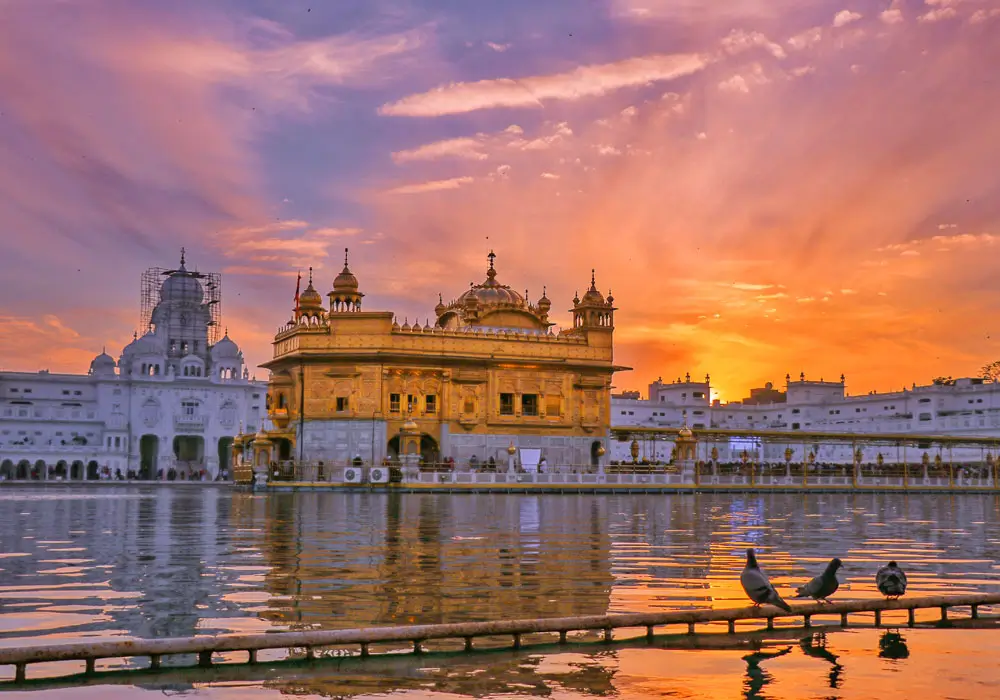


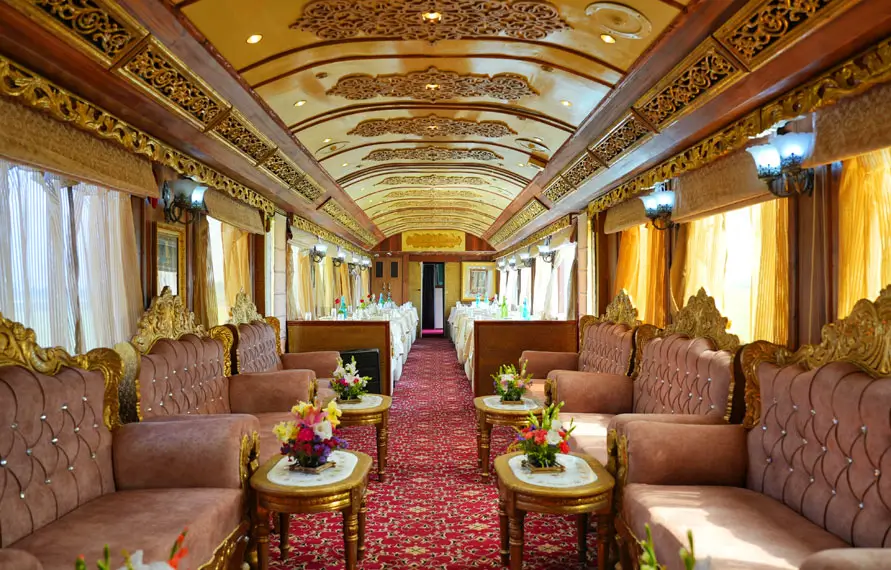 🌙 11 Nights / 12 Days
Delhi - Jaipur - Ranthambore... Delhi - Jaipur - Ranthambore - Chittorgarh - Udaipur - Jaisalmer - Jodhpur - Keoladeo - Agra - Delhi - Amritsar - Delhi Show More
 🌙 14 Nights / 15 Days
Amritsar - Chandigarh - Rishikesh... Amritsar - Chandigarh - Rishikesh - Haridwar - Delhi - Lucknow - Varanasi - Agra - Jaipur - Delhi Show More
 🌙 07 Nights / 08 Days
⭐ Most Popular
Delhi - Agra - Jaipur... Delhi - Agra - Jaipur - Amritsar Show More
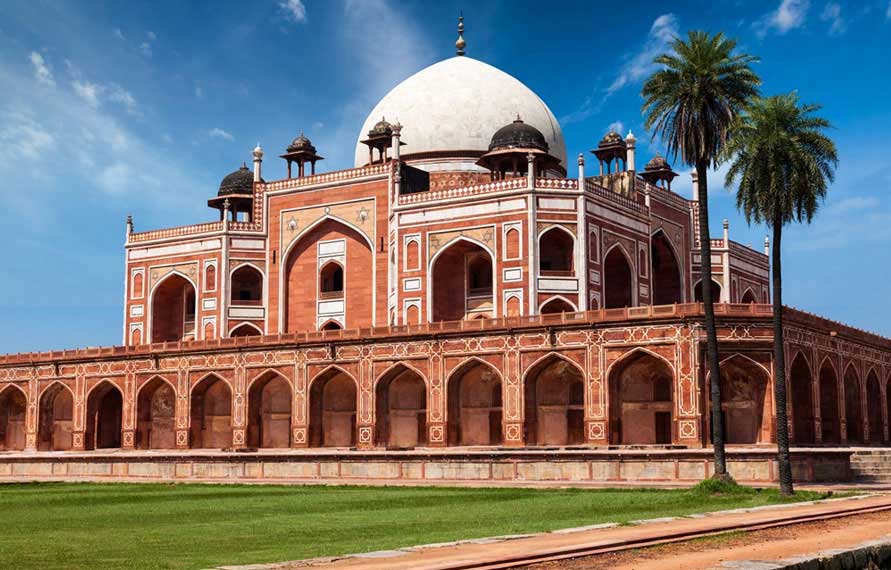 🌙 14 Nights / 15 Days
⭐ Most Popular
Delhi - Amritsar - Delhi... Delhi - Amritsar - Delhi - Pushkar - Jodhpur - Udaipur - Jaipur - Agra - Varanasi Show More
Fly or take a fast train from Delhi to Amritsar, spend one or two nights, then return to Delhi to continue to Agra and Jaipur. We arrange the transport, hotels and timings as part of your private tour.
Children usually love the music and the marching. The crowds, noise and walking can be tiring for small children, so bring water and keep them close, especially on weekends and holidays.
Yes, and it is the most popular way to do it. Visit the temple and Jallianwala Bagh in the morning, rest at midday, drive to the border in the afternoon and return to the temple at night if you have energy left.
Loose clothes covering shoulders and knees, a scarf for your head and slip-on shoes. At the border, add sunglasses and a hat, as the stands are open to the sun.
It is the procession in which the holy book is carried into the shrine before dawn and back to its resting room late at night. The times change with the seasons, so we confirm them for your visit. The night ceremony is the easier one to attend.
Yes. Visitors are welcome to sit with the volunteers rolling rotis or preparing vegetables, or to help with washing plates. Your guide will show you where to go.
Yes. Everyone is welcome to sit on the floor in the langar hall and share the simple vegetarian meal. Hold your hands out together to receive rotis, and eat what you take.
No. Entry is free, the shoe deposit is free, head coverings are provided free and the langar meal is free. Donation boxes are there if you wish to give.
Yes. The Golden Temple welcomes people of every faith and nationality. Cover your head, remove your shoes and socks, wash your feet at the entrance and dress modestly.
Large bags, backpacks and handbags are usually not allowed. Bring only your passport, phone, camera and a little cash. Your driver keeps everything else safely in the car.
Yes. Carry your original passport. It is checked at security and gives access to the seating area reserved for foreign visitors, which is usually closer to the gate.
The Attari-Wagah crossing is around 30 km from Amritsar. The drive normally takes under an hour, but you should leave early because traffic, parking and security checks build up before the ceremony.
It usually is, but public viewing has been scaled back or suspended at times of tension between India and Pakistan, and the format has changed in recent years. We check the current status before you travel and again on the day.
It takes place before sunset, so the time moves through the year and is earlier in winter. The Border Security Force sets and occasionally revises it. We confirm the current time for your date and plan your departure from Amritsar accordingly.

Whether you're planning your first India trip or returning to explore deeper, get honest, expert advice from someone who knows every corner of this country. No pressure, no cost.