


 info@topindianholidays.net
 +91-8955000999

Hot Air Balloon Ride in Jaipur
Lift off as the sky turns orange and drift over villages, mustard fields and the Aravalli hills while Jaipur is still waking up.
View Experience ›Pick up a bat on a dusty village pitch, play a relaxed game with local players and share tea and snacks with their families as the sun goes down.
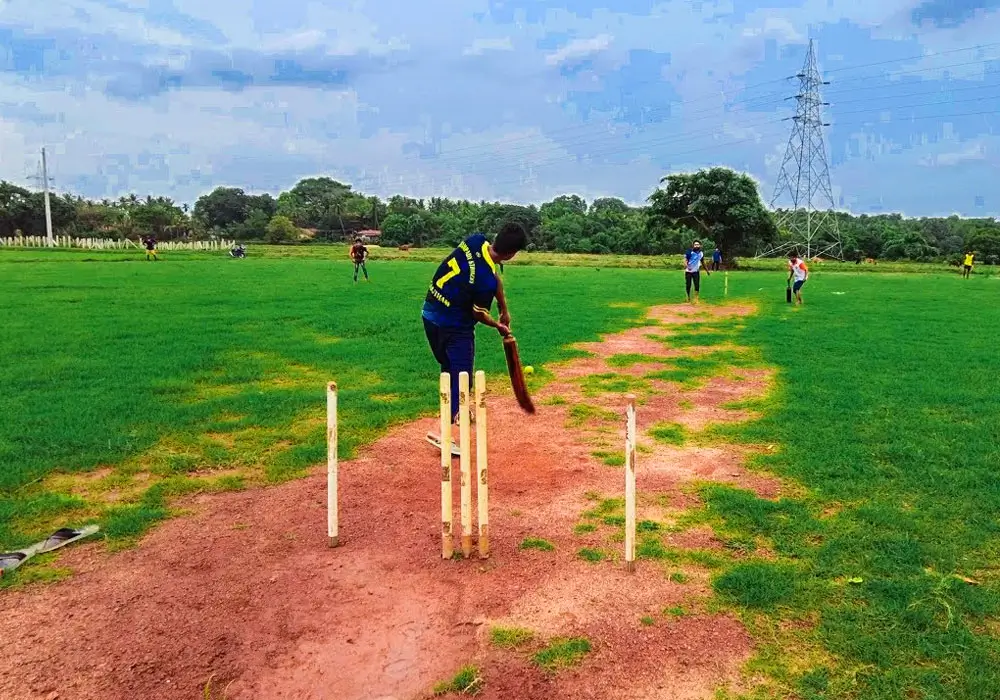
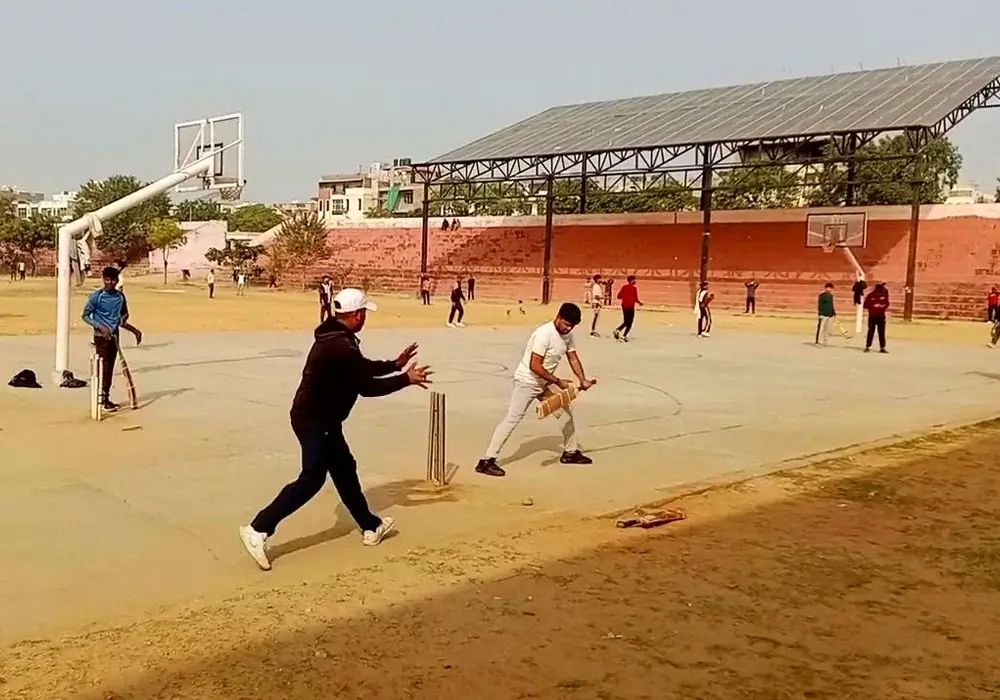
Drive through any Indian village in the late afternoon and you will see it: a group of boys on a patch of bare ground, a set of stumps made from sticks or bricks, a taped-up tennis ball and a bat that has seen better days. Someone is bowling, someone is shouting, and a crowd of younger children is watching from the edge, waiting for their turn. Cricket is not just a sport in India. It is the game everyone plays, the conversation everyone joins and, for many people, the closest thing to a shared national language.
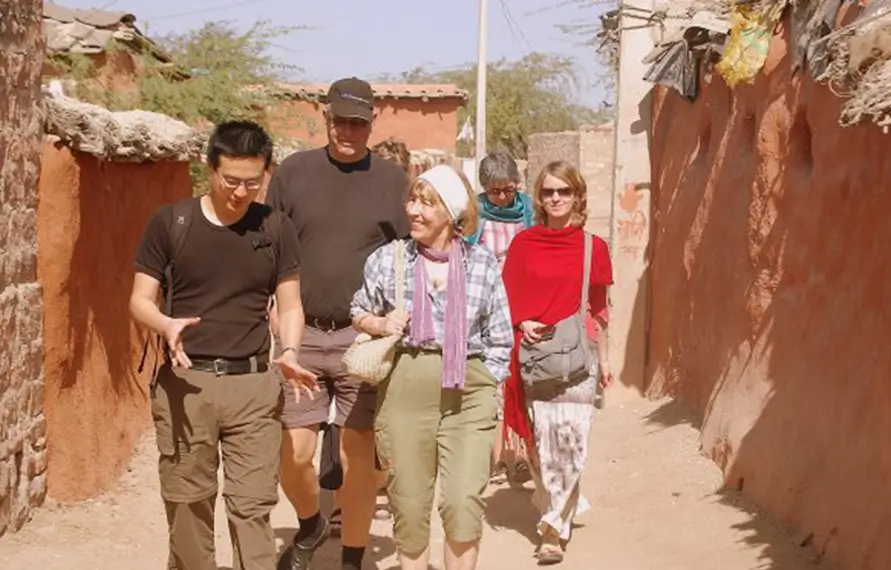
If you want to play cricket in an Indian village, this experience gives you that afternoon. We take you to a village outside Jaipur, where a team of local players, usually young men and teenagers who play together most evenings, invite your group to join a friendly match. Teams are mixed, so you play alongside the villagers rather than against them. The rules are simplified for beginners, the mood is relaxed, and nobody minds if you have never held a bat before.
The match is only half of it. Afterwards, you sit with the players and their families for tea and snacks, often in the courtyard of a home near the ground. Your guide helps with conversation, which tends to move quickly from cricket to family, food, work and where you come from. Many guests find it the most natural, unscripted part of their time in Rajasthan, because everyone has something to talk about.
It works for all kinds of travellers. Keen cricket fans from England, Australia or South Africa enjoy playing in front of people who know the game inside out. Americans and Europeans who have never played often have the most fun of all, learning as they go. And children of any age slot in straight away.
1. Pickup in Jaipur
Your private driver and guide collect you from your hotel in the afternoon. The village is outside the city, so the drive takes you past the suburbs into farmland, with the Aravalli hills in the distance. Your guide uses the drive to explain how cricket is played in villages and what to expect.
2. Arriving in the village
You are met by the players and, usually, a small crowd of curious children. There are introductions, handshakes and plenty of smiles. Your guide explains who is who and helps break the ice. If you have brought any cricket kit to donate, this is the moment to hand it over, with your guide translating.
3. A quick introduction to the game
For anyone new to cricket, the players and your guide run through the basics: how to hold the bat, where to stand, how to bowl without bending your arm, and how you get out. It takes a few minutes and is usually accompanied by a lot of demonstrations and laughter. Experienced players can skip straight to a few practice balls.
4. Picking the teams
The teams are mixed, with visitors and village players on both sides. That way, nobody is playing against strangers and everyone has a teammate who can coach them. Captains toss a coin, choose to bat or bowl and the game begins.
5. The match
A village game is usually a short format: a few overs per side, so everyone gets a turn to bat and bowl. Rules are relaxed for beginners, so a first-time batter may get a second chance, and bowlers adjust their pace for children and newcomers. The local players will still be very keen to win, and the cheering from the boundary is loud.
6. Tea, snacks and conversation
After the match, you sit down with the players and their families. Tea is usually sweet, milky masala chai, often served with simple snacks such as pakoras, namkeen or biscuits. This is the time for real conversation. People will want to know about cricket in your country, your favourite players and what you think of India. Your guide translates where needed.
7. A short walk through the village
If there is time and your hosts are happy, you may take a short walk around the village with your guide: the temple, the well or pond, a field or two and the houses around the ground. This is always done at your hosts’ invitation and pace.
8. Back to Jaipur
As the light fades, you say goodbye and your driver brings you back to Jaipur. Most guests are back at their hotel in time for dinner, often still talking about the catch they took or the ball that bowled them.
It is hard to overstate how much cricket means in India. The game arrived during British rule and was first played by soldiers, officials and the princely families who hosted them. Several maharajas built grounds, formed teams and played themselves, and some became famous players. Over time, the game moved from the palaces to the streets and fields, and it became the sport of the whole country.
Today, India is one of the most powerful forces in world cricket. International matches stop offices, fill television rooms and set off fireworks across cities when India wins. The arrival of the Indian Premier League, a professional league of city-based teams, turned cricket into big business and made its stars household names in every village.
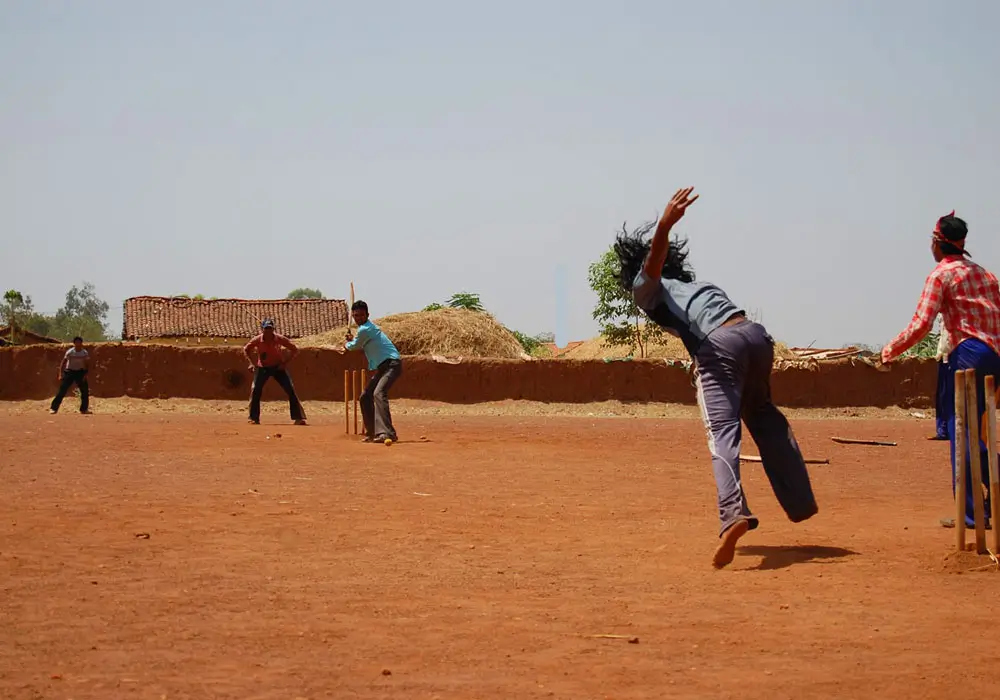
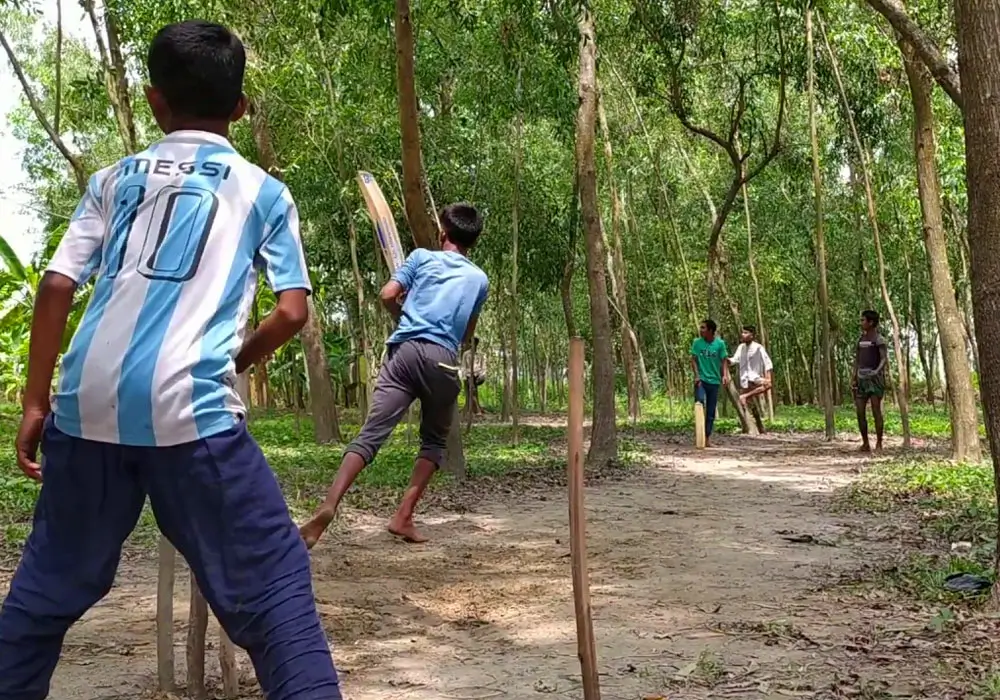
But the heart of Indian cricket is still the informal game. It is played in narrow city lanes with rules about not hitting the ball into a neighbour’s house, on rooftops, on beaches and in every village with a flat patch of ground. Equipment is often improvised: a tennis ball wrapped in tape, a bat cut from a plank, stumps made from a pile of bricks or a chalk mark on a wall. This is where most Indian cricketers, including many famous ones, first learned the game.
Rajasthan has its own cricket culture too. Jaipur has an international stadium, the Sawai Mansingh Stadium, which hosts a professional league team, and young players across the state dream of a trial. When you play with village players, you are taking part in something they care about deeply.
If you have never played cricket before, do not worry. The village version is easy to pick up. Here are the basics your guide and the players will explain on the day.
The idea. Two teams take turns to bat and bowl. The batting team tries to score as many runs as possible, and the bowling team tries to get the batters out. The team with more runs at the end wins.
Batting. You stand in front of the stumps, a set of three sticks, and try to hit the ball when it is bowled to you. If you hit it, you can run to the other end of the pitch to score a run. If the ball reaches the edge of the playing area along the ground, it is worth four runs. If it goes over the edge without bouncing, six.
Bowling. You run up and send the ball towards the batter with a straight arm, bowling overarm. Beginners can bowl gently, and nobody expects speed. Six balls make an over.
Getting out. The most common ways are being bowled, when the ball hits the stumps, and being caught, when a fielder catches the ball before it touches the ground. Village rules often add their own local twists, which the players will explain with great enthusiasm.
Fielding. Everyone else spreads out around the ground to stop the ball and throw it back. It is a great job for children and for anyone who prefers running about to batting.
The ball. Village games are often played with a tennis ball or a soft ball rather than a hard leather cricket ball. That makes the game safer for beginners and children, and means you do not need pads or gloves.
The pitch. Do not imagine a green English village green. The ground is usually a dusty, flat field or open space at the edge of the village, with a strip of hard earth as the pitch. The ball bounces unpredictably, which is part of the fun and evens the contest between experienced players and beginners.
The crowd. Word spreads quickly when visitors come to play. Expect children, elders and passers-by to gather along the edge, offering advice and cheering every boundary. A good shot or a dropped catch will be remembered for weeks.
The players. Village teams are usually made up of young men and teenagers who play together most evenings. Some are very good, with real talent, and you may be surprised by how fast they bowl when they forget to slow down for the visitors. They are always generous and patient with beginners.
The atmosphere. It is friendly, noisy and good-natured. Winning matters a little, but the real point is to play together. You will not be judged on your skill, and nobody will mind if you spend the whole match laughing.
Ask before photos. The players are usually happy to pose, but always ask before photographing anyone, especially women and elders. Your guide can ask on your behalf. If someone says no, put the camera down.
Dress modestly. In rural Rajasthan, shoulders and knees covered is a good rule for everyone. Comfortable sports clothes such as light trousers or long shorts and a T-shirt are fine for the match.
Shoes off at homes. If you are invited into a home for tea, take your shoes off at the door.
Accept hospitality gracefully. Tea and snacks are offered as a welcome. Accept a cup even if you only take a sip. Eat with your right hand if food is passed by hand.
No sweets, pens or money for children. It can feel kind to hand out gifts, but it encourages begging and can cause problems within the village. If you want to give, the cricket kit donation is a far better way to help.
Be a guest, not a spectator. You are joining in with people’s evening, not watching a show. Talk to the players, learn their names and enjoy the game together.
Many guests ask whether they can bring something for the village team, and the answer is yes. Good cricket equipment is expensive for village players, and a donation of kit is used and valued for a long time.
What helps most. Bats, tennis balls and soft cricket balls, stumps and bails, and simple sports clothing such as T-shirts. Well-used but sound equipment is welcome too. Gloves and pads are useful if the team plays with a harder ball.
Bringing from home. Cricket bats are bulky but can travel in your hold luggage if well packed. Check your airline’s rules for sports equipment before you fly.
Buying in Jaipur. If you would rather not carry kit across the world, we can help you buy it locally in Jaipur before the match. Sports shops in the city sell good equipment at reasonable prices, and your guide can take you to one on the way.
Giving it through us. We hand the kit over to the team captain or the village elders with you at the start of the match, so it goes to the team as a whole rather than to one person. Your guide explains to the players where it came from.
October to March. The best months. Late afternoons are warm and golden, and the evenings cool quickly after sunset. December and January can be chilly once the sun has gone, so bring a jumper for tea afterwards.
April to June. Hot. If your tour falls in these months, the match moves as late in the afternoon as possible and is kept short. Plenty of water and shade breaks are essential.
July to September. The monsoon brings rain and muddy ground, and some days a match will not be possible. When it is dry, the countryside is lush and green.
Late afternoon is best. We plan matches for the late afternoon, when the heat has gone out of the day, the light is beautiful and the village players have finished school or work. The game usually ends around sunset, with tea in the fading light.
A relaxed second afternoon in Jaipur. After a morning at Amber Fort, the City Palace or Jantar Mantar, the village cricket match is a perfect change of pace. It is easy to add on any day when you have a free afternoon.
Pair it with active mornings. If you have energy to spare, start the day with our Jaipur horse riding adventure or the Amber Fort sunrise tour by jeep, then play cricket in the afternoon.
End with dinner. A match finishes in good time for dinner, so you could follow it with a cooking class with a local family or a Jaipur night food walk.
Other cities. We can also arrange a village match outside Udaipur or Jodhpur. In Jodhpur, it pairs well with our Bishnoi village safari for a full day in the countryside.
For families. The cricket match is one of the best activities in India for children, and it pairs well with the elephant sanctuary in Jaipur for a family-focused Jaipur stay.
Bring and wear - Trainers or sports shoes with good grip - Light trousers or long shorts and a T-shirt - A hat, sunglasses and sunscreen - A refillable water bottle - A light jumper for after sunset in winter - Any cricket kit you would like to donate
Leave behind - Sandals and flip-flops for the match - Revealing clothing - Sweets, pens or cash for handing out to children - Valuables you do not need
Tell us your Jaipur dates, the size of your group and the ages of any children, and we will arrange a friendly village match on the best afternoon of your stay.
Call & WhatsApp +91-9828085426 or email info@topindianholidays.net.
See more ideas on our Top Experiences in India page.
Tell us your travel dates and we will check availability and fit this experience into the right day of your itinerary. Reply within 12 hours.
Check Availability› Chat on WhatsApp› Send an Enquiry›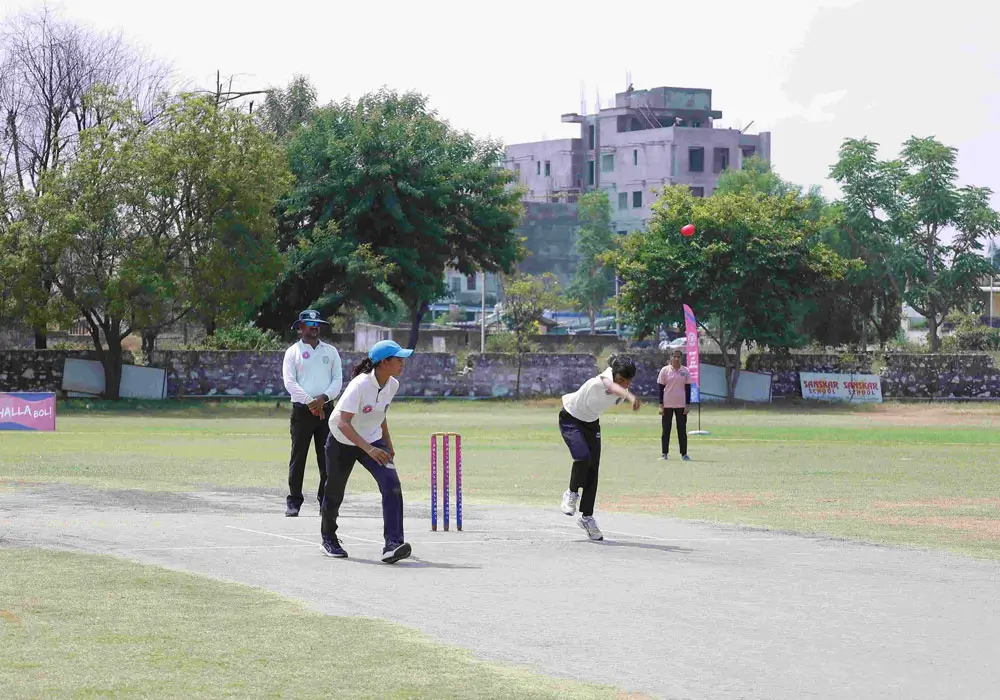



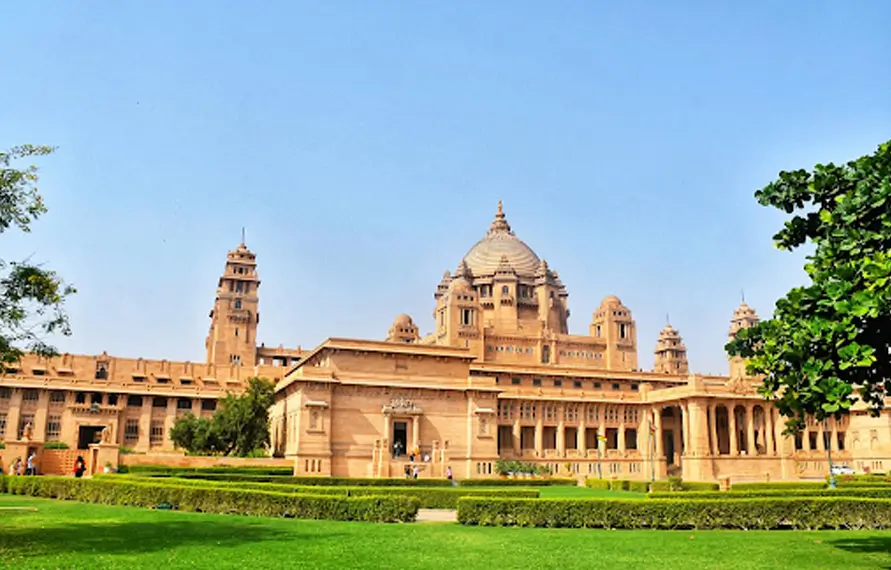 🌙 13 Nights / 14 Days
⭐ Most Popular
Delhi - Agra - Ranthambhore... Delhi - Agra - Ranthambhore - Jaipur - Jodhpur - Narlai - Udaipur Show More
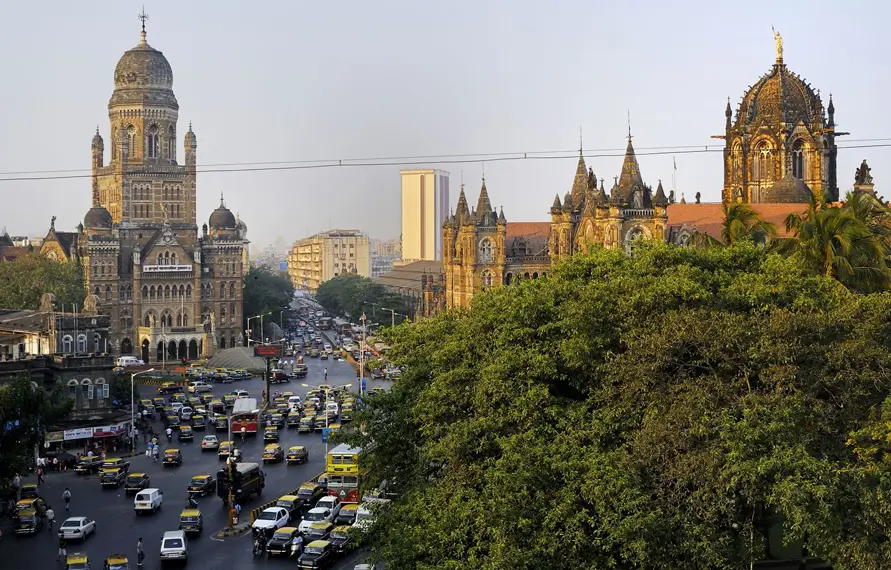 🌙 14 Nights / 15 Days
Mumbai - Delhi - Kolkata... Mumbai - Delhi - Kolkata - Cochin Show More
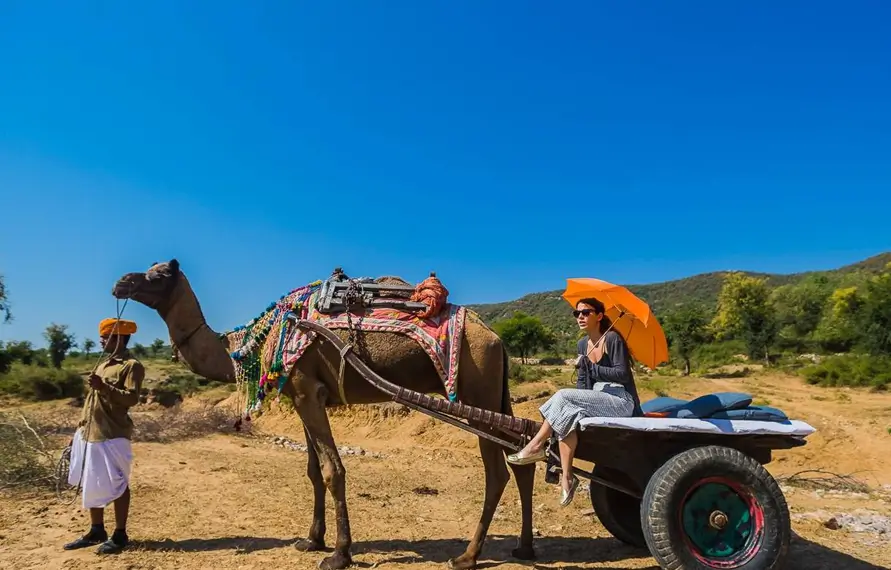 🌙 11 nights / 12 days
Delhi - Jaipur - Nimaj... Delhi - Jaipur - Nimaj - Deogarh - Udaipur Show More
 🌙 14 Nights/ 15 Days
Delhi - Agra - Jaipur... Delhi - Agra - Jaipur - Samode - Bikaner - Jaisalmer - Jodhpur - Bishnoi Village - Udaipur Show More
Yes. With two nights in Jaipur, it fits easily into a free afternoon after the morning sightseeing. It is one of the most relaxed and sociable things you can add to a Delhi, Agra and Jaipur trip.
It works well for families, groups of friends and small groups. For larger groups, we plan the teams and timing in advance with the players. Tell us your numbers when you enquire.
Yes. We can arrange a match outside Udaipur or Jodhpur if your tour is spending more time there. Ask us when you plan your trip.
Yes. We plan these matches so that the team and the families who host you are supported, and kit donations help the team for a long time. The village is never treated as an attraction.
Players are usually happy to be photographed, but always ask first, especially with women and elders. Your guide can ask on your behalf. If anyone says no, please respect that.
No, the teams are mixed, with visitors and village players on both sides. That way everyone has a teammate who can coach them and the afternoon is about playing together.
Yes, and it is very welcome. Bring kit from home or let us help you buy it in Jaipur. We hand it over to the team captain or elders with you, so it goes to the whole team.
Comfortable sports clothes that cover your shoulders and knees, such as light trousers or long shorts and a T-shirt, with trainers. Bring a hat, sunscreen and water, and a jumper for after sunset in winter.
It depends on the number of players and how long you stay for tea afterwards. Matches are short format so everyone gets a turn. Plan for a relaxed late afternoon and early evening.
Late afternoon in the cooler months, from October to March, is ideal. The heat has gone out of the day and the village players have finished school or work. The match usually ends around sunset.
Very much so. Children of all ages join in, usually playing alongside village children. Matches use a tennis ball or soft ball, so it is safe for younger players.
The village is outside the city, and your private driver takes you there from your hotel and back. The drive takes you out through farmland towards the Aravalli hills.
Not at all. The players and your guide explain the basics before the match, and the village version of the game is easy to learn. Many of our guests have never played before.
Yes. We arrange friendly matches with village players in a village outside Jaipur. Teams are mixed, rules are simplified for beginners and the afternoon ends with tea and snacks with local families.

Whether you're planning your first India trip or returning to explore deeper, get honest, expert advice from someone who knows every corner of this country. No pressure, no cost.