📅 Last Updated On: 27 Jul 2026
⏱ 10 Min Read
Major Festivals of India Month by Month: Complete Cultural Travel Guide
T
Top Indian Holidays
Ministry of Tourism Approved Tour Operator
Understanding India Through Its Festivals
India is often described as a land of festivals, and few statements capture the country's character more accurately. Across its vast geography, communities celebrate hundreds of festivals every year, reflecting centuries of history, spirituality, agriculture, seasonal changes and regional traditions. For international travelers, attending an Indian festival is often one of the most memorable experiences of an entire journey.
Unlike many countries where major celebrations are concentrated around a few national holidays, India's festival calendar remains active throughout the year. Different regions celebrate unique events while major religious festivals attract participants on a scale rarely seen elsewhere in the world. Streets transform into stages for processions, homes are decorated with lights and colors, temples become centers of activity and entire cities come alive with celebrations.
Festivals in India are not simply public events. They represent living cultural traditions passed down through generations. Music, dance, food, rituals, clothing and community gatherings all play important roles in preserving cultural identity. Travelers who experience these celebrations gain insights that cannot be obtained through monuments or museums alone.
The timing of many festivals follows lunar calendars, meaning dates may vary slightly each year. However, their seasonal patterns remain relatively consistent and provide excellent opportunities for planning India cultural tours around authentic local experiences.
This guide follows the calendar year and highlights some of the most important festivals that international travelers should consider when planning a visit to India.
Celebrate India's Colorful Festivals with an Unforgettable Journey
Immerse yourself in India's vibrant festival traditions with a customized holiday. Experience the joy of Diwali, Holi, Pushkar Camel Fair, Durga Puja, Navratri, and many other cultural celebrations while enjoying private transportation, handpicked accommodations, and authentic local experiences throughout your trip.
January – Makar Sankranti and the International Kite Festival
.webp)
January marks the beginning of one of India's most vibrant festival periods. Across many parts of the country, Makar Sankranti celebrates the transition of the sun into a new zodiac position and symbolizes longer days and the arrival of the harvest season.
The festival takes different forms depending on the region. In Gujarat, it becomes internationally famous through the spectacular International Kite Festival. During this event, the skies above Ahmedabad fill with thousands of colorful kites flown by participants from around the world. Rooftops become gathering places where families and visitors celebrate throughout the day while enjoying traditional food and music.
The atmosphere is unlike anything many travelers have previously experienced. Looking across the city, visitors see countless kites competing for space in the sky while communities celebrate together. The visual impact is extraordinary, making the festival highly attractive for photographers and cultural travelers.
Elsewhere in India, the same period is marked by harvest celebrations, river rituals and community gatherings. The diversity of traditions associated with Makar Sankranti demonstrates how a single seasonal event can inspire unique regional expressions throughout the country.
For travelers interested in Indian cultural festivals, January provides an excellent introduction to the nation's festive spirit.
February – Desert Festival of Jaisalmer
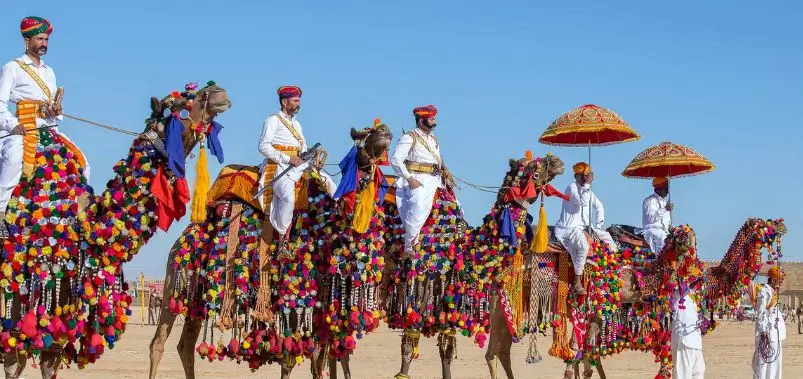
As winter reaches its most pleasant phase in Rajasthan, Jaisalmer hosts one of India's most distinctive cultural celebrations. The Jaisalmer Desert Festival showcases the traditions, music and lifestyle of Rajasthan's desert communities against the dramatic backdrop of the Thar Desert.
The event transforms the Golden City into a stage for cultural performances, folk dances and traditional competitions. Musicians perform ancient melodies while dancers wearing colorful costumes bring regional stories to life through movement and performance. The atmosphere captures the spirit of desert Rajasthan more effectively than any museum or historical exhibit.
Camel processions are among the festival's most popular attractions. Decorated animals participate in parades and competitions while visitors learn about their historical importance within desert life. Local artisans also display handicrafts that reflect generations of cultural knowledge and craftsmanship.
The setting contributes significantly to the festival's appeal. Sand dunes, golden architecture and desert landscapes create a visual environment that feels uniquely Rajasthani. International travelers often combine the event with broader Rajasthan cultural tours that include Jodhpur, Jaipur and Udaipur.
The Desert Festival provides one of the finest opportunities to experience Rajasthan's living heritage in an authentic and engaging setting.
March – Holi: India's Festival of Colors
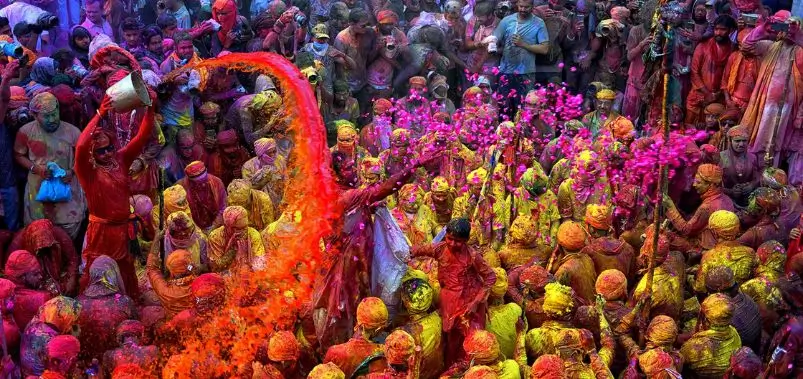
Among all Indian festivals, few are as internationally recognized as Holi. Often called the Festival of Colors, Holi celebrates the arrival of spring and symbolizes the triumph of positivity, renewal and community spirit.
The celebration is famous for its vibrant use of colored powders that participants throw into the air and onto one another. Streets, parks and public spaces become scenes of joyful celebration as people gather to dance, sing and enjoy the festive atmosphere. Travelers frequently describe Holi as one of the most energetic and memorable cultural experiences available anywhere in the world.
Different regions celebrate Holi in unique ways. Cities such as Jaipur, Udaipur, Mathura and Vrindavan are particularly popular due to their historic associations and large-scale festivities. In Mathura and Vrindavan, the festival carries additional significance because of its connections with stories of Lord Krishna.
Beyond the colors, Holi emphasizes social harmony and community participation. Traditional foods, music and cultural performances contribute to the atmosphere while reinforcing the festival's deeper meanings.
For international visitors seeking immersive festival experiences in India, Holi remains one of the country's most exciting celebrations.
April – Baisakhi and the Spirit of Punjab
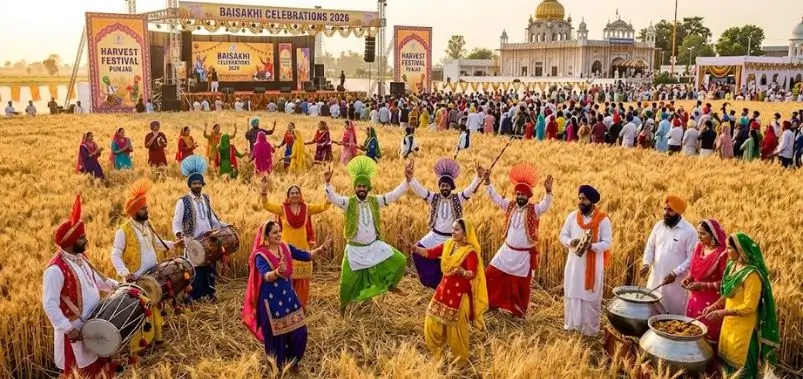
April brings one of the most important harvest festivals in northern India. Baisakhi is celebrated particularly enthusiastically in Punjab, where it marks both the harvest season and a significant event in Sikh history.
The atmosphere during Baisakhi reflects the agricultural traditions that continue to shape life across much of Punjab. Villages and cities host cultural performances featuring energetic folk dances such as Bhangra and Gidda. These performances provide insight into the region's identity and demonstrate the close relationship between agriculture and celebration.
The city of Amritsar becomes especially significant during this period due to the presence of the Golden Temple. Thousands of visitors gather to participate in religious observances while experiencing one of India's most spiritually important landmarks.
Traditional foods play a major role in the celebrations, allowing travelers to experience Punjabi hospitality and cuisine at its most vibrant. The combination of spirituality, culture and community makes Baisakhi particularly rewarding for international visitors.
For travelers interested in understanding regional traditions, Baisakhi offers a meaningful introduction to Punjab's cultural heritage.
Experience India's Living Culture Through Its Grand Festivals
Witness the heart and soul of India by joining its most spectacular cultural celebrations. From dazzling street parades and traditional folk performances to spiritual ceremonies, local fairs, and regional cuisines, enjoy a personalized journey with private transportation and carefully planned experiences across India's festive destinations.
May – Buddha Purnima and Buddhist Heritage Celebrations
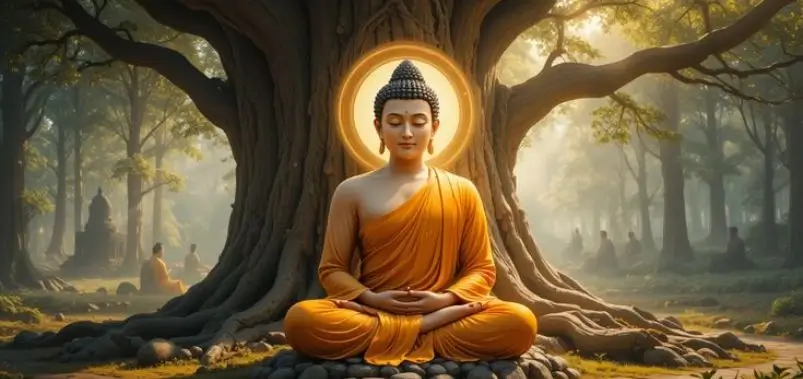
Buddha Purnima commemorates the birth, enlightenment and passing of Gautama Buddha and remains one of the most important events in the Buddhist calendar. The festival is observed across India, particularly at destinations associated with Buddha's life and teachings.
Sites such as Bodh Gaya, Sarnath and Kushinagar attract pilgrims from around the world. Monasteries, temples and cultural centers organize ceremonies that emphasize reflection, compassion and spiritual growth.
The atmosphere during Buddha Purnima differs significantly from many other Indian festivals. Rather than large public celebrations, the focus is often on meditation, prayer and educational activities. This creates opportunities for travelers interested in spirituality and cultural learning.
International visitors frequently appreciate the festival because it provides insight into traditions that have influenced societies throughout Asia. The presence of pilgrims from numerous countries further enhances the cultural diversity of the experience.
For those interested in Buddhist pilgrimage tours in India, Buddha Purnima remains one of the most meaningful times to visit.
June – Jagannath Rath Yatra: One of the World's Largest Religious Processions
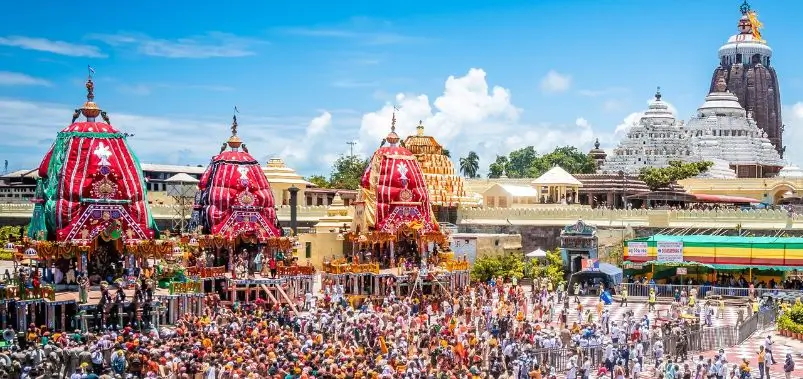
Among India's most spectacular religious events, the Rath Yatra occupies a unique position. Held in the coastal city of Puri, the festival centers around enormous chariots carrying sacred deities through the streets while vast crowds participate in the procession.
The scale of the event is extraordinary. Massive wooden chariots, constructed specifically for the festival, are pulled by thousands of devotees. The movement of these structures through the city creates an atmosphere of excitement and devotion that leaves lasting impressions on visitors.
The festival also highlights Odisha's cultural traditions through music, rituals and community participation. Travelers interested in understanding India's religious diversity often find Rath Yatra particularly fascinating because of its historical significance and dramatic visual elements.
For photographers, cultural travelers and those interested in spiritual traditions, the event represents one of the most remarkable experiences available within India festival tourism.
July – Teej: Rajasthan's Festival of Monsoon and Royal Traditions
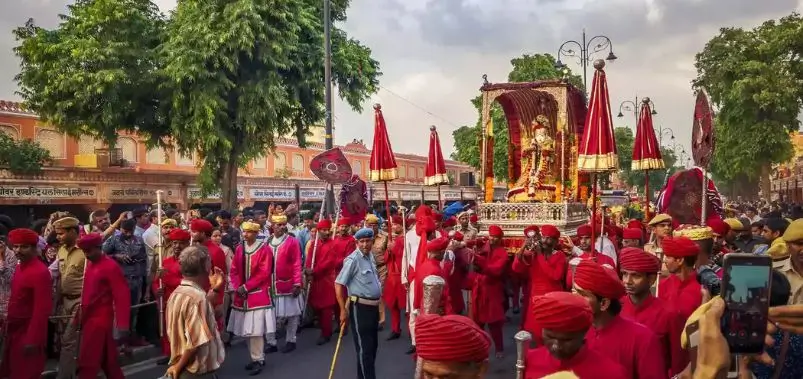
As monsoon clouds begin arriving across parts of northern India, Rajasthan celebrates one of its most elegant and culturally significant festivals - Teej. The festival is particularly important in cities such as Jaipur, Udaipur and Bundi, where centuries-old traditions continue to thrive.
Teej celebrates the arrival of the monsoon and symbolizes prosperity, happiness and devotion. During the festival, women wear vibrant traditional clothing, participate in processions and gather for music and cultural activities. The atmosphere transforms cities into colorful displays of heritage and celebration.
Jaipur hosts some of the most spectacular Teej processions in India. Decorated elephants, traditional musicians and royal-themed ceremonies move through historic streets while thousands of spectators gather to witness the event. The combination of architecture, costumes and cultural performances creates unforgettable scenes for visitors.
For international travelers interested in Rajasthan cultural festivals, Teej offers a more intimate and authentic experience than many larger celebrations while still showcasing the richness of local traditions.
August – Onam: Kerala's Grand Harvest Celebration
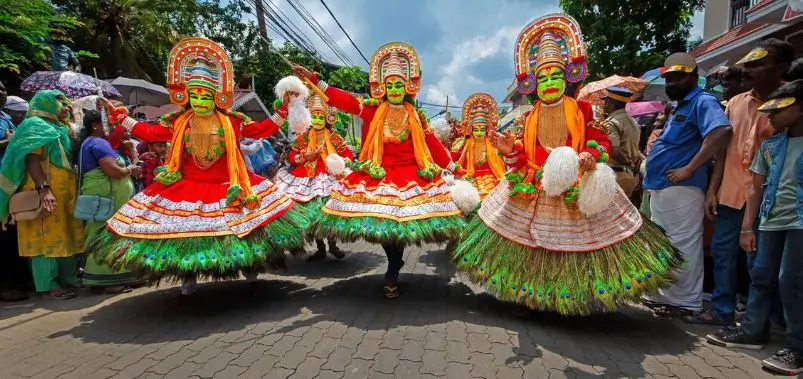
Few festivals demonstrate regional identity as beautifully as Onam. Celebrated throughout Kerala, Onam is one of South India's most important cultural events and reflects the state's traditions, hospitality and community spirit.
The festival is associated with the legendary King Mahabali and is marked by elaborate floral decorations known as Pookalam, traditional dances, music and communal feasts. Homes, public spaces and cultural centers become decorated with intricate floral designs that showcase remarkable creativity and artistic skill.
One of the highlights of Onam is the traditional feast known as the Onam Sadya. Served on banana leaves, the meal includes a wide variety of dishes representing Kerala's rich culinary heritage. For travelers, participating in a Sadya provides insight into local culture through food and hospitality.
The famous snake boat races also occur during this period. Long, beautifully decorated boats race through Kerala's backwaters while spectators line the waterways to cheer participants. The combination of sport, tradition and community involvement creates one of India's most unique festival experiences.
For visitors exploring Kerala cultural tours, Onam offers an exceptional opportunity to witness the state's traditions at their most vibrant.
September – Ganesh Chaturthi and Maharashtra's Greatest Celebration
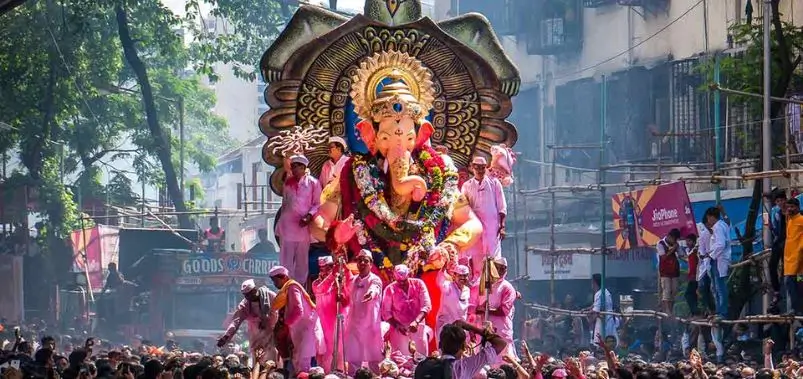
September is often dominated by one of India's most beloved festivals, Ganesh Chaturthi. Dedicated to Lord Ganesha, the festival reaches its most impressive scale in Maharashtra, particularly in Mumbai.
The city transforms dramatically during the celebration. Elaborately crafted statues of Lord Ganesha appear in homes, neighborhoods and public spaces. Some installations are small and intimate while others reach enormous dimensions and attract thousands of visitors.
Throughout the festival, communities organize cultural programs, music performances and charitable activities. The atmosphere is energetic and welcoming, with visitors often invited to participate in local celebrations. The sense of community involvement is one of the festival's defining characteristics.
The final immersion ceremonies create some of the most memorable scenes in Indian festival culture. Processions carrying statues move through the city accompanied by music, dance and celebrations before reaching the waterfront. The scale and emotion of these events make Ganesh Chaturthi one of the most photographed festivals in India.
For travelers interested in Mumbai cultural experiences, this festival provides an extraordinary opportunity to observe community traditions on a massive scale.
October – Durga Puja: Kolkata's Greatest Cultural Event
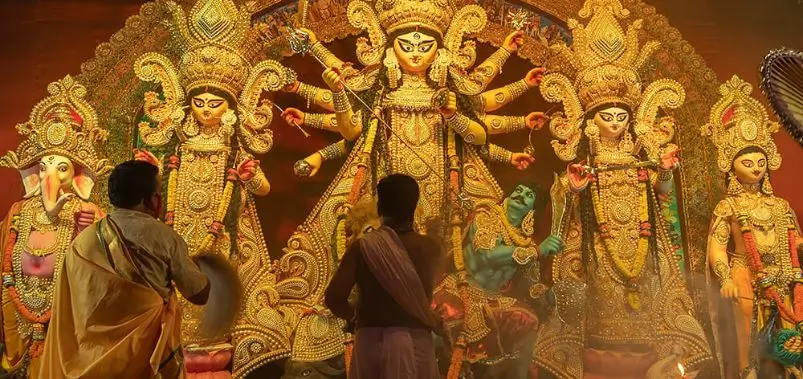
When discussing India's most spectacular festivals, Durga Puja inevitably occupies a prominent place. Celebrated most enthusiastically in West Bengal, particularly in Kolkata, the festival honors the Goddess Durga and combines spirituality, art and community participation on an extraordinary scale.
Months of preparation precede the celebrations. Artists create elaborate temporary structures known as pandals, each featuring unique themes and artistic concepts. Some resemble historical monuments while others showcase innovative contemporary designs. The creativity involved transforms Kolkata into an open-air cultural exhibition.
During the festival, millions of people visit these installations while participating in rituals, performances and celebrations. Streets remain active late into the night as families, photographers and visitors move between different locations.
Food, music and cultural programs contribute significantly to the atmosphere. Traditional Bengali cuisine becomes an important part of the experience while performances showcase local artistic traditions.
For international travelers interested in India cultural festivals, Durga Puja is often considered one of the country's most impressive celebrations.
October – Navratri and Gujarat's Nights of Dance
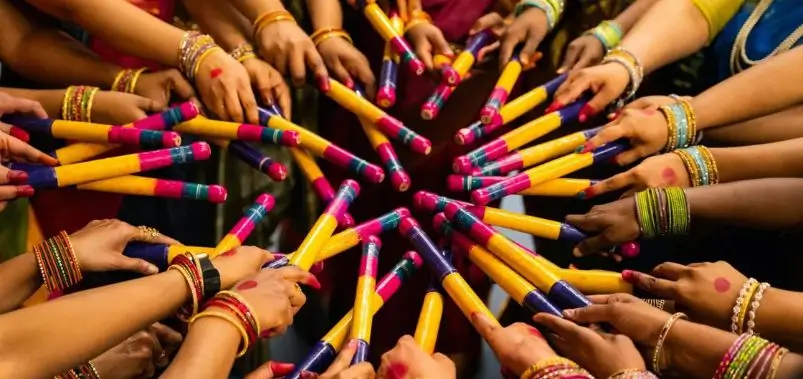
Coinciding with the broader festive season, Navratri transforms Gujarat into one of the most energetic destinations in India. The festival is famous for Garba and Dandiya Raas, traditional dance forms performed in large community gatherings.
Throughout the state, thousands of participants dress in colorful traditional attire and gather in open spaces to dance for hours each evening. The visual impact of these celebrations is extraordinary. Music, movement and vibrant costumes create an atmosphere unlike any other festival in the country.
Cities such as Ahmedabad and Vadodara host some of the largest Navratri celebrations in the world. Visitors often find themselves amazed by the scale of participation and the enthusiasm of local communities. Unlike many events where spectators remain separate from performers, Navratri actively encourages participation.
For travelers seeking immersive cultural experiences, the festival provides opportunities to engage directly with local traditions while enjoying one of India's most dynamic celebrations.
October – Dussehra and the Triumph of Good Over Evil
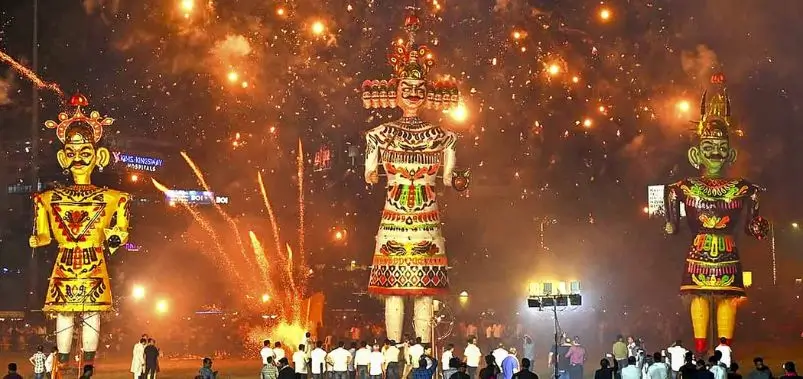
Dussehra marks the culmination of Navratri and commemorates the victory of good over evil. Celebrated across India, the festival takes different forms depending on regional traditions, making it one of the country's most diverse cultural events.
In northern India, large effigies representing characters from the Ramayana are often burned during public ceremonies. These events attract large audiences and symbolize the triumph of righteousness. Cities such as Delhi and Varanasi host particularly impressive celebrations.
In Mysore, the festival takes on a royal character. The famous Mysore Dasara features illuminated palaces, cultural performances and grand processions that reflect the city's royal heritage. The event is widely regarded as one of India's most elegant festival celebrations.
For travelers interested in mythology, culture and community traditions, Dussehra offers valuable insights into the narratives that continue to influence Indian society.
November – Diwali: The Festival of Lights
.webp)
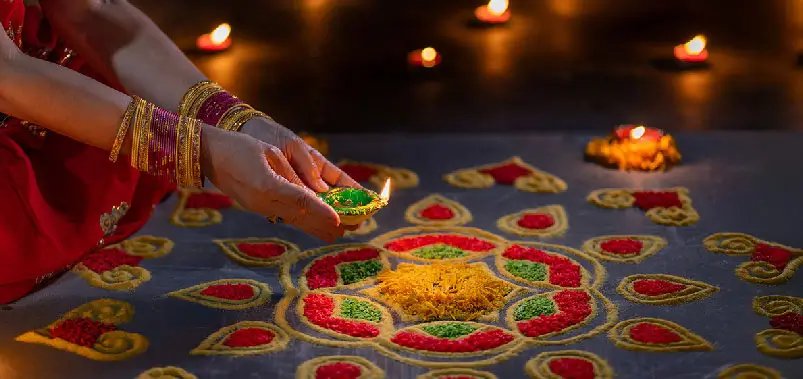
No festival is more closely associated with India internationally than Diwali. Often referred to as the Festival of Lights, Diwali symbolizes hope, prosperity and the victory of light over darkness.
During the celebration, homes, temples and public buildings are illuminated with lamps, candles and decorative lighting. Entire cities take on a magical appearance as streets and neighborhoods glow throughout the evening. The visual transformation is one of the reasons Diwali remains so popular among photographers and travelers.
Families gather to exchange gifts, enjoy festive meals and participate in religious ceremonies. Markets become exceptionally active as people purchase decorations, sweets and traditional clothing. The festive atmosphere extends across much of the country regardless of regional or cultural differences.
For international visitors, Diwali offers one of the most accessible and visually impressive introductions to Indian celebrations. Experiencing illuminated cities and participating in local traditions often becomes a highlight of any journey through India.
November – Pushkar Camel Fair: Rajasthan's Most Unique Gathering
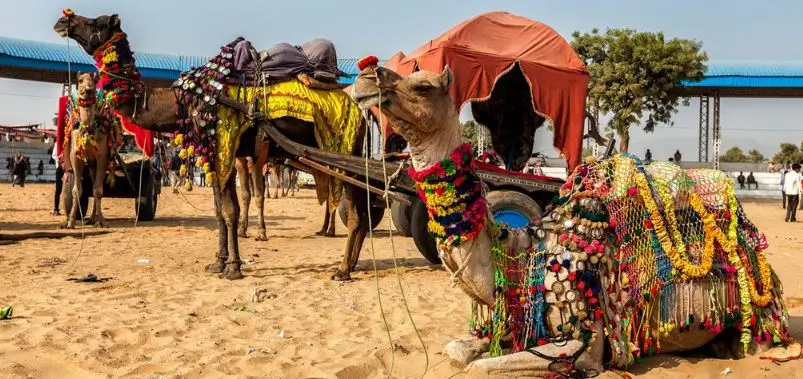
Held in the sacred town of Pushkar, the Pushkar Camel Fair combines livestock trading, cultural performances and spiritual traditions into one of the most distinctive events in the world.
Thousands of camels, horses and livestock arrive in the region while traders, pilgrims and tourists gather for the celebrations. The desert landscape surrounding Pushkar becomes a vibrant center of activity where traditional lifestyles remain highly visible.
Competitions, folk performances and local markets contribute to the atmosphere while the sacred lake and temples add spiritual significance. The event provides extraordinary opportunities for photography due to the variety of subjects and the colorful environment.
For travelers seeking unique cultural experiences, the Pushkar Camel Fair remains one of the most rewarding events in Rajasthan tourism.
December – Christmas and New Year Celebrations in Goa

As the year approaches its end, Goa becomes one of India's most festive destinations. The state's Portuguese heritage contributes to vibrant Christmas celebrations that combine religious traditions with coastal charm.
Historic churches host services while towns and villages are decorated with lights and seasonal displays. Markets, concerts and community gatherings create a welcoming atmosphere that attracts both domestic and international visitors.
The festive season continues into New Year celebrations, when beaches, resorts and cultural venues host events ranging from intimate gatherings to large-scale festivities. Travelers can enjoy a unique combination of tropical landscapes and holiday traditions rarely found elsewhere in Asia.
For visitors seeking a relaxed and festive conclusion to an Indian journey, Goa remains one of the country's most attractive destinations during December.
Discover India's Rich Traditions One Festival at a Time
Plan an unforgettable cultural adventure around India's most iconic festivals. Enjoy colorful processions, sacred rituals, vibrant handicraft markets, traditional music and dance performances, and authentic regional flavors while traveling in comfort with a customized itinerary and private chauffeur service.
Planning a Festival-Based Journey Through India
One of the most effective ways to experience India's diversity is by planning travel around its festival calendar. Each season offers unique opportunities to engage with local traditions, witness extraordinary celebrations and gain deeper understanding of regional cultures.
Festival travel also encourages exploration beyond major tourist attractions. Many celebrations occur in smaller cities and communities where traditions remain especially strong. These experiences often provide more meaningful cultural connections than conventional sightseeing alone.
Travelers should plan well in advance because accommodations and transportation often fill quickly during major festivals. However, the effort is rewarded with access to some of the most memorable experiences available anywhere in the world.
Related Guides



 info@topindianholidays.net
 +91-8955000999