📅 Last Updated On: 25 Sep 2025
⏱ 10 Min Read
Safety Tips for Foreigners Traveling in India
A
Admin
Founder -India Travel Expert
Safety Tips for Foreigners in India – Solo, Women & Night Travel Guide 2025
For many foreign travelers visiting India, safety is often the first concern. International media sometimes highlights stories of scams, crowded streets, or incidents that make first-timers anxious. But the reality is that millions of foreign tourists travel across India safely every year, enjoying the country’s culture, spirituality, and diversity without major problems. The key is preparation, awareness, and respecting local customs. This guide provides practical safety tips for foreigners in India, focusing on solo travelers, women, and night journeys, so you can travel confidently and enjoyably.
General Safety Overview for Tourists in India
India is generally safe for international tourists, but it is important to recognize that it is a developing country with busy streets, mixed infrastructure, and socio-economic contrasts. Petty theft, overcharging, and scams are more common than violent crime. Most issues tourists face can be avoided by staying alert and taking sensible precautions. Tourist-heavy regions like Delhi, Agra, Jaipur, Goa, Kerala, and Rajasthan have strong safety infrastructure, police help centers, and hotels used to handling foreign guests.
Safety for Solo Travelers in India
Traveling alone in India can be both rewarding and challenging.
- Stay in Trusted Accommodation
Solo travelers should always choose reputed hotels, boutique stays, or homestays with good reviews. Hostels are safe and social for backpackers, while solo women travelers may prefer women-only accommodations available in major cities.
- Share Itinerary with Friends or Family
Always keep someone back home updated about your travel plans. Share details of your hotel bookings, taxi numbers, or private driver details.
- Avoid Isolated Areas After Dark
Solo travelers should not wander alone at night in quiet or poorly lit areas. In busy tourist hubs, evenings are generally safe, but remote spots should be avoided.
- Use Private Drivers and Apps
Instead of hailing taxis on the street, book cabs through Uber, Ola, or hire a private driver in India. This ensures accountability and safer travel.
Safety for Women Travelers in India
India is a conservative society in many regions, and women travelers should be mindful of local expectations.
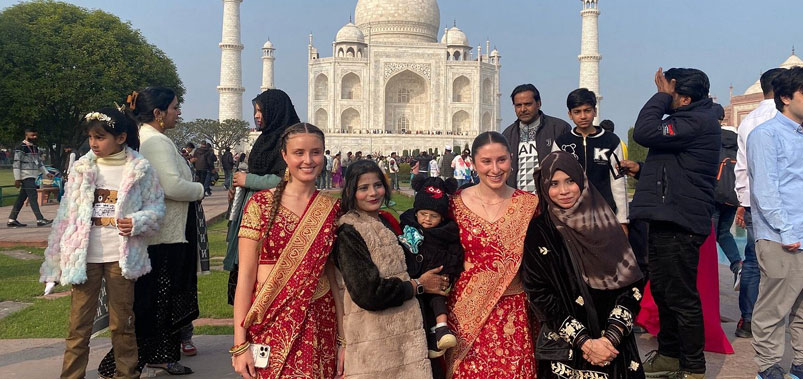
While metropolitan cities like Mumbai or Bangalore are cosmopolitan, rural areas and smaller towns are more traditional. Covering shoulders and knees helps avoid unwanted attention and shows cultural respect. Light scarves or dupattas are useful in temples and public spaces.
- Be Cautious with Strangers
Indian hospitality is warm, but sometimes strangers may be overly curious. It is okay to politely refuse offers of help or invitations if you feel uncomfortable.
- Travel with Trusted Operators
Women traveling alone or in small groups should rely on licensed guides, reputed hotels, and trusted tour operators. Avoid accepting rides from unregistered taxis.
- Night Travel Advice for Women
Women should avoid long-distance night buses or trains alone. If night travel is necessary, book air-conditioned coaches, reserved seats, or overnight flights for safety.
Night Travel Safety in India
Traveling at night in India requires extra precautions for all tourists.
- Domestic Flights and Trains
If you must travel at night, flights are the safest option. Overnight trains are common, but foreign travelers should book AC classes where security is better.
Avoid long drives late at night unless with a trusted private driver. Highways are generally safe, but small-town roads can be poorly lit.
- City Exploration After Dark
In big cities like Mumbai, Delhi, and Bangalore, nightlife is popular and relatively safe in well-known areas. But avoid deserted alleys, poorly lit streets, or isolated beaches after dark.
Avoiding Common Scams in India
Scams are one of the biggest nuisances for tourists.
- Overpriced Taxis: Always insist on using a meter or book via Uber/Ola.
- Fake Guides: Only hire licensed guides at monuments.
- Shop Pressure: Some drivers get commission from shops; politely decline if you are not interested.
- ATM Scams: Use ATMs inside banks, not standalone machines.
- Fake Tour Packages: Book tours with registered companies only.
Food and Health Safety Tips
Many foreigners face stomach issues when visiting India.
- Always drink bottled or filtered water.
- Avoid ice in drinks unless in reputable restaurants.
- Eat at busy food stalls and restaurants where turnover is high.
- Carry a small medical kit with stomach medicine, ORS, and sanitizer.
- Wash hands before meals or use sanitizer.
Cultural Etiquette and Safety
Respecting local culture is also a part of staying safe.
- Remove shoes before entering temples and homes.
- Avoid public displays of affection in rural areas.
- Do not photograph locals without permission.
- Respect religious customs, especially in holy cities like Varanasi, Rishikesh, and Amritsar.
Technology and Money Safety
- Buy a local SIM card for internet access and maps.
- Use ATMs inside secure bank buildings.
- Keep cash divided in multiple spots.
- Carry a money belt or cross-body bag.
- Save emergency numbers like 112 (all-India helpline).
Transport Safety in Detail
- Private Driver in India: Safe, reliable, and recommended for families or groups.
- Trains: Book AC classes; avoid unreserved compartments.
- Buses: Private Volvo buses are safer than state buses for long journeys.
- Tuk-tuks: Fun but always negotiate the price in advance.
Packing for Safety in India
- Carry a small torch for power cuts.
- A scarf or shawl helps in temples and covering up.
- Wear comfortable, modest clothes.
- Bring copies of passport and visa in case of loss.
- Keep valuables locked in hotel safes.



 info@topindianholidays.net
 +91-8955000999