


 info@topindianholidays.net
 +91-8955000999

Hot Air Balloon Ride in Jaipur
Lift off as the sky turns orange and drift over villages, mustard fields and the Aravalli hills while Jaipur is still waking up.
View Experience ›Follow a local guide under pepper vines and nutmeg trees in the hills around Thekkady, crush a cardamom pod between your fingers, and learn how the spices in your kitchen are grown, dried and graded.

For most of history, the spices of Kerala were worth more than gold. Pepper, cardamom and cinnamon from these hills drew Arab, Chinese, Portuguese, Dutch and British traders to the Malabar Coast, and shaped the history of half the world. Today you can buy them in any supermarket, which makes it easy to forget that each one is a plant, grown by a farmer, picked by hand and dried with care. A spice plantation tour in Kerala puts all of that back in front of you.
Thekkady, on the edge of Periyar Tiger Reserve in the Western Ghats, is the best place to do it. The town of Kumily and the surrounding hills sit in Idukki district, the heart of India’s cardamom country, and the cool, damp climate suits almost every spice you can name. Small family gardens and larger estates grow cardamom under the shade of tall forest trees, train black pepper vines up their trunks, and fill the spaces between with cinnamon, clove, nutmeg, vanilla, coffee, turmeric and ginger.
On a guided walk you move slowly from plant to plant. Your guide pulls a leaf from a cinnamon tree and asks you to smell the stem, splits a nutmeg fruit to show the red lace of mace around the seed, points out the green cardamom pods hidden at the base of the plant, and lets you taste a fresh peppercorn straight from the vine. By the end you understand why each spice costs what it does, how to tell good quality from poor, and how to buy honestly without paying tourist prices.
This page explains how the walk works, which spices you will see, how they are processed, how to buy well, when to go, and how it fits into a Kerala tour alongside a tea estate walk and an Alleppey houseboat stay. It also covers the spice farms around Ponda in Goa, if your tour is on the west coast instead.
1. Pickup from your hotel
Your driver collects you from your hotel in Thekkady or Kumily. Most spice gardens are within a short drive of the town, on the slopes around the Periyar forest. In the morning the hills are cool and often misty, which is the most pleasant time to walk.
2. Welcome at the garden
At the plantation, a garden guide meets you. In smaller family gardens this is often a member of the family who runs it; in larger estates it is a trained guide. They explain how the garden is laid out and what you will see.
3. Under the shade trees
The walk begins among the tall trees that shade the garden. Spices like cardamom need filtered light and moisture, so many gardens keep part of the original forest canopy. Your guide shows you how the trees, vines and shrubs grow together in layers.
4. Plant by plant
You stop at each spice in turn. The guide crushes leaves, peels bark, splits fruits and pods, and passes them round to smell and taste. This is the heart of the experience, and a good guide will encourage questions at every step.
5. Coffee, cocoa and fruit
Many gardens also grow coffee, cocoa, and fruit trees such as jackfruit, papaya and banana. You may see coffee cherries ripening on the bush, or crack open a cocoa pod to taste the sweet white pulp inside.
6. Drying and processing
Towards the end of the walk you see how harvested spices are dried. Some gardens have drying yards where pepper or cloves are spread on mats in the sun, or small curing sheds where cardamom is dried by gentle heat.
7. Tasting and tea
Most walks end with a cup of spiced tea or coffee and a chance to taste the spices in a simple form. Some gardens offer a short cooking demonstration or a snack made with fresh spices.
8. The shop, at your own choice
Many gardens have a small shop selling their spices. You can look and buy if you want, but there is no obligation, and we explain below how to tell fair prices from inflated ones.
Cardamom. The queen of spices, and the reason for Idukki’s fame. Cardamom is a tall, leafy plant related to ginger. The pods do not grow at the top, as most people expect, but on long shoots that trail along the ground at the base of the plant. They are picked by hand while still green, one by one, every few weeks during the harvest season. Crush a fresh pod and the smell is sweet, floral and almost eucalyptus-like. Your guide will explain why green cardamom is one of the most expensive spices in the world: every pod is picked by hand, and the plant needs shade, rain and careful attention.
Black pepper. Pepper grows on a climbing vine, trained up the trunks of shade trees or posts. The berries hang in long spikes, green when unripe and red when fully ripe. Black pepper is made by picking the berries green and drying them in the sun until they turn black and wrinkled. White pepper comes from ripe berries soaked to remove the outer skin. Taste a fresh green peppercorn straight from the vine and you will feel the heat without the dusty edge of dried pepper.
Cinnamon. Cinnamon comes from the inner bark of a small tree. Your guide may scrape a stem to show the soft bark that curls into quills as it dries. Crush a leaf and it smells faintly of cinnamon too. Kerala gardens often grow true cinnamon, which is lighter and more delicate than the cassia sold in many countries.
Clove. Cloves are the dried flower buds of a tall evergreen tree. They are picked just before they open, when they are pink, and dried until they turn dark brown. A fresh clove bud has a powerful, numbing taste.
Nutmeg and mace. One fruit, two spices. The nutmeg fruit looks like a small apricot. When it ripens it splits open to reveal a dark brown seed wrapped in a bright red, lacy covering. That red lace is mace, dried separately and used as a milder spice. The seed inside is nutmeg. Seeing a fresh nutmeg fruit split open is one of the highlights of any spice walk.
Vanilla. Vanilla is a climbing orchid. Its flowers last only a day and, outside its native Mexico, have to be pollinated by hand, one by one. The green pods then take months to ripen and need a long curing process to develop flavour. Not every garden grows it, but when they do, the story explains its high price.
Turmeric and ginger. Both are roots that grow underground beneath tall leafy stems. Your guide may dig up a fresh piece to show the bright orange flesh of turmeric or the pale gold of ginger. Fresh turmeric stains your fingers yellow, so be prepared.
Coffee. Many gardens around Thekkady grow robusta or arabica coffee. You may see flowers or ripening cherries depending on the season, and learn how the beans are dried and processed.
Other plants. Depending on the garden, you might also see allspice, curry leaf, lemongrass, bay leaf, cocoa, star fruit, rubber trees and many medicinal plants used in Ayurveda.
Understanding what happens after harvest helps you buy better spices.
Cardamom. Green pods are dried in curing sheds with gentle, controlled heat, which keeps their green colour and aroma. The dried pods are then cleaned and sorted by size and colour. Larger, plump, uniformly green pods fetch the highest price. Pale, split or shrivelled pods are cheaper and less fragrant.
Pepper. Green berries are spread on mats or drying yards and turned regularly for several days in the sun until fully black. Good black pepper is heavy, dense and evenly coloured, with few light or hollow berries. Traders sort pepper by size and weight, and the larger, bolder grades are prized.
Cloves and nutmeg. Cloves are dried in the sun until they snap cleanly. Nutmeg seeds are dried in their shells for some weeks until the kernel rattles inside, then cracked open. Mace is dried separately and flattened.
Cinnamon. The inner bark is peeled from cut stems, rolled into quills and dried in the shade. Thinner, smoother quills are the best quality.
What this means for you. Fresh, well-dried spices should smell strong as soon as you open the bag. Whole spices keep their flavour far longer than ground ones, so buy whole wherever possible and grind at home.
Kerala is a wonderful place to buy spices, but the tourist trade has created some traps. A few simple guidelines help you get good quality at a fair price.
If your tour is on the west coast in Goa rather than in the Kerala hills, the spice farms around Ponda in central Goa offer a similar experience.
Where they are. Ponda is inland from the beaches, around an hour or so by road from much of the coast depending on where you stay. Several spice plantations there welcome visitors, set in green valleys among areca nut and coconut palms.
What is different. The Goa farms are generally lower, warmer and more tropical than Thekkady, and many combine the spice walk with a traditional Goan lunch served on a banana leaf. You will still see pepper, cardamom, cinnamon, nutmeg, clove and vanilla, alongside cashew trees, which are an important crop in Goa.
Who it suits. A Goa spice farm visit is a good half-day break from the beach, and pairs well with the old churches of Old Goa and the Hindu temples around Ponda. Thekkady remains the more authentic choice for cardamom and for gardens shaded by real forest.
Periyar Tiger Reserve. Thekkady is the gateway to Periyar, one of Kerala’s best-known protected forests. A boat ride on Periyar Lake gives you a calm look at the forest edge, where you may see elephants, bison, deer and many birds coming down to the water. Guided nature walks with trained local trackers take you into the forest on foot. Sightings are never guaranteed, and all wildlife viewing is done from a respectful distance, with no feeding or approaching animals. A spice walk in the morning and a Periyar outing in the afternoon makes a full and varied day.
Munnar and the tea hills. Thekkady and Munnar are linked by a scenic mountain drive of around three to four hours. Many guests spend two nights in each, combining a spice plantation tour in Thekkady with a tea estate walk and tasting in Munnar. Together they show you the two great crops of the Kerala hills.
Down to the backwaters. From Thekkady, the road descends to the lowlands and the canals of Kerala’s backwaters. An Alleppey houseboat stay is the classic next stop, around a four-hour drive away.
Kochi at the start or end. Kerala tours usually begin or end in Kochi, where a Fort Kochi heritage walk shows you the old spice warehouses of Mattancherry. Seeing the spices grow in Thekkady and then the godowns where they were traded makes the story complete.
Slowing down. If you would like time to rest after travelling, a Kerala luxury wellness tour adds Ayurveda treatments and quiet days by the sea.
Give Thekkady two nights. With two nights you can do the spice walk on one morning and Periyar the next without rushing. One night is possible, but it makes for a hurried visit.
Morning is best. The hills are cooler and fresher in the morning, and the gardens are at their most fragrant. Late afternoon also works, but light fades early in the forest.
Choose a good garden. We work with gardens where the walk is led by people who grow the spices, not with roadside places that exist mainly to sell to tourists. Tell us if you are interested in organic farming, coffee, or Ayurvedic plants, and we will suggest a garden that suits.
Combine with cooking. Some gardens and homestays offer cooking demonstrations using fresh spices. If you love food, ask us to add one.
Easy for families. The walk is gentle and interesting for children, who enjoy smelling and tasting, finding pods and seeing turmeric stain their fingers.
October to February. Cool, comfortable and green after the monsoon. Cardamom harvesting usually takes place across the post-monsoon months, so you may see pods being picked and dried. Pepper picking typically comes towards the end of the year and into the new year. This is the most popular time to visit Kerala.
March to May. Warmer and drier, though the hills stay more comfortable than the coast. Some spices are being dried and processed, and the gardens are quieter.
June to September. The southwest monsoon brings heavy rain. The gardens are at their greenest and the air is fresh, but paths can be muddy and leeches appear in the forest. Walks still run on most days, with breaks for heavy showers. Carry rain gear and wear closed shoes.
Harvest timing varies. Exact harvest periods change from year to year and garden to garden, so we cannot promise to show you a harvest on a given day. There is always something to see, smell and taste.
Bring and wear - Comfortable closed walking shoes - Light long trousers to protect against insects - Insect repellent - A light rain jacket or umbrella in the monsoon - Sun hat and water - A small bag for any spices you buy
Leave behind - Sandals and flip-flops on wet days - Strong perfume, which competes with the smell of the spices - Any sense that you must buy something at the end - Plans to take fresh plants home, which most countries do not allow
Tell us your Kerala dates and interests, and we will match you with a spice garden near Thekkady and plan Periyar, Munnar and the backwaters around it.
Call & WhatsApp +91-9828085426 or email info@topindianholidays.net.
See more ideas on our Top Experiences in India page.
Tell us your travel dates and we will check availability and fit this experience into the right day of your itinerary. Reply within 12 hours.
Check Availability› Chat on WhatsApp› Send an Enquiry› 


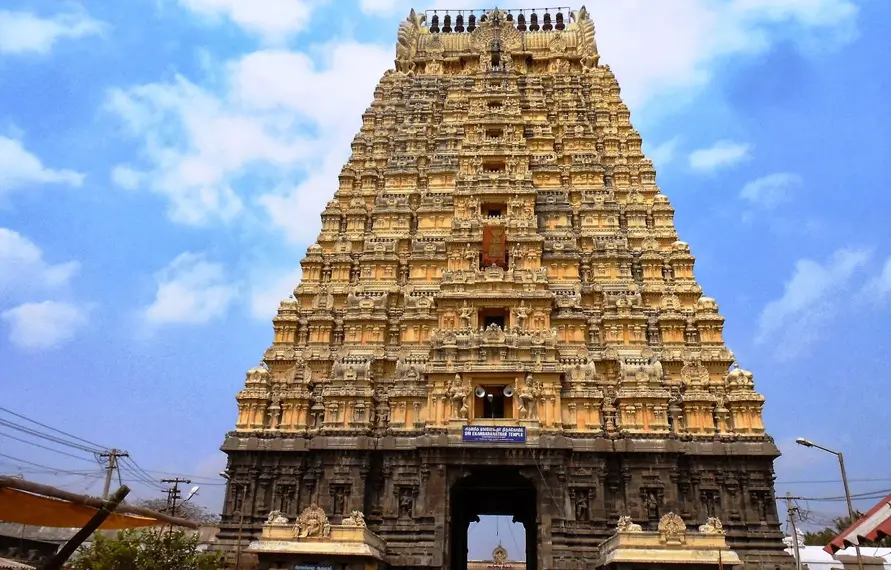 🌙 13 Nights / 14 Days
⭐ Most Popular
Chennai - Tirupati - Chennai... Chennai - Tirupati - Chennai - Madurai - Rameswaram - Kanyakumari - Kovalam - Trivandrum Show More
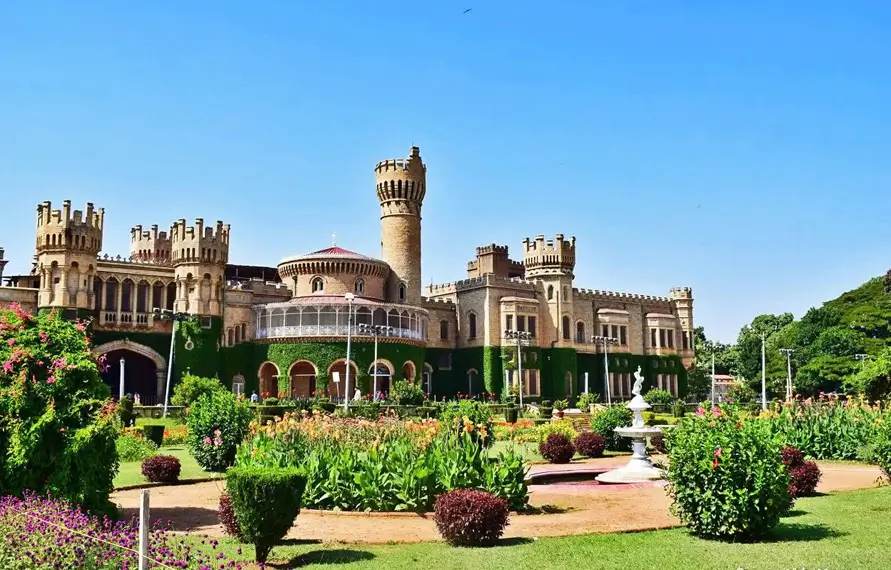 🌙 14 Nights / 15 Days
Bangalore - Mysore - Coorg... Bangalore - Mysore - Coorg - Chikmagalur - Wayanad - Calicut - Kochi - Kumarakom - Kochi Show More
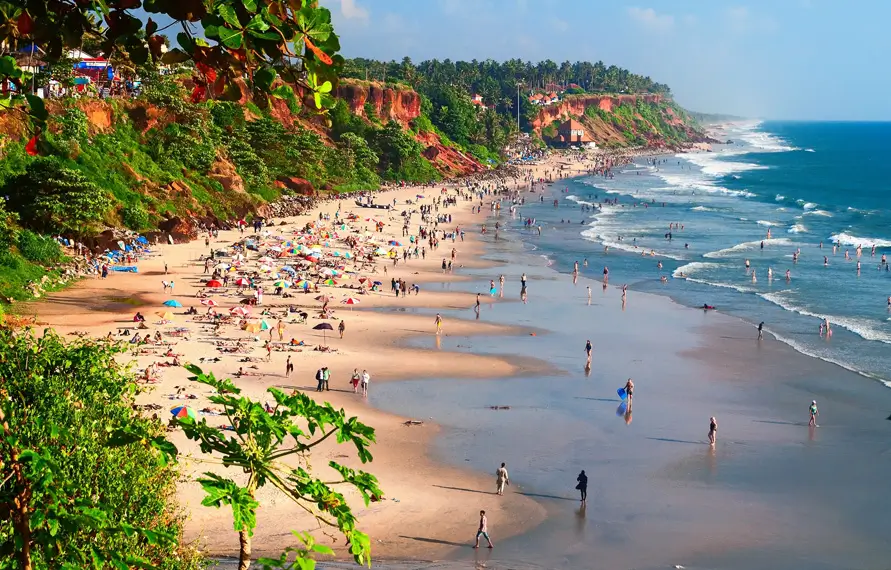 🌙 13 Nights / 14 Days
Luxury
Trivandrum - Kovalam - Varkala... Trivandrum - Kovalam - Varkala - Alleppey - Kumarakom - Munnar - Madurai - Rameswaram - Trivandrum Show More
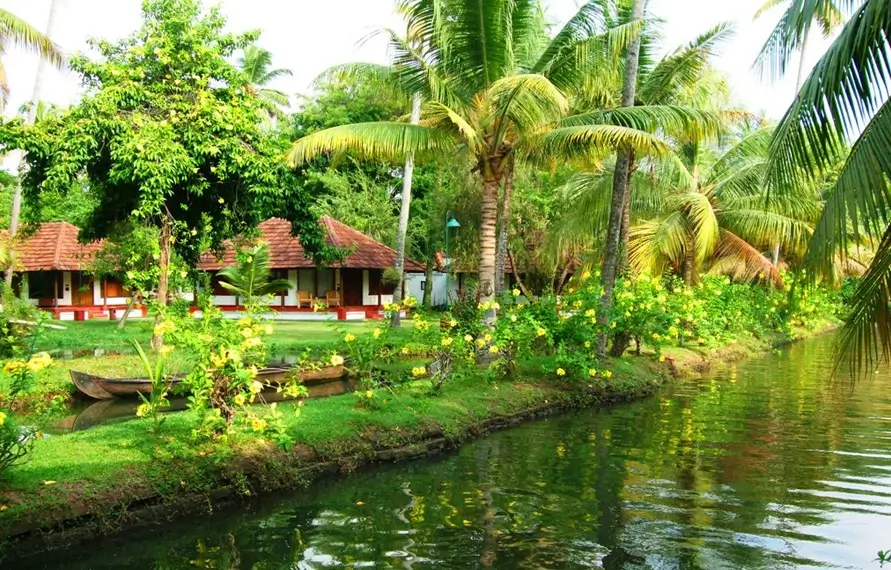 🌙 14 Nights / 15 Days
Kochi - Munnar - Thekkady... Kochi - Munnar - Thekkady - Kumarakom - Madurai - Chettinad - Mysore - Coorg - Bangalore Show More
Whether you're planning your first India trip or returning to explore deeper, get honest, expert advice from someone who knows every corner of this country. No pressure, no cost.