


 info@topindianholidays.net
 +91-8955000999
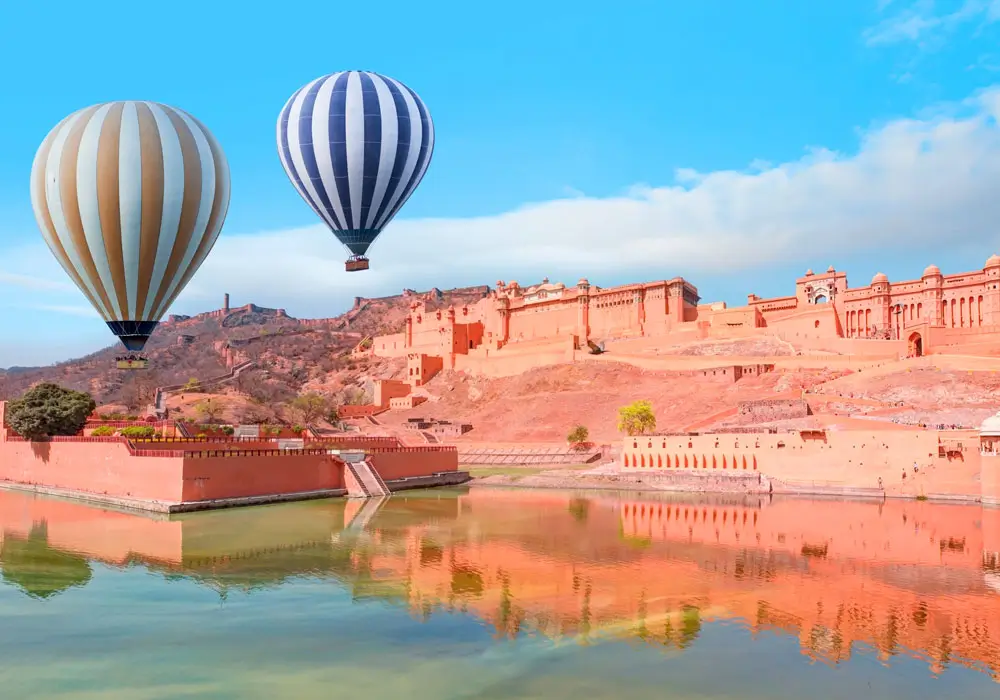
Hot Air Balloon Ride in Jaipur
Lift off as the sky turns orange and drift over villages, mustard fields and the Aravalli hills while Jaipur is still waking up.
View Experience ›Spend a lively session in a Mumbai dance studio with a professional instructor, learn a short routine in the style of a Hindi film song and leave with a video of yourself dancing it.
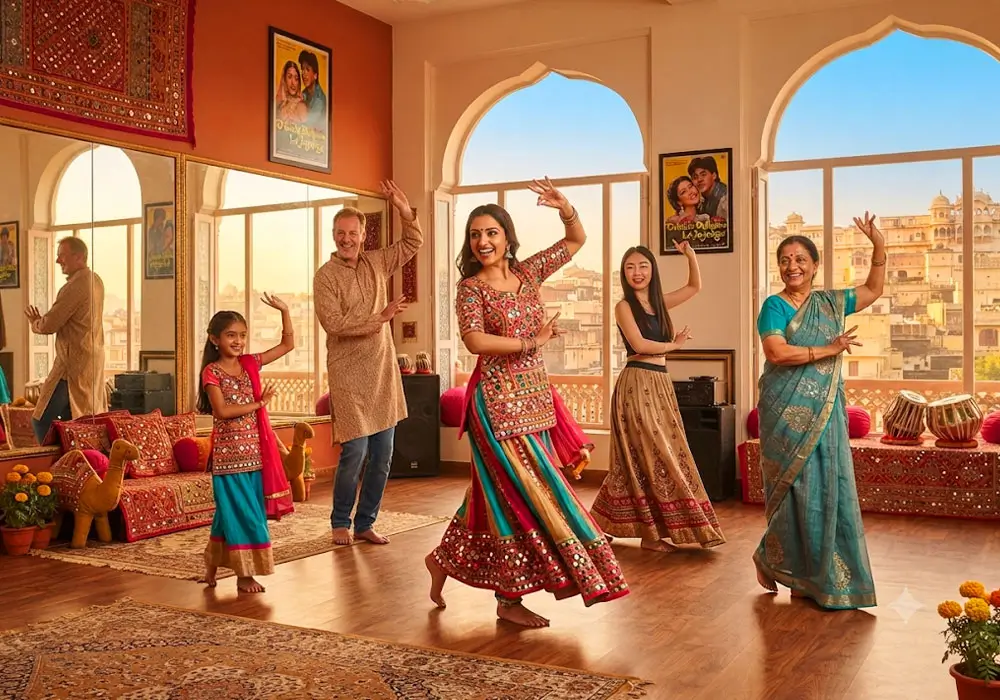
Hindi cinema is the soundtrack of modern India. You hear it from taxi radios in Mumbai traffic, from wedding bands in Jaipur lanes, from phones on the overnight train and from the loudspeakers at every college festival. Almost every film still carries several big song-and-dance sequences, and those routines are copied in living rooms, school halls and sangeet parties across the country. A Bollywood dance class lets you step inside that world for a few hours instead of watching it from the outside.
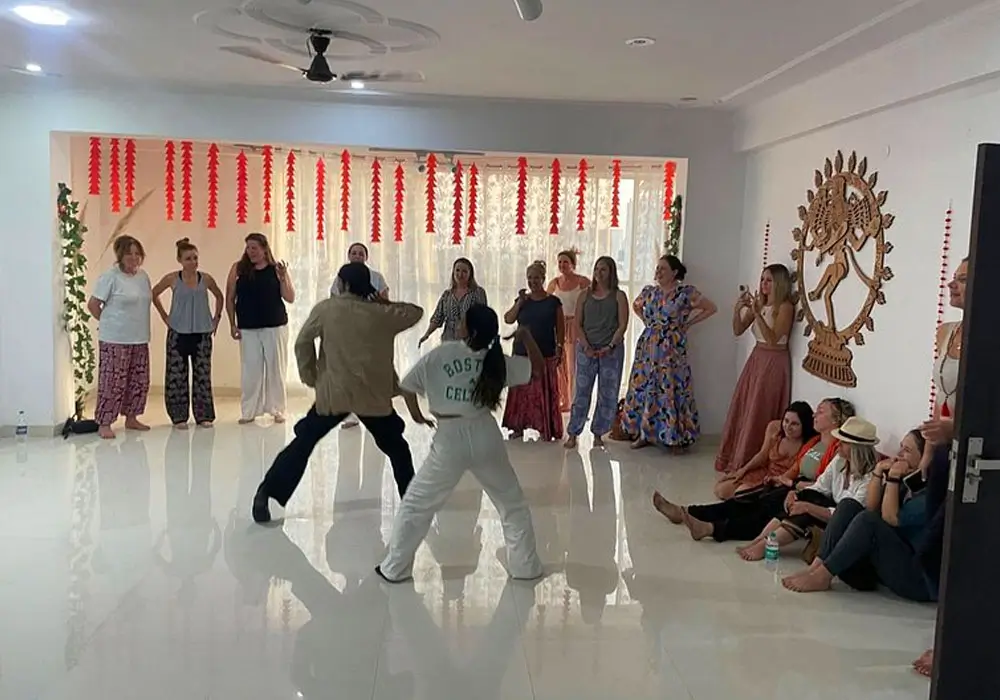
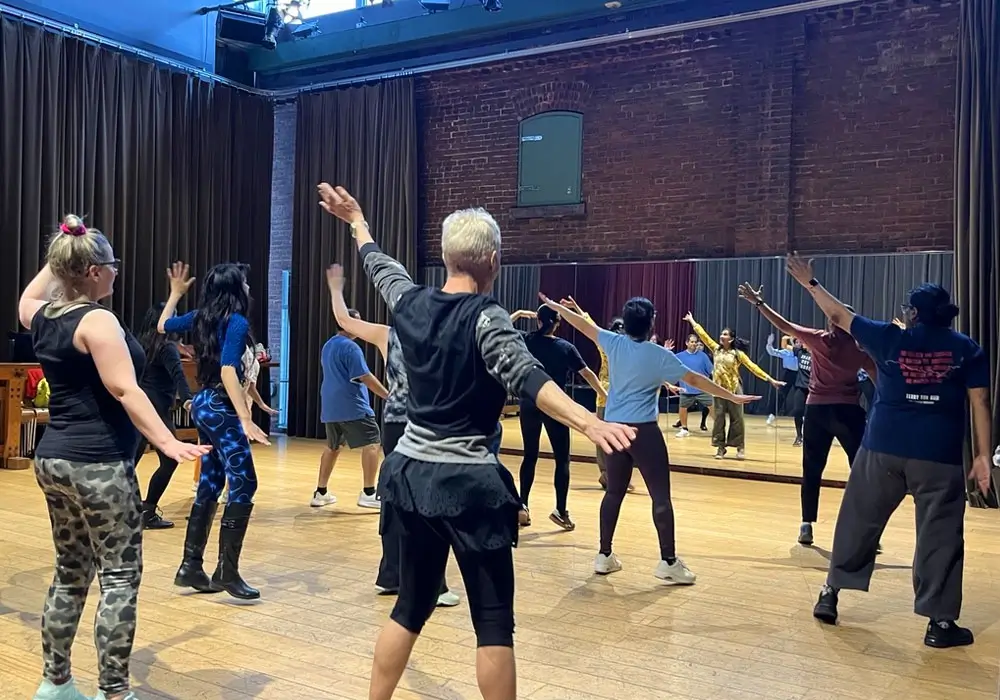
The lesson takes place in a working dance studio with a professional instructor, the kind of teacher who trains wedding parties, stage troupes and young dancers hoping for a break in films. You warm up, learn the basic steps and hand movements, practise the facial expressions that make a filmi routine look like a filmi routine, and then put it all together into a short piece of choreography. At the end, your instructor films you performing it, so you fly home with proof that you really did dance in Mumbai.
Nobody needs any experience. Most of our guests have never taken a dance class of any kind, and many arrive convinced they have two left feet. The teachers are used to this. They break each step down slowly, repeat it as often as you need and build the routine at your pace, so the session feels like a cheerful workout and a cultural lesson rolled together rather than an audition.
It works well for families with children, groups of friends, couples, hen parties and anyone travelling solo who wants a lighter, more playful afternoon between temples and museums. Mumbai is the natural home of the experience, because this is where the films are made, but we can also arrange a Bollywood dance lesson in Delhi or Jaipur if those cities fit your tour better.
1. Pickup from your hotel
Your private driver collects you from your hotel and drives you to the studio. In Mumbai, many of the established dance studios sit in the western suburbs, where much of the film and television industry is based, so the drive from a hotel in Colaba or the Fort area can take a while depending on traffic. We time the pickup around the city’s rush hours so you are not spending longer in the car than in the class.
2. Meeting your instructor
You are welcomed into the studio, usually a bright room with a sprung or smooth floor, a wall of mirrors and a good sound system. Your instructor introduces themselves, asks about your group and whether anyone has danced before, and checks for any injuries or knee and back problems. This short chat shapes the whole session, because a routine for a family with a seven-year-old looks very different from one for a group of fit thirty-somethings.
3. Warm-up
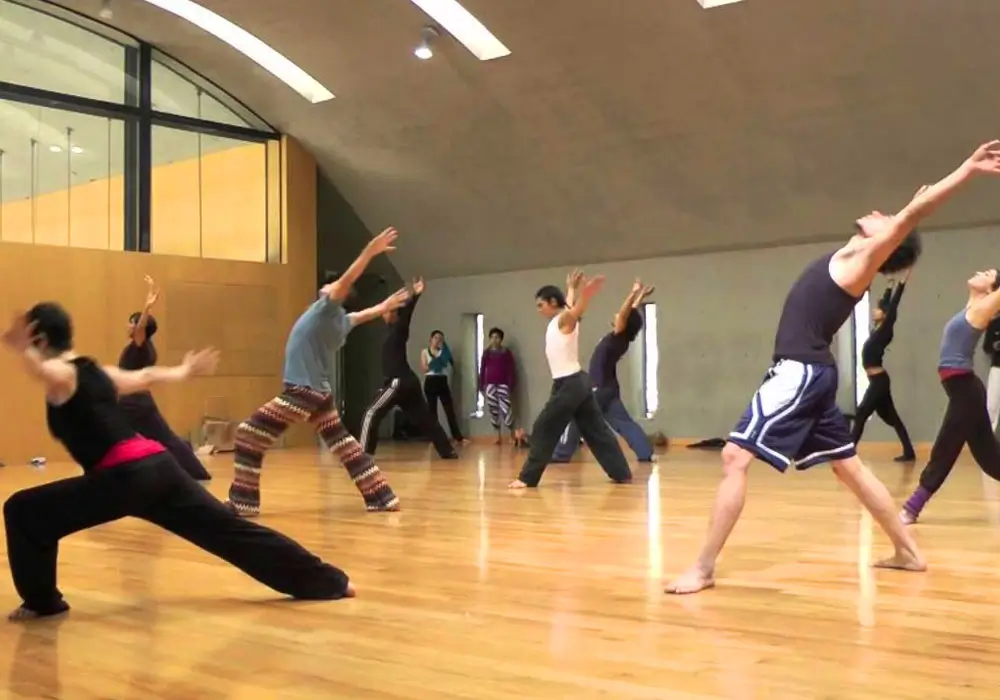
Every good class starts with a proper warm-up. Expect neck and shoulder rolls, hip circles, gentle stretches and a few minutes of easy stepping to the beat. It loosens you up and also gets the group laughing, which helps more than anything else. Bollywood dance is energetic, and a few minutes spent warming the ankles, knees and lower back makes the rest of the session more comfortable.
4. Basic steps and hand gestures
Next your instructor teaches the building blocks. These are the signature moves you will recognise from films: the shoulder shrug, the screwing-in-a-lightbulb hand twist, hip sways, quick footwork, spins and the confident pointing gestures used in hero entrances. Alongside them come a few hand gestures, known as mudras, borrowed from Indian classical dance. Each one is shown slowly, then at half speed, then to the music.
5. Learning the routine
Once the basics feel familiar, the teacher strings them together into a short routine set to a track in a well-known Hindi film style. It might be a festive wedding number, a romantic duet or a high-energy dance-floor song. The routine is taught in small sections of eight counts, which you practise again and again before adding the next piece. If one move is not working for your group, the instructor simply swaps it for something easier.
6. Filmi expressions
This is the part that turns steps into Bollywood. Your teacher shows you how to use your face and eyes: the shy look over the shoulder, the dramatic surprise, the playful raised eyebrow, the big hero smile. It feels silly at first, then suddenly everyone is doing it and the routine comes alive. Many guests say this was the most fun part of the whole session.
7. Run-throughs
You run the complete routine several times with the music, first with the teacher dancing in front and then on your own. Each run is smoother than the last. The mirrors help you see how far you have come since the warm-up, and the instructor gives quick tips on timing, posture and energy.
8. Your final video
For the final run-through, your instructor or a studio assistant films your group performing the routine, usually on your own phone so the video is yours straight away. You can do a second take if the first one makes you laugh too much. Some groups ask for a short clip of the teacher demonstrating the routine as well, so they can practise at home.
9. Back to your hotel
After a cold drink and a chance to catch your breath, your driver brings you back to your hotel or on to your next stop. Many guests head straight out for an early dinner, still humming the song.
The basic Bollywood vocabulary. Bollywood dance is not one fixed style. It borrows freely from Indian classical forms, folk dances such as bhangra from Punjab and garba from Gujarat, and from hip hop, jazz and contemporary dance. Your lesson gives you a sample of this mix: a few folk-inspired steps, some classical hand work and some modern dance-floor moves.
Mudras from classical dance. Indian classical dances such as Bharatanatyam and Kathak use a language of hand gestures to tell stories. A lotus, a deer, a bird in flight, a flower being offered, a doorway being opened: each has its own hand shape. Film choreographers borrow these gestures constantly, especially in romantic and devotional songs. Your teacher will show you a handful and explain what they mean, which also makes temple sculpture and classical performances easier to read later in your trip.
Rhythm and counts. Most film songs move in clear counts of eight, and once you learn to hear them, the routine becomes much easier. Instructors often clap or call the counts out loud, and by the end of the session most guests find themselves counting without thinking.
Expression, or abhinaya. In classical dance, abhinaya is the art of expression through the face, eyes and body. Bollywood uses a bolder, more playful version of it. Learning even a little of this changes how you watch Hindi films, because you start noticing how much of the story is told through a glance or a raised eyebrow.
A routine you can repeat. The aim is a short piece of choreography you can perform at the end of the class and remember afterwards. Guests regularly tell us they have danced it again at weddings, office parties and birthdays back home.
Complete beginners. The class is built for people who have never danced. Instructors are patient, they repeat steps endlessly without complaint and they adapt moves for anyone who finds a step hard. You do not need to be fit, flexible or naturally rhythmic.
Families with children. Children usually love this experience, often more than any monument. Teachers adapt the routine so younger children can keep up, and the session gives them a chance to burn off energy after long drives and museum visits. Tell us your children’s ages and we will make sure the studio plans for them.
Couples and honeymooners. A private lesson can be built around a romantic duet routine, with simple partnered moves and a lot of laughing. It makes a light-hearted change from formal dinners and spa sessions.
Groups of friends and celebrations. For birthdays, hen parties and family reunions, a group class is easy to organise and naturally sociable. The final video becomes a souvenir everyone wants a copy of.
Guests heading to an Indian wedding. If you are attending a wedding in India, a lesson before the sangeet evening is very useful. The sangeet is the music and dance night before the ceremony, and families often prepare performances. Your instructor can teach a routine you can perform with confidence, which wins you instant friends among the other guests.
Older travellers. Many older guests enjoy the class at a gentler pace. Jumps and deep knee bends can be left out, and the focus can shift to hand gestures, expressions and simple steps. Mention any joint or back concerns in advance.
Private lesson. Your own group with a dedicated instructor. This is what we usually recommend. The teacher shapes the routine, music style and pace entirely around you, and you can stop for photographs, ask questions about Bollywood and Indian dance, and take breaks whenever you like. It suits families, couples, special occasions and anyone a little shy about dancing in front of strangers.
Small-group class. Some studios run sessions where you join a few other travellers or local students. The atmosphere can be fun and social, and it is often the more affordable choice. The trade-off is less control over the routine and the timing, and the session runs to a fixed slot rather than around your day.
Prices depend on the city, the studio, the instructor and the size of your group. We quote the current rate for your dates and include it in your tour cost, so there are no surprises on the day.
Comfortable, stretchy clothes. Think gym or yoga clothes: leggings, joggers, loose cotton trousers, T-shirts and tops you can lift your arms in. Avoid tight jeans and stiff fabrics, which make kicks, spins and hip moves hard.
Something with a bit of swing. If you want your video to look filmi, bring a loose kurta, a flowing skirt or a light scarf. A dupatta, the long scarf worn with Indian outfits, is often used in Bollywood choreography. Some instructors bring props, but it is worth asking.
Shoes or bare feet. Many studios prefer dancers in socks or bare feet, while others are happy with clean, soft-soled trainers. Avoid outdoor shoes with heavy grip, which can stick on the floor and twist a knee. We confirm the studio’s preference before your class.
Modest but practical. Studios are relaxed spaces and you do not need to cover up as you would in a temple, but very short shorts or revealing tops are not usual. If in doubt, choose what you would wear to a fitness class at home.
Hair tied back. Spins and head movements are much easier with long hair tied up.
The class takes place indoors, so it runs all year round, including the monsoon.
October to March. The most popular time to visit Mumbai, with drier, more comfortable weather. The class fits well into any day of sightseeing, and evenings are pleasant for an outdoor dinner afterwards.
April and May. Mumbai is hot and humid before the rains. An indoor, air-conditioned studio session is a welcome escape from the midday heat, so we often place the class in the early afternoon.
June to September. The monsoon brings heavy rain to Mumbai, and outdoor sightseeing can be disrupted. A Bollywood dance class makes an excellent rainy-day plan, because the weather does not affect it at all. Allow extra time for the drive, as traffic slows down badly in heavy rain.
Festival season. Around Ganesh Chaturthi, Navratri and Diwali, the whole of India is in a dancing mood. Learning a few steps just before these festivals gives you something to join in with at street celebrations and hotel events. Studios can be busier at these times, so book early.
Time of day. Late morning and afternoon slots are the most common. An early evening class works well if you want to finish with dinner in the suburbs or a walk along a seafront promenade.
Mumbai. The home of Hindi cinema, and the city where the experience feels most authentic. Many instructors here work on stage shows, music videos and events, and the studios are part of a real dance industry. It pairs naturally with our Bollywood studio tour in Mumbai, so you can see how films are made and then learn to dance like the stars.
Delhi. A good option if your trip does not include Mumbai. Delhi has a large dance scene of its own, driven by weddings and college festivals, and a Bollywood dance workshop in Delhi slots easily into the first or last days of a Golden Triangle tour, when you may be adjusting to jet lag or waiting for a late flight.
Jaipur. We can also arrange a Bollywood dance class in Jaipur, often combined with a Rajasthani folk element, since local instructors also teach ghoomar and other folk steps. It makes a lively evening activity after a day at Amber Fort and the City Palace.
Wherever you learn, the structure is the same: warm-up, basics, a short routine, expressions and your final video.
Pair it with the studio tour. Book the Bollywood studio tour and the dance lesson on the same day or on consecutive days. Seeing sets and dance rehearsals at a film studio first gives the class extra meaning.
Use it on a rest day. After an early start or a long travel day, a dance class is active without being tiring in the way a full day of sightseeing can be. It is a good choice for the day after arriving in India, because moving to music helps with jet lag.
Contrast it with something reflective. In Mumbai, combine the class with a morning ferry to the Elephanta Caves, where you can spot the same hand gestures in the ancient carvings of Shiva, or with a respectful Dharavi community walk to see the city’s small industries and workshops.
Keep the evening free. After the class, many guests want to try out their new moves. A rooftop bar, a hotel restaurant with live music or a dinner in Bandra makes a good finish.
Before a wedding. If you are going to an Indian wedding as a guest or planning a vow renewal in Rajasthan, book the class a few days before so you have time to practise.
In Jaipur. Combine the lesson with a cooking class with a local family or a Rajasthani folk dance evening so you see the traditional dances that film choreographers often borrow from.
Bring and wear - Stretchy, comfortable clothes you can move freely in - Socks or clean soft-soled trainers - A hair tie for long hair - A water bottle and a small towel - Your phone, charged, with storage space for the final video - A scarf, kurta or flowing skirt if you want a filmi look
Leave behind - Tight jeans and stiff clothing - Heavy outdoor shoes and heels - Large bags and valuables you do not need - Any worry about looking silly
Tell us your dates in Mumbai, Delhi or Jaipur and who is travelling, and we will book the right studio and instructor and fit the class neatly into your tour.
Call & WhatsApp +91-9828085426 or email info@topindianholidays.net.
See more ideas on our Top Experiences in India page.
Tell us your travel dates and we will check availability and fit this experience into the right day of your itinerary. Reply within 12 hours.
Check Availability› Chat on WhatsApp› Send an Enquiry›


 🌙 10 Nights / 11 Days
Chennai - Mahabalipuram - Pondicherry... Chennai - Mahabalipuram - Pondicherry - Thanjavur - Madurai - Kochi Show More
 🌙 03 Nights / 04 Days
 🌙 01 Day
Mumbai → Delhi → Agra... Mumbai → Delhi → Agra → Delhi → Mumbai Show More
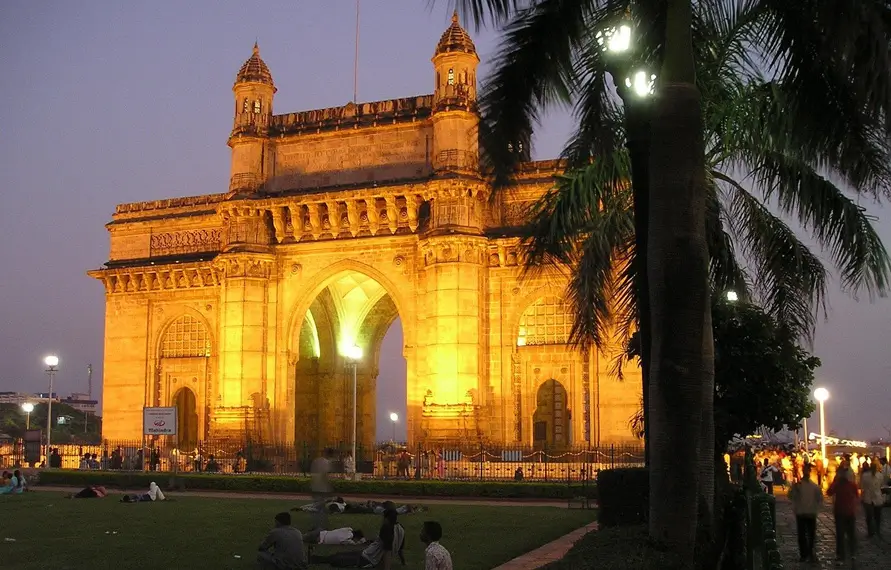 🌙 06 Nights/07 Days
Mumbai - Delhi - Agra... Mumbai - Delhi - Agra - Jaipur - Mumbai Show More
Yes, and it makes a great Mumbai day. Visit the film studios first to see sets and rehearsals, then learn your own routine in a dance studio. We plan the timing around Mumbai’s traffic so both fit comfortably.
Yes, and it is one of the most useful reasons to take a class. Tell us when the wedding is and how many of you will perform, and the instructor can teach a routine suitable for the sangeet evening.
Many older guests enjoy it. Jumps and deep knee bends can be left out, and the focus can be on hand gestures, expressions and simple footwork. Tell us about any joint or back concerns when booking.
Yes, it is a lively cardio workout, especially in Mumbai’s humid climate. The instructor adapts the intensity to your group, so you can keep it gentle or make it energetic.
Yes. We arrange lessons in Delhi and Jaipur as well, using the same structure of warm-up, basic steps, routine and video. Mumbai feels the most authentic because it is the home of Hindi cinema, but the other cities fit a Golden Triangle tour more easily.
A private lesson is shaped entirely around your group, with your own music style, pace and breaks. A small-group class can be sociable and more affordable, but runs at a fixed time with a set routine. For families, couples and special occasions we usually recommend private.
Yes. Your final run-through is filmed, usually on your own phone so you have it immediately. Many guests also ask for a short demonstration clip from the instructor to practise later.
You can tell us the style you prefer, such as a romantic duet, a festive wedding number or a high-energy dance track, and the instructor chooses suitable music. Popular choices change quickly, so the teacher usually suggests what works best for beginners.
You learn a short routine, built up in small sections and practised until you can perform it from start to finish. It is designed to be achievable in one session and memorable enough to repeat at home.
Time varies with your group size, the routine and how quickly you pick it up. Including the drive, warm-up, lesson and final video, plan to give up around half a day.
Wear comfortable, stretchy clothes such as leggings, joggers or loose cotton trousers with a light top. Bring socks or clean soft-soled trainers, and tie long hair back. A scarf or flowing skirt helps your final video look more filmi.
Yes, families are very welcome and children usually love it. Tell us their ages when you enquire so the instructor can plan a routine that younger dancers can keep up with.
No. The class is designed for complete beginners, and most of our guests have never danced before. The instructor breaks every step down slowly and adapts the routine to your group.
The price depends on the studio, the instructor, whether you choose a private or small-group lesson and how many people are dancing. Rates change, so we quote the current price for your dates. Send us a WhatsApp message with your group size and preferred city.
Whether you're planning your first India trip or returning to explore deeper, get honest, expert advice from someone who knows every corner of this country. No pressure, no cost.