


 info@topindianholidays.net
 +91-8955000999

Hot Air Balloon Ride in Jaipur
Lift off as the sky turns orange and drift over villages, mustard fields and the Aravalli hills while Jaipur is still waking up.
View Experience ›Dance behind the groom’s horse in the baraat, eat at a wedding feast and watch the couple circle the sacred fire, as an invited guest of a family who wants you there.
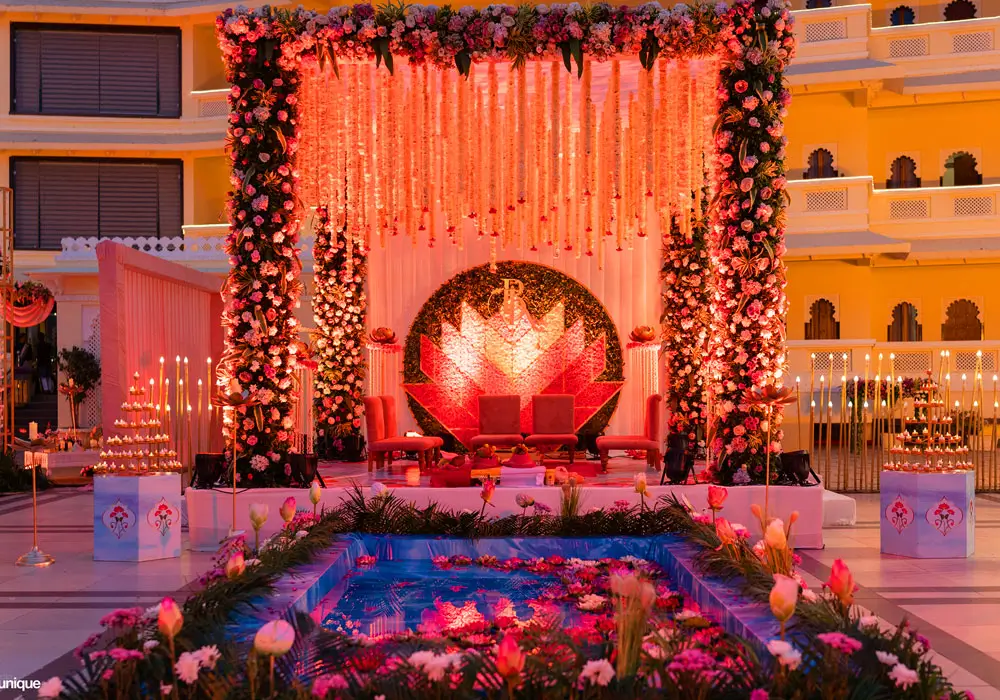
An Indian wedding is not a single ceremony. It is several days of rituals, music, food and family gatherings, and the whole neighbourhood seems to know about it. In Rajasthan during wedding season, you hear brass bands in the streets at night, see grooms in turbans riding white horses through traffic, and pass marriage gardens strung with thousands of lights. Many travellers watch from the car window and wonder what it would be like to be inside.
Our wedding experience makes that possible in the right way. We only arrange invitations through families who genuinely want foreign guests to join them, which is more common than you might think. In much of India, a large wedding is a point of pride, and a guest from abroad is seen as an honour rather than an intrusion. You go as a guest, not a spectator. You dress for the occasion, bring a gift for the family, join the dancing and share the meal.
To attend an Indian wedding properly takes a little preparation, and that is where we help. We find a family whose dates match your tour, explain what to expect, help you choose or hire clothes, and send a guide with you to translate, introduce you and quietly explain each ritual as it happens. What we cannot do is invent a wedding on a fixed date. Real weddings follow real calendars, so this experience is always arranged around what is actually happening while you are here.
1. We look for a wedding that fits your dates
Once you tell us your travel dates, our team asks among families we know in Jaipur and the surrounding area whether a wedding is coming up and whether they would welcome foreign guests. If a match is found, we explain which event you are invited to, which is usually the main evening or the sangeet.
2. Choosing what to wear
A day or two before, your guide takes you to a tailor or a hire shop. Women can choose a saree or a lehenga, men a kurta or a sherwani, and a safa (turban) can be tied for you on the day. If you have time, a simple outfit can be stitched to measure. We advise on colours to avoid and what is suitable for the event.
3. Preparing your gift
Guests at Indian weddings usually give money in an envelope, known as a shagun, handed to the family or the couple. We explain how much is customary for a guest in your position and how to present it. The gift goes directly to the family, not to us.
4. Arriving with your guide
Your private driver takes you and your guide to the family home or the wedding venue, often a marriage garden or a banquet hall. Your guide introduces you to your hosts, and you will likely be greeted warmly, offered something to drink and introduced to many relatives whose names you will instantly forget.
5. The baraat
If you are with the groom’s side, you may join the baraat, the procession that brings the groom to the bride’s venue. The groom rides a decorated horse, sometimes with a small child in front of him, while a brass band plays and guests dance in the street. It is loud, slow and joyful, and everyone will want you to dance.
6. The welcome and the varmala
At the venue, the bride’s family welcomes the groom’s party. The bride and groom then exchange heavy flower garlands in the varmala, often on a raised stage, while friends try to lift one or the other out of reach for fun.
7. The feast
Dinner is usually a large buffet, with counters for chaat, tandoori breads, curries, dal, rice and a long line of sweets. Guests eat and mingle for hours. Your guide helps you find the dishes worth trying.
8. The pheras, if you stay late
The religious heart of a Hindu wedding often takes place late at night or in the early hours, at a time chosen as auspicious. The couple walks around a sacred fire while the priest chants mantras. Many guests leave before this; if you would like to stay and the family is happy, your guide stays with you.
9. Back to your hotel
Your driver waits throughout and takes you back whenever you are ready, whether that is after dinner or after the final rituals.
A full wedding can run over several days, and you will be invited to one or perhaps two events. Customs differ between communities and regions, so the order and names may vary. These are the events you are most likely to hear about.
Mehendi. Usually held a day or two before the wedding, mostly for women. Henna artists draw intricate patterns on the bride’s hands and feet, often hiding the groom’s name within the design. Female guests are often invited to have a small design on their hands too. It is relaxed, with music, snacks and plenty of chatting.
Haldi. A paste of turmeric is rubbed onto the bride and groom in their separate homes by family members, both as a blessing and to make the skin glow. It is messy and fun, and guests may be dabbed with yellow as well, so do not wear anything precious.
Sangeet. An evening of music and dancing, where family members perform rehearsed dances, often to Bollywood songs. Guests are frequently pulled onto the dance floor. If you are invited to the sangeet, practise a few simple steps beforehand; your effort will be warmly appreciated.
Baraat. The groom’s procession to the wedding venue, on a decorated horse or occasionally on an elephant, in a vintage car or even on a camel in some parts of Rajasthan. A band leads the way, often with lights carried on poles, and the procession can take a long time to cover a short distance because of all the dancing.
Milni and welcome. When the baraat arrives, the elders of the two families greet each other, sometimes with garlands and gifts, before the groom enters.
Varmala (jaimala). The exchange of flower garlands between the bride and groom, symbolising their acceptance of each other. It is one of the most photographed moments of the night.
Kanyadaan and pheras. In the kanyadaan, the bride’s parents give her hand in marriage. In the pheras, the couple circles the sacred fire, traditionally seven times, making vows to each other with every round. This is the moment the marriage becomes complete in Hindu tradition.
Vidaai. The emotional farewell when the bride leaves her family home with her new husband. It can take place in the early morning and is often tearful. Guests are not usually needed, but if you are present, simply stand back respectfully.
Dressing in Indian clothes is one of the nicest parts of the experience, and families are genuinely delighted when foreign guests make the effort. You do not have to, but you will feel more part of the occasion if you do.
For women. A saree is the classic choice, but it takes practice to wear and to walk in. A lehenga (a long skirt with a fitted top and a scarf called a dupatta) is easier and very festive. An anarkali or a long, embellished kurta with trousers is a comfortable alternative. Bright colours, sequins and embroidery are all welcome.
For men. A kurta pajama or a kurta with churidar trousers is smart and comfortable. For something grander, a sherwani, a long fitted coat, can be hired. A Nehru-style waistcoat over a kurta is a good middle option. Many men enjoy having a Rajasthani safa tied on the day.
Colours to think about. Avoid wearing all white or all black, which can be linked with mourning in many communities. Bright red is often worn by the bride, so it is polite to choose a different main colour. Otherwise, the brighter the better.
Hire or tailoring. Hire shops in Jaipur have good ranges for both men and women, which is practical if you do not want to carry the clothes home. If you have a few days, a tailor can make something for you, and you have a lasting souvenir. Your guide helps with sizing, choosing and price, and arranges for someone to help you put on a saree or tie a turban.
Footwear and accessories. Wear shoes you can slip off easily, as you may need to remove them for religious parts. Comfortable sandals are better than new heels for a long night of standing and dancing. Simple bangles, a bindi and a small bag are all you need.
Indian families are generous hosts, and small mistakes are forgiven easily. Still, a few simple rules make a real difference.
Greet elders first. Greet older family members with a namaste, palms together. You will see younger relatives touching the feet of elders as a sign of respect; you are not expected to, but it is lovely to notice.
Cover your head when asked. During religious rituals such as the pheras, women and sometimes men may be asked to cover their heads with a scarf or dupatta. Keep one with you.
Ask before taking photos. It is normal for guests to photograph a wedding, and the family will have their own photographers. Even so, ask before photographing individuals, especially women and the elderly, and keep away from the professional photographers’ path during key moments. Do not post photos of the family online without their permission.
Remove shoes for religious parts. Near the sacred fire or a family shrine, shoes come off. Follow what others do.
Alcohol may not be served. Many weddings, especially in Rajasthan, are completely dry, while others serve drinks discreetly. Do not ask for alcohol and never bring your own. Your guide will tell you what to expect.
Eat with your right hand. If you eat with your hands, use the right. Take small portions; you can always go back. It is polite to try a little of what you are offered.
Accept invitations to dance. You will be invited, sometimes repeatedly. Joining in for a while is the best thank you you can give. If you would rather not, a smile and a few claps are fine.
Do not upstage the couple. Avoid wearing anything more elaborate than the bride or groom, and keep loud behaviour for the dance floor.
Thank your hosts before leaving. Find a senior family member, thank them and say goodbye. Your guide helps with a few words of Hindi.
Hindu weddings are held on dates chosen by priests, based on the lunar calendar and the position of the stars. Some periods have many auspicious dates, and others have almost none. The exact dates change every year, so nobody can tell you far in advance that there will be weddings on a particular night.
The cooler months are busiest. In Rajasthan and across north India, the main wedding seasons usually fall from the late autumn through the winter, with another busy spell in the spring. This happens to match the best months to travel in Rajasthan, which works in your favour.
Quiet periods. There are parts of the year when Hindu weddings are traditionally not held, often linked to certain religious periods in the calendar. Weddings are also rare in the monsoon.
Heavy wedding nights. On the most auspicious nights, Jaipur can have a very large number of weddings at once. Roads become slow, bands block streets and hotels fill up. If your dates fall on such a night, plan extra time for any evening drive.
How we handle timing. Tell us your dates as early as possible. We ask among families we know, and if we find a suitable wedding, we confirm it with you. If not, we will tell you honestly and suggest an alternative.
We would rather be clear about this before you plan around it. A real Indian wedding happens on a date chosen by the family and their priest, months in advance. We cannot create one to fit your schedule, and we would never ask a family to change anything for a visitor.
That means: - Availability depends on real weddings during your dates. - The specific event you are invited to depends on the family. - Plans can change at short notice, for example if there is an illness in the family. - On some dates, we may not find a suitable wedding at all.
If we cannot confirm a wedding, we suggest something else that gives you a taste of Rajasthani celebrations, such as a Rajasthani folk dance evening, a henna session, or a turban tying and saree draping experience.
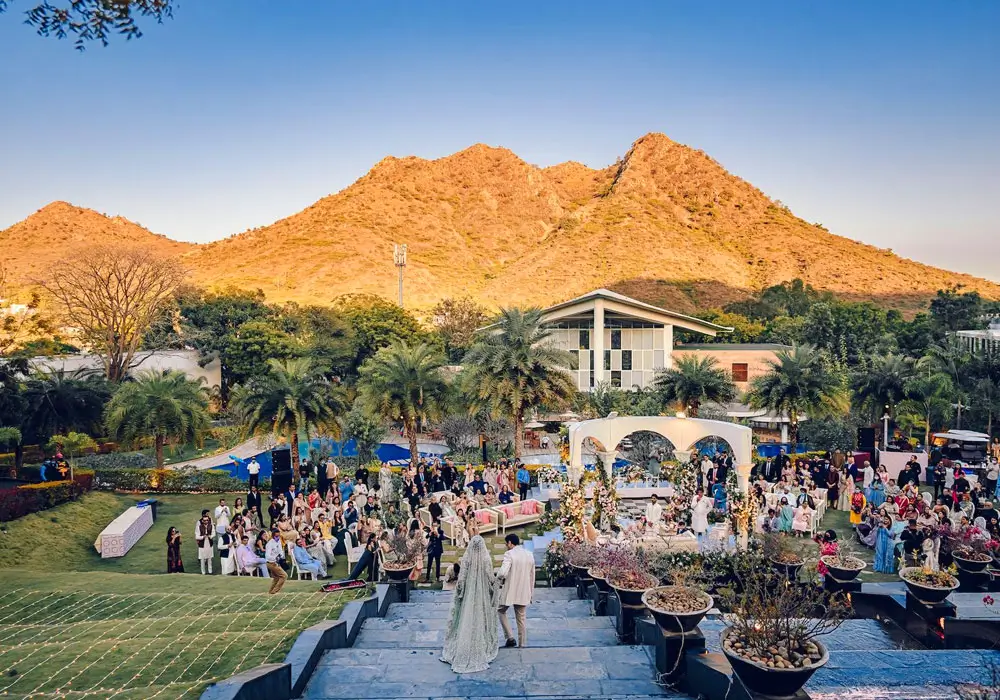
Some couples would love to be at the centre of the ceremony, not just guests. For them, our Rajasthani wedding for couples is the better choice. It is a vow renewal or symbolic wedding, arranged in a palace hotel, a haveli or a garden in Udaipur or Jaipur, on a date of your choosing. You wear the clothes, ride in the baraat, exchange garlands and circle the fire with a priest, all planned around your tour. It is ideal for honeymoons, anniversaries and couples who want a celebration that is entirely theirs.
Keep the next morning free. Wedding evenings run late. Avoid a sunrise excursion or an early drive the following day.
Build in time for clothes. Plan at least one free afternoon in Jaipur before the wedding to choose or hire your outfit. If you want something tailored, arrive a few days earlier.
Stay flexible. The wedding date sets the plan, so we may move other sightseeing around it. Three nights in Jaipur gives the most room.
Pair it with something calm. A morning of hand block printing in Bagru or Sanganer, or a gentle cooking class with a local family, balances a long, loud night.
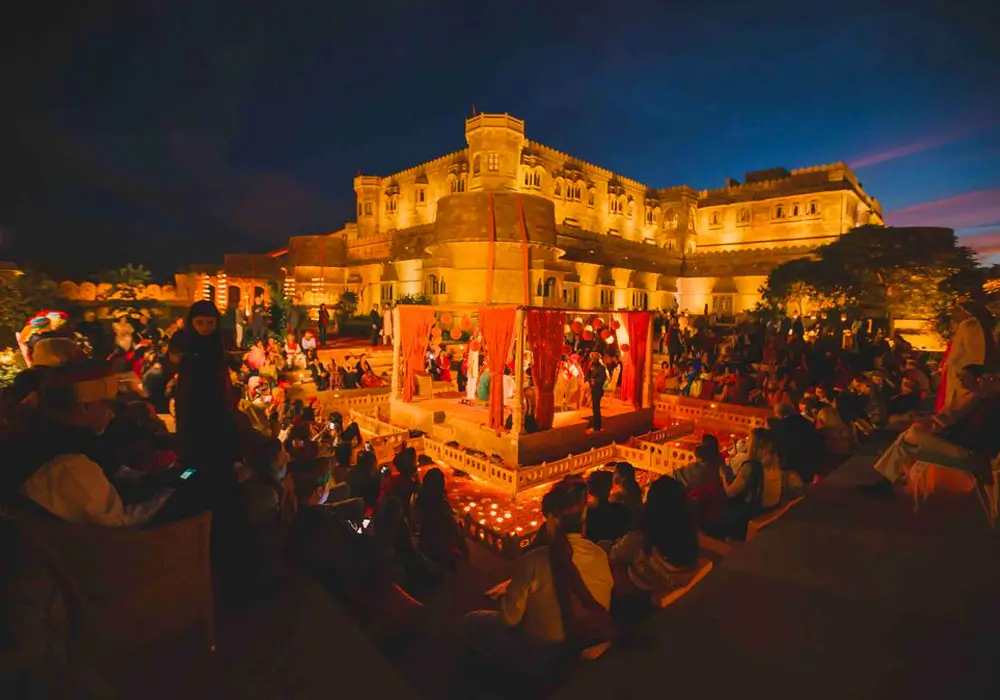
Delhi and Udaipur. Weddings are also arranged in Delhi and Udaipur when the dates and families match. Udaipur weddings are often grand, with palace and lakeside venues.
Bring and wear - Indian clothes, hired or tailored with our help - A scarf or dupatta to cover your head if asked - Shoes that slip on and off easily - The gift envelope for the family - A phone with a full battery - A small bag with tissues and hand wipes
Leave behind - All-white or all-black outfits - Bright red as your main colour - Your own alcohol - Plans for an early start the next morning - Expectations of a fixed, scripted programme
Tell us your travel dates as early as you can, and we will ask among families we know whether there is a wedding you can join as a welcomed guest.
Call & WhatsApp +91-9828085426 or email info@topindianholidays.net.
See more ideas on our Top Experiences in India page.
Tell us your travel dates and we will check availability and fit this experience into the right day of your itinerary. Reply within 12 hours.
Check Availability› Chat on WhatsApp› Send an Enquiry›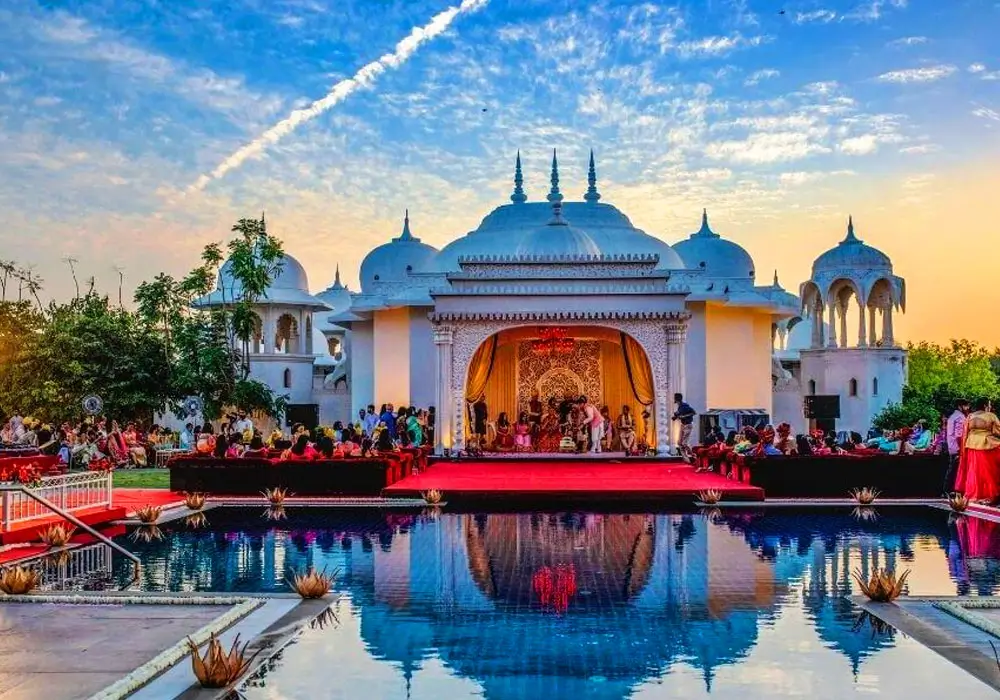



 🌙 11 Nights / 12 Days
Delhi - Agra - Jaipur... Delhi - Agra - Jaipur - Bikaner - Jaisalmer - Jodhpur - Udaipur - Ajmer - Pushkar - Delhi Show More
 🌙 08 Nights / 09 Days
Delhi - Jaipur - Bikaner... Delhi - Jaipur - Bikaner - Jaisalmer - Jodhpur - Udaipur Show More
 🌙 06 Nights / 07 Days
⭐ Most Popular
Jaipur - Bikaner - Jaisalmer... Jaipur - Bikaner - Jaisalmer - Jodhpur Show More
 🌙 09 Nights / 10 Days
Delhi - Mandawa - Bikaner... Delhi - Mandawa - Bikaner - Jaisalmer - Jodhpur - Udaipur - Pushkar - Jaipur - Delhi Show More
Children are usually very welcome, and Indian weddings are full of them. Tell us their ages so we can let the family know. Bear in mind that the evening runs late and can be very loud.
Yes. Our Rajasthani wedding for couples is a vow renewal or symbolic ceremony on a date you choose, in a palace hotel, haveli or garden. It includes the clothes, baraat, garlands and fire ritual, planned around your tour.
The pheras are the central ritual of a Hindu wedding, when the couple walks around a sacred fire, traditionally seven times, while a priest chants mantras. Each round represents a vow. Guests often cover their heads and remove their shoes for this part.
Celebrations often run over several days, with separate events such as mehendi, sangeet and the main wedding. The main evening itself can go on late into the night, and the pheras may happen after midnight. You can leave whenever you are ready.
Usually yes, but always ask before photographing people, especially women and elders. Stay out of the way of the official photographers during key rituals. Do not post photos online without the family’s permission.
It depends on the family. Many weddings in Rajasthan are completely dry, while others serve drinks discreetly. Never bring your own, and follow your hosts’ lead.
The baraat is the groom’s procession to the wedding venue. He usually rides a decorated horse, led by a brass band, while family and friends dance in the street around him. Guests are always encouraged to join in.
No. Availability depends on real weddings happening during your stay. We ask among families we know and confirm only when a family agrees. If none is available, we suggest an alternative.
Weddings are held on auspicious dates set by the Hindu calendar, so they change every year. In north India and Rajasthan, the busiest seasons usually fall in the cooler months from late autumn to spring. There are periods when few or no weddings take place.
Yes. Your guide takes you to a hire shop or tailor in Jaipur, helps with choice and sizing, and arranges for someone to drape your saree or tie your turban on the day.
Women usually wear a saree, lehenga or a festive long kurta, and men a kurta pajama or sherwani. Bright colours are welcome. Avoid all white, all black and bright red, which is usually the bride’s colour.
Guests usually give cash in an envelope, traditionally an amount ending in the number one, which is considered lucky. The right amount depends on the event and your relationship with the family. We will advise you before the day.
It is ethical when the family invites you freely and you behave as a respectful guest. We never sell tickets to a wedding or ask a family to change anything for visitors. Your gift goes directly to the family, as it would from any other guest.
Yes, many Indian families are happy to welcome foreign guests, and some consider it an honour. We arrange invitations only through families who genuinely want you there. You go as their guest, dress for the occasion and join the celebration.

Whether you're planning your first India trip or returning to explore deeper, get honest, expert advice from someone who knows every corner of this country. No pressure, no cost.