


 info@topindianholidays.net
 +91-8955000999

Hot Air Balloon Ride in Jaipur
Lift off as the sky turns orange and drift over villages, mustard fields and the Aravalli hills while Jaipur is still waking up.
View Experience ›Step away from the crowds and cremation fires of the ghats for a slow morning among wheat fields, handlooms, potters’ wheels and a village pond.
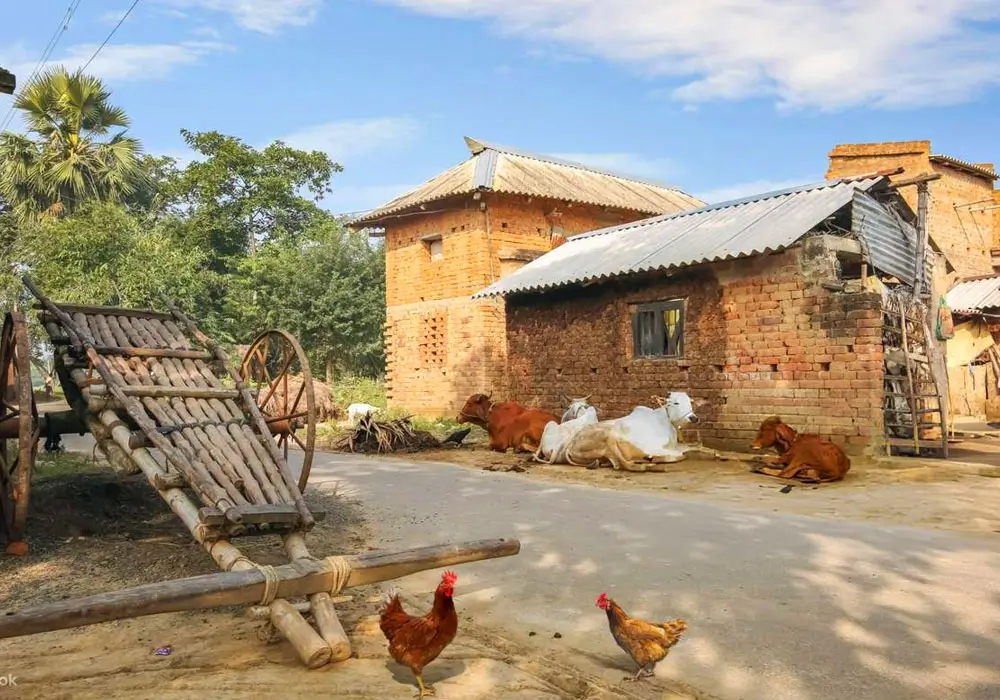
Varanasi is one of the most intense places you will ever visit. On the ghats, life and death share the same steps: pilgrims bathing at dawn, priests chanting, boats crowding the river, smoke rising from the cremation grounds at Manikarnika, bells and loudspeakers and motorbikes in lanes barely wider than your shoulders. Most travellers love it, and most also reach a point, usually on the second day, when they need a breath of air.
A village tour near Varanasi gives you that breath, and it also fills in a part of the picture that the old city cannot. The pilgrims on the ghats, the boatmen, the weavers whose silk is sold in the city shops: many of them come from the villages that spread out across the flat, fertile plain around Varanasi. Out there, life is set by the seasons and the fields rather than by temple timings. Women cook on clay stoves in open courtyards, buffalo stand tethered by the door, children walk to school in pairs along the field edges, and the village pond is where cattle are washed and news is exchanged.
This is not a show. There are no costumed dancers and no staged welcomes. You visit as a guest, with a guide who speaks the language and knows the families, and the families are paid properly for their time and their hospitality. We ask the same courtesy you would want from a stranger walking into your own street: curiosity, patience and asking before taking a photograph.
The village visit sits naturally alongside Sarnath, where the Buddha gave his first sermon, which lies on the same side of the city. Together they make a calm, rewarding day between your boat rides on the Ganga.
1. Leaving the city
Your driver and guide collect you from your hotel after breakfast. The drive takes you out through the busy edges of Varanasi, past markets, brick kilns and roadside tea stalls, until the traffic thins and the land opens into fields. Exactly which village we visit depends on the season, the families available that week and what you want to see.
2. A walk through the fields
Before entering the village itself, you walk along the raised paths between plots. Your guide explains what is growing: wheat and mustard in winter, rice and vegetables in the wetter months, sugarcane in long, rustling rows. If a family is ploughing, sowing, cutting or threshing, you may be invited to watch or to try your hand.
3. Into the village
Village lanes here are narrow and lined with a mix of older mud-plastered homes and newer brick houses. You will see cow-dung cakes drying on walls for fuel, a hand pump or well where water is drawn, small shops selling biscuits and soap, and old men sitting on charpai beds talking. Your guide introduces you, and people often stop to say namaste and ask where you are from.
4. Weavers and potters
Many households around Varanasi still work at a craft. In a weaving home you may see a handloom or a power loom set up in a room of the house, with family members winding thread, setting the warp or working the shuttle. In a potter’s courtyard, the wheel turns and lamps, cups and pots take shape in minutes before being set out to dry. Your guide helps you ask questions, and if you want to buy something, you buy directly at a fair price.
5. A home and its kitchen
The heart of the visit is time in a family courtyard. The women of the house usually cook on a chulha, a clay stove fed with wood or dung cakes. You may watch rotis being rolled and puffed on the flame, a simple dal or sabzi simmering, and chai boiled with milk from the family buffalo. Depending on the household and the time, you might help knead dough or roll a roti, and share a cup of tea or a light snack.
6. The temple and the pond
Most villages have a small temple, sometimes no more than a shrine under a sacred peepal tree, and a pond that serves as the village’s water source for animals and washing. Your guide explains the local deities, the festivals celebrated here and how the pond fits into village life.
7. Children, school and daily routine
Depending on the time of day, you may see children heading to or coming back from the village school in their uniforms, or playing cricket on a dusty patch of open ground. This is ordinary village life, and we keep it that way: no handing out sweets or money, and no photographs of children without their parents’ clear agreement.
8. On to Sarnath or back to the city
After the village, you can drive on to Sarnath for the afternoon, or return to your hotel for a rest before an evening on the river.
Farming through the year. The plain around Varanasi is some of the most fertile land in India, fed by the Ganga and its tributaries. Depending on the season you might see wheat being harvested by hand, rice seedlings being planted in flooded plots, mustard in yellow flower or sugarcane being cut.
Animals at home. Buffalo and cows are part of the family economy, providing milk, ghee and dung for fuel and plaster. Goats wander the lanes, and bullocks are still used in some places alongside tractors.
Weaving households. The famous Banarasi silk sarees are woven in the city and in surrounding villages. Seeing a loom inside a home helps you understand how the craft supports whole families, and why buying directly or through a fair source matters. For a deeper look at this craft, see our silk weavers of Varanasi experience.
Potters at the wheel. Clay lamps, called diyas, are made in their thousands before Diwali, and the small clay cups called kulhads, used for tea and lassi across North India, also come from village potters.
The chulha kitchen. Cooking on a clay stove is slow, smoky and skilled. It is also changing, as many homes now have gas cylinders too, and families often use both. Your guide can talk you through what has changed in a generation.
The village temple and pond. Watch women offering water or flowers at the shrine, or children splashing in the pond on a warm day.
Conversations. Perhaps the most memorable part. With your guide translating, you can ask about crops, weddings, schooling, work in the city and the cost of living, and you will be asked just as many questions about your own life.
A village visit works only if it is fair to the people you meet. These are the principles we follow and ask you to share.
The visit benefits the families. Families who host you are paid for their time and hospitality, and purchases from weavers and potters are made at fair prices. We do not bring travellers into homes where hosting is not welcome.
Ask before you photograph. Always ask, through your guide, before taking pictures of people, especially women and elders. Many will happily agree; some will not, and that answer stands.
Children are not an attraction. Please do not photograph children without their parents’ clear permission, and never hand out sweets, pens or money. It encourages begging and causes problems long after you leave. If you would like to support a family or the local school, talk to your guide about doing it properly.
Dress modestly. Shoulders and knees covered for both men and women is the norm in rural Uttar Pradesh. Loose cotton clothing is comfortable and respectful.
Shoes off where asked. Remove your shoes before entering a kitchen area or a temple, and follow your guide’s lead.
Use your right hand. When accepting food, tea or a gift, use your right hand, or both hands together.
Eat and drink sensibly. Freshly boiled chai and hot rotis from the flame are generally safe. If you prefer not to eat something, a polite smile and a word from your guide is enough. Nobody is offended.
Keep it human. Walk at village pace, sit when you are invited to sit, and let conversations take their own time. The best visits feel like an afternoon with neighbours, not a tour stop.
Varanasi’s riverfront is spectacular, but it is a place of pilgrimage, ritual and commerce, crowded from before dawn until late at night. Many travellers come away from the ghats moved but also a little overwhelmed.
The village is the opposite. It is quiet, open and slow. There is space to walk, the horizon is flat and wide, and the main sounds are birds, a hand pump and conversation. You are not watching rituals from a boat; you are sitting on a charpai drinking tea with someone who has milked the buffalo that morning.
Seeing both gives you a fuller sense of this part of India. The city is where the region comes to pray, trade and say farewell to its dead. The villages are where most of its people actually live. Many of the faces you will see on the ghats belong to families whose homes look just like the one you visited.
Sarnath lies only a short drive from the centre of Varanasi, and it is one of the four great places of Buddhist pilgrimage. It was here, in a deer park, that the Buddha gave his first sermon to five disciples after his enlightenment at Bodh Gaya.
Dhamek Stupa. The great brick and stone stupa marks the area where the first sermon is traditionally believed to have been given. Pilgrims from Sri Lanka, Thailand, Tibet, Japan and beyond walk around it in prayer.
The ruins of the monasteries. Low brick foundations of monasteries and shrines spread across the green park, giving a sense of how large Sarnath once was as a centre of learning.
The Sarnath Museum. The museum holds the famous Lion Capital of Ashoka, the four-lion sculpture that became the national emblem of India, as well as fine Buddhist sculpture. Like many museums run by the Archaeological Survey of India, it keeps a weekly closing day, and we check current timings for your date before we build the day.
Temples of many nations. Modern temples built by Buddhist communities from different countries stand around the site, along with the Mulagandha Kuti Vihara with its murals of the Buddha’s life.
The village visit in the morning and Sarnath in the afternoon make a balanced, unhurried day, with time for a late lunch in between. Back in the city, you are free for the evening aarti on the river.
October to March. The most comfortable months. Days are mild to warm and the light is soft. Winter brings green wheat and yellow mustard, while December and January mornings can be foggy and cold, with a slow start until the mist lifts.
April to June. The plains become very hot, often uncomfortably so by midday. If you visit in these months, we start as early as possible and keep the village walk short.
July to September: the monsoon. The fields turn green and rice planting is in full swing, which is lovely to see. However, paths become muddy and some village lanes flood. Visits still happen, with flexibility and good footwear.
Festivals. Before Diwali, potters are busy making lamps. Around Holi, villages are lively and colourful, though you should be ready for colour to be thrown. Chhath, celebrated around October or November, is an important festival on the waters of this region. Ask us whether a festival falls during your dates and what it means for a visit.
Time of day. Mornings are best: the light is good, the air is cooler and village life is at its busiest with cooking, milking and fieldwork.
Give Varanasi three nights if you can. That allows an evening aarti, a sunrise boat ride, a walk through the old lanes and a calmer day in the countryside without rushing. Our Ganga aarti and sunrise boat and old Varanasi walking tour pages explain those parts of the stay.
Place the village on your middle day. After a pre-dawn boat ride on the first morning, a village visit the next day gives your senses a rest.
Combine it with Sarnath. Village in the morning, Sarnath after lunch. It is the most natural pairing.
Add a craft visit. If weaving interests you, follow the village visit with a workshop in the city to see how silk sarees are finished and sold.
Varanasi on a longer North India tour. Varanasi is usually reached by a short flight from Delhi or by overnight train, and pairs well with Agra, Khajuraho or a Golden Triangle route. We work out the best connections when we plan your trip.
Bring and wear - Loose, modest cotton clothing covering shoulders and knees - Comfortable shoes that slip on and off easily - A hat and sunscreen - Water bottle - A light shawl or warm layer for foggy winter mornings - Some small notes if you plan to buy crafts
Leave behind - Sweets, pens or money to hand out to children - Revealing or very tight clothing - Expensive jewellery - Drones - Any expectation of a performance: this is ordinary daily life
Tell us your Varanasi dates and we will place a village morning and Sarnath on the calmest day of your stay.
Call & WhatsApp +91-9828085426 or email info@topindianholidays.net.
See more ideas on our Top Experiences in India page.
Tell us your travel dates and we will check availability and fit this experience into the right day of your itinerary. Reply within 12 hours.
Check Availability› Chat on WhatsApp› Send an Enquiry› 


 🌙 11 Nights / 12 Days
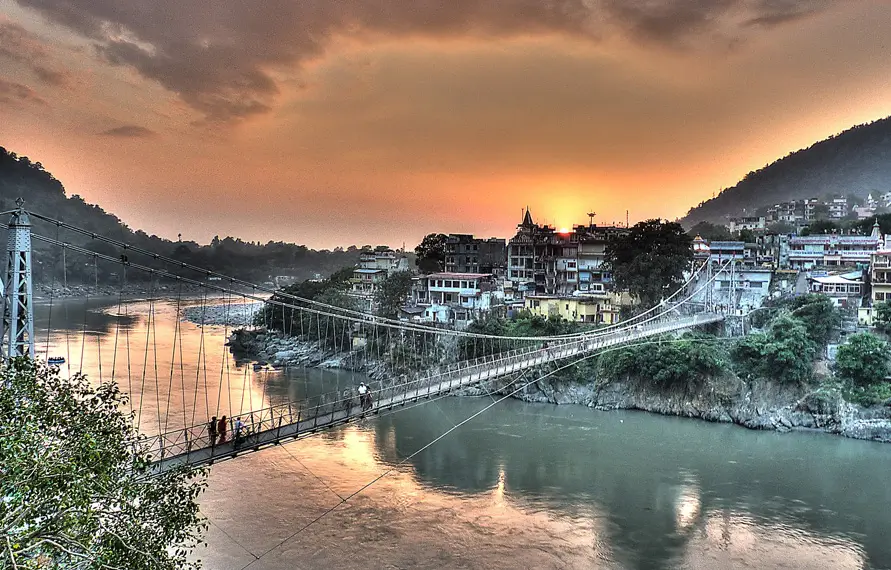
Delhi - Dharamshala - Amritsar... Delhi - Dharamshala - Amritsar - Haridwar - Rishikesh - Varanasi - Delhi Show More
 🌙 04 Nights / 05 Days
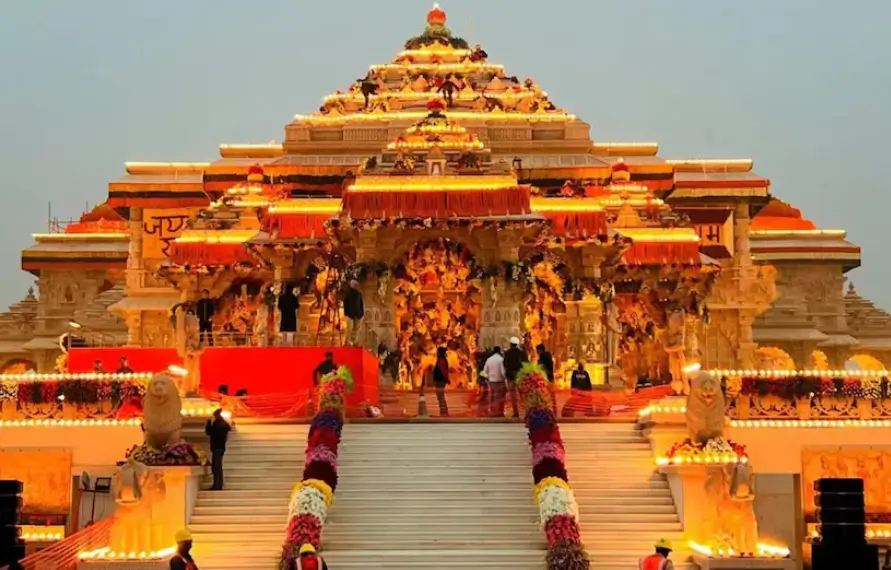
Lucknow - Ayodhya - Prayagraj... Lucknow - Ayodhya - Prayagraj - Varanasi Show More
 🌙 06 Nights / 07 Days
⭐ Most Popular
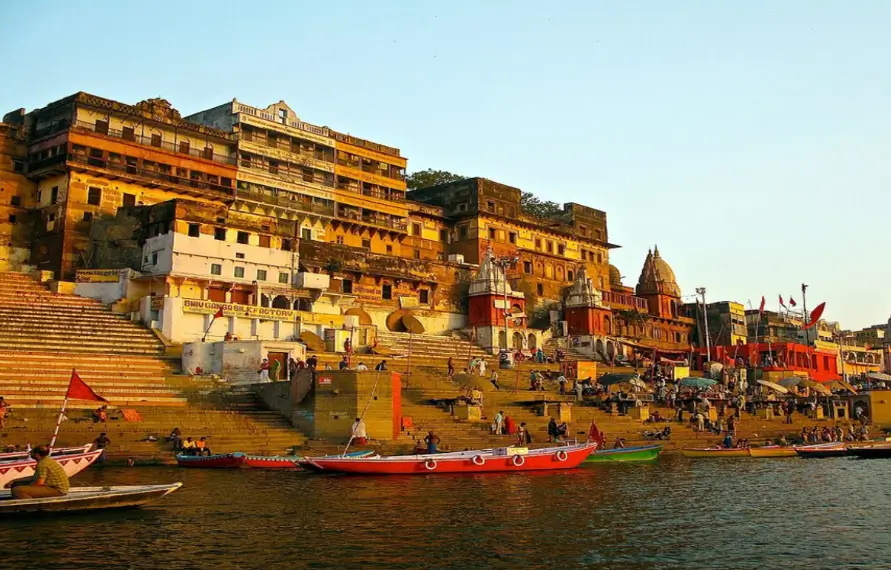
Lucknow - Ayodhya - Prayagraj... Lucknow - Ayodhya - Prayagraj - Chitrakoot - Prayagraj - Varanasi Show More
 🌙 09 Nights/10 Days
⭐ Most Popular
Delhi - Agra - Jaipur... Delhi - Agra - Jaipur - Varanasi - Bodhgaya - Varanasi Show More
Yes. With three nights in Varanasi, we place the village visit between your boat ride and old city walk. Tell us your dates and we will build it into your wider tour.
Plan for a half day for the village on its own, or a full day if you add Sarnath. Time depends on the drive and how long you choose to spend with each family.
Weaving is common in households around Varanasi, and we can include a weaving home where possible. For a fuller look at the craft, add our dedicated silk weavers experience in the city.
Yes. Children usually enjoy the animals, the potter’s wheel and meeting village children. Keep an eye on young ones around the chulha and livestock.
October to March is the most comfortable, with mild weather and green or yellow fields. Summer is very hot, and in the monsoon paths can be muddy. Mornings are best in any season.
Loose, modest cotton clothing that covers shoulders and knees, and shoes you can remove easily before entering kitchens and temples. Add a warm layer on winter mornings.
Usually you share chai and a simple snack, sometimes fresh rotis from the chulha. Freshly cooked, hot food is generally safe. Tell us about any dietary needs in advance.
Please do not hand out sweets, pens or money. It encourages begging and creates problems after you leave. If you would like to help, speak to your guide about supporting a family or school properly.
Yes, with permission. Always ask before photographing people, particularly women, elders and children. Please do not post children’s faces online with details of where they live.
Yes. Your guide translates and helps conversation flow. Villagers are often as curious about you as you are about them, so expect questions about your family, your work and your country.
Yes, and it is the most natural pairing. Spend the morning in the village and the afternoon at Sarnath, where the Buddha gave his first sermon. We check the museum’s opening day for your date.
It is when it is done properly. Host families are paid for their time, crafts are bought at fair prices and photographs are taken only with permission. We do not treat people as an attraction, and we visit only homes where guests are welcome.
The villages we visit lie outside the city, reached by a drive through the outskirts. The exact distance depends on which village suits the season and your interests. We confirm the plan and timing when we build your day.
It is a slow, guided visit to a village on the rural plain outside the city. You walk through fields, meet farming families, see weavers and potters at work, watch cooking on a chulha and visit the village temple and pond. It feels like a visit to neighbours rather than a show.

Whether you're planning your first India trip or returning to explore deeper, get honest, expert advice from someone who knows every corner of this country. No pressure, no cost.