


 info@topindianholidays.net
 +91-8955000999
Hot Air Balloon Ride in Jaipur
Lift off as the sky turns orange and drift over villages, mustard fields and the Aravalli hills while Jaipur is still waking up.
View Experience ›Lose your sense of direction, but not your guide, in the narrow lanes of the oldest part of Varanasi, then walk the river steps as the city goes about its day beside the Ganga.
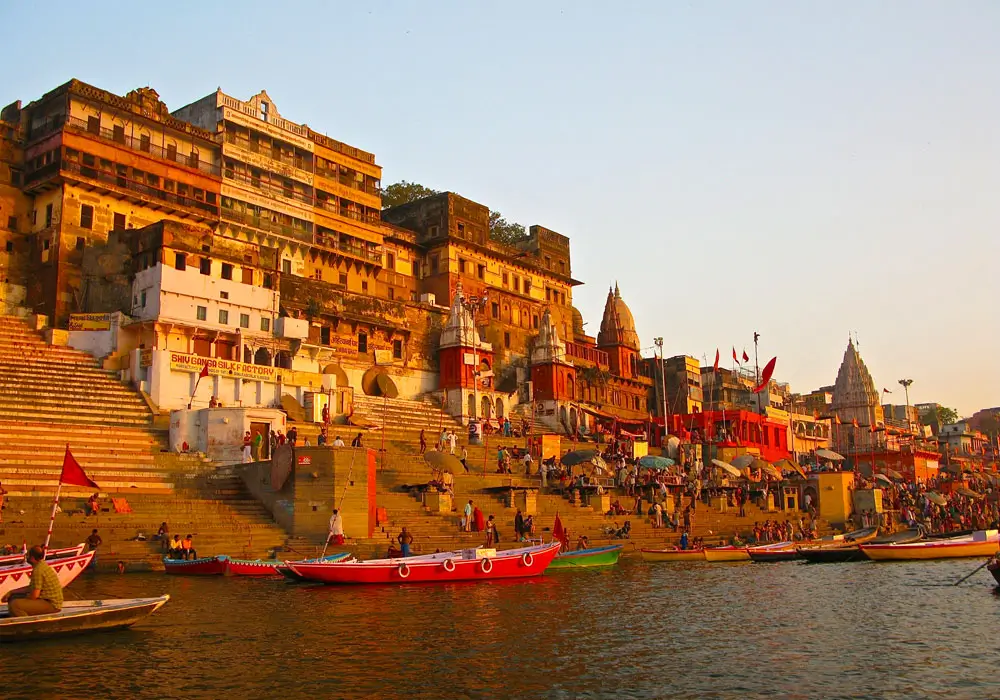
Varanasi is a city best understood on foot. Cars cannot enter most of the old city, and even cycle rickshaws give up at the edge of the lanes. Behind the river front lies a maze of galis, narrow alleys barely wide enough for two people to pass, where houses lean towards each other overhead, shrines are set into walls, and a cow may be standing in the only path ahead. It is disorienting at first, then quietly absorbing.
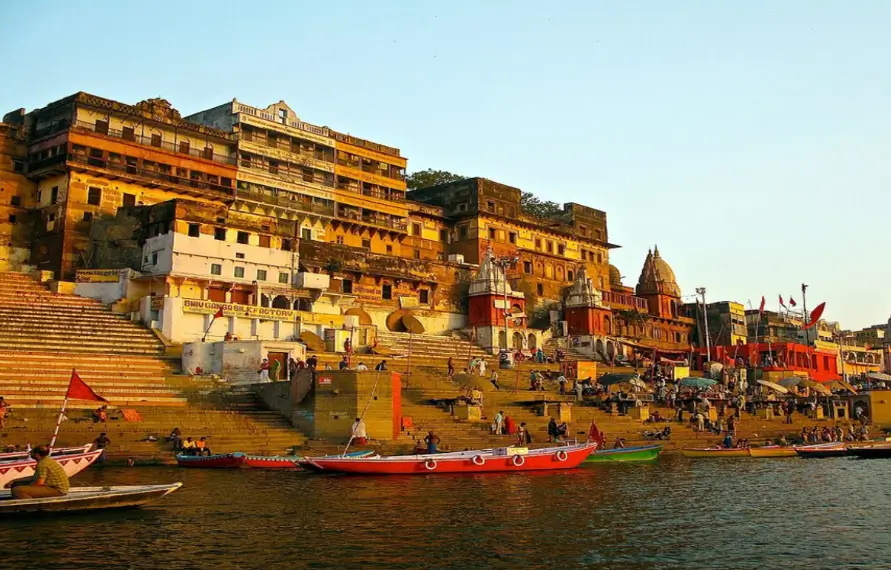
This Varanasi walking tour takes you through that maze with a guide who grew up with it. You walk through the lanes around the Kashi Vishwanath temple, past silk shops, sweet makers and tiny tea stalls, and down to the river. Then you follow the ghats, the long stone steps along the Ganga, from the quieter southern end near Assi Ghat to the busy heart of the river front at Dashashwamedh. On the way you pass bathers, priests, wrestlers, washermen, boatmen and pilgrims, each part of a routine that has gone on here for centuries.
It is a different experience from the river trips most visitors take. Our Evening Ganga Aarti and Sunrise Boat shows you Varanasi from the water, with the evening ceremony and the dawn bathing seen from a boat. This walk shows you the city from the inside, on the ground, at a pace where you can stop, look and ask questions. Many guests do both, and they complement each other well.
It is also a walk that asks for respect. Varanasi is a sacred city for Hindus, a place where people come to pray, to bathe and, for some, to die. The cremation ghats are part of the river front. We walk past them quietly and explain what is happening, without photographs and without treating anyone’s grief as a sight.
1. Pickup and drop at the edge of the old city
Your driver brings you from your hotel to the nearest point that cars can reach, often near Godowlia or close to Assi Ghat depending on where we begin. From here, everything is on foot.
2. An introduction to the old city
Your guide starts with a short explanation of how Varanasi, also known as Kashi and Banaras, grew along the river, why the ghats face east to the rising sun, and what makes the city so important in Hindu belief.
3. Into the galis
You head into the lanes behind the river front. The route winds past houses, small temples, shrines set into walls, and the doorways of old family homes. Your guide points out details you would never notice alone: a carved lintel, an old water tap, a shrine to a local deity, a doorway painted for a wedding.
4. The Kashi Vishwanath area
You walk through the area around the Kashi Vishwanath temple, the most important Shiva temple in the city, and see the new corridor that now links the temple with the river. Depending on the rules on the day and your wishes, you may enter the temple or view the corridor from outside.
5. Silk, sweets and chai
Along the way you stop at the shops that give the old city its character: silk sellers with their stacks of Banarasi saris, sweet makers frying and boiling milk in huge pans, and a tea stall where chai is served in small clay cups called kulhads.
6. Down to the river
You come out of the lanes onto the ghats, often at a point where the river opens up suddenly in front of you. The change from narrow lane to wide river is one of the best moments of the walk.
7. The ghat walk from Assi to Dashashwamedh
You walk along the river front, from the quieter southern ghats near Assi towards the busy centre at Dashashwamedh. Your guide explains each ghat as you pass, its history, its temples and who uses it today.
8. Past the cremation ghats, quietly
Depending on the route, you may pass Harishchandra Ghat or approach Manikarnika Ghat, where cremations take place. Your guide explains the rituals from a respectful distance, and you do not take photographs.
9. Finish at Dashashwamedh
The walk ends at Dashashwamedh Ghat, the main ghat of the city, where your car meets you nearby. In the evening this is where the Ganga aarti is performed, so the walk can lead into that if you plan it for the late afternoon.
The galis are the real old city. Some are so narrow that you have to stand against a wall to let a motorbike or a cow pass. Others open into small squares with a temple or a well. Very little is signposted, and many locals give directions by temples rather than street names.
What you will see. Families washing clothes on doorsteps. Children heading to school in uniforms. Men reading newspapers on benches outside their homes. Priests walking down to the river. Brass pots, marigold garlands and sacred thread for sale in tiny shops. Old houses, some crumbling, some beautifully restored, many painted in pale blue, ochre or green.
Shrines everywhere. Varanasi is said to be home to thousands of temples and shrines. In the lanes you will find small shrines to Shiva, Ganesh, Hanuman and the goddess in almost every turning, often just a lingam or an image set into a wall niche and marked with fresh flowers.
The cows. Cows wander freely through the old city and are treated with respect. They are generally calm. Give them space, do not touch or feed them, and step aside when one comes down a narrow lane.
The sounds. Temple bells, chanting from loudspeakers, the clatter of a sweet shop, the call of a vegetable seller, the bells of a bicycle. The old city is never silent, but it has a rhythm of its own.
The Kashi Vishwanath temple is dedicated to Shiva as Vishwanath, Lord of the Universe, and is one of the twelve jyotirlingas, the most sacred Shiva shrines in India. For many Hindus, a visit to this temple is the main reason to come to Varanasi. The present temple dates from the late eighteenth century, built by Ahilyabai Holkar, the ruler of Indore, and its spire was later covered in gold.
For a long time the temple was reached only through very narrow lanes. In recent years the Kashi Vishwanath Dham corridor was built to connect the temple complex with the ghats, creating wide open courtyards and a direct route down to the river. Some guests appreciate the space and ease of access, while others miss the old lanes. Your guide can explain both views.
Visiting the temple. Rules for entry change from time to time, and they are worth checking carefully. In general, foreign visitors may enter the temple, but you should expect strict security. Phones, cameras, bags, pens and electronic items are not allowed inside and must be left in lockers or with your guide or driver before you join the queue. Leather items such as belts and wallets may also be restricted. Bring your passport, as identification may be requested. Queues can be very long on Mondays, festival days and especially in the month of Shravan in July and August, when huge numbers of pilgrims come. Your guide will check the rules on your day and advise whether a visit makes sense.
Dress. Wear clothing that covers shoulders and knees, and be ready to remove your shoes. A scarf for women is a good idea.
If you prefer not to go in. Many guests choose to see the corridor and the outside of the temple, and to understand its place in the city, without joining the queue. That is completely fine, and the walk is full without it.
Banarasi silk. Varanasi is famous for its silk saris, woven with gold and silver thread in intricate patterns. In the old city you will pass silk shops with bolts of fabric stacked to the ceiling. Your guide can explain how genuine Banarasi silk is identified, why handloom work costs more than machine-made pieces, and what to look for if you want to buy. To see the weaving itself, add our silk weavers of Varanasi visit.
Sweets. Banaras has a strong sweet tradition, and the lanes are full of shops making them. Look for rabri, thickened sweet milk; peda, a fudge-like milk sweet; and fresh jalebis fried in spirals in the morning.
Malaiyo. In winter, roughly from November to February, look out for malaiyo, a light foam of milk said to be set by the night dew, flavoured with saffron and cardamom and topped with pistachios. It is sold only in the early morning, and by mid-morning it is usually gone. If you are walking in the cold months, ask your guide to find some.
Kachori and sabzi. A Banaras breakfast favourite: fried pastry with a spicy potato curry, often followed by a jalebi.
Chai in a kulhad. Tea served in small unglazed clay cups, which are thrown away after use. Many visitors find the earthy taste one of their favourite memories of the city.
Paan. Varanasi is famous for paan, betel leaf folded around spices and sweet fillings. Your guide can tell you which kinds are sweet and which contain tobacco, if you want to try one.
Varanasi has more than eighty ghats along the western bank of the Ganga. The walk covers the stretch that gives the best picture of the city’s river life.
Assi Ghat. At the southern end, where the small Assi river meets the Ganga. It is broad and relaxed, with students, families and visitors. In the mornings there are often yoga sessions and a morning prayer ceremony.
Tulsi Ghat. Associated with the poet Tulsidas, who is said to have written part of his famous version of the Ramayana here. It is also known for its wrestling tradition, and there is an old akhara nearby. To see this tradition up close, add our morning at a kushti wrestling pit.
Chet Singh Ghat. Dominated by a small fort, it recalls the eighteenth-century ruler who fought the East India Company.
Harishchandra Ghat. One of the two cremation ghats, named after a legendary king of truth. It is smaller and quieter than Manikarnika.
Kedar Ghat. Recognisable by its striped red and white steps and its temple to Shiva. It is popular with pilgrims from South India.
Darbhanga Ghat and Munshi Ghat. Topped by grand stone palaces built by rulers and noblemen, now partly hotels.
Dashashwamedh Ghat. The main ghat of Varanasi and the busiest. Bathers crowd the steps in the morning, and in the evening the Ganga aarti is performed here with fire, bells and chanting.
The full walk from Assi to Dashashwamedh is long, so we may combine it with a short car or rickshaw ride for part of the way, depending on your energy and the heat.
The cremation ghats are not a tourist attraction. They are where families bring their dead to be cremated beside the Ganga, in the belief that this releases the soul from the cycle of rebirth. Cremations take place day and night, particularly at Manikarnika, the main burning ghat.
Visiting them with care is possible, and many guests find the experience moving rather than disturbing. These are the rules we follow and ask you to follow:
If you would rather not visit the cremation ghats at all, tell us and we will change the route.
October to March. The best months for walking, with cool mornings and comfortable days. Winter mornings can be foggy and cold, especially in December and January, which gives the river a soft, misty look.
April to June. Very hot. We start early and keep the walk shorter.
July to September. The monsoon. The river rises, sometimes covering the lower ghats, and the walk along the river front may not be possible. The lanes are still walkable.
Festivals. Dev Deepawali, usually in November, when the ghats are lit with thousands of oil lamps, is a spectacular time to be in Varanasi but extremely crowded. Mahashivratri and the month of Shravan bring very large crowds to the Kashi Vishwanath temple. Diwali and Holi are also lively times.
Morning or afternoon. The morning walk shows the city waking up, with bathers and worshippers at the river. A late-afternoon walk can finish in time for the evening aarti at Dashashwamedh.
Two nights in Varanasi. With two nights you can do the walk one day and the boat and aarti the other, without feeling rushed.
Morning walk, evening boat. One good plan is a walk in the morning, a rest in the afternoon, and the evening Ganga aarti and boat at dusk.
Add Sarnath. Sarnath, where the Buddha gave his first sermon, is a short drive from Varanasi and makes a calm half-day after the bustle of the old city.
Add the countryside. Our village life near Varanasi shows you rural life along the river.
Combine with yoga. If you are heading to Rishikesh next, our yoga and meditation by the Ganga continues the river theme. You might also consider a longer yoga and meditation tour.
Bring and wear - Comfortable walking shoes that slip off easily for temples - Clothing that covers shoulders and knees - A scarf or shawl, useful in temples and on cold winter mornings - Your passport if you plan to enter the temple - Hand sanitiser and tissues - Small notes for chai, sweets and offerings
Leave behind - Valuables and expensive jewellery - A big bag, which cannot go into the temple - Shorts and sleeveless tops - Any wish to photograph cremations
Tell us your Varanasi dates and we will plan the walk and the boat around the best mornings and evenings.
Call & WhatsApp +91-9828085426 or email info@topindianholidays.net.
See more ideas on our Top Experiences in India page.
Tell us your travel dates and we will check availability and fit this experience into the right day of your itinerary. Reply within 12 hours.
Check Availability› Chat on WhatsApp› Send an Enquiry›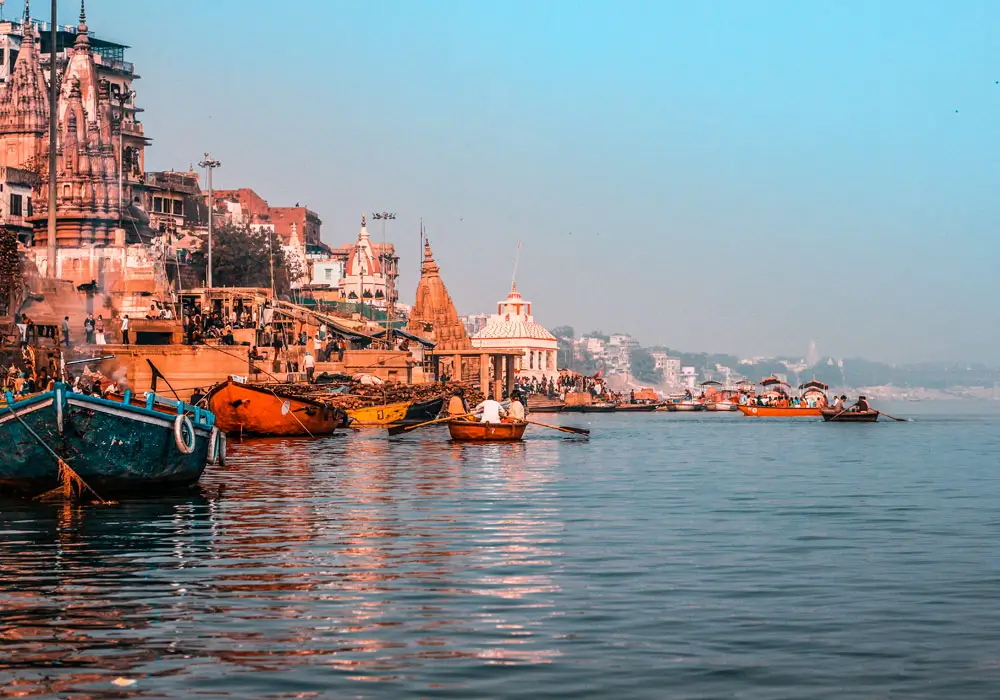
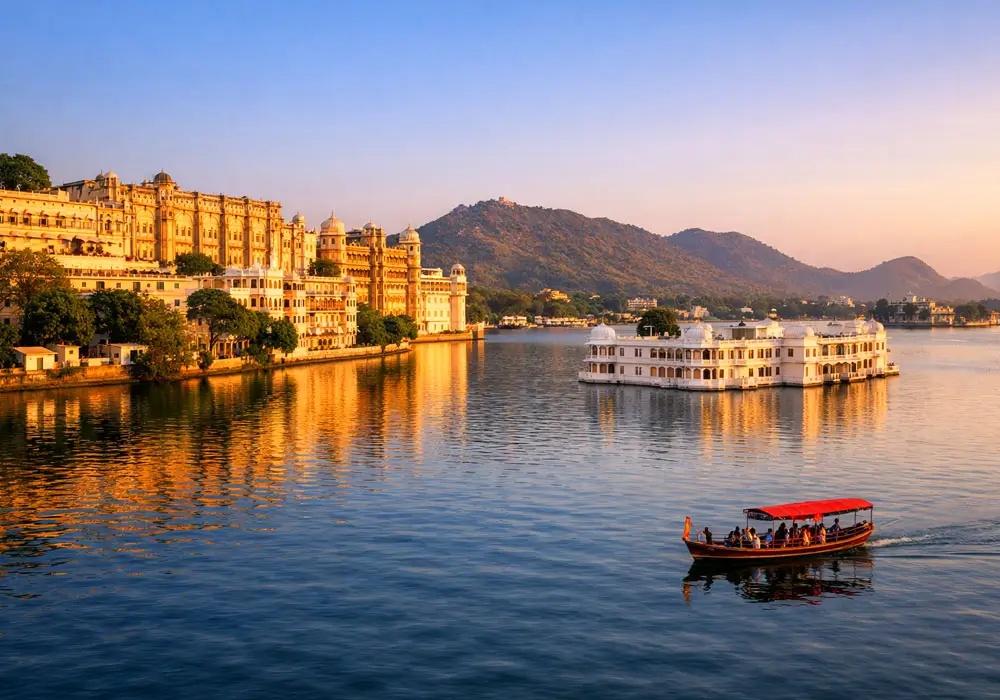
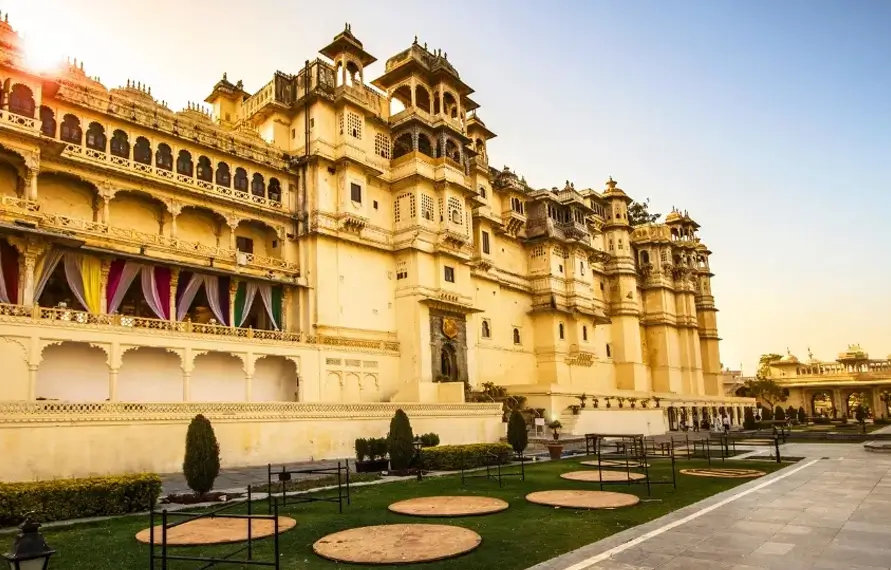 🌙 14 Nights / 15 Days
⭐ Most Popular
Delhi - Udaipur - Narlai... Delhi - Udaipur - Narlai - Jodhpur - Pushkar - Jaipur - Agra - Varanasi - Delhi Show More
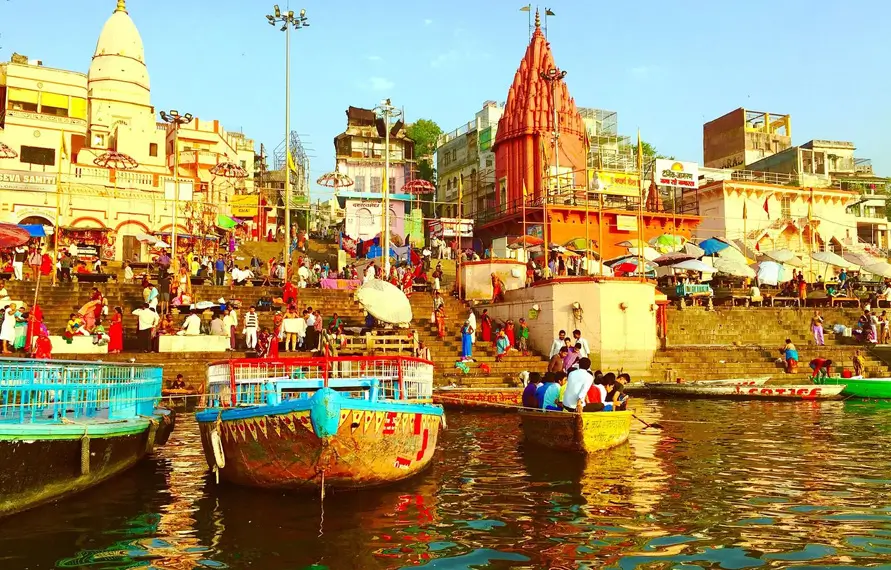 🌙 07 Nights / 08 Days
Udaipur - Jodhpur - Delhi... Udaipur - Jodhpur - Delhi - Varanasi Show More
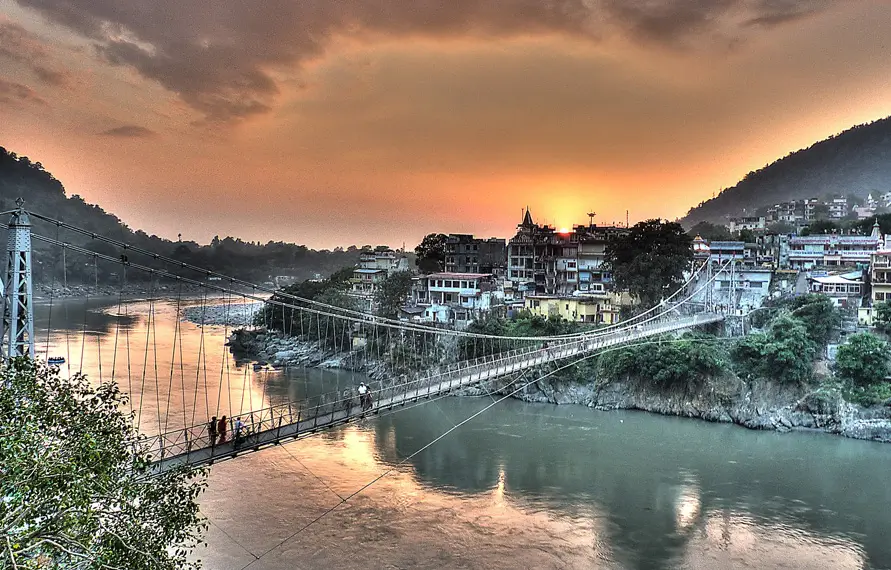 🌙 11 Nights / 12 Days
Delhi - Dharamshala - Amritsar... Delhi - Dharamshala - Amritsar - Haridwar - Rishikesh - Varanasi - Delhi Show More
 🌙 06 Nights / 07 Days
⭐ Most Popular
Lucknow - Ayodhya - Prayagraj... Lucknow - Ayodhya - Prayagraj - Chitrakoot - Prayagraj - Varanasi Show More
Two nights is ideal. That gives you time for this walk, the evening aarti and sunrise boat, and perhaps Sarnath, without rushing.
During the monsoon, roughly July to September, the river can rise and cover the lower ghats, so the river front walk may not be possible. The old city lanes are still walkable.
Older children often enjoy it, especially the lanes and sweet shops. The crowds and the cremation ghats may not suit young children, and we can plan a route that avoids them.
Clothing that covers shoulders and knees, comfortable shoes that are easy to remove, and a scarf. In winter, bring a warm layer for cold, foggy mornings.
Yes, with a local guide. Like any crowded old city, keep an eye on your belongings, watch your step on wet ghats and politely decline offers from touts.
Malaiyo is a light, airy milk foam flavoured with saffron and cardamom, made only in winter. It is sold early in the morning and runs out quickly, so it is a reason to walk early between November and February.
The boat ride shows you the ghats from the water and includes the evening aarti ceremony or the sunrise bathing. The walking tour takes you on foot through the lanes and along the ghats. Many guests do both.
No. Photography of cremations is deeply disrespectful to grieving families and is strongly discouraged. Keep your camera and phone away near the burning ghats.
Yes, if you go quietly, keep your distance and take no photographs. Your guide will explain the rituals and choose a place to stand where you are not in the way. You can skip them if you prefer.
It is a newer development that links the temple complex with the ghats through wide open courtyards. It has made the temple easier to reach, though some miss the old narrow lanes that once surrounded it.
No. Phones, cameras, bags and electronic items are not allowed inside and must be left in a locker or with your guide or driver. Leather items may also be restricted.
In general, yes, foreign visitors may enter, but there is strict security and the rules can change. Your guide checks the current rules on the day and advises whether a visit makes sense.
It depends on your pace, the stops and whether you visit the Kashi Vishwanath temple. Plan for a relaxed morning or afternoon. We can shorten the ghat section if the heat or steps are tiring.
Early morning is ideal, when the lanes are cooler and the ghats are full of bathers and worshippers. October to March is the most comfortable season for walking.
Whether you're planning your first India trip or returning to explore deeper, get honest, expert advice from someone who knows every corner of this country. No pressure, no cost.