📅 Last Updated On: 21 Sep 2026
⏱ 13 Min Read
Jagmandir Island Palace Udaipur: History, Timings, Entry Fee & Visitor Guide
N
Nand Singh Rathore
Travel & Tourism Expert specializing in India
Jagmandir Island Palace Udaipur: History, Timings, Entry Fee
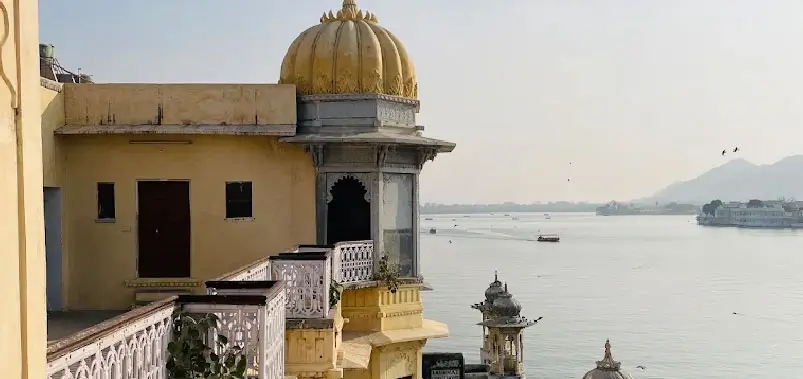
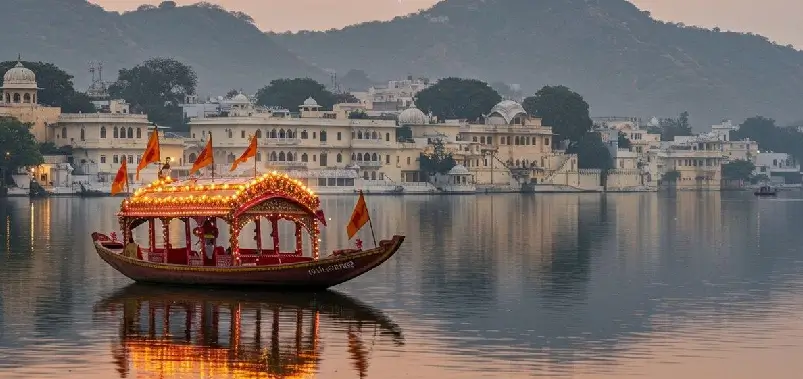
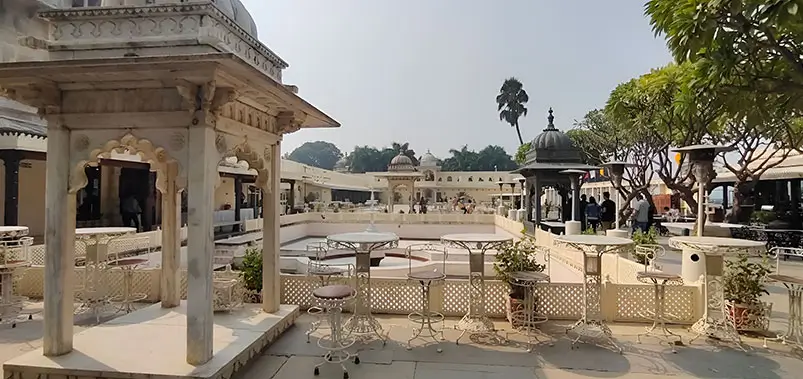
Rising from the waters of Lake Pichola, Jagmandir Island Palace is one of the most distinctive historic landmarks in Udaipur. Unlike City Palace, which dominates the eastern waterfront, Jagmandir occupies an island and can only be properly appreciated after travelling across the lake. The approach itself becomes part of the visit: boats move away from the City Palace side, the immense palace complex begins to reveal its full waterfront scale, Taj Lake Palace appears closer to water level, and the Aravalli hills frame the city before the boat reaches the stone landing at Jagmandir.
Often called the Lake Garden Palace, Jagmandir dates to the early seventeenth century and was created over the reigns of several rulers of Mewar. The Government of India's official tourism portal describes it as a palace constructed by three rulers of the Sisodia dynasty and notes that it historically functioned as a summer retreat and a venue for royal celebrations. Today, the property is managed within the HRH Group of Hotels and combines historic palace spaces with gardens, dining facilities, event venues and visitor access through official Lake Pichola boat excursions.
The most practical point for first-time visitors is that Jagmandir is not reached by road. The official HRH excursion operates by boat, and the boat fare effectively serves as the principal visitor charge for an ordinary sightseeing visit. HRH's published tariff lists a regular Jagmandir Island Palace excursion at INR 600 per adult and INR 300 per child, while the sunset excursion is listed at INR 800 per adult and INR 450 per child. The operator also states that prices and timings can be modified without prior notice.
That makes Jagmandir more than a palace attraction. It is simultaneously a Lake Pichola boat ride, royal heritage visit, garden stop and one of the strongest viewpoints for seeing Udaipur from the water.
The History of Jagmandir Island Palace and Its Place in Mewar
The history of Jagmandir Island Palace developed across several generations rather than under a single ruler. Official tourism information dates the palace to the early seventeenth century and associates its construction with three rulers of the Mewar dynasty. The result is an island complex whose different structures reflect successive phases of royal use rather than one uniform architectural programme.
One of the best-known historical episodes associated with Jagmandir concerns Prince Khurram, who later became the Mughal emperor Shah Jahan. HRH's heritage information states that Maharana Karan Singh gave refuge to Prince Khurram in 1622 when he sought political asylum during conflict with his father. The episode has become central to Jagmandir's identity and is regularly discussed during heritage interpretations of the palace.
A popular tradition further suggests that the architectural character Khurram encountered at Jagmandir influenced ideas later associated with the Taj Mahal. HRH's own heritage exhibition repeats this connection, although visitors should understand it as a historical tradition rather than a conclusively established architectural fact. What is securely important is that Jagmandir formed part of a significant political episode between the courts of Mewar and the Mughal prince who would later rule as Shah Jahan.
The palace later continued to serve as a royal retreat and ceremonial location. Its island setting provided privacy while remaining close to City Palace. For the rulers of Mewar, this combination would have made it suitable for receiving guests, holding gatherings and escaping the intensity of the larger palace complex on the mainland.
That historic function remains visible in the way the site feels today. Jagmandir is not an enormous fortified complex. It is comparatively intimate, organised around gardens, courtyards, waterfront terraces and pavilion spaces. The relationship with the lake is constant.
Visitors should therefore resist the temptation to compare Jagmandir only by the quantity of museum rooms available. City Palace contains far more exhibits and architectural interiors. Jagmandir's strength comes from the island setting, historical associations and the experience of seeing Udaipur from the water.
A useful visit allows enough time to walk through the accessible historic areas, look back towards City Palace, move through the garden and observe the different architectural sections before boarding the return boat.
Gul Mahal, Stone Elephants, Gardens and the Main Palace Spaces
One of the most recognisable features of Jagmandir Palace Udaipur appears before visitors even step fully onto the island. The arrival area is marked by a ceremonial waterside pavilion and large stone elephants positioned near the landing. These sculptures have become visual symbols of Jagmandir and immediately establish the ceremonial quality of the island entrance.
Beyond the landing lies a combination of courtyards, palace buildings and gardens.
Gul Mahal is among the most historically important structures. It is particularly associated with the period when Prince Khurram received refuge in Mewar. The building's design, domed form and stone detailing make it one of the architectural features visitors should examine rather than rushing immediately towards the garden or restaurant.
The Garden Courtyard provides a completely different atmosphere. Historic descriptions of the complex refer to landscaped areas planted with flowering and ornamental vegetation, while the present-day palace continues to use its gardens as one of the defining visitor spaces. The combination of lawn, old architecture and lake views makes the garden especially attractive during the cooler months.
Other historic areas include the Kunwarpada Chowk, identified on the official HRH property site as one of the principal palace spaces. Moving between these areas allows visitors to appreciate that Jagmandir developed as a functioning royal island complex rather than as a single detached pavilion.
The island's waterfront is equally important. Several points provide uninterrupted views back towards City Palace, which stretches across a long section of Lake Pichola's eastern bank. From inside City Palace, visitors look out towards Jagmandir; from Jagmandir, the perspective reverses and the enormous scale of the palace becomes far easier to understand.
Taj Lake Palace is another major visual landmark from the water and the island. Because both properties sit within Lake Pichola, a Jagmandir excursion gives travellers an excellent way to photograph the relationship between Udaipur's two famous island palaces.
The HRH heritage exhibition known as Jagriti is also part of the visitor experience. HRH states that access to Jagriti is included with the Jagmandir boat ride or boat charter. Travellers interested in history should allow time for this rather than treating the island only as a scenic stop.
For most people, approximately 45 minutes to one hour on the island is comfortable. Visitors interested in heritage interpretation, photography or refreshments may want longer. The return boats operate as part of the excursion system, so the exact duration can also depend on current boat frequency and visitor flow.
Jagmandir Timings and Official Boat Schedule
The practical Jagmandir timings are closely connected to the official boat excursion schedule.
HRH Hotels currently publishes separate regular and sunset operating periods for summer and winter. The official timetable lists regular summer excursions from approximately 10:00 AM until 3:00 PM, with sunset services continuing until approximately 6:00 PM. During winter, the regular period is listed from approximately 10:00 AM until 2:00 PM, with sunset services operating until approximately 5:00 PM.
Independent current visitor information commonly describes Jagmandir itself as accessible around 10:00 AM to 6:00 PM, but the official boat schedule is the more useful reference because ordinary visitors depend on boats to reach and leave the island.
The distinction between a regular boat ride and sunset excursion is important.
During summer, an adult regular excursion currently costs INR 600, while the sunset excursion is INR 800. For children, the published rates are INR 300 and INR 450 respectively.
The premium for sunset is justified mainly by timing rather than a fundamentally different island visit. The later boat provides better light across Lake Pichola, particularly when the City Palace facade begins to change colour as the sun lowers over the surrounding hills.
Travellers who want photographs should strongly consider the later excursion.
Those prioritising lower crowds and a calmer island experience may prefer late morning, especially during the high season.
The exact departure frequency can vary, and visitors should not construct a tightly timed onward appointment around the assumption that the boat will leave at a specific minute. Arrive at the official ticket point early enough to confirm the day's schedule.
Weather also matters. Strong wind, heavy rain or operational considerations can alter boating arrangements. HRH explicitly reserves the right to modify times and prices.
Jagmandir Entry Fee and Boat Ride Prices
Visitors often search for a separate Jagmandir Island Palace entry fee, but in practice the principal visitor charge is the official boat excursion fare.
The currently published HRH rates are:
| Jagmandir Boat Excursion |
Adult |
Child |
| Regular Excursion |
INR 600 |
INR 300 |
| Sunset Excursion |
INR 800 |
INR 450 |
These are the official HRH published prices for the current tariff period shown on its boat-charter page. HRH also notes that management can revise prices without prior notice, so visitors should confirm the amount at the official counter before purchasing.
There are also private charter boats for travellers who prefer exclusivity.
Charter prices depend on boat capacity, timing and service level and can rise into several thousand rupees for smaller groups and much higher for larger boats. A charter becomes most sensible for families, couples wanting privacy, small luxury groups or travellers who want a more controlled Lake Pichola experience.
For one or two budget-conscious travellers, the regular shared boat provides much better value.
Another useful detail is that the Jagriti heritage exhibition is included within the boat ride or charter fee, according to HRH.
Dining and beverages on the island are separate.
Visitors should therefore distinguish four possible expenses: boat excursion, any premium charter upgrade, food or drinks on Jagmandir, and City Palace-related tickets if they are also visiting the museum.
Is the Sunset Boat Ride Worth the Higher Price?
For many first-time visitors, yes.
Udaipur's visual appeal is strongly dependent on light. City Palace, the ghats, Lake Palace and the Aravalli hills are attractive at any hour, but the final part of the day produces softer contrast and warmer stone colours.
A sunset excursion allows travellers to see Lake Pichola during the transition from afternoon into evening, which is particularly valuable for photography.
The higher adult charge is currently only INR 200 above the regular excursion price. For an international traveller who may visit Udaipur only once, the difference is relatively small compared with the overall value of the experience.
There are, however, trade-offs.
Sunset excursions are more popular and can feel busier. The island may contain wedding or event activity on certain dates, and the boat ride itself can be more crowded.
Late morning provides brighter light, clearer architectural detail and often less pressure around sunset viewpoints.
Photographers who want strong palace reflections may also find morning conditions attractive depending on wind.
A traveller staying several nights in Udaipur can make the decision according to the weather. If the first evening is clear, sunset boating is sensible. If heavy cloud or rain is present, a daytime excursion on another day may be more rewarding.
Jagmandir Restaurant, Cafe and Spending Time on the Island
Jagmandir is not limited to sightseeing. HRH describes the island palace as a destination containing an all-day cafe, dining restaurant, bar and spa facilities. This creates the possibility of turning a short boat excursion into a longer leisure experience.
The historic Darikhana dining space is among the best-known venues on the island, while other food and beverage facilities allow guests to pause rather than immediately joining the next return boat.
For premium travellers, having lunch or refreshments on Jagmandir can be worthwhile because the setting is difficult to replicate elsewhere in Udaipur.
Prices will naturally be far higher than local restaurants in the old city. Visitors should treat the dining experience as part of a palace setting rather than a value meal.
Those with a tightly scheduled sightseeing day may prefer to spend approximately one hour on the island and eat later in central Udaipur.
Guests who have already visited City Palace in the morning can use Jagmandir as an afternoon break, particularly during comfortable weather.
Reservations may be sensible for a serious lunch or dinner arrangement. Public restaurant access can also be affected by private weddings and events, because Jagmandir is one of Udaipur's prominent celebration venues.
Anyone travelling specifically for an island meal should therefore confirm availability beforehand rather than assuming every restaurant space operates normally during every event.
Weddings and Private Events at Jagmandir Island Palace
Jagmandir has developed an international reputation as one of Udaipur's most striking destination wedding venues.
The reason is obvious once visitors reach the island. Guests arrive by boat, City Palace and Lake Pichola create the backdrop, and the island provides gardens, courtyards and historic architecture without the traffic and visual clutter of the mainland.
HRH actively markets multiple event spaces at Jagmandir, including its courtyards and other palace areas.
For ordinary tourists, this has a practical implication.
A large private event can alter access to parts of the island. Certain sections may be prepared for a wedding, closed temporarily or visually affected by event infrastructure.
This does not necessarily ruin the visit, but travellers with a strong interest in photography or architecture may prefer to check whether a major event is scheduled.
Udaipur's peak wedding season overlaps with its most comfortable tourism period, so private celebrations are common during the cooler months.
How to Reach Jagmandir Island Palace
For ordinary visitors, the best-known access is through the official City Palace-associated boat excursion across Lake Pichola. HRH operates the Jagmandir excursion and publishes the official fare and seasonal timetable.
Travellers staying in the old city can walk or take a short local vehicle transfer towards the City Palace area.
Those staying in modern Udaipur hotels should use a private car, taxi or local transport to reach the palace district, but vehicles cannot be expected to stop directly beside every old-city gate during periods of congestion.
Parking and pedestrian access require extra time.
Visitors combining City Palace Museum with Jagmandir should begin earlier in the day. The museum itself can easily take two to three hours, especially for travellers interested in Mewar history. The official City Palace Museum describes the complex as the former residence of Mewar's rulers and notes that visitors receive extensive views of Lake Pichola and its island palaces from inside the museum.
A strong sequence is City Palace Museum in the morning, lunch or a rest period, followed by Jagmandir and Lake Pichola boating later in the afternoon.
Trying to enter City Palace only 30 minutes before a sunset boat is unnecessary and creates pressure.
Combining Jagmandir with City Palace, Bagore Ki Haveli and Gangaur Ghat
Jagmandir fits naturally within the historic Lake Pichola district.
City Palace should be given priority because it explains the political and royal context from which Jagmandir emerged. Visitors who understand Mewar's palace complex will appreciate the island residence far more.
After City Palace, travellers can move towards the older streets around Jagdish Temple, continue towards Gangaur Ghat, and visit Bagore Ki Haveli.
Gangaur Ghat offers a free public perspective of Lake Pichola and is particularly attractive around sunrise and sunset.
Bagore Ki Haveli provides another side of royal and urban history, while its evening cultural performance is often included in Udaipur itineraries.
The challenge is timing.
A late Jagmandir sunset excursion followed by an evening performance can become tight. Travellers should check current performance timings and boat return schedules before trying to combine both.
A more relaxed structure uses one evening for the Lake Pichola boat and another for Bagore Ki Haveli.
Jagmandir Versus Taj Lake Palace
Visitors frequently confuse Jagmandir Island Palace with Taj Lake Palace, but the two have very different functions.
Taj Lake Palace occupies Jagniwas Island and operates primarily as an ultra-luxury hotel. Access is generally reserved for resident guests and confirmed diners or visitors with authorised arrangements.
Jagmandir, by contrast, operates as a heritage attraction, hospitality venue and event destination that can be visited by ordinary sightseeing guests through the official boat excursion.
Both palaces are visible during Lake Pichola boating, and their architectural character is different.
Taj Lake Palace is visually defined by its white-marble waterfront profile and luxury-hotel identity. Jagmandir feels more like a historic royal island complex containing gardens, courtyards and different palace structures.
Travellers do not need to choose one visually - the Jagmandir boat ride allows excellent views of both.
Best Time of Year to Visit Jagmandir
The cooler months are generally the strongest period for Jagmandir Island Palace sightseeing because visitors can comfortably remain in the gardens, courtyards and open boat for longer.
From approximately October through March, daytime temperatures are usually suitable for extended Lake Pichola sightseeing.
Winter mornings can be cool on the water, particularly when wind increases, so a light additional layer is useful.
The monsoon can make Udaipur exceptionally attractive. The surrounding Aravalli hills become greener, and healthy lake levels improve the visual character of Lake Pichola. Heavy rainfall, however, can affect boating.
Summer is considerably hotter. A late afternoon or sunset excursion is preferable to a midday boat during the hottest period.
The strongest photographic conditions are usually either morning or the final hours before sunset.
How Much Time Should You Keep for Jagmandir?
For the boat ride plus Jagmandir visit, keep approximately two hours as a minimum.
The boat journey itself is part of the attraction and should not be treated only as transportation.
Once on the island, most visitors will need around 45 minutes to one hour for the gardens, architecture, heritage displays and photography.
Those stopping for lunch or drinks can easily spend two hours or more on the island itself.
Queue time and waiting for the return boat should also be considered.
A tightly scheduled 60-minute gap is insufficient.
Keeping two to three hours around the excursion makes the visit far more comfortable.
Practical Visitor Costs Around Jagmandir and Lake Pichola
For two adults using the current regular official excursion, the basic boat cost is approximately INR 1,200. A sunset excursion for the same two adults is approximately INR 1,600 based on HRH's published rates.
Food and beverages on the island are additional.
A private charter can raise the expense substantially, particularly for a couple who must pay the entire boat rate rather than sharing it among a larger family.
A guide is optional. Travellers who already have a professional Udaipur guide for City Palace can benefit from continuing the historical discussion during the island visit, particularly around the Prince Khurram episode and the wider Mewar context.
A good private sightseeing vehicle for Udaipur can cost roughly INR 4,000 to INR 7,000+ per day, depending on category and service hours. Premium SUVs and luxury vehicles can cost more.
The city itself offers hotels ranging from comfortable mid-range accommodation to some of India's most expensive palace properties. Travellers staying beside Lake Pichola will generally have the easiest access to Jagmandir.
A Better Way to Fit Jagmandir into a Udaipur Stay
A first-time visitor should avoid seeing City Palace, Jagmandir, Fateh Sagar, Monsoon Palace, Saheliyon Ki Bari and Bagore Ki Haveli all in one day.
Udaipur rewards a slower pace.
One strong day can remain almost entirely around Lake Pichola. Begin with City Palace in the morning, walk through the old city, take a midday break, then board the Jagmandir excursion in the later afternoon. After returning, enjoy dinner overlooking the lake.
The second day can focus on Fateh Sagar, Saheliyon Ki Bari and another sunset viewpoint.
With three nights, travellers can add Badi Lake, Eklingji, a countryside experience or more time in the old city.
Top Indian Holidays owner and Rajasthan travel specialist Nand Singh Rathore can be positioned naturally within this kind of itinerary advice because Udaipur works best when the route is built around geography and timing rather than the maximum possible number of stops.
Jagmandir is especially worthwhile when the traveller treats the boat, island and surrounding Lake Pichola scenery as one complete experience.
Related Guides



 info@topindianholidays.net
 +91-8955000999