


 info@topindianholidays.net
 +91-8955000999

Hot Air Balloon Ride in Jaipur
Lift off as the sky turns orange and drift over villages, mustard fields and the Aravalli hills while Jaipur is still waking up.
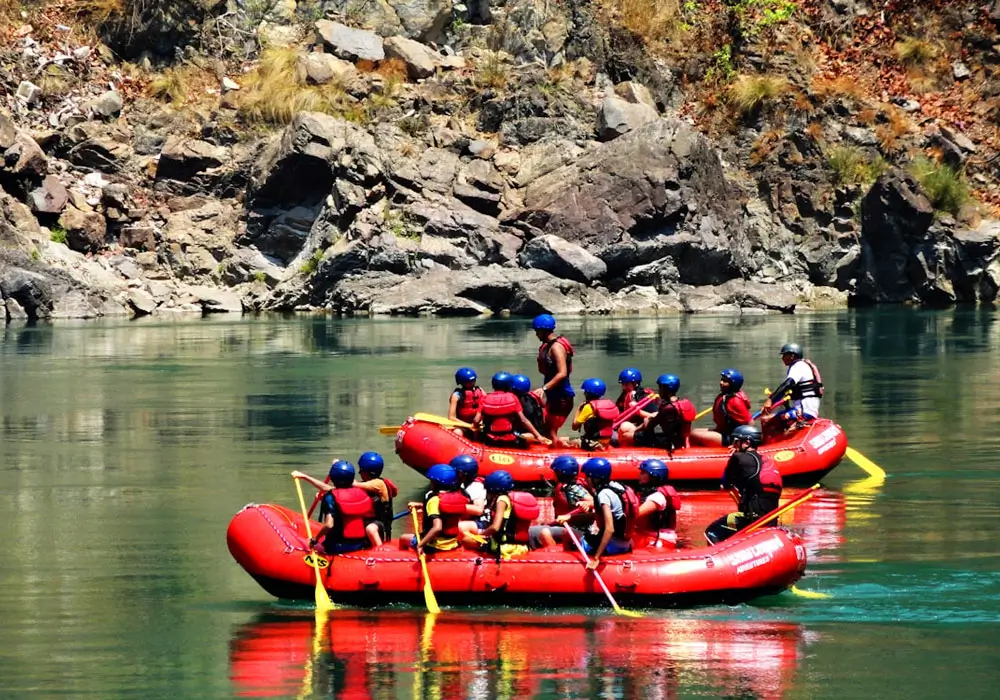
View Experience ›Paddle through rapids with names like Roller Coaster and Golf Course, then drift through calm green stretches where you can slip over the side and float in the holy river.
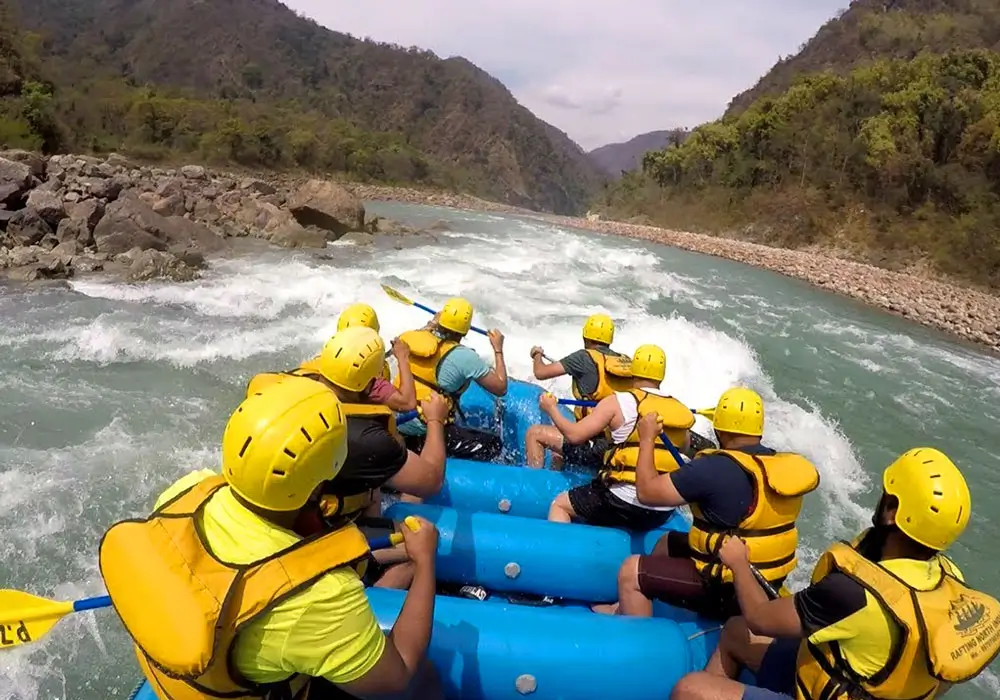
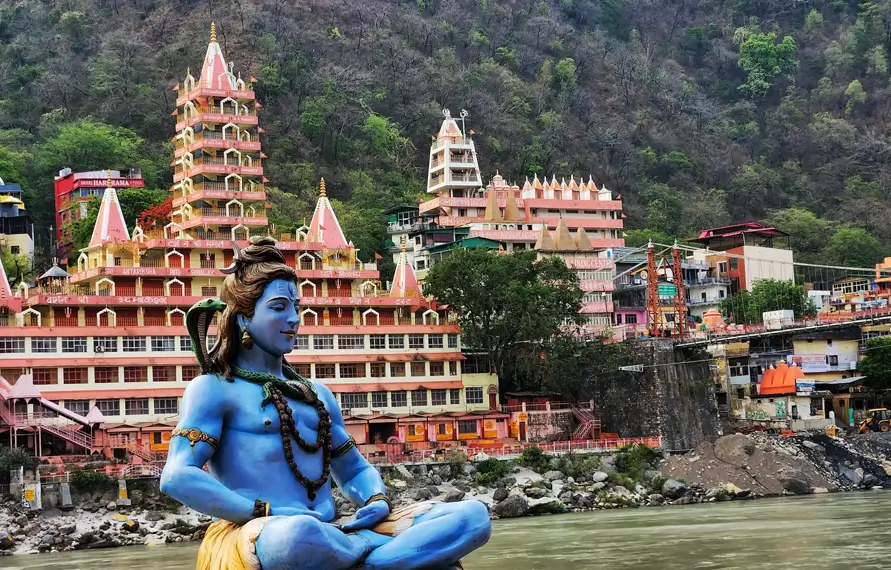
Most people arrive in Rishikesh for the yoga, the ashrams and the evening aarti on the ghats. Then they see the river properly for the first time, fast, cold and clear green as it leaves the mountains, and realise there is another side to the town. Upstream of the suspension bridges, the Ganga runs through a steep wooded valley in a series of rapids that have made Rishikesh rafting known across India and well beyond it.
What makes a day on this river special is the mix. One moment you are paddling hard into a wave that soaks the whole raft, with the guide shouting “forward!” from the back. Ten minutes later the water flattens, the guide tells you to put down your paddle, and you are floating on your back in your life jacket, looking up at forested hills, white sandy beaches and the occasional temple on the bank. There is something unusual about meeting a river that millions of people consider sacred in this playful way.
It is also very accessible. Shorter stretches are suitable for complete beginners and families with older children, while longer runs with bigger rapids offer a proper challenge for confident swimmers and anyone who has rafted before. You do not need any experience, only a willingness to get wet and follow instructions.
We plan your rafting with licensed operators and fit it into your Rishikesh stay, so you can combine a morning on the river with a slower afternoon of yoga, a walk across the bridges or the aarti at sunset.
1. Choosing your stretch
Before you travel, we talk through who is in your group, how well everyone swims, how adventurous you feel, and the ages of any children. From that we suggest a stretch: a shorter, gentler run or a longer one with more and bigger rapids. This is the most important decision of the day, so we take time over it.
2. Pickup and the drive upstream
Your driver collects you from your hotel and drives up the winding road that follows the river into the hills. All rafting trips start upstream and float back down towards Rishikesh, so the starting point depends on the stretch you choose. The drive itself is pretty, with views down to the river and its beaches.
3. Kitting up
At the starting point, the operator’s crew is waiting with the rafts. Each person is fitted with a life jacket and a helmet, and the guide checks that the straps are tight. A loose life jacket can slip over your head in the water, so expect the guide to pull hard on the straps. You are handed a paddle and shown how to hold it.
4. The safety briefing
On the riverbank the guide explains the commands: forward, back, stop, get down, and how to lean in. You learn how to sit on the edge of the raft and wedge your feet, what to do if you fall in (lie on your back, feet first and pointing downstream), and how to grab the rope or the paddle held out to you. It is short, clear and worth listening to properly.
5. Practice on calm water
The raft pushes off and the guide runs through the commands on flat water so the crew learns to paddle together. Within a few minutes you are paddling in time and ready for the first rapid.
6. Through the rapids
As a rapid approaches you hear it before you see it. The guide steers from the back and calls the commands, and the team paddles hard into the white water. Waves break over the front of the raft, people shout and laugh, and then suddenly you are through and in calm water again.
7. Calm stretches, body surfing and cliff jumping
Between rapids, when conditions allow, the guide may invite you to slide into the water and float alongside the raft in your life jacket. On some stretches there is a rock where confident swimmers can jump into a deep pool. Both are optional, and the guide decides on the day whether the water is suitable.
8. Finishing near Rishikesh
Trips end upstream of or near the town, depending on the stretch and the river level. You climb out, hand back your kit and change, and your driver is waiting to take you back to your hotel for a hot shower.
The Ganga above Rishikesh is divided into well-known stretches, each named after its starting point. The further upstream you start, the longer the run and generally the more rapids you meet.
Brahmapuri. The shortest and gentlest of the common stretches, starting just above the town. The rapids are small, which makes it the best choice for nervous first-timers and families with children who are old enough for the operator’s minimum age.
Shivpuri. The most popular stretch for visitors, and a good middle ground. It is longer than Brahmapuri and includes several well-known rapids, among them Roller Coaster and Golf Course, which are exciting but manageable for beginners who can follow commands. There are calm sections for floating along the way.
Marine Drive. A longer stretch starting further upstream, which adds more rapids and more time on the water to the Shivpuri section. It suits fit, adventurous groups who want a fuller day.
Kaudiyala. The longest stretch, starting far upstream in the hills. It includes some of the more powerful rapids, including one known as The Wall, and it takes most of a day. It is for strong swimmers and confident groups, and it is not always offered when the river is high or low.
Exactly which stretches run on a given day depends on the water level and local rules, which can change through the season. We confirm what is available for your dates.
Rapids are graded on an international scale from I to VI. Grade I is moving water with small ripples, and grade VI is not raftable. Most of the rapids on the Ganga at Rishikesh fall between grades I and IV, depending on the stretch and the season.
Grades I and II. Small waves and easy currents. Good for first-timers and children. Most of the Brahmapuri run sits here.
Grade III. Bigger waves and more powerful water, where the raft can bounce hard and people occasionally fall in. Many of the rapids on the Shivpuri stretch are in this range, and this is where most visitors have the most fun.
Grade IV. Strong, technical rapids where teamwork and good guiding matter. These are found mainly on the longer upper stretches.
Grades change with the water. When snowmelt raises the river in late spring, waves grow bigger and some rapids become more powerful. After the monsoon, the river is high and fast in the first weeks of the season, before settling down. Your guide reads the river on the day and adjusts the line through each rapid.
The names are part of the fun. Roller Coaster earns its name with a long train of waves that lift and drop the raft in turn. Golf Course is a series of waves that guides like to say has more than one “hole”. The Wall, further upstream, is known for a large wave that rises in front of the raft. Expect your guide to tell you the story of each one as you approach.
Licensed operators. Rafting at Rishikesh is regulated by the state authorities, who license operators and set rules for equipment and guides. We work only with licensed operators.
Trained guides. Every raft has a guide at the back who steers and calls the commands. Guides are trained in rescue and first aid, and many have grown up on this river.
Safety kayakers. On many trips, especially on longer stretches, a safety kayaker paddles ahead of or alongside the rafts, ready to help anyone who falls in.
Life jackets and helmets. Everyone wears a properly fitted life jacket and helmet at all times on the water, including during calm sections. Do not take them off to float or sunbathe.
Swimming ability. You do not have to be a strong swimmer for the gentler stretches, as your life jacket keeps you afloat. But you must be comfortable in water, and for the longer stretches with bigger rapids, being a confident swimmer is strongly advised.
Health. Rafting is not suitable during pregnancy, or for anyone with serious heart, back or neck problems, recent surgery or a condition that could be affected by cold water or sudden effort. Tell us about any concerns before booking.
The Ganga, or Ganges, is the most sacred river in Hinduism. Pilgrims come to Rishikesh and Haridwar to bathe in it, scatter ashes and take home bottles of its water. Rafting sits comfortably alongside this, and guides are respectful of it, but it is worth keeping in mind.
The rafting season at Rishikesh runs from roughly the end of September or October through to June. During the monsoon, roughly July to September, the authorities suspend rafting because the river becomes too high and dangerous. The exact opening and closing dates are set each year depending on the river and the weather, so we check them for your dates.
October and November. The river is still full after the monsoon, the water is clearer each week, and the weather is warm and dry. A very good time to raft.
December to February. The water is at its coldest, with snowmelt from the mountains, and mornings are chilly. Rapids are generally a little smaller. Rafting still runs, but a wetsuit or splash jacket, if the operator offers one, makes a big difference. Raft later in the morning when the sun is up.
March to June. The most popular period. The air is warm to hot, cold water becomes a pleasure, and as snowmelt increases in late spring the rapids grow bigger. Indian school holidays in May and June make the river busy, especially at weekends.
Allow two or three nights in Rishikesh. One morning on the river, one for yoga or a walk, and an evening for the aarti makes a balanced stay.
Raft early in your stay. If the river is closed for a day because of high water or heavy rain, you have room to try again.
Pair it with something slow. A morning on the river followed by an evening of yoga and meditation by the Ganga is a classic Rishikesh combination. You can also join our longer yoga and meditation tour.
Getting there. Rishikesh is a drive of around five to six hours from Delhi, or a short drive from Dehradun airport. Haridwar, which also has a famous evening aarti, is nearby.
Combine with the hills. Rishikesh also makes a good base for a Himalayan day hike, and the town sits on the way to the mountains of Uttarakhand.
Bring and wear - Quick-drying swimwear and a T-shirt or rash vest - Shorts or quick-dry trousers - Water shoes or sports sandals with a back strap - Sunscreen, applied before you start - A full change of clothes and a towel for afterwards - Sunglasses with a strap, if you need to wear them - A waterproof action camera on a mount, if allowed - A warm fleece for after the trip in winter
Leave behind - Jewellery, watches and valuables - Cotton jeans and heavy clothes that stay wet - Flip-flops that will come off in the water - Phones and cameras without a waterproof case - Any plan to raft after drinking alcohol
Tell us your Rishikesh dates, your group’s ages and how adventurous you feel, and we will suggest the right stretch and the best morning for it.
Call & WhatsApp +91-9828085426 or email info@topindianholidays.net.
See more ideas on our Top Experiences in India page.
Tell us your travel dates and we will check availability and fit this experience into the right day of your itinerary. Reply within 12 hours.
Check Availability› Chat on WhatsApp› Send an Enquiry›



 🌙 05 Nights / 06 Days
⭐ Most Popular
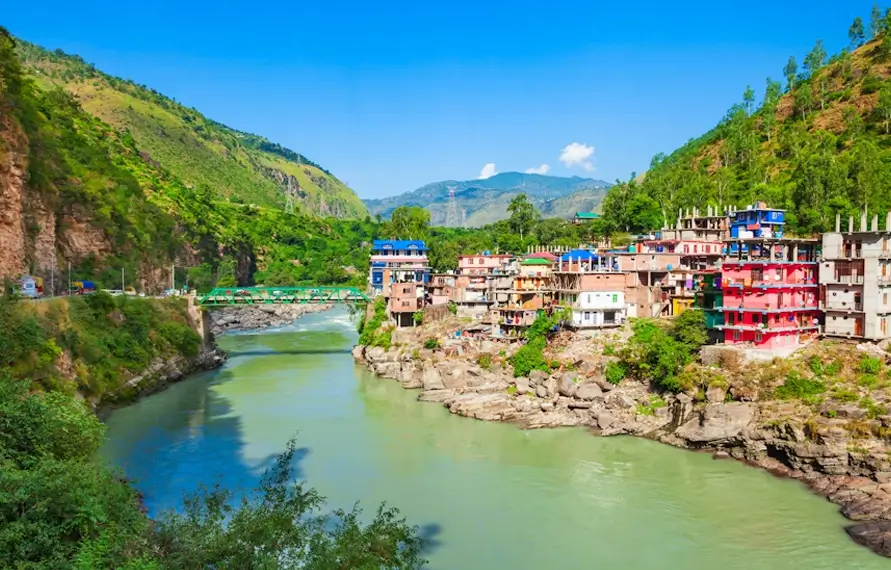
Delhi → Rishikesh → Haridwar Delhi → Rishikesh → Haridwar Show More
 🌙 07 Nights / 08 Days
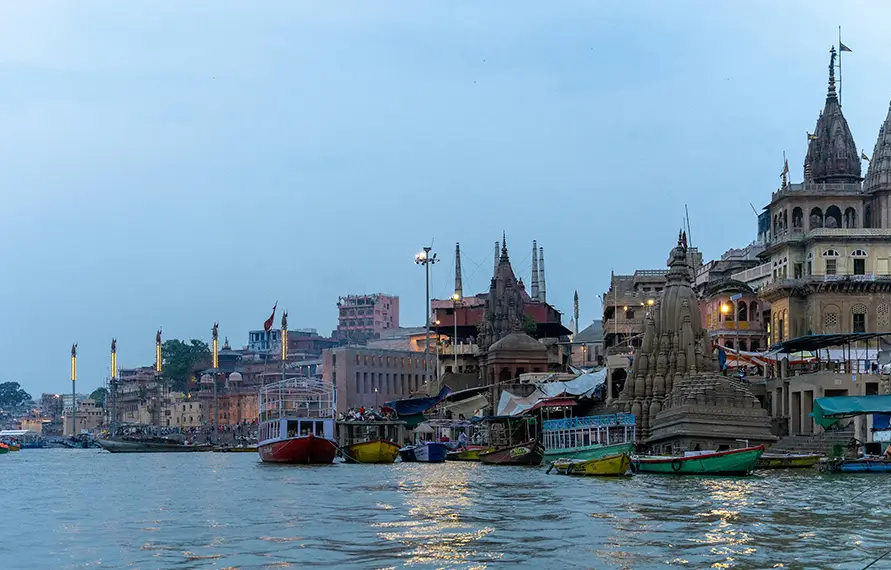
Delhi - Jaipur - Agra... Delhi - Jaipur - Agra - Varanasi Show More
 🌙 07 Nights / 08 Days
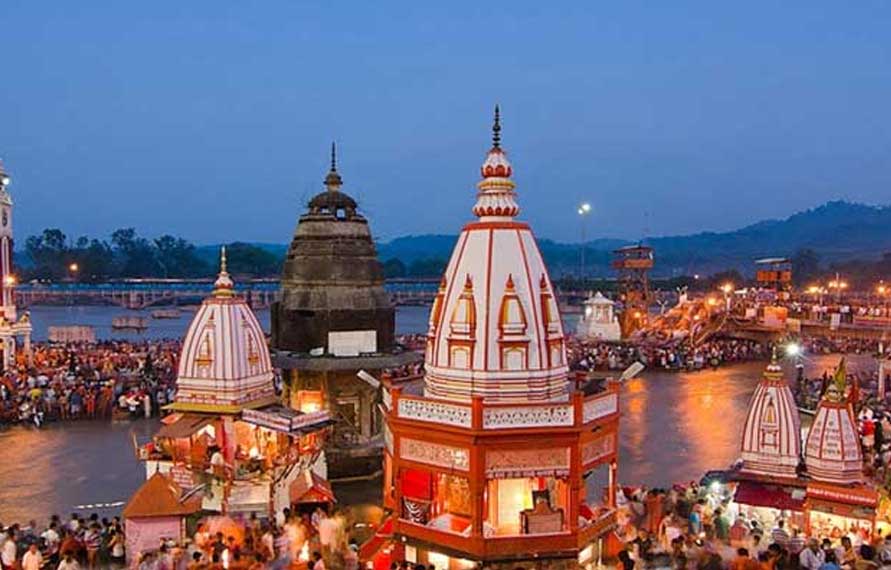
Delhi - Jaipur - Agra... Delhi - Jaipur - Agra - Rishikesh Show More
 🌙 08 Nights / 09 Days
⭐ Most Popular
Delhi - Agra - Jaipur... Delhi - Agra - Jaipur - Haridwar - Rishikesh Show More
Yes, and it is a popular combination. Raft in the morning and join a yoga or meditation session in the evening, or spend a separate day on yoga. Two or three nights in Rishikesh gives you time for both.
It is around five to six hours by road from Delhi, depending on traffic. You can also fly to Dehradun, which is a short drive away. We arrange the transfer as part of your tour.
Quick-drying swimwear or sportswear, water shoes or sandals with a back strap, and sunscreen. Bring a full change of clothes and a towel. Leave jewellery and valuables at the hotel.
Yes. A private raft for your group can usually be arranged, especially if you have enough people to fill it. Tell us your group size and we will check.
Cold all year round, because it is fed by Himalayan snowmelt. In winter it is very cold, so rafting later in the morning and wearing a splash jacket helps. In late spring and early summer the cold water feels refreshing.
On some stretches there is a rock where confident swimmers can jump into a deep pool, and the guide may also let you float alongside the raft on calm water. Both are optional and depend on the river level and the guide’s judgement on the day.
Well-known rapids include Roller Coaster and Golf Course on the popular Shivpuri stretch, and The Wall on the longer upper stretch from Kaudiyala. Your guide will tell you about each one as you approach.
Operators set the minimum age, and it can be higher for the longer stretches with bigger rapids. Tell us your children’s ages when you enquire, and we will check before booking.
We book only with licensed operators who use trained guides and proper life jackets and helmets. Listen to the briefing, keep your gear on and follow your guide’s commands, and rafting here has a good reputation. Like any water sport, it carries some risk.
For the gentler stretches, your life jacket keeps you afloat, so you do not need to be a strong swimmer. You must be comfortable in water. For the longer stretches with bigger rapids, being a confident swimmer is strongly advised.
Yes. The authorities suspend rafting when the river is high and dangerous during the monsoon, roughly from July to September. The exact dates change each year, so we check them for your travel dates.
October to November and March to June are the most popular periods, with warm air and good water. December to February is colder but still runs. Rafting is suspended during the monsoon, roughly July to September.
Brahmapuri is the gentlest and suits nervous first-timers and families. Shivpuri is the most popular choice for beginners who want real rapids, with well-known ones such as Roller Coaster and Golf Course and calm sections in between.
The price depends on the stretch, the season, the operator and whether you share a raft or book a private one. Rates change, so we quote the current price for your exact dates. Send us a WhatsApp message with your dates and group size.

Whether you're planning your first India trip or returning to explore deeper, get honest, expert advice from someone who knows every corner of this country. No pressure, no cost.