


 info@topindianholidays.net
 +91-8955000999
Hot Air Balloon Ride in Jaipur
Lift off as the sky turns orange and drift over villages, mustard fields and the Aravalli hills while Jaipur is still waking up.
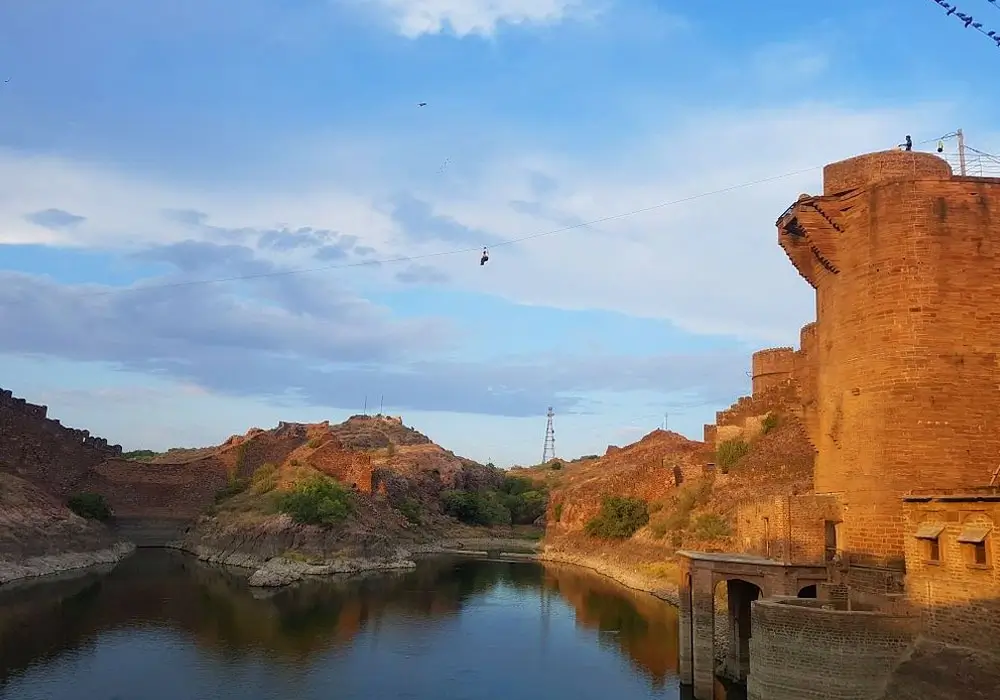
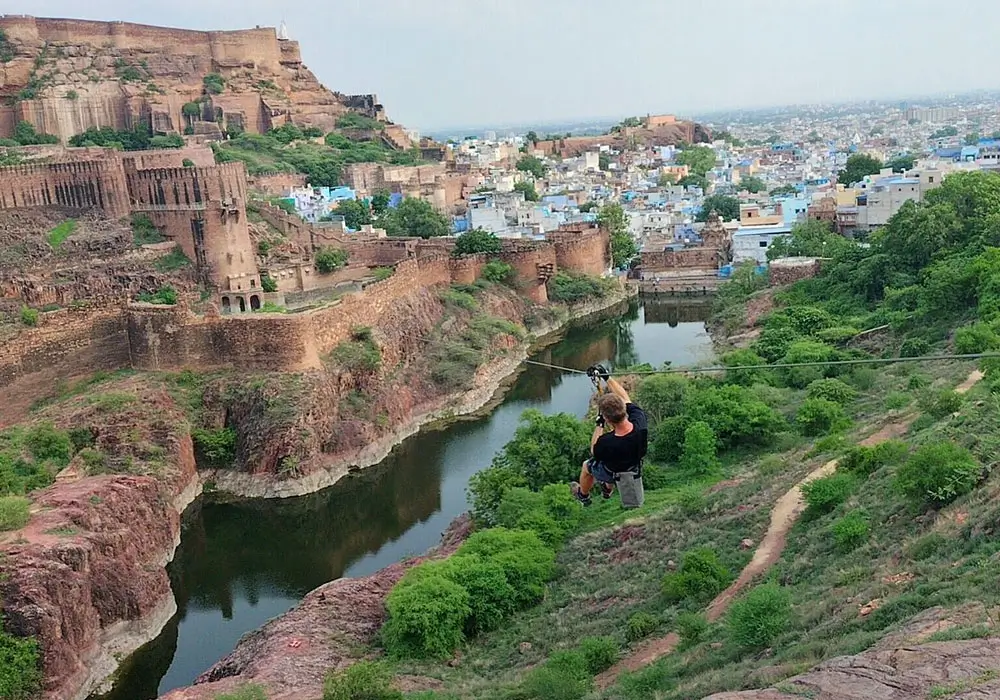
View Experience ›Clip into a harness, step off a stone bastion and glide over the ramparts, lakes and desert rock gardens below one of the mightiest forts in Rajasthan.
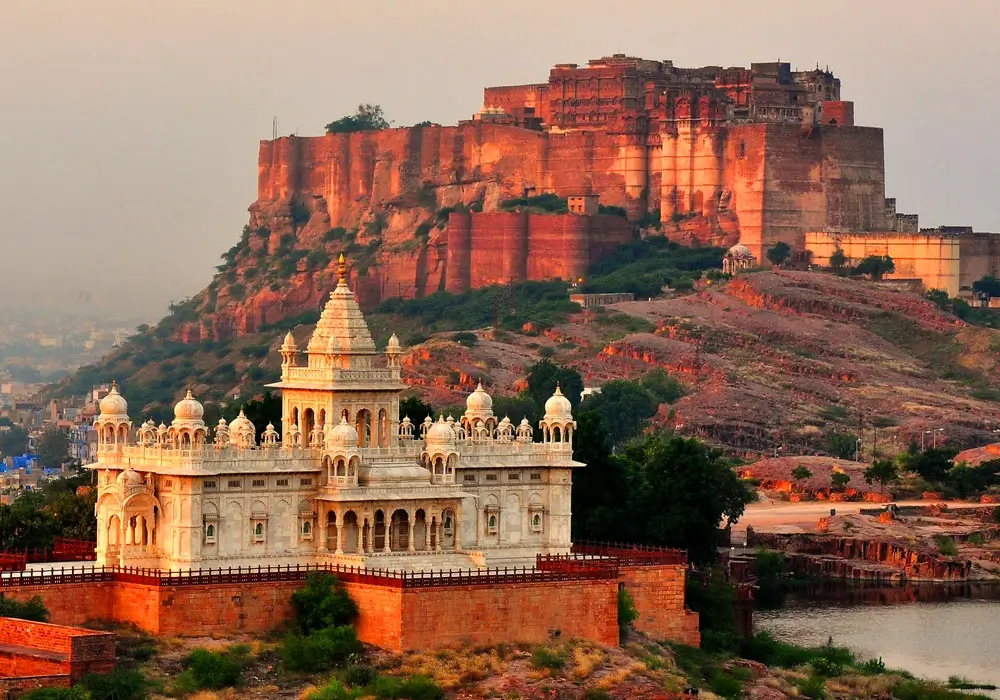
Mehrangarh is the fort that makes people stop talking. It rises straight out of a sandstone cliff above the old city of Jodhpur, its walls so tall and so close to the rock that it is hard to tell where the hill ends and the building begins. Most visitors see it the usual way: up the zigzag ramp, through the great gates, into the palace courtyards and museum galleries. That visit is essential. The Mehrangarh zipline gives you something else entirely: the fort from the outside, from the air, with the wind in your ears and the blue houses of the old city spread out beyond the ramparts.
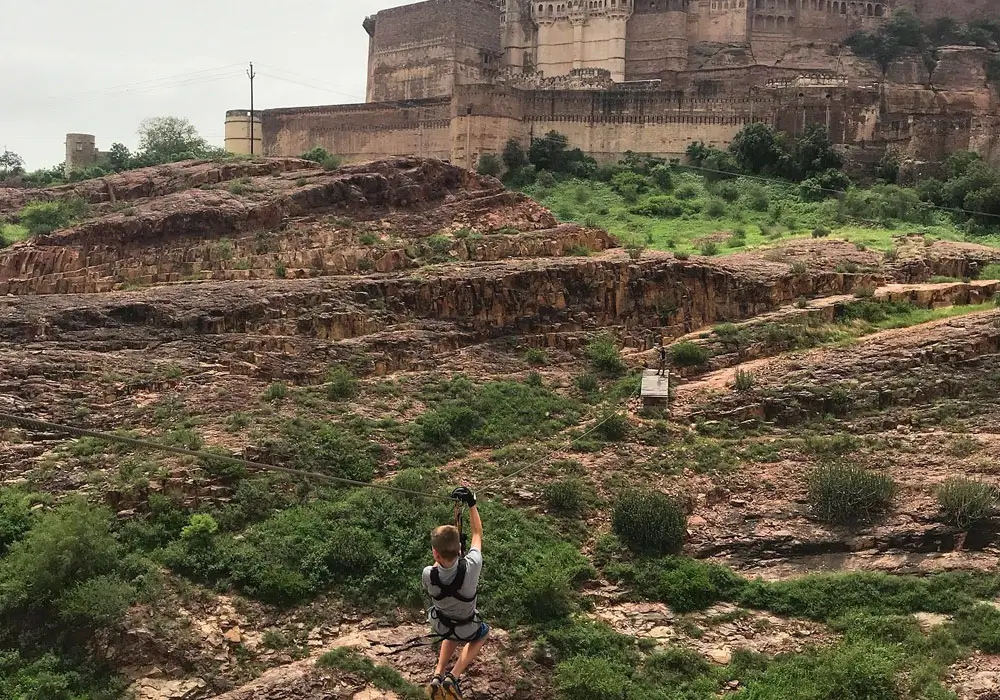
The zipline course runs through the rugged ground at the foot and flanks of the fort, the area of volcanic rock, scrub and small lakes that has been restored as the Rao Jodha Desert Rock Park. Several lines link high points on bastions and outcrops, so you fly over old walls, over the water of the fort’s lakes and over the rocky desert garden, with Mehrangarh towering on one side and the city on the other. Between the lines you walk short stretches across the rock, which gives you time to look and to catch your breath.
You do not need to be an athlete. If you can manage a few flights of uneven steps and are happy to sit back in a harness and trust a steel cable, you can do this. A guide stays with your group throughout, a second guide meets you at each landing platform, and the whole thing begins with a careful safety briefing. Nervous first-timers regularly finish the course asking whether they can go round again.
It also fits neatly into a Jodhpur day. Pair a morning on the zipline with the fort museum, the white marble memorial at Jaswant Thada and an afternoon wander through the blue city lanes, and you have seen Jodhpur from every angle.
1. Pickup from your hotel
Your private driver collects you from your Jodhpur hotel and takes you up the hill road to Mehrangarh. From most hotels this is a short drive, though the old city’s narrow approach roads can be slow later in the morning, which is one more reason to start early. Your driver waits for you and keeps your bags safe in the car.
2. Check-in and paperwork
At the zipline base you check in, sign a short safety declaration and confirm basic details such as height and weight, which matter for fitting the harness and for the limits set on the course. Leave anything loose with your driver or in the lockers if offered: hats, sunglasses without a strap, bags and anything in an open pocket.
3. The safety briefing
A guide gathers your group and explains exactly how the equipment works: the harness, the two lanyards that keep you attached at all times, the trolley that runs on the cable and the braking system on each line. You learn the body position for flying, how to hold the strap, what to do with your legs as you approach a platform and the hand signals the guides use. Listen closely. It takes only a few minutes and it is what makes the rest of the morning relaxed.
4. Gearing up
Guides fit your harness, tighten it, check it and then check it again. You are given a helmet and, usually, gloves. Your guide clips you onto a practice line close to the base so you can feel how the harness holds you before you leave the ground properly. This short trial is where most of the nerves disappear.
5. The first proper line
The first real zip is the one people remember. You walk out to the platform, a guide clips you onto the cable, you sit back into the harness and lift your feet. Then you are away, sliding over rock and wall with the fort rising beside you. A guide on the far platform watches you in and brings you to a stop.
6. Walking between platforms
Between lines you walk along short paths and stairways across the rock, often on old stone steps, sometimes along the top of a wall. These walks are part of the experience. Your guide points out the landmarks, the city gates below, the water channels that once fed the lakes and the hardy desert plants growing in the cracks of the rock.
7. Lines over walls and water
As the course goes on, the lines change character. Some are short and steep, some long and level, some take you over the fort walls and some over open water, where the reflections of the ramparts and the sky make the crossing feel longer than it is. The final crossings, with the lake below and the blue city opening up ahead, are usually the highlight.
8. Unclipping and a cold drink
Back at the end of the course, guides help you out of the harness. It is a good moment for water, a breather in the shade and a look at the photos your companions took. Then your driver meets you and takes you on to the fort entrance, a café or back to your hotel.
The fort walls up close. From the cable you look along the outside of Mehrangarh’s walls rather than standing inside them. You see how the masonry is fitted directly onto the rock, the round bastions that bulge out from the line of the wall, and the sheer height that kept the fort safe from attack for centuries. Few visitors ever see the walls from this angle.
The lakes below the fort. The fort’s builders had to solve the problem of water on a dry hilltop, and small lakes and tanks were part of the answer. On the zipline you cross over water, which is cool to look at on a warm morning, and the reflections of the walls make some of the best views on the course.
Rao Jodha Desert Rock Park. The rugged land around the fort was once overrun by an invasive thorn bush. It has been cleared and replanted with native desert plants that grow naturally on rocky ground in western Rajasthan, and it is now a park of red volcanic rock, grasses, shrubs and walking trails. From the lines you see the pattern of the rock, with its layers and fractures, and the low, tough plants that survive in it.
The blue city. Beyond the walls lies the old city of Jodhpur, a crowded jumble of houses painted shades of blue, broken by temple spires, rooftop terraces and water tanks. From the higher platforms you see how the city grew up around the base of the fort, its lanes running downhill from the walls like streams.
Jaswant Thada and Umaid Bhawan. Look for the white marble memorial of Jaswant Thada on its rise near the fort, and on clear mornings the large domed palace of Umaid Bhawan on its own hill on the far side of the city. Spotting them gives you a sense of the layout of Jodhpur before you visit them.
Birds overhead. Kites and other birds of prey ride the warm air around the fort, and you may find yourself at the same height as them for a moment. Pigeons and parakeets nest in the walls, and in the cooler months you often see more birdlife around the water.
A zipline is gentler than people expect. You sit in the harness rather than hanging from your arms, so you do not need strength in your hands or shoulders. Your weight is held by the seat of the harness and your legs are simply lifted in front of you. Once you have pushed off, there is nothing to do except hold the strap lightly, keep your body straight and enjoy the view.
The speed depends on the line, the slope of the cable and your own weight. Some lines are fast enough to make you shout on the way down, and others feel more like a long, smooth glide. Heavier people tend to travel a little faster. The braking at the end of each line is handled by the system and the guide on the platform, so you are not expected to stop yourself.
The thing that surprises most people is the silence. Apart from the hum of the trolley on the cable, there is not much noise up there. The city sounds come up faintly from below: a horn, a temple bell, children on a rooftop. It is one of the few quiet minutes you will have in a busy Indian city.
People who are nervous of heights are often fine once they are clipped in. The hardest moment is the first step off the platform. After that, the view takes over. If you really do not enjoy it, tell your guide at the start; they are used to anxious guests and will talk you through each line at your own pace.
Guides and equipment. Trained guides run the course, with a guide leading the group and another at each landing platform. You stay attached to a safety line at all times, including on the platforms, and guides clip and unclip you rather than leaving it to you. Equipment is checked before every group sets off.
Weight and height limits. The operator sets minimum height and maximum weight limits for safety, and children under a certain age must be with an adult. These limits are applied strictly, so please give us everyone’s height, weight and age when you enquire and we will check before booking.
Children and teenagers. Older children and teenagers usually love it and often go faster than their parents. Very young children cannot join because of the height requirement. Tell us their ages and we will confirm whether they can fly.
Health. The course is not suitable during pregnancy or for anyone with a serious back, neck, heart or joint problem, or recent surgery. There are steps and uneven paths between the lines, so you need to be steady on your feet. If you have any doubt, ask your doctor before travelling and tell us so we can check with the operator.
Weather. Lines may pause in strong wind or heavy rain. Storms are most likely during the monsoon. If a session is affected, we work with the operator to move you to another slot during your stay.
Older travellers. Fit, active travellers in their sixties and older regularly do the course. The flying itself is easy. What matters more is being comfortable on the steps and paths between platforms, which can be steep in places.
Jodhpur sits on the edge of the Thar Desert, and the heat shapes everything about planning this activity.
October to March. The best time of year. Mornings are fresh and clear, the light on the red sandstone is soft and warm, and you can spend the rest of the day sightseeing comfortably. December and January mornings can be chilly at first, but the walks between platforms soon warm you up.
April to June. Summer in Jodhpur is very hot, with afternoons that are uncomfortable on exposed rock. If your tour falls at this time, take the earliest session available, carry water and plan indoor sightseeing such as the fort museum for later in the morning.
July to September. The monsoon brings humidity and occasional heavy showers, and lines may pause during storms. When the rain clears, the rock park turns green and the lakes fill, which can make for lovely views. Keep your plans flexible.
Time of day. We almost always suggest a morning session. The air is cooler, the light is better for photos, the old city roads are quieter for the drive up, and you still have the whole day to see the fort and the city. Late afternoon also works in winter, when the sun lights the walls golden, but the morning plan fits more easily around everything else.
Give Jodhpur at least two nights. With one night you can do the zipline or a full fort visit, but rarely both without rushing. Two nights let you fly in the morning, see the fort properly, walk the old city and still have time for the countryside south of town.
Zipline first, fort museum next. The zipline base is at the fort itself, so the easiest plan is to fly first and then walk into Mehrangarh for the palace rooms, courtyards and galleries of arms, paintings, palanquins and howdahs. Seeing the walls from outside first makes the inside more interesting.
Jaswant Thada on the way down. This white marble memorial to Maharaja Jaswant Singh II sits close to the fort, with a small garden and a lake. It is calm, quick to see and gives a fine view back up to Mehrangarh.
Blue city lanes in the afternoon. After lunch, walk down into the old city with your guide. The lanes around the Brahmpuri area are where many of the blue houses are, and the old clock tower market at Sardar Bazaar is a short way on, busy with spice sellers, textiles and street food. Try a makhaniya lassi or a mirchi vada, the fat green chilli fritter Jodhpur is known for.
Contrast it with the countryside. On a second morning, head south of the city on our Bishnoi village safari to meet the community famous for protecting trees and wildlife, or take a broader open jeep village safari through rural Marwar.
On a longer Rajasthan tour. Jodhpur sits between Jaipur, Udaipur and Jaisalmer, so it is often a two or three night stop on a classic Rajasthan circuit. If you are heading west, a night in the desert on our desert camping tour makes a good next chapter after the city and fort.
Bring and wear - Closed, flat shoes with good grip, such as trainers - Comfortable trousers or shorts you can move in - A light layer for winter mornings - Sunscreen and water, especially from April onwards - Sunglasses with a strap, or leave them behind - Hair tie for long hair
Leave behind - Sandals, flip-flops and heels - Loose hats, scarves and dangling jewellery - Bags, as you cannot carry them on the lines - Anything in open pockets - Drones
Tell us your Jodhpur dates and the heights, weights and ages of your group, and we will book the right morning slot and build the rest of your day around the fort.
Call & WhatsApp +91-9828085426 or email info@topindianholidays.net.
See more ideas on our Top Experiences in India page.
Tell us your travel dates and we will check availability and fit this experience into the right day of your itinerary. Reply within 12 hours.
Check Availability› Chat on WhatsApp› Send an Enquiry›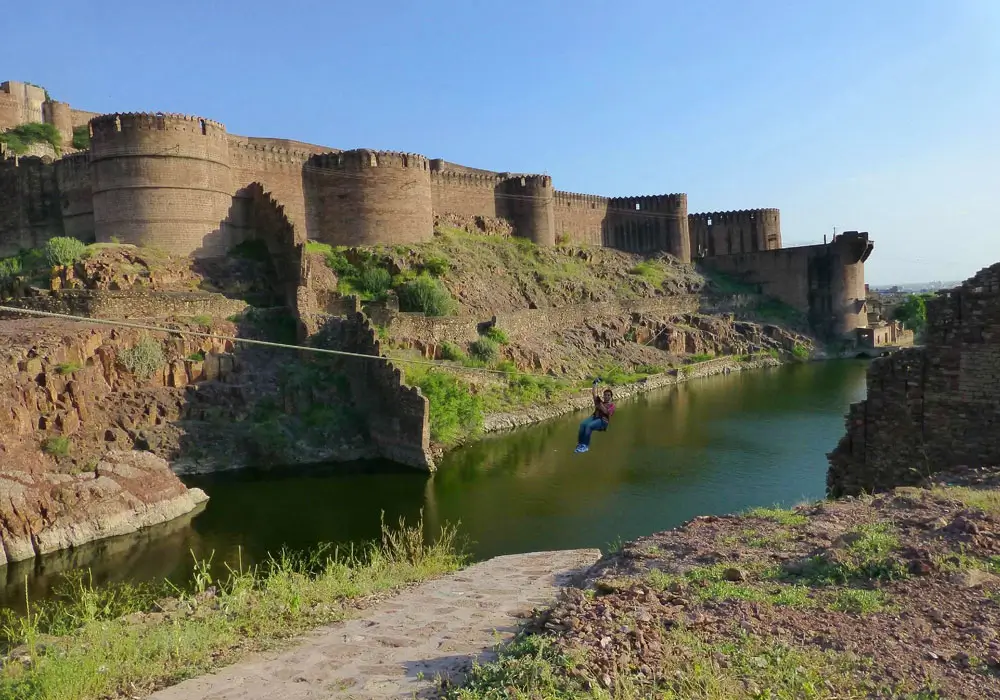
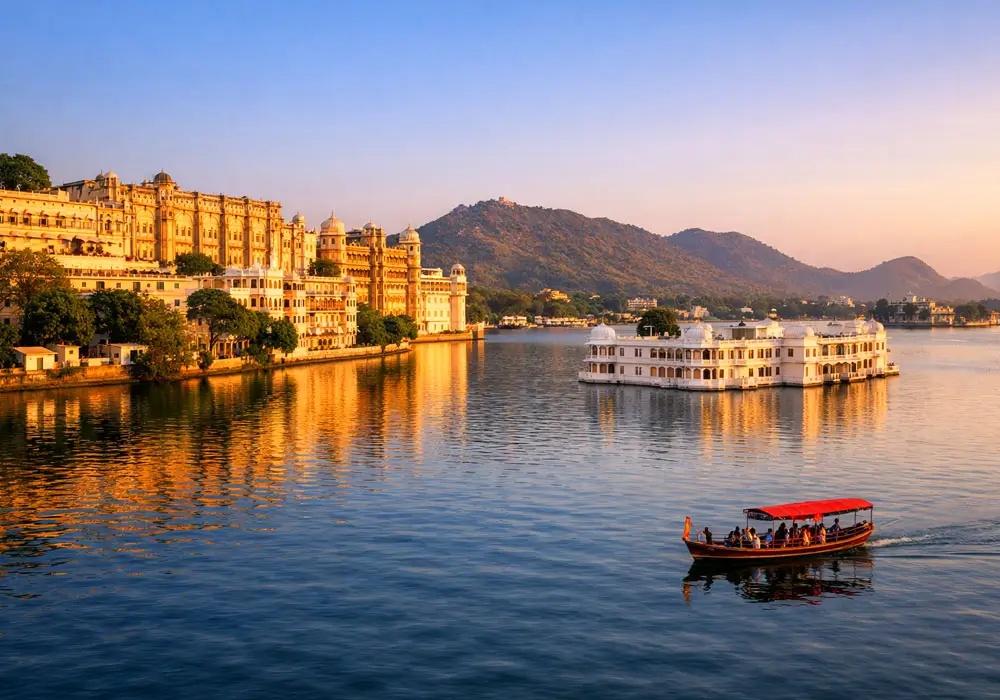
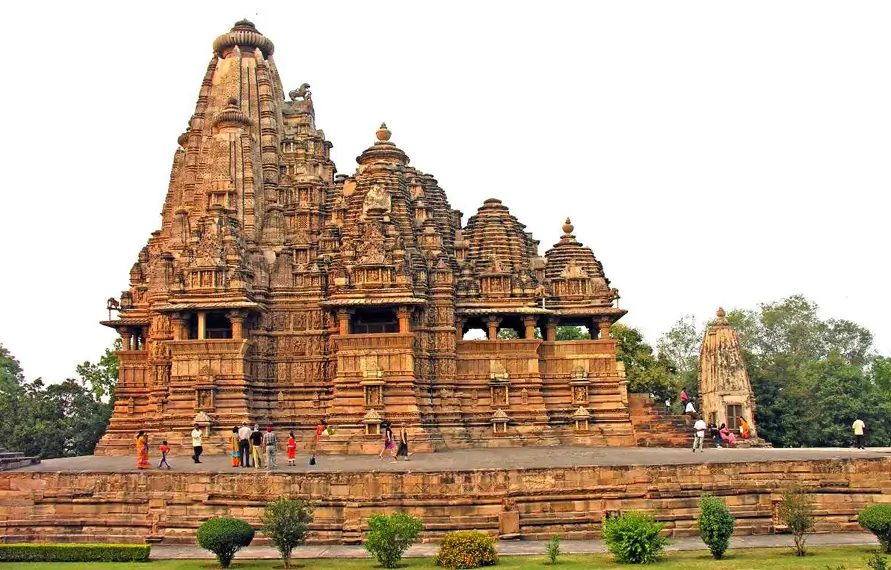 🌙 10 Nights / 11 Days
Udaipur - Jodhpur - Pushkar... Udaipur - Jodhpur - Pushkar - Jaipur - Agra - Orchha - Khajuraho Show More
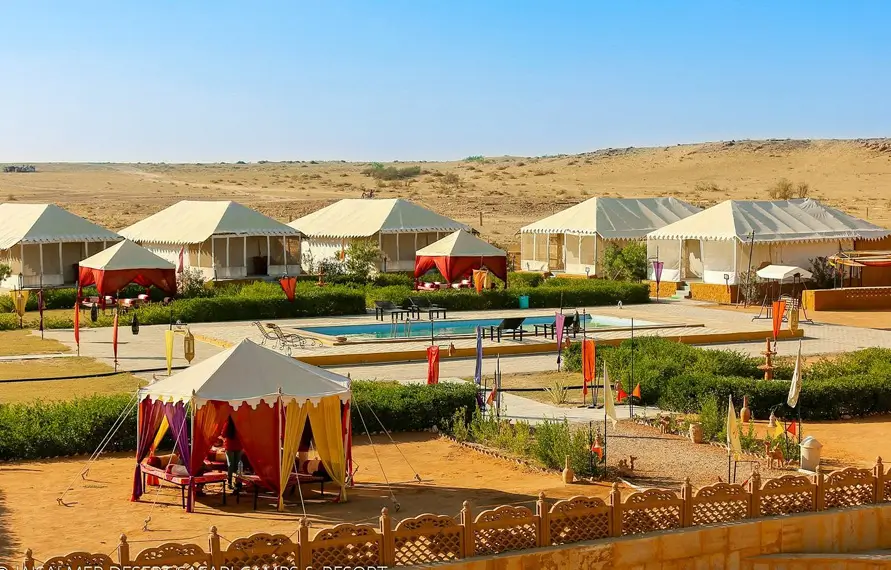 🌙 09 Nights / 10 Days
⭐ Most Popular
Jaipur - Raisar - Bikaner... Jaipur - Raisar - Bikaner - Jaisalmer - Jodhpur - Pushkar - Jaipur Show More
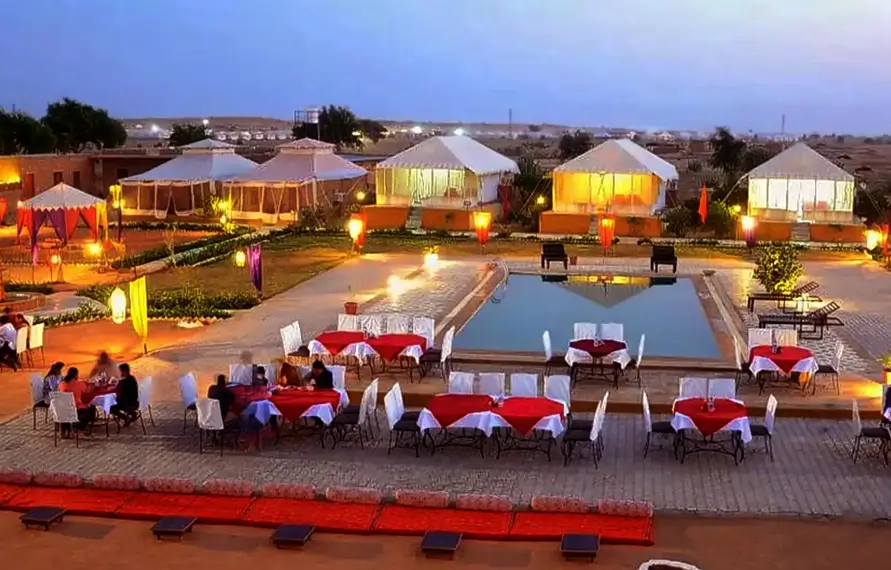 🌙 07 Nights / 08 Days
Luxury
Jodhpur - Rohet - Jaisalmer... Jodhpur - Rohet - Jaisalmer - Osian Show More
 🌙 14 Nights / 15 Days
Delwara - Narlai - Raipur... Delwara - Narlai - Raipur - Jodhpur - Nimaj - Jaipur - Delhi Show More
Yes. Spend at least two nights in Jodhpur and we will put the zipline on a morning, followed by the fort museum, Jaswant Thada and the old city. It fits well on any Rajasthan circuit through Jaipur, Udaipur or Jaisalmer.
Mehrangarh Fort museum, Jaswant Thada, Rao Jodha Desert Rock Park and the blue city lanes are all close by. The stepwell at Toorji Ka Jhalra and the clock tower market are a short drive or walk down into the old city.
Rules vary, so ask at check-in. If phones are allowed, use a secure strap or mount. Anything dropped over the rock or lake is very hard to recover.
Closed, flat shoes with grip and comfortable clothes you can move in. Avoid skirts, loose scarves and dangling jewellery. Bring sunscreen and water, and tie back long hair under the helmet.
They are separate. The zipline runs around the outside of the fort, while the museum and palace rooms inside have their own ticket. We can arrange both, plus a guide for the fort, on the same morning.
Older children and teenagers often love it, but there is a minimum height, so very young children cannot fly. Tell us your children’s ages and heights and we will confirm before booking.
Many nervous people enjoy it. You sit in a harness, so there is no grip strength needed, and the practice line helps you get used to it. The first step off the platform is the hardest part, and the guides are good at talking people through it.
October to March gives the most comfortable weather. Mornings are best all year, with cooler air, quieter roads and good light. In summer, take the earliest session you can.
It depends on the size of the group and how quickly everyone moves between platforms. Plan to set aside a good part of the morning, including check-in, the briefing, the course and the walk back to the base.
Yes. The operator sets a minimum height, a maximum weight and rules for children and teenagers, who must be with an adult. Send us everyone’s details and we will check before booking.
The course is run by trained guides, with a briefing, double safety lanyards and a guide on each platform. You stay clipped to a safety line at all times. Follow the briefing and the guides’ signals and it is a very controlled activity.
The course is made up of several lines of different lengths, linked by short walks, and the layout can change over time as the operator updates it. Your guide explains the route at the start. The final crossings over the lake with the blue city ahead are usually the favourites.
Yes, the course operates at the fort for most of the year, though sessions can pause for weather or maintenance. We check availability for your exact dates before we confirm your booking, so you will not arrive to find it closed.
The price is set by the operator and changes from time to time, and there are sometimes different rates for adults, students and children. We quote the current price for your dates when you enquire. Let us know your group size on WhatsApp and we will send it.
Whether you're planning your first India trip or returning to explore deeper, get honest, expert advice from someone who knows every corner of this country. No pressure, no cost.