


 info@topindianholidays.net
 +91-8955000999

Hot Air Balloon Ride in Jaipur
Lift off as the sky turns orange and drift over villages, mustard fields and the Aravalli hills while Jaipur is still waking up.
View Experience ›Spend a morning or afternoon at a traditional Ayurveda centre, starting with a consultation and ending with warm herbal oil, steam and a long, unhurried rest.
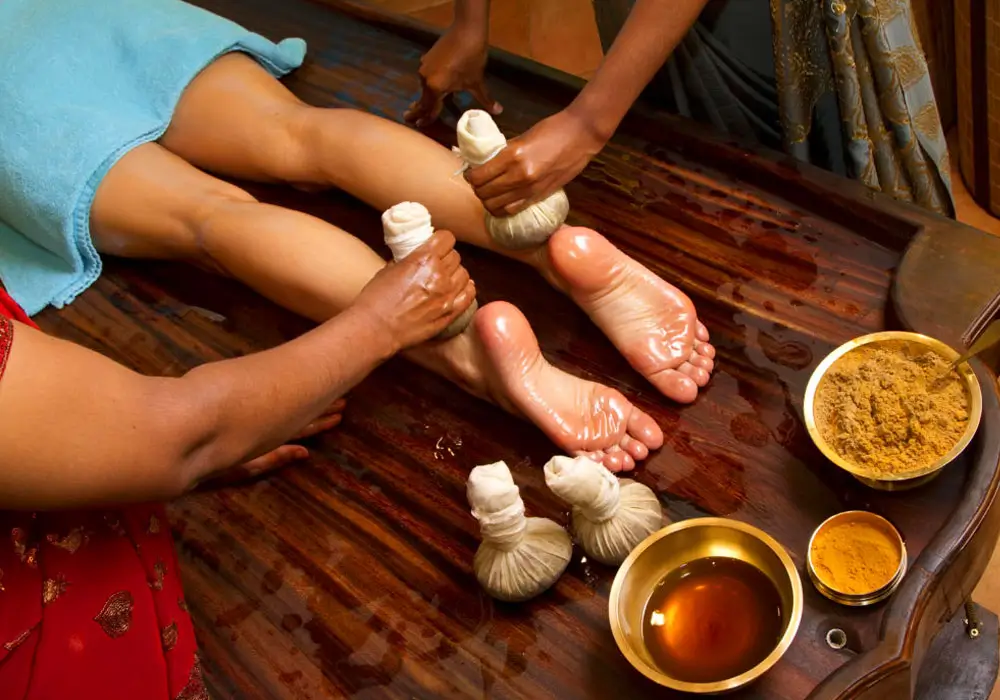
After days of forts, temples, markets and long drives, there comes a point on most India tours when the body asks for a pause. An Ayurvedic massage is one of the most satisfying ways to give it one. It is not a spa treatment with an Indian name attached. It comes from Ayurveda, a system of traditional Indian medicine thousands of years old, and in Kerala especially it is still part of everyday life: families keep their own herbal oils, and many towns have a small Ayurveda clinic alongside the pharmacy.
A typical session starts not on the massage table but in a consultation room. An Ayurvedic doctor asks about your sleep, digestion, energy, any injuries and your general health, then suggests the treatments and oils that suit you. Only then do you move to a treatment room with a heavy wooden table, a lamp, and one or two therapists warming oil in small brass pots. The massage itself is rhythmic, generous with oil and very different from the deep-tissue work many visitors are used to at home.
We want to be clear from the start about what this page offers. This is a session or short course for relaxation and well-being during a holiday. It is not medical treatment, and we make no claims that it cures or treats any illness. If you have a medical condition, take regular medication or are pregnant, please speak to your own doctor before booking, and tell the Ayurvedic doctor at the centre too.
Kerala is the heartland of this tradition, so most guests book their session there, often near the backwaters or the beaches. We can also arrange a session in Jaipur for travellers whose route stays in Rajasthan, which makes a good rest day between sightseeing.
1. Choosing the centre and time
Before your trip, we discuss what you would like: a single massage, a combination such as abhyanga followed by shirodhara, or a short course over two or three days. We then book a centre we know near your hotel and choose a time that avoids a long drive straight after treatment.
2. Pickup and arrival
Your driver takes you to the centre, or you simply walk across if the treatment is at your resort. Arrive a little early. Most centres ask you to fill in a short health form, and you will usually be offered a herbal drink while you wait.
3. Consultation with the Ayurvedic doctor
A qualified Ayurvedic doctor talks with you for a few minutes, asks about your health and may check your pulse in the traditional way. In Ayurveda, people are described in terms of three doshas, vata, pitta and kapha, and the doctor uses this framework to choose suitable oils and treatments. This is the moment to mention anything relevant: high blood pressure, skin allergies, recent surgery, back problems or pregnancy. The doctor may recommend avoiding certain treatments, and you should always follow that advice.
4. Preparing for the massage
A therapist of the same gender takes you to the treatment room. You change into a disposable undergarment provided by the centre. Traditional Ayurvedic massage uses a lot of oil over most of the body, so modesty is handled with a cloth or towel, and the therapist will explain what happens next. If anything makes you uncomfortable, say so.
5. Abhyanga, the warm-oil massage
Abhyanga is the classic full-body Ayurvedic oil massage. At many Kerala centres it is performed by two therapists working in synchrony, one on each side of the table, using long, flowing strokes in matching rhythm. The pressure is usually moderate and steady rather than deep, and the oil is warmed and infused with herbs chosen at the consultation. Many guests say the synchronised strokes are what make it so relaxing, because the mind stops trying to follow the hands.
6. Shirodhara, the warm-oil stream
If shirodhara is part of your session, you lie on your back while a thin, steady stream of warm herbal oil, or sometimes medicated buttermilk or milk, flows from a hanging pot across your forehead. The therapist moves the pot slowly from side to side. It sounds strange and feels deeply calming: the steady warmth and the gentle sound of the oil leave most people half asleep.
7. Herbal steam
Many sessions finish with a short herbal steam, often in a traditional wooden steam box where you sit with your head outside, or with a steam pipe directed over the body. It warms the muscles and helps the oil absorb. The therapist checks the heat regularly, and you can ask for it to be cooler or shorter.
8. Bath and rest
You are given time to wash off the oil, usually with a herbal powder in place of soap, and then to rest quietly with a herbal tea. Do not rush this part. Ayurvedic practitioners usually suggest avoiding cold drinks, very heavy meals, alcohol and strong sun straight afterwards.
9. Back to your hotel
Your driver takes you back to your hotel, or you return to your room for a long, slow afternoon. Plan nothing strenuous for the rest of the day.
Abhyanga. The foundational full-body warm-oil massage. If you are booking only one treatment, this is usually the one to choose.
Shirodhara. The continuous flow of warm oil over the forehead. Popular with travellers who want deep relaxation, and often added at the end of abhyanga.
Head, neck and shoulder massage. A shorter treatment that suits guests who feel stiff after long car journeys or flights. It can be done with or without oil in the hair.
Foot massage. Many centres offer a traditional foot massage with oil, a good choice after a few days of walking around forts and old cities.
Herbal bundle massage. In Kerala this is known as kizhi. Linen bundles filled with warm herbs, leaves or rice are pressed and rolled along the body. The doctor decides whether it is suitable for you.
Face massage with herbal packs. A gentle facial treatment using natural oils and herbal pastes. Popular with guests who want something lighter.
Treatment names and combinations vary from centre to centre, and the Ayurvedic doctor makes the final recommendation. Longer, more intensive programmes such as panchakarma are a different kind of commitment, lasting many days under close supervision, and are not what this page covers.
It is worth being clear about the difference between this experience and a longer stay.
This experience: a single session or short course. A few hours at a good Ayurveda centre, or a short series over two or three days, slotted into a normal sightseeing tour. You stay in your chosen hotel and continue your journey afterwards. It suits travellers who want to try Ayurveda, recover after a busy week, or add a restful afternoon to a Kerala backwater or beach stay.
A full wellness holiday. If you would like several days or more devoted to rest, treatments, yoga, a matching Ayurvedic diet and a slower routine, our Kerala luxury wellness tour is built for that. It is designed around a wellness resort stay rather than a single appointment, and it suits guests whose main reason for travelling is to switch off completely.
Adding yoga. If you are interested in yoga and meditation alongside massage, see our yoga and meditation tour or the yoga and meditation experience in Rishikesh on the Ganga in the north.
Kerala. Ayurveda is woven into the culture here, and Kerala has a long tradition of Ayurvedic physicians, herb gardens and oil-making. Centres range from simple, well-run clinics to treatment wings in high-end resorts. You may smell the oils being prepared, see the herb garden, and find your session followed by a lunch of simple vegetarian Kerala food. If you are already visiting Kochi, the backwaters at Alleppey or Kumarakom, Thekkady or the beaches near Kovalam and Varkala, this is the natural place to book.
Jaipur. Rajasthan does not have Kerala’s depth of Ayurvedic tradition, but Jaipur has good centres and luxury hotel spas offering Ayurvedic treatments, often with therapists trained in Kerala. A session here works well as a rest afternoon between Amber Fort and the old city, or after a long drive from Delhi or Agra.
Our view. If Kerala is on your route, book your Ayurvedic massage there for the most authentic setting. If your tour stays in the north, Jaipur is a fine alternative, and we choose centres where the consultation and treatment are taken seriously.
The quality of Ayurveda varies widely across India, from serious traditional centres to roadside “massage” signs. These are the things we look for, and you should too.
Classified and registered centres in Kerala. Kerala Tourism runs a classification scheme for Ayurveda centres, based on inspection of facilities, staff and standards. The current categories listed by Kerala Tourism are Ayur Diamond, Ayur Gold and Ayur Silver, and you will also see some centres displaying the older Green Leaf and Olive Leaf certificates from the same scheme. A recognised classification is a useful sign that a centre has been checked.
A qualified Ayurvedic doctor on site. A proper consultation before treatment is a good sign. In India, Ayurvedic doctors complete a formal degree in Ayurvedic medicine and surgery.
Trained therapists of the same gender. Same-gender therapists for women and men are standard at reputable centres. If a centre cannot offer this, we do not book it.
Clean, private treatment rooms. Fresh linen, clean wooden tables, hot water and a proper shower or bath area.
Clear information about the oils. A good centre will tell you which oils are being used and why, and will ask about allergies.
No miracle promises. Be wary of any centre that promises to cure a disease or produce dramatic results in one session. We describe Ayurvedic massage as a way to relax and support well-being, and we choose centres that do the same.
Monsoon, June to September. In Kerala the monsoon is traditionally considered the best season for Ayurvedic treatment, because the cool, damp air is thought to help the body absorb the oils. Many Kerala resorts run special monsoon wellness packages, and the green landscape and rain on the roof make a very calm backdrop. Expect heavy showers, and plan sightseeing around them.
October to March. The main travel season for most of India, with pleasant weather in Kerala and cool, dry days in Jaipur. This is when most of our guests book a session, simply because it fits their wider tour.
April and May. Hot and humid in Kerala, very hot in Rajasthan. An indoor treatment is a good way to spend the hottest part of the day.
Time of day. Morning or early afternoon is ideal. Ayurvedic practitioners usually suggest not having a treatment straight after a large meal, so a light breakfast before a morning session works well.
After a long journey. A session the afternoon after you arrive in Kerala, or the day after a long drive in Rajasthan, is one of the best uses of your time.
On a backwater day. Book a morning session near Alleppey or Kumarakom, then board your Alleppey houseboat at lunchtime for a slow afternoon on the water.
Around Kochi. Combine a treatment with a Kathakali performance in Kochi in the evening, where you can see another side of the same Kerala culture; Kathakali performers traditionally train with oil massage as part of their discipline.
In Jaipur. Put your session on the afternoon after an early start, such as the hot air balloon over the Pink City or an Amber Fort sunrise by jeep, or between a cooking class and a quiet dinner.
A short course. If you have three nights in one place, two or three sessions on consecutive days are more restorative than one. Keep those days light on sightseeing.
Bring and wear - Loose, dark clothing that you do not mind getting a little oily - A hair tie or band if you have long hair - A list of any medicines you take and any allergies - Flip-flops or easy slip-on shoes - A scarf or hat for afterwards, as practitioners advise against wind and strong sun on oiled hair
Before your session - Eat lightly in the hours before treatment - Avoid alcohol the evening before and after - Leave jewellery and watches at your hotel - Plan a quiet rest of the day with no long drives
Tell us where you will be in Kerala or Jaipur and whether you would like one session or a short course, and we will choose the centre and the best day in your tour.
Call & WhatsApp +91-9828085426 or email info@topindianholidays.net.
See more ideas on our Top Experiences in India page.
Tell us your travel dates and we will check availability and fit this experience into the right day of your itinerary. Reply within 12 hours.
Check Availability› Chat on WhatsApp› Send an Enquiry› 


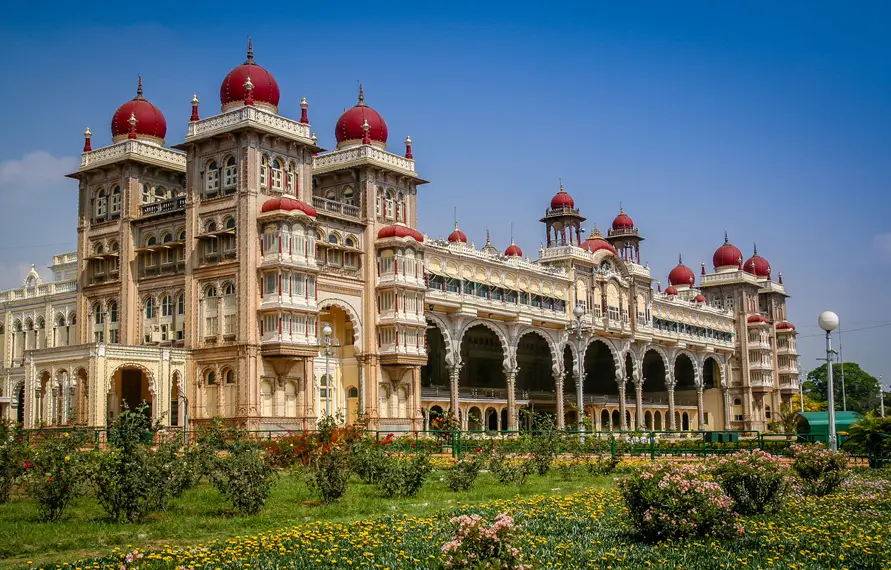 🌙 10 Nights / 11 Days
Bangalore - Mysore - Coorg... Bangalore - Mysore - Coorg - Kerala Show More
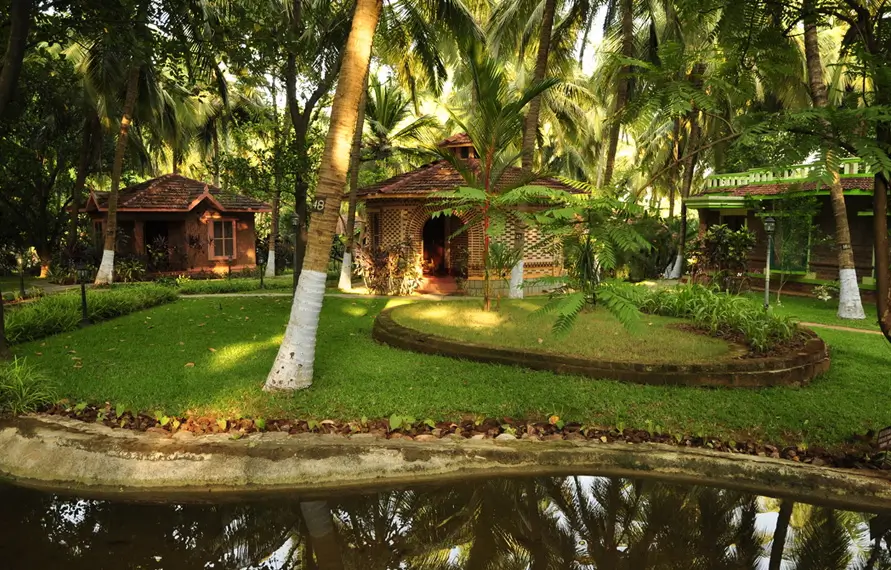 🌙 13 Nights / 14 Days
Trivandrum - Kovalam - Kumarakom... Trivandrum - Kovalam - Kumarakom - Alleppey - Wayanad - Munnar - Kochi Show More
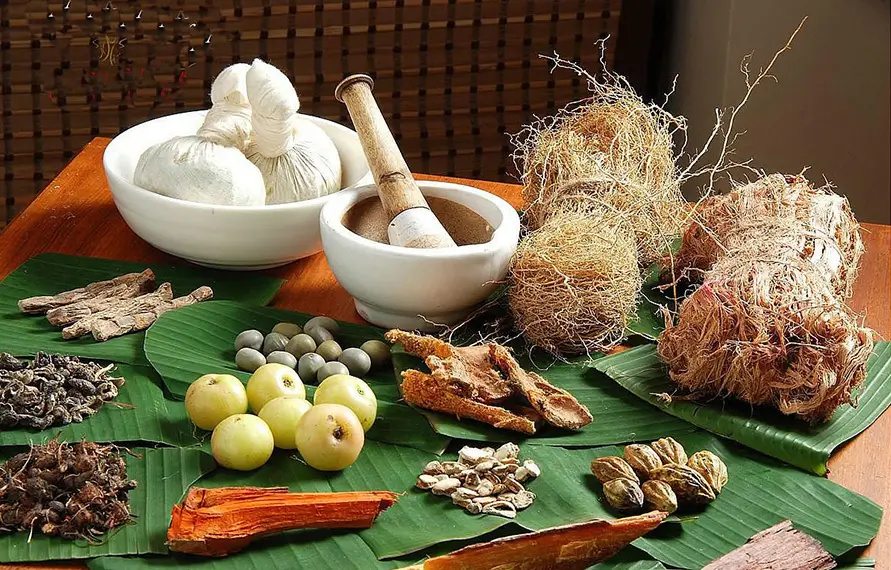 🌙 14 Nights / 15 Days
⭐ Most Popular
Trivandrum - Alleppey - Periyar... Trivandrum - Alleppey - Periyar - Kumarakom - Munnar - Kochi - Kovalam Show More
 🌙 02 Nights / 03 Days
⭐ Most Popular
Cochin - Fort Kochi -... Cochin - Fort Kochi - Ayurveda Wellness Centre Show More
Yes. In Kerala it fits easily near Kochi, the backwaters or the beaches. In Jaipur we place it on a rest afternoon. Tell us your route and we will find the right day.
Look for a centre classified by Kerala Tourism, a qualified Ayurvedic doctor on site, same-gender therapists and clean, private rooms. Avoid any centre that promises cures. We book only centres we have checked.
This experience is a single session or short course added to a sightseeing tour. Our Kerala luxury wellness tour is a longer stay built around rest, treatments and yoga at a wellness resort.
By tradition the monsoon, from June to September, is considered the best season for Ayurveda in Kerala. Most travellers book from October to March because it fits their wider tour, and a session is enjoyable at any time of year.
Wear loose, dark clothes you do not mind getting oily. The centre provides a disposable undergarment for the treatment, and modesty is handled with towels or cloths.
Same-gender therapists are the custom at reputable Ayurveda centres in India, so women are treated by female therapists and men by male therapists.
Please consult your own doctor before booking and tell the centre’s doctor. Many treatments are not advised during pregnancy, and the centre may decline or adapt them. We will not book a treatment without that clarity.
We do not make any medical claims. We offer Ayurvedic massage as a way to relax and support general well-being on holiday. If you have a medical condition, speak to your own doctor before booking.
At the centres we use, yes. A qualified Ayurvedic doctor asks about your health, may check your pulse and recommends suitable treatments. Tell them about any conditions, medicines, allergies or pregnancy.
In shirodhara, a thin stream of warm herbal oil flows steadily across your forehead while you lie on your back. Most people find it very calming, and many fall half asleep. Your hair will be oily afterwards, so plan time to wash it.
Abhyanga is a full-body warm-oil massage, the classic Ayurvedic treatment. In Kerala it is often performed by two therapists working in synchrony. The pressure is usually moderate, and the oil is chosen to suit you.
Kerala is the heartland of Ayurveda, with many classified centres and a strong living tradition. If your tour stays in the north, Jaipur has good centres and hotel spas offering Ayurvedic treatments.
The price depends on the centre, the treatments you choose, the number of sessions and the city. Rates also change by season, so we quote the current price for your exact dates and plans. Send us a WhatsApp message with your dates and preferences.
An Ayurvedic massage is a traditional Indian oil massage that comes from Ayurveda, India’s ancient system of medicine. It uses warm, herb-infused oils chosen after a short consultation, and long, rhythmic strokes. It feels quite different from a Western deep-tissue massage.

Whether you're planning your first India trip or returning to explore deeper, get honest, expert advice from someone who knows every corner of this country. No pressure, no cost.