


 info@topindianholidays.net
 +91-8955000999

Hot Air Balloon Ride in Jaipur
Lift off as the sky turns orange and drift over villages, mustard fields and the Aravalli hills while Jaipur is still waking up.
View Experience ›Leave the Taj Mahal crowds behind for a quiet guided walk past forest enclosures where rescued sloth bears dig, climb, nap and live the life they were denied.
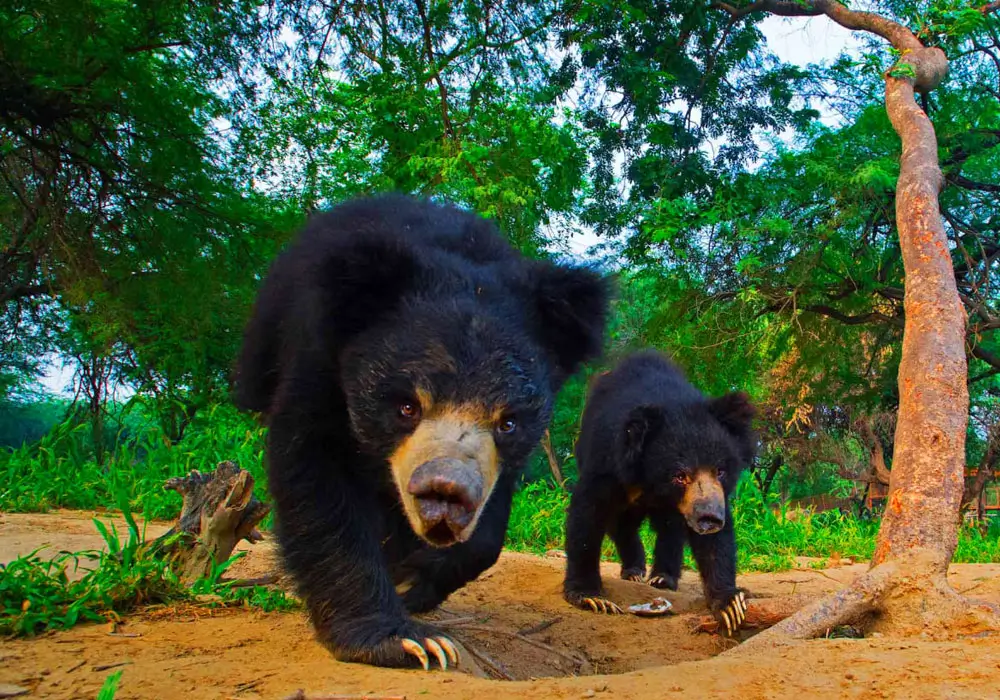
For centuries, a familiar sight on the roads of north India was a man with a drum and a bear on a rope. The bear, a sloth bear taken from the wild as a cub, would stand on its hind legs and sway to the beat while a crowd gathered and coins were thrown. Travellers on the old road between Agra and Fatehpur Sikri photographed these “dancing bears” for decades. Few of them knew what lay behind the act: cubs poached from their mothers, teeth knocked out, a hot iron rod pushed through the muzzle to take a rope, and a lifetime of pain on the end of that rope.
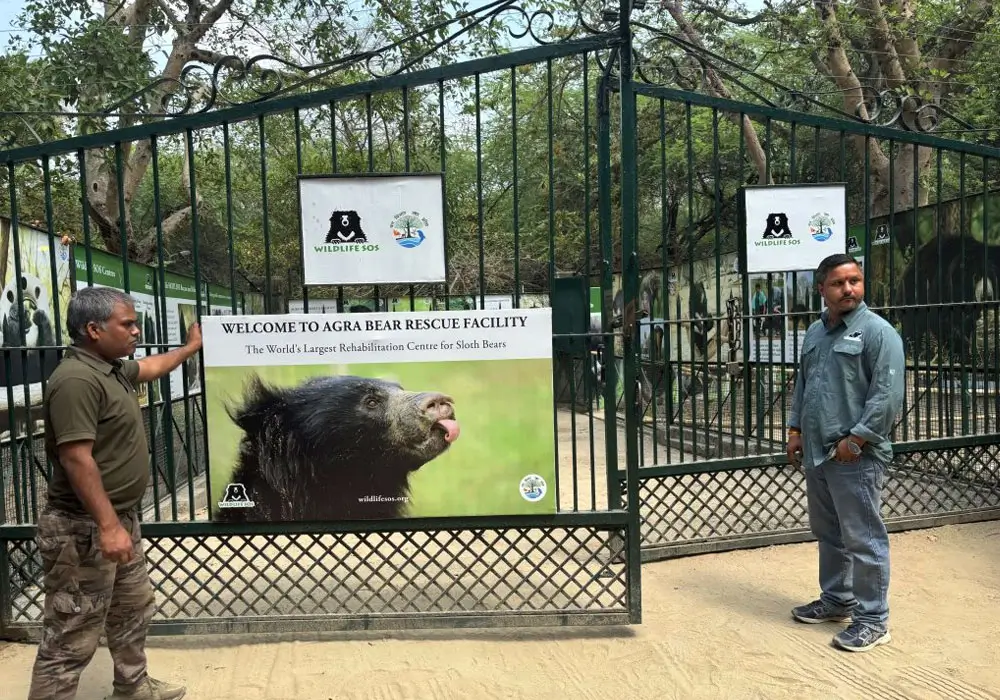
The practice is gone now. The last known dancing bear in India was surrendered at the end of 2009, and many of the bears rescued in the years before that were brought to a large forest sanctuary on the edge of Agra. The Agra Bear Rescue Facility sits inside the Sur Sarovar Bird Sanctuary around Keetham Lake, a short drive from the city, and it is run by the Indian conservation charity Wildlife SOS with the Uttar Pradesh Forest Department. Today the bears who live there have trees to climb, pools to cool off in, termite mounds to dig into and medical care for the old injuries they still carry.
A visit here is not a zoo trip and not a petting experience. You walk with a member of the centre’s team along paths beside the enclosures, watch the bears from behind barriers, and hear the story of how one of India’s oldest street entertainments was brought to an end without simply punishing the families who depended on it. It is one of the most moving things you can do near Agra, and it fits easily into a day that starts at the Taj Mahal.
We arrange the transfer and the booking for you. We are not partners of the charity; we simply think it is a visit that more travellers to Agra should make, done the right way.
1. Booking ahead
Visits to the facility are by prior arrangement rather than walk-in, because the centre is a working rescue and care facility first and a visitor site second. Once your Agra dates are fixed, we request a slot for your group and confirm it before you travel. Slot times and the visitor programme can change, so we check the current arrangements for your date.
2. The drive out of Agra
Your private driver collects you from your hotel and heads west out of the city on the Delhi road. Within half an hour or so the traffic thins, the road passes fields and small settlements, and you turn off into the green, wooded area around Keetham Lake. The bird sanctuary that surrounds the bear facility is a protected area in its own right, so the last part of the drive already feels calmer.
3. Arrival and introduction
At the facility you are met by a member of the team, who introduces the centre and explains the rules for the visit. Expect a short talk on the history of the dancing bear trade, why sloth bears were targeted, and how the rescue programme worked. There may be a short film or display. Listen carefully to the rules: they exist for the bears, not for the visitors.
4. The guided walk past the enclosures
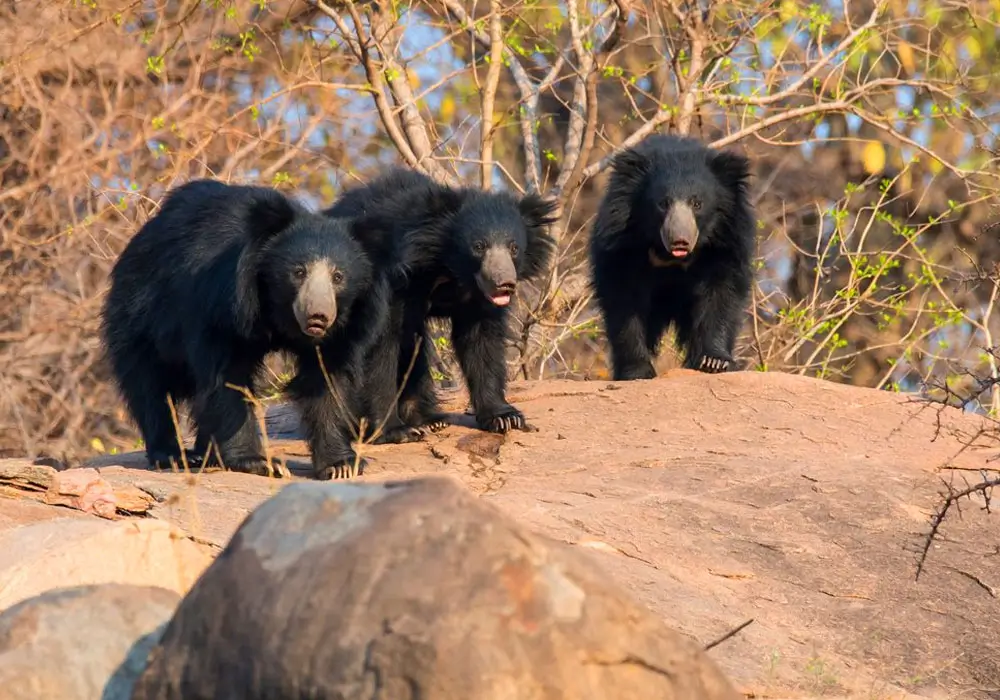
You then walk along the paths that run beside the bear enclosures. These are large areas of natural forest with trees, grass, platforms, hammocks and pools. You will not see every bear on every visit, because they are free to hide, sleep in their dens or wander out of sight, which is exactly the point. Those you do see may be digging, climbing, stripping a log for insects or simply stretched out asleep in the shade.
5. Learning the individual stories
Many of the resident bears were rescued from the streets, and your guide may tell you something about particular animals: where they came from, the injuries they arrived with, and how they have changed. Some still carry scars on their muzzles from the rope. Some are blind, old or living with conditions that mean they could never survive in the wild, which is why they live out their lives here.
6. How the bears are cared for
Along the way you learn about daily care: the porridge-like diet that keepers prepare, the enrichment that keeps bears busy, the veterinary work, and the young bears and those rescued more recently from poaching or human conflict. You see how the centre is designed around the bears’ needs, from shade and water in the Agra summer to quiet areas away from visitor paths.
7. Time to ask questions
Before you leave there is time to ask questions. Guests often want to know about the Kalandar families, about sloth bears in the wild, and about how to support conservation work. If there is a shop or donation point, any purchase or gift goes to the charity’s work, not to us.
8. Back to Agra or onward
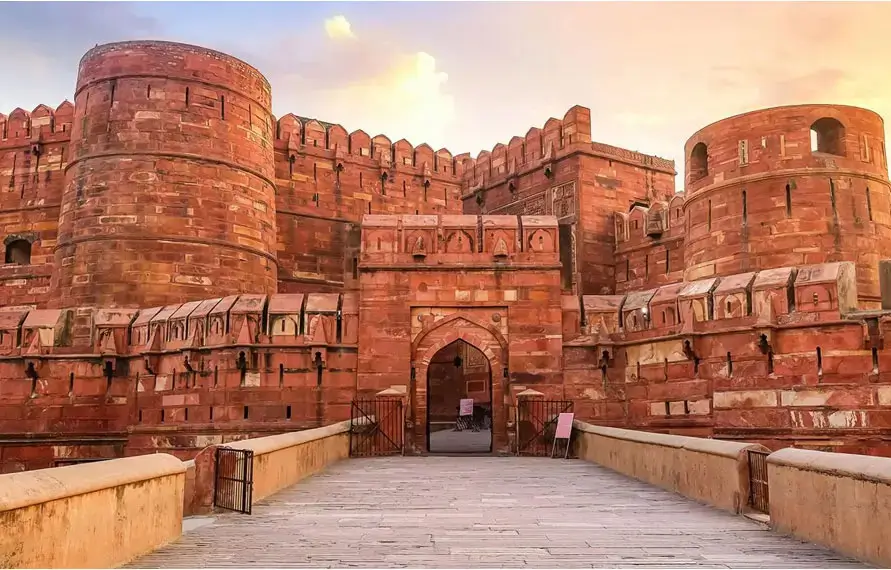
Your driver brings you back to your hotel for lunch or a rest, or takes you straight on to your next stop, whether that is Agra Fort, the Baby Taj or the road to Mathura or Fatehpur Sikri.
An old trade. The Kalandars are a community with a long history as travelling entertainers in north India. For generations, some families made their living by training bears and monkeys to perform. The tradition is often traced back to the courts of earlier centuries, when animal performers entertained nobles, and it outlived those courts by hundreds of years.
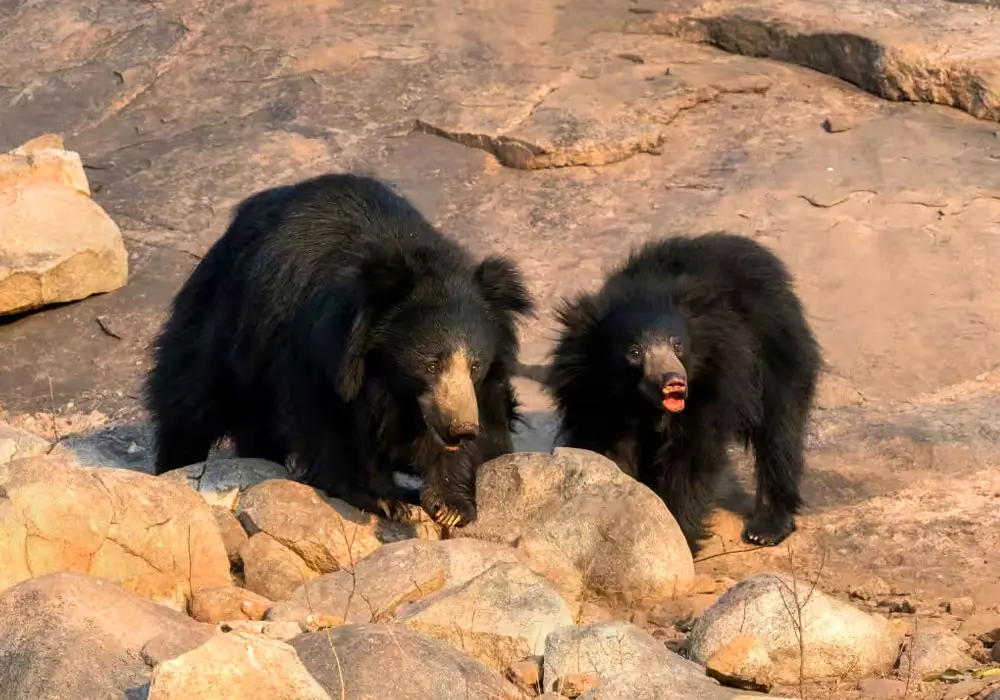
The cost to the bears. Sloth bears are shaggy, black, insect-eating bears found across the Indian subcontinent. Cubs were taken from the wild, often after their mothers were killed, and sold to bear handlers. Their teeth were removed and their muzzles pierced so that a rope could be passed through. The “dance” was the bear rising onto its hind legs to ease the pain as the rope was pulled. Most never knew a natural day in their lives.
The law and the gap. Keeping and exhibiting sloth bears was banned under India’s Wildlife Protection Act in 1972. On the ground, however, enforcement was weak for many years, and in the 1990s hundreds of dancing bears were still working the highways, especially on the tourist routes around Agra, Jaipur and Delhi.
Why rescue alone was not enough. Simply taking bears away would have left Kalandar families with no income and every reason to find another cub. The approach that finally worked combined rescue with livelihoods. Families who surrendered their bears were helped with seed money to start new small businesses, from shops to auto-rickshaws. Women were given training in crafts and help to sell what they made. Children were enrolled in school so that the next generation would not grow up dependent on an animal on a rope. Some young men from the community went on to work as carers at the rescue centres themselves.
The end of the practice. Bear by bear, the trade shrank. The last known dancing bear in India was surrendered in December 2009. The Agra facility, opened in the late 1990s, became home to many of the rescued bears, and today it continues to take in bears from poaching cases and conflict situations, as well as caring for the ageing survivors of the street years.
This experience exists because of animal cruelty. The least we can do as visitors is make sure our visit adds no stress at all. These are not suggestions.
If you have ever been offered a photograph with a dancing bear, a snake charmer’s cobra or a chained monkey anywhere in the world, this visit shows you why it is worth saying no.
Bears doing bear things. Sloth bears are made for digging. They have long, curved claws, a flexible snout and the ability to close their nostrils and suck up termites like a vacuum cleaner. In the enclosures you may see them tearing into a log, rolling a ball stuffed with treats, or climbing onto a platform to sleep in the breeze.
Old wounds healed. Look closely and you may notice a muzzle scar, missing teeth or a bear that moves stiffly. Your guide explains how each animal has been treated and why some need lifelong care.
Younger bears. Not every resident is a former dancing bear. Some arrived as orphaned cubs or after being caught in snares or conflict with villagers. Where possible, the aim with younger bears is a more natural life, though not every animal can return to the wild.
The bird sanctuary around you. Sur Sarovar and Keetham Lake are a protected wetland in their own right, with resident and winter migrant birds on the water and in the trees. In winter, keep an eye out for waterbirds on the lake as you drive in.
The centre is open through the year by appointment, but Agra’s weather shapes the experience.
October to March. The most comfortable months. Days are pleasant, mornings are cool, and the bears are often more active in the mild weather. December and January can bring fog in the early morning, which may slow the drive and the Taj Mahal sunrise visit before it.
April to June. Agra gets very hot. Bears spend much of the day resting in shade or water, and a visit in the early part of the day is best. Drink plenty of water and keep the rest of the day light.
July to September. The monsoon brings humidity, sudden downpours and a green landscape. Visits still run, but paths can be muddy, and bears may retreat to their dens in heavy rain.
Time of day. Morning slots, after an early Taj Mahal visit, usually see more activity than the heat of the afternoon in the warmer months. We match the slot to your Agra plan.
The same charity runs an Elephant Conservation and Care Centre on the road between Agra and Mathura, roughly half an hour or so from Agra. It cares for elephants rescued from begging on city streets, from circuses and from work in which they suffered abuse and neglect. Many arrive with damaged feet, old chain wounds and eye problems.
The visit follows the same principles as the bear facility: booked in advance, guided by staff, and focused on watching the elephants from a respectful distance and learning about their care. There is no riding, no bathing with elephants for photographs and no hand-feeding for entertainment. If your route continues from Agra to Mathura and Vrindavan, or on to Delhi, it is easy to add, and some travellers combine both centres in a single day. In Jaipur, our page on the best elephant sanctuary in Jaipur explains how we choose responsible elephant experiences there.
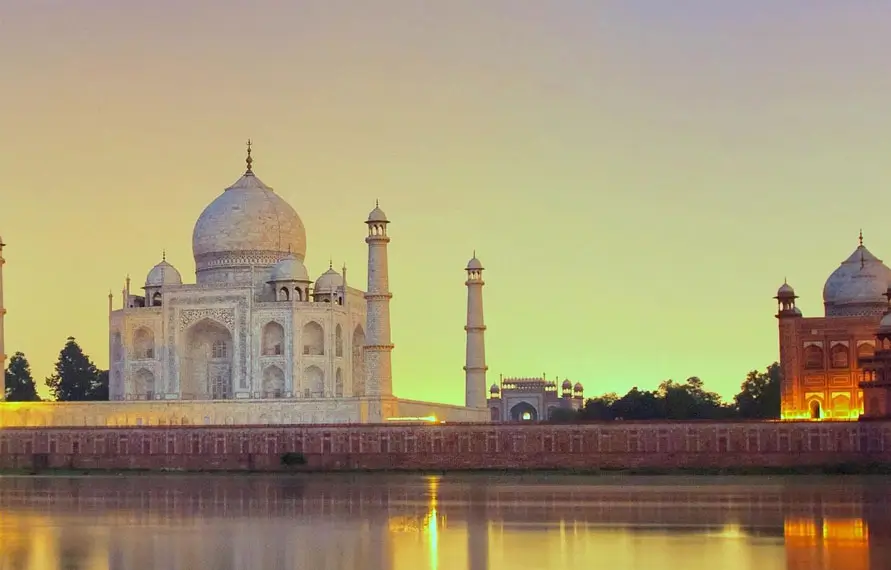
Start with the Taj Mahal at sunrise. The best plan in Agra is to see the Taj at first light, when the marble turns pink and the crowds are thinner. Our Taj Mahal sunrise experience covers how that morning works. Come back for breakfast, then head out to the bear facility mid-morning.
Remember the Friday rule. The Taj Mahal is closed to general visitors on Fridays. If you have a Friday in Agra, it is a good day for the bear facility, Agra Fort and the Baby Taj instead. We check that the centre’s slot is available on that day too.
Give Agra one full day, ideally two nights. A single night means a rushed Taj visit and little time for anything else. With two nights you can see the Taj at sunrise, visit the bears, watch the sunset over the river from Mehtab Bagh and still have time for a marble inlay workshop with Mughal artisans.
From Delhi by car. If you are coming from Delhi for the day, our Taj Mahal sunrise tour from Delhi by car can be extended to include the bear facility on the way back, as it sits close to the Delhi road. It makes for a long day, so we usually recommend staying the night.
On a Golden Triangle tour. The bear facility fits well on the Agra leg of a Delhi, Agra and Jaipur route. If you continue towards Jaipur, you might also stop for bird watching at Keoladeo in Bharatpur, which keeps the wildlife theme going.
Keep the full moon in mind. If you are in Agra around the full moon, a night viewing of the Taj Mahal can be added to the same stay.
Bring and wear - Clothes in muted, earthy colours - Comfortable closed shoes for unpaved paths - A hat, sunglasses and water in the warmer months - Insect repellent, especially after the monsoon - A camera or phone with good zoom - A light layer for winter mornings
Leave behind - Food for the animals, which is never allowed - Bright, loud clothing - Cigarettes and alcohol - Drones and flash photography - Any idea of a selfie with a bear
Tell us your Agra dates and we will book the bear facility visit and fit it around your Taj Mahal sunrise.
Call & WhatsApp +91-9828085426 or email info@topindianholidays.net.
See more ideas on our Top Experiences in India page.
Tell us your travel dates and we will check availability and fit this experience into the right day of your itinerary. Reply within 12 hours.
Check Availability› Chat on WhatsApp› Send an Enquiry›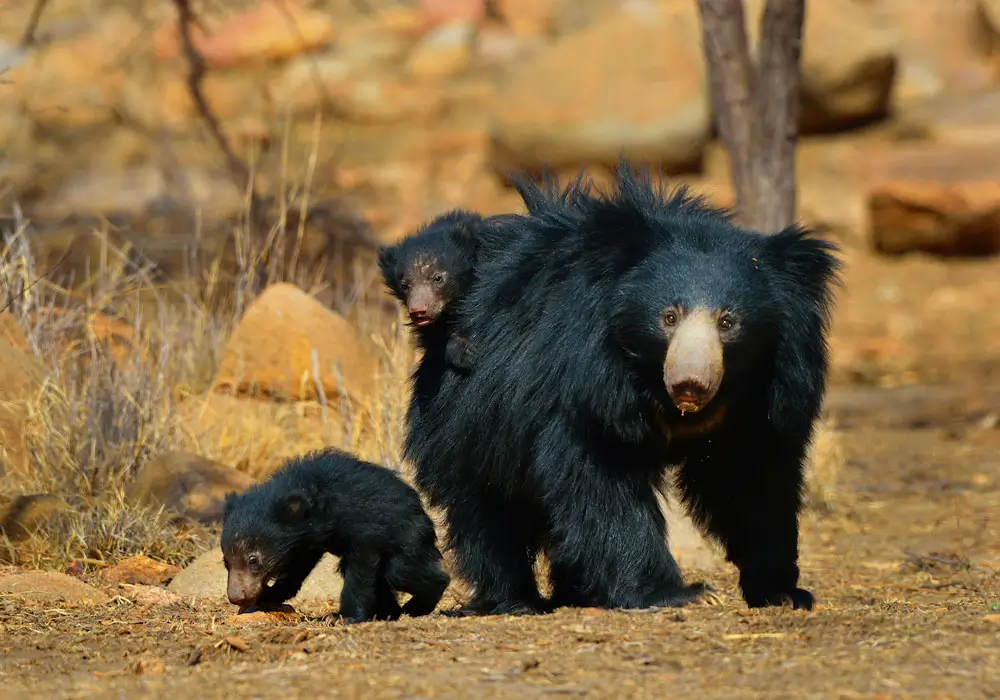



 🌙 01 Day
⭐ Most Popular
 🌙 01 Day
Delhi - Agra - Delhi Delhi - Agra - Delhi Show More
 🌙 01 Day
Delhi - Fatehpur Sikri -... Delhi - Fatehpur Sikri - Delhi Show More
 🌙 07 Nights / 08 Days
⭐ Most Popular
Delhi-Agra - Jaipur - Ranthambore Delhi-Agra - Jaipur - Ranthambore Show More
Two nights is ideal. That gives you a sunrise Taj visit, the bear facility, Agra Fort and a sunset from Mehtab Bagh without rushing. With only one night, it is still possible but the day becomes tight.
Muted, earthy colours, comfortable closed shoes and weather-appropriate layers. Very bright clothing can unsettle the animals. In summer, add a hat and carry water.
Yes. The same charity runs an elephant care centre on the road between Agra and Mathura, where rescued elephants are cared for. Visits are booked in advance and follow the same no-contact principles, and it can be combined with the bear facility in one day.
Friday is often a good day for the visit, since the Taj Mahal is closed to general visitors. Visiting arrangements can change, so we confirm that a slot is available for your Friday before we build it into your plan.
Yes, and it is the best way to do it. See the Taj Mahal at sunrise, return for breakfast, then drive out to the bear facility mid-morning. You are back in Agra by early afternoon.
You see them from visitor paths and behind barriers. Some bears may be quite near, others far off, asleep or hidden in their dens. Bears are free to choose, so sightings are never guaranteed, which is part of what makes it a true sanctuary.
Yes, and most children find it fascinating. Make sure they understand the rules first: stay quiet, keep hands away from barriers, and never throw food. The walk is easy for most ages.
The total depends on your group size, transport and the centre’s current visitor arrangements. We quote the price for your date when we plan your Agra stay. Any donation you choose to make on site goes directly to the charity.
Families who surrendered their bears received help with seed money for new businesses, training for women in crafts, and schooling for their children. Some young men from the community went on to work as bear carers at the rescue centres.
No. The practice was banned in 1972 but continued for decades because enforcement was weak. The last known dancing bear was surrendered in December 2009, after a long programme that rescued the bears and helped their handlers’ families find new livelihoods.
Yes. It is a rescue and lifelong care facility, not an entertainment venue. Visitors watch from paths and behind barriers, with no touching, feeding, riding or selfies with animals, and the bears can hide whenever they want.
It is run by the Indian conservation charity Wildlife SOS together with the Uttar Pradesh Forest Department. We arrange visits for our guests but have no partnership with the charity.
It is inside the Sur Sarovar Bird Sanctuary around Keetham Lake, to the west of Agra off the Delhi road. The drive from central Agra takes around 30 to 45 minutes depending on traffic.
It is best not to try. Visits are arranged by prior appointment, as the centre is a working rescue facility. We request your slot as soon as your Agra dates are fixed and confirm it before you travel.

Whether you're planning your first India trip or returning to explore deeper, get honest, expert advice from someone who knows every corner of this country. No pressure, no cost.