10 Nights / 11 Days Fully Guided Tours Private Car
Guwahati - Kaziranga National Park - Shillong - Cherrapunji - Gangtok
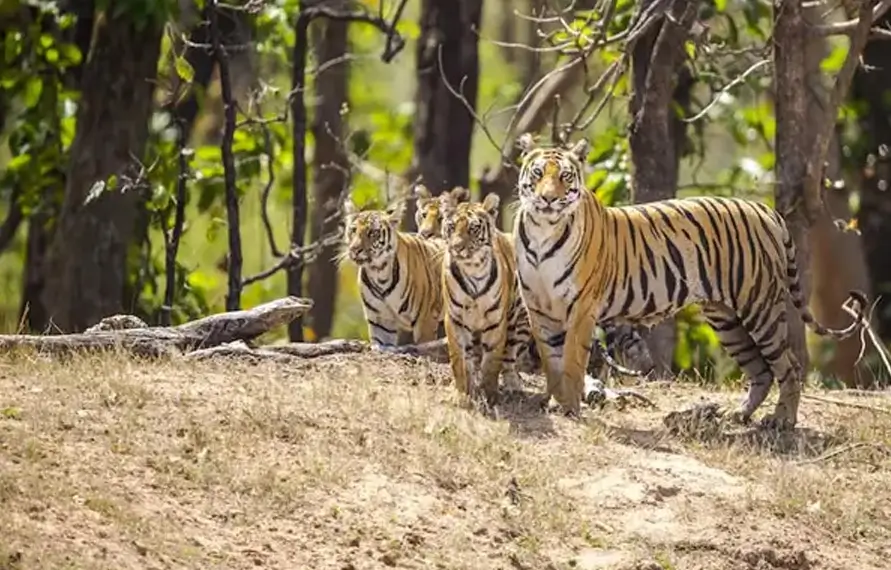
Diverse landscapes, wildlife habitats and mountain scenery make North East India one of the most fascinating travel regions in the country. This North East India Wildlife & Nature Tour connects the natural highlights of Assam, Meghalaya and Sikkim, combining wildlife exploration with dramatic mountain landscapes and scenic hill towns. The route allows travelers to experience the region’s biodiversity along with its peaceful Himalayan environment.
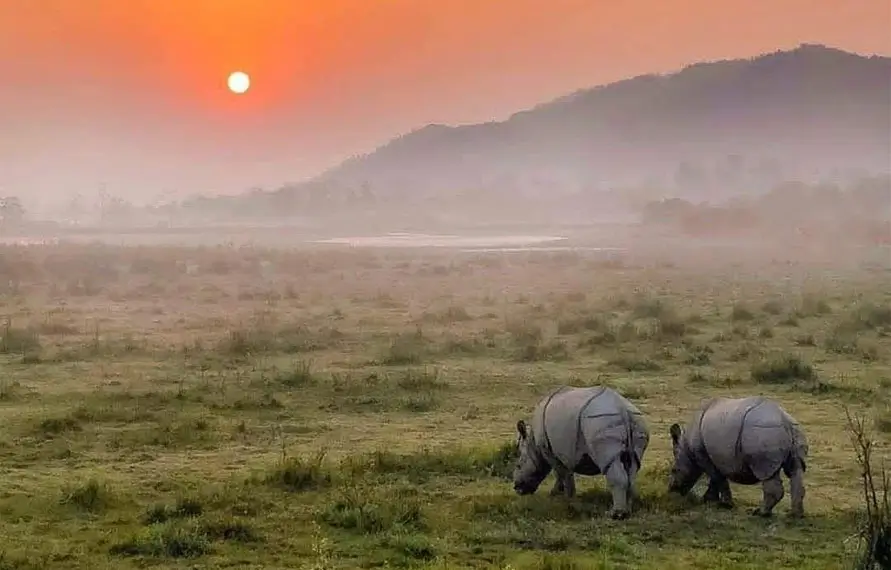
The journey includes the famous Kaziranga National Park, a UNESCO World Heritage Site known for protecting the endangered one-horned rhinoceros. Alongside wildlife safaris, the itinerary introduces travelers to the mist-covered hills of Shillong, the spectacular waterfalls of Cherrapunji, and the high Himalayan scenery of Gangtok.
Designed for travelers who enjoy nature, landscapes and outdoor experiences, this itinerary offers a balanced combination of forest reserves, mountain drives and cultural encounters. The changing scenery between river plains, waterfalls and Himalayan peaks makes North East India tour packages especially rewarding for visitors seeking authentic natural beauty.
Arrival at Guwahati Airport marks the starting point of the journey into North East India. Located along the Brahmaputra River, Guwahati serves as the main gateway for travelers visiting the northeastern states. After meeting your driver, transfer to the hotel for check-in and time to relax after the journey.
Later travelers may visit Kamakhya Temple, one of the most important pilgrimage sites in eastern India. The temple sits on Nilachal Hill and offers panoramic views of the Brahmaputra River and surrounding landscapes.
The evening can be spent exploring the local markets of Guwahati where traditional handicrafts and regional foods reflect the culture of Assam.
After breakfast the journey continues toward Kaziranga National Park, located several hours east of Guwahati. The drive passes through the fertile plains of Assam where rice fields, villages and tea gardens create a beautiful rural landscape.
As the road approaches Kaziranga, tall grasslands and forest areas appear along the route. These wetlands form the natural habitat for the diverse wildlife that lives inside the national park.
Arrival in Kaziranga by afternoon allows time to settle into your lodge near the park while enjoying the peaceful surroundings of the reserve.
Early morning begins with a jeep safari in Kaziranga National Park. Guided by experienced forest drivers, visitors travel through grasslands and wetlands searching for wildlife in their natural environment.
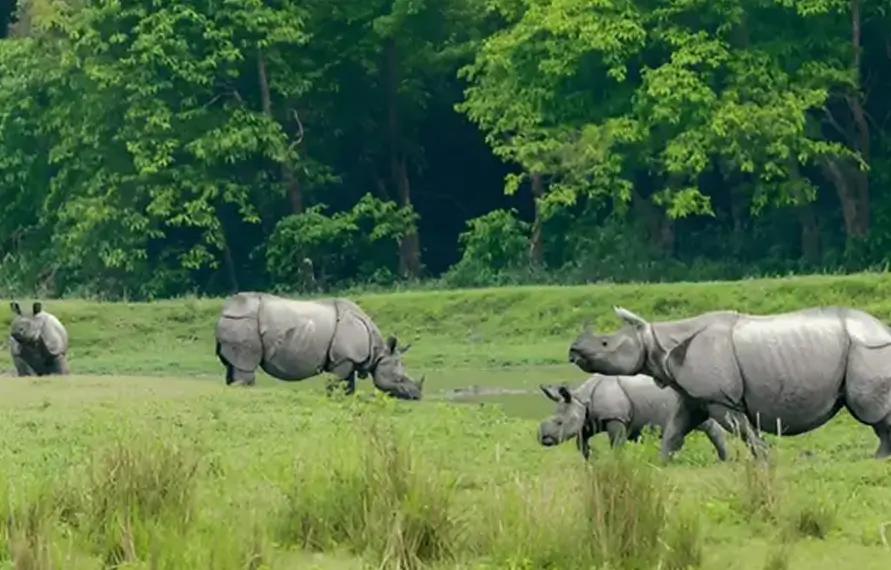
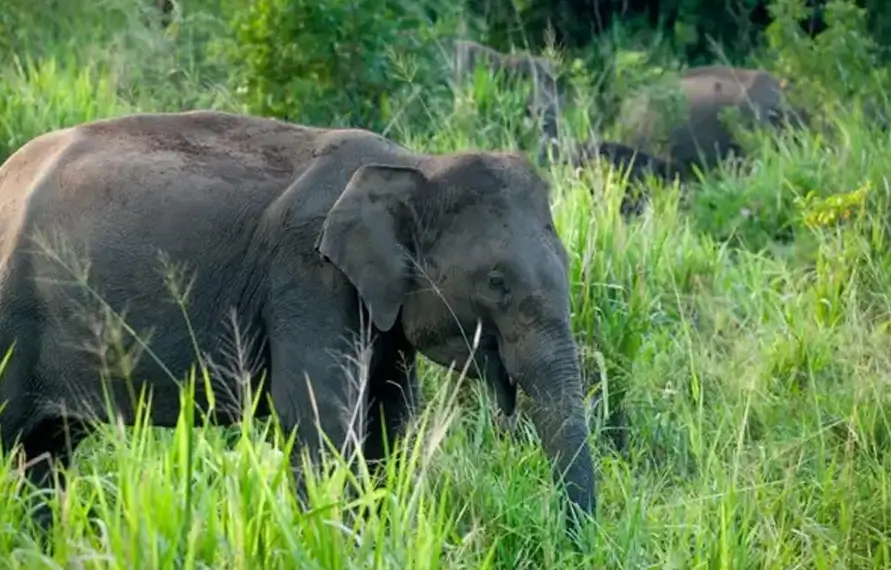
Kaziranga is internationally known for its population of the Indian one-horned rhinoceros. Visitors often observe these animals grazing peacefully along with elephants, swamp deer and wild buffalo. The park also supports a wide variety of bird species, making it a favorite location for nature photographers.
Later in the afternoon another safari can explore a different zone of the park. Each zone offers unique landscapes and increases the chances of spotting additional wildlife.
The route today leads into the hills of Meghalaya as the journey continues toward Shillong, often called the Scotland of the East. The drive gradually leaves the plains of Assam and climbs into cooler mountain landscapes.
Along the way travelers stop at Umiam Lake, a vast lake surrounded by forested hills. The calm water and scenic viewpoints make it one of the most photographed locations in Meghalaya.
Arrival in Shillong by afternoon allows time to explore the charming hill town, known for its pleasant climate, lively markets and colonial-era atmosphere.
Morning sightseeing begins with a visit to Shillong Peak, the highest viewpoint in the area. From here travelers enjoy sweeping views of the surrounding hills and the city below.
The journey continues to Elephant Falls, a beautiful multi-tier waterfall surrounded by forest trails. The sound of cascading water and lush greenery creates a refreshing natural setting.
Later visitors explore Ward’s Lake and the busy Police Bazaar market area, where local culture and daily life can be observed through handicraft shops, cafés and street vendors.
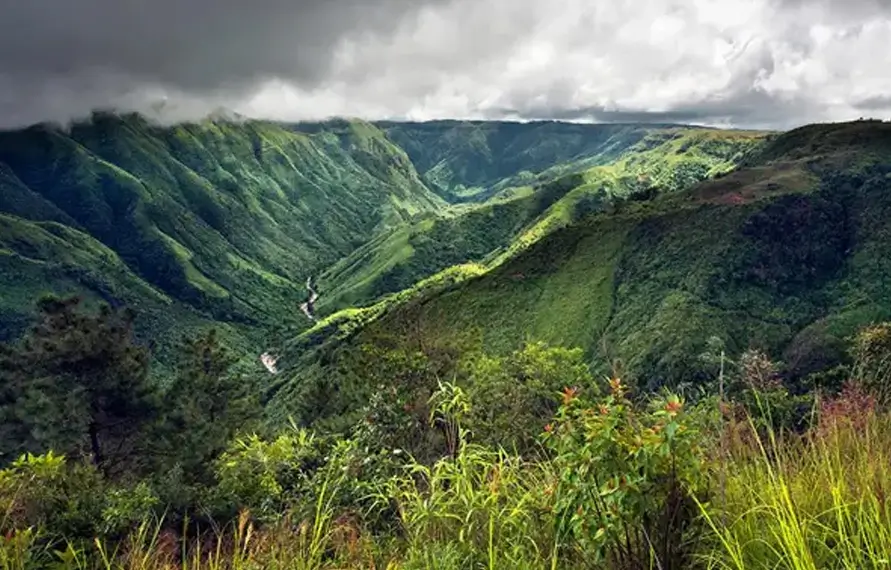
The drive today leads to Cherrapunji, one of the wettest places on Earth and a region famous for dramatic landscapes and waterfalls. The road passes through rolling hills and cloud-covered valleys offering spectacular scenery.
The first major attraction is Nohkalikai Falls, one of the tallest waterfalls in India. The waterfall plunges from a high cliff into a turquoise pool far below, creating a breathtaking natural sight.
Later visits include Seven Sisters Falls and nearby limestone caves that demonstrate the geological diversity of Meghalaya.
Morning begins with a journey to the famous Living Root Bridges, unique structures formed by guiding the roots of rubber trees across streams. Over time these roots grow strong enough to create natural bridges.
A trek through forest paths leads travelers to the impressive Double Decker Living Root Bridge, one of the most remarkable examples of this traditional engineering method.
The surrounding forests, streams and small waterfalls create a peaceful natural environment where travelers can appreciate the beauty of Meghalaya’s landscapes.
Today’s journey moves toward the Himalayan state of Sikkim. The route passes through the plains of Assam and West Bengal before gradually climbing into the mountains.
As the road rises toward Sikkim, the scenery changes with deep valleys, rivers and forested slopes appearing along the route. The cool mountain climate marks the transition into the Himalayan region.
Arrival in Gangtok, the capital of Sikkim, introduces travelers to a clean and vibrant hill city surrounded by dramatic mountain scenery.
Morning sightseeing includes visits to several cultural landmarks around Gangtok. One of the highlights is Rumtek Monastery, an important center of Tibetan Buddhism known for its beautiful architecture and spiritual atmosphere.
Another stop is the Namgyal Institute of Tibetology, where visitors learn about Tibetan culture, Buddhist philosophy and historical artifacts preserved in the museum.
Later travelers visit Tashi View Point, where clear weather often reveals distant views of the snow-covered Himalayan peaks.
A scenic mountain excursion today leads to Tsomgo Lake, a glacial lake located high in the Himalayas. The lake changes color with the seasons and reflects the surrounding snow-covered mountains.
The journey continues toward Nathula Pass, once part of the historic Silk Route connecting India and Tibet. Standing near the border offers a unique perspective on the geography of the region.
Returning to Gangtok in the afternoon allows time to explore the local markets and cafés along MG Marg, the main pedestrian street of the city.
The final day begins with a scenic drive toward Bagdogra Airport for departure. The route follows mountain valleys and rivers before descending into the plains of West Bengal.
Travelers enjoy one last view of the Himalayan landscapes before reaching the airport.
The journey concludes with unforgettable memories of wildlife safaris, waterfalls and mountain scenery that define the beauty of North East India travel.
Fill out this form with all the required information. Within 12 hours, we will provide you with a tailor-made itinerary at the best price.
Read the reviews of our esteemed client's, go through the experiences they had with Top Indian Holidays.


Whether you're planning your first India trip or returning to explore deeper — get honest, expert advice from someone who knows every corner of this country. No pressure, no cost.



 info@topindianholidays.net
 +91-8955000999