📅 Last Updated On: 02 Feb 2026
⏱ 10 Min Read
North East India Travel Itinerary for Nature, Wildlife and Cultural Experiences
A
Admin
Founder -India Travel Expert
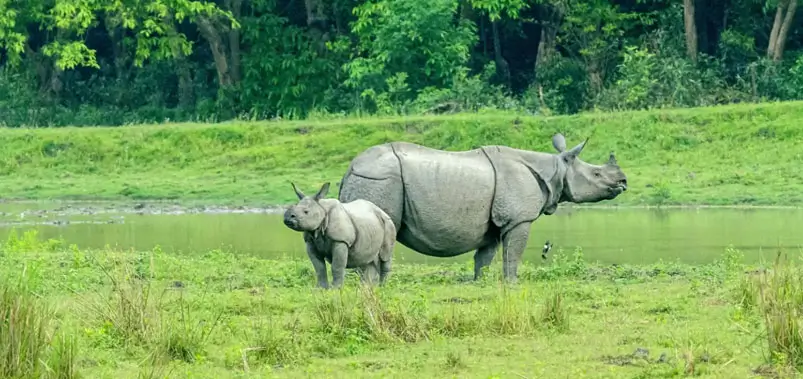
North East India is a region that demands a different approach to travel planning. The landscapes are expansive, cultures are deeply rooted, and distances are influenced by terrain rather than maps. A well-structured North East India travel itinerary for nature, wildlife and cultural experiences focuses on balance rather than speed, depth rather than coverage, and realism rather than ambition.
This region is not suited for rushed schedules or tightly packed sightseeing days. Travel here unfolds through winding mountain roads, forest corridors, river valleys, and culturally rich settlements. An effective itinerary allows time for observation, rest, and meaningful engagement with surroundings.
Rather than attempting to cover every state or destination, a thoughtful itinerary selects complementary regions that reflect the natural and cultural diversity of North East India while maintaining comfort and continuity.
Understanding the Geography Before Planning
North East India consists of varied ecological zones that transition quickly from plains to hills, forests, wetlands, and high-altitude regions. Travel time is shaped by road conditions, weather patterns, and elevation changes.
Planning an itinerary without accounting for these factors leads to fatigue and reduced enjoyment. A balanced itinerary prioritizes logical movement, allowing landscapes to change gradually rather than abruptly.
Understanding geography is the foundation of realistic itinerary design.
Core Principles of a Balanced North East India Itinerary
A successful North East India travel itinerary is built on a few essential principles. The first is limiting the number of destinations to allow deeper exploration. The second is maintaining flexible travel days that adapt to weather and road conditions. The third is balancing nature, wildlife, and cultural experiences without overloading any single aspect.
This approach ensures that travelers experience the region holistically rather than fragmentedly.
Entry Points and Travel Flow
Most itineraries begin from a well-connected regional hub that allows gradual entry into the region’s landscapes and cultural rhythm. Starting in an accessible urban or semi-urban center helps travelers adjust to climate, altitude, and travel pace.
From there, the itinerary should move toward quieter regions, gradually increasing immersion. Ending the journey in a similar hub allows for comfortable exit and reflection.
Travel flow should feel natural rather than forced.
Plan Your Perfect North East India Itinerary
Tailor-made travel itinerary for nature, wildlife & cultural tours across North East India. Let’s craft your unforgettable journey!
Chat on WhatsApp Get Custom Itinerary
Nature-Focused Segments of the Itinerary
Nature forms the backbone of travel across North East India. Hills, forests, rivers, and open landscapes shape daily movement and visual experience.
Nature-focused segments of the itinerary emphasize scenic drives, nature walks, viewpoints, and time spent in open environments. These segments should be spaced between travel days to avoid fatigue.
Allowing mornings and evenings for observation enhances connection with the landscape.
Wildlife-Oriented Travel Planning
Wildlife regions add ecological depth to a North East India travel itinerary. Grasslands, wetlands, and forest reserves support diverse animal and bird life.
Wildlife-focused days should be planned with early starts and adequate rest periods. Observation requires patience and quiet rather than constant movement.
Integrating wildlife regions between cultural and scenic segments creates balance and variety.
Cultural Exploration Within the Itinerary
Cultural experiences are woven throughout the itinerary rather than isolated into specific days. Villages, markets, monasteries, and community spaces appear naturally along travel routes.
Cultural exploration benefits from unstructured time. Observing daily routines, local interactions, and traditional practices adds meaning to the journey.
A well-designed itinerary allows these experiences to unfold organically.
Travel Pace and Daily Distance Planning
One of the most common mistakes in North East India travel planning is underestimating travel time. Roads are scenic but slow, and weather conditions can cause delays.
Daily travel distances should be conservative, leaving time for rest and exploration. Long travel days should be followed by lighter days to maintain energy levels.
Balanced pacing enhances comfort and overall satisfaction.
Combining Multiple States Thoughtfully
North East India includes multiple states, each with distinct identity. A good itinerary does not attempt to include all states in one journey.
Instead, it combines regions that share geographic continuity and travel logic. This approach reduces backtracking and travel fatigue.
Thoughtful state combination creates a smoother and more immersive journey.
Accommodation Planning Within the Itinerary
Accommodation selection plays a critical role in itinerary success. Staying in locations that reduce daily travel time improves comfort and allows more time for exploration.
Small hotels, lodges, and guesthouses often provide better access to nature and culture than large centralized properties.
Accommodation should support the rhythm of the itinerary rather than dictate it.
Scenic Routes and Flexible Movement
Scenic routes are an essential part of travel in North East India. Rather than treating roads as mere connectors, the itinerary should highlight scenic drives as experiences in themselves.
Flexible movement allows travelers to stop at viewpoints, villages, and natural landmarks spontaneously. This flexibility enhances engagement and reduces stress.
Scenic travel is central to itinerary design.
Seasonal Awareness in Itinerary Planning
Seasonal conditions influence accessibility, visibility, and comfort. Rainfall affects road conditions and landscape appearance, while temperature varies with altitude.
An effective North East India travel itinerary accounts for seasonal realities by adjusting travel routes and expectations. Flexibility allows adaptation to changing conditions.
Seasonal awareness improves safety and enjoyment.
Photography and Observation Opportunities
North East India offers rich opportunities for photography and observation-based travel. Landscapes change with light, weather, and elevation.
An itinerary that allows early mornings, relaxed afternoons, and unhurried movement supports photography. Observation requires time rather than speed.
Including buffer time enhances creative exploration.
Food, Markets, and Local Interaction
Local food and markets form an important part of cultural experience. An itinerary that allows time for market visits and local meals adds depth to travel.
Eating locally prepared food supports communities and enhances cultural understanding. These experiences should be integrated naturally into daily plans.
Food becomes part of cultural immersion rather than a logistical concern.
Rest Days and Mental Balance
Rest days are essential in long itineraries. They allow travelers to recover physically and mentally while deepening connection with a place.
Rest days can include light walks, observation, and casual exploration rather than structured activities. These days enhance overall journey quality.
Balanced itineraries respect the need for rest.
Transportation Planning and Safety
Road travel dominates movement across North East India. Itineraries must prioritize safety, realistic travel durations, and experienced navigation.
Transportation planning includes rest breaks, scenic stops, and contingency time. Safety considerations enhance confidence and comfort.
Reliable transportation supports smooth itinerary execution.
Customize Your North East India Travel Plan
Let our travel experts design a perfect itinerary for nature, wildlife and cultural experiences. Share your travel dates & preferences!
Chat on WhatsApp Contact Us
Responsible Travel Integration
Responsible travel practices should be integrated into the itinerary rather than treated as an afterthought. Respect for local customs, waste management, and environmental awareness are essential.
Itineraries that encourage responsible behavior contribute to sustainability and positive community relationships.
Ethical travel enhances long-term value.
Designing Multi-Day Flow Without Rushing
A strong North East India travel itinerary for nature, wildlife and cultural experiences depends on how days flow into each other. Travel planning here is not about filling every day with movement but about creating continuity. Consecutive long drives reduce energy and dilute experience, so an effective itinerary alternates between travel-heavy days and lighter exploration days.
Multi-day flow works best when landscapes transition gradually. Moving from plains to hills, then to forested zones, and later to cultural regions creates a sense of narrative rather than disconnection. This progression allows travelers to adapt physically and mentally while staying engaged.
Thoughtful flow prevents fatigue and preserves curiosity throughout the journey.
Integrating Nature, Wildlife, and Culture Seamlessly
Many itineraries fail when nature, wildlife, and culture are treated as separate compartments. In North East India, these elements overlap naturally. Forests surround villages, wildlife corridors cross agricultural land, and cultural traditions are tied to seasons and landscapes.
An effective itinerary integrates these dimensions rather than isolating them. A scenic drive may pass through cultural settlements. A wildlife region may sit beside farming communities. Cultural encounters may occur during nature walks or market visits.
This integration creates a more authentic and layered travel experience.
Time Allocation and Buffer Planning
Time allocation is one of the most critical aspects of itinerary planning. Distances in North East India are deceptive, and unexpected delays are common due to weather or terrain.
Buffer time should be built into the itinerary to allow flexibility. Extra hours reduce stress and open opportunities for spontaneous experiences such as village visits, scenic stops, or local interactions.
Buffer planning transforms uncertainty into opportunity rather than disruption.
Managing Altitude Changes and Physical Comfort
Some parts of North East India involve gradual altitude changes, which affect energy levels and comfort. An itinerary should manage elevation transitions thoughtfully to avoid fatigue or discomfort.
Gradual movement from lower to higher regions, combined with adequate rest, helps travelers adapt naturally. Rest days or light activity days support physical well-being.
Comfort-focused planning ensures sustained enjoyment across the journey.
Cultural Sensitivity Within Daily Planning
Cultural sensitivity is not limited to behavior but also applies to scheduling. Certain times of day or days of the week may be more appropriate for visiting markets, villages, or cultural spaces.
An itinerary that respects local rhythms enhances interaction quality. Early mornings may be reserved for observation, while afternoons allow relaxed engagement. Evenings often offer quieter moments for reflection.
Respectful timing improves cultural understanding.
Village Stays and Extended Cultural Exposure
Village stays add depth to a North East India travel itinerary by offering direct exposure to daily life. Extended stays allow travelers to observe routines rather than isolated moments.
Village-based accommodation reduces travel distances and enhances immersion. It also supports local economies and sustainable tourism practices.
Including village stays enriches cultural and emotional connection.
Landscape Transitions and Visual Variety
One of the strengths of North East India travel lies in visual diversity. Landscapes change rapidly across short distances, offering constant variation.
An itinerary that highlights these transitions keeps travel engaging. Moving from river plains to hills, from forests to open valleys, creates a dynamic journey.
Visual variety sustains interest and reduces monotony.
Food Experiences as Part of the Itinerary
Food experiences should be integrated naturally into the itinerary rather than treated as logistical necessities. Markets, local eateries, and community kitchens offer insight into regional culture.
Scheduling time for local meals supports cultural understanding and rest. Food becomes a social and cultural connector rather than a routine task.
An itinerary that values food experiences adds richness to travel.
Observation-Based Travel Days
Not every day needs structured activities. Observation-based days allow travelers to explore without agenda, noticing details in environment and social life.
These days may include short walks, casual market visits, or scenic sitting spots. Observation deepens connection and enhances memory formation.
Including such days balances active exploration with reflection.
Photography-Friendly Scheduling
Photography benefits from flexible timing and patience. An itinerary that allows early starts, relaxed afternoons, and open evenings supports photography goals.
Weather and light conditions change quickly in North East India. Buffer time allows photographers to respond to these changes rather than rush past opportunities.
Photography-friendly scheduling enhances creative satisfaction.
Transportation Rhythm and Route Logic
Transportation is more than movement; it shapes daily rhythm. An itinerary should align travel hours with daylight, road conditions, and comfort.
Shorter travel days followed by longer stays improve rhythm. Routes should minimize backtracking and maximize scenic continuity.
Logical routing enhances both efficiency and experience.
Safety, Rest, and Recovery
Safety and rest are essential components of a sustainable itinerary. Long travel days should be followed by rest periods. Hydration, meals, and sleep must be prioritized.
A well-designed itinerary supports recovery, preventing burnout and discomfort. Rest enhances alertness and appreciation.
Balanced planning protects traveler well-being.
Emotional Engagement and Memory Depth
Travel experiences are remembered not by quantity but by emotional depth. An itinerary that allows repeated exposure to a place creates familiarity and attachment.
Extended stays foster emotional engagement, transforming locations into meaningful spaces rather than brief stops.
This depth defines memorable travel.
Responsible Travel Embedded in the Itinerary
Responsible travel should be embedded in daily planning. Waste reduction, respectful behavior, and environmental awareness are part of itinerary design.
Selecting local accommodations, minimizing travel distances, and supporting community services contribute to sustainability.
Responsible itineraries create positive impact.
Long-Term Value of a Thoughtful Itinerary
A well-planned North East India travel itinerary for nature, wildlife and cultural experiences delivers value through comfort, understanding, and connection.
Travelers return with insight rather than exhaustion. The journey becomes educational, reflective, and fulfilling.
Thoughtful itineraries honor the region’s complexity and beauty.



 info@topindianholidays.net
 +91-8955000999