


 info@topindianholidays.net
 +91-8955000999
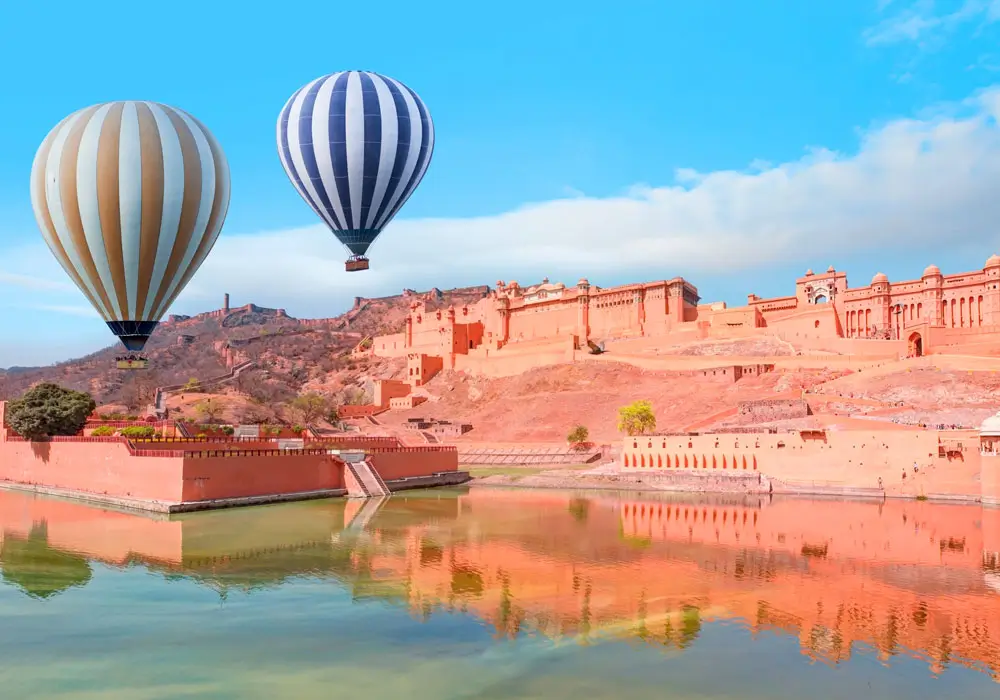
Hot Air Balloon Ride in Jaipur
Lift off as the sky turns orange and drift over villages, mustard fields and the Aravalli hills while Jaipur is still waking up.
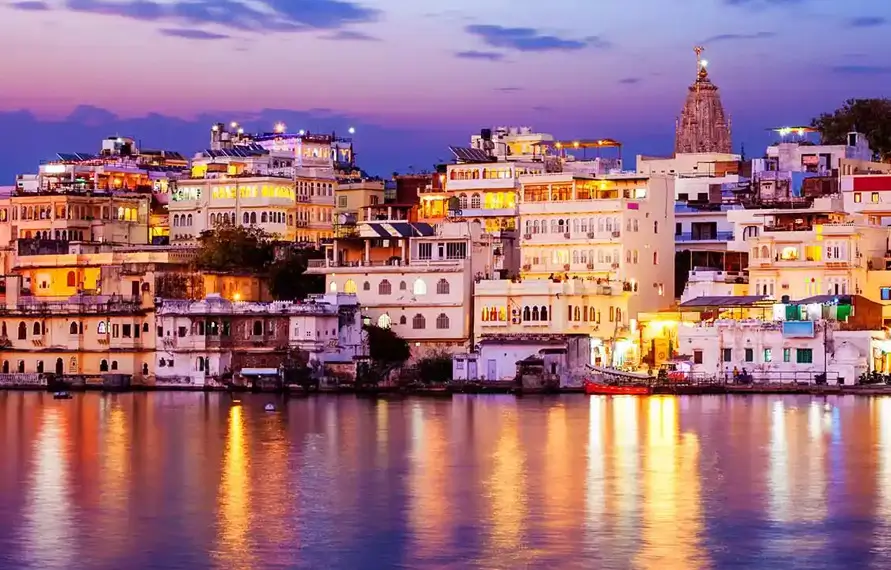
View Experience ›Wander the old city lanes from Jagdish Temple to Ghanta Ghar with a local guide, tasting the dishes Udaipur families actually eat, then finish with the lights of Lake Pichola.
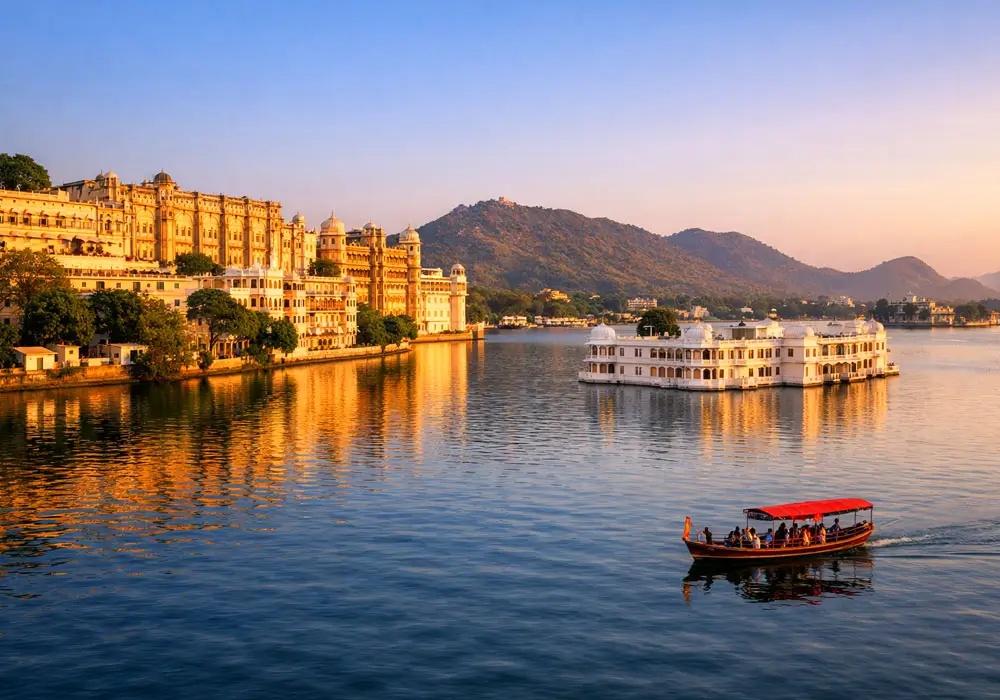
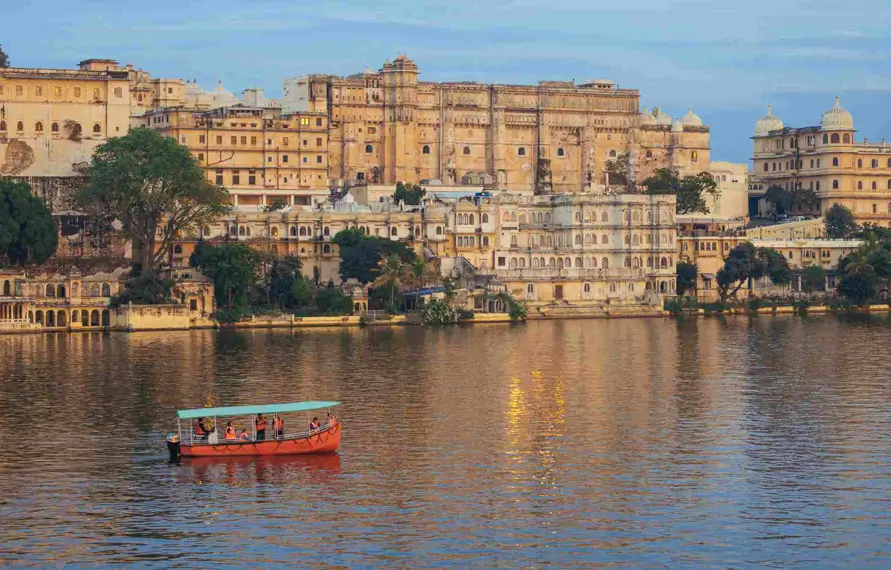
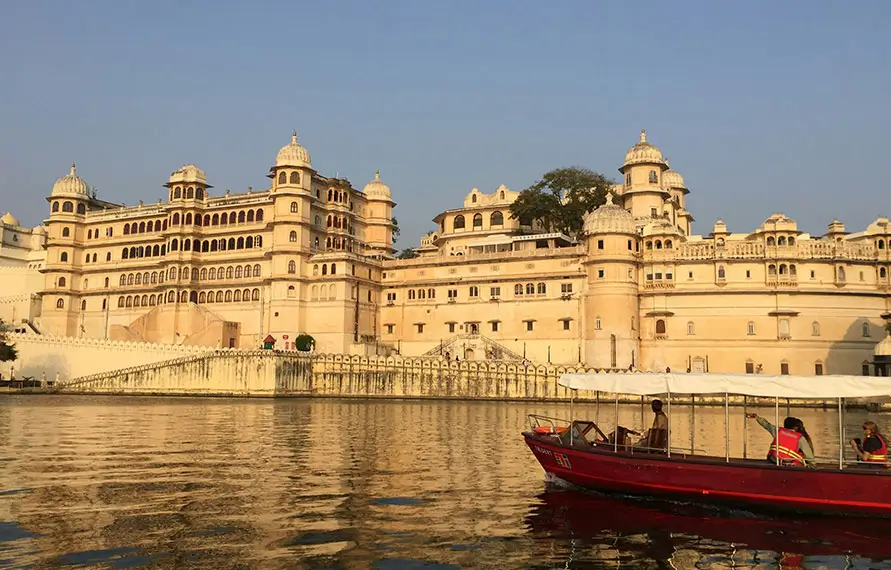
Udaipur is usually described through its lakes and palaces: the City Palace rising from the shore, the white Lake Palace floating on Lake Pichola, the ghats where women wash clothes in the morning. Behind that famous waterfront is a working old city of steep lanes, small temples, sweet shops and family-run kitchens, and it is here that you understand how Udaipur really lives. The best way in is through its food.
An Udaipur food tour with a private guide takes you on foot from the area around Jagdish Temple, the great carved temple near the City Palace, down through the lanes towards Ghanta Ghar, the old clock tower, and into the busy markets of Bapu Bazaar and Hathi Pol. Along the way you taste the dishes locals queue for: kachori fresh from the oil, a morning plate of poha, sticky malpua, saffron milk simmered in a huge iron pan, and the heavy, comforting Rajasthani classic, dal baati churma.
Udaipur was the capital of the old kingdom of Mewar, and its cooking has its own character. Compared with Jaipur’s richer, more showy food, Mewari home cooking is often simpler, with plenty of lentils, gram flour, buttermilk, seasonal vegetables and ghee. Many of the old city’s families are vegetarian, and much of what you eat on the street is too. For those who eat meat, Mewar is also the home of laal maas, a famous red chilli mutton curry, and your guide can tell you where to try it properly.
The walk is gentle, the city is compact, and it pairs naturally with a lakeside dinner or a sunset boat ride. This page explains how it works, what you will eat, how we approach food safety and how to fit it into your days in Udaipur.
1. Pickup from your hotel
Your driver collects you from your hotel. Many of Udaipur’s hotels are on the lakeshore or in the old city itself; if yours is close by, your guide may simply meet you at the door and you start on foot. If you are staying further out, the drive is short.
2. Meeting your guide near Jagdish Temple
Most walks begin near Jagdish Temple, a short climb from the City Palace gate. It is the old city’s spiritual centre and a good place to get your bearings. Before setting off, your guide asks about allergies, diet, spice levels and anything you would rather skip.
3. A look into Jagdish Temple
If timing allows, you climb the steps into the temple courtyard. The temple is dedicated to Vishnu as Jagannath and is covered in carvings of dancers, elephants and musicians. In the morning and evening you may catch worshippers singing and bells ringing. Your guide explains what is happening; you watch quietly with shoes removed.
4. First tastes in the old city lanes
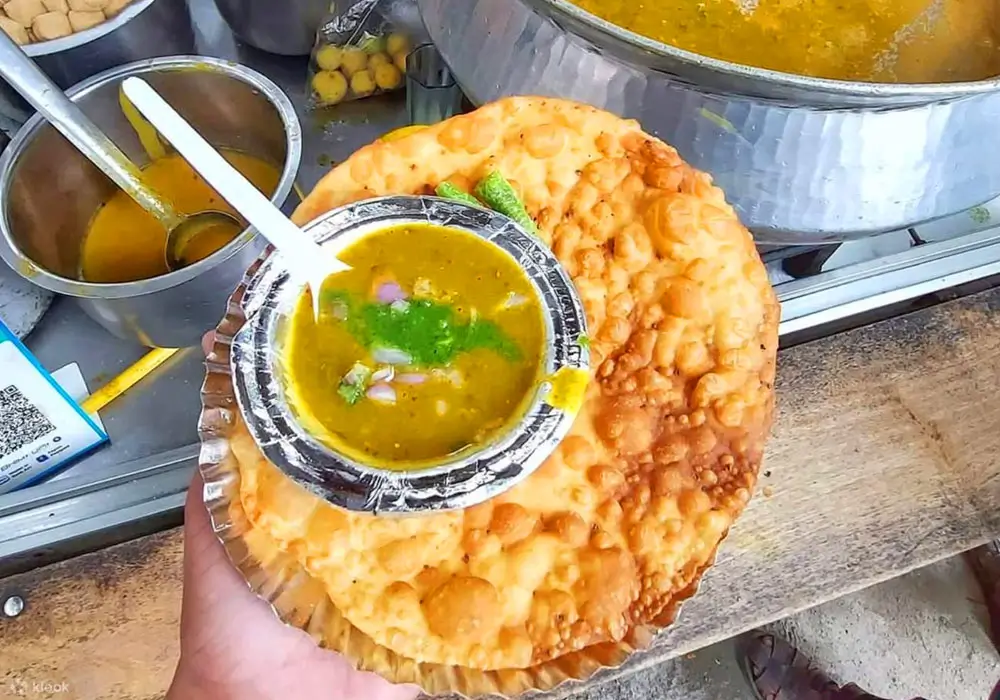
From the temple, the lanes run downhill towards the clock tower. This is where you find the first snacks: kachori with a spicy potato curry or chutney, mirchi vada, or, in the morning, poha, flattened rice cooked with onion, mustard seed, turmeric and peanuts, topped with crisp sev and a squeeze of lime. Portions are small and shared so that you can keep going.
5. Ghanta Ghar and the market streets
At Ghanta Ghar, the old clock tower, the lanes open into a busy junction of markets. Here you find spice sellers, dried fruit shops, brass pots, and sweet shops with trays stacked high. Your guide stops at a sweet counter for something freshly made, perhaps malpua, a sweet pancake fried in ghee and soaked in syrup, sometimes served with rabri.
6. Bapu Bazaar and Hathi Pol
You continue towards Bapu Bazaar, one of the city’s main shopping streets, and Hathi Pol, the Elephant Gate, one of the old gates of the walled city. These areas are full of textiles, mojari shoes, bangles and household goods, and in the evening they are lively with local families. Your guide weaves in a chaat stop or a samosa counter, depending on what is good that day.
7. Kesar milk and something cool
One of Udaipur’s small pleasures is a glass of hot kesar milk: milk simmered for hours with saffron, cardamom and nuts, poured from a height to froth it, and served in a clay cup or glass. In warmer weather your guide may swap it for a cool lassi or a kulfi.
8. A Mewari meal
If you have room, the walk ends with a sit-down taste of Mewari cooking at a simple local restaurant: dal baati churma, perhaps with gatte ki sabzi (gram flour dumplings in a yoghurt curry) and a buttermilk kadhi. It is the most filling stop, so we share plates.
9. Lakeside finish or back to your hotel
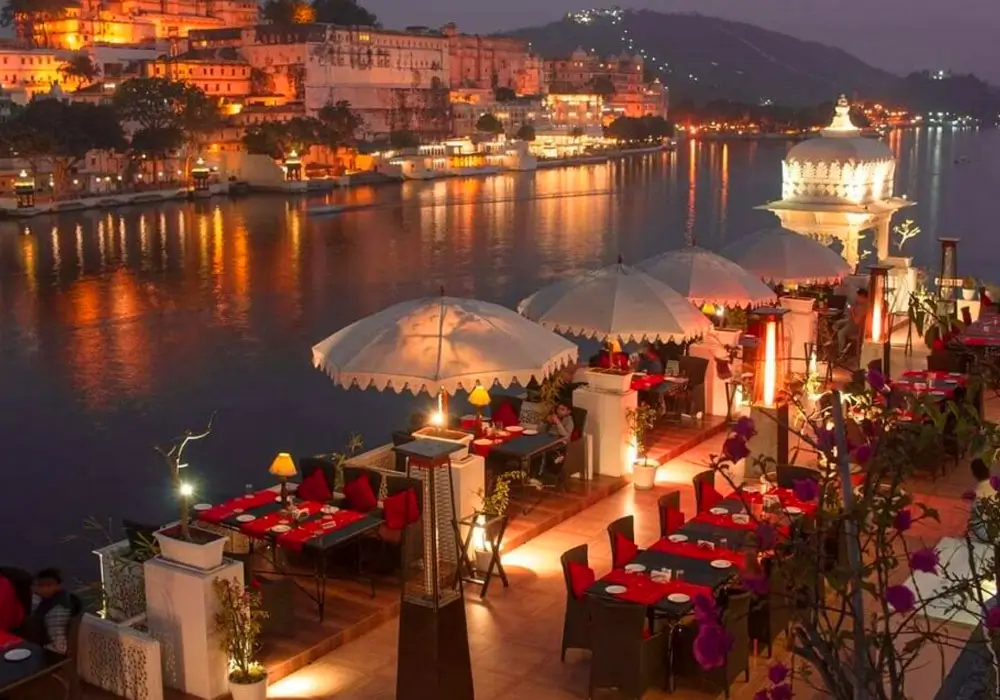
You can end the evening at a lakeside rooftop for a drink and the view of the lit palaces, or your driver brings you back to your hotel. If your hotel is in the old city, you may simply walk home.
The exact menu depends on the time of day, the season and your taste. These are the dishes you are most likely to meet.
Kachori. Udaipur’s kachoris are crisp, flaky pastries filled with spiced lentils or onion, eaten hot, often with a thin tangy chutney or a spoonful of potato curry. They are a breakfast favourite as much as an evening snack.
Poha. A light morning dish of flattened rice tempered with mustard seeds, curry leaves, turmeric, onion and peanuts, topped with crunchy sev and fresh coriander. It is common across western and central India and is one of the easiest things for a cautious stomach to start with.
Mirchi vada. A large, mild green chilli stuffed with spiced potato, coated in gram flour batter and fried. It looks fierce but is usually gentle.
Malpua. A sweet pancake made with flour, milk and sometimes mashed banana, fried in ghee until the edges are crisp, then dipped in sugar syrup. Served warm, often with rabri, it is rich and very satisfying.
Kesar milk. Hot milk slowly reduced with saffron, cardamom, sugar and nuts. It is particularly good on a cool winter evening, and some old-city shops have been simmering it in the same pans for generations.
Dal baati churma. Hard wheat dumplings baked until golden, broken open and soaked in ghee, eaten with spiced lentils and a sweet crumble of wheat, ghee and jaggery or sugar. This is the dish most Rajasthanis would call their own.
Gatte ki sabzi and kadhi. Gram flour dumplings simmered in a spiced yoghurt gravy, and a buttermilk curry thickened with gram flour. Both are everyday Mewari home dishes, born of a desert kitchen where fresh vegetables were scarce.
Lassi and kulfi. Thick sweetened yoghurt drinks and dense frozen milk desserts, the classic coolers when the afternoon is warm.
Laal maas, for non-vegetarians. Mewar’s best-known meat dish is laal maas, mutton cooked slowly with a large quantity of dried red chillies, garlic and yoghurt. It was traditionally a hunting dish of the Rajput nobility. It is fiery and is not usually street food, so if you would like to try it, your guide will suggest a good restaurant, perhaps for your lakeside dinner.
Your guide will talk about food as you eat it, and a few ideas help everything make sense.
A desert kitchen. Even though Udaipur has lakes and green hills, it sits within Rajasthan’s dry landscape. Traditional cooking relied on things that kept: lentils, millet, wheat, gram flour, dried beans and berries, and plenty of ghee and milk from cattle. Dishes such as gatte and ker sangri (desert beans and berries) come from that tradition.
Ghee as a sign of welcome. Generous ghee is a mark of hospitality. Do not be surprised if your baati arrives swimming in it.
Vegetarian by habit. Many of the old city’s communities are vegetarian, and a large share of everyday food here is meat-free. Some families also avoid onion and garlic, which is why you may see dishes labelled as made without them.
Royal kitchens and hunting dishes. The Rajput nobility had their own traditions of game and meat cooking, of which laal maas is the most famous survivor. These were special-occasion foods rather than daily fare.
Seasonal sweets. Sweet shops change their trays with the seasons and festivals. Winter brings warming halwas, the monsoon brings ghewar around the festival of Teej, and Diwali brings mountains of mithai.
Street food is one of the best parts of travel in India, and it is natural to worry a little about it. Here is how we keep the risk low.
Busy stalls with high turnover. We stop where locals queue, because the food there is made fresh in small batches throughout the day.
Hot food first. Fried kachori, freshly tempered poha and baked baati come straight off the heat, which is the safest kind of street food.
Care with water and raw garnishes. We generally skip pani puri, which is filled with flavoured water, unless we are confident of the source. We can ask for chaat without raw onion or coriander.
Dairy from established shops. Kesar milk, lassi and rabri come from well-known sweet shops with steady trade.
Small portions and a sensible pace. Rich food in large quantities is the commonest cause of discomfort. Sharing plates keeps it comfortable.
Bottled water and sanitiser. Your guide carries both throughout the walk.
Nobody can promise that a sensitive stomach will never react to new spices or ghee. If you are anxious, pregnant or have a medical condition, tell us and we will shape the walk around cooked dishes and sit-down stops.
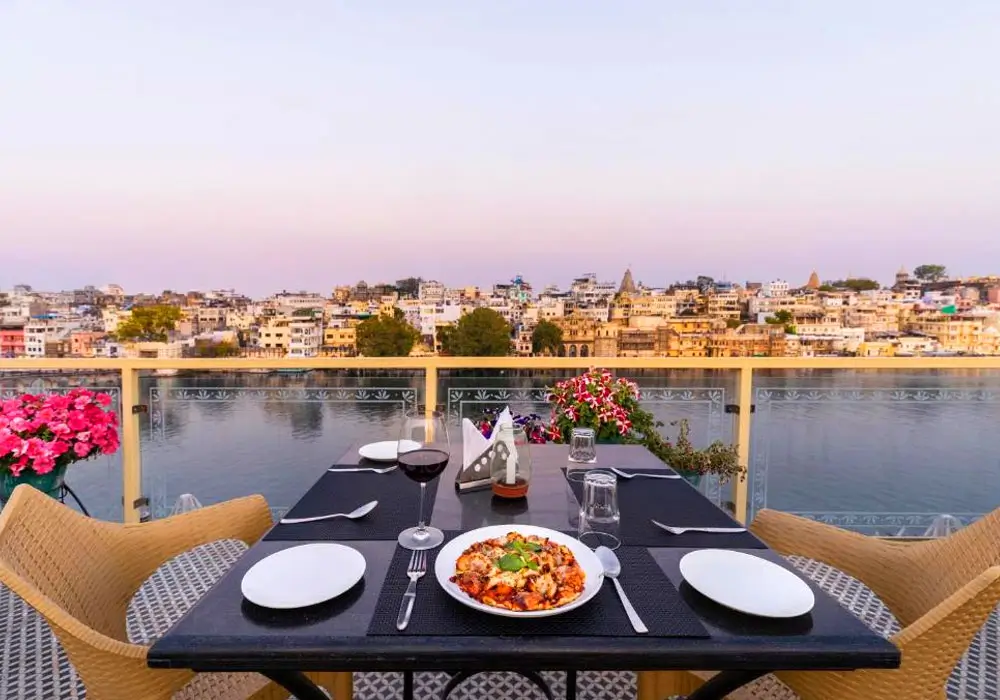
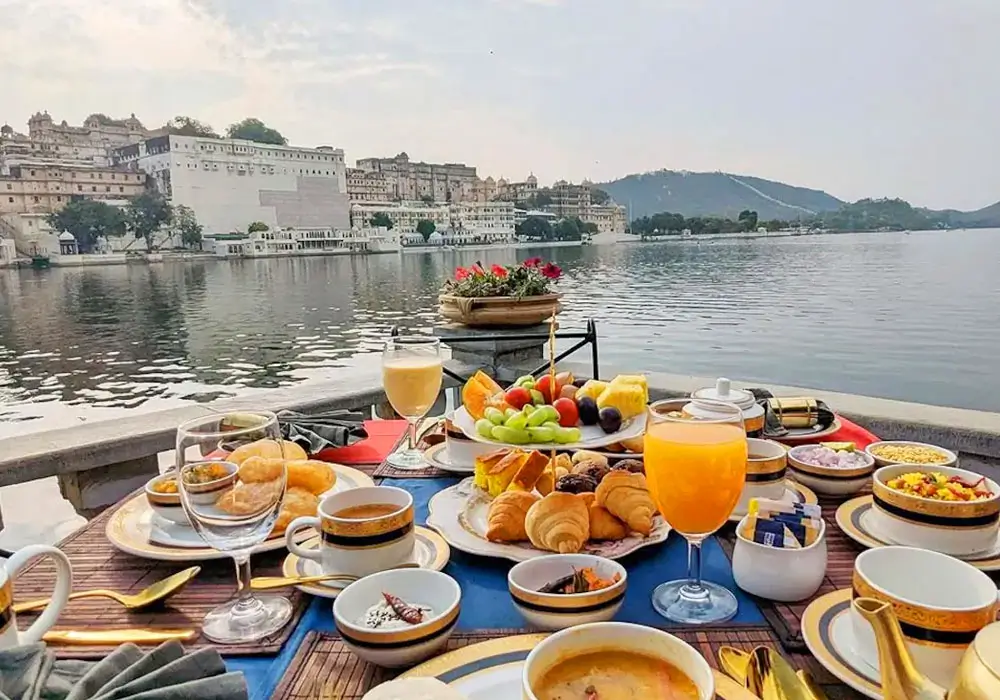
Udaipur’s old city is full of rooftop restaurants looking out across Lake Pichola, and many travellers like to finish a food walk with one. After an evening of small tastes, you sit down with a drink as the City Palace, the Lake Palace and Jag Mandir light up across the water.
There are two ways to do this. You can keep the walk shorter and make the rooftop your main meal, ordering Mewari dishes, perhaps laal maas, in comfort. Or you can do the full walk and treat the rooftop as a final stop for dessert, chai or a drink. Your guide will recommend a rooftop that suits your taste and budget, and we can reserve a table with a good view in the busy months.
Remember that not every rooftop serves alcohol, and those near temples often do not. Tell us if a drink with the view matters to you.
Morning or evening. The walk works at either time. A morning walk catches poha, kachori and chai at their best, and the lanes are cooler. An evening walk shows the markets at their liveliest and can end with the lights on the lake.
October to March. The best season. Days are warm and evenings cool. The lakes are usually full after the monsoon, and the city is at its prettiest. December and January evenings can be chilly, which makes kesar milk taste even better.
April to June. Hot, especially in the afternoon. We suggest an early morning walk or a late evening one, with more sit-down stops.
July to September. The monsoon. The hills turn green and the lakes fill, which many people find lovely. Showers are likely, and ghewar appears in the sweet shops around Teej.
Festivals. Diwali in October or November brings lights and festive sweets. Gangaur in spring and Teej in the monsoon are important local festivals with processions and special foods. Tell us your dates and we will mention what is happening.
Ask before photographing people. Cooks, shopkeepers and families are going about their day. Most people are happy to be photographed if asked, especially after you have bought something, but always ask.
Temple manners. At Jagdish Temple, remove your shoes, dress modestly and keep your voice low. Photography rules inside the shrine can vary, so follow your guide.
Eat with your right hand. If you eat with your fingers, use your right hand.
Dress. Shoulders and knees covered is respectful in the old city and essential for temple visits.
Cows, dogs and monkeys. You may meet all three. Give them space and do not feed them.
Steep, narrow lanes. Motorbikes come through the lanes quickly. Your guide will keep you to the side.
Two or three nights in Udaipur. With that much time, you can do the food walk, the palaces and a boat ride without rushing.
Pair it with a sunset boat. A Lake Pichola sunset boat ride in the late afternoon, followed by an evening food walk in the old city, makes a perfect Udaipur evening.
Add a folk dance evening. On another night, a Rajasthani folk dance show near the lakeside shows the music and dance traditions of Mewar and the wider state.
Morning walk on a sightseeing day. A morning food walk ends near the City Palace, which is the natural next stop.
Compare with Jaipur. If you are also visiting Jaipur, the Jaipur night food walk shows a richer, busier side of Rajasthani street food. Doing both is a good way to taste the regional differences.
Learn to cook it. If you would like to learn some of these dishes at home, a cooking class in Jaipur is a good addition to the Jaipur leg of your tour.
Bring and wear - Comfortable closed shoes with grip for steep lanes - Clothing that covers shoulders and knees for the temple - A light jacket for winter evenings - Hand sanitiser and tissues - Any medication you normally carry for your stomach - Sunglasses and a hat for a morning walk - A small cross-body bag
Leave behind - A big meal before the walk - Flimsy sandals or heels - Valuables and large amounts of cash - Any plan to feed the cows or monkeys
Tell us your Udaipur dates, your diet and whether you prefer a morning or evening walk, and we will plan a food walk that ends where you want it to, whether at your hotel or on a rooftop by the lake.
Call & WhatsApp +91-9828085426 or email info@topindianholidays.net.
See more ideas on our Top Experiences in India page.
Tell us your travel dates and we will check availability and fit this experience into the right day of your itinerary. Reply within 12 hours.
Check Availability› Chat on WhatsApp› Send an Enquiry›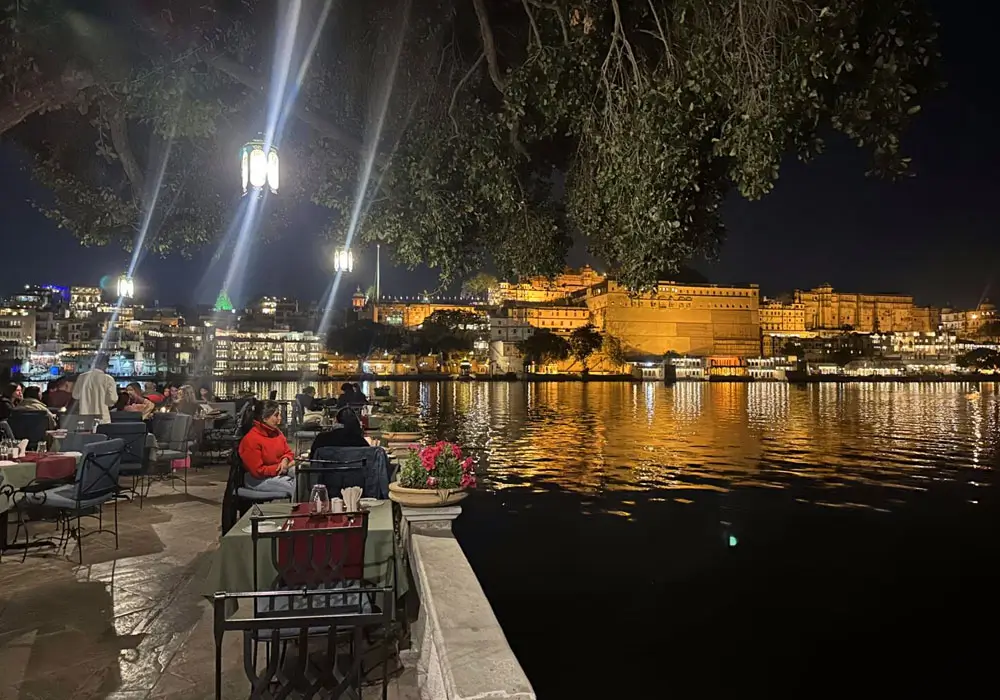
 🌙 08 Nights / 09 Days
⭐ Most Popular
Delhi - Agra - Jaipur... Delhi - Agra - Jaipur - Udaipur Show More
 🌙 06 Nights / 07 Days
 🌙 08 Nights / 09 Days
Luxury
Delhi → Agra → Jaipur... Delhi → Agra → Jaipur → Udaipur Show More
 🌙 07 Night / 08 Days
⭐ Most Popular
Delhi - Agra - Jaipur... Delhi - Agra - Jaipur - Udaipur Show More
The price depends on your group size, the time of day and whether you add a rooftop dinner. We quote a price covering your guide, the food on the route and transport. Send us your dates for the current price.
Yes, and it is one of the best ways to spend an Udaipur evening. Take the sunset boat ride in the late afternoon, then start the food walk in the old city as the lights come on.
October to March is the most comfortable, with mild days and cool evenings. Summer is hot, so we walk early or late. The monsoon is green and pretty, with ghewar in the sweet shops.
It is milk simmered slowly with saffron, cardamom, sugar and nuts, then frothed by pouring from a height. It is a much-loved Udaipur treat, especially on cool evenings.
A fair amount, at an easy pace. The old city is hilly, with steep lanes and steps, so comfortable shoes with good grip matter. Tell us about any mobility concerns and we will adapt the route.
Yes, families often enjoy it. Children like the sweets and the busy markets. We keep portions small and avoid very spicy dishes for younger guests.
Yes. Many guests finish at a rooftop restaurant overlooking Lake Pichola. We can recommend one that suits your taste and reserve a table in the busy months.
The length varies with your appetite and pace. Plan for a relaxed outing that replaces a meal. If you add a rooftop dinner, allow a little longer.
Mornings are cooler and best for poha, kachori and chai. Evenings show the markets at their busiest and can end with the palaces lit up across the lake. Both work well; it depends on your plans for the day.
Yes. Laal maas is a fiery Mewari mutton curry, usually served in restaurants rather than at street stalls. Your guide will suggest a good place, perhaps for a lakeside dinner after the walk.
Yes. Most of the food on the route is vegetarian, and many old-city families are vegetarian too. Vegans should tell us in advance, as ghee and milk are common.
With careful choices, yes, for most travellers. We pick busy stalls, favour hot freshly cooked food and take care with water and raw garnishes. A sensitive stomach can still react to rich food, so we keep portions small.
It usually starts near Jagdish Temple and winds through the old city lanes to Ghanta Ghar, Bapu Bazaar and Hathi Pol. The exact route depends on the time of day and what is fresh. It can end at your hotel or a lakeside rooftop.
Udaipur is known for Mewari cooking: dal baati churma, gatte ki sabzi, kadhi and, for meat eaters, laal maas. On the street, kachori, poha, mirchi vada, malpua and saffron milk are local favourites. A food walk lets you taste several in one outing.
Whether you're planning your first India trip or returning to explore deeper, get honest, expert advice from someone who knows every corner of this country. No pressure, no cost.