Cooking Classes in Jaipur - Private Market Tour & Authentic Rajasthani Cuisine with a Local Family
For most travelers, Jaipur is about palaces, forts, and colorful bazaars. But to truly understand a culture, you need to go beyond monuments and dive into its kitchens and dining tables. One of the most memorable ways to connect with the soul of Rajasthan is by joining a private cooking class in Jaipur with a local family.
Unlike restaurants where food is presented already perfected, a home-style cooking class allows you to see how age-old recipes are prepared from scratch - right from buying fresh vegetables in bustling markets to grinding spices in traditional ways. You don’t just watch - you chop, stir, taste, and cook alongside the family, sharing stories and laughter in their kitchen.
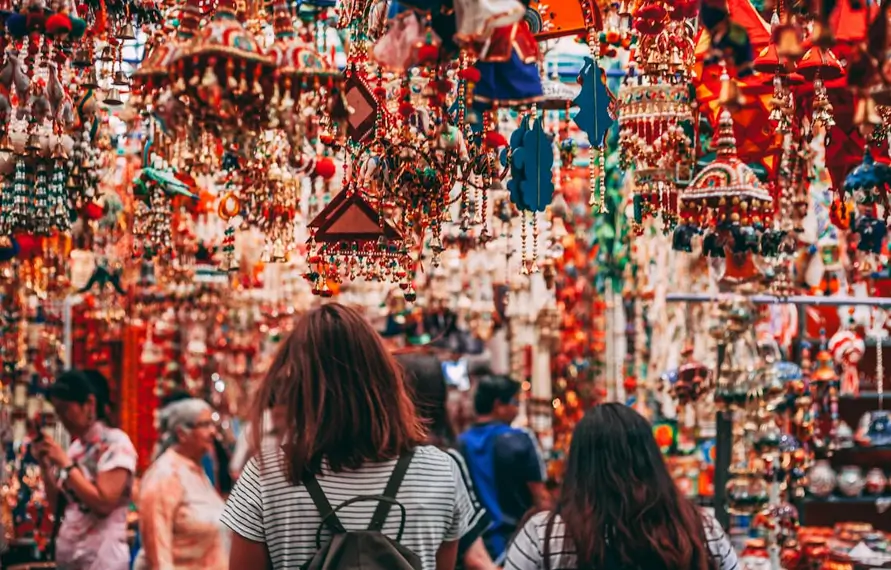
What makes these classes truly special is the intimate, homely atmosphere. The experience often begins with a guided market walk, where you stroll through Jaipur’s lively bazaars filled with baskets of chilies, fragrant coriander, and vibrant seasonal produce. Your host explains how to choose the best vegetables, what spices form the heart of Rajasthani cuisine, and even lets you sample local snacks as you shop.
Back at the family’s home, usually a cozy heritage-style house with a rooftop kitchen, you are welcomed like a guest, not a customer. You’ll learn to prepare dishes like:
- Dal Baati Churma – Rajasthan’s iconic comfort food.
- Gatte ki Sabzi – gram flour dumplings in tangy yogurt gravy.
- Ker Sangri – a desert-special dried bean and berry dish.
- Laal Maas (optional) – fiery red mutton curry, a royal delicacy.
- Traditional sweets like Ghewar or Churma Ladoo.
The joy of these classes is that they are hands-on. You don’t just observe; you roll the dough, stir the curries, and learn the secrets of balancing spices. Every recipe comes with a story - how the dish is eaten during festivals, what role it plays in Rajasthani households, and how flavors vary across regions.
Once the cooking is done, you sit with the family to share the meal. On many occasions, this turns into the highlight of the trip - eating delicious food while chatting about Indian culture, family traditions, and everyday life in Jaipur. For foreign travelers, it is not just a culinary workshop, but a warm, personal exchange that creates lifelong memories.
For curated cooking class experiences in Jaipur, connect with Top Indian Holidays – WhatsApp/Call +91-9828085426 (Nand Singh Rathore) or email info@topindianholidays.net.
Private Market Tour – Exploring Jaipur’s Local Bazaars Before Cooking
A cooking class in Jaipur is not just about learning recipes - it’s about understanding the journey of ingredients. Before stepping into the kitchen, most authentic classes include a guided market walk where your host family takes you through Jaipur’s vibrant bazaars to shop for fresh produce, spices, and grains.
The Spice Symphony
The first stop is often a traditional spice market. The moment you step inside, your senses are overwhelmed - bright red chilies stacked in gunny bags, golden turmeric powders glowing under shop lights, and the fragrance of cardamom, cinnamon, and cloves floating in the air.
- Why Rajasthani food uses so many dried spices (because of the desert climate).
- How families make their own masala blends at home.
- The difference between everyday spices like cumin and coriander versus festive ones like saffron and asafoetida.
It’s a chance to touch, smell, and even taste raw ingredients - something supermarkets back home rarely allow.
Fresh Produce in Local Sabzi Mandis
Next, the Tuk Tuk weaves through narrow alleys into a sabzi mandi (vegetable market). Here, piles of green beans, brinjals, cauliflowers, and gourds spill out of baskets. Seasonal favorites like pumpkin, ridge gourd, and okra are chosen fresh for the meal.
- How to pick the freshest vegetables.
- Which greens are best for raita or saag.
- Why some dishes taste better only with seasonal produce.
You’ll notice the buzzing energy - vendors shouting prices, women bargaining fiercely, children helping parents carry baskets. This isn’t just shopping; it’s a cultural theater.
Shopping Essentials for Rajasthani Cuisine
- Besan (gram flour): used in gatte ki sabzi.
- Lentils: the soul of dal baati churma.
- Dried beans and ker sangri: desert delicacies unique to Rajasthan.
- Pickle jars & papads: everyday condiments in local households.
Sometimes, you also stop at a local dairy shop to pick up fresh curd or paneer, as many Rajasthani gravies are yogurt-based.
Street Snacks Along the Way
No Jaipur market tour is complete without tasting a snack or two. While moving between stalls, your host might treat you to:
- Pyaaz Kachori – crispy pastry stuffed with spiced onions.
- Masala Chai in Kulhads – earthy clay cups add flavor.
- Ghewar (seasonal sweet): honeycomb-like dessert, a Jaipur specialty.
This casual snacking gives you a delicious glimpse of Jaipur’s famous street food culture.
A Photographer’s Delight
The market is also heaven for photography lovers:
- Women in bright saris carrying vegetable baskets.
- Pyramids of red chilies glowing in sunlight.
- Shopkeepers weighing grains on traditional scales.
- Monkeys perched on old walls watching the chaos below.
Every corner is a story waiting to be captured.
Why the Market Tour Matters
For foreign travelers, this pre-cooking market walk is often as memorable as the cooking itself. It’s not only about buying ingredients, but also about:
- Experiencing the daily rhythm of Jaipur life.
- Learning why each spice or vegetable is used in specific dishes.
- Breaking the ice with your host family before the class begins.
By the time you return to the home kitchen, you’re already connected with the food you’ll cook - not just as ingredients, but as living pieces of culture and tradition.
Join a cooking class with market tour in Jaipur with Top Indian Holidays. For bookings, contact Nand Singh Rathore on WhatsApp/Call +91-9828085426 or email info@topindianholidays.net.
Hands-On Cooking Class – Learn to Prepare Authentic Rajasthani Dishes
After the colorful chaos of Jaipur’s bazaars, you arrive at the host family’s home - usually a heritage-style house with a cozy rooftop kitchen or a courtyard kitchen. You’re welcomed not like a tourist, but like a guest of honor. A warm smile, a traditional “namaste,” and sometimes even a tilak on the forehead set the tone.
This is where the magic begins. Unlike restaurants where food arrives plated, here you learn to create authentic dishes from scratch. The family believes in “hands-on learning,” so expect to chop, stir, roll, and taste as you go.
Introduction to Indian Spices
Before cooking, the host introduces you to the masala box (spice box) - a round steel container with small bowls of essential spices.
- Why cumin seeds are tempered in hot oil first.
- How turmeric adds both color and medicinal value.
- The role of asafoetida (hing) in aiding digestion.
- How garam masala is used sparingly at the end for aroma.
Each spice comes with a story - whether it’s how grandmothers still grind masalas at home or how recipes change from one household to another.
Preparing the Star Dishes
1. Dal Baati Churma – The Pride of Rajasthan
- Baati (bread balls): You roll small dough balls, brush them with ghee, and watch them bake golden in a clay oven or gas tandoor.
- Dal (lentils): A hearty mix of five lentils simmered with spices. You’ll stir the pot, adding tadka (tempered spices) sizzling in ghee.
- Churma (sweet crumble): Crushed wheat flour balls mixed with ghee, sugar, and dry fruits.
The combination of smoky baati, creamy dal, and sweet churma is the ultimate comfort food.
2. Gatte ki Sabzi – Gram Flour Dumplings in Yogurt Gravy
- Knead besan (gram flour) into a stiff dough.
- Roll it into logs, boil them, and cut into dumplings.
- Add them to a tangy yogurt-based curry flavored with cumin, mustard seeds, and asafoetida.
You’ll be amazed at how a simple ingredient like besan can transform into such a rich dish.
3. Ker Sangri – Desert Beans & Berries
A signature Rajasthani dish made with dried beans and berries found only in arid regions. Cooked with onions, spices, and oil, it becomes a tangy, spicy side dish that pairs beautifully with roti.
4. Laal Maas (Optional, Non-Veg) – Fiery Mutton Curry
If you choose the non-vegetarian option, the host might teach you this royal dish:
- Mutton is slow-cooked with yogurt, garlic, and a fiery red chili paste.
- The flavor is smoky, bold, and unforgettable.
5. Rajasthani Sweets
Depending on the season, you might prepare:
- Ghewar: Honeycomb-style sweet made during festivals.
- Churma Ladoo: Wheat flour balls with jaggery and ghee.
Cooking Together – A Cultural Exchange
The best part of the class isn’t just cooking - it’s the conversations happening in between. While stirring a pot, you might discuss:
- Why Rajasthani food uses less water and more ghee (desert survival).
- How meals differ in festivals vs daily life.
- Family recipes passed down through generations.
Laughter, spice aromas, and the sound of sizzling tadka fill the air - it feels less like a class and more like joining a family gathering.
Rooftop or Courtyard Dining
Once the dishes are ready, you sit down - often on a rooftop under the Jaipur sky or in a cozy courtyard. Plates are filled with dal, baati, churma, gatte ki sabzi, ker sangri, and papad. A drizzle of ghee over steaming food completes the feast.
As you eat with the family, the experience transforms from a class into a bonding meal. For many travelers, this shared dinner becomes the highlight of their India trip.
To book your private cooking class in Jaipur with market tour, contact Top Indian Holidays – WhatsApp/Call +91-9828085426 (Nand Singh Rathore) or email info@topindianholidays.net for instant booking.
Why Foreign Travelers Love Cooking Classes in Jaipur
For foreign travelers, a cooking class in Jaipur goes far beyond recipes - it’s about immersing in local culture. While forts and palaces showcase Jaipur’s grandeur, these classes reveal the soul of everyday life.
Visitors love the personal connection with host families. Sharing stories while chopping vegetables or rolling baatis feels like being part of an Indian household, not just a tourist. The chance to shop in lively markets, handle fragrant spices, and then cook with guidance makes the experience interactive and memorable.
Another reason is the authenticity - dishes aren’t hotel-style versions, but true Rajasthani meals cooked the same way families eat daily. Guests learn techniques like tempering spices, slow cooking, and balancing flavors.
Finally, the shared meal at the end - whether on a rooftop with city views or in a courtyard - creates a warm memory of food, laughter, and cultural exchange. For many, this is the highlight of their Jaipur journey because it blends taste, tradition, and togetherness in one unforgettable experience.



 info@topindianholidays.net
 +91-8955000999