📅 Last Updated On: 20 May 2026
⏱ 10 Min Read
India Tour in May, June, July, August - Where to Go When It's Hot
T
Top Indian Holidays
Ministry of Tourism Approved Private Tour Operator, Jaipur
India Tour in May, June, July, August - Where to Go When It's Hot (Honest Guide for Foreign Visitors)
Here is the truth that most India travel blogs will not tell you.
When Western tourists search for information about visiting India in summer - May, June, July, or August - almost every article they find says the same thing: "Don't go. It's too hot. Come back in October."
That advice is lazy. And for a large number of international travellers, it is also completely useless.
If you are a teacher in the UK, a family in the US, a professional in Germany, or a retiree in Australia - the realistic window when you can take a long holiday is summer. July and August are when school is out, annual leave is available, and international flights are booked months in advance. October to March - India's so-called "best season" - is often simply not possible.
So the real question is not "should I visit India in summer?" The real question is: "Where in India can I go in summer, and how do I do it well?"
The answer is more interesting than you might expect. India is a vast, geographically diverse country. While the plains of Rajasthan and Delhi bake at 45°C in May and June, the Himalayas are cool, clear, and spectacular. While Goa beaches are washed out by monsoon rains in July, Kerala's backwaters are lush, emerald, and deeply peaceful. While the Golden Triangle is hot and humid in August, Ladakh - India's high-altitude Himalayan region - is enjoying its best weather of the entire year.
This guide is written specifically for foreign visitors - honest about the challenges, clear about the opportunities, and practical about what it takes to have an excellent India experience in the summer months.
Why Most Foreign Tourists Can Only Travel India in Summer
Before we dive into destinations, let us acknowledge something that India's tourism industry often ignores.
The peak tourist season for India - October to March - coincides almost exactly with the busiest work and school period for families in the US, UK, Europe, and Australia. The months when India's climate is most comfortable are the months when Western professionals and families are least free to travel.
Summer - May through August - is peak holiday season across the Western world. School summer holidays in the UK run from mid-July to early September. In the US, summer break runs from June to August. European school calendars are similar. For retired travellers, summer offers the most flexibility for long-haul travel.
India's travel industry has historically been slow to address this reality. The result is a large gap between what international travellers need and what most travel content provides.
This blog fills that gap. Here is where to go, month by month, and how to do it well.
The Golden Rule of Summer Travel in India
Before anything else, understand this one principle: in India, summer travel is about choosing the right region, not avoiding India altogether.
India has four distinct summer travel zones:
Zone 1 - Avoid in May/June, possible with care in July/August: The northern plains - Delhi, Agra, Jaipur, Rajasthan, Varanasi. Temperatures reach 45°C+ in May and June. By July and August, monsoon arrives and brings some relief, but also humidity and rain.
Zone 2 - Excellent in May/June, manageable in July/August: The Himalayan belt - Ladakh, Himachal Pradesh (Shimla, Manali, Spiti), Uttarakhand hill stations, Sikkim, and Darjeeling. These regions are at their best precisely when the plains are hottest.
Zone 3 - Excellent June to August: Kerala and the Western Ghats. The monsoon transforms South India into an impossibly beautiful, lush landscape. Monsoon is actually the ideal season for Kerala Ayurveda treatments.
Zone 4 - Possible with adjustments: The Golden Triangle and Rajasthan with an early morning sightseeing strategy, covered in detail below.
Plan Your Perfect Summer India Tour
Discover the best cool destinations in India during May, June, July, and August. From the Himalayas to Kerala backwaters and luxury Rajasthan escapes - we create personalized tours for foreign travelers.
Month-by-Month Breakdown - India in Summer
May - Where to Go
Temperature across India in May: Delhi 40–46°C | Jaipur 40–45°C | Leh (Ladakh) 15–25°C | Shimla 20–28°C | Munnar (Kerala) 18–24°C
May is India's hottest month across the plains. The India Meteorological Department confirmed in its 2026 seasonal forecast that above-normal heatwave days are expected across North and Central India from April through June. Six cities crossed 46°C in April 2026 alone, with the Ministry of Health activating heatstroke units across all affected states.
Best destinations in May:
Ladakh (Leh) opens its roads properly in May, with the Manali-Leh Highway typically accessible from mid-May. This is actually one of the best times to visit - before the July-August crowds arrive. Temperatures in Leh in May are 15–20°C. Perfect for sightseeing, monastery visits, and acclimatisation walks.
Shimla and Manali in Himachal Pradesh enjoy comfortable temperatures of 18–28°C. The valleys are green, the roads are clear, and the lodges are not yet at peak capacity. Shimla's Mall Road, colonial architecture, and surrounding forests make it one of India's most pleasant May destinations.
Darjeeling and Sikkim in the northeastern Himalayas offer temperatures of 15–22°C in May, with spectacular views of Kangchenjunga on clear mornings. The famous Darjeeling tea estates are at their most productive in May - the "second flush" season - and tea estate tours are a genuinely excellent experience.
Kerala hill stations - Munnar, Wayanad, and Thekkady - stay cool at 18–24°C even in May, well above the sweltering plains. They also provide easy access to the backwaters, which remain navigable and beautiful before the heavy monsoon begins.
Avoid in May: Delhi, Agra, Jaipur, Jodhpur, Jaisalmer, Varanasi. Temperatures are extreme and outdoor sightseeing between 10am and 5pm is genuinely unsafe without proper preparation.
June - Where to Go
What happens in June: June is the monsoon onset month across India. The southwest monsoon reaches Kerala around 27 May (2026 IMD forecast), Maharashtra and Goa by mid-June, and Delhi and Rajasthan by late June. This transforms the country dramatically - the south becomes lush and green, the Himalayan passes are at their clearest, and temperatures in the plains begin to moderate (though humidity rises).
Best destinations in June:
Ladakh is spectacular in June. The Manali-Leh Highway is open, the Pangong Lake road is clear, and temperatures in Leh are a comfortable 15–25°C. June is arguably the best month to visit Ladakh for foreign tourists - roads are freshly opened, wildflowers are beginning to bloom in the valleys, and the summer crowds of July-August have not yet peaked. Pangong Tso, Nubra Valley, and Khardung La are all accessible. Crucially, Ladakh sits in a rain-shadow zone and receives almost no monsoon rain - sunshine is virtually guaranteed.
Spiti Valley in Himachal Pradesh is another exceptional June destination. Kunzum Pass opens around late May 2026, making the full Spiti circuit accessible. Temperatures range from 15–25°C. The landscape - moonlike, dramatic, ancient - is entirely unlike anywhere else in India or the world.
Rishikesh in Uttarakhand is excellent in June. Temperatures are warm but manageable (28–34°C), river rafting on the Ganges is at its best before the monsoon raises water levels dangerously, and yoga retreats are in full swing. Rishikesh attracts a strongly international crowd and has excellent infrastructure for foreign tourists.
Valley of Flowers (Uttarakhand) opens on 1 June 2026 for its trekking season. This UNESCO World Heritage Site - a high-altitude Himalayan meadow carpeted with hundreds of species of wildflowers - is only open June to October. Late June to July is when the first blooms appear. The trek from Govindghat is manageable for moderately fit travellers and delivers one of India's most extraordinary natural experiences.
Kerala enters early monsoon in June. The backwaters are lush and serene, Ayurveda season begins at wellness resorts, and prices are 25-30% lower than peak season. For travellers who want spa, nature, and cultural experiences without crowds or high costs, June in Kerala is genuinely excellent.
Avoid in June: Goa (heavy rains, rough seas), Jaisalmer (extreme heat before monsoon), Mumbai (heavy flooding). The Golden Triangle cities are extremely hot in early June (38-44°C) but begin to moderate by late June.
July - Where to Go
What happens in July: By July, monsoon covers all of India. This is the month that most travel guides dismiss entirely - but they are wrong to do so. July is one of the most beautiful months in India if you are in the right place.
Best destinations in July:
Ladakh - July is peak season in Ladakh and with very good reason. Temperatures are a perfect 20–28°C in Leh. The Hemis Festival (Ladakh's largest Buddhist festival) takes place in July, drawing international visitors for its monastery dances, colourful masks, and cultural celebrations. All roads and passes are open. The surrounding mountains are snowcapped against blue skies. This is the month when Ladakh truly earns its reputation as one of India's greatest destinations.
Valley of Flowers - July is the peak bloom month. The meadow is carpeted with blue poppies, Brahmakamal, primulas, cobra lilies, and hundreds of other species in a display that has no equal in South Asia. The trek base at Ghangaria is accessible and accommodation is available. Plan for wet trails and possible cloud cover in the afternoons - start early.
Kerala Ayurveda retreats - July and August (the Malayalam month of Karkidakam, July-August) is considered the golden period for Ayurvedic treatments by traditional practitioners. Monsoon humidity opens skin pores four times wider, allowing oils and herbs to penetrate more deeply. Every serious Ayurveda resort in Kerala sees its peak effectiveness - and its lowest prices - during this period. For foreign visitors seeking a genuine wellness experience, a 7-14 day Ayurveda retreat in Kerala in July is one of the best India experiences available at any time of year.
Munnar (Kerala) is at its most spectacular in July. The tea estates are brilliant green, waterfalls cascade from every hillside, mist rolls through the valleys at dawn, and the Eravikulam National Park hosts its wildlife in lush surroundings. Temperatures are a comfortable 20-24°C.
Coorg and Wayanad (Karnataka/Kerala) - both coffee and spice plantation destinations - are magnificent in the monsoon. The plantations turn an almost supernatural shade of green, waterfalls appear on hillsides that were dry in April, and the wildlife (elephants, gaur, deer) congregates around forest waterholes.
Spiti Valley via Shimla (entering from the south, avoiding the landslide-prone Manali approach) - July is peak season with temperatures of 15-25°C. Key Monastery, Kibber Village, and Chandratal Lake are all accessible and breathtaking.
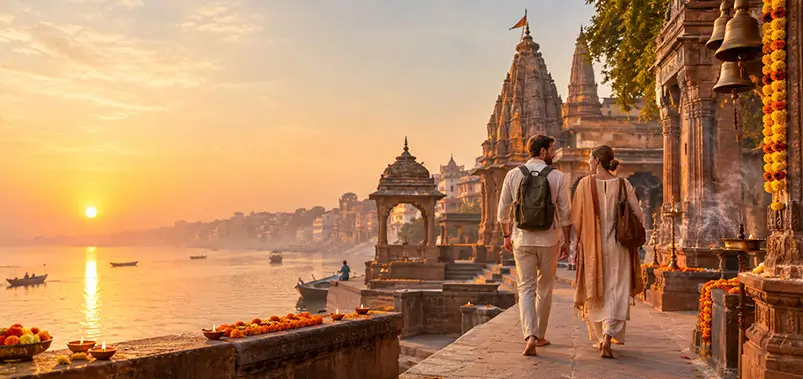
Varanasi - July is actually a fine time to visit Varanasi if you plan around the heat. Temperatures are 28-33°C (significantly lower than May's 42°C), the ghats are less crowded, and the evening Ganga Aarti ceremony is as profound and moving as at any time of year. The monsoon adds a particular drama to the river - it runs fuller and faster, and the atmosphere on the ghats at dusk is extraordinary.
What about Rajasthan in July? Jaipur, Udaipur, and Jodhpur receive monsoon rains in July, which actually provides relief from the extreme heat. Temperatures drop to 28-35°C. Udaipur in particular is beautiful in the monsoon - the lakes fill, the Aravalli hills turn green, and the palace reflections on Lake Pichola are spectacular. The important Rajasthan section below addresses this in detail.
August - Where to Go
What happens in August: August is the peak monsoon month across most of India. It is also, for the majority of Western families, the prime holiday month - school is out, flights are booked, and India is genuinely possible with the right choices.
Best destinations in August:
Ladakh continues to be excellent in August. Temperatures in Leh are 20-28°C. This is when the largest number of international backpackers, cyclists, and adventurers arrive on the Manali-Leh Highway. The landscape is at its most dramatic - snow-capped peaks, turquoise lakes, and red-walled monasteries under brilliant blue skies. The Zanskar River rafting season is in full swing. Nubra Valley's Bactrian camel rides and Turtuk village - India's northernmost accessible village - are both unmissable.
Onam Festival in Kerala - August is when Kerala celebrates its most important harvest festival. Onam (in August-September) features the famous snake boat races at Alappuzha (Alleppey), elaborate flower carpet decorations, traditional feasts, and cultural performances. For foreign visitors, Onam is one of the most genuinely local and immersive cultural experiences available in India. The backwaters are in full monsoon beauty.
Himachal Pradesh hill stations - Shimla, Dalhousie, Kasauli, and McLeod Ganj (Dharamsala - home of the Dalai Lama and the Tibetan government-in-exile) all offer excellent August conditions. Temperatures of 18-26°C, forested hillsides, cultural institutions, and significant Tibetan Buddhist heritage make these exceptional summer destinations.
Valley of Flowers remains open and at peak bloom through August. The park closes in late October.
Rishikesh yoga and wellness - August is when international yoga retreat centres in Rishikesh are at their busiest. Month-long yoga teacher training programmes attract large numbers of European and American participants. Even a one-week yoga or meditation retreat in Rishikesh in August is transformative and logistically straightforward.
Udaipur and Rajasthan - See the dedicated section below. August is actually one of the better months to visit Udaipur in particular.
The Rajasthan Question - Can You Visit in Summer?
This is the question we get most often from foreign visitors, and it deserves a dedicated, honest answer.
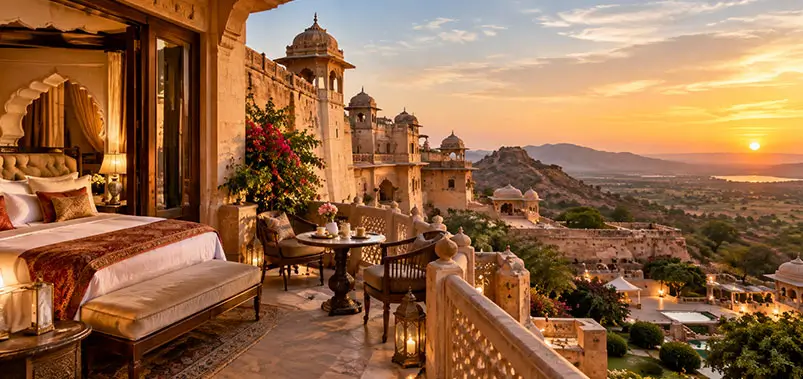
Can you visit Rajasthan in May or June? With caveats, yes. Early morning visits (7am-10am) to major monuments are genuinely possible and the light is actually superb at this time. Jaipur's Amber Fort, Hawa Mahal, and City Palace can all be visited comfortably before the heat peaks. A private air-conditioned car with an experienced driver who knows the timing makes all the difference. The afternoons are for your hotel - and Rajasthan has some of India's finest heritage hotels with extraordinary pools, gardens, and spa facilities.
What is not realistic in May-June Rajasthan: long outdoor walks, street markets in the afternoon, Jaisalmer or the desert (genuinely dangerous at 48°C), and unguided independent exploration without acclimatisation.
Can you visit Rajasthan in July or August? Yes, and this is more viable than most guides acknowledge. By July, the monsoon has reached Rajasthan, bringing temperatures down to 28-35°C - hot, but perfectly manageable for a northern European or American traveller who has dealt with a hot summer. Udaipur is particularly beautiful in the monsoon - the lakes fill to their banks, the Aravalli hills are green, and the palaces reflected in Lake Pichola are some of the most romantic scenes in all of India. Jaipur, Jodhpur, and even Jaisalmer (which receives light rain) all moderate significantly in July-August.
The honest summary: Rajasthan in summer is doable for determined travellers who adapt their schedule - early mornings, midday rest, evening exploration. For those who prefer comfort, waiting until October is always better. But if July-August is your only window, Udaipur and Jaipur with a private tour are entirely achievable.
The Golden Triangle in Summer - An Honest Assessment
Delhi, Agra, and Jaipur are Top Indian Holidays' core speciality, and we want to be genuinely honest with you about summer conditions.
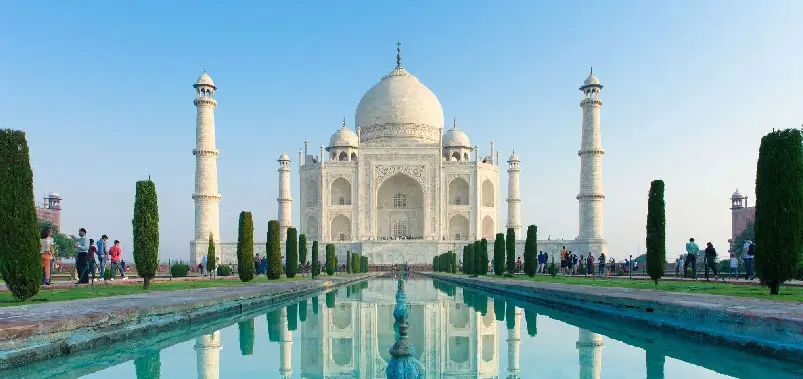
May and early June: This is the most challenging period. Delhi reaches 45°C+, Agra is similarly extreme, and Jaipur hits 44°C regularly. The Taj Mahal is best visited at 6am when it opens - the marble is cool, the light is extraordinary, and crowds are thin. By 10am it becomes difficult. With a private car, an expert guide, and early-morning timing, the Golden Triangle is possible - but it requires discipline and preparation. We would only recommend this for travellers who have a specific timing constraint and understand what they are choosing.
Late June: Monsoon begins to arrive in Delhi around late June. Temperatures drop to 35-38°C and humidity rises. Conditions are demanding but more manageable than May.
July and August: The Golden Triangle in monsoon is significantly more comfortable than in pre-monsoon summer. Delhi settles at 32-36°C with regular rain. Agra's Taj Mahal in the rain is genuinely romantic and the monument is less crowded than in peak season. Jaipur's palaces and forts in the monsoon are atmospheric and dramatic. Heat is no longer an extreme concern - though humidity requires appropriate clothing and pacing.
Our recommendation for summer Golden Triangle travel: July and August with a private driver, early-morning monument visits, afternoon rest, and a mix with a northern hill station (Shimla or Rishikesh) or a flight to Ladakh makes for an excellent 12-15 day itinerary that most visitors would consider completely successful.
India's Top 8 Summer Destinations for Foreign Visitors - Quick Reference
1. Ladakh (June–September)
Temperature: 15–28°C in Leh | Why it works: Rain-shadow zone, no monsoon, clear skies, spectacular high-altitude scenery, Buddhist culture, wildlife safaris (snow leopard territory in Hemis National Park). Best month: July (Hemis Festival, all passes open, peak wildlife activity).
Key experiences: Pangong Tso Lake, Nubra Valley, Khardung La, Thiksey Monastery, Hemis Monastery, Zanskar River rafting, camel safari on Bactrian camels, Turtuk village, Chandratal Lake.
For foreign tourists: A valid Indian eVisa is sufficient for Leh and most of Ladakh. Inner Line Permits for Nubra Valley and Pangong Lake are arranged by your tour operator and cost approximately ₹100-200 per site. The altitude (Leh at 3,500m) requires 2 full days of acclimatisation before physical activity.
2. Kerala Monsoon (June–September)
Temperature: 22–30°C | Why it works: Monsoon transforms Kerala into its most beautiful state, Ayurveda treatments are most effective, prices are 25-40% lower, backwaters are serene, Onam festival in August.
Key experiences: Ayurveda retreat (7-14 days recommended), Alleppey houseboat, Munnar tea estates and wildflower meadows, Thekkady wildlife sanctuary, Athirapally waterfall, Onam snake boat races (August), Kochi cultural quarter.
Best for: Wellness travellers, nature lovers, couples, photographers, anyone interested in genuine Indian cultural festivals.
3. Rishikesh & Uttarakhand (June–August)
Temperature: 25–33°C in Rishikesh | 12–22°C in hill stations | Why it works: Spiritual capital of the world, yoga retreats, river rafting (June), Valley of Flowers trek (June-August), multiple Himalayan hill stations within easy reach.
Key experiences: Yoga retreat (1 week to 1 month), Ganga Aarti ceremony, river rafting on the Ganges, Valley of Flowers trek (2 days from Govindghat), Nainital lake, Mussoorie colonial hill station, Auli meadows.
4. Himachal Pradesh - Shimla, Manali, Spiti (May–September)
Temperature: 15–28°C | Why it works: India's most developed mountain tourism infrastructure, excellent road connections, wide range of accommodation from budget to luxury, dramatic high-altitude landscapes.
Key experiences: Shimla's Mall Road and colonial architecture, Manali adventure activities (paragliding, rafting), Rohtang Pass, Spiti Valley (Key Monastery, Kibber, Chandratal Lake - one of India's most spectacular high-altitude lakes), Old Manali café culture.
Note for foreign tourists: Spiti Valley requires an Inner Line Permit for foreign nationals. This is straightforward to obtain at the DC office in Shimla or Kaza, or arranged in advance through your tour operator.
5. Darjeeling & Sikkim (May–July)
Temperature: 14–22°C | Why it works: British colonial hill station, UNESCO-listed toy train, world-famous tea estates, Buddhist monasteries, views of Kangchenjunga (third highest mountain in the world), excellent trekking and nature experiences.
Key experiences: Darjeeling tea estate tour and tasting, Toy Train (UNESCO World Heritage), Tiger Hill sunrise (Everest visible on clear days), Rumtek Monastery, Gangtok's Tibetan market, Tsomgo Lake (Sikkim), Yumthang Valley rhododendron meadows.
6. Udaipur in Monsoon (July–August)
Temperature: 28–35°C | Why it works: Lakes fill, hills turn green, romantic palace atmosphere is at its most dramatic. Udaipur in the monsoon is one of India's most beautiful city experiences.
Key experiences: Lake Pichola boat ride, City Palace Museum, Jagdish Temple, Monsoon Palace (sunset views), Sajjangarh, Shilpgram crafts village, heritage hotel experiences at Taj Lake Palace (located on an island in the lake - accessible only by boat).
7. Coorg & Wayanad (June–August)
Temperature: 18–26°C | Why it works: India's coffee and spice capitals. The monsoon transforms these plantation highlands into extraordinary green landscapes. Exceptional for nature, wildlife, and slow travel.
Key experiences: Coffee and spice plantation tours, Nagarhole and Bandipur wildlife safaris (elephant and tiger habitat), Dubare Elephant Camp, Abbey Falls, Soochipara Falls, river tubing, treehouse accommodation.
8. Meghalaya (July–August)
Temperature: 18–24°C | Why it works: Meghalaya is one of India's least-visited extraordinary regions. It receives the world's highest rainfall (Cherrapunjee is the world's wettest place), which means July-August waterfalls are at their most spectacular. The living root bridges - trees whose roots have been shaped into natural bridges over centuries - are unique in the world.
Key experiences: Living root bridges of Nongriat, Nohkalikai Falls (India's tallest plunge waterfall), Mawsmai Caves, Shillong colonial town, Dawki crystal-clear river (reduced visibility in peak monsoon but still beautiful), Mawlynnong - "Asia's cleanest village."
Practical Advice: How to Do Summer India Well
Timing Your Day Around the Heat
In any destination below 3,000 metres altitude, the single most important adjustment for summer travel in India is restructuring your day around the temperature curve.
The golden window is 6am to 10am. Monuments are cooler, light is extraordinary for photography, and crowds are thin. The Taj Mahal at 6.30am in July mist is genuinely one of the world's great experiences. Amber Fort at dawn, before the tour buses arrive, is another.
10am to 4pm is rest time. Your hotel, your pool, a long lunch, a nap. India's afternoon heat is not a failure of planning - it is part of the rhythm of the country. Every local knows this.
4pm to 8pm is the second active window. Markets come alive, street food appears, the golden hour light is spectacular, and temperatures drop to their most comfortable levels of the day.
What to Wear and Pack
- Loose, light-coloured, breathable cotton or linen clothing - not synthetics
- Full-length trousers and sleeves (counterintuitive, but they protect from sun better than shorts while keeping you cooler than you'd expect)
- Wide-brimmed hat or UV-blocking cap - non-negotiable in the plains
- SPF 50+ sunscreen - reapply every 2 hours outdoors
- Reusable insulated water bottle - drink 3-4 litres daily minimum
- Electrolyte sachets or tablets - available at Indian pharmacies (Electral is the most common brand)
- Lightweight waterproof layer for monsoon months (a packable rain jacket or poncho)
- Waterproof sandals or closed shoes for monsoon - wet leather ruins quickly
Health in the Summer Heat
Heatstroke is the most serious risk. Symptoms: hot dry skin, confusion, rapid pulse, no sweating. This is a medical emergency - call 112 immediately and move the person to shade and cool them with water.
Heat exhaustion (heavy sweating, weakness, nausea, pale skin) is more common and manageable - rest in shade or air conditioning, drink water with electrolytes, and do not continue outdoor activities that day.
Avoid: alcohol during the hottest parts of the day (dehydrating), heavy meals before outdoor activity, and prolonged sun exposure without shade.
Traveller's diarrhoea peaks in summer due to heat accelerating bacterial growth in food. Stick to busy restaurants with high food turnover, avoid raw salads, drink only sealed bottled water, and carry Oral Rehydration Salts and Loperamide as a precaution.
Mosquitoes are significantly more active during and after monsoon. Use DEET-based repellent (30%+ concentration), wear long sleeves at dusk and dawn, and discuss malaria prophylaxis with your doctor before travel to Kerala, Goa, and Northeast India.
Transport in Summer India
Private air-conditioned car with driver - the gold standard for summer travel in India. Your car is your moving cool zone. You can wait out the midday heat in the car between air-conditioned stops. A reliable driver knows which routes avoid midday sun exposure and can adapt the day's plan based on conditions. This is the single biggest quality-of-life upgrade for any summer India trip.
Trains - Indian Railways' long-distance trains are well air-conditioned in 1A and 2A class. An overnight train in AC sleeper class is often more comfortable than a bus and avoids daytime heat entirely.
Flights - India's domestic aviation network is excellent. For distances over 4-5 hours by road (Delhi to Leh, Kochi to Delhi, Guwahati to Shillong), flying saves significant time and eliminates heat exposure during transfers.
Avoid: Long-distance bus travel in non-AC vehicles, outdoor midday walks in cities below 2,000 metres altitude, open-top vehicles for city tours in the peak heat period.
Travel India Comfortably During the Hot Season
Avoid extreme heat and enjoy a stress-free India holiday with private air-conditioned transport, luxury hotels, experienced local guides, and customized itineraries designed for summer travel.
Accommodation Strategy in Summer
In the Himalayas, mid-range guesthouses are entirely comfortable and genuinely cosy in June-August.
In the plains (if you are doing the Golden Triangle or Rajasthan in summer), invest in your hotel. Heritage haveli properties and five-star hotels with pools and excellent restaurants make the summer India experience genuinely pleasant - the midday hours become a luxury experience rather than a problem. This is not extravagance; it is good planning. Rooms at luxury properties in India are available at significantly reduced rates in summer (often 30-40% below peak season rates), so the actual cost difference is smaller than you might expect.
Sample Summer Itineraries for Foreign Visitors
12 Days - Ladakh Private Tour (Best for: June, July, August)
- Day 1-2: Fly Delhi to Leh - acclimatisation, Leh Palace, Shanti Stupa
- Day 3: Leh local - Thiksey Monastery, Hemis Monastery, Indus Valley drive
- Day 4-5: Nubra Valley via Khardung La - camel safari at Hunder, Diskit Monastery, Turtuk village
- Day 6-7: Pangong Tso - overnight by the lake, sunrise over the water
- Day 8: Tso Moriri Lake excursion Day 9: River rafting on Zanskar River
- Day 10: Leh market, Stok Palace, Royal Leh Palace photography
- Day 11: Optional trekking day or monastery circuit Day 12: Fly Leh to Delhi, connect home
14 Days - Kerala Monsoon Wellness & Culture (Best for: June, July, August)
- Day 1: Fly to Kochi - Fort Kochi colonial quarter, Chinese fishing nets
- Day 2: Mattancherry Jewish quarter, Paradesi Synagogue, spice market, evening cultural show (Kathakali)
- Day 3-4: Drive to Munnar - tea estate tour, Eravikulam National Park, Mattupetty Dam
- Day 5-9: Kerala Ayurveda retreat (5 full days at a quality wellness resort - Somatheeram, CGH Earth, Kalari Kovilakom, or similar)
- Day 10: Thekkady - Periyar Wildlife Sanctuary, spice plantation tour
- Day 11-12: Alleppey houseboat - overnight on the backwaters, cooking demonstration, village life
- Day 13: Kovalam beach - peaceful resort day
- Day 14: Fly Thiruvananthapuram to Delhi, connect home
16 Days - Hills, Heritage & Spirituality (Best for: May, June, July)
- Day 1-2: Delhi - early morning sightseeing, Humayun's Tomb, Qutub Minar, Red Fort
- Day 3: Delhi to Agra - Taj Mahal at 6am, Agra Fort, Baby Taj, overnight Agra
- Day 4: Agra to Jaipur - Fatehpur Sikri en route, arrive Jaipur
- Day 5-6: Jaipur - Amber Fort (7am visit), City Palace, Hawa Mahal, bazaars
- Day 7: Jaipur to Rishikesh (fly or drive via Delhi) Day 8: Rishikesh - Ganga Aarti, yoga class, Beatles Ashram
- Day 9-10: Valley of Flowers trek (2 days from Govindghat)
- Day 11-13: Shimla - Mall Road, colonial buildings, Kufri, forest walks
- Day 14-15: Manali - Solang Valley, Hadimba Temple, Old Manali Day 16: Return to Delhi, fly home
A Word on Working with a Private Tour Operator in Summer
Summer travel in India rewards good planning more than any other season. The difference between a difficult experience and an exceptional one often comes down to:
- Knowing when to visit each monument (early morning, not midday)
- Having a driver who monitors the weather and road conditions in real time
- Staying in the right hotels - cool, comfortable, with excellent pools and restaurants for midday hours
- Having a guide who understands which sites to prioritise in which conditions
- 24/7 support in case plans need to change - a monsoon landslide, an unexpected festival, a health concern
These are precisely the things a reputable private tour operator provides. Independent travel in India is entirely possible - but in summer, when conditions require more adaptation and timing, a private operator's local knowledge and on-ground support become considerably more valuable.
At Top Indian Holidays, we design summer India itineraries specifically for international visitors - honest about conditions, strategic about timing, and always with your comfort as the primary consideration.
Plan Your Summer India Trip
At Top Indian Holidays, we specialise in designing summer India experiences that work - honest about conditions, strategic about timing, and always prioritising your comfort and enjoyment.
Whether you are planning a Ladakh adventure in July, a Kerala wellness retreat in August, a monsoon Golden Triangle itinerary with Himalayan extensions, or something entirely bespoke - our team of private tour specialists is ready to build your ideal journey.
We are Ministry of Tourism, Government of India approved, based in Jaipur since 1999, with over 27 years of experience and 14,000+ happy guests from 40+ countries. Every tour is private, every itinerary is built from scratch for you, and every booking comes with 24/7 on-ground support.
Get in touch - tell us your dates, your group, and your interests. We will respond with a personalised itinerary and no-obligation quote within 12 hours.
Call / WhatsApp: +91-9828085426
Email: info@topindianholidays.net
Website: www.topindianholidays.com
Address: D-160, Lane No. 7, Nirman Nagar, Jaipur 302019, Rajasthan, India
Related Guides



 info@topindianholidays.net
 +91-8955000999