📅 Last Updated On: 03 Aug 2025
⏱ 10 Min Read
Can You Drink Tap Water in India?
A
Admin
Founder -India Travel Expert
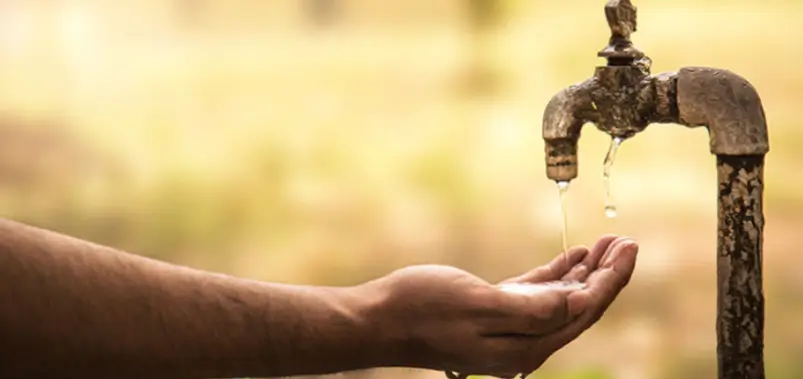
Can You Drink Tap Water in India? What Every Foreigner Should Know
One of the first questions that cross a traveler’s mind while planning a trip to India is:
“Is it safe to drink the tap water there?”
India is a fascinating land of ancient traditions, vibrant culture, and unmatched diversity—but when it comes to drinking water, caution is crucial, especially for foreign visitors. Unlike some countries where tap water is reliably potable, the situation in India is quite different and varies drastically from region to region.
If you're a foreign tourist coming to India for the first time—or even the fifth—you must understand the realities of tap water safety, the associated health risks, and most importantly, how to stay hydrated smartly and safely throughout your journey.
This guide will walk you through:
- Why tap water is often not safe to drink
- What health issues may arise
- The best alternatives to tap water
- Essential hygiene & hydration tips for tourists
Why You Should Avoid Drinking Tap Water in India
Despite infrastructure improvements, tap water in most parts of India is not consistently safe for foreign stomachs. While locals may develop immunity to certain microbes over time, international tourists can be more vulnerable.
Key Reasons:
- Inconsistent Purification
Municipalities do treat water, but the delivery system is often outdated. Contaminants like bacteria, viruses, and parasites may still be present by the time water reaches your tap.
Old pipes can leak, rust, or allow sewage infiltration—especially during the monsoon season, leading to contaminated supply.
Many buildings and guesthouses store water in overhead tanks, which are rarely cleaned regularly.
- No Universal Testing Standards
Water quality varies widely from city to city and even between neighborhoods. There’s no guarantee of consistent purification.
Common Health Risks from Drinking Tap Water
Foreigners consuming untreated tap water may face several health issues due to unfamiliar bacteria or contaminants.
Health Conditions Linked to Unsafe Water:
|
Condition
|
Symptoms
|
| Traveler’s Diarrhea |
Loose stools, cramps, bloating |
| Giardiasis |
Fatigue, gas, greasy stools |
| Hepatitis A |
Fatigue, nausea, fever, jaundice |
| Typhoid |
Fever, abdominal pain, rash |
| Cholera |
Severe diarrhea, dehydration |
| Amoebiasis |
Persistent diarrhea, weight loss |
Important Note: Even brushing teeth with tap water may sometimes cause issues if you have a sensitive stomach.
Safe Drinking Water Alternatives in India
Luckily, there are plenty of safe and affordable alternatives to tap water in India. Here's what you should look for:
1. Bottled Water (Mineral Water)
- Available everywhere—shops, hotels, restaurants.
- Always check for a sealed cap and recent expiry date.
- Stick to known brands:
- Bisleri
- Aquafina
- Kinley
- Bailey
Avoid bottles that look refilled or tampered.
2. RO (Reverse Osmosis) Water Filters
Found in hotels, co-working spaces, and premium restaurants.
RO removes chemicals, bacteria, and sediments.
If unsure, ask: “Is this RO filtered drinking water?”
3. Boiled Water
- Boiling water for 5–10 minutes kills most bacteria and viruses.
- Reliable in homestays or guesthouses that prepare meals.
- Let the water cool in a clean, covered container before drinking.
4. Portable Water Purifiers for Travelers
- Good option for backpackers and rural travel.
- Brands like LifeStraw, GRAYL, and Steripen are popular.
- Great for trekking or remote village stays.
What About Ice, Tea, Coffee & Juices?
|
Item
|
Risk Level
|
Tips
|
| Ice Cubes |
High |
Avoid unless made from bottled/filtered water |
| Fresh Juices |
Medium-High |
Only drink if prepared fresh & clean |
| Tea/Coffee |
Low |
Boiling water makes it safe |
| Smoothies |
Medium |
Ask if ice/water is bottled or filtered |
Many travelers don’t realize that ice cubes and fruit juices can pose risks too.
Brushing Teeth: Tap Water or Bottled?
This is one of the most commonly asked questions.
Safer Practice: Use bottled or filtered water for brushing.
Even a small amount of contaminated water can introduce unfamiliar microbes to your system.
If you must use tap water, don’t swallow and rinse with bottled water after brushing.
How to Stay Hydrated Safely While Traveling
Smart Hydration Tips for Tourists:
- Always carry a 1L bottle of mineral or filtered water with you.
- Drink small amounts throughout the day, especially in hot weather.
- If buying drinks on the street, watch how they’re prepared.
- Avoid over-sugary drinks; they dehydrate you faster.
- Add ORS (Oral Rehydration Salts) if you feel tired or dehydrated. Available at any pharmacy.
What Do Hotels Offer?
Most 3-star and above hotels in India provide complimentary bottled water daily in guest rooms. Some premium hotels also have:
- Filtered water dispensers
- UV/RO purified water in jugs
- In-room kettles for boiling water
Tip: Ask at reception, “Is this water safe for drinking?”
What Should You Pack for Water Safety?
If you're traveling across India or heading to rural areas, carry:
- A portable water purifier (LifeStraw, GRAYL, etc.)
- Reusable water bottle with built-in filter
- Oral rehydration packets
- Anti-diarrheal medication (just in case)
- Charcoal tablets or electrolyte sachets
Who Should Be Extra Cautious?
Some travelers are more prone to water-related issues than others. Be extra cautious if you are:
- A first-time visitor to South Asia
- Traveling with children
- A senior citizen
- Immunocompromised
- Prone to gastrointestinal issues
Can you drink tap water in India?
The honest answer: You shouldn't.
While many locals consume it without issue, the risks for foreign travelers are real. It’s not about fear—it’s about prevention. One bout of stomach trouble can ruin an entire trip. Thankfully, with widespread availability of bottled and filtered water, staying safe and hydrated is easy—as long as you're aware and prepared.
Drink smart, stay hydrated, and enjoy everything India has to offer—without a single sick day!


 info@topindianholidays.net
 +91-8955000999