📅 Last Updated On: 10 Oct 2025
⏱ 10 Min Read
Best Markets to Visit in Delhi, Agra & Jaipur During Your Golden Triangle Tour
A
Admin
Founder -India Travel Expert
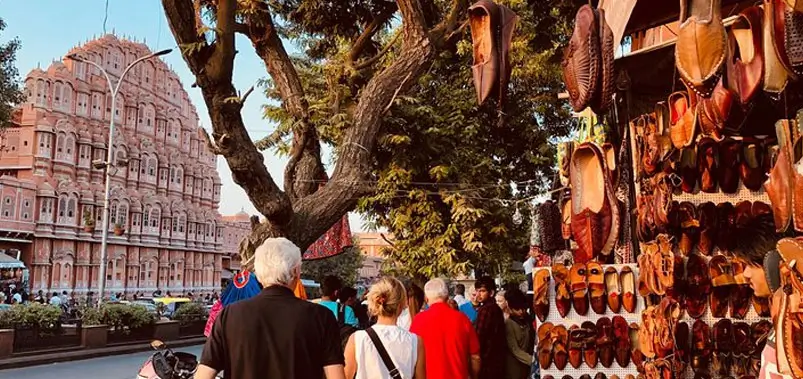
The Golden Triangle Tour of India — connecting Delhi, Agra, and Jaipur — is known for its royal monuments, cultural depth, and timeless charm. But beyond palaces and forts, this journey also opens doors to India’s most colorful markets.
Each city has its own rhythm: Delhi’s mix of chaos and charm, Agra’s Mughal artistry, and Jaipur’s regal elegance. In these markets, every corner tells a story — of craftsmanship, tradition, and everyday life. From antique jewelry and handwoven textiles to marble inlay and blue pottery, the bazaars here are not just for shopping, they are living museums of India’s heritage.
Let’s take you through the best markets to visit in Delhi, Agra, and Jaipur during your Golden Triangle circuit, and what treasures to look for in each.
Markets to Visit in Delhi – The Heartbeat of India
Delhi blends history, culture, and modernity — and its markets reflect this diversity beautifully. Whether it’s the narrow lanes of Chandni Chowk or the artistic hubs of Dilli Haat, shopping here is an experience in itself.
Best Markets in Delhi – The Heartbeat of India
1. Chandni Chowk – The Timeless Bazaar of Old Delhi
To feel the true pulse of Old Delhi, there’s no place like Chandni Chowk, standing proudly near the Red Fort since the 17th century. Built during Mughal times, this iconic bazaar is a world within itself — noisy, colorful, aromatic, and endlessly fascinating. Narrow lanes bustle with vendors calling out prices, cycle-rickshaws weaving through crowds, and the scent of spices, perfumes, and street snacks filling the air.
Each alley has its own identity:
- Dariba Kalan glitters with silver jewelry and antique ornaments,
- Khari Baoli overwhelms your senses with its mountain of spices and dry fruits,
- Katra Neel bursts with fabrics, sarees, and ethnic wear,
- Nai Sarak caters to book lovers with stationery and educational materials.
Travelers can find Banarasi silk sarees, embroidered lehengas, and pure cotton textiles at prices far below boutique stores. Photographers love this market for its chaotic yet charming visuals — colorful stalls, vintage signboards, and the majestic Jama Masjid rising above.
Between shopping, treat yourself to Delhi’s legendary street food: piping-hot parathas at Paranthe Wali Gali, melt-in-mouth jalebis, and creamy rabri. For anyone on a Golden Triangle Tour, Chandni Chowk isn’t just a market — it’s an introduction to India’s soul.
2. Dilli Haat – India’s Craft Village in the Capital
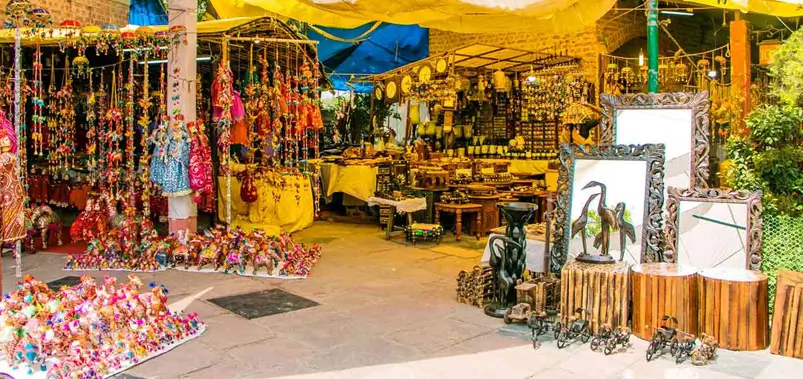
For travelers short on time but eager to see India’s artistic diversity, Dilli Haat is the perfect one-stop destination. Designed like a village fair, this open-air complex brings together artisans from every corner of India, each representing their state’s unique craft.
You’ll find:
- Pashmina shawls from Kashmir,
- Madhubani paintings from Bihar,
- Bamboo and cane crafts from the Northeast,
- Terracotta pottery from Bengal,
- Blue pottery and silver jewelry from Rajasthan.
Every stall is run by the craftspeople themselves, making it a rare chance to interact directly with India’s artisans. Prices are fair, quality is assured, and the variety is unmatched.
The food court here is equally special — savor regional dishes like momos from Sikkim, litti chokha from Bihar, and fish curry from Bengal. Evening cultural performances often light up the stage, creating a festive atmosphere.
For travelers on a Golden Triangle private tour, Dilli Haat is ideal for buying authentic souvenirs, textiles, and handcrafted décor in a peaceful, well-managed setting.
3. Janpath Market – Boho Finds and Street Bargains
In the heart of New Delhi, near Connaught Place, lies Janpath Market, a favorite among budget-conscious travelers and bohemian souls. Here, stalls overflow with embroidered kurtas, oxidized jewelry, cotton skirts, sling bags, and wooden accessories. Every turn presents something quirky and artistic.
What makes Janpath special is its street charm and youth energy. Shoppers can bargain freely, often walking away with unique pieces at half the quoted price. Adjacent to it lies the Tibetan Market, where the aroma of incense fills the air and shops display woolens, silver trinkets, and handmade artifacts with Himalayan influence.
Even if you’re not here to buy, Janpath is great for an evening stroll, photography, and people-watching. For travelers, this is where Delhi’s modern vibe meets its traditional street culture.
4. Khan Market – For Sophisticated Shoppers
Away from the chaos of street bazaars, Khan Market offers an elegant shopping experience. Known for its cosmopolitan feel, this upscale market attracts diplomats, designers, and travelers who enjoy fine things.
Boutiques here sell hand-block printed linen, designer clothing, organic skincare, home décor, and handcrafted stationery. You’ll find iconic stores like Good Earth, FabIndia, and Anokhi — all known for their premium quality and Indian aesthetic.
After shopping, unwind in one of the stylish cafés — Big Chill, Perch, or Sidecar — where you can sip coffee or wine and watch Delhi’s elite go by. Though prices are higher than local bazaars, the quality and ambiance make it worth it. For travelers wanting something refined and reliable, Khan Market is a must-visit stop on any Delhi itinerary.
5. Sarojini Nagar Market – Trendy Fashion at Street Prices
Famous among Delhiites and students alike, Sarojini Nagar is where global fashion meets bargain hunting. Here, export-surplus garments from international brands land at throwaway prices.
You can pick up dresses, denim jackets, handbags, belts, scarves, and shoes at unbelievably low rates. Vendors line the narrow streets with piles of trendy clothes — half the fun lies in searching through them to find hidden gems.
Bargaining is a must here, and most visitors end up buying more than they planned. For travelers interested in street-style shopping, Sarojini Nagar offers unbeatable value and youthful energy.
6. Lajpat Nagar Market – Traditional Fashion Hub
If you’re hunting for Indian ethnic wear, head to Lajpat Nagar Central Market. It’s packed with stores selling readymade suits, embroidered sarees, dupattas, jewelry, and footwear.
Tailors can custom-stitch your outfit within hours — perfect for travelers attending an Indian wedding or festival. You’ll also find mehndi artists, cosmetic shops, and home décor stores at every corner.
Evenings here are vibrant, and food stalls serving golgappas and chaat make the shopping spree more delightful.
7. Hauz Khas Village – The Urban Art & Design District
For travelers who love a mix of art, fashion, and nightlife, Hauz Khas Village is the place to be. Set around medieval ruins and a scenic lake, this creative neighborhood houses designer boutiques, antique shops, art galleries, and concept cafés.
You can shop for handcrafted jewelry, leather journals, Indo-western clothing, and modern décor. Many local designers run their studios here, offering limited-edition pieces. After shopping, you can relax at rooftop cafés overlooking the lake or explore the nearby Deer Park.
It’s the perfect spot to see the modern face of Delhi while staying connected to its heritage.
Why Delhi’s Markets Are a Must on Every Golden Triangle Tour
Delhi’s markets are not just about shopping — they’re about stories, smells, and sensations. From the chaotic lanes of Chandni Chowk to the artistic calm of Hauz Khas, each corner offers a glimpse into India’s cultural heartbeat.
Whether you’re buying a handwoven saree, leather bag, silver anklet, or tribal art, these markets make you feel closer to the soul of India. For travelers covering Delhi–Agra–Jaipur by private car, starting your journey with Delhi’s bazaars sets the perfect tone for what lies ahead — a land of creativity, color, and craft.
Markets to Visit in Agra – Where Mughal Art Lives On
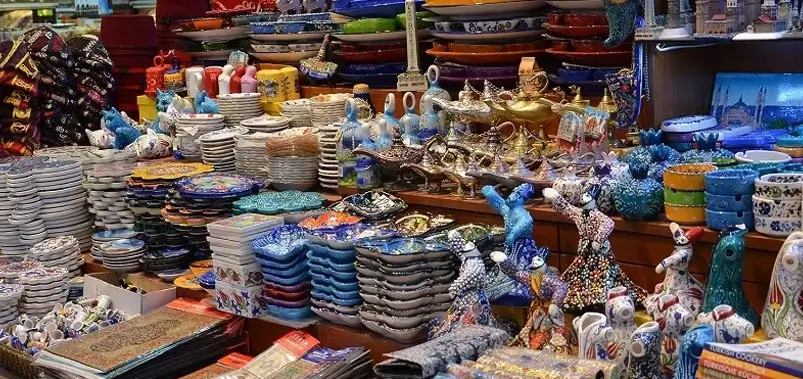
Agra may be known worldwide for the Taj Mahal, but its markets showcase another legacy — the Mughal love for artistry, marble, and craftsmanship. Here, shopping is a way to take a piece of that heritage home.
1. Sadar Bazaar – Agra’s Most Popular Market
Just 1.5 km from Agra Cantt railway station, Sadar Bazaar is a colorful mix of shops selling everything from leather goods to sweets.
The market is famous for Agra leather shoes, marble showpieces, miniature Taj replicas, and handicrafts.
Evening is the best time to visit when the market comes alive with lights and chatter. Try Agra’s famous petha (a local sweet) while you shop — the perfect combination of taste and tradition.
2. Kinari Bazaar – The Old Market of Mughal Agra
Close to Jama Masjid, Kinari Bazaar is a labyrinth of narrow alleys that have existed since Mughal times.
You’ll find:
- Wedding accessories, sequined borders, and zari work,
- Brassware, traditional lamps, and jewelry boxes,
- Beautiful hand-embroidered textiles.
It’s ideal for travelers who appreciate authentic, old-world markets and are ready to walk through heritage lanes filled with color and character.
3. Subhash Bazaar – For Sarees & Silk
Agra’s Subhash Bazaar is known for high-quality silk products, Banarasi sarees, and dress materials. Local shopkeepers are friendly and happy to explain the weaving styles and fabric origins — making it an educational experience too.
For travelers interested in Indian attire, this is a must-stop.
4. TDI Mall & Shilpgram – Modern and Cultural Shopping Mix
If you’re looking for a modern twist, visit TDI Mall for branded stores or head to Shilpgram, located near the eastern gate of the Taj Mahal.
Shilpgram is a cultural village that showcases handmade crafts from across India — perfect for buying pottery, carpets, and paintings in a serene setup.
Markets to Visit in Jaipur – The Royal City of Crafts
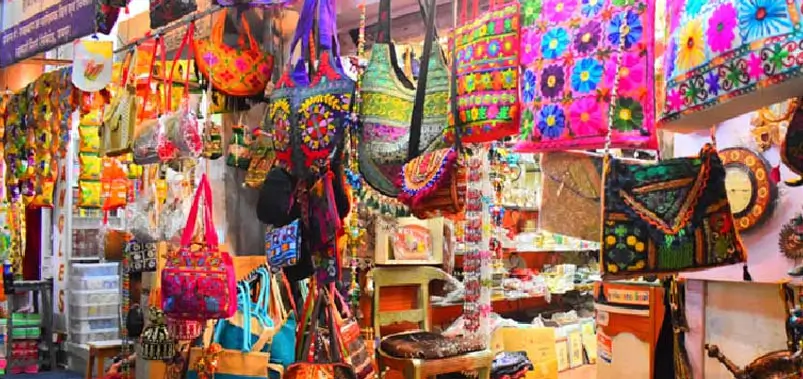
Jaipur, the final jewel in the Golden Triangle Tour, is often called the Pink City for its rose-hued buildings and royal aura. Beyond its palaces and forts, Jaipur’s soul lives in its bazaars — where colors, crafts, and creativity come alive in every lane.
Here, gemstones glitter, textiles bloom in patterns, and the smell of handmade leather and incense fills the air. From jewelry and block prints to blue pottery and brass décor, every market in Jaipur carries a part of its royal legacy.
Let’s take a walk through the most iconic markets of Jaipur — each one different, yet equally enchanting.
1. Johari Bazaar – The Glittering Jewelry Market
True to its name (“Johari” means jeweler), Johari Bazaar is a treasure chest of traditional Rajasthani ornaments and precious stones. It’s the oldest and most famous jewelry market in Jaipur, and arguably one of the best in India.
Rows of pink-arched shops line both sides of the street, filled with gold, silver, kundan, meenakari, and polki jewelry. Craftsmen here still follow age-old techniques passed down through generations, creating masterpieces that blend Mughal and Rajput artistry.
Shoppers can browse everything from simple silver anklets to royal bridal sets studded with emeralds and rubies. Even window shopping feels magical here — as golden lights reflect off glass counters and the sound of artisans’ tools fills the air.
Apart from jewelry, you’ll find small shops selling gemstones, ornaments boxes, and handcrafted accessories. It’s a great spot for travelers who want to pick up something timeless — whether it’s a keepsake or a statement piece.
Pro tip: Visit during the late afternoon, when the sunlight softly touches the pink façades — the entire street glows like gold.
2. Bapu Bazaar – For Colorful Textiles & Mojris
For those who love fabrics and handicrafts, Bapu Bazaar is Jaipur’s heartbeat. This vibrant market is filled with block-printed textiles, Bandhani dupattas, Sanganeri bedsheets, Rajasthani skirts, leather mojris, and embroidered bags — all at prices that invite you to buy more than you planned.
What makes Bapu Bazaar special is its authenticity and energy. Local artisans sell directly to customers, and each stall bursts with color and charm. Bargaining is common and often turns into friendly banter.
You’ll also find traditional souvenirs — lac bangles, miniature puppets, camel leather wallets, and mirror-work home décor. Between shopping rounds, sip a glass of cold lassi or kulfi from local stalls that have been serving visitors for decades.
Evenings are especially lively when lanterns light up and the scent of incense and food fills the air. Whether you’re buying gifts or soaking in the city’s craft heritage, Bapu Bazaar offers a pure slice of Jaipur’s artistic heart.
3. Tripolia Bazaar – Bangles, Brass & Ironware
For travelers who prefer less-crowded lanes and more traditional finds, Tripolia Bazaar is a gem. Located between Chhoti Chaupar and Manak Chowk, it’s known for lac bangles, brass utensils, ironware, and traditional home décor.
The market’s narrow streets are lined with old havelis, giving it a nostalgic feel. The sound of artisans polishing metalware or shaping bangles echoes through the alleyways. You’ll also spot small shops selling carpets, iron lamps, and puja accessories — all crafted using age-old Rajasthani techniques.
Tripolia Bazaar’s charm lies in its simplicity — you won’t find fancy storefronts, but you’ll get genuine craftsmanship and heartfelt hospitality. It’s a perfect stop for travelers looking for souvenirs that carry cultural depth rather than commercial polish.
4. Nehru Bazaar – For Pottery & Home Décor
Just a short walk from Ajmeri Gate, Nehru Bazaar welcomes visitors with rows of colorful stalls selling Jaipur’s famous blue pottery, embroidered fabrics, and decorative home goods.
This market is a visual treat — shelves packed with hand-painted vases, plates, and tiles, all in the city’s signature indigo-and-white palette. You’ll also find mirror-work cushions, handcrafted lamps, and wall hangings that reflect the royal artistry of Rajasthan.
Prices are fair, and shopkeepers are friendly, often explaining the making process behind each item. For travelers seeking elegant, easy-to-carry souvenirs, Nehru Bazaar is one of the best choices in the city.
The nearby lanes also have stalls selling traditional jootis, handmade diaries, and block-printed scarves. The combination of art and affordability makes Nehru Bazaar a must-visit.
5. MI Road – Classic Meets Modern
Mirza Ismail Road (MI Road) is where Jaipur’s royal charm meets modern retail. It’s home to handicraft emporiums, boutiques, branded stores, and cafés, making it ideal for travelers who want comfort and convenience while shopping.
You can visit government-run outlets like Rajasthan Handicrafts Emporium for genuine artifacts, marble inlay work, and carpets, or explore private boutiques offering hand-embroidered garments and gemstone jewelry.
What sets MI Road apart is its versatility — one minute you’re buying a sandalwood carving, and the next you’re sipping coffee in an air-conditioned café. It’s the perfect mix of heritage and modern living, ideal for those who want premium quality without the bustle of bazaars.
6. Badi Chaupar – The Heart of Jaipur’s Shopping District
Located right in the center of the old city, Badi Chaupar connects several major markets, including Johari and Tripolia. It’s known for textiles, jewelry, souvenirs, and everyday essentials — the true marketplace of the locals.
During the day, the area is filled with chatter, colors, and the aroma of street snacks. In the evening, the market glows under yellow lights, and local musicians often play folk tunes nearby.
Travelers can find traditional attire, silver jewelry, pottery, and decorative lamps here at genuine prices. It’s also a great spot for photography, as the pink walls and bustling crowd capture Jaipur’s raw rhythm beautifully.
7. Kishanpole Bazaar – For Wooden Crafts & Textiles
A little away from the usual tourist circuit, Kishanpole Bazaar is famous for wooden carvings, colorful textiles, and natural-dye fabrics.
The artisans here specialize in hand-painted furniture, block-printed curtains, and cotton quilts that blend functionality with art.
If you’re decorating a home or want meaningful keepsakes, Kishanpole is the right stop. It’s quieter than Bapu or Johari Bazaar, allowing you to browse peacefully.
The market also gives visitors a glimpse of the artisan community that has preserved Jaipur’s traditional craft techniques for generations.
8. Anokhi Store – Contemporary Craftsmanship
To see how Jaipur’s heritage fits into modern design, visit the Anokhi Store near MI Road or Amber Fort. Known globally for its block-printed apparel and organic cotton fabrics, Anokhi redefines Rajasthani craftsmanship with a modern touch.
Each piece here is handmade using eco-friendly dyes and hand-block printing methods, turning simple fabric into wearable art. The store layout, presentation, and calm ambiance make shopping an elegant experience.
You can also visit the Anokhi Museum of Hand Printing at Amber, which preserves traditional techniques and tools. For style-conscious travelers, this stop combines fashion, culture, and sustainability.
Why Jaipur’s Markets Are a Shopper’s Paradise
Jaipur’s markets are not just shopping venues — they’re the living heartbeat of Rajasthan’s artistry.
Here, shopping becomes storytelling — every jewelry design narrates royal heritage, every block print represents centuries-old craftsmanship, and every piece of blue pottery holds the touch of a local artisan.
From luxury boutiques to lanes bursting with handlooms, the Pink City ensures every traveler finds something memorable to take home.
Whether you’re buying gemstones at Johari Bazaar, textiles at Bapu Bazaar, or pottery at Nehru Bazaar, shopping in Jaipur is an emotion — one that captures the beauty, color, and generosity of India’s royal past.
What to Buy During Your Golden Triangle Tour
Across Delhi, Agra, and Jaipur, each market offers something unique — here’s a quick look:
| City |
Must-Buy Items |
Famous Markets |
| Delhi |
Spices, fabrics, silver jewelry, handicrafts |
Chandni Chowk, Dilli Haat, Janpath |
| Agra |
Marble inlay, leather goods, petha sweets |
Sadar Bazaar, Kinari Bazaar |
| Jaipur |
Jewelry, block-printed textiles, blue pottery |
Johari Bazaar, Bapu Bazaar, Nehru Bazaar |
When traveling with a private car and driver, it’s easier to explore multiple markets comfortably and safely. You can store your purchases in the vehicle and take breaks at recommended cafes or heritage hotels between visits.
Shopping Tips for Travelers
- Bargain politely – Negotiation is common in local markets but do it with respect.
- Prefer government emporiums for fixed prices and authenticity.
- Carry small change for easier transactions.
- Check product origin – ask if the handicraft is handmade or factory-made.
- Timing matters – markets usually open after 10 AM and get lively by evening.
- Use your driver’s local knowledge – he often knows the best shops with genuine prices.
The Golden Triangle Tour is more than monuments and history — it’s a journey through India’s artistic soul. The bazaars of Delhi, Agra, and Jaipur capture the country’s creativity, colors, and character in every item sold.
Whether you’re picking up silver bangles in Jaipur, silk scarves in Delhi, or marble boxes in Agra, every piece carries a story of its maker. These markets remind travelers that in India, shopping is not just about buying things — it’s about connecting with centuries of tradition.



 info@topindianholidays.net
 +91-8955000999