📅 Last Updated On: 14 Sep 2026
⏱ 10 Min Read
Shrinathji Temple Nathdwara: Darshan Timings, History & Travel Guide
N
Nand Singh Rathore
Travel & Tourism Expert specializing in India
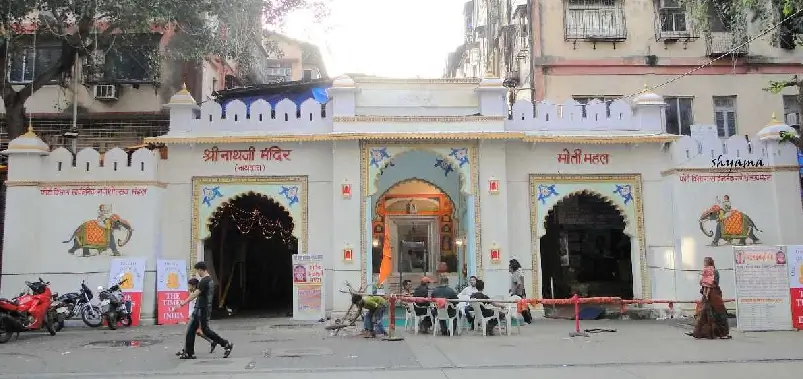
Shrinathji Temple Nathdwara: Darshan Timings, History & Travel Guide
Located in the historic temple town of Nathdwara in Rajasthan, Shrinathji Temple is one of India's most important centres of Krishna worship. The shrine is dedicated to Shrinathji, a form of Lord Krishna traditionally represented as a young child raising Govardhan Hill with one arm. Unlike monuments where visitors enter at any point during broad opening hours, the religious life of Shrinathji Temple Nathdwara follows a carefully structured sequence of daily viewing periods. The doors open and close several times as the deity is awakened, dressed, fed, allowed to rest and prepared for different parts of the day.
That daily rhythm is one of the most important things a first-time visitor needs to know. Arriving in Nathdwara at the wrong hour can mean standing outside for a considerable period because continuous public access is not the temple tradition. The official Shrinathji Temple website publishes the day's schedule and currently gives approximate major viewing periods such as Mangla from 5:30 AM to 6:30 AM, Rajbhog from 11:00 AM to 12:00 PM and Bhog-Arti from 5:00 PM to 6:00 PM. The official site also makes clear that daily timings can vary.
Nathdwara itself lies within the Rajsamand region north of Udaipur and is easily incorporated into a Rajasthan journey. A Rajasthan tourism source places the temple approximately 48 kilometres from Udaipur, making it possible to visit as a dedicated excursion from the lake city. However, pilgrims who want to attend more than one viewing period, see the town's traditional painting workshops and experience the temple before large daytime crowds arrive will usually benefit from staying one night in Nathdwara rather than treating it as a hurried roadside stop.
The temple is closely associated with the Pushtimarg tradition, and the entire experience - from the architecture to the food offerings, clothing of the deity, music and painted backgrounds - reflects a deeply established devotional culture. Shrinathji is not presented as a distant figure inside a monumental sanctuary. The deity is served as a living member of a royal household, and the temple operates accordingly.
Shrinathji Temple History and the Journey of the Sacred Image to Nathdwara
The history of Shrinathji Temple in Nathdwara is closely tied to the Krishna traditions of the Braj region and to the Pushtimarg school associated with Vallabhacharya. Shrinathji is worshipped as a youthful form of Krishna raising Govardhan Hill, an event traditionally connected with Krishna protecting the people of Braj from torrential rain. The image is commonly described as depicting the deity with the left arm raised, expressing this sacred episode.
The deity was originally associated with the Govardhan region near Mathura. During a period of political uncertainty in northern India, the sacred image was moved westward for protection. Religious tradition holds that while the image was being transported towards Mewar, the wheels of the cart became fixed at the place that later developed into Nathdwara. This was interpreted as the deity's wish to remain there, and a temple was eventually established around the sacred image.
The name Nathdwara is commonly interpreted as the gateway to the Lord, and the town grew around the temple rather than developing first as a conventional urban centre. The surrounding markets, accommodation, food traditions and artistic workshops still reflect that temple-centred identity. Even today, walking through Nathdwara makes it clear that Shrinathji is not one attraction among many. The temple is the reason the town exists in its present form.
The shrine is not designed primarily around monumental exterior architecture in the manner of some southern Indian temples. Instead, its layout resembles a large residential complex or royal household. This fits the devotional tradition in which Shrinathji is treated as a living child and ruler whose day includes waking, dressing, meals, rest and evening preparation.
This approach changes the visitor's experience completely. A traveller cannot simply enter at 2:00 PM because that happens to be convenient. If the deity is resting or being prepared for the next viewing period, the temple remains closed to the public.
The Pushtimarg tradition also gives great importance to visual presentation. Shrinathji's clothing, jewellery, flowers and painted background change according to season, festival and daily ritual. The celebrated painted textiles associated with Nathdwara evolved in connection with this devotional environment. These paintings often show Shrinathji surrounded by seasonal landscapes, animals, architecture, festival scenes or decorative patterns.
For travellers interested in Indian art, the temple therefore connects directly with one of Rajasthan's most distinctive painting traditions. Nathdwara painting is not simply a souvenir industry that appeared because tourists began arriving. Its development is closely linked with the visual worship of Shrinathji.
The temple also maintains strong historical connections with the former rulers of Mewar. Rajasthan tourism references note the long relationship between the shrine and the royal family of Udaipur. This association helps explain why Nathdwara fits so naturally within a journey that also includes Udaipur's City Palace, Eklingji and other important sites connected with Mewar history.
The most useful way for a visitor to approach this history is not to search for a single construction date and treat the shrine like an archaeological monument. The religious institution evolved over time, and its importance lies equally in its continuing worship traditions. The living ritual is as significant as the historic structure.
Shrinathji Temple Darshan Timings and the Eight Daily Viewing Periods
The daily schedule is the most important practical detail when visiting Shrinathji Temple Nathdwara because the temple does not remain continuously open from morning until evening. Worship traditionally follows eight main viewing periods, each representing a different stage in the deity's day. The exact start and end times can change according to season, festival, religious calendar and temple requirements, so visitors should check the official temple website on the actual day of the visit rather than depending entirely on a static timetable.
The official temple booking page currently provides approximate major timings of Mangla between 5:30 AM and 6:30 AM, Rajbhog between 11:00 AM and 12:00 PM and Bhog-Arti between 5:00 PM and 6:00 PM. Other daily viewing periods occur between these principal sessions, and the official temple website publishes updated schedules as part of its daily information.
Mangla is the first viewing period of the day. Shrinathji is seen shortly after waking, and the atmosphere is generally simpler than during later ceremonial presentations. Pilgrims who value an early and intensely devotional experience often regard this period highly. A visitor staying in Udaipur can technically leave very early to reach Nathdwara for Mangla, but staying overnight in Nathdwara is considerably more comfortable.
The next part of the morning includes Shringar, when the deity appears after being dressed and decorated. Clothing, jewellery and flowers receive particular attention, and the visual character changes according to season and religious calendar. This is one of the reasons frequent devotees can visit repeatedly without regarding each occasion as identical.
Gwal represents another stage of the morning and is traditionally connected with Krishna's pastoral identity. The schedule then progresses towards Rajbhog, one of the principal viewing periods of the day. The official website currently places the approximate Rajbhog window around 11:00 AM to noon. This viewing can become busy because its timing is convenient for day visitors arriving from Udaipur and other parts of Rajasthan.
After Rajbhog, the temple enters a longer period when Shrinathji is considered to be resting. Visitors arriving during this interval should not become frustrated by the closure. The pause is integral to the temple's religious routine.
The later sessions traditionally include Utthapan, followed by the evening offering and worship periods. The official temple source currently gives an approximate Bhog-Arti window of 5:00 PM to 6:00 PM. Later evening viewing completes the daily cycle before the deity rests for the night.
Because the exact schedule changes, a traveller should never structure the entire day around a third-party timetable copied months earlier. The official temple website is the appropriate reference before leaving the hotel. The site also provides facilities for darshan booking and temple accommodation, showing that visitor arrangements are actively managed through the temple administration.
For first-time visitors who are less concerned about attending a particular ritual, the most comfortable choice is usually a morning viewing on a normal weekday. Weekends and major religious dates attract substantially heavier crowds.
Janmashtami, Holi, Annakut and other major celebrations create exceptional devotional energy but also dramatically increase crowd density. A traveller who wants the festival atmosphere should accept the congestion as part of the occasion. Someone primarily interested in an easy first visit should select an ordinary date.
What Happens During Shrinathji Darshan and the Temple Customs Visitors Should Know
A visit to Shrinathji Temple Nathdwara is quite different from walking slowly through a museum or historic palace. During an active viewing period, large numbers of devotees may enter together, and movement towards the central viewing area can become intense. The sacred image may be visible only for a limited period before the doors close again for the next stage of worship.
Visitors should therefore arrive with minimal belongings and realistic expectations about how long they will stand directly before the deity. A meaningful darshan does not necessarily mean remaining in the closest possible position for a long time.
Photography is restricted in the sacred interior. Cameras and mobile-phone use should follow current temple security instructions, and visitors should not attempt photographs merely because other people appear to be using devices elsewhere in the complex.
Footwear has to be removed before entering the appropriate temple areas. Comfortable footwear that can be removed easily is far more practical than expensive shoes.
Dress should be conservative and appropriate for an active place of worship. Lightweight clothing is suitable during warmer months, while early winter mornings can be cool enough to require an additional layer.
The most important behavioural issue is crowd movement. Popular viewing periods can become busy, and devotees may move forward quickly once the sacred doors open. Elderly travellers and families with small children should avoid placing themselves in the most compressed section of the crowd if they are uncomfortable with physical pressure.
The temple administration offers formal darshan booking facilities through its official website. Visitors considering any paid or reserved access should use official channels rather than individuals in the surrounding streets who claim to guarantee special treatment.
Ordinary worship does not require visitors to purchase an expensive ceremonial package. Donations and religious services are personal choices, and anyone wanting a particular service should verify the arrangement through temple authorities.
The surrounding market is filled with items associated with Shrinathji: paintings, textiles, religious objects, sweets and offerings. These shops are part of Nathdwara's identity, but visitors should not allow shopping to make them late for the next viewing period. The temple doors operate according to religious schedules, not according to whether a visitor has finished browsing.
One particularly rewarding part of a Nathdwara visit is seeing the contrast between the temple during an active darshan window and the streets during a closure. When the temple is about to open, the market becomes noticeably more animated as pilgrims move towards the entrances. Once a major viewing period ends, activity disperses again through nearby shops and food outlets.
That rhythm gives the town its distinctive character.
Nathdwara Painting, Temple Food Traditions and the Town Around Shrinathji
The area surrounding Shrinathji Temple deserves more time than visitors often give it. Nathdwara became one of Rajasthan's recognised artistic centres because the devotional life of the temple created demand for paintings depicting Shrinathji in different seasonal and ceremonial settings.
The best-known style is commonly associated with Pichwai painting, large decorative works traditionally used as backgrounds behind the deity. Themes include cows, lotus flowers, festivals, monsoon landscapes and detailed representations of Shrinathji. Smaller Nathdwara paintings developed alongside these large devotional textiles and became important objects in their own right.
Visitors will see many shops selling paintings described as handmade. Quality varies enormously.
A genuinely detailed hand-painted work can require substantial labour and should not be expected to cost the same as a printed decorative panel. Travellers interested in purchasing serious artwork should visit an established workshop, ask whether the piece is entirely hand painted, inspect fine detailing and discuss the materials used.
Prices can range from a few thousand rupees for smaller decorative works to INR 20,000–100,000+ for detailed handmade pieces, while large works by recognised artists can cost considerably more. The wide range reflects size, technique, artist reputation and complexity.
Nathdwara is also known for food connected with temple traditions. Vegetarian sweets, milk-based items and simple regional meals are widely available around the pilgrimage centre. Visitors should use busy established shops where food turnover is high.
The temple's broader devotional culture gives importance to food offerings prepared for Shrinathji, and the culinary identity of the town reflects this relationship. For travellers arriving from Udaipur, having lunch in Nathdwara after a morning viewing period can be more rewarding than immediately returning to the car.
The market streets are compact enough to walk, but crowds and motorcycles require attention. Travellers should keep wallets and mobile phones secure and avoid carrying large handbags.
International visitors should also remember that Nathdwara receives pilgrims rather than being designed primarily for foreign tourism. English-language signs and international-style facilities may be less extensive than in central Udaipur, but good private arrangements make the visit straightforward.
Spending an additional hour in the market and painting workshops gives a much stronger sense of place than driving directly from the temple entrance back to Udaipur.
How to Reach Shrinathji Temple from Udaipur, the Airport and Other Rajasthan Cities
For most overseas visitors, Udaipur is the principal gateway to Nathdwara. A Rajasthan tourism source places Shrinathji Temple approximately 48 kilometres from Udaipur. Road improvements in the wider region continue to improve access to Nathdwara and other Rajsamand pilgrimage sites.
From a hotel in central Udaipur, travellers should generally allow approximately one to one-and-a-half hours by private car, depending on location, traffic and road conditions. Starting very early for the first viewing period may reduce traffic substantially.
Maharana Pratap Airport serving Udaipur is the most practical air gateway. Travellers arriving on a morning or afternoon flight should resist the temptation to go directly from the aircraft to the temple without checking the viewing schedule. If the temple is between sessions, remaining in Udaipur or going first to the Nathdwara hotel is usually more comfortable.
A dedicated Udaipur-Nathdwara return vehicle can cost approximately INR 4,000 to INR 7,000+ for a good sedan, depending on waiting time and operator. A comfortable SUV may cost INR 6,000 to INR 10,000+, while premium luxury vehicles can be considerably higher. These figures are sensible upper-side budgeting ranges rather than fixed official tariffs.
Travellers already using a private car for a Rajasthan journey can incorporate Nathdwara much more efficiently.
One strong route is Udaipur–Nathdwara–Kumbhalgarh, where the temple becomes the first stop before continuing into the Aravalli hills. Another can connect Udaipur with Nathdwara and then move towards the Rajsamand region.
Visitors travelling to Jodhpur can also include Nathdwara according to the selected road route, although adding Kumbhalgarh or Ranakpur requires enough additional time.
From Jaipur, Nathdwara is a much longer road journey and should not normally be treated as a same-day return excursion. Travellers should stay in Udaipur, Nathdwara or another appropriate overnight location.
Top Indian Holidays can place Shrinathji Temple naturally within a private Rajasthan route rather than sending travellers on a separate return journey that repeats the same highways.
Where to Stay in Nathdwara and How Much Accommodation Costs
Nathdwara has expanded far beyond basic pilgrimage guesthouses. Travellers can now choose between simple religious accommodation, conventional hotels and several comfortable modern properties.
The Rajasthan Tourism Development Corporation operates Hotel Gokul near Lal Bagh and describes it as approximately 1.5 kilometres from Shrinathji Temple. The official temple website also provides a facility for booking temple cottages.
Simple accommodation can begin around INR 2,000 to INR 4,000 per room per night, depending on facilities and demand.
Comfortable mid-range hotels commonly fall around INR 4,000 to INR 8,000+, particularly when modern rooms, air conditioning and reliable vehicle access are required.
Better upper-category accommodation can cost approximately INR 8,000 to INR 15,000+ per night, while premium properties and suites can move above INR 20,000 during busy periods.
Visitors who value luxury above proximity may prefer to remain in Udaipur, where palace hotels, lakefront properties and international-standard resorts provide a much wider range.
However, an overnight stay in Nathdwara has one major advantage: access to the earliest temple viewing without an extremely early road transfer from Udaipur.
For an elderly pilgrim or someone attending several daily sessions, that convenience can be more valuable than a luxury hotel an hour away.
Hotel selection should therefore depend on the purpose of the journey.
If the temple is one cultural stop within a Rajasthan holiday, staying in Udaipur is practical. If Shrinathji darshan is the primary reason for travel, sleeping in Nathdwara is often the better decision.
Combining Shrinathji Temple with Eklingji, Haldighati and Kumbhalgarh
Nathdwara sits within one of Rajasthan's richest heritage regions, which means the temple can be combined with important cultural sites without creating unnecessary backtracking.
Eklingji Temple lies between Udaipur and Nathdwara and is closely connected with the rulers of Mewar. Travellers interested in Rajasthan's religious history can place Eklingji and Shrinathji within the same regional journey, provided both temples' opening periods are checked carefully.
Haldighati lies in the wider Nathdwara-Rajsamand region and is associated with the famous conflict involving Maharana Pratap and Mughal forces. The landscape and memorial locations add a historical dimension to a day otherwise dominated by religious sites.
Kumbhalgarh Fort is a larger commitment. The UNESCO-listed hill fort requires several hours and substantial driving through the Aravalli terrain. It should not be added casually after a late morning temple visit if the intention is to return to Udaipur before evening.
A more comfortable structure is to sleep in Udaipur, reach Nathdwara early for temple access, spend time in the market and then continue towards Kumbhalgarh for an overnight stay. Another possibility is to return through selected Mewar sites without forcing a fort visit into the same day.
The choice depends on the traveller.
A pilgrimage-focused visitor may prefer to attend more than one Shrinathji session and ignore the surrounding monuments entirely. A cultural traveller may want one temple viewing followed by painting workshops, Haldighati and a scenic drive.
Both approaches are valid.
Best Time to Visit Shrinathji Temple
The cooler months between approximately October and March provide the most comfortable weather for a visit to Nathdwara. Walking through market streets and waiting around temple entrances becomes much easier than during the hottest part of the year.
Winter mornings can be cold, particularly for visitors attending Mangla around dawn. A light jacket or warm layer is useful because standing outside before sunrise can feel significantly cooler than midday temperatures suggest.
Summer temperatures can rise substantially. Anyone visiting during the hotter period should favour an early viewing and avoid unnecessary time in open streets during the afternoon.
The monsoon changes the wider Mewar landscape dramatically. The hills around Udaipur, Nathdwara and Rajsamand become greener, and the drive can be visually attractive. Rain, however, can affect road speed and make crowded streets less comfortable.
Religious festivals require a different decision.
Janmashtami, Annakut and Holi are among the important celebratory periods associated with Shrinathji. These dates offer exceptional decoration and devotional energy but bring far greater visitor numbers. Travellers seeking easy access should select normal weekdays rather than major festival periods.
The strongest first visit is usually a cool-season weekday with an overnight stay nearby or an early departure from Udaipur.
Practical Costs for a Shrinathji Temple Visit
Ordinary Shrinathji Temple darshan should not be viewed as an expensive attraction. The major expenses arise from accommodation, transportation, meals and any specialised services personally requested.
A Udaipur return car can cost roughly INR 4,000 to INR 10,000+ depending on vehicle type and duration.
A good Nathdwara hotel can range approximately INR 4,000 to INR 15,000+ per night, while premium accommodation can exceed that figure.
Meals remain comparatively inexpensive unless dining at luxury properties.
Art purchases can become one of the largest optional expenses. A small decorative painting may cost a few thousand rupees, while a detailed handmade Nathdwara painting can easily cost tens of thousands or substantially more.
The temple's official site provides formal booking facilities for darshan and cottage accommodation, so visitors who want confirmed arrangements should use recognised temple channels.
For two travellers coming from Udaipur, keeping approximately INR 8,000 to INR 15,000 available for a comfortable private day excursion is a reasonable upper-side framework once vehicle, meals and incidental expenses are included. Overnight accommodation increases that amount according to hotel quality.
The greatest value, however, comes from timing rather than spending. Reaching Nathdwara five minutes after the temple doors close can waste hours regardless of how expensive the vehicle or hotel may be.
Checking the official day's schedule before departure remains the single most useful preparation for visiting Shrinathji.
Related Guides
- Banke Bihari Temple Vrindavan: Darshan Timings, History & Visitor Guide
- Desert Camping in Rajasthan vs Camping in Europe: An Honest Comparison
- Dwarkadhish Temple Dwarka: Darshan, Timings, History & Travel Guide
- 30 Famous Krishna Temples in India Every Devotee Should Visit
- Mehandipur Balaji Temple: Timings, Rules, Darshan & Travel Guide
- Bullet Baba Temple Rajasthan: Story, History & Complete Travel Guide
- Famous Ghats in Vrindavan: Sacred Places Along the Yamuna River
- Kashi Vishwanath Temple: Darshan, Timings & Complete Travel Guide
- 51 Shakti Peethas in India: Complete List, Locations & Temple Guide
- Parvati Sarovar Adi Kailash: A Complete Travel & Pilgrimage Guide
- Patal Bhuvaneshwar Cave Temple: History, Timings, Darshan & Travel Guide
- Kainchi Dham Neem Karoli Baba Ashram: Complete Travel & Darshan Guide
- Maharaja Palace Hotels in India: Best Royal Palaces to Stay In
- Top 10 Travel Agencies in India
- Cost of Traveling India: What to Budget per Day by City
- Hidden Costs of Traveling in India That Most Foreign Tourists Never Expect
- Best Travel Agency in India



 info@topindianholidays.net
 +91-8955000999