📅 Last Updated On: 21 Jan 2026
⏱ 10 Min Read
Nature and Eco Tourism in North East India: Landscapes, Wildlife and Sustainable Travel
A
Admin
Founder -India Travel Expert
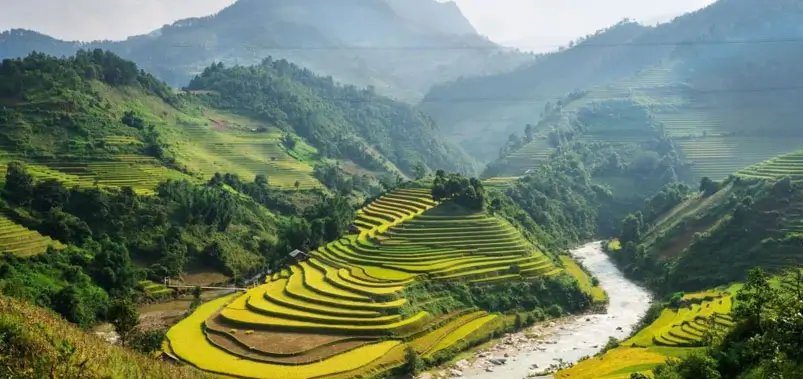
North East India represents one of the most ecologically rich and visually diverse regions of the country. The area is shaped by mountains, river systems, dense forests, wetlands, grasslands, and high-altitude plateaus. These natural environments are closely connected with local communities, traditional livelihoods, and cultural practices. As a result, nature and eco tourism in North East India is not limited to sightseeing but extends into conservation, community engagement, and sustainable travel experiences.
Unlike heavily commercialized travel regions, North East India offers landscapes that remain largely intact. Tourism here has developed gradually, allowing ecosystems to retain balance and cultural traditions to coexist with travel activities. This makes the region especially significant for travelers interested in eco-conscious travel, wildlife landscapes, and low-impact nature exploration.
Understanding Eco Tourism in the North East Context
Eco tourism in North East India is rooted in respect for natural systems and local communities. It focuses on travel that minimizes environmental impact while supporting conservation and sustainable livelihoods. Many destinations in the region naturally align with eco tourism principles due to limited infrastructure, community-based living, and reliance on natural resources.
Travel experiences often involve forest stays, village-based accommodations, guided nature walks, river exploration, and wildlife observation. These activities emphasize learning and observation rather than consumption. The region’s approach to eco tourism is organic rather than curated, making experiences feel authentic and grounded.
Geographic Diversity and Natural Landscapes
The geography of North East India is one of its defining strengths. Each state contributes a unique ecological layer, creating a region that feels continuously changing as travelers move across it. Hills rise abruptly from plains, rivers carve deep valleys, and forests stretch across large areas with minimal fragmentation.
High rainfall in certain areas supports lush vegetation and dense forest cover, while other regions feature open grasslands and wetlands. Seasonal changes dramatically influence the appearance of landscapes, adding to the region’s dynamic character.
Travel through these environments encourages slow movement and extended stays, allowing visitors to observe subtle changes in terrain, light, and vegetation.
Experience Nature & Eco Tourism in North East India
Explore lush landscapes, rare wildlife, and eco-friendly travel experiences across North East India with responsible and sustainable tour planning.
Forest Ecosystems and Biodiversity
North East India is part of one of the world’s important biodiversity zones. Forests here support a wide range of plant species, mammals, birds, and insects. Many areas remain unexplored due to difficult terrain and conservation regulations, which helps preserve ecological balance.
These forests are not isolated from human life. Local communities depend on them for food, medicine, materials, and cultural practices. Eco tourism initiatives often involve guided forest experiences led by individuals with generational knowledge of local ecosystems.
For travelers interested in biodiversity-rich destinations, the forests of North East India offer learning opportunities beyond conventional wildlife tourism.
Wildlife Regions and Natural Reserves
Wildlife habitats play a central role in nature tourism in North East India. Grasslands, wetlands, and forest reserves support animal species that are rare or region-specific. These habitats are often integrated into broader landscapes rather than isolated as fenced parks.
Wildlife viewing in the region emphasizes responsible practices. Observations are guided, regulated, and designed to minimize disturbance. The presence of rivers and floodplains creates seasonal variations in wildlife movement, making each visit unique.
Travelers seeking meaningful wildlife experiences benefit from patience and flexibility, as nature here follows its own rhythms rather than scheduled displays.
Rivers, Wetlands, and Water Systems
Rivers shape both the ecology and culture of North East India. Large river systems influence agriculture, transport, fishing practices, and settlement patterns. Wetlands formed along riverbanks support birdlife, aquatic plants, and seasonal ecosystems.
River-based travel experiences include boat journeys, riverbank walks, and observation of daily life shaped by water systems. These environments offer quiet, reflective experiences that contrast with faster-paced travel elsewhere.
Water bodies also play a role in sustaining biodiversity and regulating regional climate, making them essential to eco tourism narratives.
Mountain Landscapes and Highland Ecology
Mountain regions in North East India present diverse ecological zones depending on altitude. Lower hills feature subtropical forests, while higher elevations support alpine vegetation and open grasslands. Temperature variations influence flora and fauna distribution, creating layered ecosystems within short distances.
Travel through mountain landscapes involves winding roads, high viewpoints, and access to remote settlements. These journeys highlight the interdependence between people and their environment, as communities adapt their lifestyles to altitude and climate conditions.
Mountain eco tourism focuses on scenic appreciation, low-impact trekking, and cultural understanding rather than adventure-driven activity alone.
Community-Based Eco Tourism
One of the strongest aspects of eco tourism in North East India is community involvement. Many eco tourism initiatives are managed or supported by local residents who guide visitors, host accommodations, and share cultural knowledge.
Community-based travel allows tourism revenue to remain within villages and encourages conservation by linking environmental protection with economic benefits. Travelers gain deeper insight into local life while contributing positively to host communities.
Such models promote mutual respect and long-term sustainability, making them central to responsible travel practices in the region.
Agricultural Landscapes and Sustainable Practices
Agriculture in North East India often follows traditional methods adapted to local terrain and climate. Terraced farming, shifting cultivation, and seasonal crop cycles shape rural landscapes and influence travel experiences.
Visitors traveling through agricultural regions observe farming practices that emphasize balance with natural systems. Fields, orchards, and grazing lands form part of the scenic environment rather than separate production zones.
These landscapes highlight the relationship between food systems, ecology, and cultural traditions.
Discover Wildlife & Sustainable Travel in North East India
From national parks to tribal villages, explore North East India responsibly with eco-friendly tours designed for conscious travelers.
Eco Tourism and Cultural Preservation
Eco tourism in the region supports cultural preservation by valuing traditional knowledge, crafts, and lifestyles. Many communities maintain rituals, festivals, and social structures closely tied to natural cycles.
Travelers participating in eco tourism experiences often gain exposure to music, dance, food preparation, and storytelling that reflect environmental connections. These interactions reinforce cultural continuity while fostering cross-cultural understanding.
Respectful engagement is essential, as many traditions hold deep social and spiritual significance.
Climate Awareness and Environmental Sensitivity
North East India’s ecosystems are sensitive to climate patterns and environmental change. Rainfall variations, temperature shifts, and land-use changes affect biodiversity and livelihoods.
Eco tourism initiatives increasingly emphasize environmental awareness and education. Travelers are encouraged to observe natural systems responsibly, reduce waste, and respect conservation guidelines.
Such practices help protect fragile environments while allowing continued access for educational and experiential travel.
Travel Planning for Nature-Focused Journeys
Planning nature and eco tourism journeys in North East India requires flexibility and realistic expectations. Distances may appear short but travel time can be influenced by terrain and weather conditions.
Accommodation options are often limited to small lodges, guesthouses, or community stays, aligning with eco tourism principles. Advance planning and local guidance contribute to smoother travel experiences.
Travelers benefit from allocating sufficient time for each region rather than attempting rapid transitions between destinations.
Photography and Observation-Based Travel
The region is well suited for photography and observation-focused travel. Natural light, changing weather patterns, and low crowd density create ideal conditions for landscape and wildlife photography.
Observation-based travel emphasizes patience and awareness, allowing travelers to capture moments shaped by natural rhythms rather than staged environments.
This approach aligns closely with eco tourism values and encourages deeper engagement with surroundings.
Responsible Travel Ethics
Responsible travel is fundamental to eco tourism in North East India. Visitors are expected to respect local customs, minimize environmental impact, and support sustainable practices.
Simple actions such as reducing plastic use, following designated trails, and seeking permission for photography contribute to positive travel experiences. Responsible behavior ensures that tourism remains beneficial rather than disruptive.
Long-Term Importance of Eco Tourism in the Region
Eco tourism supports conservation, cultural preservation, and economic resilience in North East India. By prioritizing sustainability over mass development, the region maintains its natural character while benefiting from carefully managed travel.
Travelers who choose eco tourism contribute to long-term protection of landscapes and communities, making their journeys meaningful beyond personal experience.



 info@topindianholidays.net
 +91-8955000999