📅 Last Updated On: 18 Aug 2025
⏱ 10 Min Read
India’s Big Five Wildlife Experiences
A
Admin
Founder -India Travel Expert
India’s Big Five Wildlife Experiences: Tigers, Lions, Leopards, Elephants & Rhinos
India is a land of majestic forts, vibrant festivals, and deep spiritual traditions — a place where ancient history and modern life blend seamlessly. But step away from the bustling cities and ornate palaces, and venture into the untouched wilderness, and you’ll uncover a completely different side of this extraordinary country: a world where nature reigns supreme, where the rhythm of life follows the calls of birds at dawn and the distant roar of a predator at dusk.
For wildlife enthusiasts, India offers something truly exceptional — its very own “Big Five”, a collection of five remarkable animals that represent the wild heart of the subcontinent:
- The Royal Bengal Tiger – the undisputed king of the jungle, known for its raw power and striking beauty.
- The Asiatic Lion – the last of its kind, roaming only in Gujarat’s Gir Forest, embodying resilience and regal authority.
- The Leopard – master of stealth and adaptability, including the almost mythical Snow Leopard that haunts the high Himalayas.
- The Indian Elephant – a gentle giant revered in mythology, culture, and religion, a symbol of wisdom and strength.
- The One-Horned Rhinoceros – a prehistoric marvel, armored in thick folds of skin, now thriving in the grasslands of Assam thanks to tireless conservation efforts.
From dense tropical jungles in central India to snow-covered mountain ranges in Ladakh, from sun-drenched riverine grasslands in Assam to dry deciduous forests in Gujarat, the sheer diversity of India’s habitats makes it one of the most thrilling and varied safari destinations on the planet. Each region offers a unique chance to witness these magnificent creatures in their natural environment — not just as fleeting glimpses, but as moments of profound connection with the wild.
Whether you’re a first-time traveler eager to spot your first tiger or a seasoned adventurer seeking the challenge of finding a snow leopard in the Himalayas, these encounters will become memories etched in your heart forever. Observing India’s Big Five in their natural setting is more than just a photographic opportunity — it’s a humbling reminder of the raw beauty, fragility, and resilience of the natural world.
1. The Royal Bengal Tiger – India’s Striped Icon
Why it’s special:
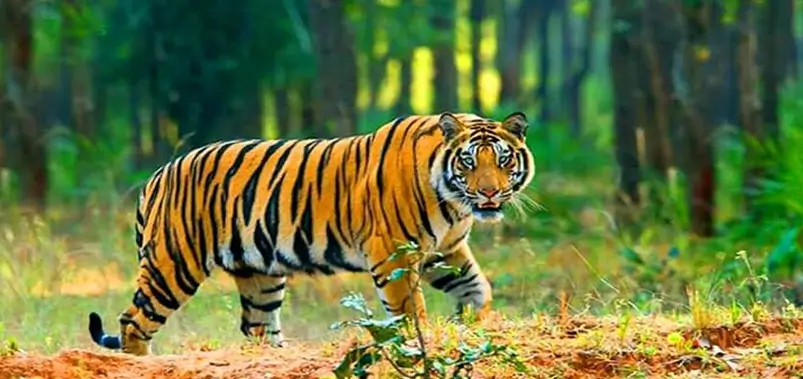
The Royal Bengal Tiger is perhaps the most famous symbol of India’s wildlife. Known for its power, grace, and fiery orange coat striped with black, it embodies strength in Indian culture and mythology.
Where to see them:
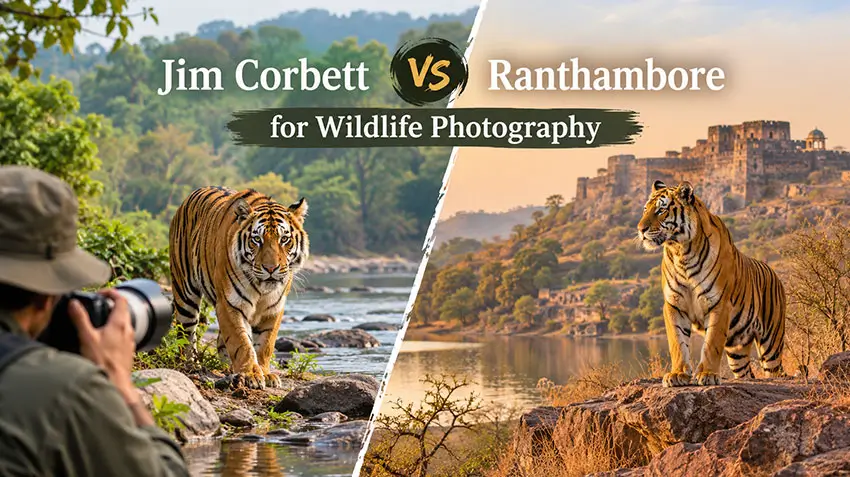
- Ranthambore National Park (Rajasthan): Famous for tigers often seen lounging in palace ruins.
- Bandhavgarh National Park (Madhya Pradesh): Known for the highest density of tigers in India.
- Jim Corbett National Park (Uttarakhand): India’s oldest national park and part of the first Project Tiger initiative.
- Sundarbans (West Bengal): The only mangrove habitat of tigers, known for their swimming skills.
Luxury Stay Recommendation:
- Aman-i-Khás (Ranthambore) – Luxury tents with private butlers.
- Taj Mahua Kothi (Bandhavgarh) – Rustic elegance with Taj hospitality.
Best time to visit: February to April for easier sightings.
2. The Asiatic Lion – King of the Gir Forest
Why it’s special:
Once roaming across Asia, the Asiatic Lion now survives only in Gir Forest National Park, Gujarat. Smaller than their African cousins but equally regal, these lions are a living testament to conservation success.
Where to see them:
- Gir Forest National Park (Gujarat): The only place in the world where Asiatic Lions live in the wild.
Luxury Stay Recommendation:
- The Gateway Hotel Gir Forest – Overlooking the Hiran River.
- Aramness Gir – A stylish safari lodge blending luxury with wildlife immersion.
Best time to visit: December to April, when the weather is cooler and vegetation is sparse.
3. The Leopard – Master of Stealth
Why it’s special:
Adaptable and elusive, the leopard can thrive in forests, grasslands, and even near human settlements. In India, you can spot three distinct types — the Indian Leopard, the rare Snow Leopard, and the mystical Black Leopard.
Where to see them:
- Jawai (Rajasthan): Famous for leopards living in rocky outcrops alongside Rabari herders.
- Kabini (Karnataka): Known for sightings of the rare black panther.
- Hemis National Park (Ladakh): Prime snow leopard territory.
Luxury Stay Recommendation:
- Suján Jawai – Ultra-luxury leopard camp in Rajasthan.
- The Bison Resort (Kabini) – Boutique riverside safari lodge.
Best time to visit:
- For snow leopards: January to March.
- For Indian leopards: October to April.
4. The Indian Elephant – Gentle Giant of the Jungle
Why it’s special:
Revered in Indian culture, the Indian Elephant is a subspecies of the Asian Elephant. Known for its intelligence, strong social bonds, and role in temple traditions, it’s both a cultural and natural icon.
Where to see them:
- Periyar Wildlife Sanctuary (Kerala): Boat safaris to see elephants along the lake.
- Nagarhole & Bandipur National Parks (Karnataka): Home to large elephant herds.
- Kaziranga National Park (Assam): Elephants alongside rhinos and tigers.
Luxury Stay Recommendation:
- Evolve Back Kabini – Lakeside luxury with a wildlife focus.
- Thekkady Wild Corridor (Kerala) – Premium jungle retreats.
Best time to visit: November to May.
5. The One-Horned Rhinoceros – Pride of Assam
Why it’s special:
Once on the brink of extinction, the Indian One-Horned Rhinoceros is now a conservation success story. Its thick, armor-like skin and single horn make it one of the most impressive animals to encounter.
Where to see them:
- Kaziranga National Park (Assam): Home to two-thirds of the world’s population of one-horned rhinos.
- Pobitora Wildlife Sanctuary (Assam): Dense population in a smaller area for high sighting chances.
Luxury Stay Recommendation:
- Diphlu River Lodge – Luxury eco-lodge favored by Prince William and Kate Middleton.
Best time to visit: November to April.
Tips for Planning Your Big Five Safari in India
- Best Overall Time to Visit: November to April for pleasant weather and high wildlife activity.
- Choose the Right Park: Tigers in Ranthambore, lions in Gir, rhinos in Kaziranga, elephants in Periyar, leopards in Jawai/Hemis.
- Book Safaris in Advance: Popular parks limit daily entries.
- Opt for Naturalists: Expert guides enhance your sightings and share local insights.
- Pack Smart: Neutral clothing, binoculars, camera with zoom lens, sunscreen, insect repellent.
Why India’s Big Five Are Worth the Journey
Unlike Africa’s famous Big Five, India’s list is a reflection of the subcontinent’s unique and astonishing biodiversity. It’s a collection that blends iconic, elusive predators with majestic, gentle giants, each one representing a different ecosystem, a different chapter in the story of India’s wilderness. Spotting them is never guaranteed — it demands patience, respect for nature’s rhythm, and often the willingness to rise before dawn or wait in still silence for hours. But that’s precisely what makes each sighting feel like a personal triumph, a reward for your persistence and passion.
What sets the Indian Big Five apart is the way these wildlife encounters intertwine seamlessly with the country’s cultural richness. A tiger safari in Ranthambore might be followed by exploring ancient fort ruins; tracking the Asiatic Lion in Gir can be paired with visits to colorful Gujarati villages; a journey to see the one-horned rhino in Assam might bring you face to face with tea plantations and vibrant tribal traditions. Every wildlife expedition here becomes more than just an animal sighting — it’s a cultural and geographical immersion.
The moments themselves are deeply moving and unforgettable. Imagine the thunderous roar of a Royal Bengal Tiger echoing through a misty jungle at sunrise — the kind of sound that sends shivers down your spine and reminds you of nature’s raw power. Picture the quiet grace of an elephant herd crossing a shimmering river at dusk, their silhouettes outlined against the fading golden light. Envision the thrill of spotting a snow leopard high in the Himalayas, its pale coat blending almost magically with the rocky terrain, or watching a rhino graze peacefully in the emerald grasslands of Kaziranga.
These aren’t just tick marks on a safari checklist — they are once-in-a-lifetime experiences that leave you humbled, inspired, and forever connected to the wild heart of India. Whether you come for the photography, the adventure, or simply the wonder of seeing these creatures where they truly belong, India’s Big Five will give you stories worth retelling for the rest of your life.



 info@topindianholidays.net
 +91-8955000999