📅 Last Updated On: 28 Jan 2026
⏱ 10 Min Read
Assam Wildlife Tour Packages Including Kaziranga National Park Safari
A
Admin
Founder -India Travel Expert
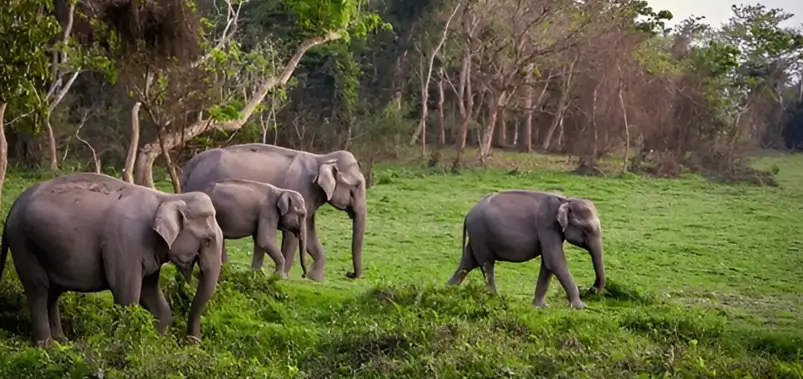
Assam occupies a unique position in India’s wildlife landscape. The state is shaped by vast river systems, floodplains, tall grasslands, wetlands, and forest reserves that together create one of the richest ecological regions in the country. For travelers interested in nature-driven journeys, Assam wildlife tour packages including Kaziranga National Park safari offer an immersive experience rooted in biodiversity, landscape diversity, and responsible wildlife observation.
Wildlife travel in Assam is not limited to a single reserve or activity. It is a layered experience that combines protected habitats, river ecosystems, rural surroundings, and traditional land-use patterns. Tour packages designed for Assam focus on balance, allowing travelers to observe wildlife while understanding the environmental systems that support it.
Understanding Assam as a Wildlife Destination
Assam’s geography plays a central role in its wildlife significance. The Brahmaputra River and its tributaries shape the region’s floodplains, creating fertile grasslands and wetlands that support diverse animal and bird species. Seasonal flooding renews soil nutrients and sustains natural habitats, making Assam an ecologically dynamic region.
These landscapes support large mammals, migratory birds, reptiles, and aquatic life. Wildlife exists alongside agricultural land and human settlements, reflecting a long-standing coexistence between people and nature.
Assam wildlife tour packages are designed to help travelers experience this coexistence while maintaining safety, conservation ethics, and comfort.
Kaziranga National Park as the Core Wildlife Experience
Kaziranga National Park is the most recognized wildlife reserve in Assam and serves as the centerpiece of most wildlife-focused itineraries. The park is known for its extensive grasslands, forest patches, wetlands, and river channels that create ideal conditions for large mammals.
The park’s landscape is open and expansive, allowing for broad visibility across habitats. Wildlife observation here depends on patience, timing, and environmental awareness rather than staged encounters.
Including Kaziranga National Park safari in a tour package allows travelers to experience Assam’s ecological character at its most visible and impactful.
Grasslands, Wetlands, and River Ecosystems
Kaziranga’s ecosystem extends beyond forested areas. Tall grasslands dominate much of the terrain, providing shelter and grazing grounds for wildlife. Wetlands scattered across the park support birdlife and aquatic species.
Rivers influence wildlife movement patterns and seasonal habitat use. During certain times of the year, animals migrate to higher ground, altering visibility and distribution. These natural cycles make each visit unique.
Tour packages that account for these dynamics offer more realistic and rewarding wildlife experiences.
Wildlife Observation and Responsible Safaris
Wildlife observation in Assam emphasizes responsibility and minimal disturbance. Safaris follow designated routes and operate within regulated timeframes. This approach helps protect habitats while allowing visitors meaningful access.
A Kaziranga National Park safari is typically guided by trained personnel who understand animal behavior, terrain, and safety protocols. Their expertise enhances observation quality and ensures ethical practices.
Responsible safari experiences prioritize learning and awareness over proximity or spectacle.
Beyond Kaziranga: Broader Wildlife Landscapes of Assam
While Kaziranga is central, Assam’s wildlife experience extends across multiple landscapes. Forest reserves, river islands, and wetlands contribute to the state’s ecological richness.
Travel through rural Assam reveals how wildlife habitats intersect with agricultural land and village life. These transitional zones offer insight into conservation challenges and sustainable coexistence.
Well-designed Assam wildlife tour packages incorporate multiple landscapes to provide a holistic understanding of the region’s biodiversity.
Birdlife and Wetland Habitats
Assam’s wetlands are significant habitats for resident and migratory birds. Seasonal changes influence bird movement, creating opportunities for observation across different environments.
Wetland areas support diverse species, contributing to the state’s reputation as a birding destination. Birdlife observation often occurs in quieter settings, requiring patience and attentiveness.
Tour packages that include wetland exploration add depth to wildlife journeys and highlight ecological diversity beyond large mammals.
Forest Reserves and Biodiversity Corridors
Forested areas in Assam act as biodiversity corridors connecting different habitats. These forests support smaller mammals, reptiles, insects, and plant species that form the foundation of ecological balance.
Travel through forest reserves emphasizes appreciation of ecosystems rather than targeted sightings. Nature walks, observation points, and guided exploration offer educational value.
Including forest landscapes in wildlife tour packages enhances understanding of ecological interdependence.
River-Based Landscapes and Wildlife Interaction
Rivers are central to Assam’s identity and wildlife systems. Riverbanks, islands, and floodplains create habitats that change with water levels.
River-based landscapes influence animal behavior, vegetation patterns, and human settlement. Wildlife sightings along river zones differ from forest or grassland areas, adding variety to travel experiences.
Tour packages that integrate river landscapes provide a comprehensive view of Assam’s natural systems.
Cultural Context of Wildlife Regions
Wildlife regions in Assam are not isolated from human life. Communities living near protected areas maintain livelihoods linked to agriculture, fishing, and traditional practices.
Understanding this cultural context enriches wildlife travel. Tour packages often include opportunities to observe rural life, local markets, and traditional land-use patterns.
This integration highlights the relationship between conservation and community resilience.
Accommodation and Travel Comfort Near Wildlife Areas
Accommodation options near wildlife regions range from lodges to small hotels designed to blend with natural surroundings. Comfort levels vary, but many properties emphasize location, tranquility, and proximity to habitats.
Selecting suitable accommodations enhances rest and allows travelers to remain close to wildlife zones. Assam wildlife tour packages consider accessibility, safety, and environmental impact when choosing stays.
Comfort contributes significantly to overall travel satisfaction.
Travel Pacing and Daily Planning
Wildlife travel benefits from thoughtful pacing. Early mornings and quiet periods often yield better observation opportunities. Tour packages are designed to align daily schedules with natural rhythms rather than fixed sightseeing hours.
Balancing activity with rest ensures sustained engagement and reduces fatigue. Flexible planning allows adjustments based on weather, visibility, and wildlife movement.
This approach enhances the quality of wildlife experiences.
Seasonal Influences on Wildlife Travel
Seasonal patterns affect wildlife distribution, accessibility, and visibility in Assam. Rainfall influences water levels, vegetation growth, and animal movement.
Tour packages designed with seasonal awareness provide realistic expectations and appropriate destination selection. Local knowledge plays a key role in aligning travel plans with conditions on the ground.
Seasonal adaptation improves safety and enjoyment.
Photography and Observation-Based Wildlife Travel
Assam’s open landscapes and changing light conditions make it suitable for photography-focused travel. Wildlife photography benefits from patience, timing, and respect for distance.
Tour packages that allow flexible schedules support observation-based travel, enabling travelers to wait for natural moments rather than rush between locations.
This approach aligns with ethical wildlife observation principles.
Conservation Awareness and Education
Wildlife tourism in Assam carries an educational dimension. Travelers gain insight into conservation challenges, habitat management, and the importance of biodiversity protection.
Tour packages often include interpretive guidance that enhances understanding of ecological systems. Awareness fosters appreciation and responsible behavior.
Education-based travel supports long-term conservation goals.
Responsible Travel Practices in Wildlife Regions
Responsible travel is essential in wildlife habitats. Visitors are encouraged to follow regulations, minimize noise, and respect designated routes.
Ethical practices protect wildlife and ensure sustainable tourism development. Tour packages emphasize these principles to maintain ecological balance.
Responsible travel enhances both visitor experience and habitat preservation.
Long-Term Value of Assam Wildlife Tour Packages
Assam wildlife tour packages including Kaziranga National Park safari offer long-term value by combining nature appreciation, education, and responsible travel. Personalized planning ensures meaningful engagement with landscapes and wildlife.
These journeys deepen understanding of natural systems and contribute to conservation awareness.



 info@topindianholidays.net
 +91-8955000999