Places To Visit Near Delhi
Places to Visit Near Delhi: A Complete Guide for Foreign Tourists
Delhi sits at the center of northern India, and for most international travelers it also works as the natural starting point for exploring the rest of the country. Once you have covered the capital's forts, markets, and monuments, a wide range of destinations lie within a few hours by road or a short train ride, offering everything from Mughal architecture to Himalayan foothills. For foreign tourists exploring India, the list of places to visit near Delhi includes heritage cities on the Golden Triangle tour route, riverside towns tied to Hindu pilgrimage, wildlife reserves, and colonial era hill stations.
This guide covers the best tourist destinations near Delhi for international travelers, along with distances, top attractions, local experiences, and practical travel tips. Whether you have a single free day or a full week to spare, you will find a short trip near Delhi or a weekend getaway from Delhi that fits your plans. We have also added a section on hidden gems and lesser known travel destinations near Delhi for visitors who prefer to avoid the crowds at the well known sites.
Why Explore Places Near Delhi?
Delhi is an exciting city, but it can also be overwhelming for first time visitors dealing with traffic, crowds, and heat. Traveling to destinations near Delhi gives foreign tourists a chance to:
- Discover peaceful getaways away from the pace of the capital
- Experience rural Indian life and regional cultural diversity
- Visit historical landmarks that most tourists never reach
- Enjoy nature, wildlife, and wellness focused retreats
With reliable road, rail, and air connections across North India, these Delhi nearby attractions are easy to reach on your own or with a private car and driver, and they add real depth to a trip that might otherwise stay confined to the capital.
Top Tourist Places Near Delhi for Foreign Travelers
Below is a detailed look at twelve of the most rewarding places to visit near Delhi, starting with the cities that form the backbone of the Golden Triangle tour and moving into spiritual towns, wildlife reserves, and hill stations.
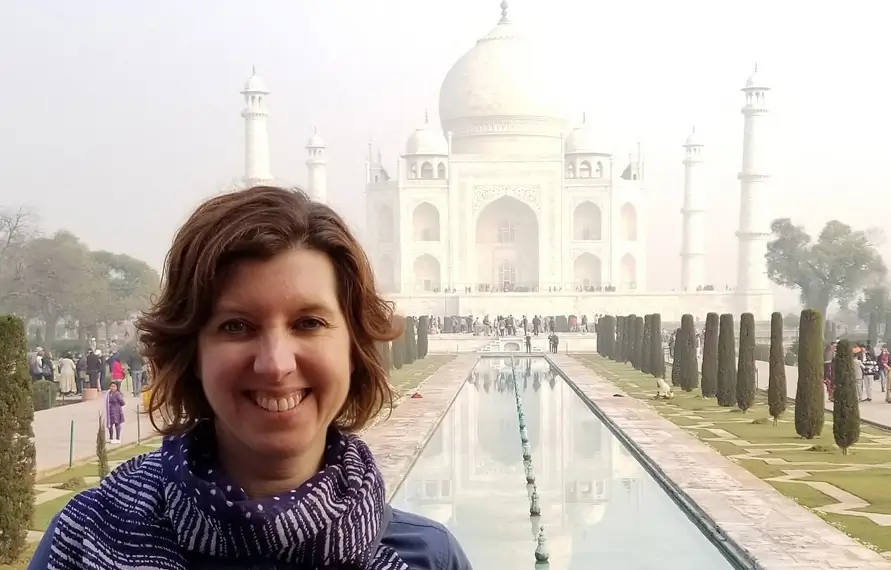
1. Agra: Home of the Taj Mahal (230 km, about 3 to 3.5 hours by road)
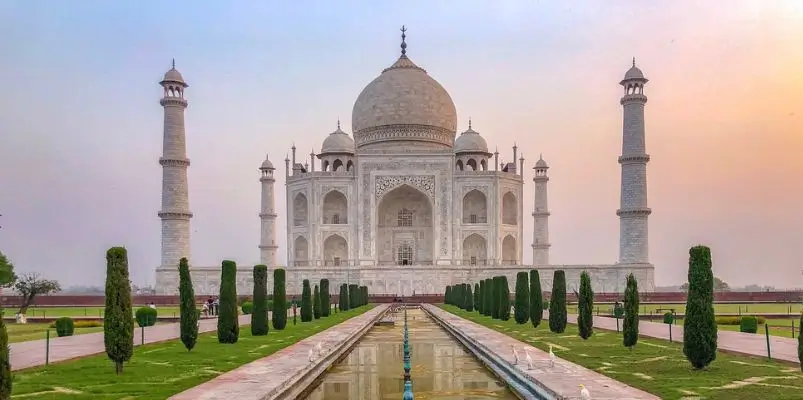
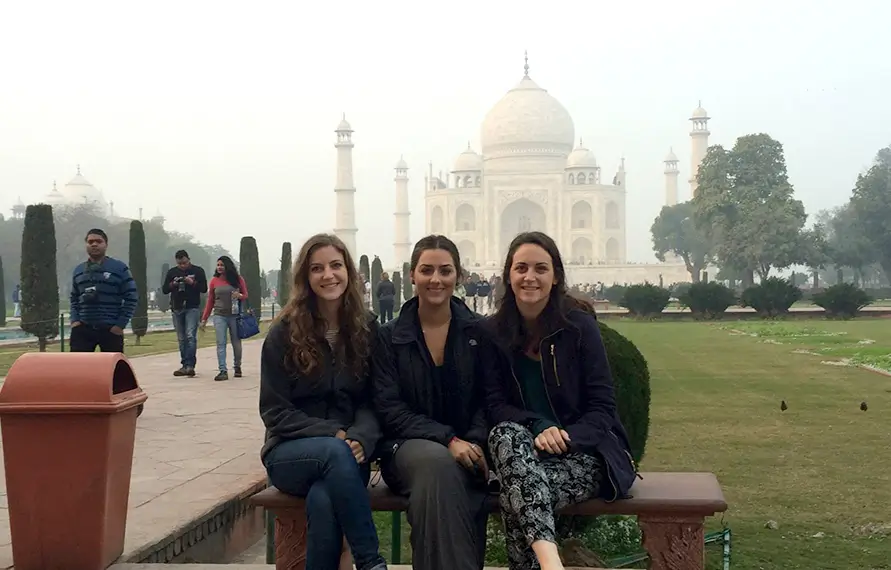
Agra is the most visited city near Delhi and forms the second stop on almost every Golden Triangle tour. It served as the Mughal capital for more than a century, and the buildings left behind by that period are still the main reason travelers come here.
Must see attractions:
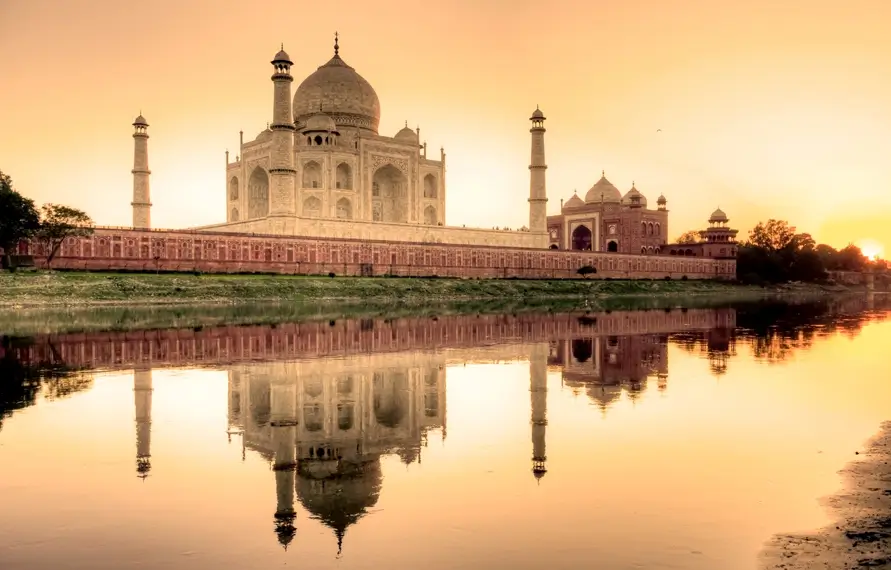
- Taj Mahal, the white marble mausoleum built by Emperor Shah Jahan for his wife Mumtaz Mahal, and one of the most recognized UNESCO World Heritage Sites on earth
- Agra Fort, a red sandstone fort on the banks of the Yamuna River that once housed the Mughal court
- Mehtab Bagh, a garden directly across the river from the Taj Mahal, ideal for sunset views and photographs without the crowds inside the main complex
- Tomb of Itimad-ud-Daulah, often called the Baby Taj, a smaller marble tomb that is thought to have influenced the design of the Taj Mahal itself
Travel tip: Visit the Taj Mahal at sunrise. The gates open early, the light is softer for photography, and you avoid both the midday heat and the tour bus crowds that arrive by mid morning.
How to reach: Agra can be visited as a day trip from Delhi by car, or by the Gatimaan Express and other fast trains that cover the distance in under two hours.
Best time to visit: October to March, when daytime temperatures are comfortable for walking around the monuments.
Explore the Best Places Near Delhi with a Private Car & Driver
Planning to visit Agra, Jaipur, Rishikesh, Neemrana, Bharatpur, or other destinations near Delhi? Travel comfortably with an experienced English-speaking driver and enjoy a flexible itinerary at your own pace.
2. Jaipur: The Pink City (280 km, about 5 to 5.5 hours by road)
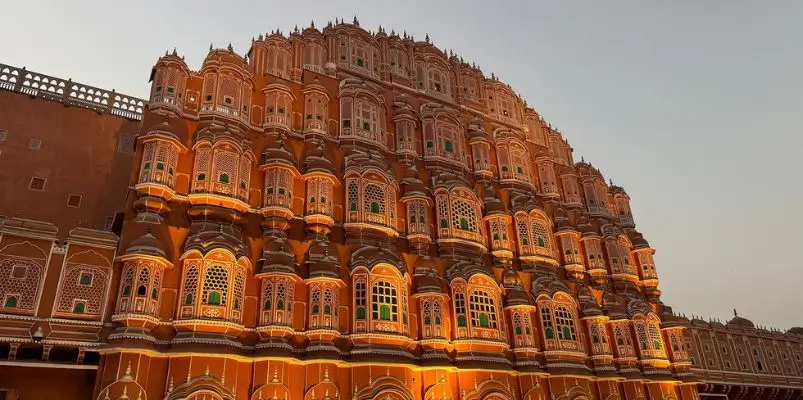
Jaipur is the capital of Rajasthan and the third city on the Golden Triangle tour. Its old quarter is painted in shades of terracotta pink, a color scheme adopted in 1876 to welcome the Prince of Wales, and it has defined the city's identity ever since. Jaipur combines royal architecture, colorful bazaars, and Rajasthani cuisine in a way that few Indian cities can match.
Top attractions:
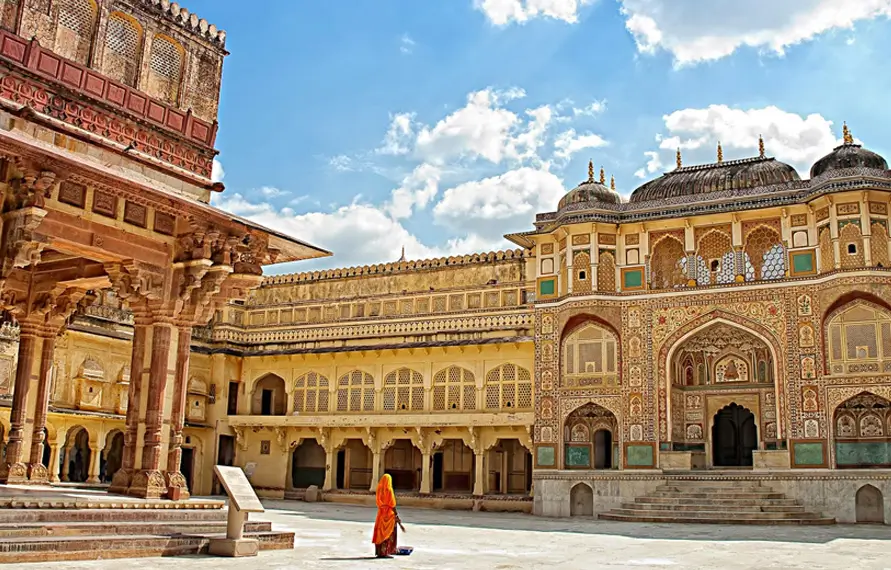
- Amber Fort, a hilltop fort palace built from pale yellow and pink sandstone, with mirrored halls and courtyards that overlook the surrounding hills
- City Palace, still partly occupied by the former royal family, with museums covering royal costumes, weapons, and manuscripts
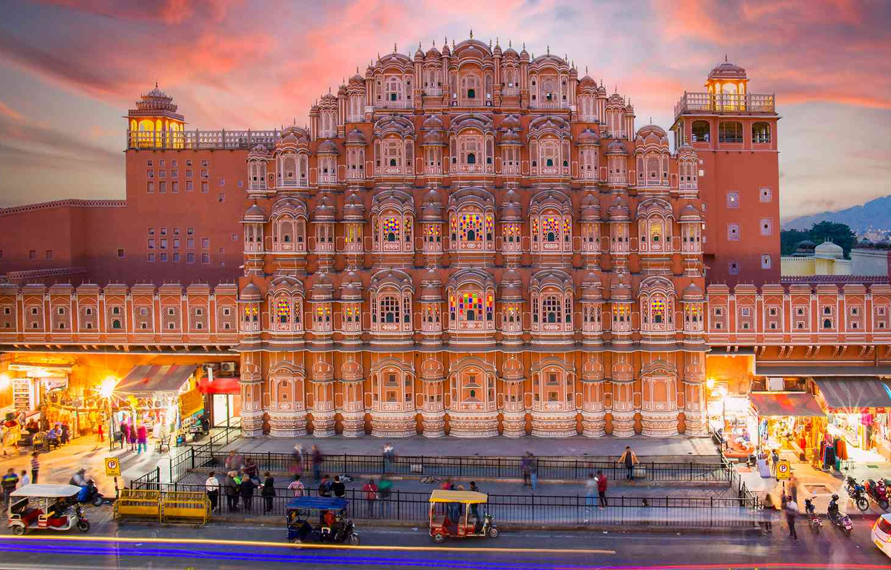
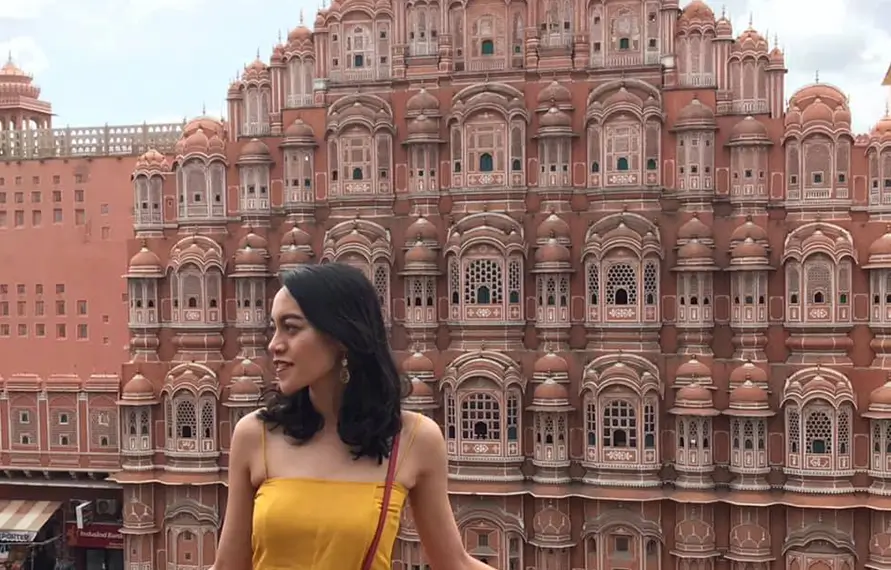
- Hawa Mahal, the Palace of Winds, a five story pink sandstone facade with hundreds of small windows originally built so royal women could observe street life unseen
- Jantar Mantar Observatory, a UNESCO listed collection of astronomical instruments built in the early eighteenth century, still used to calculate time and planetary positions with striking accuracy
Local experience: Sit down for a traditional Rajasthani thali, a multi course vegetarian meal served on a single platter, and spend an afternoon exploring the handicraft bazaars of the old city for block printed textiles, blue pottery, and gemstone jewelry.
Best time to visit: October through March. Summers in Jaipur are extremely hot, often above 40 degrees Celsius.
3. Mathura and Vrindavan: Land of Lord Krishna (180 km, about 3 to 4 hours by road
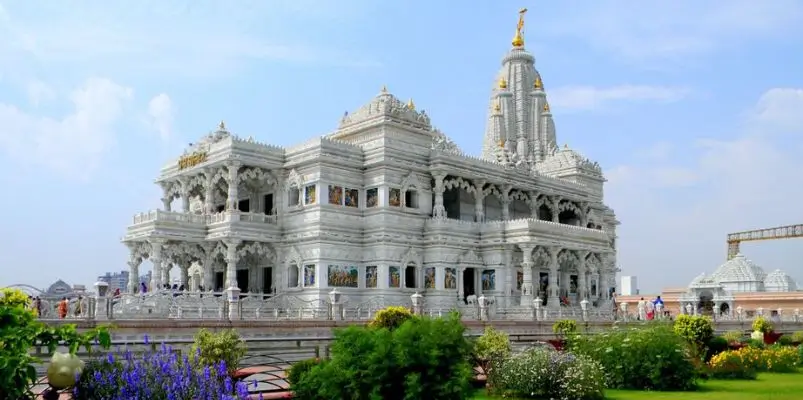
For foreign tourists interested in spiritual India, Mathura and Vrindavan make excellent day trips or overnight stops. According to Hindu tradition, Mathura is the birthplace of Lord Krishna, and Vrindavan is where he spent his childhood, which makes the twin towns one of the most important pilgrimage circuits in the country.
Highlights:
- Krishna Janmabhoomi Temple, built at the site traditionally identified as Krishna's birthplace
- Banke Bihari Temple, one of the most revered Krishna temples in Vrindavan, known for its packed evening prayers
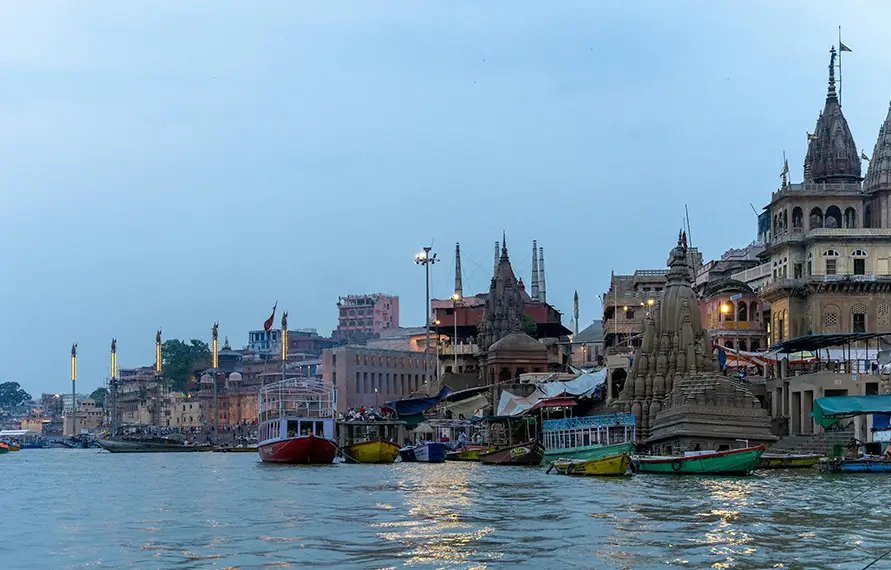
- Yamuna Ghats, where visitors can watch the evening aarti, a ritual of lamps, chanting, and music performed along the riverbank
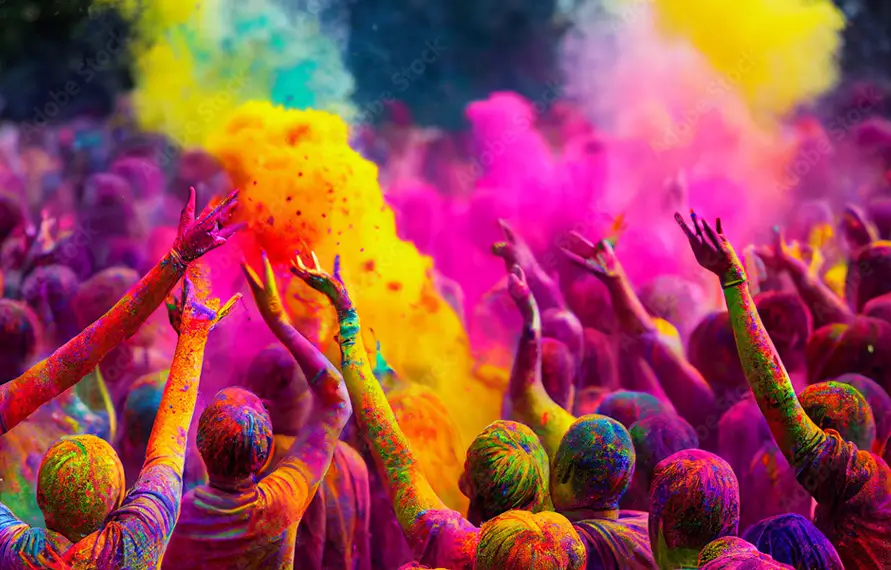
Unique experience: If your travel dates allow it, visit during Holi. Mathura and Vrindavan host some of the most elaborate Holi festivities in India, with flower petals, colored powder, and days of celebration around the temples.
Best time to visit: October to March for comfortable weather, or during the Holi festival in March for a cultural experience unlike anywhere else in the country.
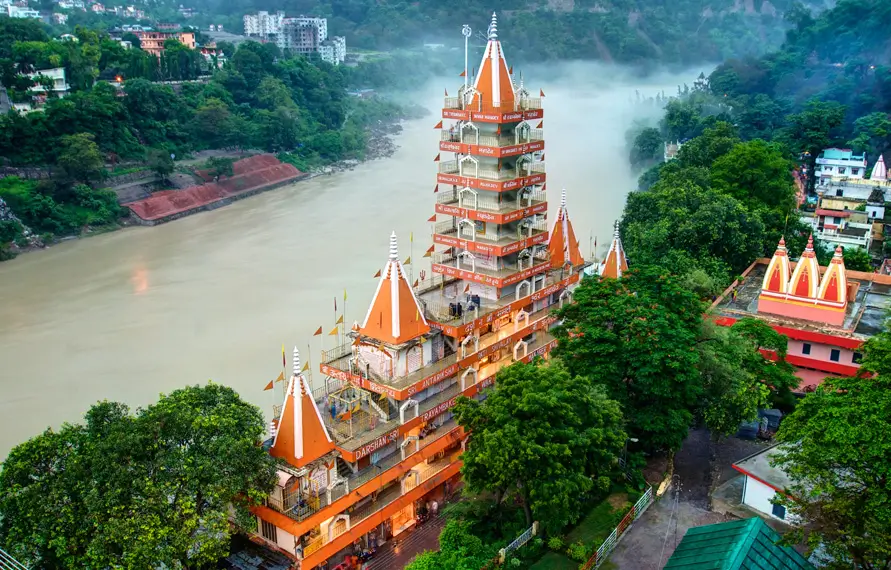
4. Rishikesh: Yoga Capital of the World (240 km, about 5.5 to 6 hours by road)
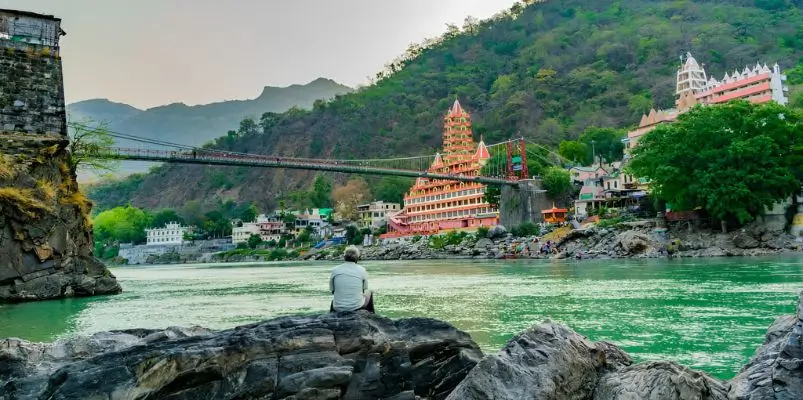
Set on the banks of the Ganges as it emerges from the Himalayan foothills, Rishikesh has built its international reputation on yoga, meditation, and adventure sports. It draws everyone from serious yoga students to backpackers looking for a few days of river rafting.
Top things to do:
- Join a yoga class or a short spiritual retreat at one of the many ashrams along the riverbank
- Attend the Ganga Aarti at Triveni Ghat, an evening ceremony of fire, chanting, and floating lamps
- Walk across the Lakshman Jhula suspension bridge for views over the river and the surrounding hills
- Try white water rafting on the Ganges, with routes suited to both beginners and experienced rafters
Why visit: Rishikesh is particularly well suited to wellness focused travelers and solo tourists, since the town is easy to get around on foot and has a large community of long term visitors and yoga practitioners.
Best time to visit: September to April. River rafting is best avoided during the monsoon months of July and August, when water levels rise sharply.
5. Haridwar: Ancient Hindu Pilgrimage City (220 km, about 5 hours by road)
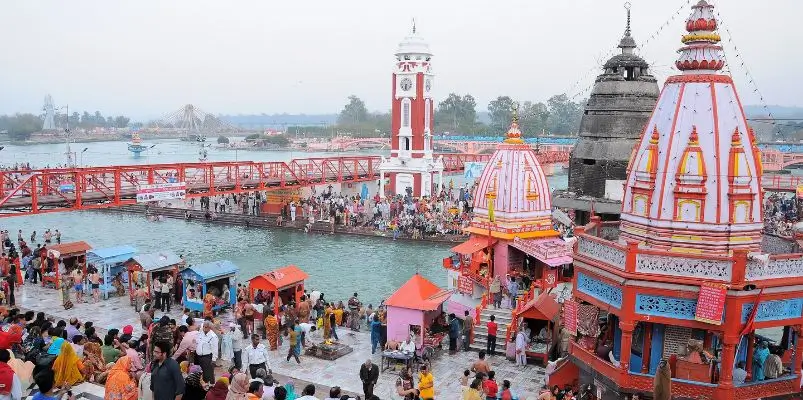
Haridwar is one of the oldest continuously inhabited cities in India and one of the seven holiest sites in Hinduism. It sits where the Ganges leaves the mountains and enters the plains, and it remains a working pilgrimage city rather than a museum piece.
Must see:
- Har Ki Pauri Ghat, the main bathing ghat on the river, where pilgrims come to wash away sins in the sacred water
- Evening Ganga Aarti, a large scale version of the ritual performed nightly at Har Ki Pauri, with hundreds of oil lamps set afloat on the river
- Mansa Devi Temple, reached by a cable car ride that gives sweeping views over the city and the river
Insider tip: Combine Haridwar with Rishikesh. The two cities are only about 25 kilometers apart, and together they make for a complete spiritual getaway that covers both the pilgrimage traditions of Haridwar and the wellness culture of Rishikesh.
Best time to visit: October to March, or during the Kumbh Mela when it falls in Haridwar, though that period brings enormous crowds.
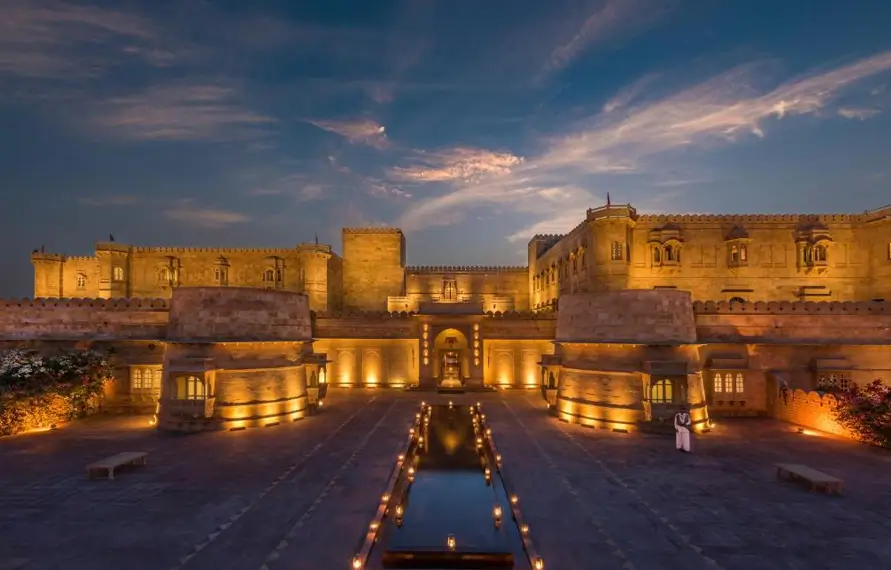
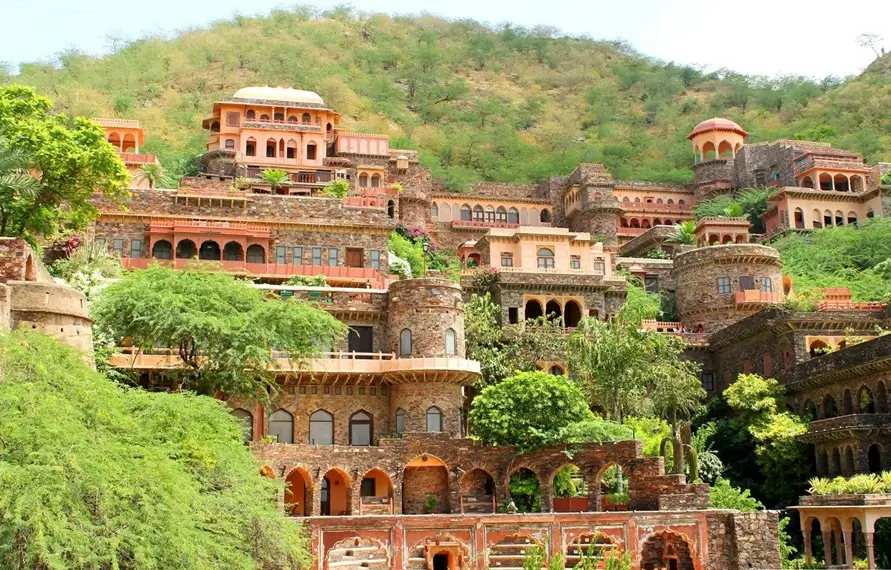
6. Neemrana: Heritage Fort and Luxury Stay (120 km, about 2 to 2.5 hours by road
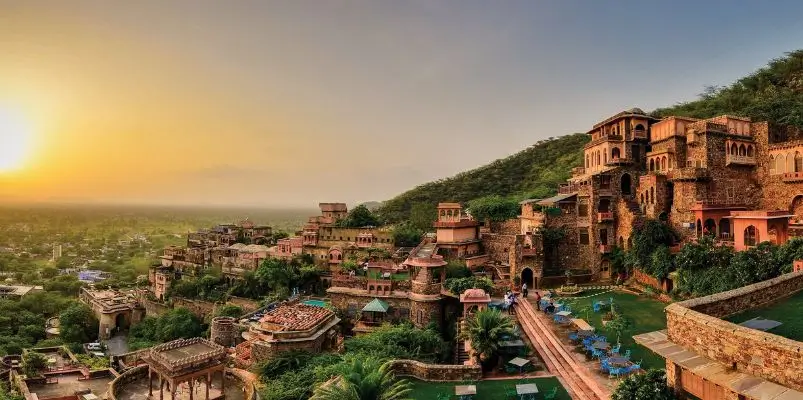
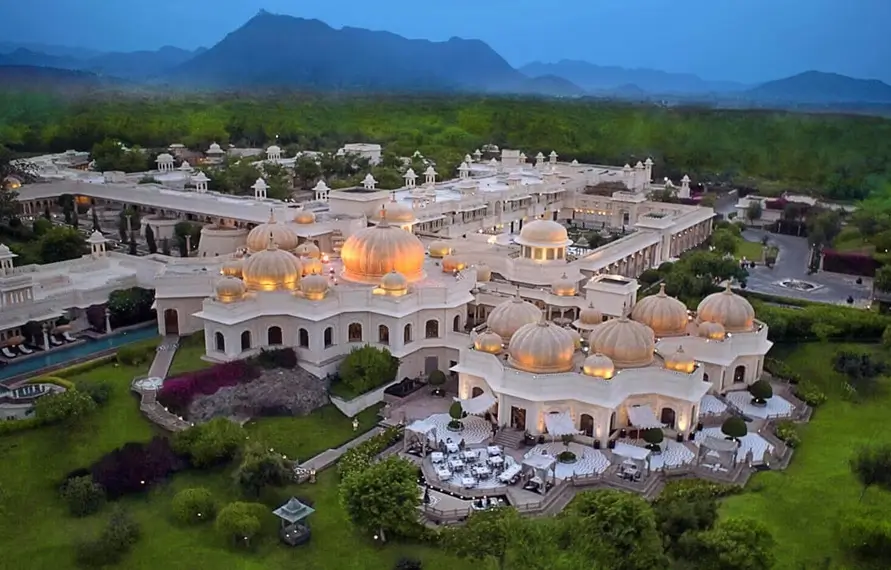
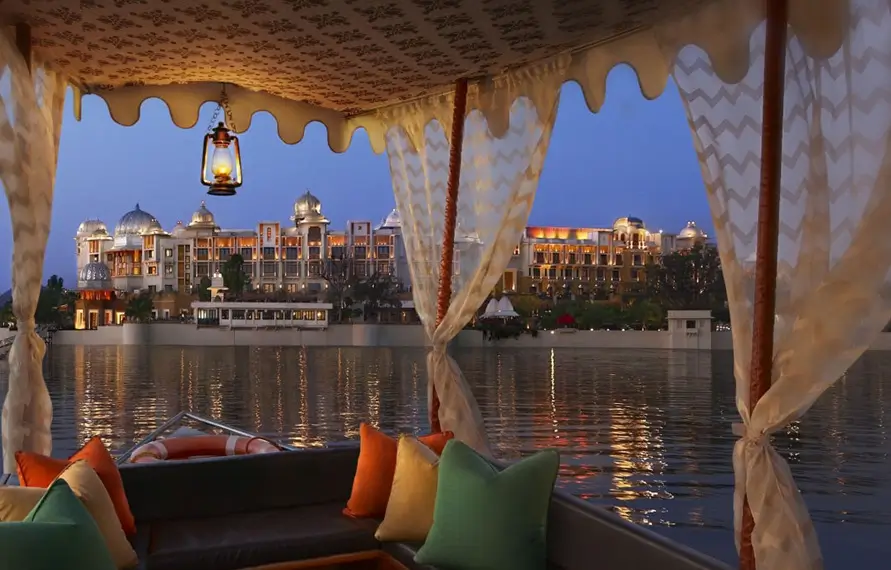
Foreigners seeking a short royal retreat should consider Neemrana Fort Palace, a fifteenth century fort that has been converted into one of India's best known heritage hotels. Built into a hillside in Rajasthan, it rises across multiple levels connected by courtyards, terraces, and stepped walkways.
Activities:
- Stay overnight in a heritage room decorated in period style
- Watch a traditional Rajasthani cultural performance in the evening
- Try the zip line that runs across the fort's ravine, along with spa treatments for a more relaxed pace
Best for: A weekend relaxation trip with a strong dose of history, particularly for travelers who want a short getaway from Delhi without a long drive.
Distance from Delhi: Around 120 km, which makes it ideal for a one night heritage stay.
7. Bharatpur: Birdwatching Paradise (200 km, about 4 hours by road)
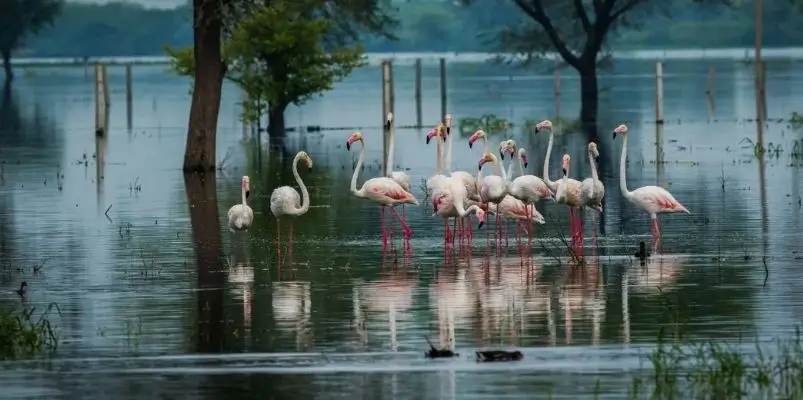
Bharatpur is the destination of choice for nature lovers and bird enthusiasts visiting North India. The town is home to Keoladeo National Park, a UNESCO World Heritage Site and one of the finest bird sanctuaries in Asia.
Best time to visit: October to February, when thousands of migratory birds arrive from Central Asia, Siberia, and beyond, joining the park's large resident population of herons, storks, and waterfowl.
Fun fact: Motor vehicles are not allowed inside the core zone, so the best way to explore the park is by cycle rickshaw with a trained naturalist guide, an experience that keeps the sanctuary quiet and undisturbed.
Looking for the Best Places to Visit Near Delhi?
Whether you're planning a one-day excursion, a weekend getaway, or a multi-day road trip from Delhi, we provide comfortable private cars, experienced drivers, and fully customized itineraries to India's most popular nearby destinations.
8. Mandawa: Open Air Art Gallery of Rajasthan (240 km, about 5 hours by road)
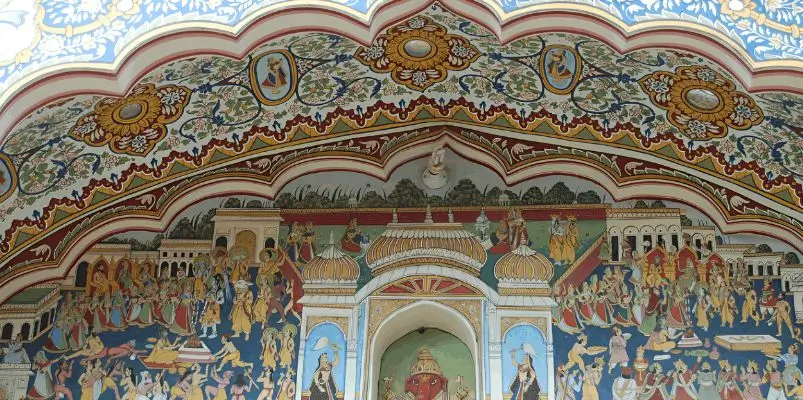
Located in the Shekhawati region of Rajasthan, Mandawa is known for its painted havelis, grand merchant mansions covered in frescoes depicting mythological scenes, colonial imagery, and everyday life from the eighteenth and nineteenth centuries.
Why visit:
- Far less touristy than Jaipur or Agra, which makes it feel like a genuine discovery
- Offers an authentic look at small town Rajasthani life away from the main tourist circuit
- Extremely photogenic, with faded, colorful architecture around almost every corner
Mandawa also works well as a stop on longer Rajasthan itineraries that continue toward Bikaner or Jaisalmer.
9. Chandigarh: Modern Architecture and Green Spaces (250 km, about 4.5 to 5 hours by road)
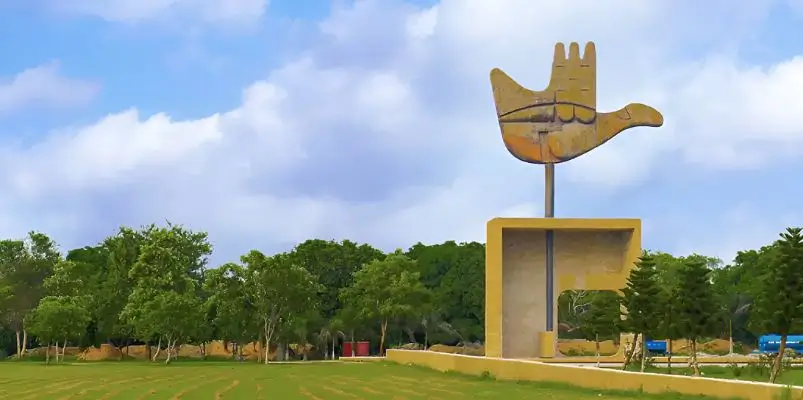
Chandigarh stands apart from every other entry on this list. It is India's first fully planned city, designed in the 1950s by the Swiss French architect Le Corbusier, and it offers a completely different side of the country for travelers who have already seen the older Mughal and Rajput cities.
Key attractions:
- Rock Garden, a sprawling sculpture park built entirely from recycled industrial waste and found materials
- Sukhna Lake, a peaceful, man made lake popular for boating and evening walks
- Rose Garden, one of the largest rose gardens in Asia, best visited in the cooler months when the flowers are in bloom
- Capitol Complex, a UNESCO listed group of government buildings that showcases Le Corbusier's modernist design principles
Best for: Architecture enthusiasts and travelers looking for a calmer, greener city to explore over a weekend.
10. Sariska National Park: Wildlife Escape (200 km, about 4 hours by road)
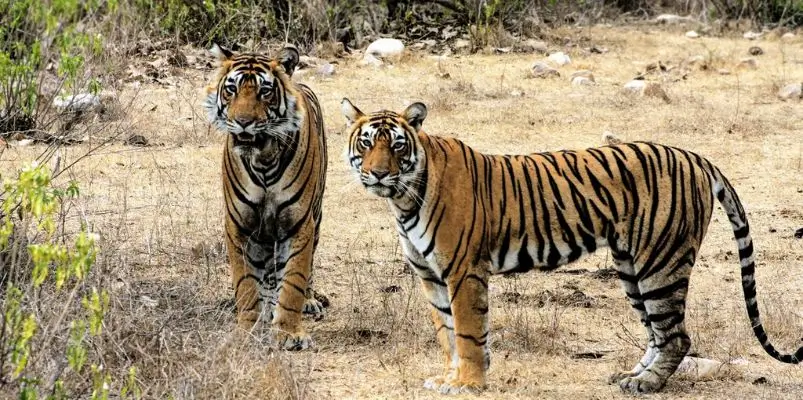
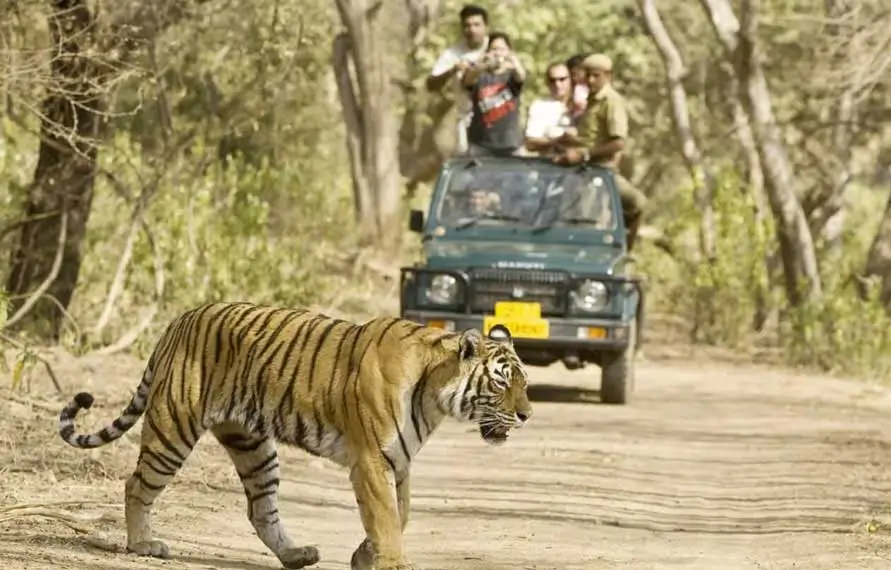
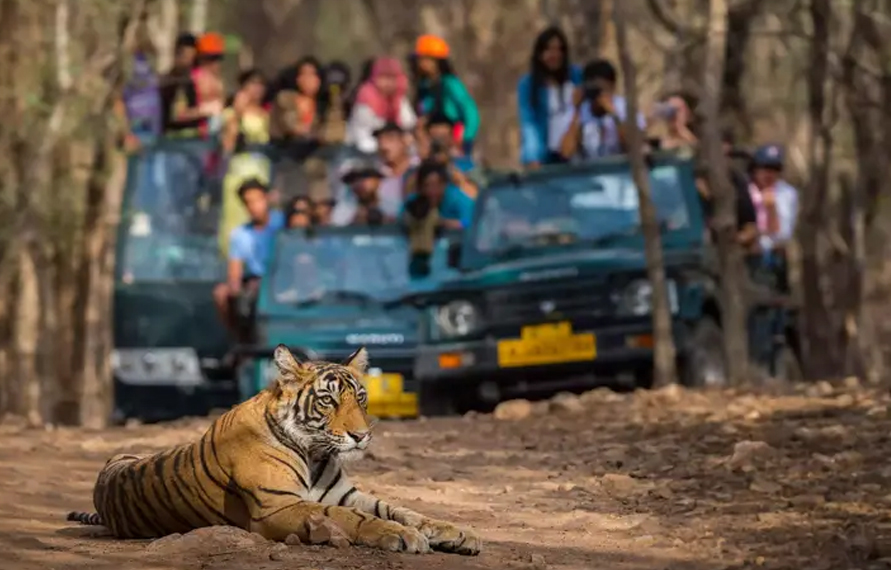
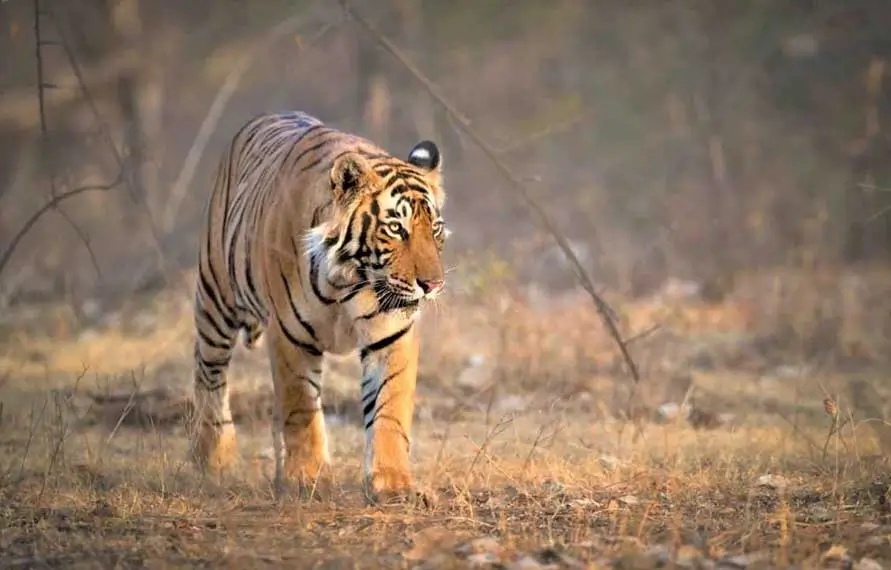
For a quick wildlife getaway near Delhi, Sariska National Park in Rajasthan offers tiger safaris set against dense dry deciduous forest and rocky hills, all within striking distance of Jaipur as well.
What to expect:
- Jeep safaris through the park's core and buffer zones, usually run in the early morning and late afternoon
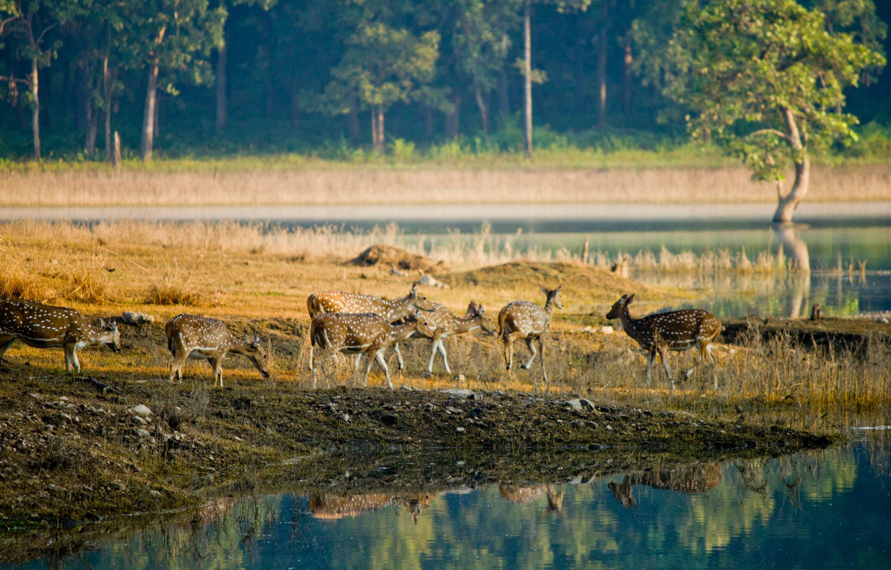
- Sightings of leopard, tiger, sambar deer, and a wide variety of resident and migratory birds
- The ancient Kankwari Fort inside the park, historically used as a place of exile by the Mughals
Sariska is often combined with a Jaipur itinerary, since the two are only a few hours apart by road.
11. Kurukshetra: Land of the Mahabharata (170 km, about 3.5 hours by road)
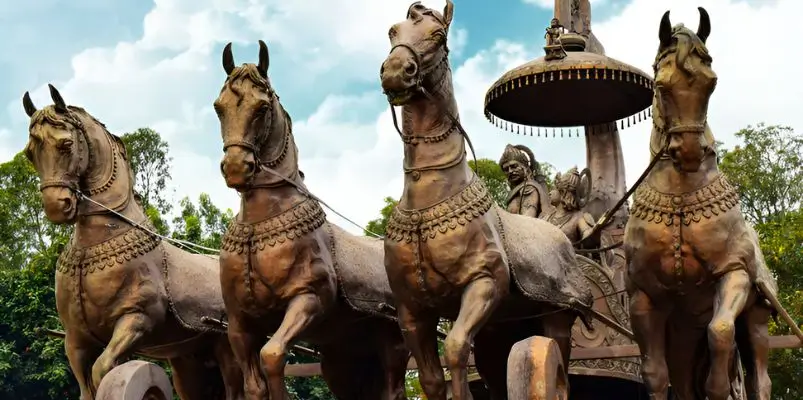
For history and mythology enthusiasts, Kurukshetra holds a unique place in Indian tradition as the site where the epic battle of the Mahabharata is believed to have taken place, and where Lord Krishna delivered the teachings of the Bhagavad Gita.
Things to see:
- Brahma Sarovar, a large sacred water tank considered one of the holiest sites in the region
- Krishna Museum, which traces the life of Krishna and the events of the Mahabharata through paintings, sculpture, and manuscripts
- Jyotisar, the spot traditionally identified as the place where the Bhagavad Gita was narrated
Good to know: Kurukshetra is compact enough to be covered as a half day tour from Delhi, making it a practical add on for travelers with limited time.
12. Mussoorie: The Queen of Hills (290 km, about 6 to 7 hours by road)
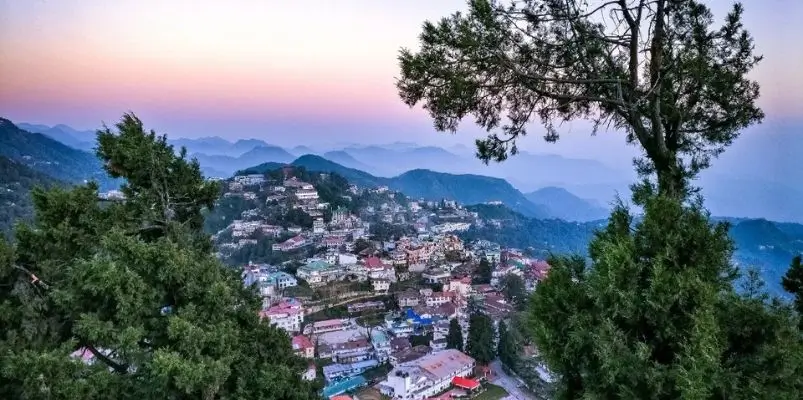
For travelers wanting cooler air and mountain views without a long journey into the deeper Himalayas, Mussoorie remains one of the most popular hill stations near Delhi. Built up by the British in the nineteenth century as a summer retreat, it still carries a distinct colonial character in its architecture and layout.
Top experiences:
- Shopping and people watching along Mall Road, the town's main promenade
- Riding the cable car up to Gun Hill Point for panoramic views of the Himalayan foothills
- Visiting Kempty Falls, a multi tiered waterfall that is especially popular in the warmer months
Stay suggestion: Several British era heritage hotels in and around Mussoorie offer a good balance of old world charm and modern comfort, and they make a strong base for exploring nearby hill stations near Delhi such as Landour.
Cultural and Local Experiences Around Delhi
Sightseeing is only part of the story. Foreign tourists can add real depth to a trip with these authentic cultural activities near Delhi:
- Pottery Village Tour at Kumhar Gram, where visitors can watch traditional potters at work and try their hand at the wheel
- Cooking classes in Agra or Jaipur, usually held in a local home and covering regional Rajasthani or Mughlai dishes
- Folk dance and puppet show in Mandawa, a good way to experience Rajasthani performing arts outside of a formal theater setting
- Ayurvedic spa retreat in Rishikesh, ranging from a single treatment to a multi day wellness program
- Handicraft shopping in Jaipur and Neemrana, covering block printed fabric, hand knotted rugs, blue pottery, and traditional jewelry
These activities pair naturally with sightseeing and give travelers a closer connection to local traditions than a monument visit alone can offer.
Visit the Top Tourist Places Near Delhi with Ease
From the Taj Mahal in Agra and the royal city of Jaipur to the wildlife of Ranthambore, the temples of Mathura, and the mountains of Rishikesh, enjoy a stress-free journey with a private driver and a travel plan designed around your schedule.
Hidden Gems Worth Exploring Near Delhi
Beyond the well known circuit, a handful of lesser visited destinations near Delhi reward travelers who have a bit of extra time or who have already covered the major sites on a previous trip.
- Garhmukteshwar: A spiritual riverside town on the Ganges that receives a fraction of the crowds seen in Haridwar, making it a quieter alternative for experiencing a riverside pilgrimage town
- Damdama Lake: A nature and boating escape roughly 60 km from Delhi, popular for a relaxed half day trip and light hiking around the surrounding hills
- Sultanpur Bird Sanctuary: A birding site close to Gurgaon that draws migratory species during the winter months, without the distance required to reach Bharatpur
- Tijara Fort Palace: An offbeat heritage hotel in Rajasthan, restored from a historic fort and generally far less crowded than Neemrana
These destinations near Delhi work well for travelers seeking a quiet escape, dedicated birdwatching time, or a heritage stay without the higher visitor numbers of the more established sites.
Best Time to Visit Places Near Delhi
Timing matters a great deal in North India, and it affects the destinations on this list differently.
October to March is the most comfortable window for almost every place covered here, including Agra, Jaipur, Mathura, Haridwar, Bharatpur, Mandawa, Sariska, and Kurukshetra. Daytime temperatures are mild, skies are generally clear, and this period also covers most of the region's major festivals, including Diwali and Holi.
April to June brings intense heat across the Delhi region and Rajasthan, with daytime temperatures regularly exceeding 40 degrees Celsius. Hill stations such as Mussoorie are the exception, since the cooler mountain air makes this their peak season.
July to September is the monsoon period. Rainfall can disrupt travel plans in the plains and makes activities such as river rafting in Rishikesh unsafe due to higher water levels. Hill stations remain green and scenic during this period, though landslides can occasionally affect mountain roads.
Sample Itineraries for Short Trips Near Delhi
For travelers deciding how to structure their time, here are a few practical combinations based on the destinations above.
A single day trip: Agra alone, or Kurukshetra for a half day mythology focused tour, both of which can be completed with an early morning start and a return to Delhi the same evening.
A two to three day weekend getaway from Delhi: Agra combined with Jaipur, or Haridwar combined with Rishikesh, gives a well rounded short trip without excessive time spent on the road.
A four to five day trip: Delhi, Agra, and Jaipur together form the classic Golden Triangle tour, and this route can be extended with a detour to Sariska National Park or Bharatpur for a wildlife component.
A full week or longer: Travelers with more time can combine Jaipur, Mandawa, and Neemrana for a Rajasthan focused loop, or pair Haridwar and Rishikesh with a few extra days in Mussoorie for a spiritual and hill station combination.
Travel Tips for Foreign Tourists
1. Transport
Hire a private car with driver for comfort, flexibility, and safety, particularly if you plan to visit more than one destination on this list. For city to city travel, Shatabdi and other express trains are a fast, comfortable alternative, especially between Delhi and Agra.
2. Language
English is widely spoken across hotels, monuments, and tourist areas in all of these destinations, though having a local guide will help you understand the history and context behind what you are seeing, and can be useful in smaller towns.
3. Entry Fees
Many Indian monuments, including the Taj Mahal and Amber Fort, charge different rates for foreign visitors compared to Indian nationals. Carry cash for smaller sites, and check current pricing online before you go, since rates are updated periodically.
4. Clothing
Modest dressing is appreciated at religious sites and in smaller villages. Covering shoulders and knees is a safe default, particularly at temples in Mathura, Vrindavan, Haridwar, and Rishikesh.
5. Safety
Stick to registered guides and licensed operators, and avoid walking alone in remote or unlit areas after dark, as you would in any unfamiliar destination.
6. SIM Card and Connectivity
Pick up a local SIM card at the airport on arrival for reliable data access, which makes navigation, ride booking, and staying in touch with your hotel or driver considerably easier.
7. Book in Advance
For destinations such as Neemrana, Bharatpur, or Sariska, book accommodation and safaris ahead of time, especially during the peak season from October to March, when availability can be limited.
8. Local Etiquette
Remove your shoes before entering temples, and always ask permission before photographing people, particularly in villages and smaller towns where this is appreciated as a basic courtesy.
9. Best Time to Travel
October to March remains the most pleasant season across nearly all of these destinations, with the added benefit of coinciding with several major Indian festivals.
10. Local Cuisine to Try
- Parathas at Murthal, a popular highway stop on the route to Chandigarh
- Bedai, a spiced fried bread served with potato curry, a specialty of Agra
- Kachori, a savory stuffed pastry widely available across Jaipur
- Local sweets in Mathura, including the famous peda, a milk based confection tied closely to the town's religious traditions
Final Thoughts
Delhi works well as more than a starting point. Within a day or two's travel in almost any direction, you can reach Mughal monuments, sacred rivers, wildlife reserves, painted desert towns, and Himalayan hill stations, all connected by reasonably good roads and rail links. For foreign tourists planning a trip to North India, building a few of these places to visit near Delhi into your itinerary is one of the most effective ways to see a fuller picture of the country beyond the capital.
Whether you are drawn to the Golden Triangle tour cities of Agra and Jaipur, the spiritual towns of Haridwar and Rishikesh, or a quieter hidden gem such as Tijara or Garhmukteshwar, the region around Delhi offers enough variety to fill several return trips.



 info@topindianholidays.net
 +91-8955000999