Places To Visit In Ranthambore
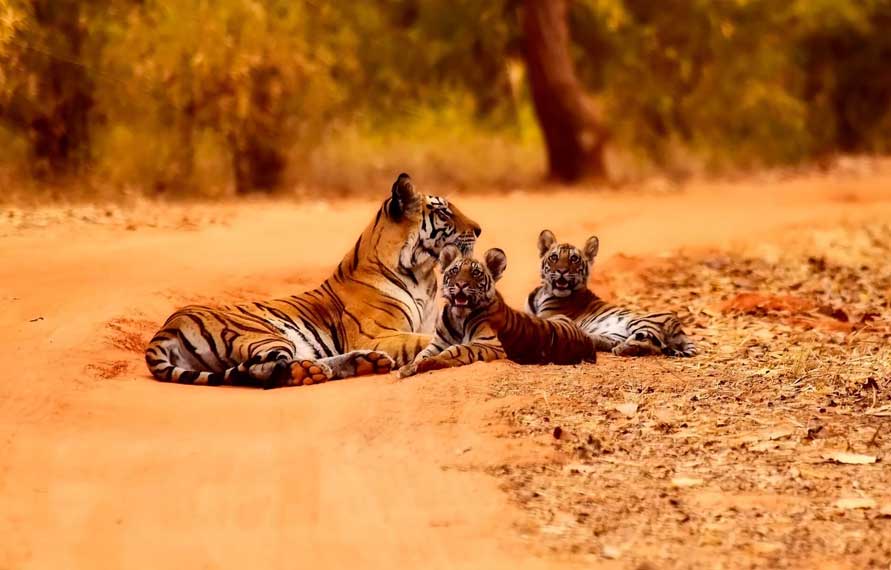
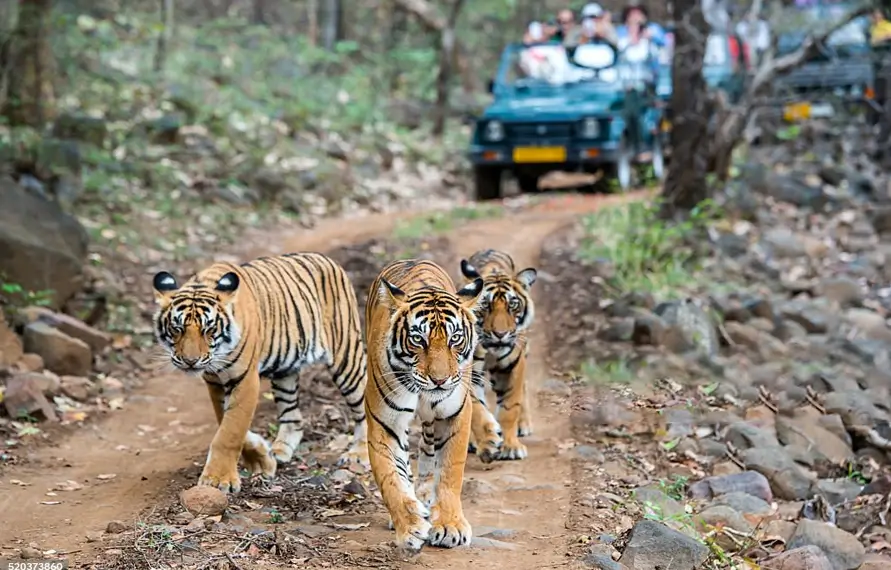
Ranthambore, located in the Sawai Madhopur district of Rajasthan, is one of India’s most famous wildlife destinations, especially for those hoping to spot the majestic Royal Bengal Tiger. But there’s more to Ranthambore than just jungle safaris. It offers a stunning combination of ancient ruins, royal hunting history, scenic lakes, and rich biodiversity, making it a must-visit for foreign tourists who crave nature, adventure, and cultural depth all in one place.
Why Visit Ranthambore?
- Home to the Ranthambore National Park, one of the best tiger reserves in India
- A former royal hunting ground of the Maharajas of Jaipur
- Easy to reach from Delhi, Agra, and Jaipur – making it a popular Golden Triangle extension
- Combines wildlife exploration with historical heritage sites
- Great for photographers, nature lovers, bird watchers, and adventure seekers
Where is Ranthambore Located?
Ranthambore is located in eastern Rajasthan, about:
- 160 km from Jaipur
- 380 km from Delhi
- 270 km from Agra
The closest town is Sawai Madhopur, which has a major railway station connected to key cities across India.
Top Tourist Places to Visit in Ranthambore
1. Ranthambore National Park
Tiger Reserve | Jeep & Canter Safaris | Wildlife Photography
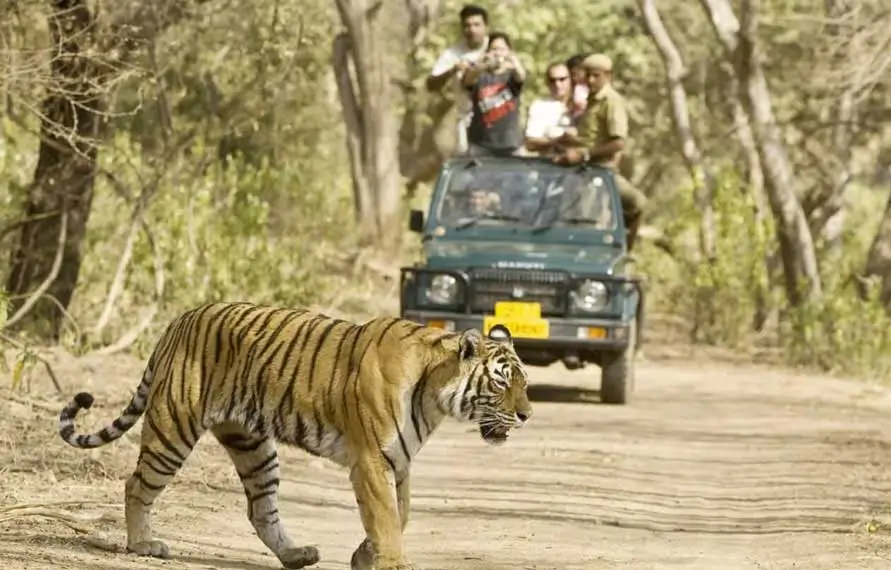
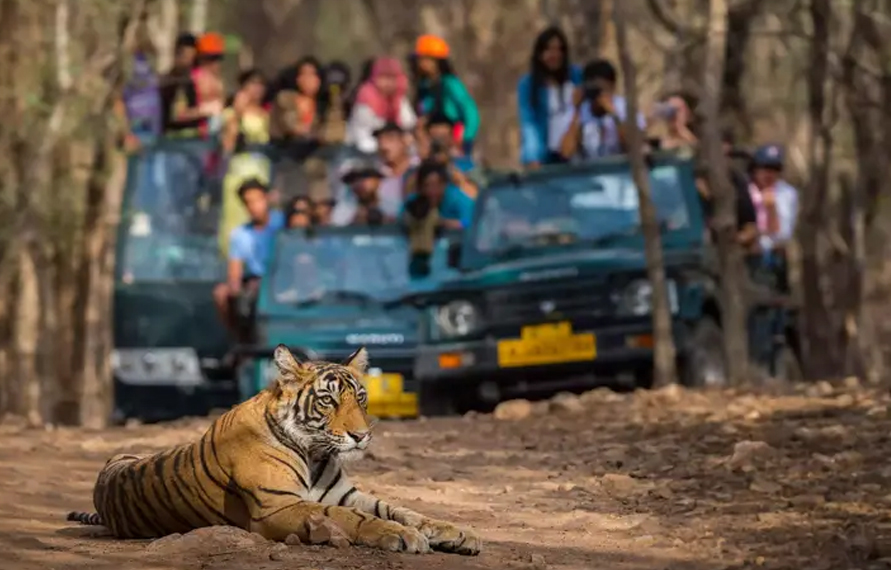
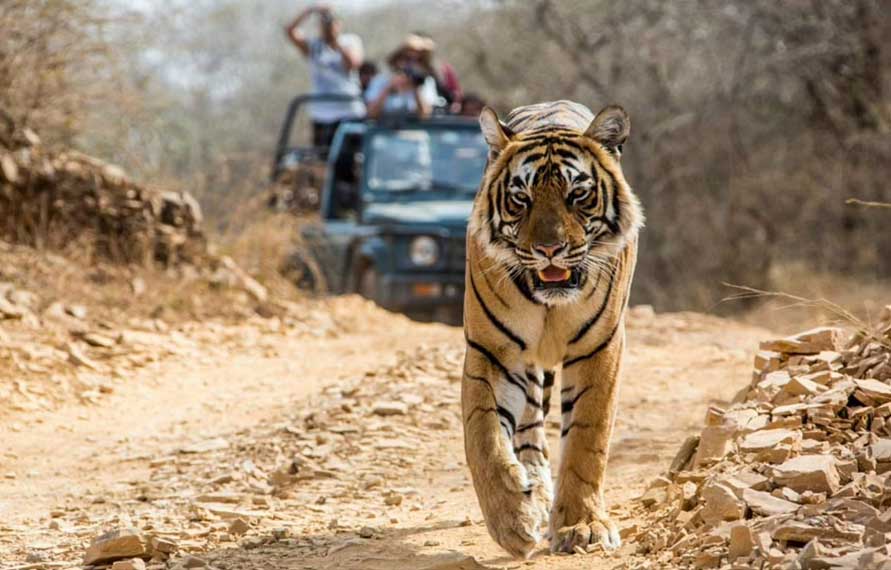
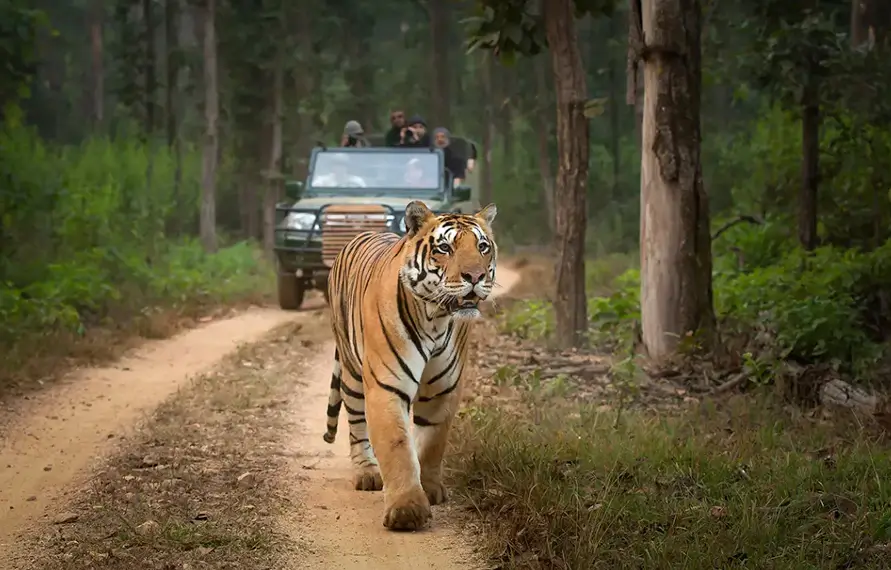
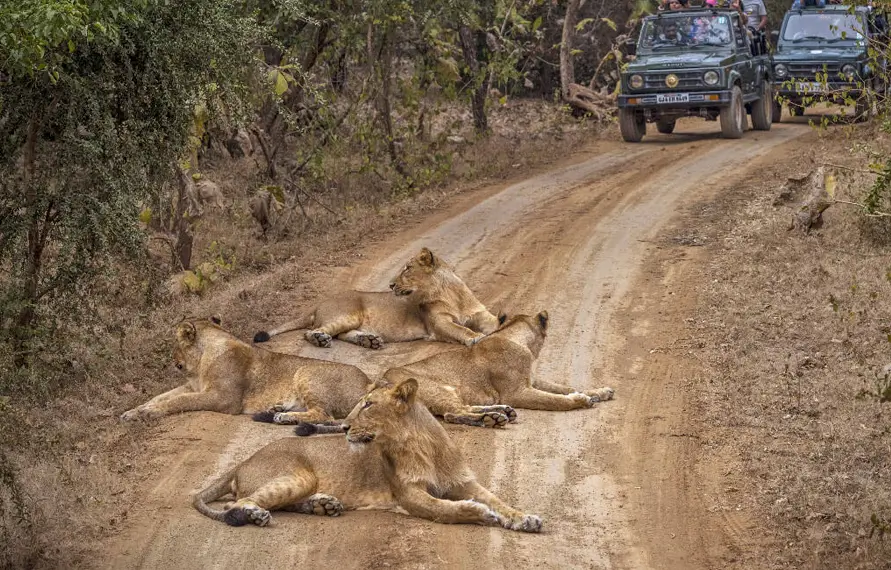
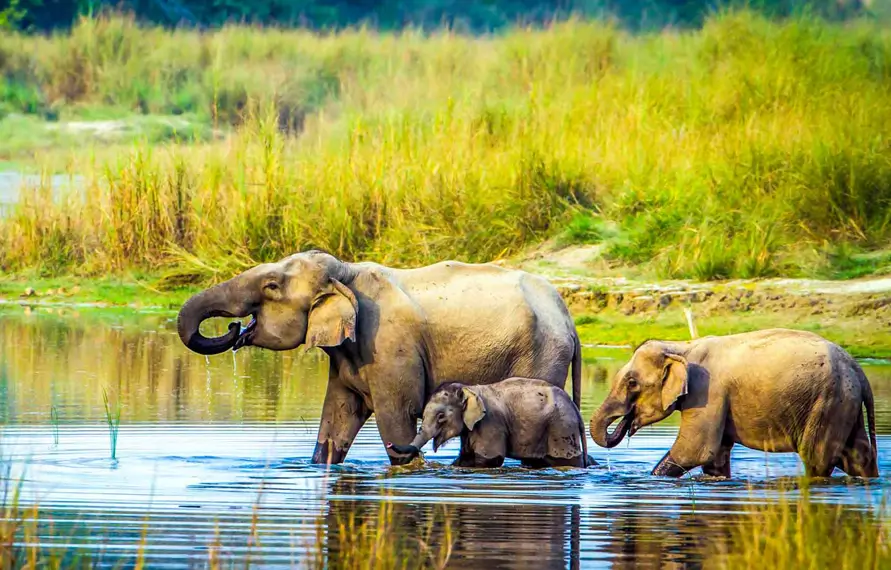
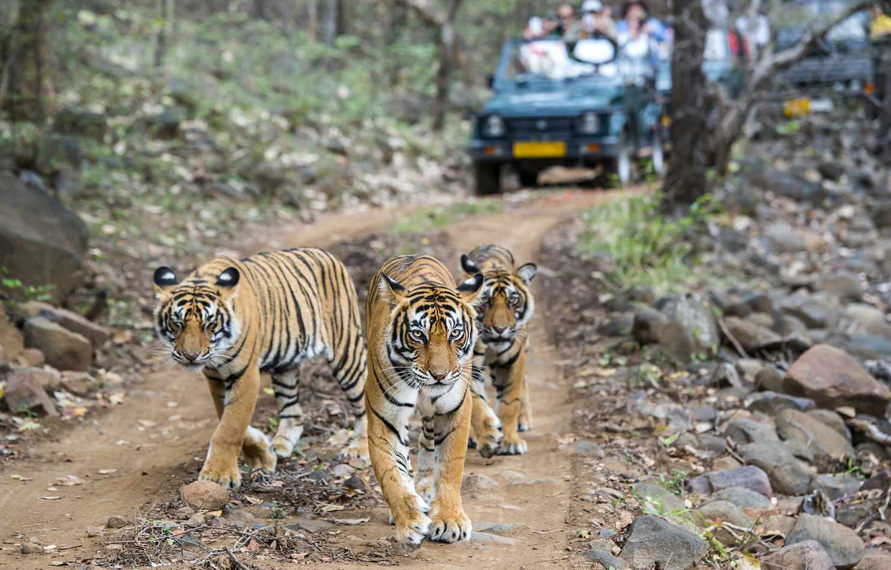
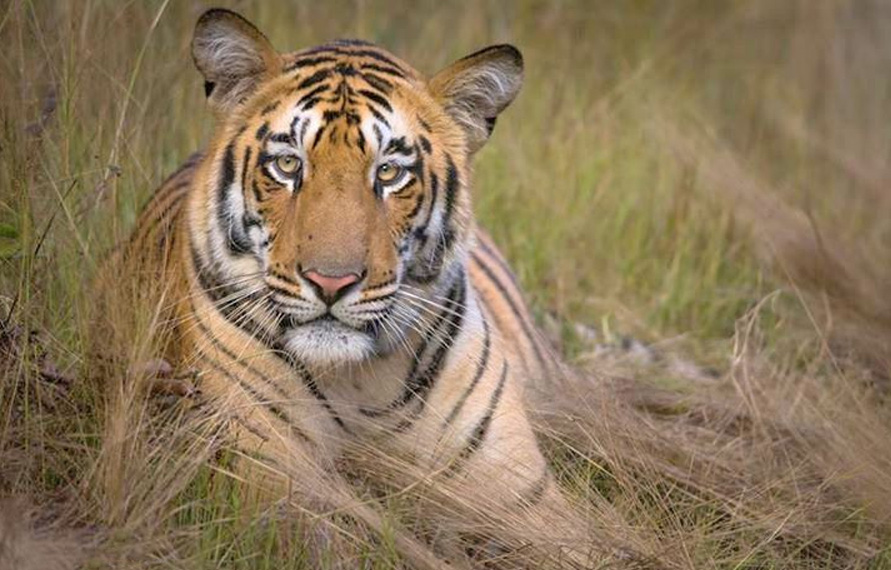
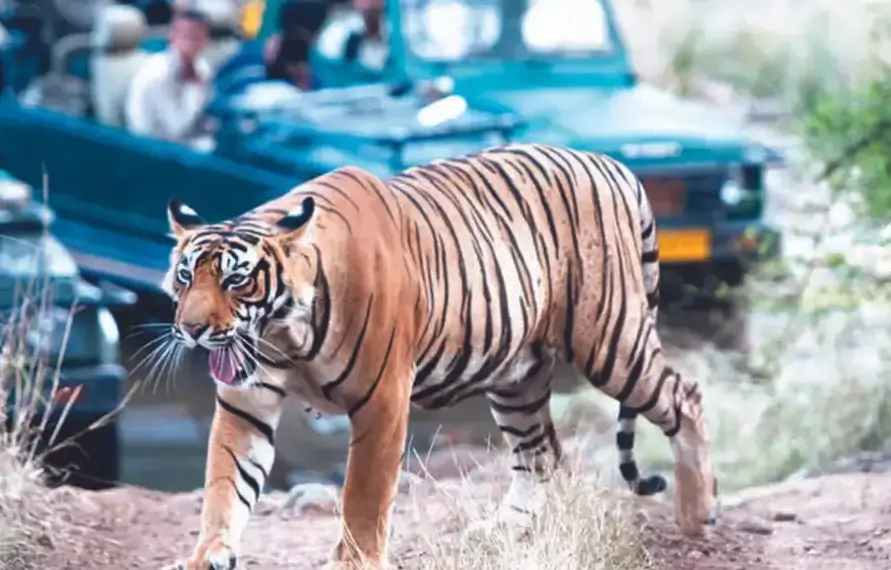
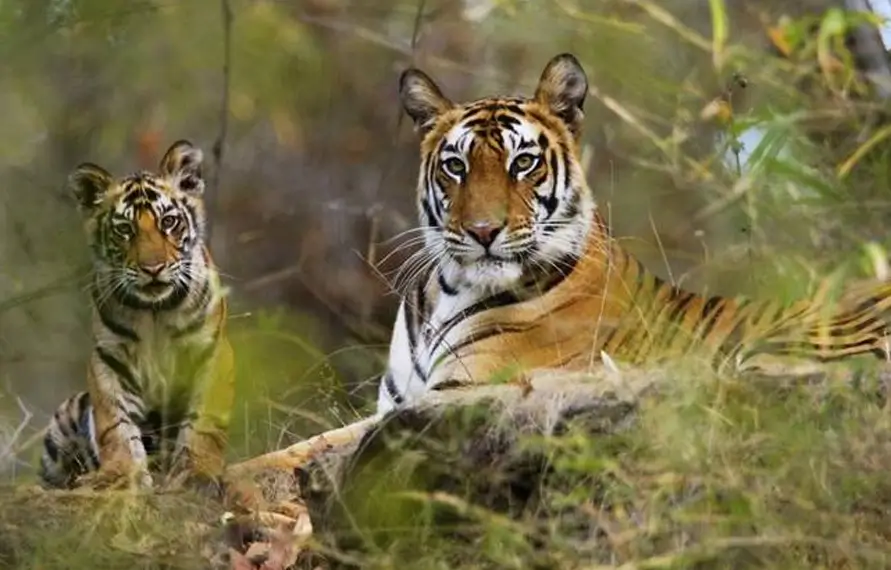
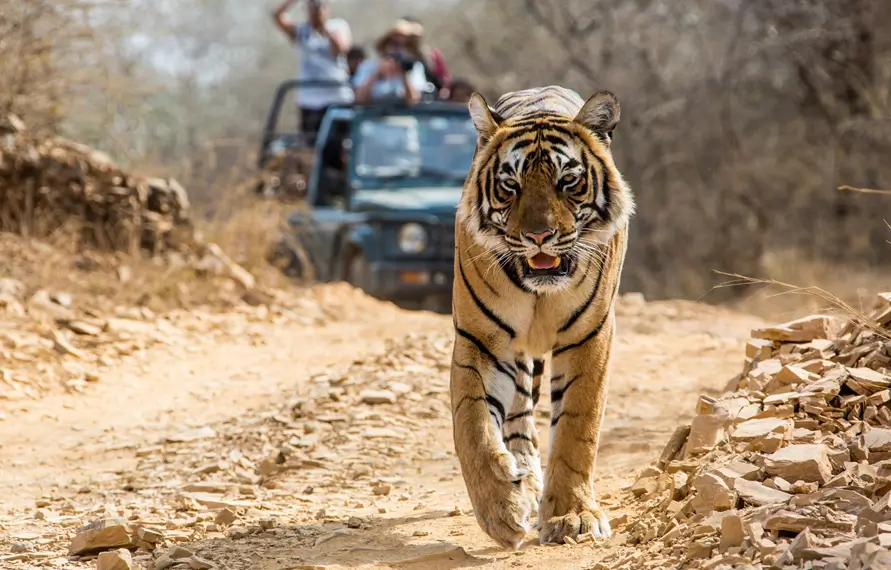
Spread across 1334 sq. km, Ranthambore National Park is among the largest and most famous national parks in India. It’s particularly known for its high chances of tiger sightings in a natural habitat of dry deciduous forests, grasslands, and lakes.
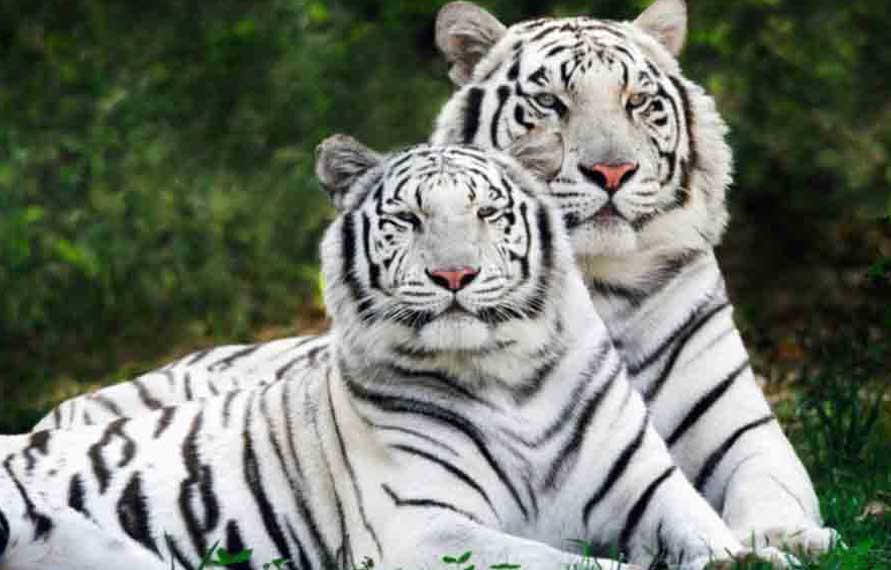
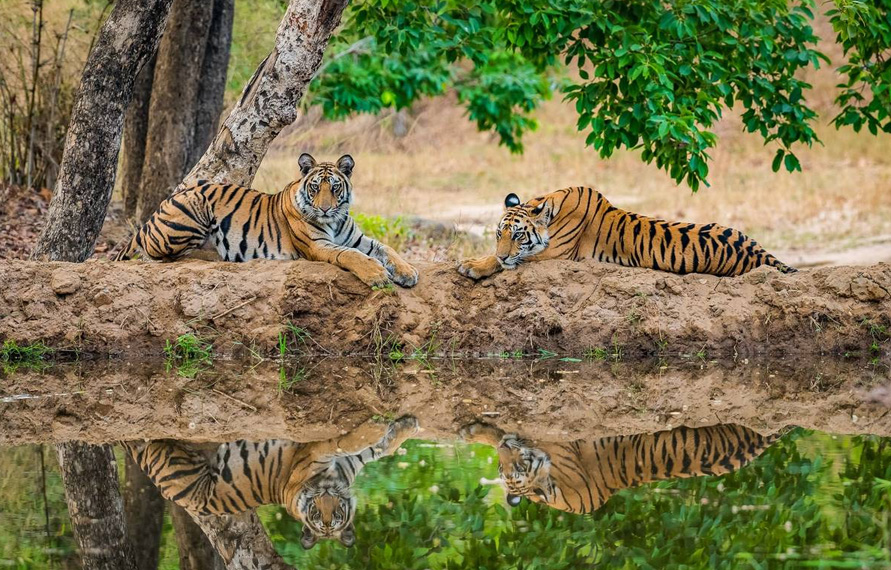
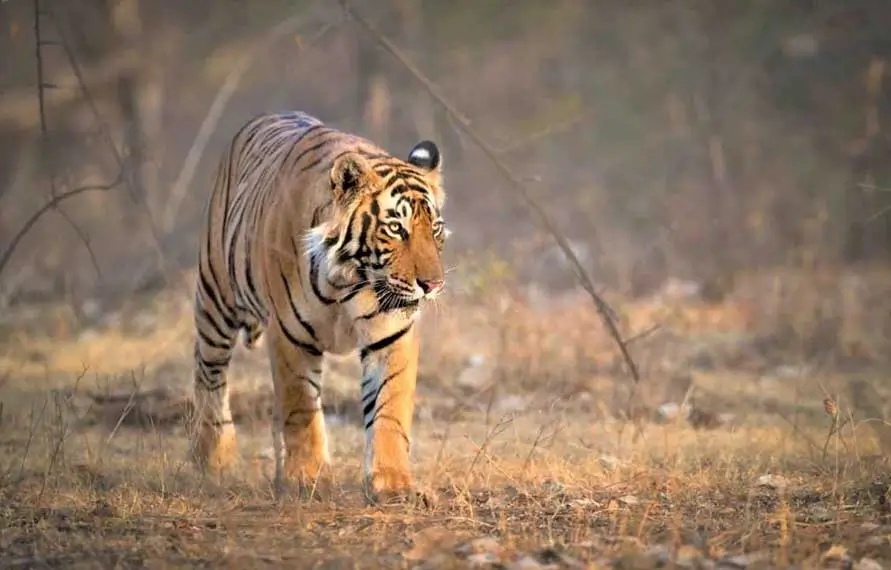
- Royal Bengal Tigers (the star attraction)
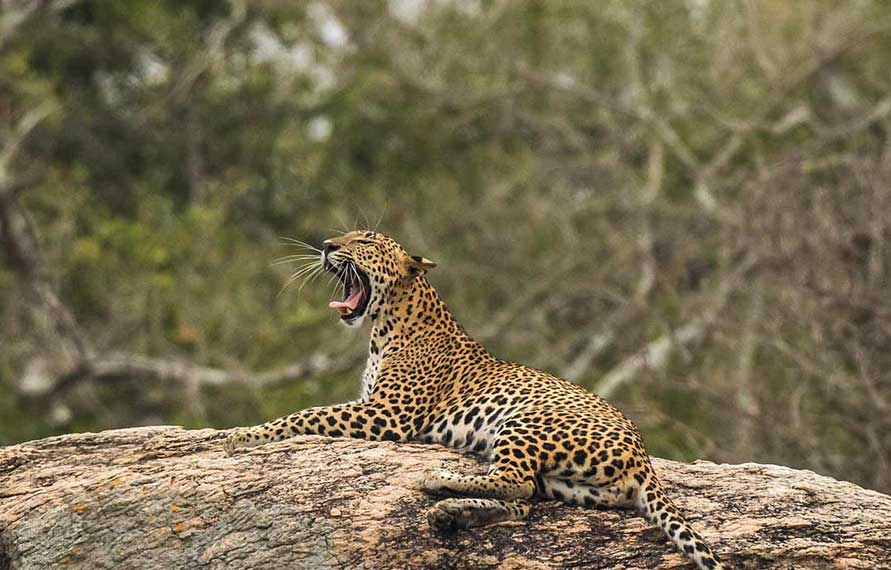
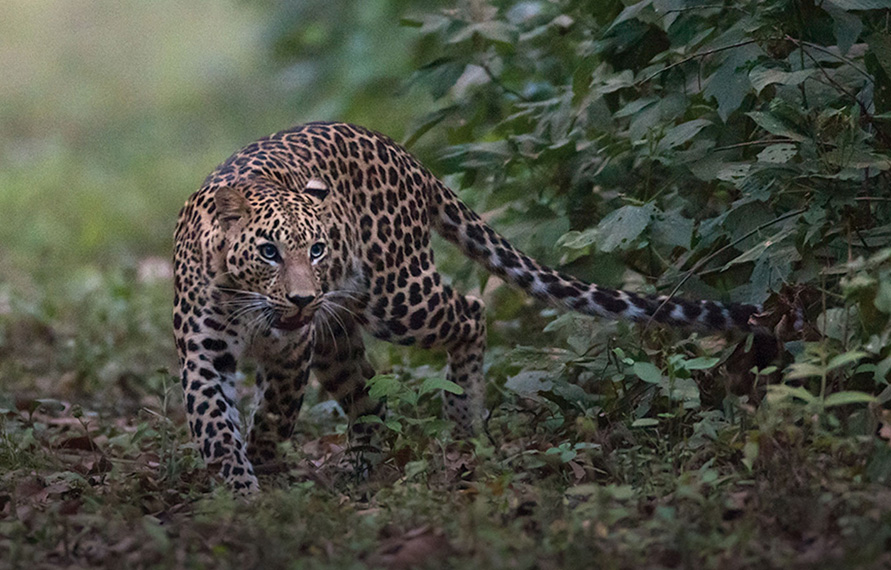
- Leopards, Sloth Bears, Hyenas, Wild Boars
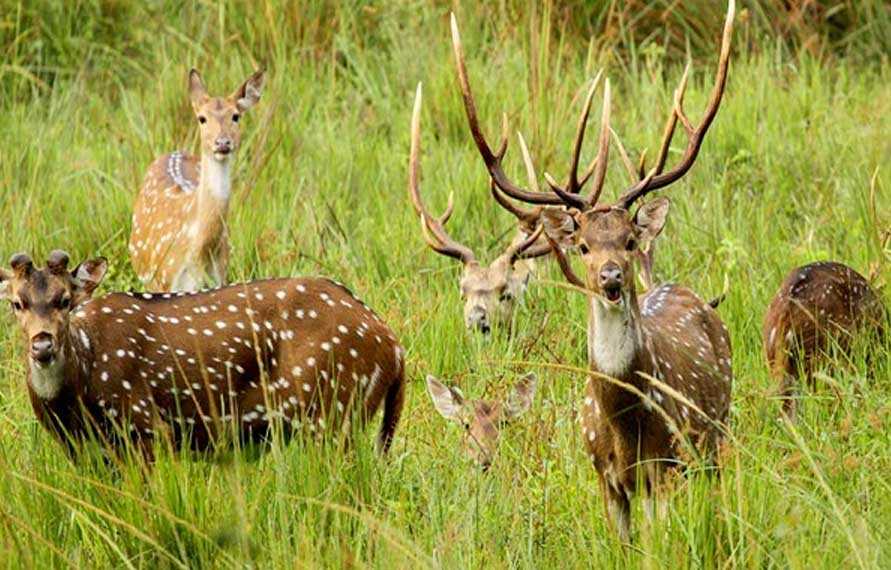
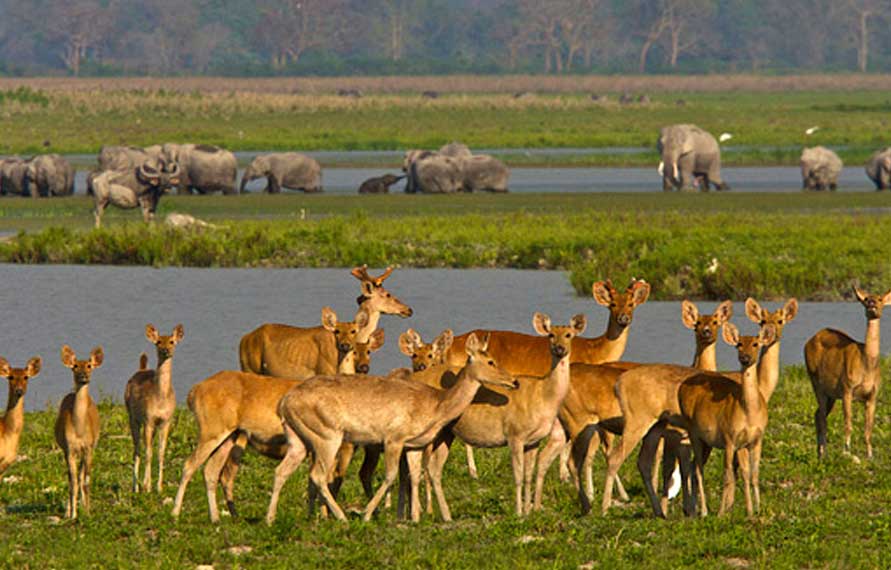
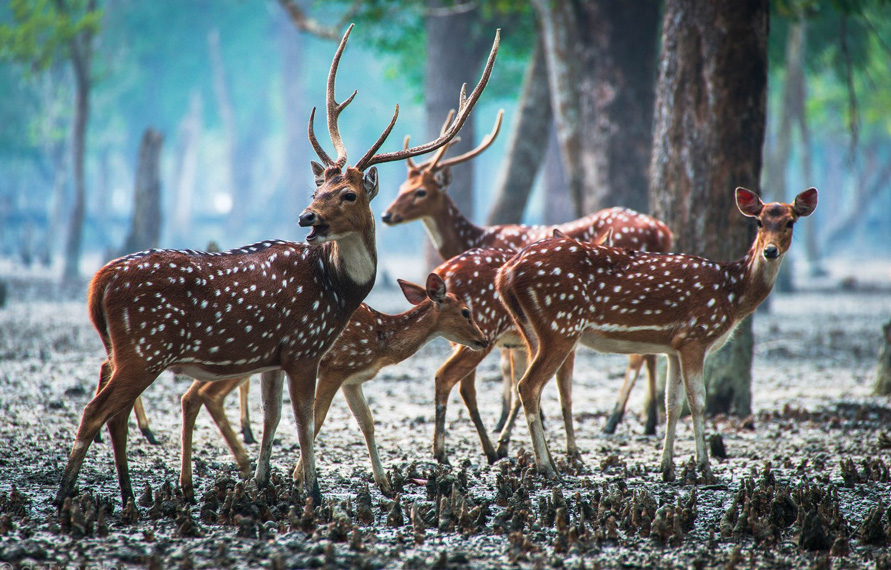
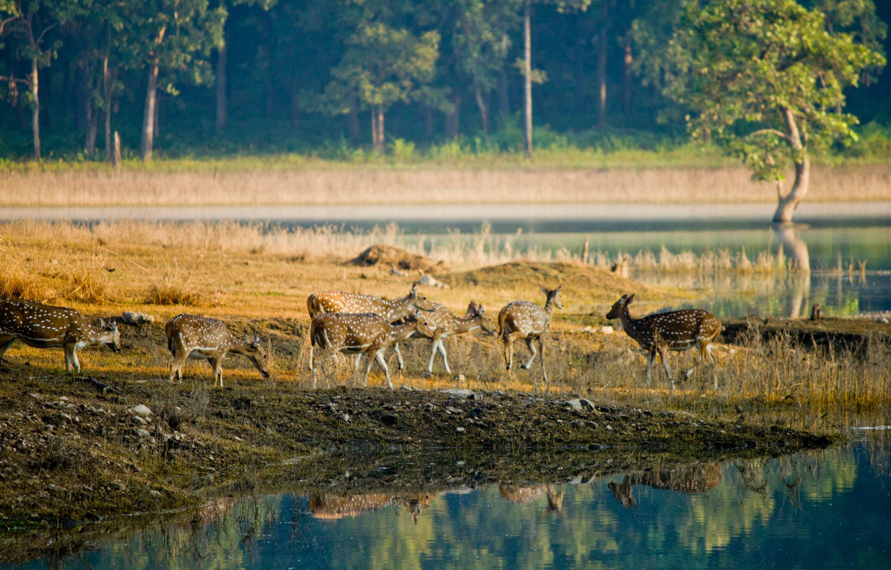
- Sambhar, Spotted Deer, Nilgai
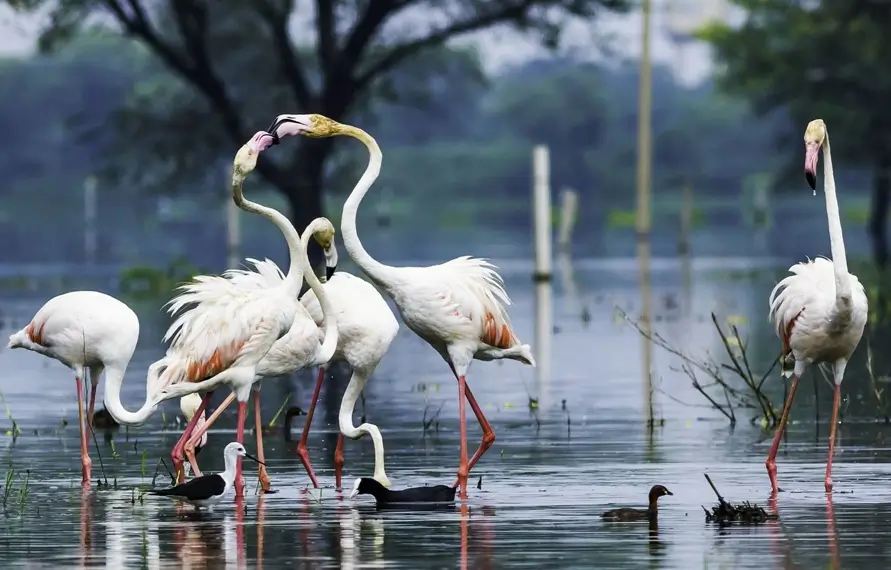
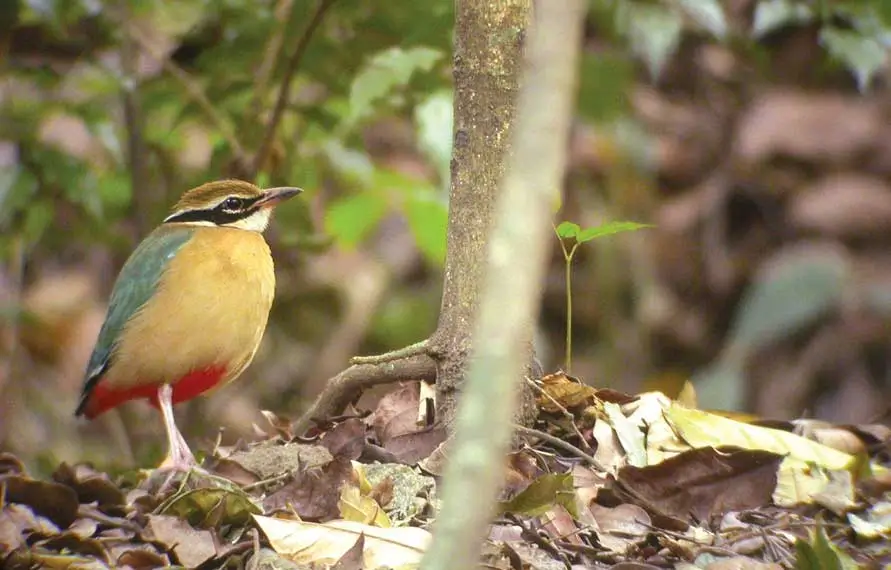
- Over 300 species of birds including peacocks, eagles & kingfishers
Safari Info:
- Timings: Morning and evening (book online in advance)
- Types: Shared jeep (6-seater), canter (20-seater), or private safari
- Best Zones for Tigers: Zones 2, 3, 4, and 6
Foreign Tourist Tip: Opt for Zone 3 or 4 in the early morning slot for better chances of tiger sighting with soft lighting for photography.
2. Ranthambore Fort
UNESCO World Heritage Site | Panoramic Views | Ancient Temples
Built in the 10th century, this massive fort sits within the national park and was once a royal stronghold. Its strategic location on a hilltop offers sweeping views of the forests below.
- Trinetra Ganesh Temple – one of India’s few temples where Ganesh is worshipped with his full family
- Massive stone gateways, reservoirs, and ruined palaces
- Watchtower-style vantage points perfect for scenic views and photos
Why Foreigners Visit: The idea of exploring a 1000-year-old fort inside a tiger reserve is truly unique to India.
Note: Entry is free, but you may need a guide or forest permit if combining with safari zones.
3. Padam Talao (Padam Lake)
Largest Lake in the Park | Birdwatching | Sighting Spot
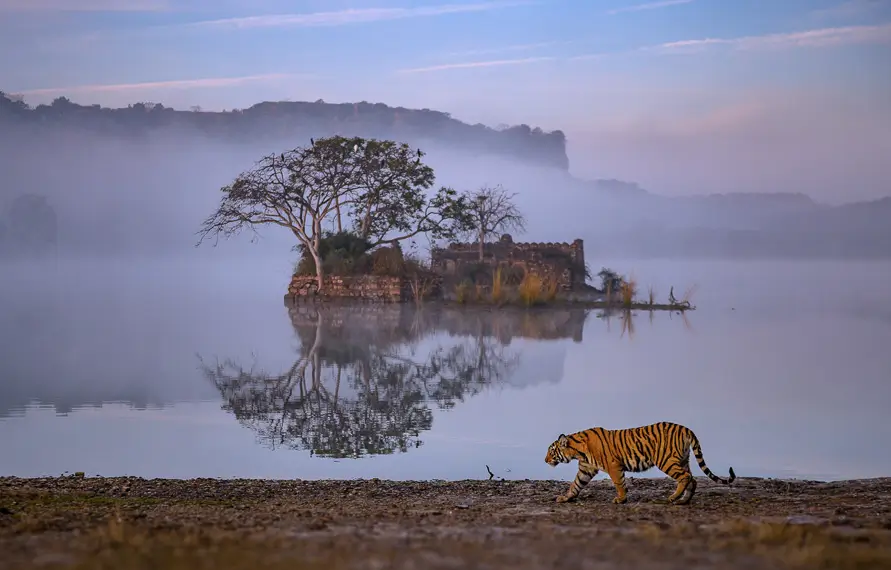
Located within Zone 3, Padam Talao is often the site for iconic tiger photographs, especially early in the morning. It is surrounded by lush greenery and offers a calm retreat amid the wilderness.
- Tigers and crocodiles basking near the lake
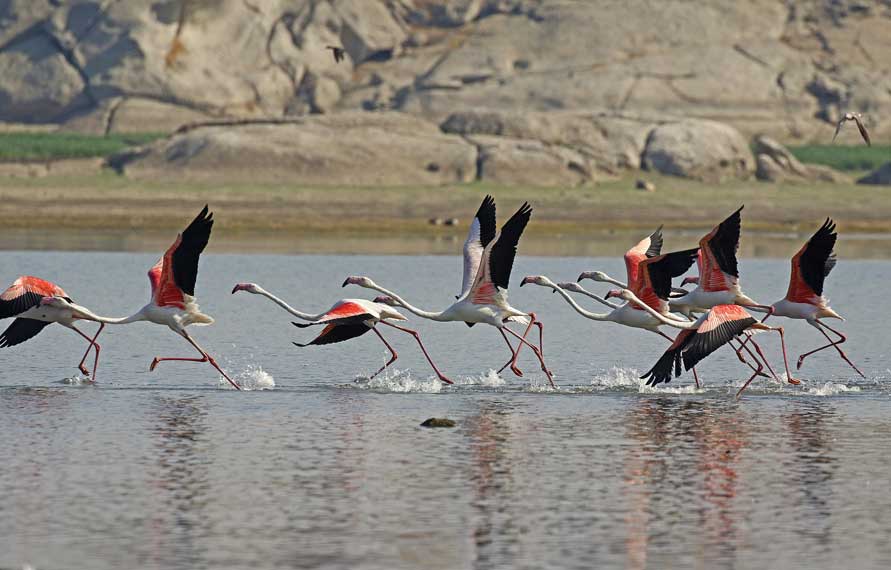
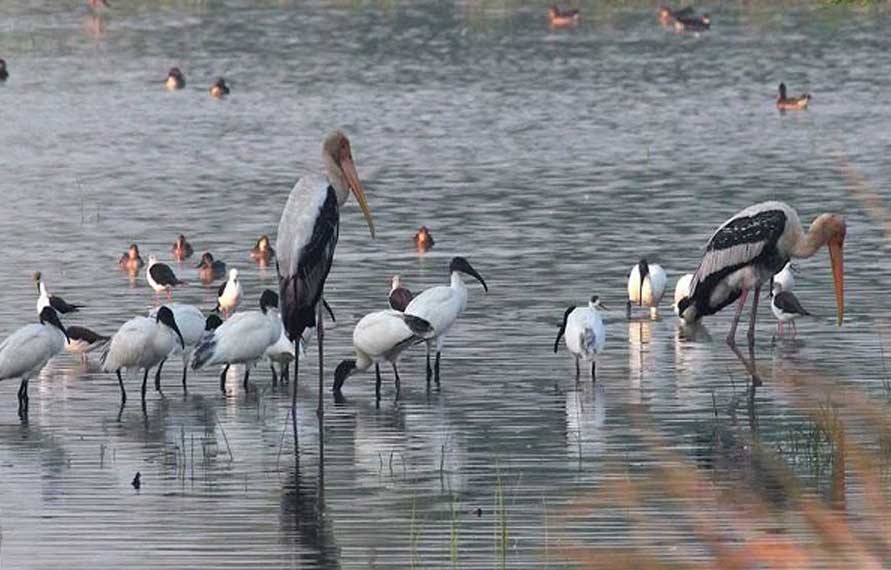
- Migratory birds in winter (e.g., painted storks, kingfishers, flamingos)
- The Raj Bagh ruins on the lake’s edge
4. Raj Bagh Ruins
Royal Hunting Lodge | Stone Arches & Domes | Unique Photo Spot
These mysterious, crumbling ruins lie between Padam Talao and Rajbagh Lake, creating one of the most photogenic landscapes in Ranthambore.
- Architectural remains of a bygone royal era
- Often frequented by tigers — making it a dream frame for wildlife photographers
- Adds a romantic, cinematic element to your safari experience
5. Kachida Valley
Hillocks & Valleys | Leopard Zone | Peaceful Setting
Located on the outskirts of the park (Zone 5 and 6), Kachida Valley is characterized by undulating terrain and rocky outcrops.
- Spotting leopards, which tend to avoid areas dominated by tigers
- Sloth bears and hyenas
- Peaceful, scenic drives with fewer tourists
6. Trinetra Ganesh Temple
Ancient Shrine | Religious Hub | Inside Ranthambore Fort
Situated within Ranthambore Fort, the Trinetra Ganesh Temple is one of the oldest temples dedicated to Lord Ganesha in India. The word “Trinetra” means “three-eyed,” referring to the deity’s depiction with three eyes.
- Unique experience of a temple inside a wildlife reserve
- Thousands of devotees visit, especially during Ganesh Chaturthi
- Locals believe Lord Ganesha sends wedding invitations here first!
Foreign Tourist Tip: Visit early morning with a guide to combine spiritual learning with fort history.
7. Village Walks & Rural Experiences
Cultural Immersion | Local Life | Artisan Crafts
Step outside the jungle and experience Rajasthan’s authentic village culture. Villages around Ranthambore like Sherpur, Khilchipur, and Kala Gaon offer rich local encounters.
- Interact with farmers, weavers, and potters
- Visit local bazaar markets and buy handmade souvenirs
- Enjoy Rajasthani folk music or traditional meals in mud huts
Why Foreigners Love It: It adds a human, cultural layer to the wildlife experience, showing both nature and people.
8. Dastkar Ranthambhore
Craft Collective | Women Empowerment | Ethical Shopping
A must-visit for foreign tourists looking to support local communities, this nonprofit initiative helps local artisans, especially women, sell handmade goods.
- Block-printed textiles
- Handcrafted leather journals, scarves, tote bags
- Batik wall hangings, tribal jewelry, and souvenirs
Bonus: All proceeds go to rural employment and tiger conservation efforts.
9. Ranthambore Nature Guide Library & Interpretation Center
Wildlife Education | Guided Resources | Kids’ Favorite
Located near the park entrance, this small museum and information hub introduces travelers to the ecology, flora, fauna, and conservation story of Ranthambore.
- Interactive models, wildlife exhibits, maps of tiger movements
- Knowledgeable staff and eco-education material
- Perfect for understanding the science behind the safari
What to Buy in Ranthambore
While not a major shopping town, Ranthambore offers eco-friendly and handmade souvenirs that support local artisans:
- Tiger-themed art, tribal masks, wooden keychains
- Hand-embroidered bags, cushion covers, table runners
- Block-printed garments and wildlife-themed paintings
Where to Buy: Dastkar Ranthambhore, local market in Sawai Madhopur, hotel boutiques
What to Eat in Ranthambore
Local Rajasthani food served in most lodges is a treat after a long safari!
- Ker Sangri: a desert bean and berry dish
- Gatte ki Sabzi, Lal Maas, and Bajra Roti
- Jungle-style tandoori chicken, dal bati churma
- Try a traditional thali at The Oberoi Vanyavilas, Nahargarh Palace, or Tiger Moon Resort
Best Time to Visit Ranthambore
- October to March: Cool, pleasant, and best for travel and sightings
- April to June: Extremely hot but highest chances of tiger sightings near waterholes
- July to September: Park is closed for the monsoon (except some buffer zones)
How to Reach Ranthambore
- By Train: Nearest station – Sawai Madhopur Junction (well-connected to Delhi, Jaipur, Mumbai)
- By Road: 3-4 hour drive from Jaipur, 6-7 hours from Delhi
- By Air: Nearest airport is Jaipur International Airport (160 km)
Where to Stay in Ranthambore
From luxury jungle lodges to mid-range resorts, foreign tourists have excellent choices:
- The Oberoi Vanyavilas – ultra-luxury tented villas
- Sujan Sher Bagh – colonial-style safari camp
- Taj Sawai Madhopur Lodge – royal hunting lodge turned hotel
- Ranthambhore Regency – budget-friendly and comfortable



 info@topindianholidays.net
 +91-8955000999