15 Nights / 16 Days Fully Guided Tours Private Car
New Delhi - Haridwar - Rishikesh - Mussoorie - Shyamchatti - Hanumanchatti - Yamunotri - Uttarkashi - Gangotri - Uttarkashi - Triyuginarayan - Gaurikund - Kedarnath - Gaurikund - Rudraprayag - Badrinath - Rudraprayag - Haridwar - New Delhi
The Char Dham Yatra is regarded as the most sacred pilgrimage circuit in Hinduism, believed to cleanse the soul and guide devotees toward spiritual liberation. Located high in the Garhwal Himalayas, the four shrines—Yamunotri, Gangotri, Kedarnath, and Badrinath—are not only religious destinations but also deeply symbolic representations of nature, devotion, and endurance.
This 16-day yatra is carefully designed to allow gradual altitude gain, proper acclimatisation, and spiritual preparation. The route follows ancient pilgrimage paths shaped by sages, ascetics, and devotees over centuries. Rivers, forests, mountain passes, and sacred towns form an inseparable part of the experience.
Ideal for pilgrims seeking a complete and traditional Char Dham Yatra, this itinerary balances physical demands with rest days, ensuring safety, comfort, and spiritual immersion. The journey is as much inward as it is outward, offering moments of reflection at every stage.
Arrival at New Delhi International Airport or railway station is followed by assisted transfer to the hotel. New Delhi serves as the starting point for most Himalayan pilgrimages, acting as a logistical and spiritual gateway to Uttarakhand.
The remainder of the day is kept relaxed to allow recovery from travel. This rest period is essential before beginning a physically and spiritually intensive journey into the Himalayas.
Overnight stay in New Delhi.
After an early breakfast, you travel by road or train to Haridwar. As the plains give way to the foothills of the Himalayas, the spiritual energy of the region becomes evident.
On arrival, check-in is followed by a visit to Har Ki Pauri. The evening Ganga Aarti marks a powerful ceremonial beginning to the Char Dham Yatra, where lamps, chants, and flowing water create a deeply devotional atmosphere.
Overnight stay in Haridwar.
After breakfast, you drive to Rishikesh, a town associated with meditation, yoga, and spiritual learning. Situated along the banks of the Ganga, Rishikesh offers a calmer and more introspective spiritual environment.
On arrival, guided visits include important riverbank temples and ashrams. The guide explains Rishikesh’s role as a place of spiritual preparation before entering higher Himalayan regions.
In the evening, you attend the Ganga Aarti at the riverbank. Compared to Haridwar, this ceremony is quieter and deeply contemplative. Overnight stay in Rishikesh.
After breakfast, you travel uphill toward Mussoorie, often referred to as the “Queen of the Hills.” The drive marks a gradual ascent into cooler climates and forested mountain landscapes.
Mussoorie historically served as a rest and acclimatisation point for pilgrims and travellers heading deeper into the Himalayas. On arrival, check-in is followed by rest to allow the body to adjust to altitude.
Evening is kept free for light walking and relaxation. Overnight stay in Mussoorie.
After breakfast, you depart Mussoorie and begin the journey toward Shyamchatti, passing through winding mountain roads, river valleys, and forested slopes. The terrain becomes more rugged, signalling entry into the Yamunotri region.
Shyamchatti serves as an important halt before the Yamunotri trek. On arrival, rest and preparation are prioritised, as the next day involves trekking activity.
The evening is kept quiet, allowing time for prayer, reflection, and physical recovery. Overnight stay in Shyamchatti.
After an early breakfast, you travel a short distance from Shyamchatti to Hanumanchatti, the traditional starting point for the Yamunotri trek. The route follows the Yamuna valley, where dense forests, mountain streams, and prayer flags signal entry into a deeply sacred Himalayan zone.
On arrival, time is allocated to organise trekking essentials and receive guidance on the route ahead. Hanumanchatti has long served as a gathering point for pilgrims, where prayers are offered before beginning the ascent toward Yamunotri.
The remainder of the day is kept deliberately light, allowing rest and mental preparation. The calm environment helps align physical readiness with devotional intent before the following day’s pilgrimage.
The day begins early as you start the trek from Hanumanchatti toward Yamunotri. The trail ascends gradually through pine forests and rocky paths, accompanied by the sound of flowing streams and mountain winds.
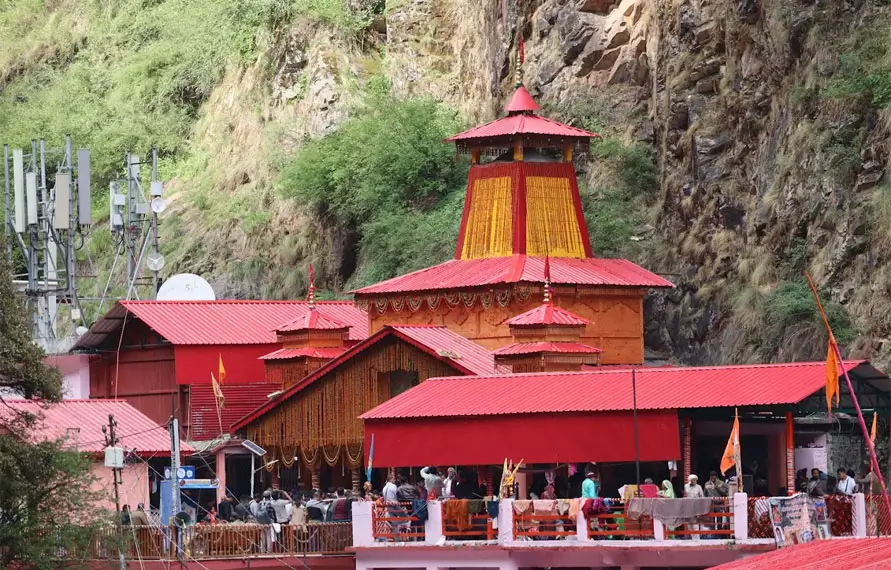
Upon reaching Yamunotri, you visit the temple dedicated to Goddess Yamuna. Pilgrims traditionally offer prayers and perform rituals near the hot springs, where rice is cooked as prasad, symbolising purification and divine blessing.
After darshan and sufficient rest, you begin the descent back toward Hanumanchatti or nearby accommodation. The return journey is paced carefully to ensure safety and comfort. Overnight stay in the Yamunotri sector.
After breakfast, you depart the Yamunotri region and drive toward Uttarkashi, following winding mountain roads along river valleys. The landscape gradually opens into broader stretches of the Bhagirathi River, revered as the upper course of the Ganga.
Uttarkashi is an important spiritual town, often described as the “Kashi of the North.” On arrival, check-in is followed by a gentle orientation of the town’s religious setting.
The evening is kept relaxed, allowing pilgrims to recover from the trek and prepare for the next sacred destination. Overnight stay in Uttarkashi.
After an early breakfast, you drive toward Gangotri, travelling through dramatic Himalayan terrain shaped by glaciers, forests, and steep river valleys. The journey itself is considered part of the pilgrimage, as each turn reveals deeper Himalayan grandeur.
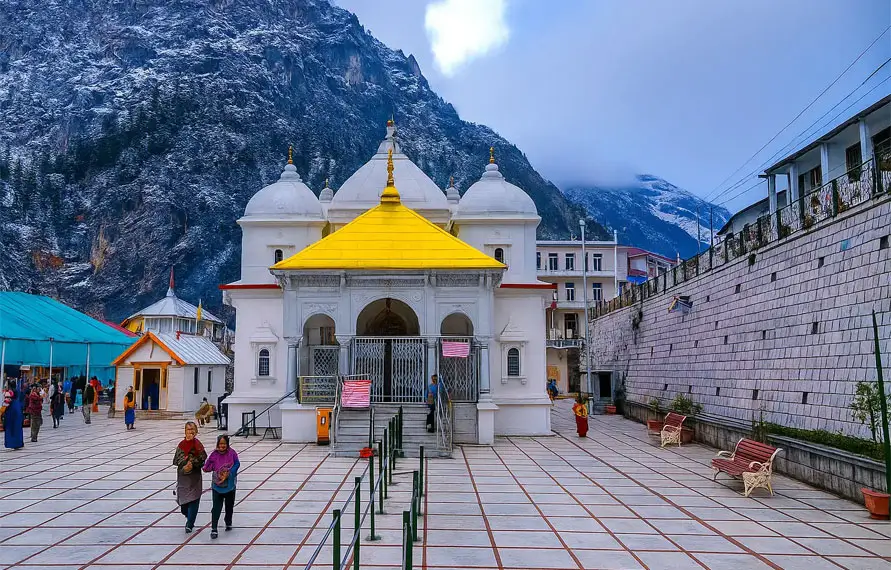
On arrival at Gangotri, you visit the temple dedicated to Goddess Ganga. Pilgrims offer prayers and take ritual water from the river, honouring its divine descent from the heavens.
Time is provided to absorb the serene atmosphere of the shrine, where devotion and natural beauty merge seamlessly. After darshan, you return to Uttarkashi by evening. Overnight stay in Uttarkashi.
After breakfast, the journey continues toward Triyuginarayan, a spiritually significant village believed to be the wedding site of Lord Shiva and Goddess Parvati. The drive passes through forested hills and remote settlements, enhancing the sense of entering an ancient sacred space.
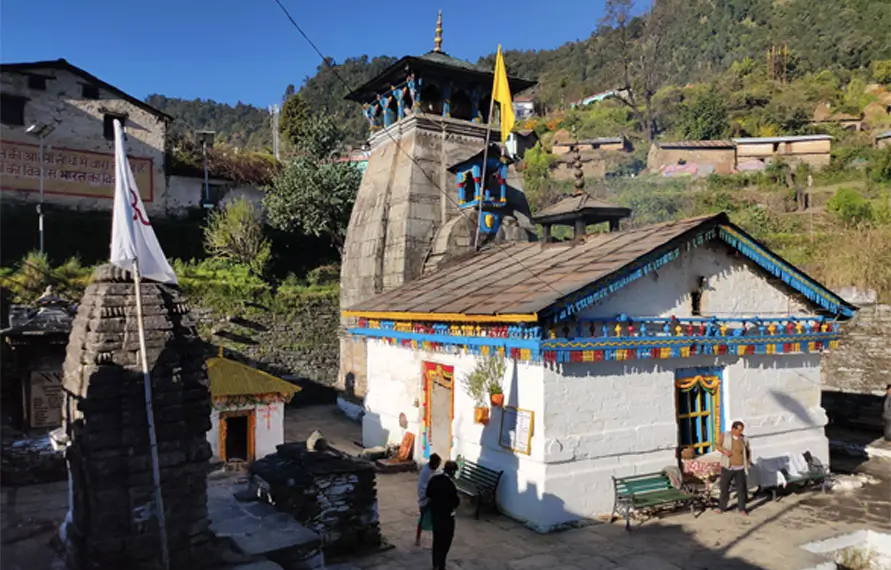
On arrival, you visit the eternal fire temple, where the sacred flame is believed to have been burning since the divine marriage. Pilgrims offer prayers seeking harmony, marital blessings, and spiritual balance.
The peaceful environment encourages reflection, making this stop an emotionally resonant part of the yatra. Overnight stay near Triyuginarayan or en route toward Gaurikund.
After breakfast, you drive toward Gaurikund, the base point for the Kedarnath trek. The route follows river confluences and mountain corridors that have guided pilgrims toward Kedarnath for centuries.
Gaurikund holds religious importance as the site where Goddess Parvati is believed to have performed penance. Pilgrims often take a ritual bath here before beginning the ascent toward Kedarnath.
The remainder of the day is kept for rest, acclimatisation, and preparation for the demanding Kedarnath trek ahead. Overnight stay in Gaurikund.
The day begins before sunrise as you start the sacred trek from Gaurikund to Kedarnath. The path ascends steadily through alpine terrain, crossing mountain streams, stone pathways, and prayer-filled rest points used by pilgrims for centuries. The physical effort of the climb is traditionally seen as an act of devotion and surrender.
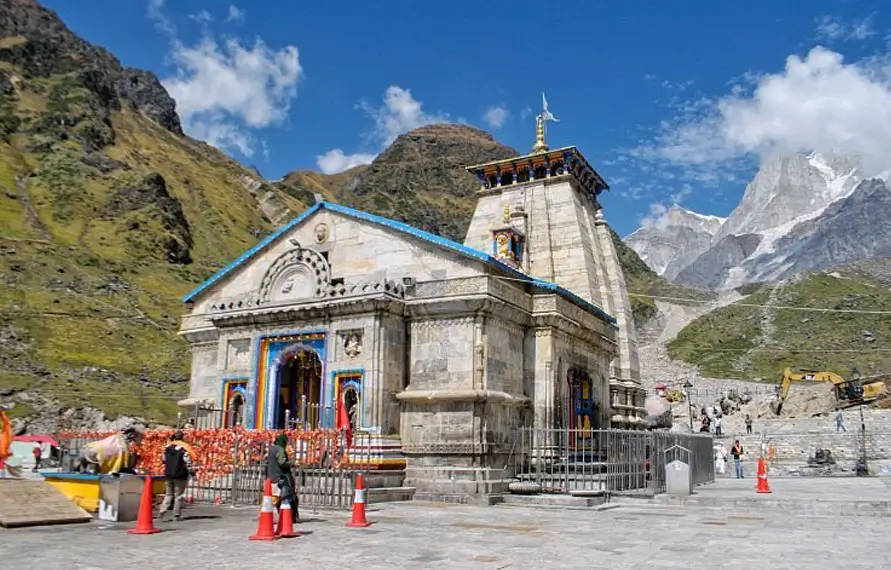
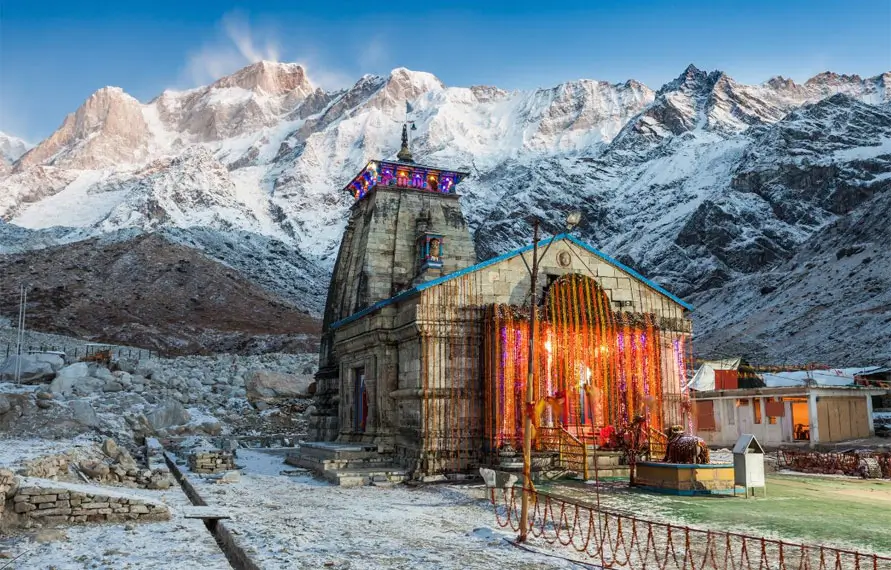
On reaching Kedarnath, the sight of the ancient stone temple set against towering Himalayan peaks creates a deeply emotional moment. Kedarnath is one of the twelve Jyotirlingas of Lord Shiva and holds exceptional spiritual significance within Hindu belief. Time is provided for darshan, prayer, and silent reflection in the temple precincts.
The remainder of the day is spent resting and acclimatising at high altitude. The stillness of Kedarnath, combined with its powerful spiritual presence, offers an experience that stays with pilgrims long after the journey ends. Overnight stay in Kedarnath.
After early morning prayers, you begin the descent from Kedarnath back to Gaurikund. The return journey allows pilgrims to absorb the Himalayan landscape at a gentler pace, with time for contemplation and gratitude.
From Gaurikund, you continue by road to Rudraprayag, situated at the confluence of the Alaknanda and Mandakini rivers. The town’s spiritual atmosphere is shaped by river worship and ancient legends associated with Lord Shiva.
On arrival, check-in is followed by rest. The evening is kept quiet, allowing recovery after the physically demanding Kedarnath sector. Overnight stay in Rudraprayag.
After breakfast, you begin the scenic drive toward Badrinath, travelling through some of the most dramatic landscapes of the Garhwal Himalayas. The route passes sacred river valleys, mountain passes, and ancient pilgrimage corridors.
On arrival at Badrinath, you visit the temple dedicated to Lord Vishnu, revered as one of the four Char Dham shrines. Pilgrims traditionally bathe in the Tapt Kund hot springs before darshan, symbolising purification.
The evening allows time for prayer and quiet reflection near the temple complex. Badrinath’s serene setting provides a fitting spiritual conclusion to the Char Dham circuit. Overnight stay in Badrinath.
After breakfast, you depart Badrinath and begin the long but scenic descent toward Haridwar. The journey retraces ancient pilgrimage routes, gradually leaving the high Himalayas behind.
As the mountains give way to river plains, the transition symbolises the completion of the yatra’s most intense spiritual phase. On arrival in Haridwar, check-in is followed by rest.
If time permits, a final visit to the ghats may be arranged, offering closure to the sacred river journey. Overnight stay in Haridwar.
After breakfast, you travel back to New Delhi by road or train. The return journey offers time for reflection on the spiritual depth and personal transformation experienced during the Char Dham Yatra.
On arrival in New Delhi, you are transferred to the international airport or railway station for onward departure. Assistance is provided to ensure a smooth conclusion to the journey.
The Char Dham Yatra concludes with a sense of fulfilment, having completed one of Hinduism’s most revered pilgrimage circuits through devotion, endurance, and faith.
Fill out this form with all the required information. Within 12 hours, we will provide you with a tailor-made itinerary at the best price.
Read the reviews of our esteemed client's, go through the experiences they had with Top Indian Holidays.


Whether you're planning your first India trip or returning to explore deeper — get honest, expert advice from someone who knows every corner of this country. No pressure, no cost.



 info@topindianholidays.net
 +91-8955000999