📅 Last Updated On: 14 Jul 2025
⏱ 10 Min Read
UNESCO World Heritage Sites on the Golden Triangle Tour of India
A
Admin
Founder -India Travel Expert
UNESCO World Heritage Sites on the Golden Triangle Tour of India
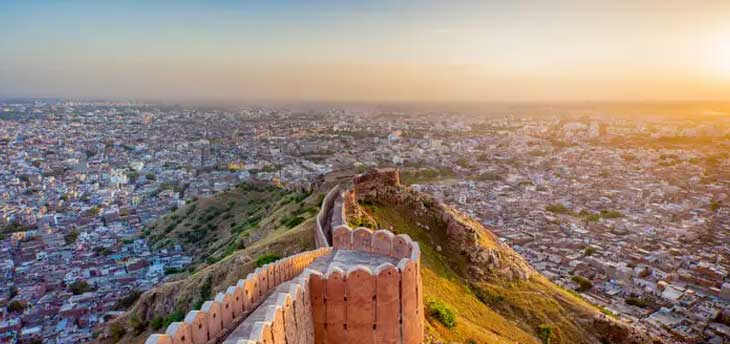
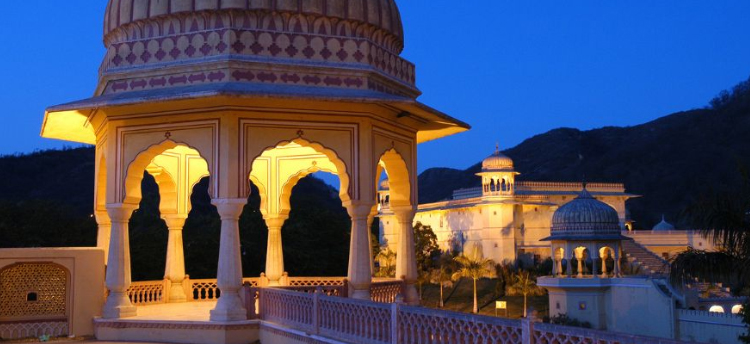
The Golden Triangle Tour is not just one of India’s most popular travel routes—it is a true celebration of the country's rich cultural, architectural, and historical legacy. Connecting the three magnificent cities of Delhi, Agra, and Jaipur, this triangle forms a captivating journey through centuries of India's royal grandeur, dynastic rule, and artistic brilliance. Each city holds a distinct identity: Delhi, the pulsating capital with Mughal monuments and bustling bazaars; Agra, the city of eternal love and imperial glory; and Jaipur, the flamboyant Pink City echoing Rajputana pride and heritage.
What makes this journey even more significant is the presence of UNESCO World Heritage Sites that dot the route, offering travelers a curated glimpse into India’s most treasured landmarks. These sites are globally recognized for their outstanding universal value—be it in terms of cultural symbolism, architectural mastery, or historical relevance. Visiting these timeless monuments isn’t just about sightseeing—it's about stepping into the heart of India’s past, where empires were built, love was immortalized in stone, and astronomical wonders were created by kings.
Whether you’re embarking on your first trip to India or you’re a passionate heritage traveler, exploring the UNESCO sites on the Golden Triangle Tour provides a truly immersive and transformative experience. From intricately carved tombs and towering minarets to royal forts and scientific marvels, each monument reveals the genius of Indian craftsmanship and the soul of its storytelling. This isn’t just a journey through places—it’s a journey through time, legacy, and living heritage.
UNESCO World Heritage Sites in Delhi
Delhi, the capital of India, is a city of layered histories. From ancient forts to Mughal gardens and tombs, Delhi’s contribution to UNESCO’s list is impressive.
1. Qutub Minar and its Monuments
Inscribed: 1993
Location: Mehrauli, South Delhi
The Qutub Minar complex is a standing testimony to Delhi’s Indo-Islamic architecture. The 73-meter tall red sandstone minaret was started by Qutb-ud-din Aibak in 1193 and completed by Iltutmish. The surrounding monuments—Alai Darwaza, Iron Pillar, and Quwwat-ul-Islam Mosque—enhance the historical value of the site. The intricate carvings and Arabic inscriptions still captivate visitors.
Don’t miss the ancient Iron Pillar that has resisted rust for over 1600 years.
2. Humayun’s Tomb
Inscribed: 1993
Location: Nizamuddin East, Delhi
A forerunner to the Taj Mahal, Humayun’s Tomb is a beautiful blend of Persian and Indian architectural styles. Commissioned by Humayun’s wife Hamida Banu Begum in 1569, this red sandstone structure set in a Charbagh garden layout inspired the Mughal architectural legacy in India.
Best visited around sunset for its serene beauty and symmetrical design.
3. Red Fort Complex
Inscribed: 2007
Location: Old Delhi
Constructed by Emperor Shah Jahan in the 17th century, the Red Fort is a sprawling fortress of red sandstone that symbolizes the zenith of Mughal creativity. The Diwan-i-Aam, Diwan-i-Khas, and the beautiful gardens reflect the royal lifestyle of the time.
Every evening, enjoy a Sound & Light Show that narrates Delhi’s grand past.
UNESCO World Heritage Sites in Agra
Agra is synonymous with the Taj Mahal, but there’s more to this city’s historical wealth. With three major UNESCO sites, Agra alone makes the Golden Triangle Tour unforgettable.
4. Taj Mahal
Inscribed: 1983
Location: Agra
The Taj Mahal is not just the most iconic symbol of India—it's one of the greatest architectural masterpieces the world has ever seen. Built between 1632 and 1648 by the Mughal Emperor Shah Jahan in memory of his beloved wife Mumtaz Mahal, the Taj is a white marble mausoleum that represents undying love, artistic perfection, and timeless beauty. Declared a UNESCO World Heritage Site in 1983, it continues to captivate millions of visitors with its symmetrical design, intricate inlay work, and ethereal presence.
Standing majestically on the banks of the Yamuna River, the Taj Mahal reflects the best of Mughal architecture, blending Persian, Islamic, and Indian elements into a harmonious whole. The monument is set within a grand Charbagh-style garden divided by water channels, symbolizing paradise.
What makes the Taj Mahal especially mesmerizing is how it changes shades throughout the day—blushing pink at sunrise, brilliant white at noon, and golden under moonlight. For the most unforgettable experience, visit at sunrise when the crowds are fewer, or during a full moon night, when the monument glows under the silver sky.
Don't forget to capture the iconic reflection of the Taj in the long water channel—it’s a postcard-perfect moment.
5. Agra Fort
Inscribed: 1983
Location: Agra
This majestic red sandstone fort was the main residence of the Mughal emperors before Delhi became the capital. Built by Emperor Akbar and modified by Shah Jahan, the Agra Fort houses palaces, mosques, and audience halls like the Jahangiri Mahal, Diwan-i-Am, and Musamman Burj (where Shah Jahan spent his last days).
The view of the Taj Mahal from Musamman Burj is emotional and unforgettable.
6. Fatehpur Sikri
Inscribed: 1986
Location: 40 km from Agra
Built by Akbar as a new capital in the 16th century, Fatehpur Sikri is a perfectly preserved red sandstone ghost town. Structures like Buland Darwaza, Jama Masjid, and Panch Mahal reflect Akbar’s inclusive vision and architectural brilliance.
Though abandoned due to water scarcity, the city remains timeless in beauty.
UNESCO World Heritage Site in Jaipur
Known as the Pink City, Jaipur is Rajasthan’s royal capital, famed for its palaces, forts, and vibrant bazaars. Its entire walled city is recognized as a World Heritage Site.
7. Jaipur - The Pink City
Inscribed: 2019
Location: Jaipur
Jaipur became a UNESCO World Heritage City for its urban planning based on Vedic architecture, stunning pink facades, and historical landmarks. Designed in 1727 by Maharaja Sawai Jai Singh II, it’s one of the first planned cities in India.
Key highlights within the heritage area include:
- Hawa Mahal – the Wind Palace
- City Palace – residence of Jaipur’s royal family
- Jantar Mantar – astronomical observatory (also a separate UNESCO site, see below)
Stroll through Jaipur’s old bazaars like Johari Bazaar and Bapu Bazaar to feel the charm.
8. Jantar Mantar (Jaipur)
Inscribed: 2010
Location: Near City Palace, Jaipur
The Jantar Mantar is a collection of 19 astronomical instruments built by Sawai Jai Singh II. These devices measure time, predict eclipses, and track celestial movements. The Samrat Yantra, the world’s largest stone sundial, is its centerpiece.
It’s a fascinating stop for science lovers and curious travelers.
Why Explore UNESCO Sites on the Golden Triangle Tour?
Exploring UNESCO World Heritage Sites gives your trip more depth than regular sightseeing. Here’s why:
- Historical Insight: Each site holds centuries of stories, architecture, and culture.
- Architectural Marvels: From Persian domes to Rajput forts, styles vary and amaze.
- Global Importance: These sites are protected for their universal value.
- Incredible Photography: Perfect for heritage travelers, bloggers, and Instagrammers.
- Efficient Route: All these sites are accessible in one 7–10 day tour.
How to Plan Your Golden Triangle Tour
- Start in Delhi → explore Qutub Minar, Humayun’s Tomb, and Red Fort.
- Drive to Agra (3–4 hrs) → visit Taj Mahal, Agra Fort, Fatehpur Sikri.
- Continue to Jaipur (4–5 hrs) → enjoy the Pink City and Jantar Mantar.
Pro Tip: Hire a private car and driver for the most comfortable and customizable experience.
Where to Stay Near the UNESCO Sites
- Delhi
- The Imperial (Luxury)
- Haveli Dharampura (Heritage)
- Bloomrooms (Budget)
- Agra
- The Oberoi Amarvilas (Taj view luxury)
- ITC Mughal (Comfort & history)
- Hotel Taj Resorts (Budget)
- Jaipur
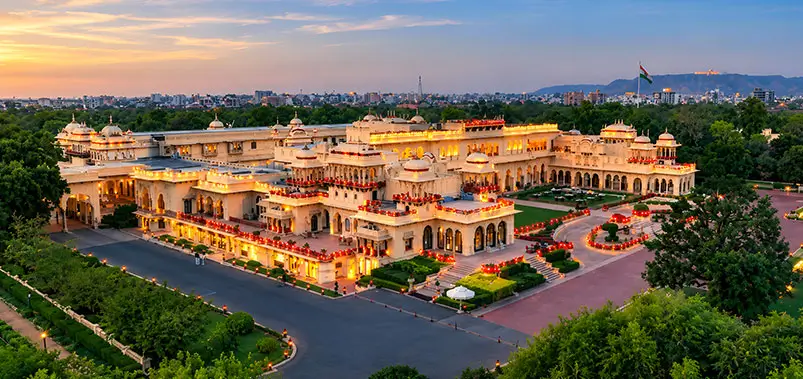
- Rambagh Palace (Luxury)
- Samode Haveli (Heritage)
- Pearl Palace Heritage (Boutique)
Travel Tips for Visiting UNESCO Sites in India
- Buy tickets online for most monuments to skip long queues.
- Photography is allowed in most areas but avoid flash inside tombs.
- Best time to travel: October to March.
- Hire local guides or audio guides to understand the stories.
- Carry water & wear comfy shoes – these sites involve walking!
Golden Triangle Tour with UNESCO Focus: Who is it for?
- History Buffs – to dive into India’s imperial past.
- Cultural Travelers – to understand traditions and rituals.
- Photographers – every monument is a visual story.
- Families & Seniors – comfortable and insightful for all age groups.
- Luxury or Budget – tours can be tailored to every travel style.



 info@topindianholidays.net
 +91-8955000999