Mumbai Tour and Travel Guide
A City That Never Stops Moving
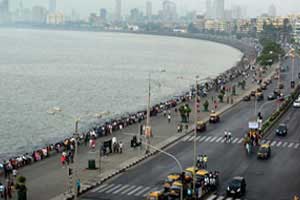
Mumbai is a city built on ambition, resilience and constant movement. Ferries leave the harbour before sunrise, commuters fill the suburban railways, fishermen return with the day's catch and cafés begin serving breakfast long before much of the city has fully awakened. By evening, Marine Drive fills with families watching the sunset while theatres, restaurants and galleries continue well into the night.
As India's financial capital, Mumbai is recognised around the world for its business districts and film industry, yet its true character comes from the remarkable diversity that shapes everyday life. Victorian buildings stand beside contemporary skyscrapers, historic markets operate a short walk from luxury boutiques, and quiet art galleries share neighbourhoods with lively street food stalls.
For many international travellers, Mumbai is the gateway to western India. For others, it is a destination that deserves several days of exploration, offering history, architecture, culture and experiences that are unlike anywhere else in the country.
A Harbour City With a Remarkable Past
Mumbai began as a group of seven islands along the Arabian Sea before gradually developing into one of Asia's most important ports. Over the centuries, the city came under the influence of Portuguese and British rule, both of which left a lasting mark on its architecture and urban landscape.
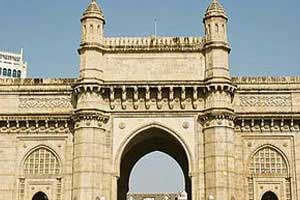
Many of Mumbai's best-known landmarks were built during the colonial era. The Gateway of India, overlooking the harbour, remains one of the city's defining symbols, while the elegant buildings around the Fort district reflect Victorian Gothic and Art Deco styles that earned parts of Mumbai recognition as a UNESCO World Heritage Site.
Walking through South Mumbai reveals beautifully preserved railway stations, public buildings, churches and museums that tell the story of the city's transformation into a global commercial centre.
Neighbourhoods With Their Own Identity
One of Mumbai's greatest strengths is the individuality of its neighbourhoods. Each area offers a completely different experience.
The heritage streets of Colaba are lined with cafés, bookshops and historic buildings. Kala Ghoda has become the city's cultural heart, known for galleries, museums and annual arts festivals. Bandra blends colonial-era bungalows with fashionable boutiques and waterfront promenades, while Juhu attracts visitors looking to enjoy the beach and the city's famous street food.
The colourful lanes of Crawford Market, the flower market at Dadar and the busy bazaars of Bhuleshwar provide a glimpse into the daily rhythm of local life, where generations of traders continue family businesses that have served the city for decades.
Culture Beyond the Silver Screen
Although Mumbai is widely associated with Bollywood, its cultural landscape extends far beyond the film industry.
The city supports an impressive collection of museums, theatres, music venues and contemporary art galleries. Institutions such as the Chhatrapati Shivaji Maharaj Vastu Sangrahalaya, the National Gallery of Modern Art and the Jehangir Art Gallery celebrate India's artistic and historical heritage, while performance spaces regularly host classical music, theatre and dance.
Food is equally central to Mumbai's identity. Fine dining restaurants sit alongside family-run eateries that have become local institutions. Signature dishes such as Vada Pav, Pav Bhaji, Bombay Sandwich, Bhel Puri, Misal Pav and fresh seafood reflect the city's multicultural influences and coastal location.
Experiences That Define Mumbai
Some of Mumbai's most memorable experiences are remarkably simple.
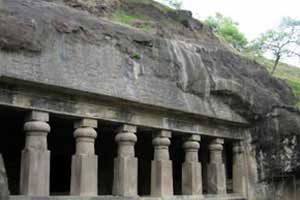
Watching the sunset from Marine Drive, taking a ferry to the Elephanta Caves, walking through the heritage district in the early morning, exploring colourful street markets or spending an afternoon in one of the city's historic cafés offers a deeper understanding of Mumbai than any checklist of attractions.
Luxury travellers can enjoy world-class hotels overlooking the Arabian Sea, private heritage walks, harbour cruises and curated culinary experiences, while families can combine sightseeing with museums, gardens and waterfront promenades.
Every visit reveals another side of a city that continues to reinvent itself while remaining deeply connected to its history.
Best Time to Visit Mumbai
The most comfortable time to visit Mumbai is between November and February, when temperatures are pleasant and humidity is lower. This season is ideal for sightseeing, walking tours and exploring the city's waterfront.
The monsoon season from June to September transforms Mumbai into a lush green city. Heavy rainfall creates a unique atmosphere and dramatic coastal scenery, although outdoor sightseeing may occasionally be affected.
A City That Leaves a Lasting Impression
Mumbai cannot be experienced through a single landmark. Its identity comes from the people who shape it every day, the architecture that reflects centuries of history and the constant energy that makes the city feel alive at every hour.
Whether you arrive for its heritage, cuisine, shopping, art or coastline, Mumbai offers a combination of experiences that few cities in the world can match.
The attractions featured below introduce the landmarks, neighbourhoods and cultural sites that have made Mumbai one of India's most fascinating destinations.



 info@topindianholidays.net
 +91-8955000999