Leh Tour and Travel Guide
A Land Shaped by Mountains, Monasteries and Endless Horizons
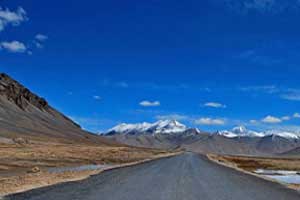
The journey to Leh begins long before you reach the town itself. Whether arriving by road across the Himalayas or descending through snow-covered peaks by air, the landscape announces that you have entered one of India's most extraordinary regions. Towering mountains stretch towards the horizon, rivers cut through deep valleys and centuries-old monasteries stand quietly on rocky hilltops, overlooking villages that have adapted to life at more than 3,500 metres above sea level.
Leh, the historic capital of Ladakh, is unlike anywhere else in India. Its dramatic geography, Tibetan Buddhist heritage and peaceful atmosphere create an experience that feels both adventurous and deeply reflective. While travellers often arrive for famous attractions such as Pangong Lake or Nubra Valley, they soon discover that the real appeal of Leh lies in its slower pace, welcoming communities and landscapes that seem to change with every passing hour.
For photographers, nature lovers, road-trip enthusiasts and those interested in Himalayan culture, Leh offers experiences that remain memorable long after the journey has ended.
Where Ancient Trade Routes Crossed the Himalayas
For centuries, Leh was an important stop on the historic Silk Route connecting India with Tibet, Central Asia and Kashmir. Merchants carrying silk, spices, precious stones and wool travelled through these mountain passes, turning Leh into a thriving trading centre despite its remote location.
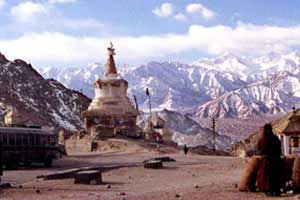
The influence of these connections can still be seen throughout the region. Traditional mud-brick houses stand beside centuries-old monasteries, colourful prayer flags flutter across mountain ridges and bustling local markets continue to sell handcrafted woollens, silver jewellery and Tibetan artefacts.
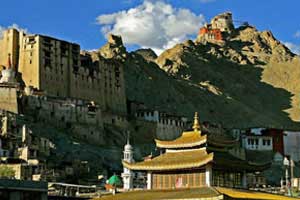
Above the town, the Leh Palace remains a reminder of Ladakh's royal past. Built during the 17th century, the palace overlooks the valley and reflects the architectural traditions shared with neighbouring Tibet.
Landscapes That Continue to Surprise
One of the most remarkable aspects of travelling through Leh is how dramatically the scenery changes within a single day.
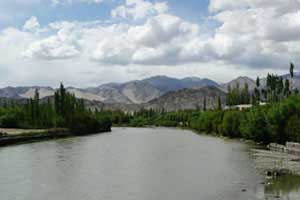
Crystal-clear rivers wind through barren valleys before giving way to fertile villages filled with poplar trees and barley fields. Snow-covered peaks remain visible throughout much of the year, while high-altitude lakes reflect the changing colours of the sky.
Just beyond Leh lie some of Ladakh's most celebrated destinations. Pangong Lake, with its ever-changing shades of blue, attracts travellers from around the world. Nubra Valley offers sand dunes, double-humped Bactrian camels and green villages surrounded by rugged mountains. Mountain passes such as Khardung La and Chang La provide unforgettable drives through some of the highest motorable roads in the world.
Every route reveals a different side of Ladakh's remarkable landscape.
Monasteries That Preserve Living Traditions
Buddhism has shaped Ladakh's cultural identity for centuries, and its monasteries remain active centres of worship, education and community life.
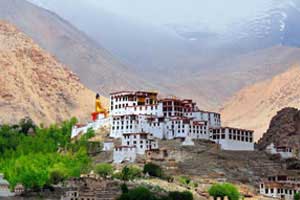
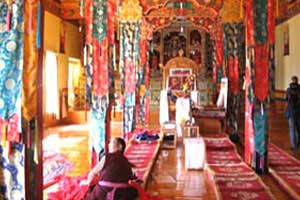
Monasteries such as Thiksey, Hemis, Spituk, Alchi and Diskit are known not only for their architecture but also for their ancient murals, prayer halls and festivals. Visitors often hear the sound of monks chanting prayers long before entering these peaceful complexes.
Many monasteries are located on elevated hillsides, offering sweeping views across valleys and mountain ranges. Their quiet surroundings encourage visitors to slow down and appreciate the natural beauty that has influenced life in Ladakh for generations.
Planning Your Visit to Leh
Because of its high altitude, the first day in Leh should be reserved for rest and acclimatisation. Allowing the body time to adjust greatly improves the overall travel experience and helps reduce the effects of altitude.
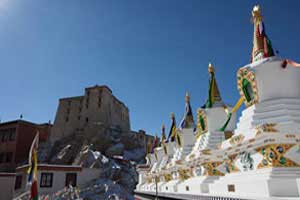
Once acclimatised, travellers can explore Leh Market, Shanti Stupa and Leh Palace before taking longer excursions to nearby monasteries, Pangong Lake, Nubra Valley, Tso Moriri and the Sham Valley.
The region is equally rewarding for those interested in photography, wildlife, trekking, motorcycling or simply enjoying the silence of the Himalayan landscape.
Best Time to Visit Leh
The best time to visit Leh is from May to September, when roads from Manali and Srinagar are generally open and weather conditions are favourable for sightseeing.
Summer brings clear skies, comfortable daytime temperatures and excellent opportunities for road trips, trekking and visiting high-altitude lakes. During winter, heavy snowfall transforms the region into an entirely different landscape, although road access becomes limited and temperatures fall well below freezing.
A Journey That Changes Your Perspective
Leh is not simply another destination on a holiday itinerary. The scale of the mountains, the quiet rhythm of daily life and the warmth of the local communities create an experience that encourages travellers to slow down and appreciate their surroundings.
Whether watching monks perform morning prayers, standing beside the waters of Pangong Lake or driving across some of the world's highest mountain passes, every experience in Leh feels connected to the remarkable landscape that defines Ladakh.
The places featured below introduce the monasteries, valleys, lakes and mountain passes that make Leh one of India's most unforgettable travel destinations.



 info@topindianholidays.net
 +91-8955000999