Places To Visit In Golden Triangle Tour
The Golden Triangle Tour of India is the most popular travel circuit for foreign tourists visiting the country. Covering three iconic destinations — Delhi, Agra, and Jaipur — this route forms a triangle on the map and showcases the richest blend of Mughal grandeur, Rajput royalty, and colonial legacy.
Whether you’re visiting India for the first time or planning a cultural expedition, the Golden Triangle is a comprehensive, culturally immersive journey into the heart of North India’s heritage.
Why Foreign Tourists Love the Golden Triangle Tour
- Perfect introduction to India for first-time visitors
- Covers UNESCO World Heritage Sites, palaces, forts, and bazaars
- Combines history, architecture, local experiences, and cuisine
- Offers flexibility: 5–10 day trips, luxury tours, budget itineraries, or private chauffeur-driven travel
- Easy connectivity via road, rail, and domestic flights
DELHI – The Cultural & Political Capital
Delhi is a melting pot of history, politics, food, and urban life. Divided between the chaotic charm of Old Delhi and the planned elegance of New Delhi, this city offers a dynamic introduction to India's past and present.
Here are the top attractions in Delhi that are essential for Golden Triangle travelers:
1. Red Fort (Lal Qila)
UNESCO World Heritage Site | Mughal Architecture | Sound & Light Show
Built in 1648 by Shah Jahan, the Red Fort served as the main residence of the Mughal emperors. Its massive red sandstone walls, royal chambers, and intricate carvings reflect the zenith of Indo-Islamic architecture.
Highlights for Tourists:
- Lahori Gate entrance and Chatta Chowk market
- Diwan-i-Aam and Diwan-i-Khas audience halls
- Evening sound and light show in English
Travel Tip: Closed on Mondays. Best visited early morning to avoid crowds.
2. Qutub Minar
Tallest Brick Minaret | Indo-Islamic Art | Archaeological Site
This 73-meter-high tower is a masterpiece of early Indo-Islamic architecture, built in 1193 by Qutb-ud-din Aibak. The surrounding ruins make the Qutub Complex a must-see heritage destination.
Don’t Miss:
- Iron Pillar — over 1600 years old and rust-free
- Alai Darwaza and the Quwwat-ul-Islam Mosque
- Intricate Arabic and Nagari calligraphy on the minaret
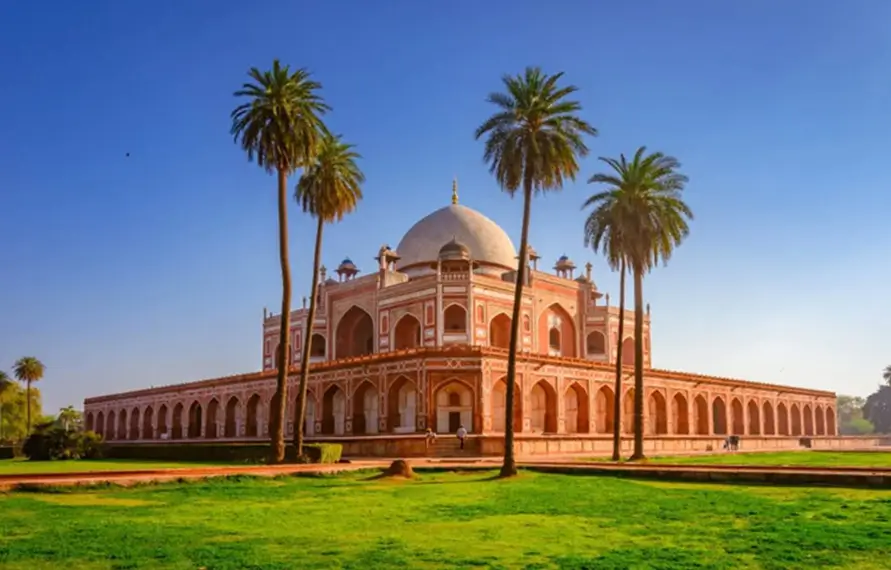
3. Humayun’s Tomb
Garden Tomb | Mughal-Persian Design | Precursor to Taj Mahal
Built in the 16th century, this tomb was the first structure in India to use the Persian-style charbagh (quadrilateral garden) layout. It's peaceful, symmetrical, and perfect for photography.
Why Visit:
- Less crowded than other Delhi sites
- First use of red sandstone + white marble combo
- UNESCO-protected heritage
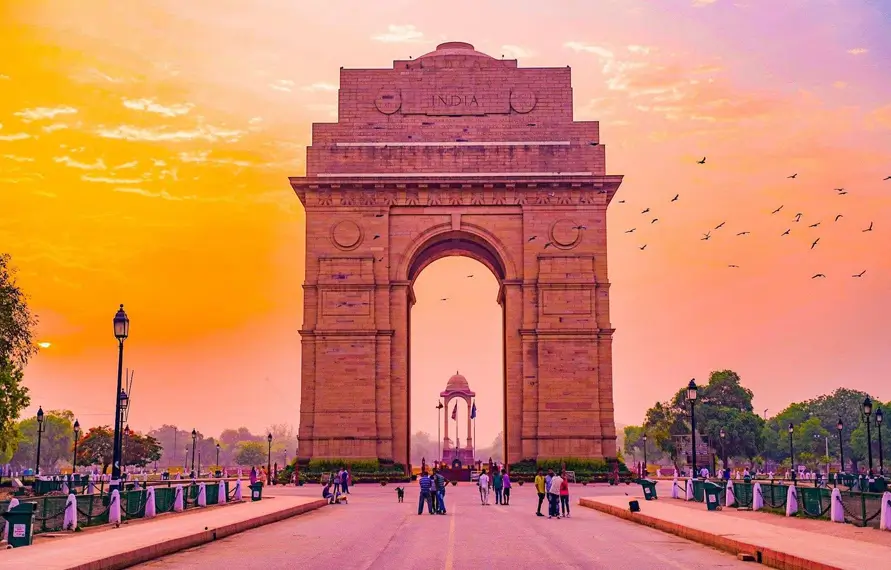
4. India Gate & Rajpath
War Memorial | Ceremonial Avenue | Evening Lights
India Gate is a 42-meter-high arch commemorating Indian soldiers. Set along Rajpath, the national ceremonial road, it’s a great place for evening strolls and photographs.
Nearby: Rashtrapati Bhavan, Parliament House, and the National War Memorial
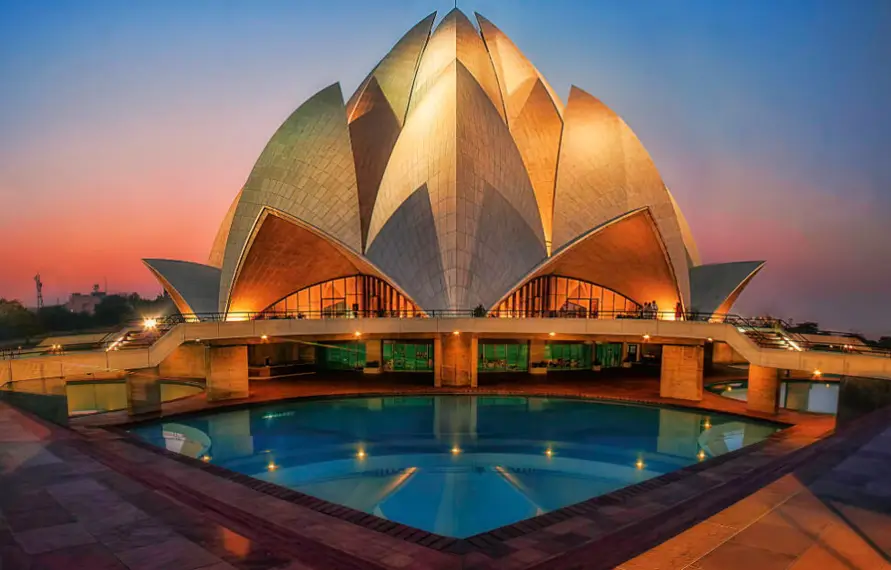
5. Lotus Temple
Modern Baháʼí Temple | Symbol of Unity | Architectural Wonder
With its white petal-like structure, the Lotus Temple is among the most visited religious buildings in the world. It’s a quiet zone open to all faiths.
Entry: Free
Pro Tip: Visit just before sunset for a golden glow.
6. Akshardham Temple
Cultural Complex | Light & Water Show | Grand Carvings
This modern-day temple blends devotion, art, and Indian history. With over 20,000 statues, exhibitions, and a cultural boat ride, it’s ideal for families and spiritual seekers alike.
Note: Cameras and phones are not allowed inside.
7. Jama Masjid & Chandni Chowk
Old Delhi Chaos | Historic Mosque | Food Tours
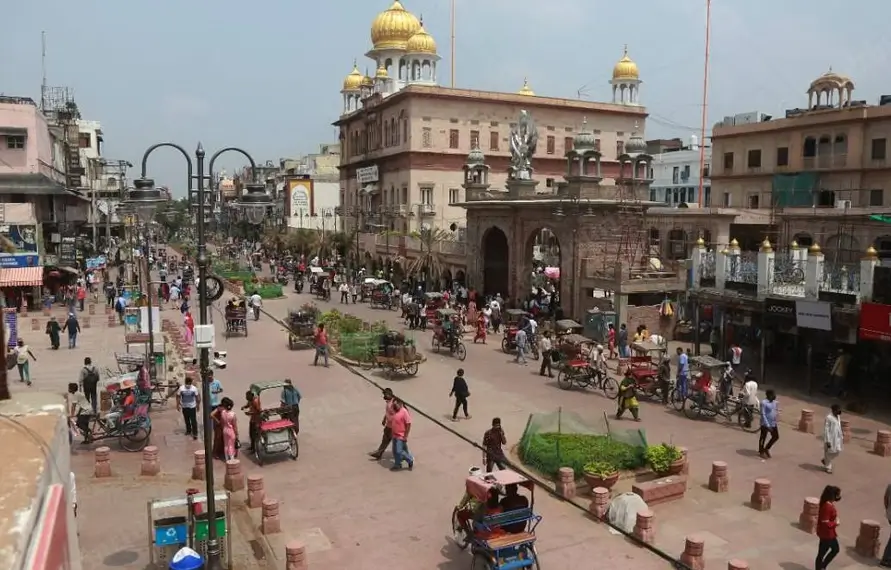
Built by Shah Jahan in 1656, Jama Masjid is India’s largest mosque. Nearby Chandni Chowk is a sensory overload of food, spices, jewelry, and chaos — best explored on a guided walking tour.
8. Raj Ghat (Mahatma Gandhi Memorial)
A black marble platform marks the spot of Gandhi's cremation. Surrounded by peaceful gardens, it's a powerful reminder of India’s struggle for independence.
9. Hauz Khas Village & Fort
13th Century Ruins Meets Modern Culture
Explore ancient Islamic architecture amidst trendy cafés, boutiques, and galleries.
Foreign Travel Tip for Delhi:
Stay in central locations like Connaught Place or South Delhi, hire a licensed local guide, and avoid rush hours when sightseeing.
AGRA – The Timeless Mughal Jewel
Agra, the second point of the Golden Triangle, is home to some of the most iconic Mughal architecture in India, especially the Taj Mahal, one of the Seven Wonders of the World. But beyond this legendary monument, Agra has much to offer: imposing forts, quiet tombs, and enchanting riverside gardens.
For foreign travelers, Agra is not just about a visit — it’s about witnessing a love story carved in marble, tasting rich Mughlai cuisine, and soaking in centuries of Islamic art and Persian influence.
Top Places to Visit in Agra for Foreign Tourists
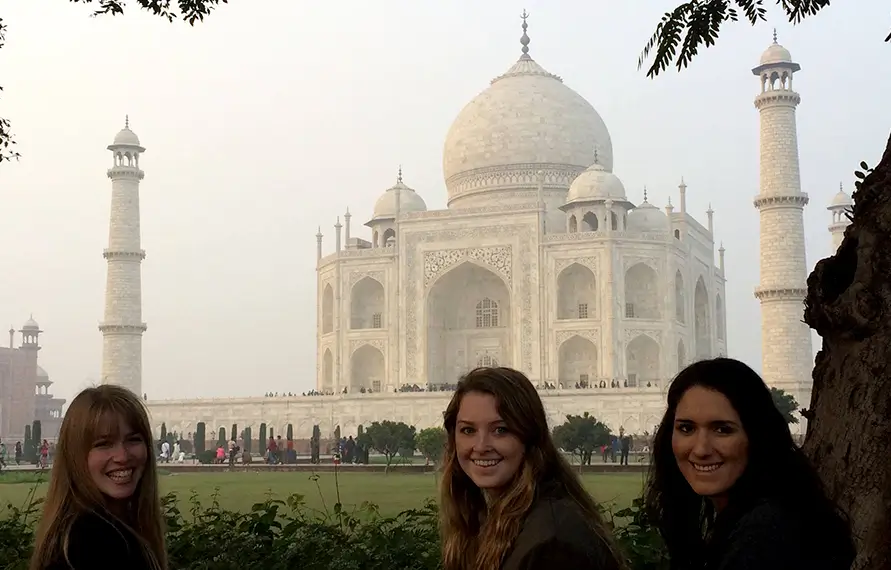
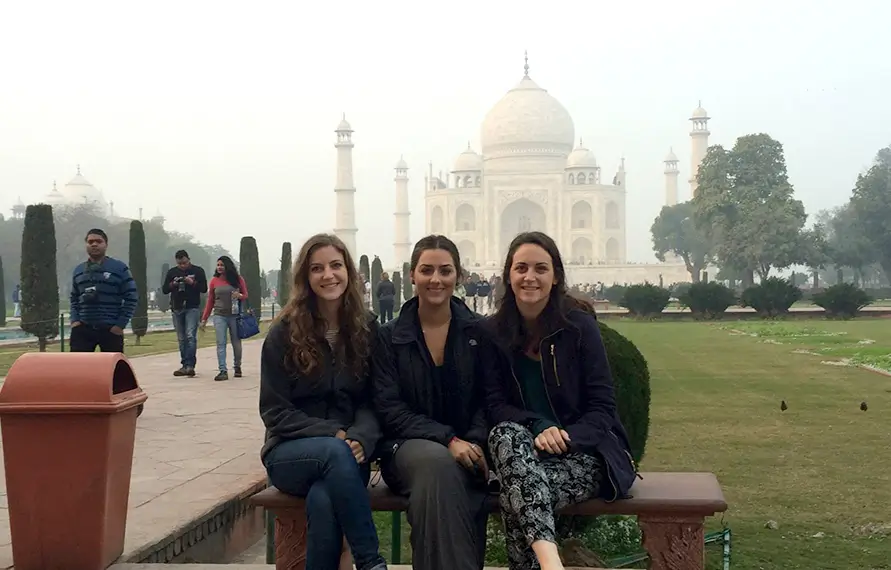
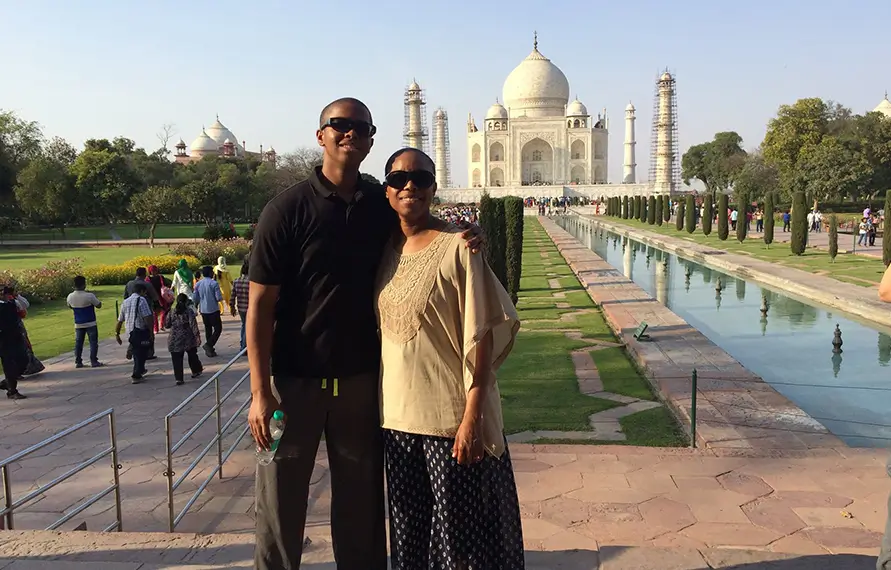
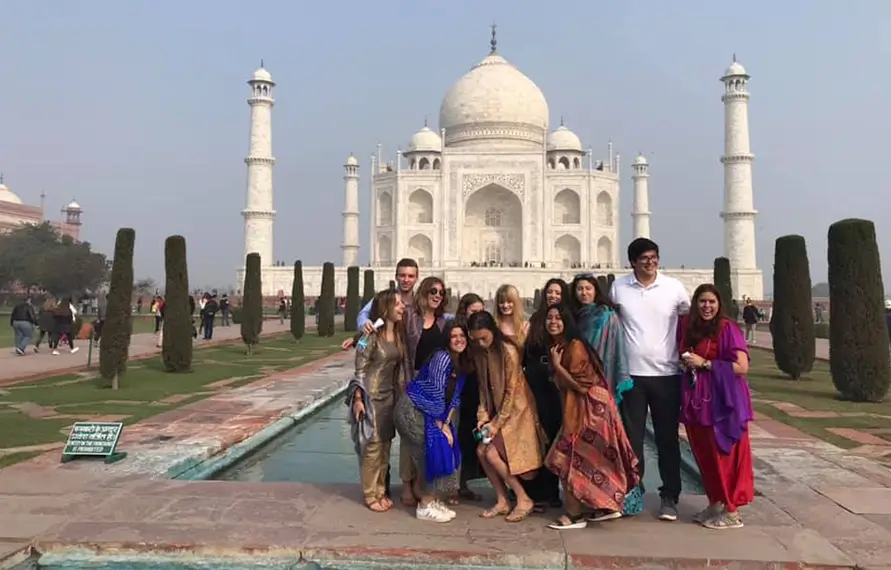
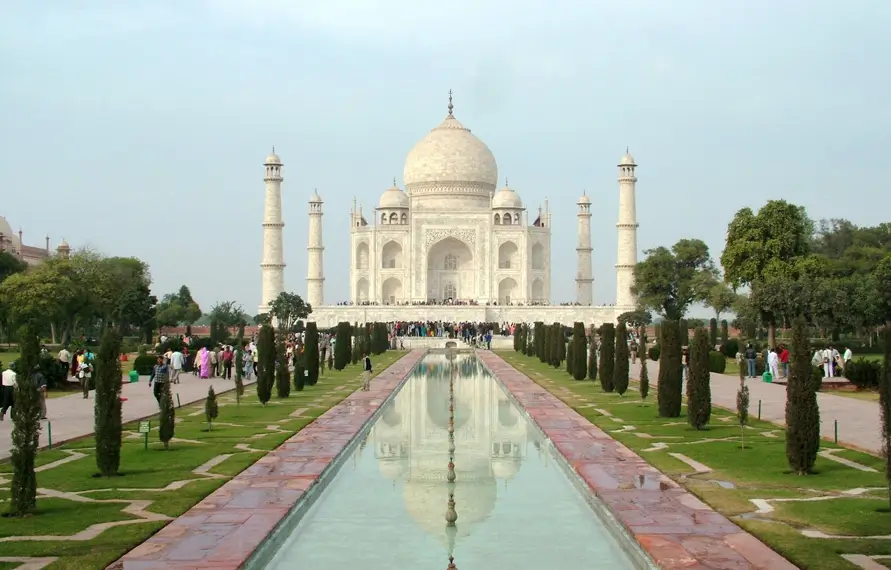
1. Taj Mahal
UNESCO Site | Symbol of Eternal Love | Architectural Masterpiece
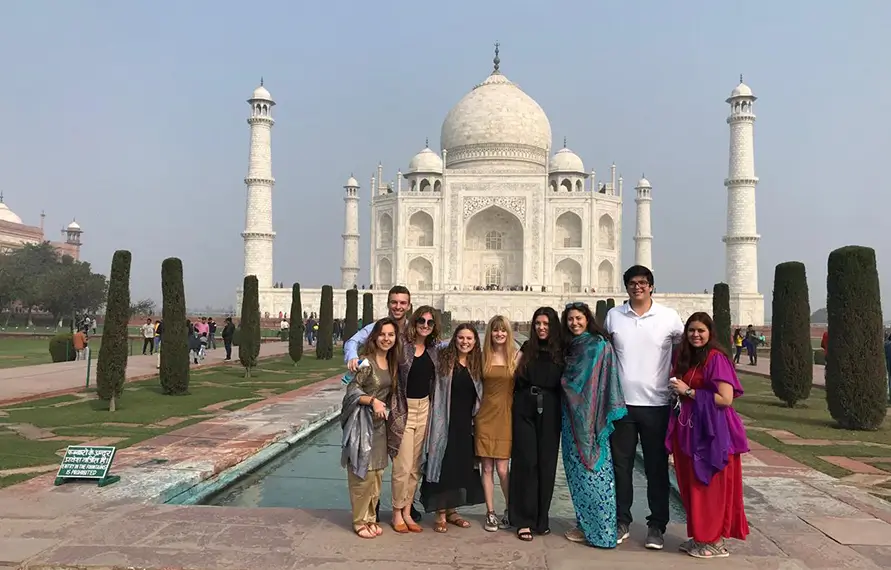
Commissioned in 1632 by Emperor Shah Jahan for his beloved wife Mumtaz Mahal, the Taj Mahal is an immortal symbol of love, and perhaps India’s most recognizable monument.
Why It Stuns Visitors:
- White marble structure that changes color with sunlight
- Perfect symmetry, minarets, and Mughal gardens
- Exquisite pietra dura (stone inlay work) and calligraphy
Travel Tips:
- Closed on Fridays
- Best time to visit: sunrise or full moon nights
- Entry gates: East, West (Avoid South gate)
- Avoid large bags; security is tight
Bonus Tip: Book a guide or audio tour to understand the intricate symbolism and construction techniques.
2. Agra Fort
Red Sandstone Fortress | Royal Palaces | Mughal Power Base
A short drive from the Taj, this 16th-century UNESCO-listed fort is where emperors lived, ruled, and were even imprisoned. Shah Jahan spent his last years here, gazing at the Taj.
Must-See Inside:
- Jahangir Mahal, Khas Mahal, Musamman Burj (octagonal tower)
- Diwan-i-Khas and Diwan-i-Am (audience halls)
- Panoramic Taj views from the balconies
Fun Fact: It’s one of the few forts in India that blends Rajput and Mughal design styles.
3. Itmad-ud-Daulah’s Tomb (Baby Taj)
Mini Taj | Persian Gardens | Jewel Box Architecture
Often overshadowed by the Taj Mahal, this white marble tomb predates it and was commissioned by Nur Jahan, the wife of Emperor Jahangir, for her father.
Why Visit:
- First use of white marble and intricate inlay work in India
- Fewer crowds than Taj
- Beautiful garden layout and peaceful atmosphere
4. Mehtab Bagh (Moonlight Garden)
Taj Viewpoint | Sunset Photography Spot | Romantic Vibes
Located directly opposite the Taj across the Yamuna River, this garden is perfect for sunset views of the Taj Mahal without the crowds.
Why Foreigners Love It:
- Ideal for photographers
- Lesser-known, quiet, and uncrowded
- Great for couples and travel bloggers
5. Akbar’s Tomb, Sikandra
Architectural Blend | Mughal Grandeur | Offbeat Gem
This vast tomb complex is located slightly outside Agra and is the final resting place of Emperor Akbar, the most visionary Mughal ruler.
Don’t Miss:
- Giant gateways with inlaid work
- Symmetrical Persian gardens
- Wildlife in the peaceful grounds (peacocks, deer)
6. Kinari Bazaar & Local Streets
Colorful Shopping | Local Textiles | Handicrafts
Wander the lanes of Kinari Bazaar for spices, jewelry, marble souvenirs, and leather goods.
Pro Tip: Visit with a guide for insider access to marble-inlay workshops, Mughlai kitchen tours, and street photography hotspots.
7. Taj Museum
Located within the Taj Mahal complex, this small but rich museum showcases blueprints, historical documents, and royal portraits related to the construction of the Taj.
Mughlai Food Experiences in Agra
Agra was once the heart of the Mughal culinary tradition, and it shows. For foreign tourists, this is a great chance to sample:
- Mutton Korma and Chicken Changezi
- Nihari with naan
- Petha (sweet) — available in multiple flavors
- Local snacks like Bedai with Aloo sabzi and Dalmoth
Best Eateries: Pinch of Spice, Joney’s Place, Esphahan at the Oberoi, Mama Chicken
Travel Tips for Foreign Tourists Visiting Agra
- Stay in hotels near the East Gate of Taj for easy early-morning access
- Book skip-the-line tickets online (foreign ticket includes shoe covers and water)
- Carry ID and make sure you don’t bring drones, tripods, or large bags
- Hire a licensed guide through your tour company or government-approved counters
- Combine Agra with nearby Fatehpur Sikri and Bharatpur Bird Sanctuary
JAIPUR – The Royal Pink City
The final point of the Golden Triangle Tour, Jaipur stands as a magnificent example of Rajputana grandeur, filled with fortresses, palaces, vibrant bazaars, and a deeply preserved royal legacy. Nicknamed the Pink City, Jaipur is both architecturally fascinating and culturally rich, making it a favorite among foreign travelers.
From elephants at Amber Fort to the whimsical windows of Hawa Mahal, Jaipur is India at its colorful best.
Top Places to Visit in Jaipur for Foreign Tourists
1. Amber Fort (Amer Fort)
UNESCO World Heritage Site | Hilltop Fortress | Mirror Palace
Located 11 km from the city center, Amber Fort is one of India’s most majestic forts. Built in 1592, it combines Hindu-Rajput architecture with Mughal elegance.
Key Attractions:
- Sheesh Mahal (Mirror Palace)
- Ganesh Pol and Sukh Niwas
- Elephant rides or jeep rides up to the fort
- Sound & Light Show in the evening
Travel Tip: Visit early morning for fewer crowds and better photos.
2. City Palace
Royal Residence | Museums | Artifacts
Still a royal residence, parts of the City Palace are open to the public and house extensive galleries of Mughal and Rajput weaponry, clothing, and miniature paintings.
Don’t Miss:
- Chandra Mahal and Mubarak Mahal
- Ornate gates like Peacock Gate
- The Royal Courtyard and Diwan-i-Khas
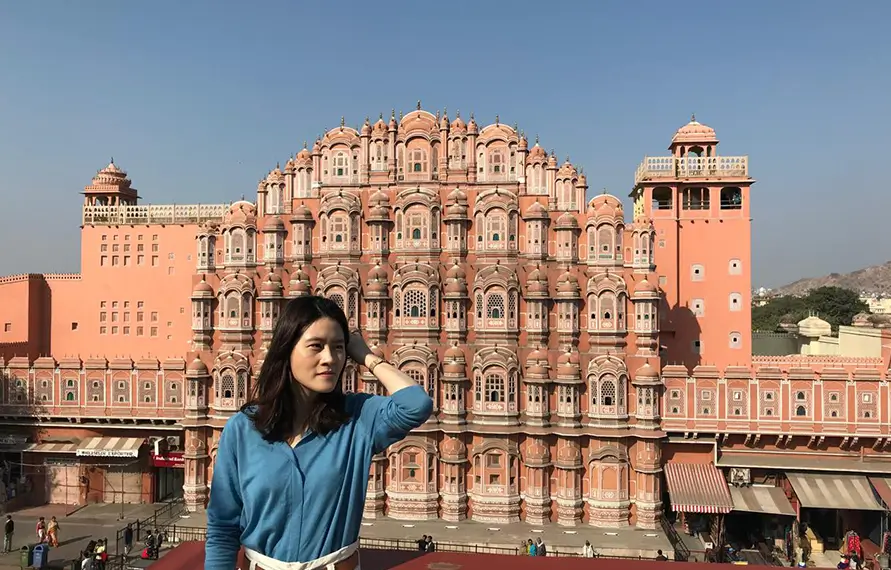
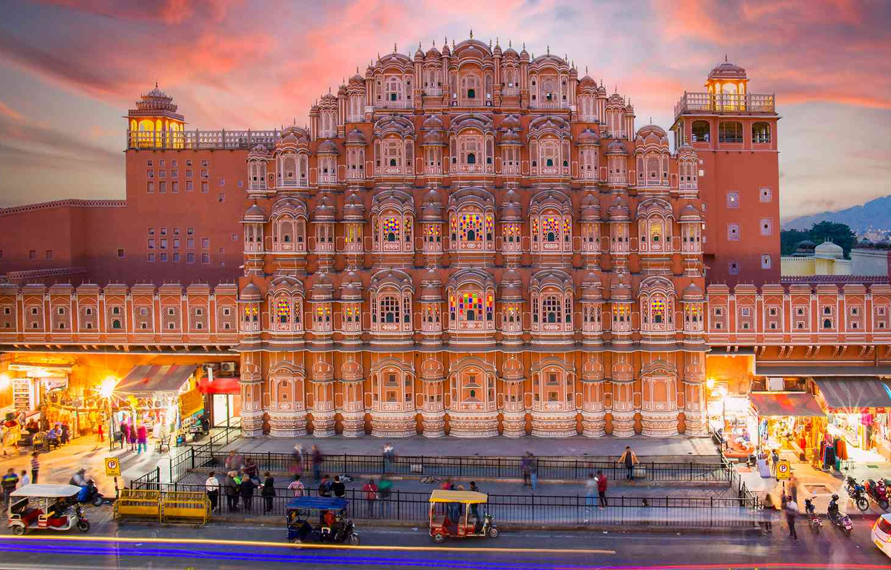
3. Hawa Mahal (Palace of Winds)
Iconic Facade | 953 Jharokhas | Photography Spot
Built in 1799 for royal women to observe street processions unseen, Hawa Mahal is Jaipur’s most iconic photo stop.
Why Tourists Love It:
- Intricate lattice design
- Great for Instagram-worthy shots
- Climb up for panoramic city views
4. Jantar Mantar
Astronomical Observatory | UNESCO Site | Science & Heritage
This 18th-century observatory showcases massive stone instruments used to measure time, predict eclipses, and study stars — with surprising accuracy.
Interesting Fact:
It’s home to the world’s largest sundial, accurate to within 2 seconds!
5. Albert Hall Museum
Rajasthan’s Oldest Museum | Indo-Saracenic Architecture | Rare Collections
Located in Ram Niwas Garden, this museum features ancient Egyptian mummies, tribal art, and traditional Rajasthani exhibits.
6. Nahargarh Fort
Sunset Spot | Hilltop Fortress | Film Location
Built as a retreat and defense post, Nahargarh Fort offers panoramic views of the city — especially breathtaking at sunset.
Things to Do:
- Visit the Madhavendra Palace inside
- Dine at Padao Café with scenic city lights below
7. Jaigarh Fort
Military Fort | World's Largest Cannon | Secret Tunnels
Located close to Amber Fort, Jaigarh served as a military stronghold and houses the Jaivana cannon, once the largest wheeled cannon on Earth.
8. Jal Mahal (Water Palace)
Floating Palace | Romantic Stop | Birdwatching
Located in the middle of Man Sagar Lake, this palace seems to float on water. Though entry inside is restricted, its view is one of the most romantic scenes in Jaipur.
Best Time: Sunrise or sunset for dramatic reflection photography.
9. Bazaar Walk – Johari & Bapu Bazaar
Shopping | Textiles | Local Crafts
Jaipur is a shopper’s paradise. Tourists love picking up:
- Block-printed textiles
- Kundan jewelry
- Mojari shoes
- Camel leather bags
- Handcrafted puppets and pottery
10. Galtaji (Monkey Temple)
Sacred Site | Natural Spring | Monkey Colonies
Located in the Aravalli hills, this 18th-century temple complex features sacred water tanks, sunset views, and — yes — hundreds of friendly monkeys.
11. Raj Mandir Cinema
Art Deco Theatre | Local Experience | Cultural Touch
Watch a Bollywood movie with locals at this ornately designed cinema, known for its royal interiors and theatrical ambience.
12. Traditional Experiences in Jaipur
Foreign tourists love interactive local experiences such as:
- Block printing workshops
- Cooking classes with Rajasthani families
- Puppet shows and folk dance evenings
- Stay in a heritage haveli
Cultural Highlights of Jaipur
- Elephant encounters at Elephant Joy or Elefantastic (ethical and humane sanctuaries)
- Rajasthani dance and music at Chokhi Dhani – a traditional village resort
- Visit local artisans in Sanganer and Bagru for textile and pottery demonstrations
- Attend Teej, Gangaur, or Jaipur Literature Festival if visiting seasonally
Jaipur Travel Tips for Foreign Tourists
- Best Time to Visit: October to March
- Dress Modestly: Especially when visiting temples and forts
- Transport: Hire a car with driver or use autos with fixed fares
- Recommended Stay: Near MI Road, Civil Lines, or old city havelis
- Cultural Respect: Always remove shoes before entering religious places
If you want to experience India's rich history, cultural diversity, and royal grandeur in a short yet impactful journey, the Golden Triangle Tour is unmatched. From the marble magnificence of the Taj, the chaotic charisma of Old Delhi, to the royal romance of Jaipur, this route packs a lifetime of memories into just a few days.
At Top Indian Holidays, we offer custom-designed Golden Triangle tour packages with private drivers, expert guides, luxury hotels, and authentic experiences curated for global travelers.
Ready to plan your Golden Triangle adventure?
Let us help you craft the perfect itinerary for a safe, comfortable, and culturally enriching journey through India.



 info@topindianholidays.net
 +91-8955000999