Places To Visit In Ajmer Pushkar
Tucked amidst the Aravalli Hills in Rajasthan, Ajmer and Pushkar are two culturally rich towns located just 15 km apart, yet they offer strikingly different experiences. For foreign travelers exploring India’s spiritual diversity, vibrant festivals, ancient architecture, and desert charm, these two destinations are an essential stop on the map.
While Ajmer is best known for the Ajmer Sharif Dargah, one of the most sacred Sufi shrines in the world, Pushkar is famed for its Brahma Temple, holy lake, and the Pushkar Camel Fair. Together, they form a beautiful contrast of Islamic mysticism and Hindu devotion, making them a truly immersive cultural experience.
1. Ajmer Sharif Dargah (Khwaja Garib Nawaz Dargah)
Sufi Pilgrimage | Mughal Architecture | Spiritual Vibes
One of the most important pilgrimage sites in India, this shrine of Khwaja Moinuddin Chishti, a revered Sufi saint, attracts millions of devotees annually — including foreign dignitaries and travelers.
Highlights:
- Marble courtyards, massive domes, and intricately designed gates
- Nizam Gate, Shah Jahan Gate, and Buland Darwaza
- Live Qawwali performances (especially on Thursdays)
Tips for Foreign Visitors:
- Modest clothing is mandatory
- The best time to visit is early morning or late evening
- Expect large crowds during Urs Festival (anniversary of the saint)
2. Ana Sagar Lake
Scenic Views | Boating | Historic Gardens
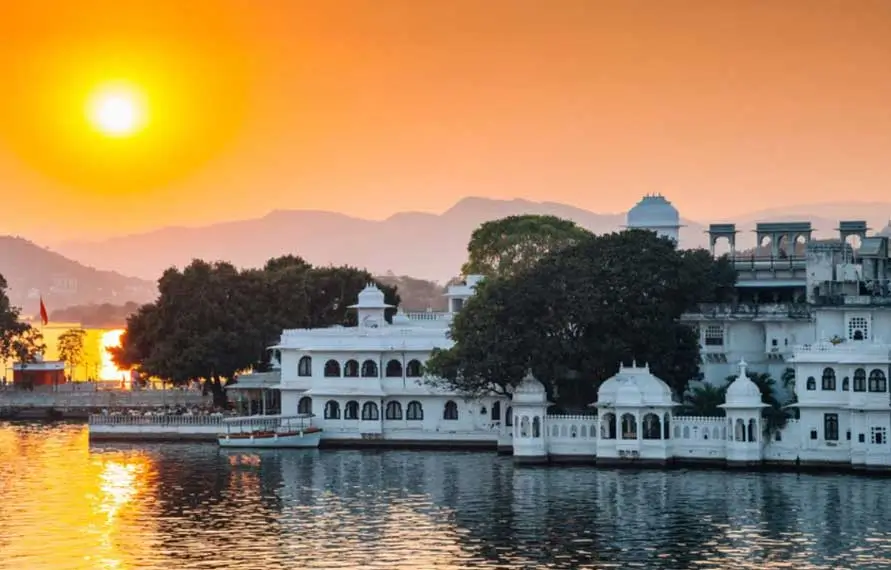
Constructed in the 12th century by Arnoraja (grandfather of Prithviraj Chauhan), this artificial lake offers scenic beauty and a place to unwind.
What to Do:
- Enjoy paddle boating or walk along the promenade
- Visit the Daulat Bagh Gardens and Baradari pavilions built by Emperor Jahangir
- Ideal place for sunsets and people-watching
3. Adhai Din Ka Jhonpra
Architectural Wonder | Indo-Islamic Design | Historical Mosque
Originally a Sanskrit college, this structure was converted into a mosque by Qutb-ud-Din Aibak in the 12th century. The name translates to “shed of two and a half days.”
Why Visit:
- Stunning blend of Hindu and Islamic architectural styles
- 92 pillars with unique carvings
- Less crowded and great for photography
4. Akbari Fort & Museum
Mughal Fort | Museum of History | Artifacts
This historical site was once the residence of Prince Salim (later Emperor Jahangir). Today, it houses a government museum.
Things to See:
- Weapons, paintings, sculptures, and Mughal relics
- Insight into Ajmer’s royal and colonial past
- Quiet setting ideal for history enthusiasts
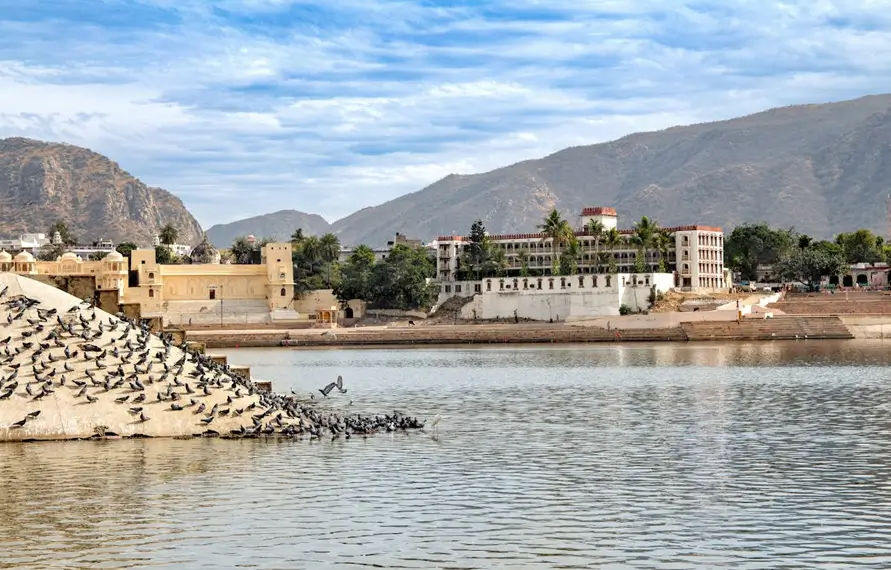
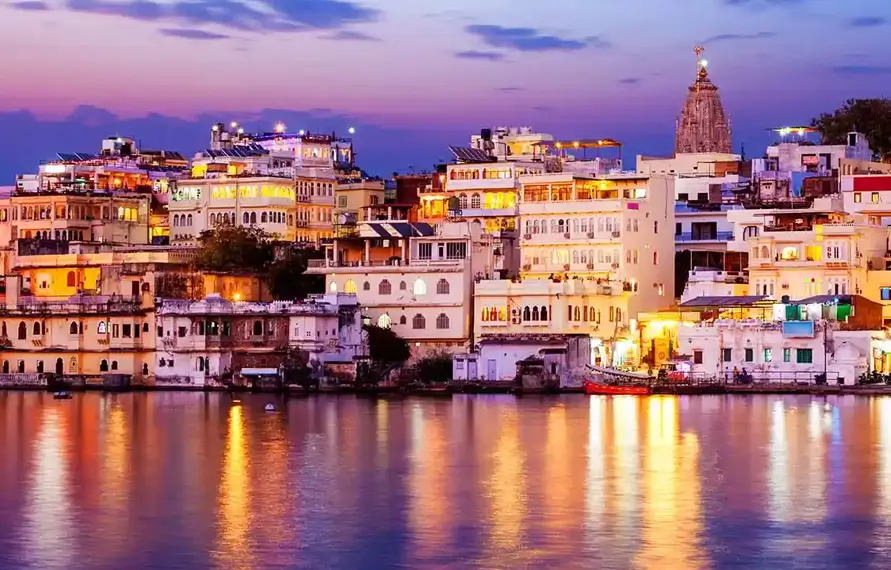
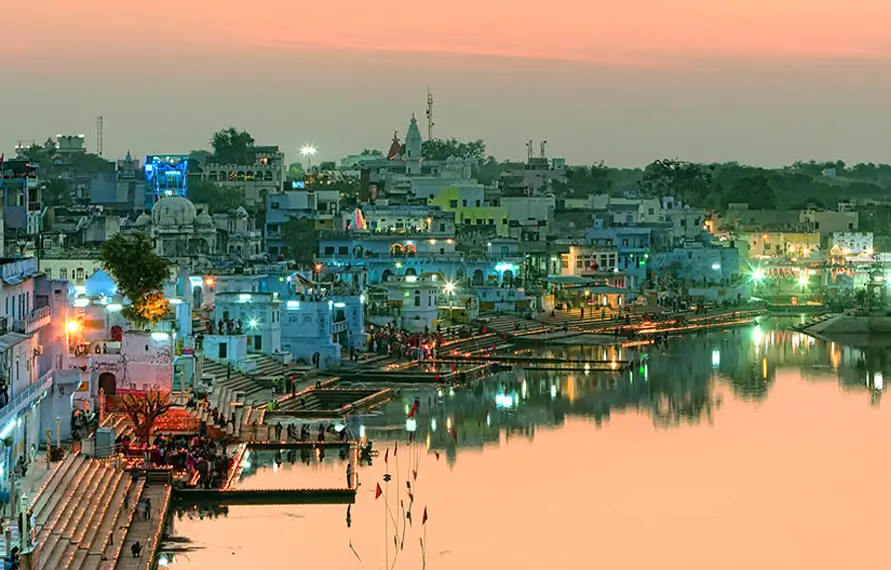
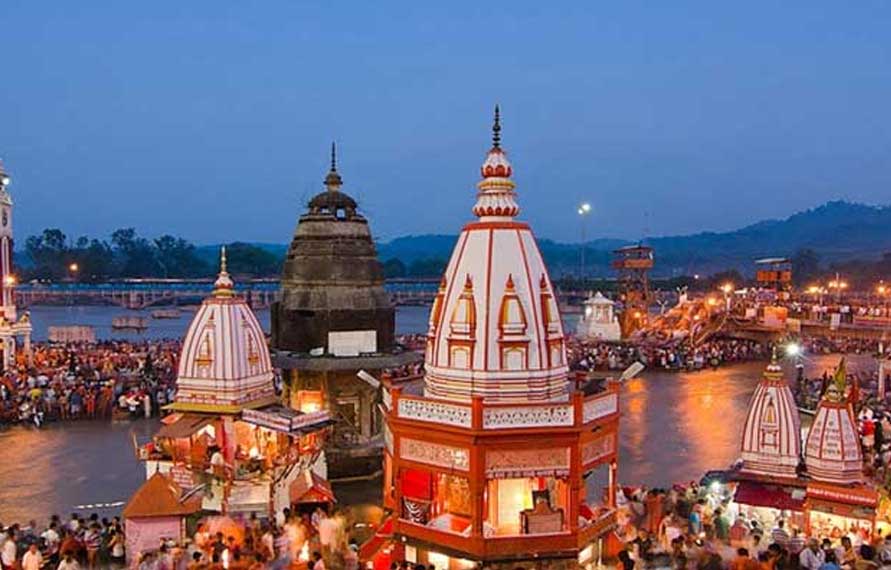
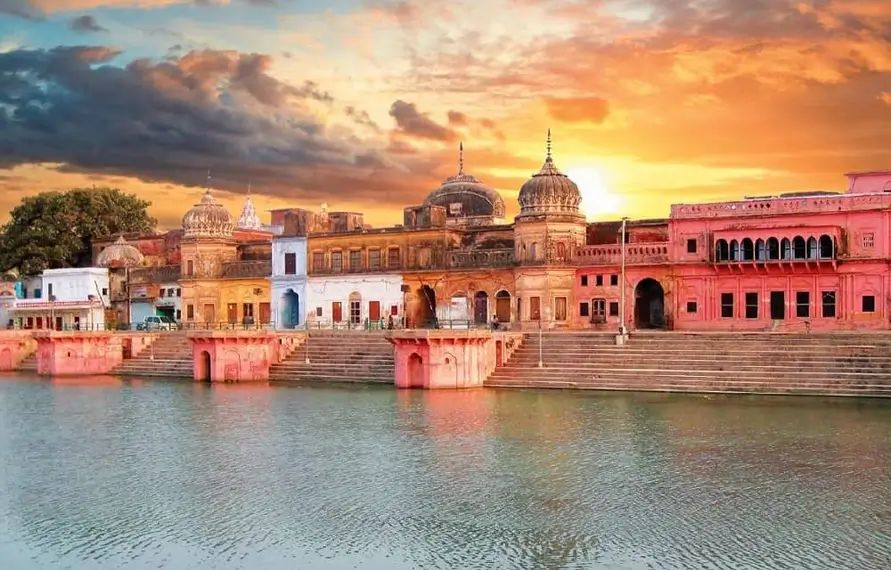
5. Pushkar Lake
Hindu Pilgrimage | Ghats & Aartis | Tranquil Vibes
According to mythology, Lord Brahma created this lake by dropping a lotus flower. It is surrounded by over 50 ghats and 400 temples.
Experiences for Foreign Tourists:
- Participate in evening aarti at Varaha or Gau Ghat
- Witness rituals and spiritual dips by locals
- Sit at a café overlooking the lake
Note: Always remove shoes before entering ghat areas.
6. Brahma Temple
Rare Hindu Shrine | Unique Rituals | Pilgrimage Point
One of the few temples in the world dedicated to Lord Brahma, the creator god in Hinduism.
Must Know:
- Built in the 14th century with marble and stone slabs
- Red spire and hamsa (swan) motif are symbolic
- Only male priests can perform rituals
Photography Tip: Early morning light enhances temple shots.
7. Savitri Temple
Hilltop Temple | Ropeway Ride | Sunrise Views
Dedicated to Brahma’s consort Savitri, this temple sits atop Ratnagiri Hill.
Ways to Reach:
- Hike up 200+ steps (takes 30-40 mins)
- Or take the ropeway ride for panoramic views
Why Visit:
- Stunning views of Pushkar town and lake
- A peaceful spiritual retreat above the bustle
8. Pushkar Camel Fair (Annual Event)
Cultural Festival | Camel Trading | Folk Events
Held every November, this is one of India’s most colorful and exotic festivals, attracting global travelers.
Festival Features:
- Camel races, decorated cattle competitions
- Rajasthani folk dance, music, and cultural stalls
- Hot air balloon rides and desert camping
Tip: Book hotels in advance and attend the fair’s first 3-4 days for the most action.
9. Rangji Temple
South Indian Architecture | Multicultural Shrine
A beautiful temple that mixes Dravidian and Mughal architecture, dedicated to Lord Rangji (an incarnation of Vishnu).
Why Unique:
- Intricately carved gopuram (tower)
- Open to all tourists
- Lesser-known but visually impressive
10. Local Bazaars in Pushkar & Ajmer
Handicrafts | Spiritual Souvenirs | Boho Finds
From rose products and silver jewelry in Pushkar to traditional ittar and embroidered jootis in Ajmer — shopping is a treat.
Top Buys:
- Leather goods, Rajasthani textiles, and paintings
- Spiritual souvenirs like rudraksha malas and incense
- Vegan cafés and organic stores in Pushkar
Other Experiences to Consider:
- Attend Sufi Qawwali Nights in Ajmer
- Try Rajasthani food like dal bati churma, gatte ki sabzi, and laal maas
- Take part in yoga sessions near Pushkar Lake
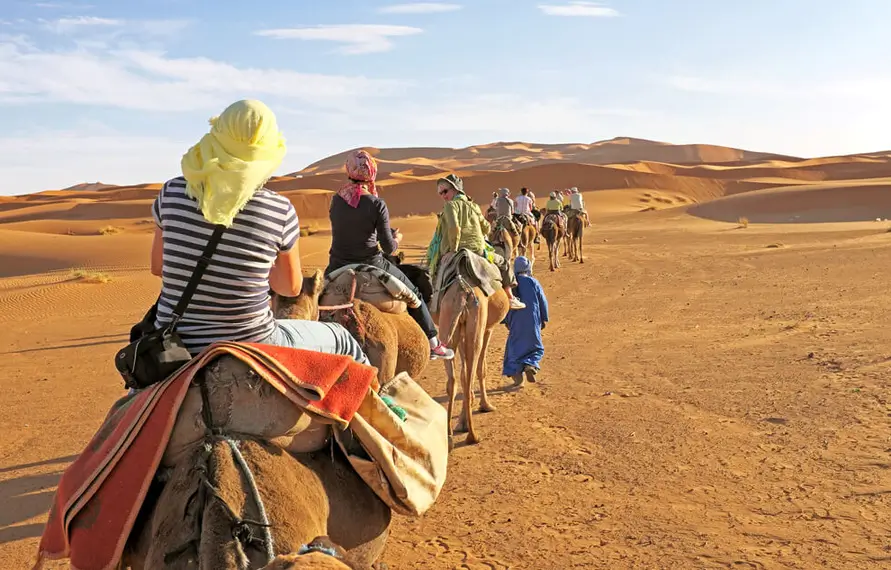
- Sunset camel safari in Pushkar dunes
Best Time to Visit Ajmer & Pushkar
- October to March: Pleasant for sightseeing and outdoor activities
- November: Visit during the Pushkar Camel Fair
- Avoid Summer (April–June): Extremely hot
How to Reach Ajmer & Pushkar
- By Air: Nearest airport is Jaipur (130 km), then taxi/train
- By Train: Ajmer Junction is well-connected
- By Road: Excellent bus/taxi services from Jaipur, Delhi, and Udaipur
Where to Stay in Ajmer & Pushkar
Luxury:
- Ananta Spa & Resorts (Pushkar)
- Pratap Palace – IHCL SeleQtions (Ajmer)
Mid-Range:
- Hotel Brahma Horizon (Pushkar)
- Royal Melange Beacon (Ajmer)
Budget:
- Zostel, Moustache Pushkar
- Backpacker Panda Ajmer
Ajmer and Pushkar are twin jewels of Rajasthan, where spirituality meets culture, and tradition meets desert charm. Whether it’s the powerful energy of a Sufi dargah or the divine serenity of a Hindu lake town, this region offers a window into India’s soul.
For foreign tourists eager to explore authentic local traditions, sacred rituals, historical architecture, and vibrant bazaars, a visit to Ajmer and Pushkar is more than a journey — it’s an emotional and spiritual experience.
Make sure to add this sacred yet colorful destination to your India itinerary for a truly transformative travel story.



 info@topindianholidays.net
 +91-8955000999