📅 Last Updated On: 01 May 2026
⏱ 10 Min Read
Food and Cuisine of North East India: A Culinary Journey for International Travelers
A
Admin
Founder -India Travel Expert
Food and Cuisine of North East India
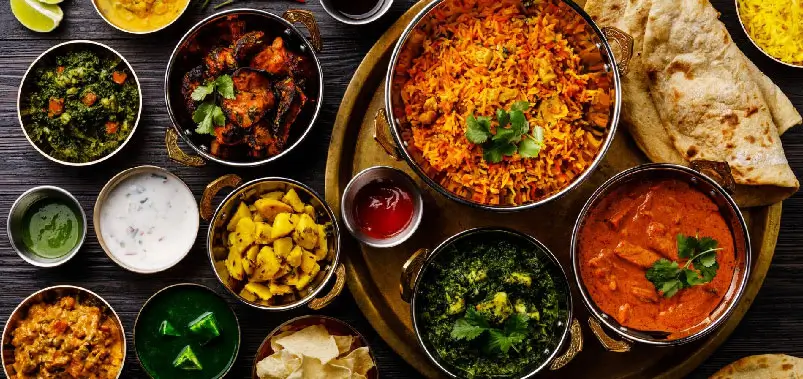
North East India offers one of the most fascinating culinary landscapes in Asia. While many travelers associate Indian food with rich curries and spices from the northern and western parts of the country, the cuisine of the eastern Himalayan region reveals an entirely different gastronomic identity. Influenced by geography, climate and indigenous cultures, North East India cuisine focuses on fresh ingredients, subtle flavors and cooking traditions deeply connected to nature.
Across the eight states of the region, food reflects centuries of cultural exchange between tribal communities, Himalayan influences and Southeast Asian culinary traditions. Bamboo shoots, fermented ingredients, fresh herbs and locally grown vegetables play an essential role in everyday meals. Instead of heavy gravies, many dishes highlight natural flavors and slow cooking techniques that preserve the authenticity of regional ingredients.
Travelers exploring the region often discover that food becomes an essential gateway into local culture. Traditional recipes are passed down through generations and prepared using methods that have remained unchanged for centuries. Visiting local markets, village kitchens and mountain cafes offers travelers an opportunity to experience the rich diversity of North East India food culture.
Because the region is still emerging as a travel destination, many international visitors approach the cuisine with curiosity and excitement. From the smoky flavors of tribal barbecue to delicate soups and aromatic rice dishes, the culinary journey through North East India introduces travelers to a side of India rarely experienced elsewhere.
Travel planners at Top Indian Holidays frequently include culinary experiences in private North East India tours, allowing travelers to explore local food traditions alongside landscapes and cultural attractions.
The Cultural Foundations of North East India Cuisine
The cuisine of North East India cannot be understood without recognizing the deep cultural diversity of the region. Hundreds of indigenous communities live across the hills and valleys, each maintaining unique food traditions shaped by local ingredients and environmental conditions.
Unlike many other parts of India where spices dominate cooking styles, traditional North East India cuisine emphasizes natural flavors and minimal seasoning. Many dishes rely on steaming, boiling or slow cooking techniques that preserve the original taste of vegetables, meat and herbs.
Fermented ingredients are particularly important in many regional recipes. Fermented soybeans, bamboo shoots and fish are commonly used to add depth of flavor. These ingredients reflect centuries of culinary evolution in mountain environments where food preservation methods became essential.
Rice forms the foundation of most meals throughout the region. Whether served alongside vegetables, meats or fermented dishes, rice provides the base for daily dining traditions. Many communities also cultivate indigenous varieties of rice that possess distinctive textures and aromas.
Travelers exploring North East India culinary traditions often discover that meals are deeply connected to community life. Family gatherings, festivals and village celebrations frequently revolve around shared cooking and communal dining.
Taste the Authentic Flavors of North East India India
From traditional tribal dishes to local street food — explore North East India with a customized culinary tour designed for international travelers.
Assamese Cuisine and Tea Estate Influences
Assam, located in the fertile Brahmaputra Valley, offers one of the most distinctive culinary traditions in North East India. The region’s cuisine reflects a balance between indigenous tribal food practices and agricultural abundance.
Fresh fish from rivers and wetlands plays a significant role in Assamese cuisine, often prepared with herbs and vegetables rather than heavy spices. Mustard seeds and mustard oil are commonly used to create subtle yet aromatic flavors that complement the natural taste of ingredients.
Vegetables such as pumpkin, eggplant and leafy greens frequently appear in everyday dishes. Many traditional meals include fermented bamboo shoots or dried fish that add complexity to the flavors.
Tea plantations across Assam also influence the culinary culture of the region. Travelers visiting tea estates often enjoy meals that blend local ingredients with colonial-era influences. Breakfasts overlooking tea gardens may include freshly brewed Assam tea alongside regional specialties.
Experiencing Assamese cuisine during North East India travel offers insight into the agricultural richness and cultural traditions of the region.
Khasi and Jaintia Culinary Traditions of Meghalaya
In the hill state of Meghalaya, the Khasi and Jaintia communities maintain culinary traditions that reflect mountain environments and forest resources. Food here often features smoked meats, wild herbs and fresh vegetables gathered from nearby hills.
Smoked pork remains one of the most well-known dishes in Meghalaya traditional cuisine. The smoking process enhances flavor while preserving meat for longer periods, a method historically used by mountain communities.
Rice continues to play an essential role in daily meals, often accompanied by simple soups or lightly cooked vegetables. Fermented ingredients appear in several regional dishes, providing a distinctive flavor profile unique to the area.
Local markets in towns such as Shillong provide travelers with opportunities to observe the variety of ingredients used in regional cooking. Fresh produce, forest mushrooms and wild herbs reveal the close relationship between local cuisine and the surrounding natural environment.
Travelers exploring North East India cultural tours often find that culinary experiences in Meghalaya provide a deeper understanding of indigenous lifestyles.
Sikkim and the Himalayan Food Influence
The Himalayan state of Sikkim introduces another dimension to the culinary diversity of North East India. Influenced by Tibetan and Nepalese traditions, the cuisine here combines mountain ingredients with comforting cooking styles suitable for colder climates.
Dumplings, noodle soups and fermented foods are common features of Sikkimese cuisine. These dishes reflect centuries of cultural exchange between Himalayan communities and neighboring regions.
One of the most popular foods in the region is the steamed dumpling known as momo. These dumplings are typically filled with vegetables or meat and served with flavorful dipping sauces. Although simple in appearance, the preparation of momos involves careful attention to texture and seasoning.
Thukpa, a hearty noodle soup, also remains a favorite dish among locals and travelers alike. Served hot and often enriched with vegetables and herbs, the dish provides warmth and nourishment in mountainous environments.
Travelers exploring Himalayan food culture in North East India frequently enjoy discovering these comforting dishes in small cafes and family-run restaurants throughout Sikkim.
Ready for a Culinary Adventure in North East India?
Discover unique flavors, organic ingredients, and traditional recipes with local guides who know the region best.
Tribal Barbecue and Indigenous Cooking Methods
Across many parts of North East India, tribal cooking traditions emphasize open-fire grilling and natural preparation techniques. Barbecue plays a central role in community gatherings and festivals.
In several tribal communities, meats such as pork, chicken or fish are grilled over open flames and seasoned with local herbs. Bamboo tubes are sometimes used as cooking vessels, allowing ingredients to steam slowly while absorbing subtle flavors from the bamboo.
These cooking techniques highlight the simplicity and authenticity of indigenous North East India food traditions. Meals are often prepared outdoors, with families and neighbors gathering around fires while food cooks slowly.
Travelers who experience tribal barbecue during cultural visits often find it to be one of the most memorable culinary moments of their journey.
Local Markets and Culinary Discovery
One of the most fascinating ways to explore North East India cuisine is by visiting local markets. These vibrant spaces reveal the incredible diversity of ingredients used in regional cooking.
Markets in cities such as Shillong, Gangtok and Guwahati display fresh vegetables, herbs, fermented foods and locally raised meats. Vendors often sell ingredients harvested from forests or grown in nearby villages.
For travelers interested in culinary exploration, markets provide a deeper understanding of how geography influences regional food traditions. The variety of ingredients reflects the ecological richness of the region.
Many North East India travel experiences include guided market visits where travelers can learn about local ingredients and cooking techniques directly from vendors and chefs.
Culinary Experiences as Part of Travel
Food experiences increasingly play an important role in modern travel. Visitors seeking authentic cultural encounters often appreciate opportunities to taste regional dishes prepared by local communities.
Cooking demonstrations, village meals and traditional feasts allow travelers to explore North East India culinary culture in a meaningful way. These experiences reveal how food connects communities to land, history and identity.
Travel planners at Top Indian Holidays frequently incorporate culinary encounters into custom North East India itineraries, ensuring that travelers experience not only the landscapes but also the flavors of the region.
For travelers interested in exploring the culinary heritage of North East India alongside scenic journeys and cultural discovery, personalized travel planning is available through:
Top Indian Holidays Pvt. Ltd.
Email: info@topindianholidays.net
Call/WhatsApp: +91-9828085426
Contact Person: Mr. Nand Singh Rathore



 info@topindianholidays.net
 +91-8955000999