
 info@topindianholidays.net
 +91-8955000999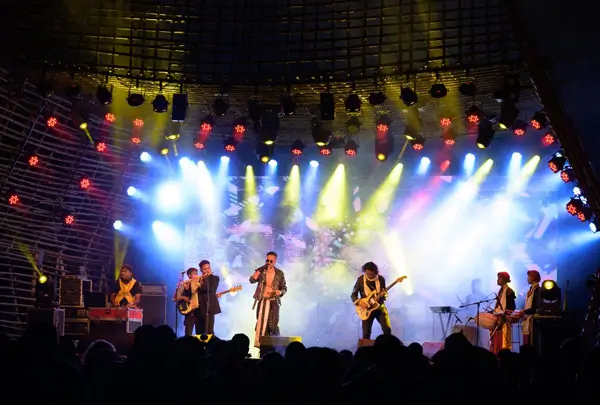
Frequently Asked Questions
Ziro is special for three reasons simultaneously: the extraordinary natural setting in a UNESCO tentative heritage valley, the genuinely curated mix of Indian indie, northeastern tribal folk, and international music, and the intimate scale that allows real cultural exchange. It is the only major Indian music festival that sits inside a living tribal cultural landscape rather than an urban venue.
The Ziro Festival is held annually in the last weekend of September. The precise dates vary slightly each year. Contact Top Indian Holidays for confirmed 2026 dates well in advance as accommodation fills rapidly months before the event.
Yes — foreign nationals require a Protected Area Permit (PAP) to enter Arunachal Pradesh. Indian nationals from outside the state require an Inner Line Permit (ILP). Both permits are obtainable through official channels. Top Indian Holidays manages the complete permit application process for all international guests travelling to Ziro Festival.
From Delhi, fly to Guwahati (2.5 hours) or directly to Lilabari (via Guwahati connection). From Lilabari, Ziro is approximately 4 hours by road through beautiful Arunachal Pradesh mountain landscapes. From Guwahati, Ziro is approximately 8-9 hours by road. Top Indian Holidays arranges all transfers including airport pickup, permits, and onward road journey.
Ziro showcases a genuinely diverse programme including: Indian alternative and indie rock, northeastern Indian tribal folk fusion (blending Apatani, Naga, Mizo, and other traditions with contemporary music), experimental electronic, jazz, and acoustic folk from Indian and international artists. The festival specifically platforms northeastern Indian musicians who find no mainstream Indian stage — making it genuinely distinctive.
The Apatani are a remarkable community with a sophisticated, sustainable agricultural system that has maintained the valley's ecosystem for centuries. Their elder women bear distinctive facial tattoos and large nose plugs — a discontinued traditional practice visible only on elderly women. The Apatani's Donyi-Polo animist religion, traditional textiles, and rice beer culture provide extraordinary cultural context for festival visitors who explore the valley beyond the music stage.
Options include: festival camping on the grounds (full immersion, basic facilities), Apatani family homestays in Ziro town and surrounding villages (most culturally authentic), government eco-camps, and a small number of guesthouses. All fill well in advance. Top Indian Holidays books accommodation as part of the festival package — minimum 3 months advance booking recommended.
September in Ziro is cool, clear, and beautiful — temperatures range from 12-22°C. Light rain is possible but the post-monsoon September weather is generally ideal for outdoor events. Bring layered clothing for evenings which can be cool (10-12°C), and a light waterproof jacket.
Yes — the festival is set within the valley and Apatani villages surround the venue. Many visitors spend mornings exploring nearby villages (Hari, Bamin-Michi, Hong, Tajang) before attending afternoon and evening music sessions. Top Indian Holidays arranges guided village visits with proper community permission and cultural context.
Ziro Festival has an exceptionally friendly and open community atmosphere that makes it excellent for solo travellers. The intimate scale means it is easy to meet people, and the festival crowd tends to be culturally curious, well-travelled, and welcoming. Top Indian Holidays has arranged many solo traveller visits to Ziro with positive feedback.
Excellently. Northeast India is one of travel's great undiscovered regions. Popular combinations: Ziro Festival + Kaziranga National Park (one-horned rhino safari) + Assam tea gardens + Shillong + Meghalaya caves and living root bridges. Top Indian Holidays specialises in complete northeast India itineraries.
Contact Mr. Nand Singh Rathore: WhatsApp/Call +91-9828085426, Email info@topindianholidays.net, or visit www.topindianholidays.com. We manage permits, flights, accommodation, all ground transport, and guided village visits — creating a seamless and unforgettable northeast India festival experience.