
 info@topindianholidays.net
 +91-8955000999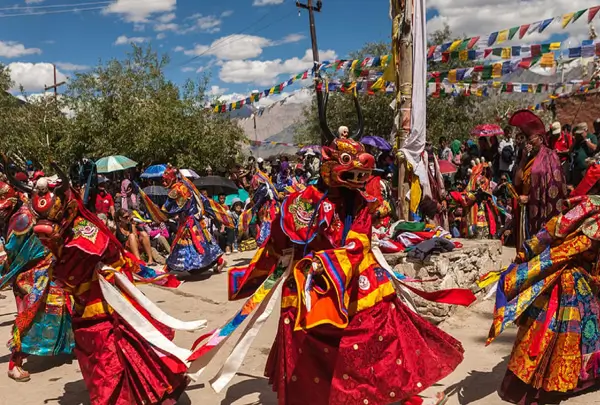
Frequently Asked Questions
Losar is the Tibetan New Year — the most important festival of the Tibetan Buddhist calendar, celebrated for 15 days with prayers, masked monastery dances (Cham), feasting, and community rituals. In India, it is authentically observed in Ladakh, Spiti Valley, Sikkim, and Darjeeling by Tibetan Buddhist communities maintaining centuries-old traditions.
Losar follows the Tibetan lunar calendar and typically falls in February, though the exact date varies each year and can also differ between different regional Tibetan Buddhist traditions (Ladakhi Losar is often a month earlier than Tibetan Losar). Contact Top Indian Holidays for confirmed 2026 Losar dates in each region.
Each offers a distinct experience. Ladakh provides the grandest monastery celebrations in the most dramatic Himalayan landscape, accessible by air to Leh. Spiti offers the most remote and intimate experience at ancient monasteries with fewer tourists, but requires more challenging winter travel. Sikkim is the most accessible and combines Losar with extraordinary mountain views and rhododendron forests. Top Indian Holidays advises based on your adventure level and interests.
Gutor is the monastery ceremony performed on the eve of Losar. It involves collective prayers, ritual fire offerings to dispel negative forces from the old year, and the dramatic Cham masked dance performed by monks. The Gutor Cham at monasteries like Spituk in Ladakh, performed in the monastery courtyard at night with butter lamps, is one of the most atmospherically powerful Buddhist rituals accessible to visitors.
Yes — February in Ladakh is cold. Daytime temperatures range from -5 to 5°C; nights can reach -15 to -20°C. Proper winter clothing is essential: thermal underlayers, down jacket, wool hat, gloves, and insulated boots. Top Indian Holidays provides a detailed winter clothing packing list and advises on appropriate cold-weather preparation for Ladakh Losar visits.
Guthuk is a special noodle soup eaten on Losar eve, with hidden objects in each bowl that are believed to reveal the eater's fortune. Khapse are elaborate deep-fried dough sculptures prepared in auspicious shapes — representing wealth, prosperity, and good fortune — gifted to monasteries and households as part of the new year celebration. Eating Khapse with local families is one of the most intimate Losar experiences.
Some Ladakhi and Spiti monasteries offer guesthouse accommodation on their premises, which provides the most immersive possible experience. Availability is very limited — Top Indian Holidays has established relationships with monastery guesthouses and can arrange stays where available. For those preferring more conventional comfort, hotels in Leh or village guesthouses in Spiti are arranged.
Tabo Monastery, founded in 996 CE, is one of the oldest continuously functioning Buddhist monasteries in the Himalayan region and a UNESCO World Heritage candidate. Its 1,000-year-old murals and sculptures are extraordinary. Losar at Tabo — where a small resident monk community performs ancient rituals in cave temples — is one of India's most intimate and historically profound festival experiences.
Yes — February in Ladakh is the season for the famous Chadar Trek (walking on the frozen Zanskar river, one of the world's most extraordinary winter treks), ice hockey on frozen lakes, and stargazing (Ladakh's winter skies are extraordinary). Top Indian Holidays designs winter Ladakh itineraries combining Losar festival with these unique cold-weather experiences.
Photography is generally permitted at the courtyard Cham dances. Inner sanctum rituals may have restrictions. Always ask before photographing monks or religious ceremonies and accept refusals graciously. Your guide from Top Indian Holidays will advise on appropriate photography conduct and the best positions for capturing the Cham dances.
Kanchenjunga (8,586 metres) is the world's third highest peak and the sacred guardian mountain of Sikkim. February's clear winter air provides some of the year's finest mountain views — from Gangtok, Pelling, and Goechala viewpoints the entire Kanchenjunga massif is visible in full glory. Top Indian Holidays combines Sikkim Losar with mountain viewpoint excursions as standard.
Contact Mr. Nand Singh Rathore: WhatsApp/Call +91-9828085426, Email info@topindianholidays.net, or visit www.topindianholidays.com. We design customised Losar packages for each region — Ladakh, Spiti, or Sikkim — including all winter logistics, accommodation, monastery visits, and festival access.