Jaipur’s Historic Elephant Festival – A Royal Spectacle No Longer Held
Remembering Jaipur’s Elephant Festival
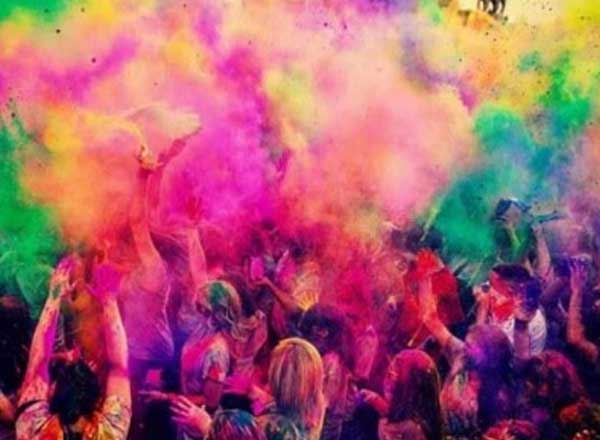
For decades, the Elephant Festival in Jaipur was one of Rajasthan’s most visually striking and culturally rich festivals, held annually on the eve of Holi, the festival of colors. Organized by the Rajasthan Tourism Department, it took place at the Rambagh Polo Ground or Jaipur's Chaugan Stadium, and was a key highlight for international tourists and royal heritage lovers alike.
While the festival is no longer held in its original form—due to evolving animal welfare norms and tourism shifts—it continues to live on in memory as a spectacle of elegance, color, and celebration.
Historical Significance of the Elephant Festival
The Elephant Festival of Jaipur was not just a tourist attraction—it was a symbol of royal tradition and divine reverence in Rajasthan. Elephants have always held an exalted position in Indian culture, associated with Lord Ganesha (the remover of obstacles) and royal processions of the Rajput kingdoms. The festival was seen as a way to pay homage to these majestic creatures while showcasing their grace and cultural importance.
Highlights from the Past Celebrations
- Elephant Decoration and Parade
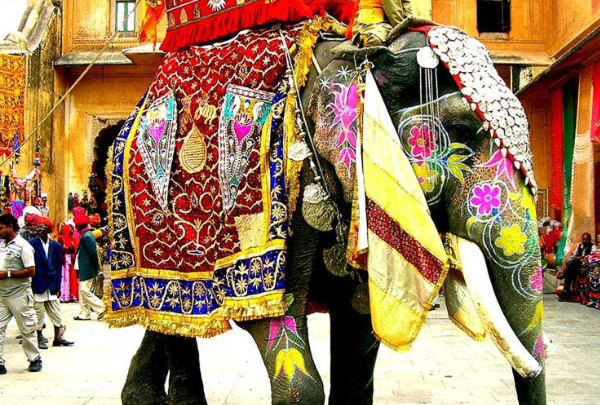
The main highlight was the grand procession of elephants, all adorned in vibrant colors, glittering ornaments, embroidered velvet rugs, and anklets that jingled as they walked. Each elephant was lovingly painted with floral motifs and Rajasthani patterns by expert artists. The best-decorated elephant was awarded a prize, and the event drew thousands of cameras from around the world.
- Elephant Polo and Tug-of-War
One of the most talked-about events was the elephant polo match—a twist on the royal sport, played between teams of trained mahouts and foreign dignitaries. There was also a fun tug-of-war between elephants and groups of local men, which never failed to amaze the audience with the strength and gentleness of the animals.
The festival began with a traditional guard of honor, folk performances, and royal-style parades, including women in traditional attire riding the elephants, evoking images of Jaipur's regal past. These visual stories highlighted the grandeur of India’s heritage.
- Folk Dances, Music & Festivities
Complementing the elephant-centered events were Kalbelia and Ghoomar dance performances, puppet shows, folk music concerts, and Rajasthani food stalls. It was a full-day immersion in Rajasthan’s cultural soul.
Why the Festival Was Discontinued
In recent years, increasing awareness of animal rights and international pressure from conservation groups led to the discontinuation of the Elephant Festival in its traditional form. Ethical tourism and wildlife care now take precedence, and elephants are no longer used for public entertainment in Rajasthan's state-sponsored events.
However, many private properties and heritage hotels have shifted focus to non-invasive elephant experiences, such as ethical elephant walks, feeding programs, and education-based interactions at sanctuaries.
Cultural Legacy & Present-Day Relevance
Even though the festival no longer occurs, its legacy remains a key part of Jaipur's tourism narrative. Many travelers still ask about it, and locals fondly recall the grandeur it brought to Holi celebrations. The event set a precedent for how tourism and tradition could be celebrated with style, until ethics demanded a change.
Travelers can still experience echoes of that royal charm through heritage festivals, private Holi celebrations, and visits to ethical elephant farms like those near Amber Fort.
Though the Elephant Festival of Jaipur no longer takes place, it remains etched in Rajasthan's cultural memory as a grand celebration of heritage, symbolism, and spectacle. For those who never witnessed it, the legacy lives on through stories, images, and the continuing traditions of royal pageantry and responsible tourism in Jaipur. Travelers visiting during Holi can still enjoy colorful celebrations and explore ethical, immersive experiences that honor both India’s royal traditions and animal welfare values.
Let this historic festival be a reminder of how tourism can evolve—balancing joy, culture, and compassion.


 info@topindianholidays.net
 +91-8955000999