
 info@topindianholidays.net
 +91-8955000999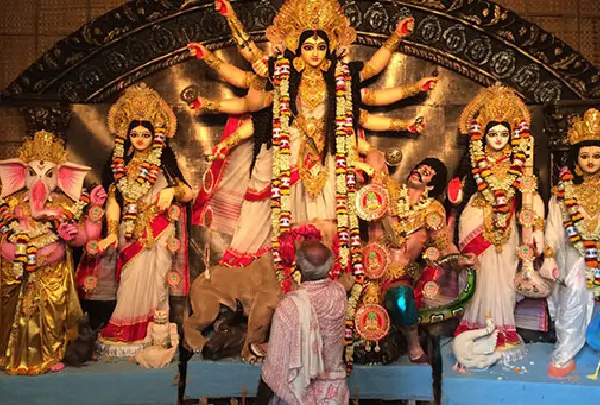
Frequently Asked Questions
Durga Puja is one of the most important Hindu festivals in India, celebrating the victory of Goddess Durga over the demon Mahishasura. It symbolizes the triumph of good over evil and is deeply rooted in mythology and cultural traditions. The festival also represents the annual homecoming of Goddess Durga to her maternal home, making it both a spiritual and emotional celebration. Communities come together to organize rituals, cultural events, and artistic displays, creating a large-scale public festival experience.
Kolkata is widely considered the best city to experience Durga Puja in India. The scale of celebrations, number of pandals, artistic creativity, and cultural involvement make it unmatched compared to other locations. Thousands of themed pandals are set up across the city, each offering a unique design and concept. While other cities like Delhi and Mumbai also celebrate Durga Puja, Kolkata remains the cultural epicenter of the festival.
Durga Puja is celebrated according to the Hindu lunar calendar and usually falls between late September and mid-October. The main festival lasts for five days—Shashthi, Saptami, Ashtami, Navami, and Dashami—while preparations begin weeks in advance. Since the dates change every year, it is important for travelers to check the exact schedule before planning their trip.
Pandals are temporary structures where idols of Goddess Durga are installed and worshipped during the festival. They are a central feature of Durga Puja celebrations, especially in Kolkata. Each pandal is uniquely designed, often based on a specific theme such as mythology, heritage architecture, or social messages. These structures are created by skilled artisans and can take months to build, making them both religious and artistic attractions.
Pandal hopping refers to the practice of visiting multiple pandals across the city during Durga Puja. It is one of the most popular activities for both locals and tourists. Visitors typically move from one neighborhood to another, exploring different themes, designs, and rituals. Many people prefer to explore pandals in the evening when they are fully illuminated, while others choose early morning visits to avoid crowds.
A duration of 4 to 7 days is ideal for a Durga Puja Festival Tour India. This allows travelers to experience the main rituals, visit multiple pandals across different parts of the city, enjoy cultural performances, and explore local cuisine. Spending time across both North and South Kolkata ensures a more complete understanding of the festival’s diversity.
Yes, Durga Puja is highly suitable for international travelers. The festival is public, inclusive, and widely celebrated, making it easy for visitors to observe and participate respectfully. English-speaking guides, organized tours, and clear public arrangements make navigation convenient. It also offers a deeper cultural experience compared to traditional sightseeing, allowing travelers to connect directly with local traditions and communities.
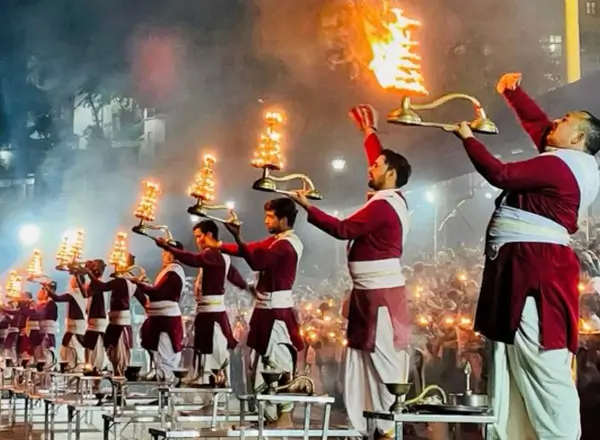
Visitors can observe several important rituals during Durga Puja, including Pushpanjali (flower offerings), Aarti (evening prayers with lamps), Dhunuchi dance (a traditional dance with incense), and Sindoor Khela (a ritual performed by married women on the final day). These ceremonies are performed in open spaces, making them accessible to visitors who wish to understand the spiritual aspects of the festival.
Durga Puja is an excellent time to explore Bengali cuisine. Many pandals serve bhog, a traditional vegetarian meal offered as part of the rituals. In addition, food stalls and restaurants offer a wide range of dishes, including fish curry, rice-based meals, sweets like rasgulla and sandesh, and various street food options. The diversity of food adds another layer to the cultural experience.
Durga Puja attracts large crowds, especially in popular pandal areas and during evening hours. To manage this, travelers can visit pandals early in the morning or late at night when footfall is relatively lower. Planning specific routes, focusing on selected areas, and using guided tours can also help in navigating the crowds more efficiently.
Yes, Durga Puja is one of the best times for photography in India. The festival offers vibrant visuals, including decorated pandals, detailed idols, cultural performances, and dynamic street scenes. The combination of lighting, colors, and human interaction creates unique opportunities for both amateur and professional photographers.
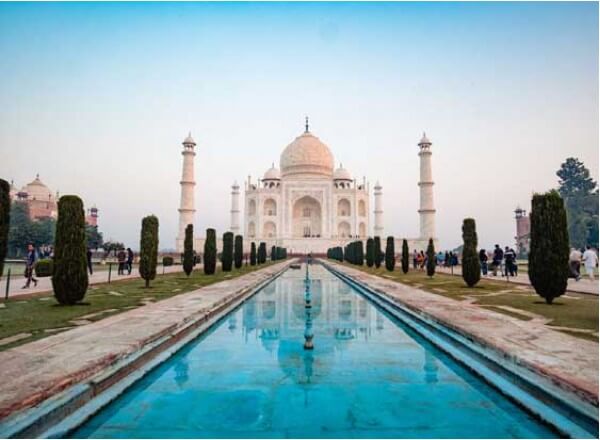
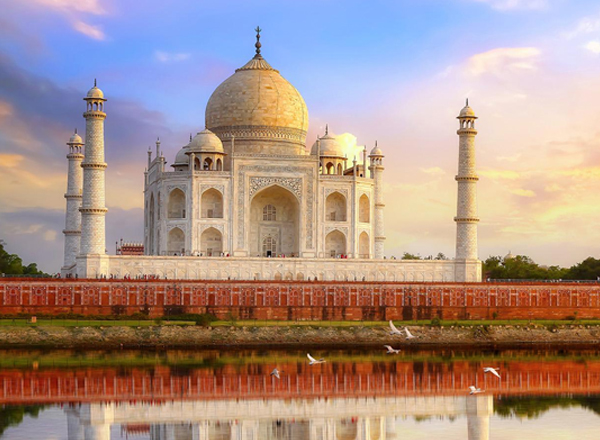
Yes, a Durga Puja Festival Tour India can be combined with other popular destinations such as Delhi, Agra, Jaipur, or Varanasi. Many travelers choose to include the Golden Triangle route along with Kolkata to create a more comprehensive itinerary. This allows them to experience both India’s historical landmarks and its cultural festivals in a single journey.